Support

Donegal

About

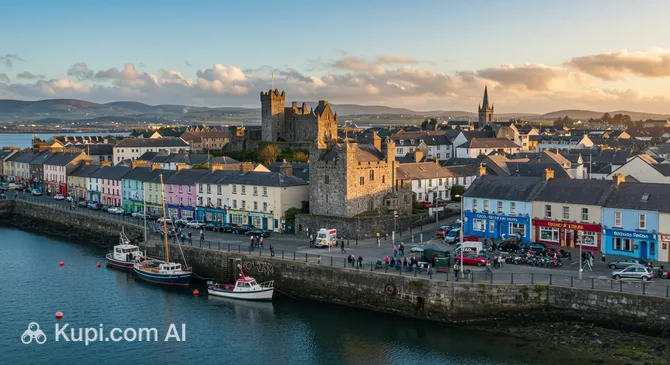
Donegal Town is a vibrant and historic settlement that serves as the perfect gateway to the wild landscapes of the northwest. Located in Ireland, this charming town sits at the mouth of the River Eske, right where it meets the waters of Donegal Bay. With the Blue Stack Mountains providing a dramatic backdrop, it offers a scenic and atmospheric setting for travelers.

Donegal. Source: Kupi.Binoculars

Although it has a relatively small population of around 2,600 residents, the town is bustling with energy and character. It is a place where tradition meets modern hospitality. Visitors can easily delve into the fascinating history of Donegal, which dates back to the times of the O'Donnell clan, one of the most powerful families in ancient Irish history.

The town center, known as The Diamond, is a popular gathering spot surrounded by hotels and shops. Just a stone's throw away stands the imposing Donegal Castle, a fully restored 15th-century stronghold that offers a glimpse into the region's aristocratic past. Another key site is the ruin of the Old Franciscan Friary along the quayside, offering a serene atmosphere and beautiful views of the bay.

Whether you are taking a scenic cruise on the waterbus or using the town as a base to explore the rugged coastline, Donegal offers a warm welcome. It is an ideal destination for those seeking a blend of heritage, culture, and natural beauty.

Weather Overview

The climate here is mild and oceanic, avoiding extreme heat or severe cold but bringing frequent showers throughout the year. To help plan your activities and packing list, it is useful to check the detailed weather in Donegal. The influence of the nearby Atlantic Ocean ensures that the landscape remains lush and green, though it also means that rain is a regular feature of daily life.

During the warmest months of July and August, average temperatures sit around 14.3°C, with daytime highs reaching a comfortable 17°C. Winters are generally cool rather than freezing, with January averages dropping to 5.1°C and nighttime lows around 3.2°C. Precipitation is consistent year-round, with August experiencing up to 23 wet days, so visitors should expect cool, breezy winters and mild summers with a high chance of rain.

Interesting Facts

Beyond the scenic views and bustling market square, Donegal Town hides a wealth of stories that often escape the casual observer. From ancient Viking connections to literary legacies, the town’s past is woven with intriguing details waiting to be discovered.

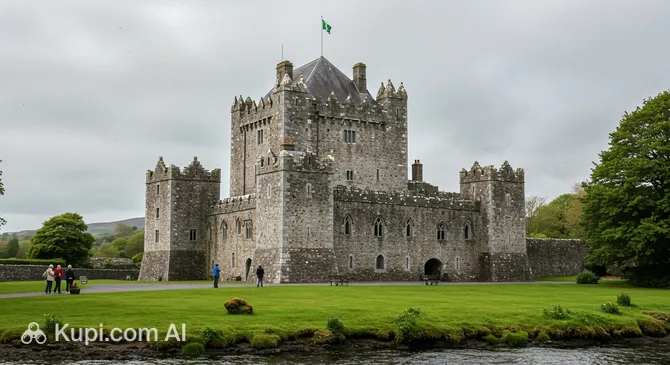
Donegal Castle. Source: Kupi.Binoculars
  • The town’s name, Dún na nGall, translates to "Fort of the Foreigners," a reference to a Viking fortress that is believed to have stood here in the 9th century. While the Vikings are long gone, this etymology serves as a permanent reminder of the Norse seafarers who once anchored in the bay long before the local clans rose to power.

  • The iconic Donegal Castle has a dramatic "scorched earth" history. Before fleeing to Spain during the famous Flight of the Earls in 1607, the O'Donnell clan deliberately damaged their own stronghold to prevent it from being useful to incoming English forces. The castle was later restored and expanded with a distinct Jacobean wing by Sir Basil Brooke.

  • A massive anchor sits prominently in The Diamond, the town's central gathering place. This heavy artifact dates back to the late 18th century and is widely believed to have belonged to the French frigate Romulus, serving as a tangible link to the era of Napoleonic naval activity and French expeditions along the Irish coast.

  • The ruins of the Old Franciscan Friary near the quay are historically significant far beyond their crumbled walls. The friars associated with this site were instrumental in compiling the Annals of the Four Masters, a monumental chronicle that preserved centuries of Irish history and folklore which might otherwise have been lost forever.

How to Get There

Reaching this scenic town in the northwest of Ireland involves traveling through some of the country's most beautiful landscapes. While the town itself is tucked away in a rugged coastal area, there are several transport hubs that serve the region. For a comprehensive overview of all travel options, routes, and tips, you can read more about how to get to Donegal.

The most convenient entry point for many visitors is Donegal Airport (CFN), which is located within the county. Although it is a smaller regional facility with limited passenger traffic, it places you relatively close to your destination. The airport is situated approximately 45.9 km from the town center, and the journey by taxi or bus typically takes around 89 minutes. This airport is renowned for its spectacular scenic approach.

For those arriving from further afield, Belfast International Airport (BFS) in Belfast is a major alternative. As a large international hub, it offers a much wider range of flight connections. However, it is located about 122.2 km away from Donegal. Travelers choosing this route should plan for a transfer time of approximately 203 minutes by road. Another nearby option is City of Derry Airport (LDY) in Londonderry, which is roughly 74.7 km away and takes about 132 minutes to reach by transport.

For clarity, here is a summary of the main airports:

Airport Name City Passenger Traffic Km from City
Belfast International AirportBelfastLarge122.2
George Best Belfast City AirportBelfastMedium144.5
Ireland West Airport KnockKnockMedium94.8
City of Derry AirportLondonderrySmall74.7
Donegal AirportDonegalSmall45.9

Travel by rail requires some additional planning as the rail network does not extend directly into the town. The city of Donegal does not have a railway station, but you can arrive at the Glasgow Central Station station in the city of Glasgow, which is about 279.2 km from Donegal. From there, you can get a taxi or bus, which takes about 439 minutes. Please note that this route involves a significant distance and likely requires a ferry crossing due to the location.

Below is the data for the nearest major railway stations listed:

Station City Passenger Traffic Km to Center
Glasgow Central StationGlasgowLarge279.2
Aberdeen Railway StationAberdeenLarge280.7

Main Attractions

The town’s rich heritage is best experienced at Donegal Castle, which stands proudly on the banks of the River Eske. Originally built in the 15th century by the O'Donnell chieftains, one of the most powerful families in Ireland, the castle was later extended in the Jacobean style. Today, this fully restored national monument invites visitors to explore its furnished keep and manicured grounds, offering a captivating glimpse into the region's turbulent and aristocratic past.

For a unique perspective of the surrounding landscape, a trip on the Donegal Bay Waterbus is highly recommended. This spacious passenger boat takes tourists on a guided cruise around the bay, providing panoramic views of the Blue Stack Mountains and the rugged coastline. It is a relaxing way to learn about the local maritime history and offers a good chance to spot the seal colony that inhabits the seal banks near the town.

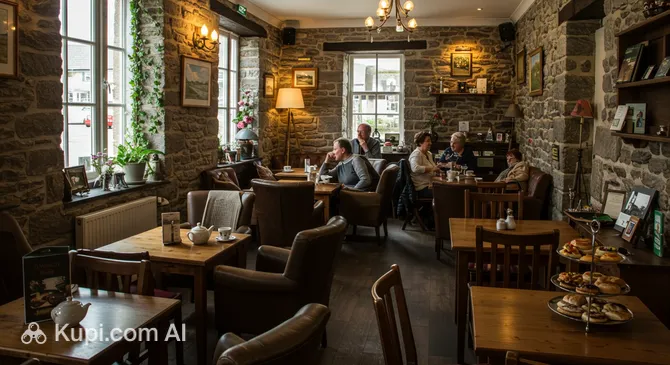
After a day of sightseeing, the Blueberry Tea Room and Restaurant serves as a charming stop for refreshments. Known for its welcoming atmosphere and homemade cuisine, this establishment is a favorite among visitors looking to taste authentic local flavors in a cozy setting. It is an ideal spot to relax and enjoy the famous Irish hospitality.

Blueberry Tea Room and Restaurant. Source: Kupi.Binoculars

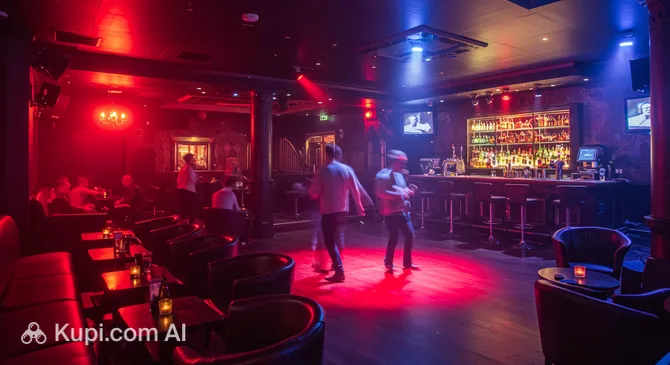
As evening falls, the town comes alive with various entertainment options. The Abbey Hotel Nightclub is a central hub for nightlife in Donegal, frequently hosting live music and social events. Located right in the heart of the town, it offers a lively environment for those wishing to experience the energetic side of local culture after the sun goes down.

Local Cuisine

The culinary scene in Donegal Town is deeply rooted in its coastal location and agricultural heritage. Situated along the Wild Atlantic Way, the town offers an abundance of fresh, locally sourced ingredients. Seafood is naturally the star here, with trawlers from nearby Killybegs—Ireland's largest fishing port—delivering the day's catch straight to local kitchens. The food culture is unpretentious and hearty, focusing on high-quality produce served with warm Irish hospitality.

When visiting, you simply must try the Donegal seafood chowder. This rich, creamy soup is a staple on almost every menu, packed with chunks of fresh salmon, cod, and smoked haddock, and typically served with a slice of homemade brown soda bread. Another regional highlight is the succulent mountain lamb, raised on the heather-covered hills surrounding the town. For a traditional taste of the northwest, look for boxty, a savory potato pancake that is often paired with bacon and eggs or served as a side to a main course.

In terms of drinks, the local pubs are the heartbeat of the community. While a pint of creamy stout or a glass of Irish whiskey is the standard choice, there is a unique local beverage worth seeking out: Football Special. This banana-flavored mineral water was originally created in County Donegal and has achieved cult status; you won't easily find it outside this part of Ireland, making it a fun curiosity for visitors to try.

Abbey Hotel Nightclub. Source: Kupi.Binoculars

Dining in Donegal is a relaxed affair, often centered around "The Diamond" and the surrounding streets. For a cozy lunch or a mid-afternoon treat, the Blueberry Tea Room and Restaurant is a favorite stop, famous for its home-baked goods and inviting atmosphere. As the evening progresses, the town's social life moves to its vibrant bars and hotels. Venues like the Abbey Hotel Nightclub offer a lively setting where you can enjoy a drink, listen to music, and experience the energetic spirit of a Donegal night out.

Travel Tips

Visiting Donegal Town is a delightful experience, offering a warm welcome into the heart of Ireland's rugged northwest. To help you make the most of your trip and navigate the local customs with ease, here are some practical tips to keep in mind before you arrive.

  1. Clothing and Gear: Given the changeable Atlantic weather, the best approach is to pack layers. A high-quality waterproof and windproof jacket is essential, even in summer, as rain showers can appear suddenly. Bring comfortable, water-resistant walking shoes for exploring the town's cobblestones and the nearby hills. Don't forget a Type G power adapter (three rectangular pins) if you are traveling from outside the UK or Ireland.

  2. Transportation: While Donegal Town itself is compact and easily walkable, exploring the wider county is best done by car. Public transport within the town is limited, though reliable bus services (like Bus Éireann) connect to major hubs like Dublin and Galway. There is no train station here, so if you don't rent a car, you will rely on buses and local taxis, which can be found waiting at The Diamond.

  3. Finances: The local currency is the Euro (€). Credit and debit cards (Visa and Mastercard) are widely accepted in hotels, restaurants, and most shops. However, it is wise to carry some cash for smaller purchases, local buses, or rural pubs that might not have card machines. ATMs are readily available around The Diamond. Tipping is appreciated but not mandatory; leaving 10-15% in restaurants for good service is standard practice.

  4. Health and Safety: Donegal is generally a very safe destination for tourists. Pharmacies (Chemists) are available in the town center for minor ailments and advice. In case of an emergency, dial 999 or 112 for police, ambulance, or fire services. The main precaution is to be careful near water edges and cliffs if you venture out to the coast, as conditions can be unpredictable.

  5. Communication: English is the primary language spoken by everyone, though you are close to the Gaeltacht (Irish-speaking regions), so you may see bilingual road signs. Locals are chatty and helpful; don't hesitate to ask for directions. Free Wi-Fi is common in cafes and hotels. If you need a SIM card, you can purchase one from convenience stores or phone shops in town.

  6. Local Etiquette: The atmosphere here is relaxed and friendly. It is polite to acknowledge people with a nod or a "hello" when walking on quieter roads. If you are drinking in a pub with a group of locals, be aware of the "rounds" system—if someone buys you a drink, you are expected to buy the next round for the group. Skipping your turn is considered rude.

  7. What to Avoid: Avoid referring to Donegal as being in the "UK" or "Britain." It is proudly part of the Republic of Ireland (in the province of Ulster), and confusing the two can be a sensitive topic. It is also best to steer clear of discussing controversial political history or religion unless you know your company well.

  8. Shopping Hours: Keep in mind that life here moves at a gentler pace. Most shops in the town center open around 9:00 AM and close by 6:00 PM, and many may have reduced hours or be closed on Sundays. Plan your shopping for souvenirs or essentials accordingly to avoid disappointment.

By keeping these simple tips in mind, you will be well-prepared to enjoy the charm and hospitality of this beautiful town. Whether you are chatting with locals in a pub or exploring the historic streets, a little preparation ensures your adventure in the northwest will be memorable for all the right reasons.

Entertainment & Nightlife

Nightlife in Donegal Town is vibrant, welcoming, and deeply rooted in the Irish tradition of social gathering. Unlike the high-intensity club scenes of major metropolises, the evening entertainment here revolves around the "craic"—good conversation, laughter, and, most importantly, live music. The action is concentrated almost entirely around the town center, particularly The Diamond and Main Street, making it easy to hop from one venue to another on foot.

The local pub culture is the heartbeat of the town after dark. The Reel Inn is a must-visit for anyone seeking authentic traditional Irish music. It is famous for its impromptu sessions where musicians gather to play fiddles, flutes, and bodhráns, creating an atmosphere that is both intimate and electric. For those looking for a more energetic end to the night, the Abbey Hotel Nightclub is the premier destination for dancing. Located centrally, it frequently hosts DJs and live bands, drawing a lively crowd of locals and tourists until the early hours of the morning.

Another popular spot is McCafferty’s Bar, which offers a cozy, rustic setting perfect for enjoying a pint of stout and listening to ballads or folk songs. The atmosphere across the town is casual and unpretentious; there is rarely a strict dress code, so smart-casual attire is perfectly acceptable everywhere. Bars typically stop serving around 11:30 PM on weeknights and 12:30 AM on weekends, while the nightclub operates later into the night.

From a practical standpoint, a night out in Donegal is affordable compared to larger cities like Dublin. The price of a pint generally ranges between €5.50 and €6.00. The town center is very safe for walking at night, with well-lit streets and a friendly community presence. However, if you are staying in a B&B on the outskirts, the roads can be quite dark and lack footpaths. It is highly recommended to use a local taxi for your return journey. Taxis often wait at The Diamond, but booking one in advance on busy weekend nights is a smart move.

While the nights are defined by music and socializing, daytime entertainment in the area offers a quieter charm. Visitors can explore the Donegal Craft Village to see local artisans at work or enjoy the scenic beauty of the bay. Whether you are spending your day exploring history or your night tapping your foot to a reel, the town offers a seamless blend of relaxation and excitement.

Parks & Museums

Donegal Town offers a delightful mix of accessible green spaces and rich cultural heritage sites, making it easy for visitors to transition from a relaxing nature walk to an immersive history lesson within minutes. While the town itself is compact, its strategic location on the bay and the river provides scenic areas for recreation, complemented by museums that preserve the unique stories of the northwest.

For those seeking fresh air and tranquility, The Bank Walk is the town's most beloved outdoor asset. This scenic 2.5-kilometer trail meanders along the west bank of the River Eske, starting near the town center and leading out towards the bay. It is a gentle, flat route sheltered by mature trees, offering stunning views of the estuary and the local wildlife. Just a short drive from the town lies Murvagh Beach, a vast expanse of golden sand backed by extensive dunes and a pine forest. It is a designated Blue Flag beach, perfect for long, bracing walks or a quiet picnic away from the bustling town square.

In terms of culture, the Donegal Railway Heritage Centre is a fascinating stop located in the old station house. It celebrates the history of the narrow-gauge railways that once operated across the county. The museum is packed with memorabilia, beautifully restored rolling stock, and interactive exhibits, making it a hit with both railway enthusiasts and families. Another cornerstone of local heritage is Donegal Castle. Operating as a restored monument and museum, it offers guided tours that explain the lifestyle of the O'Donnell chieftains and the later Jacobean settlers, featuring period furniture and informative historical displays.

History is etched into the landscape here, most notably at the Old Franciscan Friary. Located on the quayside, these atmospheric ruins date back to the 15th century and were once the center of religious learning where the famous Annals of the Four Masters were compiled. Although largely destroyed over the centuries, the remaining stone walls against the backdrop of the bay create a poignant and photogenic site.

For a truly local experience, keep an eye out for the "Fairy Garden" hidden along the Bank Walk. Small, colorful doors have been placed at the base of trees by locals, creating a magical trail that delights children and adds a touch of whimsy to the woodland stroll.

Getting Around

Public transport in Donegal Town is relatively simple and scaled to the size of the settlement. As a compact town with a population of around 2,600, there is no metro, tram, or trolleybus system. For the vast majority of visitors, the town center is best navigated on foot, as most hotels, restaurants, and attractions are located within a short walking distance of the central market square, known as The Diamond.

The primary form of public transportation connecting the town to the surrounding areas and the rest of the country is the bus network. Bus Éireann is the main national operator, providing frequent services that link the town to major hubs like Dublin, Sligo, and Galway. In addition to the national carrier, the TFI Local Link service offers vital connections to rural villages and scenic spots within the county that are otherwise difficult to reach without a car. Several private coach operators also run routes through the town, serving destinations in the northwest.

For payment, the most convenient option for tourists traveling by bus in Ireland is the TFI Leap Card. This is a rechargeable smart card that can be used on Bus Éireann services and offers a significant discount—usually around 30%—compared to single cash fares. You can purchase these cards online or at designated agents in larger cities before arriving. If you do not have a card, cash is widely accepted on buses. It is advisable to have coins or small notes ready, as drivers may not always have change for large denominations.

Practical advice for using the bus system centers around The Diamond, which acts as the main transport hub. Most buses pick up and drop off passengers at the stops located here, often outside the Abbey Hotel. Timetables can sometimes change, so it is highly recommended to download the TFI Live App for real-time updates and route planning. Operating hours vary by route; while intercity buses run from early morning until late evening, local rural services may have a much more limited schedule, sometimes operating only a few times a day.

Taxis are a popular alternative for short trips, especially if you are staying in a Bed & Breakfast on the outskirts of town or returning home after a night out. There is a designated taxi rank on The Diamond where you can usually find a car waiting. Taxis run on a meter system, but for longer excursions, it is possible to negotiate a fixed price with the driver beforehand. Car-sharing apps like Uber are generally not active in this rural part of the country, so relying on local dispatch numbers or the taxi rank is best.

While there are no trains or historic trams, the town does feature a unique water-based transport option for sightseeing: the Donegal Bay Waterbus. Although it is a tourist attraction rather than a commuter service, it is worth noting as a major vessel operating from the pier. For those wishing to explore the Wild Atlantic Way at their own pace, renting a car remains the most practical choice, as public transport does not reach the more remote beaches and mountain passes. Bike rentals are also available seasonally for those who prefer a leisurely cycle along the coast.

Accommodation

Accommodation in Donegal caters to a wide variety of travel styles, ranging from cozy, family-run establishments to more luxurious retreats. The town is particularly well-served by Bed and Breakfasts (B&Bs), which are a staple of Irish hospitality and offer a warm, personal welcome. In addition to these, visitors can find traditional hotels, self-catering holiday homes, and guesthouses that provide comfortable bases for exploring the northwest.

When choosing where to stay, location is a key factor. For those who want immediate access to dining, nightlife, and transport, the area around The Diamond in the town center is the most convenient choice. Staying here means you can easily walk to the main attractions and catch buses without needing a car. Conversely, if you prefer tranquility and scenic landscapes, the outskirts of the town offer excellent options. Many lodgings located a short drive away provide stunning views of the Blue Stack Mountains or Donegal Bay, offering a peaceful respite after a day of sightseeing.

Prices generally reflect the season and the level of luxury. Budget-conscious travelers will find affordable rates in hostels and smaller guesthouses, while mid-range hotels offer standard amenities at reasonable prices. For a premium experience, there are manor-style hotels and resorts located in the wider countryside. Most accommodation can be booked easily via major online travel platforms or by contacting the properties directly.

Booking Tip: Donegal is a very popular stop along the Wild Atlantic Way, especially during the peak summer months of July and August. To ensure you find a place that meets your needs, it is highly advisable to book your accommodation several months in advance, as the best options tend to fill up quickly.

Nearby Cities

For those looking to explore the surroundings, Donegal serves as an excellent base for day trips to several interesting nearby locations:

Although some destinations require a journey through the Irish countryside, they offer rewarding experiences. Galway, often called the "City of the Tribes," is a vibrant cultural hub on the west coast known for its lively Latin Quarter, street performers, and artistic heritage. For history enthusiasts, Athlone is situated in the heart of the country along the River Shannon, featuring the impressive Athlone Castle and a charming old town area that is perfect for a leisurely visit.

City Population Distance (km)
Galway79504166
Drogheda40956155
Dundalk39004133
Navan30173145
Athlone21349137

These nearby destinations offer a glimpse into the diverse culture and landscapes of the region.

Shopping & Souvenirs

Shopping in Donegal Town is a delightful experience that focuses less on high-street fast fashion and more on authentic Irish heritage, craftsmanship, and local produce. The town is world-renowned for its textile traditions, particularly the famous Donegal Tweed, making it a premier destination for visitors seeking high-quality clothing and woven goods. The atmosphere is relaxed and friendly, with most stores situated within a compact, walkable area, allowing you to browse at a leisurely pace while enjoying the historic surroundings.

The heart of the town's retail activity is centered around The Diamond, the historic market square that serves as the hub of the community. Radiating outwards from this central point, you will find a variety of independent boutiques, gift shops, and family-run businesses lining the streets. This area is perfect for window shopping, with colorful storefronts offering everything from handmade jewelry to traditional Irish musical instruments. Being close to major landmarks like Donegal Castle, it is easy to combine a spot of shopping with your sightseeing itinerary.

While the town is too small to host the massive sprawling malls found in larger cities, it offers a unique department store experience at the flagship Magee of Donegal store located right on The Diamond. This historic establishment is a local institution, offering a vast selection of clothing, gifts, and accessories across multiple floors. For more general needs and grocery shopping, the Donegal Shopping Centre is situated just off the main thoroughfare, providing access to supermarkets and essential services in a convenient location.

For a more artisanal shopping experience, the Donegal Craft Village is a must-visit highlight located just a short distance from the town center. This cluster of workshops is home to a community of talented artists and craftspeople. Here, you can meet the makers, watch them at work, and purchase unique items directly from the source. From glass art and printmaking to bespoke jewelry and felt art, it serves as a vibrant marketplace for contemporary Irish design and is an excellent alternative to a traditional flea market.

When it comes to souvenirs, Donegal Tweed is undoubtedly the item to bring home. Whether it is a classic flat cap, a tailored jacket, or a warm woolen blanket, the quality of the local weave is unmatched. Other popular keepsakes include Aran knitwear, hand-thrown pottery, and Celtic jewelry. Foodies might also want to pick up some locally produced preserves or artisanal chocolates, which capture the flavors of the region and make for excellent gifts.

Store opening hours in Donegal generally follow a standard schedule, with most businesses opening around 9:00 AM and closing by 6:00 PM from Monday to Saturday. Sunday hours can be more limited, with some smaller shops remaining closed or opening later in the afternoon, although larger retailers and tourist-focused stores usually welcome visitors. Euros (€) are the official currency, and credit or debit cards (Visa and Mastercard) are widely accepted, though carrying a small amount of cash is always useful for smaller purchases.

Visitors from outside the European Union should be aware of the Retail Export Scheme, which allows tourists to claim a refund on Value-Added Tax (VAT) for goods purchased to be taken home. Many participating stores in Donegal display a "Tax-Free Shopping" sign in their windows. Be sure to ask for a tax refund form at the point of purchase, which you will need to present at the airport upon your departure from the EU.
Reached the end of the page?

That means the route is fully explored