Support

Kerry

About

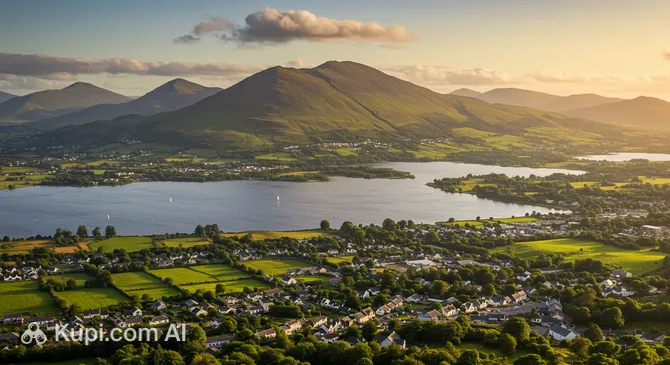
Welcome to Kerry, affectionately known as "The Kingdom" by locals and visitors alike. Located in the majestic southwest of Ireland, this region is celebrated for its breathtaking landscapes, rugged coastline, and warm hospitality. Whether you are seeking outdoor adventure or a peaceful retreat amidst nature, Kerry offers an unforgettable atmosphere that captures the true essence of the Emerald Isle.

Kerry. Source: Kupi.Binoculars

Geographically, Kerry is defined by its dramatic peninsulas jutting into the Atlantic Ocean and its soaring mountains, including Carrauntoohil, the highest peak in the country. The climate here is mild and oceanic, often creating lush green vistas that contrast beautifully with the deep blue sea. As you explore the area, you will discover that the history of Kerry is deeply woven into its ancient stone forts, early Christian monastic sites, and vibrant cultural traditions that have endured for centuries.

Travelers are drawn to this destination for its world-class attractions. The famous Ring of Kerry offers a scenic drive with panoramic views that are simply unmatched. Meanwhile, Killarney National Park provides a sanctuary of woodlands and lakes, perfect for hiking and spotting local wildlife. For those looking for a unique coastal experience, the Dingle Peninsula charms visitors with its rugged beauty and authentic Irish-speaking communities.

From its lively pubs filled with traditional music to its serene natural wonders, Kerry is a place that invites you to slow down and savor every moment. We invite you to pack your bags and discover the magic of this spectacular corner of the world for yourself.

Weather Overview

The climate in this region is typically mild and oceanic, characterized by fresh air and lush green landscapes fed by regular rainfall. Before packing for your trip, it is helpful to review the weather in Kerry to ensure you are prepared for the changeable conditions. Generally, you can expect moderate temperatures year-round, lacking the extremes of scorching heat or freezing cold found in other parts of the world.

Summer offers the most pleasant conditions for outdoor activities, with July and August being the warmest months. During this time, average temperatures hover around 15°C, with daily maximums reaching approximately 18.2°C. While these months are milder, they are not immune to rain, so layers are always recommended.

Winters are cool but generally avoid bitter frosts. January is typically the coldest month, with average temperatures dropping to around 5.9°C and nightly lows dipping to 3.5°C. December follows a similar pattern, with highs of roughly 9.0°C. Despite the cooler air, the region rarely sees severe temperature drops, making it accessible even in the off-season.

Rainfall is a defining feature of the local weather pattern. Visitors should anticipate frequent showers, as the region experiences between 14 and 19 wet days per month throughout the year. October and August are among the wettest months in terms of frequency, with up to 19 days of rain, while May is slightly drier with around 14 wet days. Overall, expect mild summers, cool winters, and a high likelihood of rain regardless of the season.

Interesting Facts

Beyond the scenic drives and famous landscapes, Kerry holds many fascinating secrets that dwell in its ancient history and unique local customs. Here are a few intriguing details that reveal the deeper character of "The Kingdom."

  • A Goat is Crowned King: In the town of Killorglin, a bizarre and ancient tradition takes place every August known as the Puck Fair. A wild mountain goat is caught, paraded through the town, and crowned "King Puck," reigning over the festivities from a high stand for three days before being released back into the wild.

  • Prehistoric Footprints: Valentia Island is home to the Tetrapod Trackway, which contains fossilized footprints dating back over 350 million years. These tracks are among the oldest in the world and mark a pivotal moment in evolution when creatures first began to transition from water to land.

  • A Sanctuary for Stargazers: The Iveragh Peninsula is designated as the Kerry International Dark-Sky Reserve, one of the only Gold Tier reserves in the Northern Hemisphere. The lack of light pollution here is so complete that on clear nights, the Milky Way and other constellations are visible to the naked eye with stunning clarity.

  • Antarctic Heroism: The village of Annascaul was the home of Tom Crean, a legendary Antarctic explorer who served with both Scott and Shackleton. After his epic expeditions, he returned to Kerry and opened a pub called the South Pole Inn, which still welcomes visitors today with memorabilia from his journeys.

  • Star Wars Sanctuary: The jagged island of Skellig Michael, famous for its ancient monastic settlement, gained intergalactic fame as a filming location for the Star Wars movies. It served as the secluded island refuge for Luke Skywalker, introducing the dramatic Kerry coastline to a whole new generation of fans.

How to Get There

Reaching this captivating region in the southwest of Ireland is relatively straightforward, with several convenient options available for travelers. Whether you prefer to fly directly into the heart of the county or land in a nearby city and enjoy a scenic drive, you can find the best route for your journey. For detailed information on all transport modes, you can read more about how to get to Kerry.

The most direct way to arrive is by flying into Kerry County Airport (IATA: KIR). Conveniently situated within Kerry itself, this regional hub allows you to start your adventure immediately upon landing. It is located just 4.2 km from the center, making the transfer to local accommodations a very short drive. Although it is a smaller airport, it offers vital connections for those wishing to minimize travel time on the ground.

Alternatively, many visitors choose to fly into larger international hubs nearby. Shannon Airport (IATA: SNN), located in the city of Shannon, is a popular choice for transatlantic and European flights. It is situated about 75.0 km from Kerry, offering a manageable drive through the region. Another excellent option is Cork Airport (IATA: ORK) in Cork city, which is roughly 81.7 km away. Traveling from Cork allows you to enjoy a scenic journey through the Irish countryside before arriving at your destination.

For clarity, here is a summary of the main airports:

Airport Name City Passenger Traffic Km from City
Dublin Airport Dublin Large 263.3
Cork Airport Cork Medium 81.7
Shannon Airport Shannon Medium 75.0
Ireland West Airport Knock Knock Small 201.8
Kerry County Airport Kerry Small 4.2

While flying is a common choice, the region is also accessible by other means. Ireland's rail network connects major cities like Dublin and Cork to towns within the county, offering a relaxing way to view the landscape. Bus services are also widely available, providing budget-friendly links from various parts of the country to the main towns in Kerry.

Main Attractions

Attractions:

County Kerry is a treasure trove of natural wonders and historic sites, offering visitors a chance to explore some of Ireland's most iconic scenery. From ancient stone forts perched on the edge of the Atlantic to lush woodlands and tranquil lakes, the region is packed with destinations that capture the imagination. Below are some of the top places to include in your itinerary.

Killarney National Park is undoubtedly the jewel in Kerry's crown. Spanning over 10,000 hectares, this expanse includes the famous Lakes of Killarney and majestic oak woodlands. Visitors can explore the grounds of Muckross House, a stunning Victorian mansion, or take a walk to Torc Waterfall, which cascades 20 meters down through the trees. The park is also a sanctuary for Ireland's only remaining wild herd of native red deer, making it a must-visit for nature lovers.

For those seeking a journey into the past, Skellig Michael offers an experience like no other. This UNESCO World Heritage site is a steep, rocky island located off the coast, famous for its well-preserved early Christian monastery founded between the 6th and 8th centuries. Visitors can climb the hundreds of stone steps to reach the beehive huts at the summit, where monks once lived in isolation. The island's dramatic silhouette and puffin colonies add to its mystical allure.

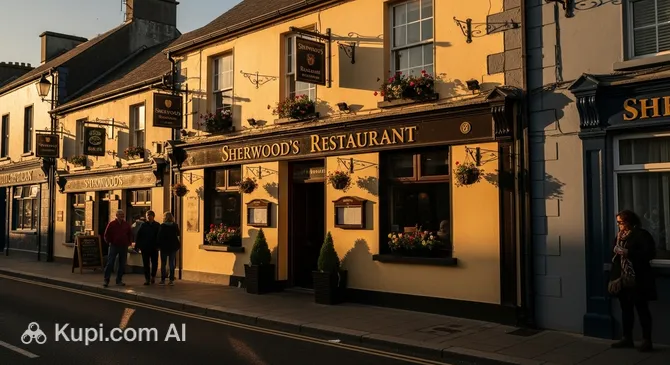
Sherwood's. Source: Kupi.Binoculars

After a day of hiking and sightseeing, experiencing the local hospitality is essential. Sherwood's is a welcoming spot where travelers can relax and recharge. Whether you are looking for a hearty meal or a friendly atmosphere to recount the day's adventures, this venue provides a slice of local life that complements the grandeur of the surrounding landscape.

Another historical highlight is Ross Castle, a 15th-century tower house sitting on the edge of Lough Leane. Built by the O'Donoghue Ross chieftains, the castle is steeped in legend and offers guided tours that reveal the turbulent history of the region. In the summer months, you can take boat trips from the castle pier to explore the lakes and the nearby Innisfallen Island, combining history with scenic water views.

Local Cuisine

The culinary landscape of Kerry is as dramatic and varied as its scenery, heavily influenced by its extensive coastline and fertile pastures. Known as "The Kingdom," this region is a haven for food lovers, offering a farm-to-fork and tide-to-table experience that highlights the freshness of local ingredients. Whether you are dining in a high-end restaurant or a cozy village pub, the emphasis is always on quality, seasonality, and traditional flavors.

Given its location on the edge of the Atlantic, seafood is the undisputed star of the local menu. You simply cannot visit without trying a bowl of creamy seafood chowder, typically served with a slice of dense, homemade brown soda bread slathered in Kerrygold butter. For shellfish enthusiasts, the region is famous for Cromane mussels and fresh oysters, while Dingle Bay prawns are a delicacy sought after by chefs across the country. The catch of the day is often landed just hours before it reaches your plate, ensuring an authentic taste of the ocean.

Beyond the sea, the mountains and valleys produce exceptional meat and dairy. Kerry lamb is renowned for its unique flavor, a result of the animals grazing on wild heather and herbs along the rugged hillsides. It is often roasted or slow-cooked in hearty stews that provide comfort on misty days. The region is also celebrated for its artisan cheeses and black pudding, particularly from the Sneem area, which has a distinct texture and taste beloved by locals.

When it comes to drinks, the local culture is vibrant and evolving. While a pint of stout remains a staple in every pub, Kerry has seen a boom in craft distilling and brewing. Dingle Gin has gained international acclaim, capturing the essence of the landscape with locally foraging botanicals like rowan berry and bog myrtle. For non-alcoholic options, tea is an institution in itself, usually served strong and hot, often accompanying a scone with jam and fresh cream.

The food culture here is relaxed yet passionate, with the town of Dingle often cited as the culinary capital of the southwest. Visitors will find a mix of traditional bustling pubs, where food is enjoyed alongside live music, and modern gastropubs pushing the boundaries of Irish cuisine. Farmers' markets are also a common sight in towns like Tralee and Kenmare, offering a chance to taste street food and buy directly from the producers who make this region a gastronomic destination.

Travel Tips

Planning a trip to "The Kingdom" is the start of an exciting adventure, but a little local knowledge can make your journey much smoother. To help you navigate the winding roads and changing elements of this beautiful region, we have compiled a list of essential practical tips.

  1. Pack for four seasons in one day. The weather in Kerry is famously unpredictable. Regardless of when you visit, a high-quality waterproof jacket and sturdy walking boots are essential. Dress in layers so you can adapt to sunshine or showers within minutes. You will also need a Type G power adapter (three rectangular pins) for your electronics.
  2. Rent a car for the best experience. While trains and buses connect major towns like Killarney and Tralee, public transport is limited in rural areas. To fully explore the Ring of Kerry or the Dingle Peninsula at your own pace, renting a car is highly recommended. Remember that driving is on the left side of the road.
  3. Manage your money wisely. The local currency is the Euro (€). Credit and debit cards (Visa and Mastercard) are widely accepted in towns and hotels, but it is wise to carry cash for small purchases in rural pubs, remote craft shops, or for tipping. A tip of 10-15% is standard in restaurants for good service.
  4. Stay safe and know the emergency numbers. Kerry is a very safe destination, but caution is needed near cliff edges and on narrow roads. Pharmacies are readily available in larger towns but may close on Sundays or evenings. In case of an emergency, dial 112 or 999 for police, ambulance, or fire services.
  5. Language and connectivity. English is spoken everywhere, but Kerry is home to several Gaeltacht (Irish-speaking) areas, particularly on the Dingle Peninsula. You may see road signs in Irish only in these regions. Mobile coverage is generally good, though it can be patchy in deep valleys; downloading offline maps is a smart move.
  6. Embrace local road etiquette. On narrow country roads, it is customary to greet oncoming drivers with a simple index finger wave or a nod, especially if one of you has pulled over to let the other pass. In pubs, if you are with a group, buying "rounds" of drinks is a common social norm.
  7. Avoid blocking the road for photos. The scenery is stunning, and you will want to take pictures, but stopping your car in the middle of a narrow lane causes traffic jams and frustrates locals. Always pull into a designated lay-by or safe parking area before getting out to admire the view.
  8. Respect the land. Much of Kerry's scenic beauty, including parts of the mountains and farmlands, is privately owned. Always close gates behind you if you pass through them and keep dogs on a lead to avoid disturbing livestock, particularly during the lambing season.

By keeping these practicalities in mind, you can focus on what really matters: soaking up the breathtaking scenery and enjoying the legendary Irish hospitality. Have a wonderful and safe trip to County Kerry!

Entertainment & Nightlife

Nightlife in Kerry is world-renowned, though it differs significantly from the club-heavy scenes of major European capitals. Here, the evening entertainment revolves around the "craic"—a uniquely Irish term for good times, fun, and lively conversation. The atmosphere is warm and communal, centered largely on traditional pubs, live music sessions, and social dining. Whether you are in a bustling town or a coastal village, the nightlife is characterized by spontaneity, where a quiet drink can easily turn into a night of singing and storytelling.

The primary hub for nightlife is Killarney. The town center, particularly around Main Street, High Street, and Plunkett Street, is alive with activity seven nights a week during the tourist season. This area offers a mix of "singing pubs," late-night bars, and a few nightclubs. Another key destination is the town of Dingle on the peninsula, which is famous for its high density of pubs per capita. In Dingle, the vibe is more traditional, with intimate venues hosting impromptu folk music sessions that often spill out onto the streets in summer.

For those looking to experience the local evening culture, starting with a good meal and drinks is essential. Sherwood's is a popular venue to enjoy a relaxed evening atmosphere with quality food and beverages before heading out to explore further. In Killarney, J.M. Reidy's is a must-visit; formerly a hardware shop and bakery, it has been transformed into a stunning labyrinth of bars and courtyards while retaining its historic charm. If you are in Dingle, Dick Mack's offers a unique experience where you can sip fine whiskey in a setting that still functions as a leather workshop by day.

The dress code in Kerry is generally casual to smart-casual. You will rarely need formal attire; jeans and a nice top are perfectly acceptable in almost all bars and clubs. Pubs typically close around 11:30 PM on weeknights and 12:30 AM on weekends, though late bars and nightclubs in towns like Killarney and Tralee stay open until 2:00 AM or later. The best time to head out for live music is around 9:30 PM, as this is when most bands or traditional sessions begin.

Regarding costs, a pint of stout or lager generally costs between €5.50 and €6.50, while cocktails in town centers can range from €10 to €15. Most venues accept cards, but it is advisable to carry cash for smaller, rural pubs or cover charges at nightclubs. Getting around at night requires planning; while towns like Killarney are walkable, rural accommodations will require a taxi. Ride-sharing apps are not widely available outside major cities, so it is best to ask your bartender or hotel to call a local taxi service for you.

Kerry is a very safe destination for nightlife, with a friendly and welcoming crowd. Walking in town centers at night is generally secure, but as always, stick to well-lit main streets and avoid unlit shortcuts. If you are staying in the countryside, ensure you have your return transport booked, as walking on dark, narrow rural roads is dangerous due to lack of visibility.

If you prefer daytime entertainment, the region offers plenty of cultural activities. Siamsa Tíre in Tralee is the National Folk Theatre of Ireland, offering spectacular shows of music, dance, and drama. Families might enjoy the Aqua Dome, one of Ireland's largest indoor water worlds, or visiting the Kerry County Museum to delve into the region's archaeology and history before the sun goes down.
Parks & Museums

County Kerry is a region where the wild beauty of nature seamlessly blends with a deep respect for heritage. Beyond its rugged coastlines and soaring mountains, the county boasts meticulously maintained gardens, expansive national parks, and museums that vividly tell the story of "The Kingdom." Whether you are a history buff or a botany enthusiast, the cultural and natural offerings here provide a fascinating insight into the soul of southwestern Ireland.

Killarney National Park is the premier destination for nature lovers, encompassing over 10,000 hectares of diverse ecology. It was the first national park established in Ireland and remains one of the most impressive. Visitors can wander through the ancient oak woods of Tomies and traverse the manicured grounds surrounding Muckross House. The park is also home to the famous Lakes of Killarney, offering serene walking trails that range from gentle strolls to challenging hikes, all set against the backdrop of the McGillycuddy Reeks.

For a different kind of floral experience, Tralee Town Park provides a colorful escape in the heart of the county's capital. Known locally as "The Green," this park is famous for its vast Rose Garden, which serves as a focal point during the annual Rose of Tralee festival. Spanning 35 acres, it features formal landscaping, a "Garden of the Senses" designed for the visually impaired, and winding paths that offer a peaceful retreat from the bustling town streets.

Immersing yourself in the region's past is best done at the Kerry County Museum in Tralee. Located in the Ashe Memorial Hall, this award-winning institution takes visitors on a journey through time, from the archaeological treasures of the Stone Age to the medieval history of the town. A highlight is the "Medieval Experience," which recreates the sights, sounds, and smells of 15th-century Tralee, alongside exhibits dedicated to local legends like Antarctic explorer Tom Crean.

Another essential cultural stop is the Blasket Centre (Ionad an Bhlascaoid) on the Dingle Peninsula. Situated on the mainland looking out toward the abandoned Blasket Islands, this museum honors the unique community that lived there until 1953. Through interactive exhibits and literary archives, it celebrates the islanders' rich tradition of storytelling and their struggle for survival on the edge of Europe, offering a poignant look at a vanished way of life.

Kerry's landscape is also dotted with remarkable historical and architectural landmarks. Muckross House is a splendid example of 19th-century Victorian architecture, preserving the elegance of the era with its furnished period rooms and working traditional farms. Further west, the Gallarus Oratory stands as an architectural marvel; this early Christian stone church, built without mortar, has remained watertight for over a millennium, showcasing the ingenuity of ancient Irish builders.

For a truly unique experience, seek out Kells Bay Gardens on the Iveragh Peninsula. Often overlooked by those rushing around the Ring of Kerry, this Victorian estate is home to one of the largest collections of tree ferns in the Northern Hemisphere. The microclimate here allows exotic plants to thrive, creating a "jungle" atmosphere that feels worlds away from the typical Irish countryside.

Getting Around

Navigating Kerry requires a slightly different approach than moving around a bustling metropolis, as there is no metro or tram system in this scenic region. Instead, the public transport network relies primarily on a combination of bus services and railways that connect the major towns like Tralee, Killarney, and Dingle. Bus Éireann operates the main routes, offering reliable connections between these hubs and smaller villages. Additionally, the Irish Rail network links the county's key towns to the wider national grid, making train travel a scenic and comfortable option for moving between Killarney, Farranfore, and Tralee.

For rural exploration, the "TFI Local Link" bus services are invaluable. These routes are designed to connect remote communities and tourist spots that are not served by the main commercial lines. While they may run less frequently than urban buses, they are essential for reaching some of the more hidden gems along the coast or in the mountains without a car. Minibuses are often used for these services, navigating the narrow, winding roads that larger coaches cannot access.

Paying for transport is straightforward, with the TFI Leap Card being the most convenient option for tourists. This rechargeable smart card can be used on Bus Éireann services and trains, typically offering a discount of up to 30% compared to single cash fares. You can purchase these cards in newsagents or post offices in major towns. If you prefer not to use a card, cash is still accepted on most buses (coins are preferred), and train tickets can be bought at station kiosks or online. A typical short bus journey between towns might cost around €5 to €10, depending on the distance.

Travelers should be aware that schedules in Kerry can be much more relaxed than in big cities. It is highly recommended to download the TFI Live app to check real-time departures and route options. During the summer tourist season, services are more frequent, but in winter, some routes may operate on a reduced timetable. Always validate your ticket or tap your Leap Card upon boarding. For trains, booking your ticket online in advance not only guarantees a seat but is often cheaper than buying it on the day of travel.

If you need more flexibility, taxis are readily available in the larger towns like Killarney and Tralee, with ranks usually located near train and bus stations. Apps like Free Now work in these urban centers, though in more remote areas, you will need to call a local dispatch number. Cycling is another popular alternative, particularly for exploring Killarney National Park, where numerous rental shops offer bikes for daily hire. For those wishing to explore the famous Ring of Kerry at their own pace, renting a car is often the most practical choice given the rural nature of the attractions.

A unique mode of transport you will encounter here, specifically in Killarney, is the Jaunting Car. These traditional horse-drawn carts are not just a novelty; they are a licensed form of transport used to ferry tourists through the national park and to sites like Ross Castle. While not a method for long-distance travel, taking a ride with a "Jarvey" (driver) is a historic and entertaining way to see the sights, complete with local storytelling and wit.

Accommodation

Finding the perfect place to stay in Kerry is an essential part of the experience, and fortunately, the region offers a diverse array of options to suit every taste and budget. As one of Ireland's premier tourist destinations, the accommodation landscape ranges from friendly, family-run Bed & Breakfasts (B&Bs) and budget hostels to lavish five-star resorts and historic castle hotels. Whether you prefer the independence of a self-catering cottage or the pampering of a luxury spa, you will find a warm welcome waiting for you.

When choosing where to base yourself, location is key. Killarney is the most popular hub for visitors, offering the highest concentration of hotels and guesthouses. It is ideally situated for exploring Killarney National Park and starting the Ring of Kerry drive. For a more intimate and cultural atmosphere, the town of Dingle on the peninsula is a fantastic choice, known for its charming boutique lodgings and proximity to the coast. Kenmare is another favorite, often described as a gourmet town, providing a sophisticated yet relaxed base for touring both the Ring of Kerry and the Ring of Beara. Meanwhile, Tralee offers excellent value and serves as a practical gateway to the northern parts of the county.

For those interested in a unique Irish experience, staying in a traditional B&B is highly recommended. These are often located in family homes or purpose-built guesthouses, offering a personal touch and a hearty full Irish breakfast to start your day. For travelers seeking luxury, the region is famous for its grand Victorian hotels and country manor estates, many of which overlook lakes or mountains, providing a tranquil retreat after a day of sightseeing. Camping and glamping sites are also plentiful for those who wish to stay closer to nature.

Booking Tip: Kerry is an incredibly popular destination, particularly during the peak summer months of July and August. Accommodation in key towns like Killarney and Dingle can fill up months in advance. To secure your preferred location and the best rates, it is strongly recommended to book your stay well ahead of time. If you are traveling in the off-season, you may have more flexibility, but early booking is still wise for weekends and festivals.

Prices vary significantly depending on the season and the level of luxury. Budget travelers can expect to pay between €30 and €60 per night for hostel beds or budget guesthouses. Mid-range options, such as standard hotels and B&Bs, typically range from €100 to €180 per night for a double room. Luxury stays and resorts often start from €250 and can go much higher. Booking is easily done through major online travel platforms, but many local B&Bs and smaller hotels also appreciate direct bookings via their websites or over the phone.

Nearby Cities

While the captivating landscapes of Kerry could easily occupy your entire trip, the county's location in the southwest of Ireland makes it an excellent base for exploring neighboring urban centers. Several vibrant cities and towns are within a manageable driving distance, offering a delightful mix of history, shopping, and cultural experiences that contrast with the rural tranquility of "The Kingdom."

The closest major hub is Cork, often referred to as the "Rebel City." Just a short journey away, it is a haven for food lovers, home to the celebrated English Market and a maze of waterways. To the northeast lies Limerick, a historic city situated on the banks of the River Shannon, famous for King John's Castle and its rich medieval heritage. For those willing to venture a bit further up the Wild Atlantic Way, the bohemian streets and festival atmosphere of Galway offer an unforgettable day trip.

Here is a list of nearby cities and towns that are easily accessible from the region:

City Population Distance (km)
Cork 222,333 80
Limerick 58,319 85
Douglas 26,883 85
Ennis 25,276 87
Galway 79,504 129

Most of these destinations are well-connected by Ireland's road and rail networks. Whether you are looking for a bustling city break or a quiet afternoon in a heritage town like Ennis, these nearby locations provide perfect opportunities to broaden your Irish adventure.

Shopping & Souvenirs

Shopping in Kerry is a delightful experience that focuses less on high-street giants and more on unique, high-quality local craftsmanship. The region is famous for its thriving artisan community, offering visitors a chance to purchase authentic Irish goods directly from the makers. From hand-woven woollens to exquisite pottery and crystal, the shopping scene here reflects the rich cultural heritage and creative spirit of "The Kingdom."

For a concentrated shopping experience, the town of Killarney is the primary destination. The bustling Main Street and High Street are lined with a variety of boutiques, gift shops, and galleries. Here, you can easily spend an afternoon browsing through stores selling traditional Irish jewelry and fashion. Alternatively, the colorful town of Dingle offers a more bohemian vibe. Its streets, particularly Green Street and Strand Street, are dotted with independent craft shops, art studios, and quirky bookstores that are perfect for finding one-of-a-kind treasures.

While Kerry is not known for massive sprawling shopping complexes, it does offer excellent facilities for those seeking a mix of brands and bargains. The Killarney Outlet Centre, located conveniently near the train station, is a favorite among tourists. It features a wide range of stores offering discounts on designer wear, outdoor gear, and Irish gifts, including the renowned Blarney Woollen Mills. In the county capital of Tralee, Manor West Retail Park provides a more modern shopping experience with larger department stores and familiar international brands.

Markets are an integral part of local life and a great place to soak up the atmosphere. The Tralee Farmers Market, held on Saturdays, is a vibrant spot to pick up fresh local produce and handmade crafts. Similarly, the Kenmare Market on Wednesdays creates a lively buzz in the town square, offering everything from artisan cheeses to hand-carved wooden gifts. These markets allow you to meet the producers and often find more authentic and affordable items than in standard souvenir shops.

When it comes to souvenirs, Kerry offers some of the best in Ireland. Aran knitwear is a classic choice, with many local shops stocking sweaters and scarves made from locally spun wool. Pottery is another specialty, particularly from the Dingle Peninsula, where the landscape inspires beautiful ceramic designs. Dingle Crystal is also highly prized for its intricate hand-cut patterns. For a taste of the region, consider bringing home a bottle of locally distilled gin or some artisan chocolates.

Store opening hours generally follow a standard pattern, with most shops open from 9:00 AM to 6:00 PM, Monday through Saturday. In larger towns like Killarney and Tralee, some shops may stay open later on Thursday or Friday evenings. Sunday hours are typically shorter, often from 12:00 PM to 6:00 PM. Major credit and debit cards (Visa and Mastercard) are widely accepted, though it is useful to have some cash for smaller market stalls or rural craft shops.

Visitors from outside the European Union may be eligible for a tax refund on purchases of goods that are exported from the country. This VAT refund scheme (Retail Export Scheme) is available in many tourist-oriented stores. Look for the "Tax Free Shopping" sign in windows or at the till, and be sure to ask for a refund form when making a purchase, which you will need to present at the airport upon departure.

Reached the end of the page?

That means the route is fully explored