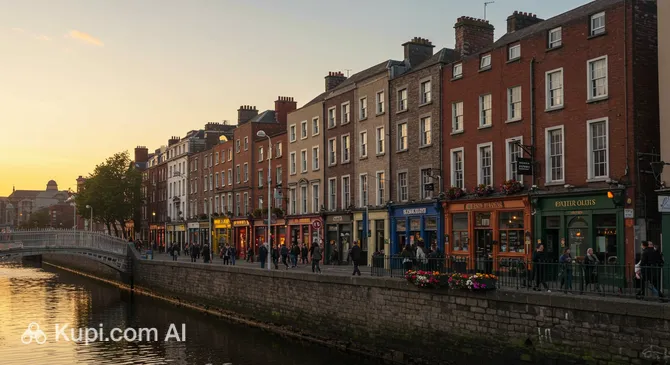
Dublin is a captivating blend of deep-rooted heritage and contemporary buzz, offering a warm welcome to every visitor. Known worldwide for its literary giants, friendly locals, and lively pub culture, the city possesses a unique atmosphere where history meets modern energy.
Located in the province of Leinster on the east coast of Ireland, the capital sits at the mouth of the River Liffey. With a metropolitan population of over 1.1 million, it serves as the country's political and cultural heartbeat while retaining a compact, walkable charm that makes exploration easy and enjoyable.
Dublin. Illustration.
Source: Kupi.com AI
The history of Dublin is woven into its very streets, from ancient Viking foundations to elegant Georgian squares. This rich past creates a fascinating backdrop for a city that is constantly evolving.
Travelers are often drawn to the prestigious Trinity College to view the illuminated Book of Kells, or to the Guinness Storehouse to experience the story of the world-famous stout. For those seeking vibrant nightlife and culture, the cobblestoned streets of Temple Bar offer galleries, restaurants, and traditional Irish music.
Whether you are seeking artistic inspiration, historical discovery, or simply the famous Irish "craic," Dublin promises an unforgettable experience. It is a destination that invites you to linger and explore its many hidden treasures.
Weather Overview
Dublin features a temperate maritime climate, meaning the city enjoys mild conditions year-round without extreme temperature fluctuations. To get a detailed forecast for your trip, you can check the weather in Dublin closer to your departure.
During the warmest months of July and August, average temperatures sit comfortably between 15°C and 16°C, with highs occasionally reaching 19°C. Conversely, winters are cool, with January seeing average temperatures of 5.4°C and nightly lows dipping to around 3.3°C.
Rainfall is a consistent part of the local environment, spread relatively evenly across the calendar. Expect mild summers with occasional rain and cool winters, as the city typically experiences between 12 and 17 wet days per month throughout the year.
Average monthly temperature
Average monthly precipitation
Interesting Facts
Beyond the main attractions, Dublin holds many fascinating secrets and quirks that surprise even the most seasoned travelers. From Hollywood connections to unique architectural features, the city is full of stories waiting to be discovered.
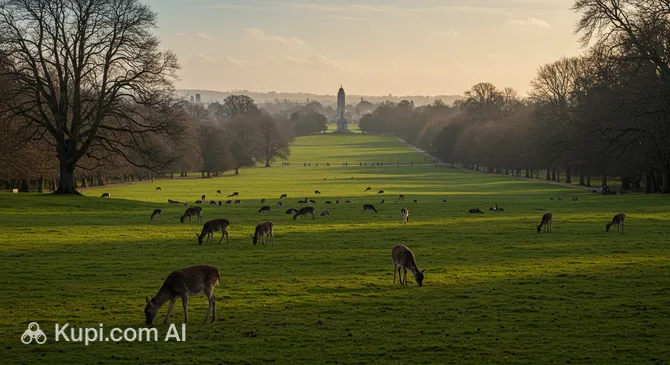
Phoenix Park. Illustration.
Source: Kupi.com AI
Traveler photos:
Movie buffs might be interested to know that the famous roaring lion from the Metro-Goldwyn-Mayer (MGM) film credits has local roots. "Slats," the first lion used by the studio, was born in Dublin Zoo in 1919.
Phoenix Park is one of the largest enclosed public parks in any capital city in Europe. It spans over 700 hectares and is home to a large herd of wild fallow deer that have lived there since the 17th century.
A curious architectural anomaly can be found at O'Connell Bridge, the main crossing over the River Liffey. It is famously known as the only traffic bridge in Europe that is wider than it is long.
Romance seekers might be surprised to learn that the city is a resting place for the patron saint of love. A shrine containing relics of Saint Valentine, gifted from Rome in the 19th century, can be visited at the Whitefriar Street Carmelite Church.
How to Get There
Traveling to the Irish capital is convenient, with air travel being the most common choice for international visitors. For a complete overview of travel options, you can read more about how to get to Dublin. The city is well-served by its own major international hub, as well as nearby airports in the region.
The primary entry point is Dublin Airport (IATA: DUB), located just 8 km north of the city center. As the busiest airport in the country with significant annual passenger traffic, it offers extensive global connections. The journey to the city center is quick and easy; a trip by taxi or express bus typically takes about 32 minutes depending on traffic.
For travelers exploring the wider region or seeking alternative flight routes, Belfast International Airport (IATA: BFS) is another viable option. It is located in Belfast, approximately 146 km from Dublin. While it is further away, excellent bus connections link the two cities, with a travel time of around 4 hours by road.
For clarity, here is a summary of the main airports:
While Dublin is on the island of Ireland, many visitors arrive via "Rail and Sail" packages from Great Britain. The city of Dublin does not have a direct land railway connection to these UK stations, but you can arrive via ferry after traveling to major hubs across the Irish Sea. Manchester Piccadilly Station (IATA: QQM) in Manchester is a significant transit point located approximately 267 km away (including the sea crossing). Another key hub is Lime Street Station (IATA: LXL) in Liverpool, roughly 219 km away, which connects travelers to ferry terminals for the crossing to Dublin.
Here are the closest major railway hubs in the neighboring region:
Dublin is a city that effortlessly bridges the gap between a rich, tumultuous past and a vibrant, modern present. Its compact city center is packed with landmarks, making it a delight to explore on foot. From ancient manuscripts to industrial heritage, the local attractions offer something for every type of traveler.
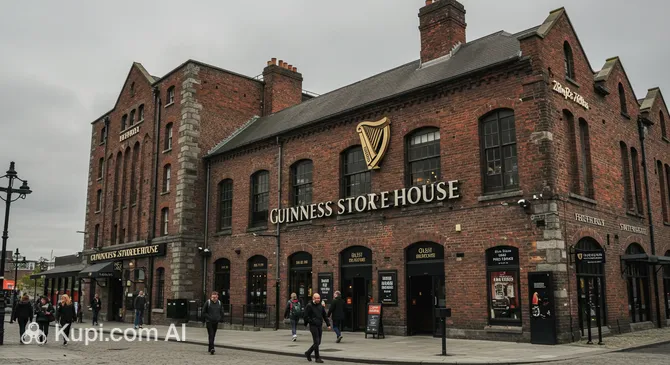
No visit to the city would be complete without experiencing the Guinness Storehouse. Located at St. James's Gate, this seven-story visitor experience is dedicated to Ireland's most famous export. Guests can journey through the history of the brewing process, from the ingredients to the advertising, culminating in the Gravity Bar. Here, you can enjoy a complimentary pint while taking in 360-degree panoramic views of the city skyline.
Guinness Storehouse. Illustration.
Source: Kupi.com AI
Traveler photos:
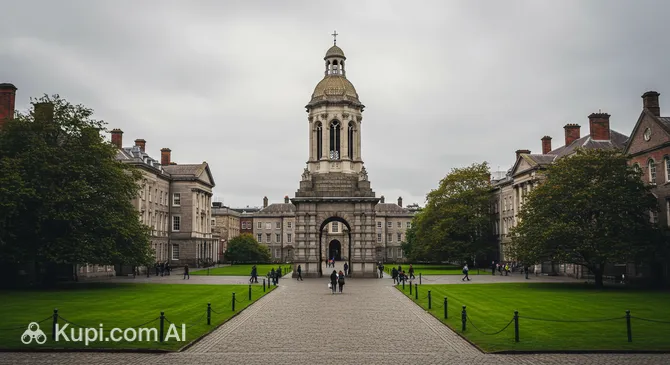
For a deep dive into the nation's academic and literary history, Trinity College Dublin is an essential stop. Founded in 1592, it is Ireland's oldest university and features a stunning campus filled with cobblestone walkways and historic buildings. The Old Library is particularly famous, housing the magnificent Long Room and the renowned The Book of Kells, an illuminated manuscript dating back to the 9th century that draws visitors from around the globe.
Trinity College Dublin. Illustration.
Source: Kupi.com AI
Traveler photos:
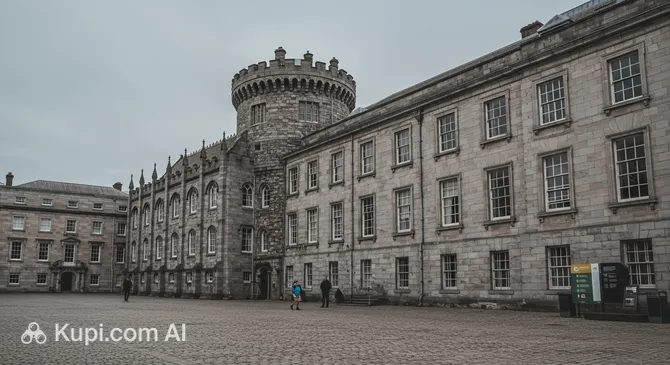
Standing on the site of a Viking settlement, Dublin Castle has served as a major government complex for centuries. For over 700 years, it was the seat of British rule in Ireland. Today, tourists can explore the lavish State Apartments, the medieval Undercroft, and the Chapel Royal. The castle's architecture is a fascinating mix of medieval tower remnants and 18th-century Georgian grandeur.
Dublin Castle. Illustration.
Source: Kupi.com AI
Traveler photos:
A short distance from the center lies Kilmainham Gaol, one of the largest unoccupied prisons in Europe. Now a museum, it offers a poignant look at Irish history, particularly the struggle for independence. Guided tours take visitors through the cold corridors and cells where many key political figures were held, providing a moving and educational experience.
Finally, architecture enthusiasts should visit St Patrick's Cathedral, the National Cathedral of the Church of Ireland. As the largest church in the country, it is steeped in history and was once the workplace of the famous author Jonathan Swift, who served as Dean. The cathedral's soaring interior, colorful floor tiles, and serene park next door make it a peaceful retreat in the bustle of the city.
Local Cuisine
Dublin's culinary scene is a delightful mix of hearty tradition and modern innovation. The city has evolved into a foodie destination where locally sourced ingredients, such as grass-fed beef, dairy, and fresh seafood from the Irish Sea, take center stage. While contemporary restaurants push boundaries, the comfort of traditional Irish cooking remains the soul of the city's food culture.
One cannot visit without trying Dublin Coddle, a comfort food classic unique to the capital. It is a savory one-pot stew of boiled sausages, bacon, and potatoes, traditionally eaten with hearty slices of soda bread to soak up the broth. Irish Stew is another staple, featuring tender lamb, potatoes, and root vegetables. For seafood enthusiasts, the famous Dublin Bay prawns and native oysters are exquisite, reflecting the city's coastal location.
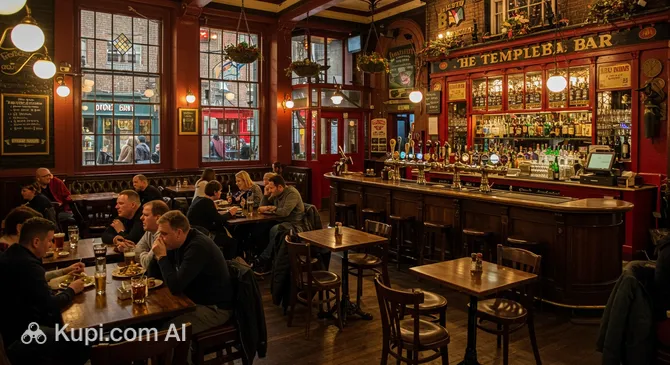
The Temple Bar Pub. Illustration.
Source: Kupi.com AI
Traveler photos:
The city is globally renowned for its beverage culture. The most iconic drink is undoubtedly stout, a dark beer with a creamy head that is synonymous with Ireland. You can explore the history of this legendary brew at the Guinness Storehouse. Whiskey also has a deep heritage here; a tour of the Bow St. Distillery reveals the secrets behind one of the world's most famous spirits. For a non-alcoholic option, a cup of strong Irish tea, usually served with milk, is the standard daily ritual.
Dining in Dublin often revolves around the pub, which serves as the social heart of the community. Historic venues like The Temple Bar Pub offer a quintessential atmosphere where you can enjoy a meal surrounded by music and history. For a more authentic traditional music session with your pint, The Cobblestone in Smithfield is a local favorite. Beyond the pubs, the city boasts a vibrant street food scene and numerous markets offering artisanal cheeses and baked goods.
Travel Tips
To ensure your visit to the Irish capital is as smooth and enjoyable as possible, we have compiled a set of essential guidelines. These practical tips will help you navigate the city's unique quirks, weather, and customs like a seasoned local.
Clothing and Gear: The local weather is famously unpredictable, often described as experiencing "four seasons in one day." It is essential to bring waterproof layers and a sturdy umbrella, regardless of the time of year. Comfortable walking shoes are a must for navigating the cobblestone streets. Don't forget to pack a Type G power adapter (three rectangular pins) to keep your devices charged.
Transportation: The city center is compact and best explored on foot, but for longer distances, the public transport network is excellent. Purchasing a Leap Card offers significant savings on the Dublin Bus, the Luas (tram system), and the DART (coastal train). Taxis are plentiful and can be hailed on the street or via apps like Free Now. Car rental is generally unnecessary and can be a hindrance within the city due to traffic and expensive parking.
Finances: Ireland uses the Euro (€). Credit and debit cards are widely accepted everywhere, including for small transactions, and contactless payment is the norm. It is advisable to carry a small amount of cash for older pubs or small shops, but ATMs are easy to find. Tipping is customary in restaurants; leaving around 10-15% of the bill is standard practice for good service.
Health and Safety: Ireland is generally a very safe destination for tourists. However, as in any major city, keep an eye on your belongings in crowded areas like Temple Bar or on public transport. Pharmacies are marked with a green cross and are widely available; for emergencies, the number to dial is 112 or 999.
Communication: English is the primary spoken language, though you will see signage in both English and Irish (Gaelic). Learning a few words of Irish like "Sláinte" (Cheers) is appreciated but not expected. SIM cards are easily available at the airport and convenience stores, and free Wi-Fi is common in most cafes, hotels, and public transport vehicles.
Local Etiquette: Politeness is highly valued; a simple greeting and a "thanks" to the bus driver as you disembark go a long way. In pubs, if you are in a group, the "rounds" system is sacred—if someone buys you a drink, you are expected to buy the next round for the group. Skipping your turn is considered a major faux pas.
What to Avoid: Be mindful of historical sensitivities; never refer to the Republic of Ireland as part of the United Kingdom or "Britain," as this is factually incorrect and can be offensive. Additionally, avoid spending your entire trip in the Temple Bar district; while iconic, it is pricier than other neighborhoods where you can find more authentic experiences.
Additional Tip: Take advantage of the city's cultural generosity. Many of the national museums and galleries, such as the National Museum of Ireland and the National Gallery, offer free admission. It is a fantastic way to soak up culture and history without stretching your budget.
Armed with these tips, you are ready to embrace the charm and character of this vibrant city. Whether you are exploring ancient libraries or enjoying a quiet pint, a little preparation ensures your Dublin adventure will be memorable for all the right reasons.
Entertainment & Nightlife
Entertainment and Nightlife:
Dublin comes alive when the sun goes down, transforming from a historic capital into a hub of music, laughter, and social energy. The city's nightlife is legendary, largely centered around its world-famous pub culture, but it also boasts a thriving club scene, sophisticated cocktail bars, and world-class live music venues.
The most famous district is undoubtedly Temple Bar. While often crowded with tourists, its cobbled streets and constant live music create an electric atmosphere that is hard to resist. For a more local and trendy vibe, head to the Creative Quarter around South William Street and Dame Lane, where spill-out crowds enjoy craft drinks in a stylish setting. Those looking for late-night dancing should venture towards Camden Street and Harcourt Street, which are lined with some of the city's most popular nightclubs and late bars.
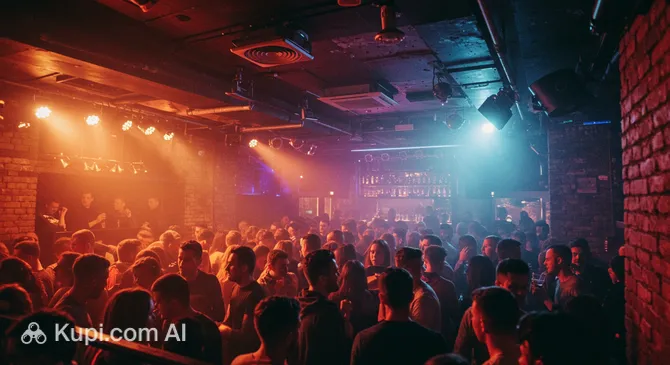
Music is the heartbeat of a night out here. One of the most iconic venues is Whelan's on Wexford Street. Famed for its intimate atmosphere and history of hosting major acts before they made it big, it is a must-visit for any music lover. Whether you are looking for indie rock, folk, or traditional sessions, this venue guarantees a memorable night.
Whelan's. Illustration.
Source: Kupi.com AI
Traveler photos:
For those seeking a blend of traditional Irish culture and spirited entertainment, Murray’s Bar on O'Connell Street is an excellent choice. Known for its live music and Irish dancing shows, it offers a lively, authentic experience where audience participation is often encouraged. It is a fantastic spot to immerse yourself in the "craic" without leaving the city center.
If you are interested in large-scale concerts and international acts, the 3Arena in the Docklands is the city's premier entertainment venue. This state-of-the-art amphitheater hosts the biggest names in music and comedy, making it the focal point for major events throughout the year.
To make the most of your evening, keep these practical tips in mind:
Timing: Pubs typically close around 11:30 PM during the week and 12:30 AM on weekends. Nightclubs and "late bars" usually stay open until 2:30 AM or 3:00 AM.
Prices: Expect to pay between €6 and €8 for a pint of beer, while cocktails generally range from €12 to €16. Entry fees for clubs can vary from €10 to €20 depending on the night and the act.
Dress Code: The vibe is generally "smart casual." While most pubs are relaxed, nightclubs and upscale bars may refuse entry for sportswear or trainers.
Safety: The city center is generally safe at night, especially in busy areas. However, it is always wise to stay in well-lit streets and avoid walking through parks like St Stephen's Green after dark.
Transport: The "Nitelink" bus service operates on weekends to serve the suburbs. Taxis are the most convenient option late at night; use apps like Free Now or Uber, or hail a licensed taxi from a designated rank.
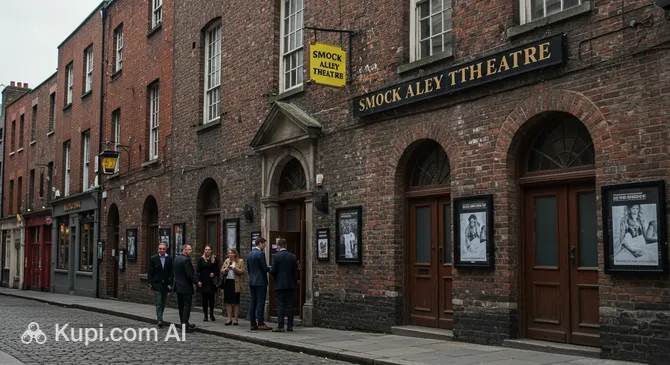
Before the nightlife kicks in, the city offers a wealth of daytime and evening cultural activities. Theater enthusiasts should check the schedule at the historic Smock Alley Theatre, which dates back to the 17th century and offers a stunning setting for performances. For families or thrill-seekers, Jump Zone Santry provides an energetic afternoon of indoor trampolining. Meanwhile, history buffs can spend hours exploring the treasures at the National Museum of Ireland – Archaeology.
Smock Alley Theatre. Illustration.
Source: Kupi.com AI
Traveler photos:
Parks & Museums
Parks and Museums:
Dublin offers a refreshing balance between urban energy and serene retreats, boasting a wealth of green spaces and world-class cultural institutions. Visitors can easily transition from the bustle of shopping districts to the tranquility of manicured gardens or the intellectual stimulation of historic galleries.
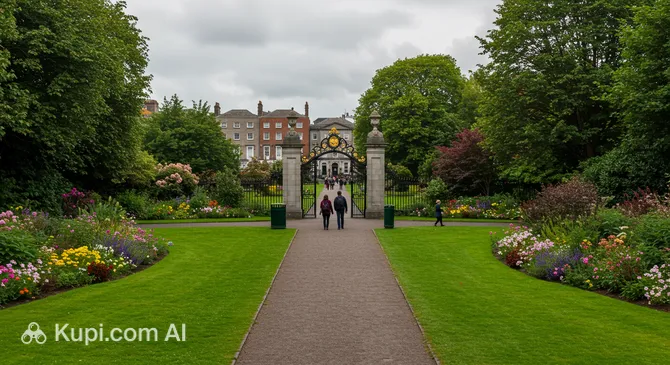
Located right at the top of Grafton Street, St Stephen's Green is the city's most beloved Victorian park. It serves as a lush oasis in the city center, featuring 22 acres of tree-lined walks, a decorative lake with waterfowl, and numerous sculptures honoring Irish history. It is the perfect spot for a midday picnic or a leisurely stroll among the flowerbeds.
St Stephen's Green. Illustration.
Source: Kupi.com AI
Traveler photos:
For those willing to venture slightly further afield to the Glasnevin neighborhood, the National Botanic Gardens is a stunning horticultural masterpiece. Famous for its exquisitely restored Victorian glasshouses and over 15,000 plant species, this free attraction offers a peaceful escape into nature. The gardens are particularly beautiful in spring and summer when the rose garden and alpine yard are in full bloom.
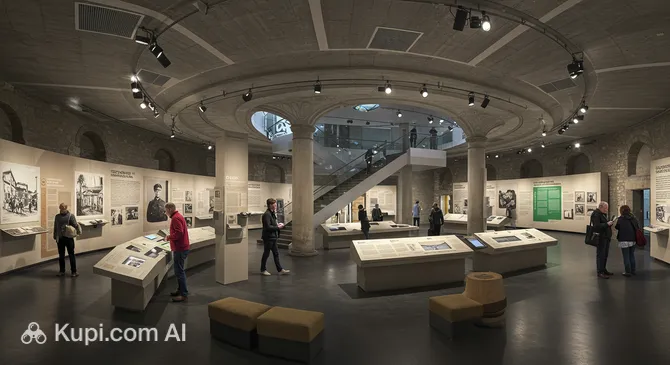
The city's museum scene is equally impressive, blending traditional art with cutting-edge technology. EPIC The Irish Emigration Museum, located in the historic Docklands, provides a fully interactive experience dedicated to the Irish diaspora. Unlike a traditional museum, it uses immersive video and touchscreens to tell the stories of the 10 million people who left Ireland and influenced the world.
EPIC The Irish Emigration Museum. Illustration.
Source: Kupi.com AI
Traveler photos:
Art enthusiasts should not miss the National Gallery of Ireland on Merrion Square. Housing the country's national collection of Irish and European art, the gallery features works by masters such as Caravaggio, Vermeer, and Jack B. Yeats. The building itself is a work of art, with a light-filled atrium connecting the historic wings.
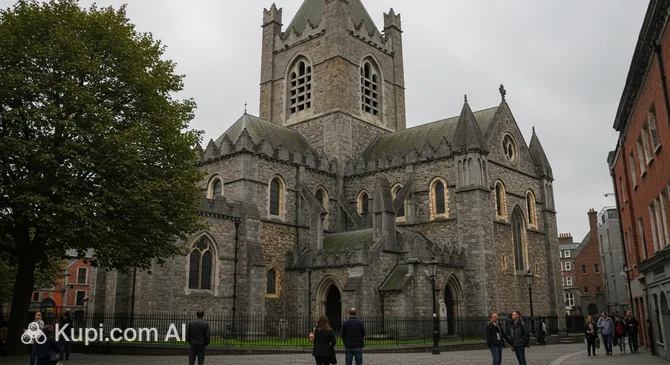
Dublin is also defined by its architectural landmarks. Christ Church Cathedral stands as one of the city's oldest and most significant buildings. Founded around 1030, this medieval masterpiece is renowned for its beautiful floor tiles, impressive nave, and the largest cathedral crypt in Ireland and the UK, which houses fascinating historical artifacts.
Christ Church Cathedral. Illustration.
Source: Kupi.com AI
Traveler photos:
For a truly authentic and lesser-known experience, visit Marsh’s Library located just next to St Patrick's Cathedral. As the oldest public library in Ireland, it has remained virtually unchanged since the 18th century. Walking among its oak bookcases filled with rare volumes feels like stepping back in time, offering a quiet and atmospheric contrast to the busy city streets.
Getting Around
Getting around Dublin is straightforward and convenient, thanks to an integrated public transport network that connects the city center with the suburbs and coastal towns. While the city does not have an underground metro system, it relies on a comprehensive mix of buses, light rail trams, and an electric coastal train that efficiently serves both locals and visitors.
The Dublin Bus network is the most extensive mode of transport, easily recognizable by its double-decker buses. For faster travel across the city center and to the suburbs, the Luas tram system is highly popular. It operates on two main lines: the Red Line and the Green Line. These trams are frequent, reliable, and a great way to hop between major shopping districts and historic landmarks.
A unique feature of the city's transport is the DART (Dublin Area Rapid Transit). This electric rail line runs along the curve of Dublin Bay, connecting the city center to charming coastal villages. It is not just a commuter train but a scenic experience in itself; a journey on the DART offers stunning views of the sea and is widely considered one of the best value sightseeing trips you can take.
For payment, the most cost-effective and convenient option is the TFI Leap Card. This reusable smart card can be used across buses, trams, and trains. For tourists, the Leap Visitor Card is an excellent choice, offering unlimited travel for periods of 1, 3, or 7 days at a fixed price. Using a Leap Card is significantly cheaper than paying with cash and includes a "capping" feature, which limits the maximum amount you pay per day, making subsequent trips free once the cap is reached.
If you choose to pay with cash on the bus, be aware that drivers only accept coins (no notes) and require exact fare; no change is given. Instead, a receipt is issued which must be redeemed at a central office, a hassle best avoided. On the Luas and DART, single tickets must be purchased from vending machines at the platforms before boarding if you do not have a card.
To use the system, simply "tag on" by touching your card to the reader when entering a bus, tram, or train station. It is crucial to remember to "tag off" when exiting the Luas tram or DART train stations to ensure you are charged the correct fare. On Dublin Bus, you generally only need to tag on upon entry. For navigation, the TFI Live App is an essential tool for checking real-time schedules and planning your route.
Beyond public transport, the city is very bike-friendly. The DublinBikes scheme allows you to rent a bicycle from various stations across the city center for a small fee, which is ideal for short trips between attractions. Taxis are also plentiful and can be hailed on the street or booked via apps like Free Now or Uber. However, given the compact nature of the city center, you will often find that walking is the most enjoyable way to soak up the atmosphere.
Accommodation
Where to Stay:
Accommodation in Dublin caters to a wide spectrum of preferences and budgets, ranging from grand historic properties to modern, budget-friendly options. Visitors can choose from luxury five-star establishments housed in Georgian buildings, reliable international hotel chains, charming bed and breakfasts, and vibrant youth hostels. In recent years, there has also been a surge in short-term apartment rentals, offering a "home away from home" experience for families and longer stays.
The city is divided by the River Liffey, and the choice of location largely depends on the type of experience you seek. The area south of the river, particularly around Grafton Street, is known for its upscale hotels and proximity to major museums. For those who want to be in the heart of the nightlife, the Temple Bar district offers numerous options, though it can be quite noisy at night. Alternatively, the Northside, centered around O'Connell Street, often provides excellent value and convenient access to public transport hubs.
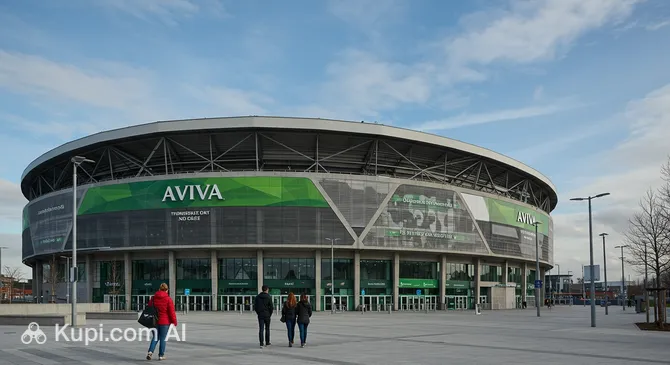
For a more tranquil or modern setting, travelers often look to the Docklands area, which features contemporary hotels with river views. Another popular choice is the leafy suburb of Ballsbridge. This area is renowned for its Victorian red-brick architecture and high-end guesthouses. It is also a strategic location for sports fans attending events at the nearby Aviva Stadium, offering a relaxed atmosphere just a short bus or train ride from the city center.
Aviva Stadium. Illustration.
Source: Kupi.com AI
Traveler photos:
Booking Tip: Dublin is a very popular destination, and accommodation prices can rise significantly during peak seasons, particularly in the summer months and around St. Patrick's Day in March. It is highly recommended to book your room well in advance—ideally several months prior—to secure the best rates and availability.
Regarding costs, the city is generally considered one of the pricier European capitals for accommodation. Budget travelers can find hostel beds or budget rooms, but mid-range hotels typically command higher rates compared to other cities. Booking is most commonly done through major online travel platforms, though booking directly with the hotel can sometimes yield special offers or breakfast inclusions.
Nearby Cities
For those looking to explore the surroundings, Dublin serves as an excellent base for day trips to several interesting nearby locations:
Located approximately 40 kilometers north of the capital, **Drogheda** is a historic town situated on the banks of the River Boyne. It acts as a gateway to the world-famous Boyne Valley and its ancient monuments. Visitors can explore the medieval St. Laurence's Gate, visit the Millmount Museum, or see the preserved shrine of St. Oliver Plunkett in St. Peter's Church.
Closer to the city, **Clondalkin** offers a fascinating glimpse into Ireland’s early Christian heritage. While it is a bustling suburban town today, it is home to one of the country's best-preserved round towers, which dates back to the 8th century. The accompanying visitor center provides an interactive experience detailing the monastic history of the area.
For a coastal escape, the village of **Howth** (accessible via the DART train) is a popular choice not listed in the table below but highly recommended. Famous for its cliff walks, fresh seafood, and resident seals in the harbor, it offers a refreshing break from urban life just minutes from the city center.
City
Population
Distance
Finglas
296 214
5 km
Rathfarnham
17 333
6 km
Ashtown
22 740
6 km
Blackrock
28 557
8 km
Palmerstown
11 130
8 km
These nearby destinations offer a glimpse into the diverse culture and landscapes of the region.
Shopping & Souvenirs
Dublin offers a vibrant retail experience that perfectly balances luxury brands, high-street favorites, and charming independent boutiques. The city center is compact and walkable, allowing visitors to easily drift between the two distinct shopping districts located on the north and south banks of the River Liffey. Whether you are searching for contemporary fashion, vintage treasures, or authentic Irish crafts, the capital provides a diverse and enjoyable atmosphere for shoppers.
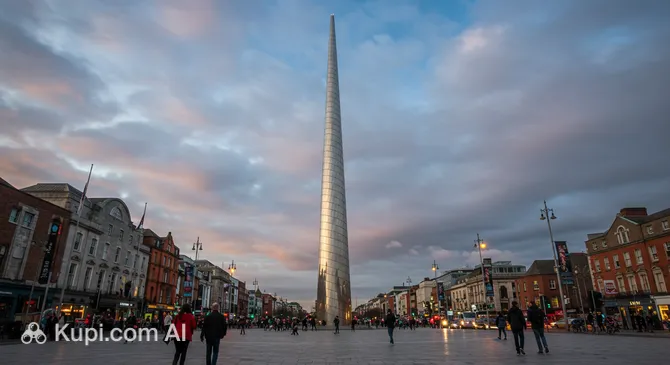
The city's most famous shopping destination is Grafton Street on the south side. This pedestrianized thoroughfare is renowned for its lively street performers, upscale department stores like Brown Thomas, and elegant side streets filled with jewelry shops and cafes. At the bottom of this street, you can find the iconic Molly Malone Statue, a popular meeting point. Across the river on the north side, Henry Street offers a bustling mix of high-street chains and large department stores. This area is anchored by O'Connell Street, where the towering monument known as The Spire dominates the skyline, serving as an unmistakable landmark for navigating the district.
The Spire. Illustration.
Source: Kupi.com AI
Traveler photos:
For those who prefer an all-in-one indoor experience, the city and its suburbs boast several impressive shopping malls. The most prominent is Dundrum Town Centre, located just south of the city. As Ireland's largest shopping center, it features a vast array of international retailers, a cinema, and numerous dining options, all easily accessible via the Luas tram. Another major destination is the Blanchardstown Centre in the western suburbs, which offers an extensive selection of shops and leisure facilities perfect for a family day out.
Dundrum Town Centre. Illustration.
Source: Kupi.com AI
Traveler photos:
Markets play a significant role in the local shopping culture, offering a more eclectic and personal touch. The George’s Street Arcade is a stunning Victorian red-brick indoor market that houses unique stalls selling vintage clothing, vinyl records, and books. On weekends, the Temple Bar area comes alive with various markets, including a food market in Meeting House Square and a book market, where you can browse for rare reads and local artisan produce in a lively setting.
When looking for souvenirs to take home, traditional Irish goods are always a popular choice. An authentic Aran wool sweater is a timeless gift, prized for its warmth and intricate cable patterns. Other sought-after items include Waterford Crystal, handcrafted jewelry such as the Claddagh ring—symbolizing love, loyalty, and friendship—and premium Irish whiskey or chocolates. These locally made products are widely available in specialist shops throughout the city center.
Standard store opening hours are generally from 9:00 AM to 6:00 PM, Monday through Saturday. Thursday is traditionally the day for late-night shopping, with many high-street stores and shopping centers staying open until 8:00 PM or 9:00 PM. On Sundays, shops typically open later, usually operating from 12:00 PM to 6:00 PM. Credit and debit cards, including contactless payment methods, are widely accepted in almost all establishments, from large department stores to small cafes.
Visitors residing outside the European Union may be eligible for tax-free shopping under the Retail Export Scheme. This allows tourists to claim a refund on the Value Added Tax (VAT) paid on goods purchased for export. To take advantage of this, look for the "Tax-Free Shopping" sign in store windows, ask for a refund form at the checkout, and remember to present your receipts and forms to customs officials at the airport prior to your departure.