Liverpool is a city that resonates with energy, creativity, and a distinct sense of pride. Famous worldwide as the birthplace of The Beatles and a titan of football, it offers a vibrant cultural scene that goes far beyond its pop culture icons. With its stunning waterfront, friendly locals, and rich heritage, the city provides a welcoming atmosphere that captivates visitors immediately.
Liverpool. Source: Kupi.Binoculars
Located in the county of Merseyside in the north-west of the United Kingdom, Liverpool sits along the eastern side of the Mersey Estuary. It is a major metropolitan hub with a population of approximately 864,000 people, blending urban dynamism with the breezy charm of a coastal port city.
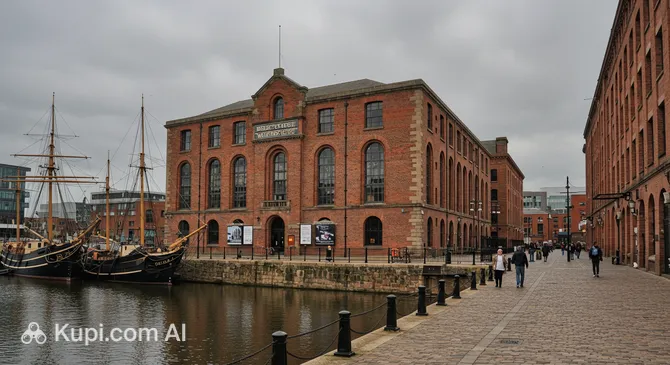
The city's identity was forged by its past as one of the world's most important trading ports. Exploring the history of Liverpool reveals a fascinating journey from a small fishing borough to a global maritime gateway. This legacy is best experienced at the Royal Albert Dock, a complex of historic warehouses that now hosts museums, galleries, and restaurants, symbolizing the city's successful regeneration.
Visitors are spoiled for choice with attractions, from the legendary Cavern Club on Mathew Street to the two majestic cathedrals that dominate the skyline. Whether you are there to soak up the musical heritage, watch a match, or wander through world-class art galleries, Liverpool invites you to experience its unique spirit and warmth.
Weather Overview
Liverpool experiences a temperate maritime climate, characterized by mild weather conditions that avoid extreme temperatures. To plan your trip effectively, it is helpful to check the weather in Liverpool before you pack, as conditions can be changeable.
Summers are generally pleasant and moderate rather than hot. From June to August, average temperatures hover around 15°C to 16°C, with daily highs typically reaching up to 19°C. This is the warmest time of the year, making it an excellent season for exploring the city's outdoor landmarks and waterfront.
Winters are cool but rarely harsh, with average temperatures in January and December sitting between 5°C and 6°C. Rainfall is a consistent feature throughout the year, with the number of wet days ranging from 13 to 20 days per month regardless of the season. Expect mild summers and cool winters with frequent showers, so keeping an umbrella or a waterproof jacket handy is always a good idea.
Interesting Facts
Beyond the main attractions and the famous waterfront, Liverpool holds many fascinating secrets that reveal the depth of its character. From cinematic disguises to record-breaking architecture, the city is full of surprises for the curious traveler.
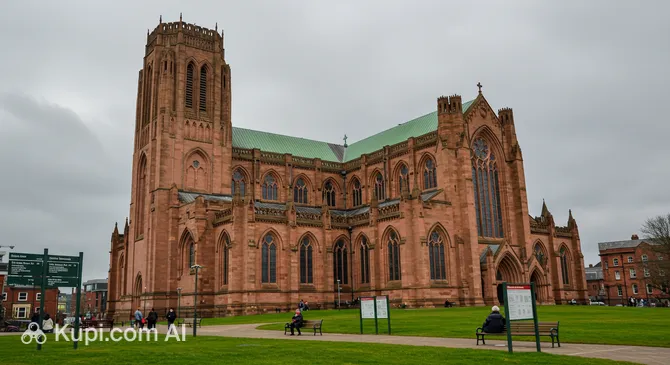
Liverpool Cathedral. Source: Kupi.Binoculars
A Hollywood Favorite: You might recognize Liverpool's streets even if you have never visited. The city is one of the most filmed locations in the UK, frequently doubling for New York, Chicago, or London in major blockbusters like The Batman and Fantastic Beasts due to its impressive period architecture.
A Tale of Two Cathedrals: Hope Street connects two very different cathedrals. The Liverpool Cathedral is the largest in Britain and holds the record for the highest and heaviest peal of bells in the world. Just down the road stands the Liverpool Metropolitan Cathedral, affectionately known locally as "Paddy's Wigwam" for its distinctive modernist circular design.
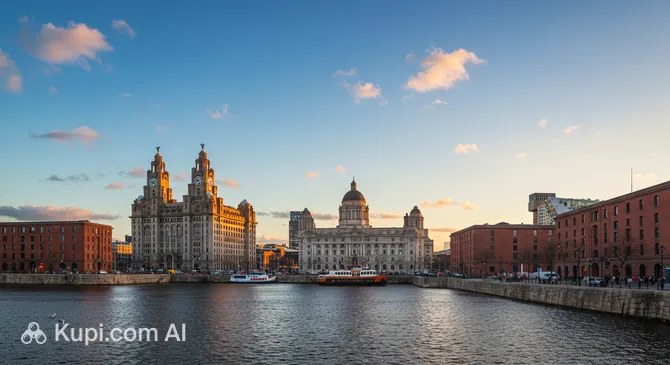
The Mythical Guardians: The skyline is dominated by the Royal Liver Building, topped by two 18-foot copper Liver Birds. Legend says that one bird looks out to sea to watch for sailors, while the other looks towards the city to protect its people. It is said that if they ever fly away, the city will crumble.
Europe's Oldest Chinatown: Liverpool is home to the oldest Chinese community in Europe, established in the mid-19th century due to strong trade links with Shanghai. The entrance to the district is marked by a magnificent ceremonial arch, which is the largest of its kind outside of China.
Capital of Pop: The city holds the Guinness World Record for being the "Capital of Pop." Musicians from Liverpool have produced more number-one singles than those from any other city in the world, a musical legacy that extends well beyond The Beatles.
How to Get There
Reaching this vibrant maritime city is straightforward thanks to its excellent transport connections. Whether arriving by air or rail, visitors have several convenient options. You can read more about how to get to Liverpool and plan your specific route in detail.
The most direct air route is via Liverpool John Lennon Airport (IATA: LPL), located just 12.6 km from the city center. As a dedicated regional hub, it welcomes millions of passengers annually. A taxi or car journey from here to the heart of Liverpool typically takes around 40 minutes, depending on traffic. Alternatively, many international travelers choose to fly into Manchester Airport (IATA: MAN), situated in the neighboring city of Manchester. It is a major international gateway located approximately 48 km from Liverpool. The transfer time by road is roughly 1 hour and 30 minutes, though direct train services also link the airport to Liverpool.
For clarity, here is a summary of the main airports:
Airport Name
City
Passenger Traffic
Km from City
Manchester Airport
Manchester
Very High
48.1
Liverpool John Lennon Airport
Liverpool
Medium
12.6
Leeds Bradford International Airport
Leeds
Medium
101.7
East Midlands Airport
Nottingham
Medium
128.6
Isle of Man Airport
Douglas
Small
131.3
Traveling by train is another popular and scenic way to arrive. The city's primary railway hub is Lime Street Station, located right in the center of Liverpool. It serves as a grand gateway for millions of passengers each year, offering direct connections to London and other major UK cities. For those coming from the east or connecting from other regions, Manchester Piccadilly Station in Manchester is a significant nearby hub, situated about 50 km away. From there, frequent services run directly to Liverpool, making the final leg of the journey quick and easy.
Below is a list of relevant railway stations in the region:
Station
City
Passenger Traffic
Km to Center
Manchester Piccadilly Station
Manchester
Very High
50.3
Lime Street Station
Liverpool
High
1.0
Chester Central Station
Chester
Medium
24.7
Bradford railway station
Leeds
Medium
92.7
Oxenholme Lake District Station
Kendal
Small
101.4
Main Attractions
Liverpool offers a diverse range of sights that celebrate its musical heritage, maritime history, and sporting prowess. From the legendary clubs that birthed global pop icons to world-class museums located on the waterfront, the city provides memorable experiences for every type of traveler.
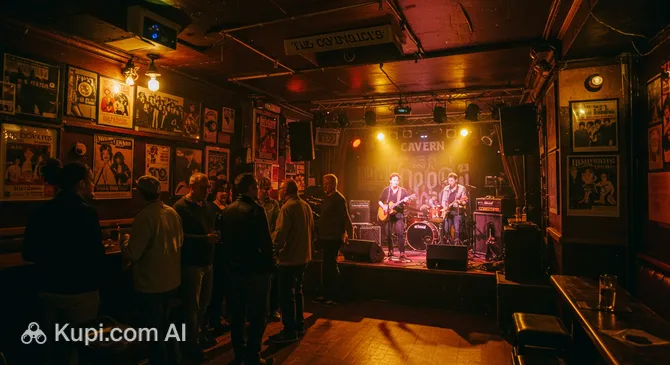
No visit to the city would be complete without stepping into The Cavern Club. Located on Mathew Street, this legendary venue is celebrated worldwide as the birthplace of The Beatles. Tourists flock here to soak up the atmosphere of the 1960s music scene, enjoy live performances that happen daily, and admire the Wall of Fame. It is a vibrant pilgrimage site for music lovers who want to stand exactly where pop culture history was made.
The Cavern Club. Source: Kupi.Binoculars
For those interested in the city's deep connection to the sea, the Merseyside Maritime Museum at the Royal Albert Dock is an essential stop. This museum explores Liverpool’s past as a gateway to the world, featuring fascinating exhibitions on the Titanic, the Lusitania, and the city’s role in international trade. It also houses the International Slavery Museum, providing a powerful and educational perspective that adds significant depth to a visit.
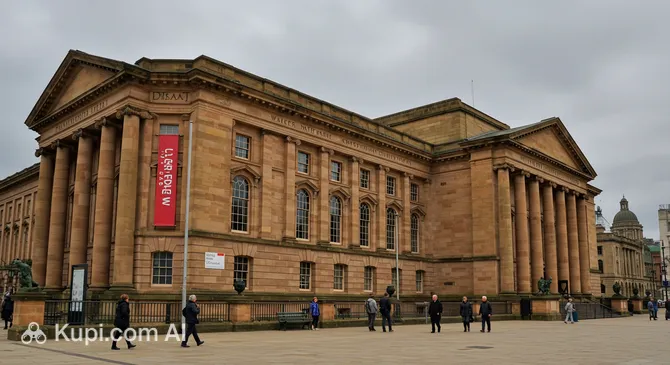
Art enthusiasts will find a treasure trove at the Walker Art Gallery, often referred to as the "National Gallery of the North." It holds one of the finest collections of fine and decorative art in Europe, ranging from Renaissance masterpieces to Tudor portraits and Victorian pre-Raphaelite works. The gallery is perfect for a quiet afternoon of culture, offering visitors a chance to see world-renowned paintings without the crowds of London.
Walker Art Gallery. Source: Kupi.Binoculars
Sports fans cannot miss the Liverpool FC Museum at Anfield. This attraction allows visitors to delve into the illustrious history of one of the world's most famous football clubs. You can see the impressive collection of silverware, including Champions League trophies, and learn about the legends who have worn the red shirt. It is an inspiring destination that captures the passion and spirit of the city's sporting culture.
Finally, the majestic Liverpool Cathedral remains a must-see landmark. As Britain's largest cathedral, its sheer scale and Gothic architecture are breathtaking. Visitors can explore the vast interior, admire the stunning stained glass, or take a trip up the tower for panoramic views across the city and beyond. It serves as a peaceful sanctuary and a monumental example of 20th-century architecture.
Local Cuisine
The culinary scene in Liverpool is as warm and welcoming as its people, offering a delightful mix of traditional heritage and modern innovation. While the city has rapidly developed a sophisticated reputation for international cuisine and street food, it remains fiercely proud of its roots. No visit is complete without tasting the local soul food, but adventurous eaters will also find plenty of contemporary flavors to explore in the city's bustling markets and converted warehouses.
The most famous dish, which gives the locals their nickname "Scousers," is Scouse. This hearty stew is typically made from chunks of lamb or beef, potatoes, carrots, and onions, slow-cooked until tender. It is traditionally served with a side of pickled red cabbage or beetroot and crusty bread to mop up the savory broth. You can find authentic versions of this comfort food in many traditional pubs throughout the city, where it is often celebrated as the ultimate winter warmer.
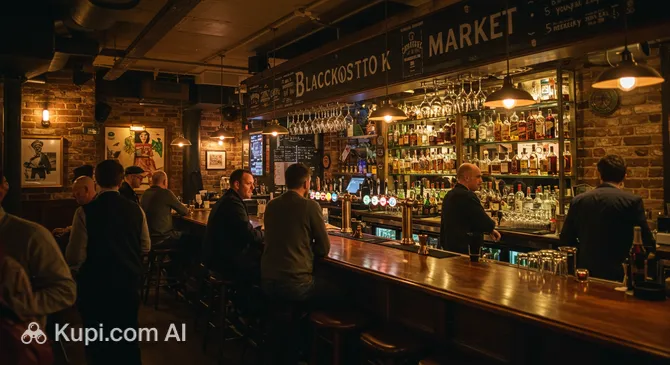
For those looking to experience the modern side of the city's gastronomy, the street food scene is thriving. Venues like Blackstock Market exemplify this trend, offering a vibrant space where visitors can enjoy live entertainment alongside a variety of food and drink options. It is a perfect spot to sample different cuisines in a relaxed, social atmosphere.
Blackstock Market. Source: Kupi.Binoculars
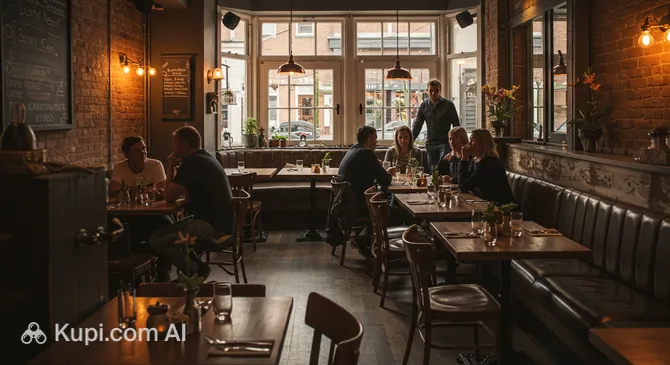
Liverpool also excels in casual dining and brunch culture. Places such as Dale Street Kitchen & Bar are popular among locals for their fresh ingredients and hearty breakfast plates. Whether you are looking for a classic full English breakfast or something lighter, the city center is packed with independent cafes that emphasize quality and friendly service.
Dale Street Kitchen & Bar. Source: Kupi.Binoculars
Given its maritime history, dining in historic settings is a unique feature of Liverpool. The Titanic Hotel Restaurant offers a memorable experience, allowing guests to dine within a renovated warehouse on the historic docks. The combination of industrial architecture and fine dining captures the essence of the city's regeneration.
When it comes to drinks, the city has a spirited history. Liverpool Gin is a premium organic gin that has gained a cult following, often flavored with aromatic botanicals. Beer lovers will also appreciate the booming craft ale scene, with numerous local breweries producing distinctive IPAs and stouts. Whether you are sipping a cocktail in a chic bar or enjoying a pint in a centuries-old pub, the local beverage culture is vibrant and diverse.
Travel Tips
Visiting Liverpool is like catching up with an old friend; the city is renowned for its warmth, wit, and welcoming spirit. To help you settle in quickly and navigate the city with the confidence of a "Scouser," here are some practical tips to keep in mind during your stay.
Clothing and Gear: Liverpool's weather is famously changeable, often experiencing four seasons in a single day. Pack layers that can be easily added or removed, and always carry a waterproof jacket or a sturdy umbrella, even if the sun is shining in the morning. Comfortable walking shoes are a must, as the best way to see the city center and the historic waterfront is on foot. For electronics, bring a Type G power adapter (three rectangular pins) if you are visiting from outside the UK.
Transportation: The city center is compact and highly walkable. For destinations further afield, such as the beaches at Crosby or the leafy suburbs, the Merseyrail train network is efficient and affordable. Buses are plentiful, with Arriva and Stagecoach being the main operators; you can simply tap your contactless card or phone to pay as you board. Taxis and ride-hailing apps like Uber are widely available, so car rental is generally unnecessary unless you plan to explore the wider countryside.
Finances: The currency is the British Pound (£). Liverpool is very card-friendly, and contactless payments are the norm in shops, cafes, and even on public transport. While it is useful to carry a small amount of cash for small independent vendors or markets, you can rely on cards for almost everything. ATMs are easy to find. Tipping is appreciated but not mandatory; leaving 10-12% in restaurants for good service is standard practice.
Health and Safety: Liverpool is generally a safe city for tourists, but standard precautions apply, especially late at night in busy nightlife areas like Concert Square. If you need non-urgent medical advice, you can visit a local pharmacy (look for Boots or Superdrug) or call 111. For emergencies, dial 999. Tap water is safe to drink, so bring a reusable bottle to stay hydrated.
Communication: English is the spoken language, but you will instantly notice the distinctive local accent and dialect known as Scouse. Locals speak fast and use slang like "Ta" (thank you) or "Boss" (great/good). Don't be afraid to ask someone to repeat themselves if you don't understand; Liverpudlians are famous for their friendliness and will happily oblige. Free Wi-Fi is available in most cafes, museums, and public spaces.
Local Etiquette: The people of Liverpool are known for being chatty and open. It is quite common for strangers to strike up a conversation at a bus stop or in a pub, so don't be alarmed—just be friendly back. Queuing is taken seriously in the UK; always wait your turn in line for buses or service counters. When greeting people, a simple handshake or a friendly "Hiya" works well.
What to Avoid: Football is a religion here, and rivalries run deep. Avoid wearing football shirts from rival teams (especially Manchester United) in local pubs, as this can attract unwanted negative attention. Additionally, avoid blocking the pavement in groups; locals walk at a brisk pace, so try to stand to one side if you need to check your map.
Additional Tip: While in the city, you must try a bowl of Scouse, the meat and potato stew that gave the locals their nickname. It is a staple on many pub menus and is the ultimate comfort food on a chilly day. Also, most museums in Liverpool, such as the World Museum and the Maritime Museum, are free to enter, making them perfect for budget-conscious travelers.
By keeping these tips in mind, you will be well-prepared to enjoy everything Liverpool has to offer, from its historic docks to its buzzing nightlife. Relax, engage with the locals, and soak up the unique atmosphere of this incredible maritime city.
Entertainment & Nightlife
Liverpool’s nightlife is legendary, renowned across the UK for its energy, diversity, and the sheer friendliness of the crowd. Whether you are looking for pounding dance floors, sophisticated cocktail lounges, or traditional pubs echoing with live music, the city offers an unpretentious and vibrant after-dark experience. The action is concentrated in several distinct districts, making it easy to hop from one venue to another on foot.
The heart of the party is undoubtedly Concert Square and the surrounding Ropewalks area. This district is packed with bars and clubs that spill out onto the streets, creating a festival-like atmosphere every weekend. It is loud, lively, and popular with a younger crowd and students. Just a short walk away is the historic Mathew Street in the Cavern Quarter, famous for its Beatles connection. Here, the vibe is nostalgic yet raucous, with live bands playing classic rock and pop covers in packed venues until the early hours.
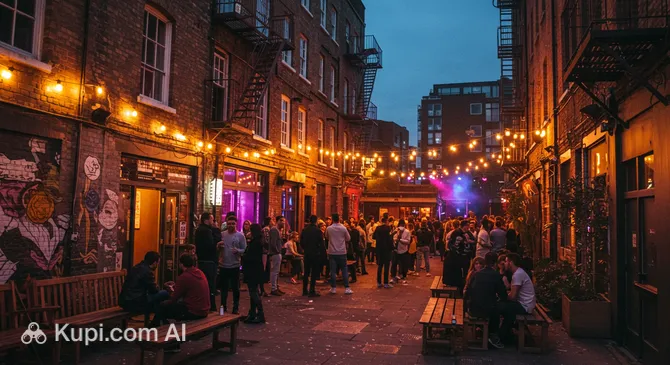
For a more alternative and hipster vibe, head to the Baltic Triangle. Once an industrial area of warehouses, it has been transformed into the city's creative hub. This is where you will find cool street food markets, gin gardens, and warehouse raves. A standout spot here is Kazimier Garden, a quirky, open-air venue that feels like a secret hideaway. With its wooden aesthetic, gravel floors, and relaxed atmosphere, it is perfect for enjoying craft beers and eclectic music under the stars.
Kazimier Garden. Source: Kupi.Binoculars
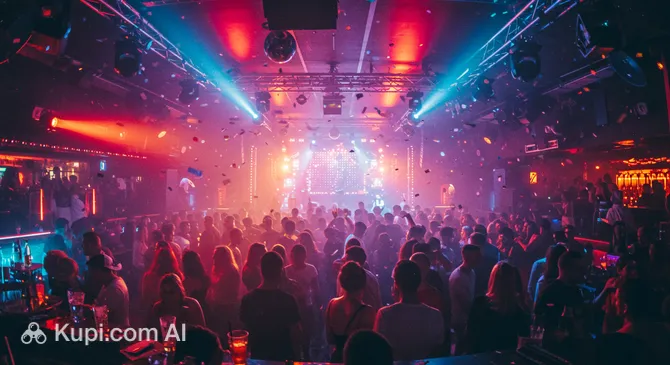
Liverpool has also embraced the trend of "competitive socializing" and experiential nightlife. A prime example is Bongo’s Bingo, a phenomenon that started in this city and went global. Far from a quiet game hall, this is a chaotic and hilarious mix of rave, dance-offs, and bingo, offering a night out you won't forget. If you prefer something slightly more low-key but equally fun, Golf Fang offers crazy golf with a twist, combining graffiti-covered courses with cocktails and DJs.
Bongo’s Bingo. Source: Kupi.Binoculars
Practical Nightlife Tips:
Dress Code: "Scousers" (locals) take great pride in their appearance and love to dress up. In the city center bars and clubs, the dress code is often "dress to impress," so leave the sportswear at home. The Baltic Triangle tends to be more casual and relaxed.
Timing and Prices: The night starts late here, with many clubs staying open until 4:00 AM or later. Prices are generally lower than in London, with plenty of happy hour deals available early in the evening.
Safety and Transport: Liverpool has been awarded Purple Flag status, recognizing it as a safe and well-managed nightlife destination. For getting home, distinct "Hackney carriages" (black cabs) can be hailed on the street, while private hire taxis (like Delta or Uber) must be booked via app or phone.
While the nights are electric, daytime entertainment in Liverpool is equally engaging. Beyond the history, you can explore the British Music Experience in the Cunard Building, which tells the story of British pop through costumes and instruments. For those seeking something unusual, the Quirky Quarter offers a world of optical illusions and interactive puzzles that challenge your senses, providing fun photo opportunities before the sun goes down.
Parks & Museums
Beyond its bustling docks and musical legacy, Liverpool offers a surprising abundance of green sanctuaries and cultural institutions that delve deep into the region's history. The city is home to some of Britain's finest public parks and a diverse array of museums that tell stories of war, art, and community, providing a peaceful counterpoint to the vibrant city center.
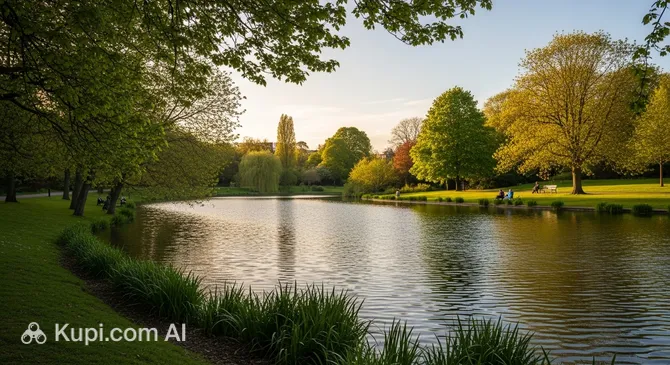
One of the most beloved green spaces is Sefton Park Lake and its surrounding parkland. This magnificent 235-acre Grade I listed park is a favorite among locals for its winding paths, boating lake, and the stunning Palm House, a Victorian glasshouse filled with exotic plants. It is the perfect place for a relaxing stroll or a picnic, offering a pastoral escape without leaving the city limits.
Sefton Park Lake. Source: Kupi.Binoculars
Across the river on the Wirral peninsula lies the historically significant Birkenhead Park. Opened in 1847, it holds the distinction of being the first publicly funded park in the world and famously influenced the design of Central Park in New York. Visitors can admire its classic landscape design, complete with a Swiss Bridge and a Roman Boathouse, making it a must-visit for landscape architecture enthusiasts.
For a more hidden gem within the city center, St James's Mount and Gardens offers a unique atmospheric experience. Located in the shadow of the massive Liverpool Cathedral, this sunken garden was once a stone quarry. Today, it is a tranquil, somewhat mysterious space filled with historic gravestones, natural springs, and winding ramps, providing a quiet refuge from the urban noise above.
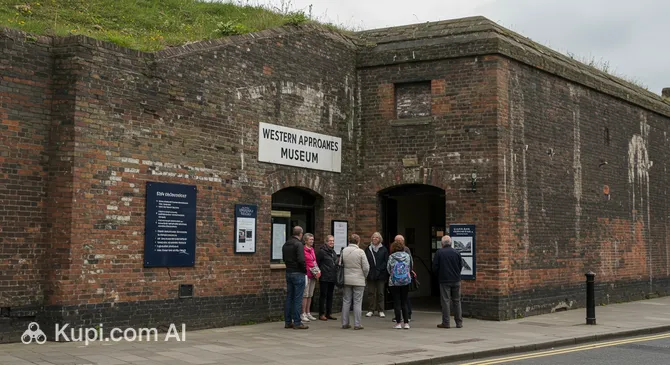
Liverpool's cultural offerings extend well beyond art and music into fascinating chapters of history. A crucial site for history buffs is Western Approaches. This underground bunker was the top-secret command center for the Battle of the Atlantic during World War II. Walking through the preserved map room and communications center feels like stepping back in time, offering a tangible connection to the strategic operations that helped win the war.
Western Approaches. Source: Kupi.Binoculars
Art lovers willing to venture slightly further afield should visit the Lady Lever Art Gallery in the picturesque village of Port Sunlight. Founded by industrialist William Lever, it houses one of the UK's finest collections of fine and decorative art, including Pre-Raphaelite paintings and Wedgwood jasperware. The gallery itself is a beautiful example of Beaux-Arts architecture and sits within a model village that is an attraction in its own right.
In the heart of the city, the Central Library is more than just a place for books; it is a stunning architectural landmark. The beautifully restored Picton Reading Room, with its spiraling staircase and domed ceiling, is often compared to scenes from Harry Potter. It also houses rare archives and offers a roof terrace with excellent views over the city, making it a cultural hub that welcomes all visitors.
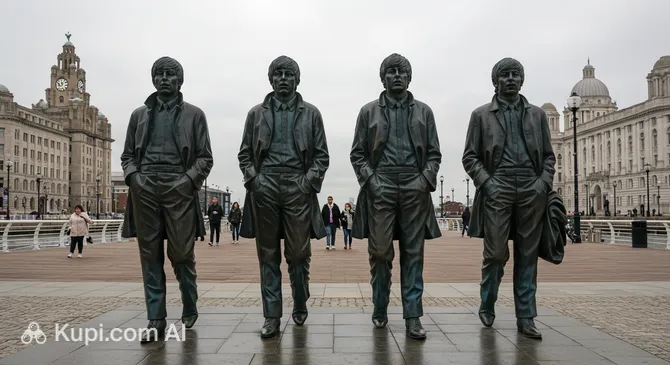
On the waterfront, amidst the grand buildings of the Pier Head, stands the iconic The Beatles Statue. Larger than life and cast in bronze, this monument captures the Fab Four walking casually along the Mersey. It is the city's most popular photo opportunity, serving as a permanent tribute to the band that changed the world and a focal point for fans visiting the waterfront.
The Beatles Statue. Source: Kupi.Binoculars
For a truly authentic experience, take the time to explore the "Three Graces" at the Pier Head not just from the ground, but from the water. Taking a ferry across the Mersey offers the best vantage point to appreciate the city's UNESCO-recognized skyline. Additionally, if you visit Sefton Park, look out for the "Fairy Glen," a series of cascading waterfalls and rockeries that feel like a secret garden hidden within the wider park.
Getting Around
Navigating Liverpool is remarkably stress-free, thanks to its compact city center and a well-integrated public transport network managed by Merseytravel. While many of the main attractions, shops, and the waterfront are within comfortable walking distance of each other, the city offers efficient options for reaching the suburbs, the beach, or simply resting your feet after a day of sightseeing.
The backbone of the city's transport is Merseyrail, a suburban rail network that functions much like an underground metro within the city center. The "Loop" line connects four major underground stations: Lime Street, Liverpool Central, Moorfields, and James Street. This system is the fastest way to travel between the city center and the wider region, including popular coastal destinations like Crosby Beach and Southport. Trains run frequently, typically every 15 minutes on most lines during the day.
For destinations not served by rail, the bus network is extensive and reliable. The two main operators, Arriva and Stagecoach, cover the entire city and surrounding areas. Most bus routes start or finish at one of the two major hubs in the city center: Liverpool ONE Bus Station near the waterfront and Queen Square Bus Station near Lime Street. Double-decker buses offer a great vantage point for seeing the city streets as you travel.
A unique and iconic mode of transport is the Mersey Ferry. While it serves as a commuter link across the River Mersey to the Wirral Peninsula (docking at Seacombe or Woodside), it is also a major tourist attraction in its own right. Taking the "Ferry Cross the Mersey" offers unrivaled views of the famous skyline. It operates primarily during the day, with special river explorer cruises available for those who want a more leisurely experience.
Paying for transport is straightforward. On all buses, you can use contactless payment with a bank card or smartphone (Apple Pay/Google Pay); simply tap your card on the reader as you board. There is no need to tap off for buses. For Merseyrail trains, you must purchase a physical ticket or a pass from the ticket office or vending machines before you board, as ticket inspections are frequent and strict.
For tourists, the most economical option is often the Saveaway ticket. This is an off-peak day pass that allows unlimited travel on buses, trains, and ferries (direct crossings only) within a designated zone. It is valid after 9:30 AM on weekdays and all day on weekends. You can buy these at any Merseytravel center or rail station. Alternatively, a Day Saver ticket is available specifically for unlimited train travel or bus travel if you plan to stick to one mode of transport.
If you prefer private transport, Liverpool has a large fleet of Hackney Carriages (black cabs) that can be hailed on the street when their amber light is illuminated. They are safe, regulated, and meter-operated. Private hire vehicles, such as those booked via apps like Uber or local favorite Delta Taxis, are also widely available but must be booked in advance and cannot pick you up off the street.
For short trips across the city center, Voi e-scooters are a popular and eco-friendly alternative. You can locate and unlock these coral-colored scooters using the Voi app on your smartphone. They are perfect for zipping between the Knowledge Quarter and the Baltic Triangle, though you will need a valid provisional or full driving license to register on the app.
Most public transport services run from early morning until late evening, with trains typically winding down around midnight. A limited network of night buses operates on weekends. Always check the destination on the front of the bus or ask the driver if you are unsure, as locals are generally very helpful to visitors finding their way.
Accommodation
Liverpool offers a diverse and welcoming range of accommodation options that cater to every type of traveler, from backpackers and football fans to couples seeking a romantic luxury escape. As a city well-versed in hospitality, visitors can expect to find everything from grand heritage hotels and modern high-rise apartments to budget-friendly hostels and cozy guest houses.
For most tourists, the City Centre is the most convenient place to stay. Being based here puts you within walking distance of the main shopping districts, Lime Street Station, and the major museums. If you are looking for scenic views and a touch of luxury, the Waterfront and Royal Albert Dock areas are highly recommended. These locations offer stunning outlooks over the River Mersey and immediate access to top attractions like The Beatles Story and the Tate Liverpool.
Travelers interested in nightlife might prefer the Ropewalks district or the Baltic Triangle. These trendy neighborhoods are packed with independent bars, music venues, and converted warehouse apartments, making them perfect for younger visitors or those planning a weekend of celebration. Conversely, for a quieter and more picturesque stay, the Georgian Quarter offers beautiful boutique hotels set amidst cobbled streets and elegant 18th-century townhouses.
Booking Tips: Liverpool is a city defined by its events. Prices and availability can fluctuate drastically depending on the football schedule—especially when Liverpool FC or Everton FC are playing at home—and during major events like the Grand National or music festivals. It is highly advisable to check the fixture list and book your accommodation well in advance if your trip coincides with a match day, as the city fills up quickly.
The price range in Liverpool is generally reasonable compared to London. Budget travelers can find excellent hostels and low-cost hotel chains in the city center. Mid-range options are plentiful, often provided by well-known international brands. For luxury, the city boasts several 4-star and 5-star establishments, often housed in restored historic buildings that add character to your stay. Booking is most easily done through major online platforms, though booking directly with smaller boutique hotels can sometimes secure you a better rate or a complimentary breakfast.
Nearby Cities
Liverpool serves as an excellent gateway for exploring the wider Merseyside region. Just a short journey across the River Mersey or a quick train ride to the north reveals a collection of distinct towns, each offering its own unique character, coastal scenery, and local heritage. These neighboring areas provide a perfect opportunity to see more of the local culture beyond the city center.
Directly across the water on the Wirral Peninsula lies Birkenhead, the closest major town to Liverpool. It is celebrated for its historic park, which influenced the design of Central Park in New York, and offers spectacular views of the Liverpool skyline from the Woodside Ferry Terminal. Nearby, Wallasey is a coastal town that encompasses the popular seaside resort of New Brighton, known for its promenade and sandy beaches.
To the north of the city, Bootle was historically a key part of the docklands and remains closely linked to Liverpool's maritime industry. Further along the coast is Crosby, a must-visit destination for art lovers. It is the permanent home of Antony Gormley’s "Another Place" installation, where 100 cast-iron statues stand on the beach facing the sea. To the south of Birkenhead, Bebington offers a quieter atmosphere and sits close to the model village of Port Sunlight.
The table below lists these nearby cities and towns, sorted by their distance from Liverpool:
City
Population
Distance (km)
Birkenhead
142,968
3
Bootle
51,394
4
Wallasey
60,284
5
Bebington
57,336
6
Crosby
51,789
10
Shopping & Souvenirs
Shopping:
Liverpool has firmly established itself as one of the premier shopping destinations in the UK. The city center is compact and pedestrian-friendly, allowing visitors to seamlessly drift between gleaming modern malls, historic high streets, and bohemian quarters packed with independent charm. Whether you are looking for high-end designer fashion, vintage treasures, or classic high-street staples, the city offers a retail experience that caters to every style and budget.
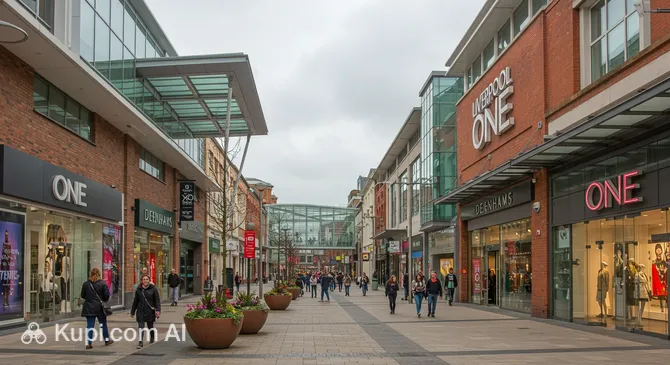
The crown jewel of the city's retail scene is undoubtedly Liverpool ONE. Far from a typical enclosed mall, this is a massive open-air shopping district that revitalized the city center. It connects the waterfront with the traditional retail streets and features over 170 stores, ranging from luxury department stores like John Lewis and Harvey Nichols Beauty Bazaar to popular flagship brands. Its tiered walkways and open spaces make it a pleasant place to explore, even if you are just window shopping.
Liverpool ONE. Source: Kupi.Binoculars
For those who prefer a more independent and eclectic vibe, Bold Street is the place to go. Often cited as one of the best shopping streets in the country, it is lined with unique boutiques, vintage clothing stores, and used bookshops. It is the perfect spot to find one-of-a-kind items and retro fashion. Just a short walk away, the traditional high streets of Church Street and Lord Street host the major British retail chains, ensuring all your standard shopping needs are met.
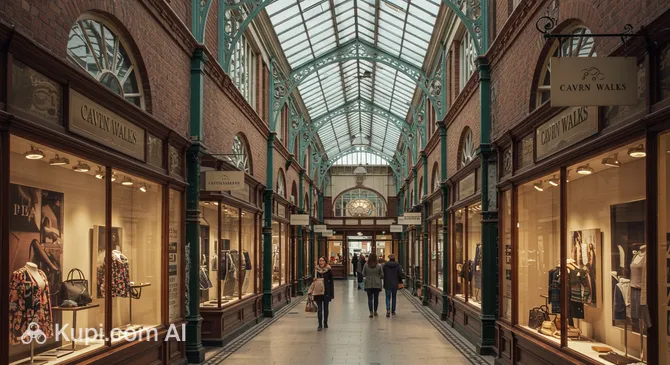
If you are searching for designer labels and boutique fashion, head towards the Cavern Quarter. Here you will find Cavern Walks, a center known for its collection of independent retailers and designer outlets. It holds a special place in the city's heart, not just for shopping but for its location on the famous Mathew Street. For those willing to travel a bit further for a leisure and retail mix, the Marine Point Retail and Leisure Park in New Brighton offers shopping with sea views.
Cavern Walks. Source: Kupi.Binoculars
Liverpool's market scene is vibrant and diverse. For a mix of local crafts, street food, and live entertainment, Blackstock Market is a fantastic modern venue to explore. If you are hunting for vintage gems and handmade goods, the Red Brick Market in the Baltic Triangle is a treasure trove of independent stalls. For a truly traditional experience, the Great Homer Street Market (known locally as "Greatie") operates on Saturdays and is where locals have shopped for bargains for generations.
When it comes to souvenirs, the city offers plenty of unique options beyond the standard magnets. The Beatles merchandise is ubiquitous, with dedicated shops on Mathew Street and at the Albert Dock selling everything from vinyl to t-shirts. Football fans often pick up a scarf or jersey from the official Liverpool FC or Everton FC stores. For something quirky, look for a miniature Superlambanana, a small replica of the city's famous bright yellow sculpture. A bottle of locally distilled Liverpool Gin is also a popular gift to take home.
Most shops in the city center open around 09:00 or 09:30 and close between 17:30 and 18:00. On Thursdays, many stores in Liverpool ONE and the main streets stay open later, often until 20:00. Sunday trading hours are shorter, typically from 11:00 to 17:00. Card and contactless payments are the standard method of payment everywhere, from large department stores to small market stalls, though keeping a little cash for smaller independent vendors is always a good idea.