Navigating Birmingham is straightforward thanks to an integrated public transport network managed by Transport for West Midlands (TfWM). The city relies heavily on a comprehensive bus system, a growing tram network, and frequent local train services that connect the city center with suburbs and neighboring towns. Unlike some other major capitals, there is no underground metro system; instead, the West Midlands Metro serves as a modern light rail tram service operating between Birmingham and Wolverhampton, with stops at key locations like the Jewellery Quarter and Bull Street.
The bus network is the most extensive mode of travel, with National Express West Midlands being the primary operator. Buses run frequently to virtually every corner of the city. A notable feature for transport enthusiasts is the famous Number 11 bus route, also known as the "Outer Circle," which creates a 27-mile loop around the city and is one of the longest urban bus routes in Europe. For faster travel across the region, the local train network, centered around New Street, Moor Street, and Snow Hill stations, functions effectively as a rapid transit system, especially the "Cross-City" line which offers high-frequency services.
Paying for transport is designed to be convenient for visitors. The easiest method is contactless payment using a bank card or mobile device (Apple Pay or Google Pay). Most buses and trams operate on a "tap and cap" system, where you simply tap your card on the reader when boarding. The system automatically calculates the best fare for your travel, capping the cost at the price of a day ticket so you never pay more than necessary. For longer stays, you might consider getting a Swift card, a smart travel card similar to those used in other major metropolises, which can be topped up online or at travel centers.
Travel passes known as "nBus" or "nNetwork" tickets are available for those planning to use multiple modes of transport. A standard "Day Saver" ticket is an economical choice if you plan to make several journeys in one day. While cash is still accepted on some buses, it is important to note that many drivers do not carry change, so you must have the exact fare ready. To avoid this hassle, it is highly recommended to stick to contactless payments or purchase tickets in advance via the mTicket app or the TfWM app, which also provide real-time journey planning.
Public transport generally operates from early morning, around 05:00, until midnight. However, frequency drops significantly late at night, and while there are some night bus services on popular routes, they are limited. If you are traveling very late, checking the schedule in advance is crucial. For inter-station transfers in the city center, the walk between New Street and Moor Street is short and well-signposted, often faster than waiting for a connecting bus.
For alternatives to mass transit, taxis are plentiful. You will see the traditional black cabs, which can be hailed on the street and are wheelchair accessible. Private hire vehicles, booked via apps like Uber or Bolt, are also widely available and often cheaper, though they cannot be hailed from the curb. For a greener option, the West Midlands Cycle Hire scheme offers bikes and e-bikes docked at various points across the city. Additionally, Birmingham is part of an e-scooter trial, with Voi scooters available for rent via a mobile app, providing a fun way to zip between attractions.
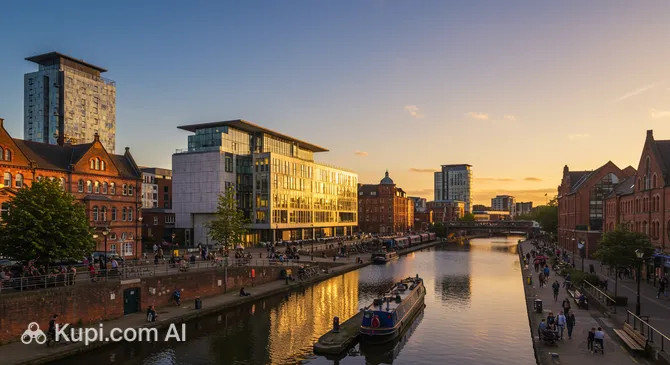
One unique, albeit slower, way to see the city is via its historic canal network. While primarily used for leisure, waterbuses operate during the tourist season, ferrying passengers between major hubs like Brindleyplace and the Mailbox. It offers a relaxing and scenic alternative to the busy roads, allowing you to experience the city's "Venice of the North" reputation firsthand while getting from A to B.