Support

Plymouth

About

Plymouth, often celebrated as "Britain's Ocean City," is a vibrant waterfront destination located on the south coast of Devon in the United Kingdom. With a population of approximately 268,000 residents, it serves as a significant cultural and economic hub in the South West, offering a perfect blend of bustling urban energy and stunning coastal scenery. Its strategic location between the mouths of the rivers Plym and Tamar provides breathtaking views and a refreshing maritime atmosphere that captivates visitors year-round.

The city boasts a legendary past that has shaped its unique character and global significance. From the departure of the Pilgrim Fathers aboard the Mayflower in 1620 to its enduring status as a major naval base, the history of Plymouth is deeply intertwined with the sea. This rich heritage is evident everywhere, from the ancient fortifications guarding the coast to the historic architecture that survived the tests of time.
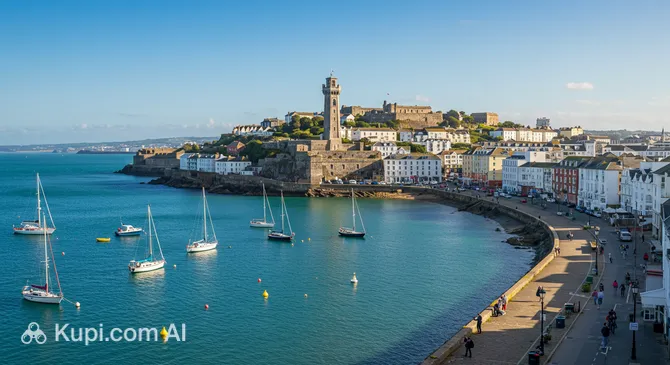
Plymouth. Source: Kupi.Binoculars

Travelers are drawn to Plymouth for its diverse array of attractions. A walk along the famous Plymouth Hoe offers panoramic views of the Sound and the chance to see the iconic Smeaton's Tower lighthouse. The historic Barbican district features charming cobblestone streets lined with Tudor and Jacobean buildings, housing independent shops and galleries. For those interested in marine life, the National Marine Aquarium is a must-visit, being the largest of its kind in the country.

Whether you are looking to explore maritime traditions, enjoy fresh local seafood, or simply relax by the water, Plymouth offers a welcoming environment for all. It is an ideal destination for a memorable seaside getaway, inviting you to discover the charm of the English coast.
Weather Overview

Plymouth experiences a temperate maritime climate, which generally ensures mild weather without extreme fluctuations between seasons. The city's coastal location plays a significant role in moderating temperatures, keeping winters relatively gentle and summers comfortable. For the most accurate and up-to-date forecasts during your trip, be sure to check the weather in Plymouth.

The summer months of July and August are typically the warmest, with average temperatures hovering around 16.5°C and daily highs reaching nearly 20°C. This is often considered the best time to visit, although travelers should still be prepared for some rain, as these months typically see about 13 to 14 wet days.

Winters are cool but rarely freezing, with January seeing average lows of 3.6°C and highs of 8.1°C. Precipitation is a consistent feature of the climate; December is usually the dampest month, recording up to 18 wet days. Overall, you can expect mild temperatures mixed with frequent showers, so carrying waterproof clothing is recommended regardless of when you visit.

Interesting Facts

Beyond the main attractions, Plymouth holds many fascinating secrets and historical curiosities that often escape the casual observer. From hidden maritime tales to pioneering scientific voyages, the city's past is full of surprises waiting to be uncovered.
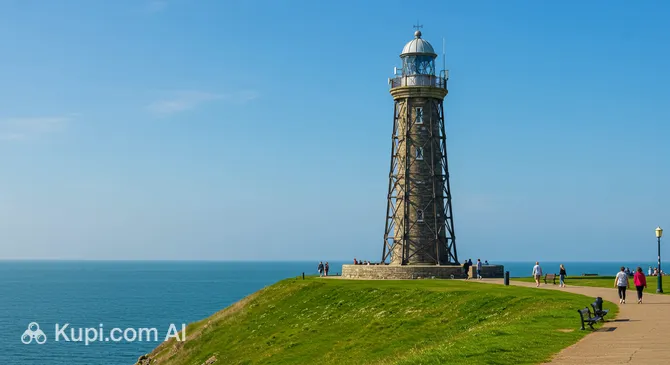
Smeaton's Tower. Source: Kupi.Binoculars
  • The iconic Smeaton's Tower, which now stands proudly on the coast, was not originally built there. It spent over a century on the treacherous Eddystone Reef, 14 miles out to sea, before being carefully dismantled stone by stone and rebuilt on the mainland in 1882 to preserve it for future generations.

  • Plymouth is home to the oldest working gin distillery in England. The Black Friars Distillery has been producing its famous spirit since 1793 within a building that dates back to the early 15th century, and it is rumored that the Pilgrim Fathers stayed there the night before their historic departure.

  • The theory of evolution has its roots in this harbor city. Charles Darwin embarked on his groundbreaking five-year voyage aboard the HMS Beagle from Sutton Harbour in 1831, a journey that would eventually change the course of scientific history.

  • In 1815, Plymouth Sound became the temporary prison for a defeated Napoleon Bonaparte. While held aboard the HMS Bellerophon before his exile to St. Helena, he became an unexpected tourist attraction, with thousands of locals rowing out in small boats just to catch a glimpse of the former Emperor.

  • The city was the first place in England to produce hard-paste porcelain. In the 18th century, local apothecary William Cookworthy discovered the necessary china clay nearby and established a factory in Plymouth, cracking the secret formula that had previously been known only in Asia.

How to Get There

Reaching this historic maritime city is straightforward, with several transport options connecting it to the rest of the country and beyond. Whether you prefer to fly or travel by land, you can easily find a route that suits your itinerary. For a detailed breakdown of all available travel methods, you can read more about how to get to Plymouth.

The city of Plymouth does not have its own airport, but it is well-served by regional and international hubs nearby. The most convenient option for many is Exeter International Airport (IATA: EXT), located in the city of Exeter, approximately 65 km away. It handles a moderate volume of traffic and offers a quick gateway to the region; a taxi or transfer from here typically takes around 1 hour. For a wider selection of international connections, travelers often choose Bristol Airport (IATA: BRS) in Bristol. Although it is situated about 150 km from Plymouth, it is a major facility with large passenger traffic. The journey by road from Bristol to Plymouth takes approximately 2 to 2.5 hours.

For clarity, here is a summary of the main airports:

Airport Name City Passenger Traffic Km from City
Bristol AirportBristolLarge150.3
Cardiff AirportCardiffMedium126.8
Guernsey AirportSt Peter PortMedium152.3
Exeter International AirportExeterMedium65.3
Newquay Cornwall AirportNewquayMedium61.1

If you are exploring the wider South West region by train, you may pass through or utilize several key railway stations, although Plymouth has its own main station not listed here. Nearby options include St Austell Railway Station in Saint Austell, which is located about 46 km from Plymouth. Another close stop is Par Railway Station, also situated in Saint Austell, roughly 40 km away. These stations serve as key points in the regional rail network, connecting travelers to the scenic Cornish coast and beyond.

Below are some of the railway stations in the surrounding area:

Station City Passenger Traffic Km to Center
Swansea railway stationSwanseaLarge139.8
Penzance StationPenzanceMedium103.0
St Austell Railway StationSaint AustellMedium46.2
Bridgwater Railway StationBridgwaterMedium116.7
Par Railway StationSaint AustellMedium40.1

Main Attractions

Main Attractions:

No visit to this maritime city would be complete without a stroll along Plymouth Hoe. This magnificent public space offers breathtaking panoramic views over Plymouth Sound, one of the world's finest natural harbors. It is a place steeped in legend, most notably as the site where Sir Francis Drake famously insisted on finishing his game of bowls before sailing out to defeat the Spanish Armada. Today, it is a perfect spot for a picnic, a leisurely walk, or simply gazing out at the horizon.

Plymouth Hoe. Source: Kupi.Binoculars

For those who appreciate history combined with modern lifestyle, the Royal William Yard is an essential stop. Once a bustling naval victualling facility, this collection of Grade I listed buildings has been transformed into a vibrant cultural hub. Visitors can explore its impressive granite architecture while enjoying a variety of restaurants, bars, and galleries. The yard often hosts open-air markets and events, making it a lively destination throughout the year.

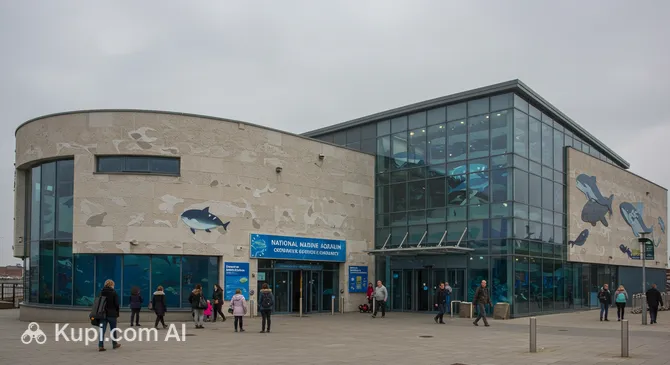
Families and nature enthusiasts should not miss the National Marine Aquarium, the largest of its kind in the United Kingdom. Located near the harbor, it takes visitors on an underwater journey from the local shores of Plymouth to the tropical reefs of the Great Barrier Reef. The aquarium is dedicated to ocean conservation and features massive tanks housing sharks, rays, and a colorful array of fish, providing an educational and mesmerizing experience for all ages.

National Marine Aquarium. Source: Kupi.Binoculars

Another landmark of immense historical significance is the Mayflower Steps, located in the historic Barbican district. This commemorative portico marks the approximate site where the Pilgrim Fathers set sail for the New World aboard the Mayflower in 1620. Standing here allows you to connect with a pivotal moment in global history, while the surrounding streets offer charming Tudor buildings and cobblestone lanes to explore.

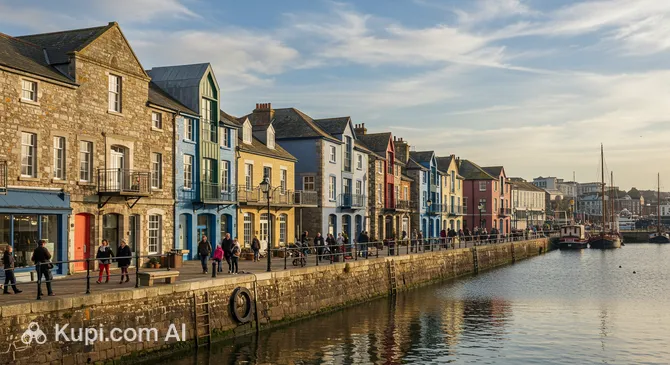
Finally, immerse yourself in the maritime atmosphere at Sutton Harbour. As the original port of the city, it remains a bustling center of activity where fishing boats land their daily catch alongside luxury yachts. It is a fantastic place to enjoy fresh seafood, watch the boats go by, and soak up the authentic nautical character that defines Plymouth.

Local Cuisine

As "Britain's Ocean City," it comes as no surprise that Plymouth offers a culinary scene deeply rooted in the sea. The local gastronomy is headlined by incredibly fresh seafood, much of which is landed daily at the historic Sutton Harbour. Here, visitors can watch the fishing boats dock before enjoying the catch of the day at nearby eateries. Whether it is a simple paper-wrapped portion of fish and chips enjoyed by the water or a platter of locally caught crab and mackerel in an upscale restaurant, the quality of the seafood is a defining feature of the city.

Beyond the harbor, the region is famous for the traditional Devon Cream Tea. This indulgent treat consists of a freshly baked scone, strawberry jam, and a generous dollop of clotted cream. In Plymouth, local custom dictates that the cream is applied to the scone first, followed by the jam—a method that distinguishes it from the neighboring Cornish tradition. Another local staple to look out for is the savory pasty, a hearty pastry filled with meat and vegetables that fuels locals and travelers alike.

Royal William Yard. Source: Kupi.Binoculars

For a concentration of excellent dining options, the Royal William Yard is a must-visit destination. This beautifully restored naval victualling yard has transformed into a gastronomic hub, housing a variety of restaurants and bars within its granite walls. It is the perfect place to explore diverse cuisines, from wood-fired pizzas to contemporary Asian dishes at places like KUKU, all while soaking in the historic maritime atmosphere.

The city also caters to a wide range of tastes with its vibrant independent food scene. For those seeking a traditional British pub experience, The Fishermans Arms offers a cozy setting and classic dishes. Meanwhile, plant-based travelers will find a warm welcome at Cosmic Kitchen, a family-run spot known for its delicious vegan menu and friendly vibe.

No culinary tour of Plymouth would be complete without sampling the local drinks. The city is world-renowned for Plymouth Gin, which has been distilled in the Barbican since 1793. Cider is another West Country favorite, often enjoyed in the city's many pubs. For wine enthusiasts, the HonkyTonk Wine Library provides a sophisticated retreat to taste a curated selection of vintages accompanied by sharing platters.

Travel Tips

Welcome to Plymouth, a captivating blend of maritime heritage and modern coastal living where a little preparation goes a long way. To help you navigate Britain's Ocean City with ease and confidence, we have compiled a set of essential practical tips for your upcoming visit.

  1. Clothing and Gear: The weather in the South West can be unpredictable, so dressing in layers is the smartest strategy. Even in summer, a sudden sea breeze or shower is possible, so always carry a waterproof jacket or a sturdy umbrella. Comfortable walking shoes are a must, especially if you plan to explore the cobbled streets of the Barbican or the grassy slopes of Plymouth Hoe. Don't forget a Type G power adapter for your electronics if you are visiting from outside the UK.
  2. Transportation: Plymouth is a very walkable city, particularly around the city center and waterfront areas. For longer distances, the local bus network, primarily operated by Plymouth Citybus, is reliable and covers most neighborhoods. Taxis and ride-hailing apps like Uber are readily available for convenience. While a car is not strictly necessary for the city itself, renting one is highly recommended if you intend to explore the wider beauty of Devon and Cornwall.
  3. Finances: The local currency is the British Pound Sterling (£). Credit and debit cards, including contactless payments, are widely accepted almost everywhere, from restaurants to small cafes and buses. It is still useful to carry a small amount of cash for smaller vendors or markets. ATMs are plentiful throughout the city. Tipping is customary in restaurants; if a service charge isn't added to the bill, leaving 10–15% for good service is appreciated.
  4. Health and Safety: Plymouth is generally a safe city for tourists, but standard precautions should be taken, such as keeping an eye on belongings in crowded areas. In case of a medical emergency, dial 999; for non-urgent medical advice, you can call 111. Pharmacies like Boots and local independent chemists are easily found in the city center and usually operate during standard business hours, with some larger stores opening late.
  5. Communication: English is the primary language spoken. Free Wi-Fi is available in many public spaces, hotels, and coffee shops. If you need mobile data, you can easily purchase a prepaid SIM card from supermarkets or mobile phone shops in the city center; major networks include EE, O2, and Vodafone. Useful apps to download include Google Maps for navigation and the Plymouth Citybus app for real-time transport updates.
  6. Local Etiquette: Politeness is highly valued in British culture. Frequent use of "please," "thank you," and "sorry" is the norm in daily interactions. Queueing is taken very seriously; whether you are waiting for a bus or ordering at a bar, always wait your turn patiently and never cut in line. When greeting locals, a friendly handshake or a simple "hello" is appropriate.
  7. What to Avoid: Be cautious with food outdoors, as seagulls can be surprisingly aggressive and may swoop down to steal snacks; feeding them is strongly discouraged. Additionally, avoid blocking pavements or walkways in groups, as locals appreciate keeping the flow of foot traffic moving.
  8. Local Tip: Take advantage of the local water transport. The historic Cremyll Ferry offers a scenic and affordable short trip across the water to the Mount Edgcumbe House and Country Park in Cornwall, providing a fantastic day out just minutes from the city center.

Armed with these practical tips, you are now ready to relax and fully enjoy everything this historic waterfront city has to offer. We hope you have a safe journey and a wonderful time exploring the unique charm of Plymouth!

Entertainment & Nightlife

Plymouth offers a diverse and energetic nightlife scene that caters to everyone from university students to couples seeking a sophisticated evening out. As the sun sets over the harbor, the city shifts gears, offering everything from traditional waterfront pubs to pulsing nightclubs and chic cocktail bars. Whether you are looking for a quiet pint by the sea or a dance floor that stays open until dawn, the city has a district to match your mood.

The heart of the city's more refined nightlife can be found in the historic Barbican and the Royal William Yard. The Barbican is famous for its cobbled lanes and concentration of characterful pubs where you can enjoy local ales with views of the fishing boats. In contrast, the Royal William Yard offers a stunning backdrop of granite naval architecture, perfect for an upscale dinner followed by drinks in a stylish, relaxed setting.

Battle Bar Plymouth. Source: Kupi.Binoculars

For those looking for a high-energy atmosphere and delicious cocktails, Turtle Bay in the city center is a popular choice. It brings a vibrant Caribbean vibe to the coast, serving rum-based drinks and spicy food late into the evening during their famous happy hours. If you prefer an interactive night out, Battle Bar Plymouth provides a unique experience where you can combine social drinking with competitive games like axe throwing, beer pong, and shuffleboard.

If you are in the mood for serious clubbing, Union Street remains the traditional hub for late-night entertainment. This strip is lined with louder venues and nightclubs that stay open until the early hours, attracting a younger, energetic crowd. The atmosphere here is lively and casual, while the dress code in most other parts of the city, such as the Barbican or the Barcode complex, leans towards smart-casual.

Practicalities are easy to manage in Plymouth. Friday and Saturday nights are naturally the busiest, so booking tables at popular bars is recommended. Prices are generally reasonable compared to larger UK cities. Getting around is straightforward with a reliable network of taxis; reputable companies are safe options, and there are often marshaled taxi ranks on Union Street and Derry's Cross on weekends to ensure visitors get home safely.

While nightlife is a major draw, the city also offers excellent daytime entertainment. Culture lovers should check out the Theatre Royal Plymouth, which hosts major touring West End productions, operas, and ballets. For a more relaxed afternoon, the city has several modern cinema complexes, museums, and bowling alleys to keep you entertained before the evening festivities begin.

Parks & Museums

Plymouth offers a refreshing mix of coastal beauty and green retreats, alongside institutions that celebrate its storied past. Beyond the bustling harbor, visitors can find tranquility in sprawling gardens and explore museums that bring the city's maritime heritage to life.

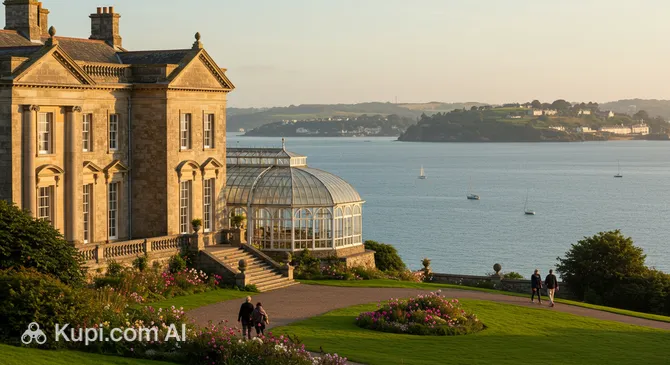
One of the most spectacular green spaces is Mount Edgcumbe House and Country Park. Although technically located in Cornwall, it is easily reached by a short ferry ride from the city and is considered a quintessential part of the Plymouth experience. This Grade I listed landscape covers over 860 acres, featuring formal gardens, coastal woodland, and a historic Tudor house. It is a perfect spot for a day trip, offering walking trails with stunning views back across the water toward the city.

Mount Edgcumbe House and Country Park. Source: Kupi.Binoculars

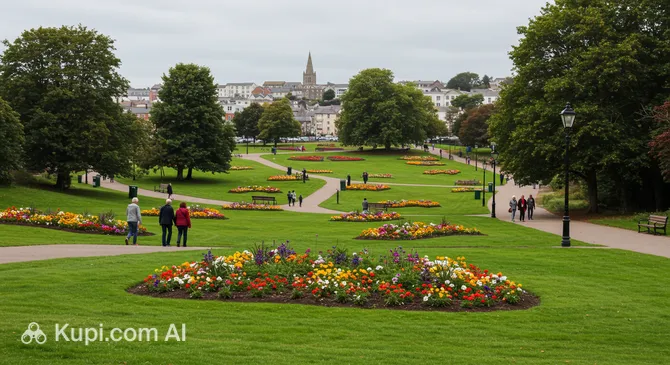
For those staying closer to the city center, Central Park serves as the "green lung" of Plymouth. As the largest park in the city, it provides wide open meadows, woodlands, and sports facilities. It is a favorite among locals for jogging and dog walking, and its elevated position offers sweeping views over the urban landscape toward the Sound. Another scenic spot is Devil's Point, a coastal park situated at the tip of the Stonehouse peninsula. It offers a tidal pool and spectacular vantage points for watching naval ships and ferries navigate the estuary.

Central Park. Source: Kupi.Binoculars

When it comes to culture, the city's flagship venue is The Box. This major museum and art gallery complex celebrates Plymouth's fascinating history, from its naval dominance to its prehistoric roots. Inside, you can see massive ship figureheads suspended from the ceiling, explore the city's archives, and view contemporary art exhibitions. It is an essential stop for anyone wanting to understand the deep connection between the people of Plymouth and the ocean.

For a more specific glimpse into maritime engineering, a visit to Smeaton's Tower is highly recommended. This restored 18th-century lighthouse, now standing on the Hoe, operates as a museum where visitors can climb 93 steps to the lantern room. The ascent offers a unique look at the cramped living conditions of the keepers and rewards you with one of the best panoramic views in the South West.

For a quieter experience away from the crowds, head to Freedom Fields Park. This historic site was the scene of a major battle during the English Civil War and now offers a peaceful setting with beautiful old trees and commanding views over the city and harbor.

Getting Around

Public transport in Plymouth is primarily based on an extensive and reliable bus network that connects the city center with residential neighborhoods, the waterfront, and outlying suburbs. Unlike some larger capitals, the city does not have a metro or tram system, so buses serve as the backbone of local mobility. The main operator is Plymouth Citybus, easily recognizable by its distinct red livery, while Stagecoach South West also runs services connecting the city to the wider region. For visitors, the network is dense enough to reach almost all major attractions, including the historic Barbican and the Royal William Yard.

Given its status as a major port city, water transport plays a unique and practical role in getting around. Ferries are a scenic and efficient way to cross the various harbors and estuaries. The Cremyll Ferry offers a short hop to the Rame Peninsula, while the Mount Batten Ferry connects the Barbican to the Mount Batten peninsula, saving a long journey by road. These water links operate year-round and provide a charming alternative to road transport, offering passengers splendid views of the sound while they travel.

Paying for transport is modern and user-friendly. On buses, the most convenient method is contactless payment; you can simply tap your bank card or smartphone on the reader when boarding. "Tap On, Tap Off" systems are increasingly common, automatically capping your fare so you never pay more than the price of a day ticket, regardless of how many trips you take. Alternatively, you can purchase paper tickets directly from the driver using cash or card. For those planning multiple journeys, buying a "Dayrider" ticket is often the most economical option. Mobile apps from the main operators are also available, allowing you to buy tickets in advance and track buses in real-time.

For rail travel within the city limits, the options are more limited but still useful for specific routes. Plymouth railway station is the main hub, but smaller suburban stations like Devonport, Dockyard, and St Budeaux allow for quick travel to the western parts of the city. While not a substitute for a metro, these local trains can be faster than buses during peak traffic hours if your destination is near a station.

If you prefer more flexibility, taxis and private hire vehicles are plentiful. You can find traditional hackney carriages (black cabs) at designated ranks, particularly near the train station, the coach station, and on Union Street. Ride-hailing apps like Uber are also active in the city, providing a convenient alternative. For active travelers, the "Connect Plymouth" scheme has introduced e-bike rentals at docking stations across key locations, making it easy to cycle between the waterfront and the city center.

A few practical tips will help you navigate smoothly: bus services generally run from early morning until late evening, but frequencies drop significantly after 7:00 PM and on Sundays. It is important to signal clearly to the driver by raising your hand as the bus approaches, as they will not stop otherwise. Finally, if you plan to use the ferries, always check the weather forecast and the specific operating hours, as services can be suspended during particularly rough sea conditions.

Accommodation

Plymouth offers a diverse range of accommodation options to suit every preference and budget, making it an accessible destination for all types of travelers. Whether you are looking for a luxury room with a sea view, a charming bed and breakfast in a historic building, or a practical budget hotel in the city center, you will find plenty of choices. The city also features a growing number of self-catering apartments and holiday rentals, which are perfect for families or those planning a longer stay.

For many visitors, the most desirable location is the area around Plymouth Hoe. Staying here places you right next to the iconic lighthouse and the sweeping promenade, offering easy access to the seafront and spectacular views across the Sound. It is a fantastic spot for those who want to wake up to the fresh sea breeze and be within walking distance of the main sights.

If you prefer a more historic and atmospheric setting, consider finding accommodation near the Barbican and Sutton Harbour. This district is the oldest part of the city, characterized by cobblestone streets and Tudor architecture. Hotels and guesthouses here are often tucked away in characterful buildings, surrounding you with lively pubs, art galleries, and some of the city's best seafood restaurants right on your doorstep.

Sutton Harbour. Source: Kupi.Binoculars

For a unique and upscale experience, the Royal William Yard offers a selection of stylish apartments and boutique rooms set within beautifully restored naval victualling buildings. This area is ideal for travelers who appreciate impressive architecture and a sophisticated dining scene. Alternatively, for those prioritizing convenience and shopping, the city center near Drake Circus provides modern chain hotels that are close to transport links and major retail outlets.

Booking Tip: Plymouth is a popular destination, especially during the summer months and major university events like graduation weeks. To secure the best rates and your preferred location, it is highly recommended to book your accommodation well in advance. Prices generally range from affordable budget options to mid-range and luxury stays, with most properties easily bookable via major online platforms or directly through their websites.

Nearby Cities

Plymouth's strategic location in Devon makes it an excellent starting point for exploring the surrounding region. Whether you are looking to visit popular seaside resorts or explore historic suburbs that have grown alongside the city, there are several interesting destinations within a short distance. These nearby towns offer a mix of coastal charm and local community atmosphere, perfect for day trips or short excursions.

The following table lists some of the closest cities and towns, along with their population and distance from Plymouth:

City Population Distance (km)
Plymstock 24,103 4
Brixton 78,536 8
Plympton 29,899 8
Paignton 64,410 42
Torquay 65,245 45

Shopping & Souvenirs

As the largest commercial hub in the South West peninsula, Plymouth offers a comprehensive shopping experience that ranges from major high street brands to quirky independent boutiques. The city center is largely pedestrianized, making it easy to navigate on foot, while the waterfront districts provide a more scenic backdrop for browsing unique local goods. Whether you are looking for the latest fashion trends, maritime antiques, or locally crafted gifts, the city provides a diverse retail landscape to explore.

The heart of the city's retail action is focused around the modern Drake Circus. This large, covered shopping mall is the premier destination for fashion, beauty, and lifestyle brands, housing over 70 top-name stores and eateries under one roof. Just a short walk away, the Armada Shopping Centre offers a further selection of high street favorites. Outside these centers, the main pedestrian thoroughfares of New George Street and Cornwall Street are lined with department stores and popular chains.

Drake Circus. Source: Kupi.Binoculars

For a more atmospheric shopping experience, head to the historic Barbican district and Sutton Harbour. Here, the cobblestone lanes are filled with independent art galleries, antique shops, and vintage clothing stores. It is the perfect place to find one-of-a-kind items rather than mass-produced goods. Similarly, the Royal William Yard features a collection of upscale boutiques and artisan spaces set within its stunning granite buildings, often hosting pop-up markets that showcase local creators.

Market lovers should not miss the Plymouth Market in the West End of the city center. This Grade II listed building is a vibrant community hub where you can find everything from fresh local produce and seafood to fabrics, electronics, and street food. It is a great spot to mingle with locals and discover bargains. Additionally, seasonal markets often take place on the Piazza in the city center, offering crafts and regional delicacies.

When it comes to souvenirs, Plymouth has several distinct local products worth taking home. A bottle of Plymouth Gin, distilled at the historic Black Friars Distillery in the Barbican, is the classic choice. Nautical-themed gifts, such as model ships or maritime artwork from local galleries, are also popular reminders of the city's ocean heritage. For those with a sweet tooth, boxes of local fudge or shortbread from the West Country make excellent gifts.

Most shops in the city center operate from 9:00 AM to 5:30 PM, Monday through Saturday. On Sundays, trading hours are typically shorter, usually from 10:30 AM to 4:30 PM. Drake Circus and some larger stores often stay open later on Thursdays for late-night shopping, sometimes until 8:00 PM. Payment is convenient, with credit and debit cards (Visa and Mastercard) widely accepted even for small amounts. Contactless payment is the standard method, though carrying some cash is useful for small market stalls.

Regarding tax-free shopping, visitors should be aware that the rules for the United Kingdom have changed. As of 2021, the VAT Retail Export Scheme has ended in Great Britain, meaning international tourists can no longer reclaim VAT on goods purchased in shops to take home in their luggage. Tax-free shopping is now generally limited to items purchased and shipped directly to an overseas address by the retailer.

Reached the end of the page?

That means the route is fully explored