Support

Isles of Scilly

About

The Isles of Scilly are an enchanting archipelago located approximately 45 kilometers off the southwestern tip of Cornwall. Often described as a sub-tropical paradise, this cluster of islands feels like a world entirely apart from the rest of the United Kingdom. With their crystal-clear turquoise waters and pristine white sandy beaches, they offer a tranquil escape that rivals exotic destinations much further afield.

Despite comprising over a hundred islands and islets, only five are inhabited: St. Mary's, Tresco, St. Martin's, St. Agnes, and Bryher. The total population is small, hovering around 2,200 residents, which contributes to the peaceful and unhurried pace of life here. The islands benefit from the warming influence of the Gulf Stream, resulting in an exceptionally mild climate that allows exotic flora to thrive.

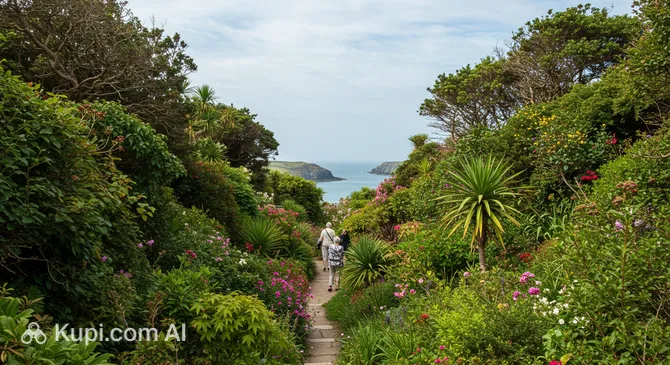
Isles of Scilly. Source: Kupi.Binoculars

Culturally rich and steeped in maritime lore, the history of the Isles of Scilly is fascinating to explore, ranging from ancient burial chambers to tales of legendary shipwrecks. Visitors are often drawn to the world-famous Tresco Abbey Garden, home to thousands of exotic plant species from across the globe. Nature enthusiasts will also delight in the abundant wildlife, including puffins, seals, and rare seabirds that nest along the rugged coastlines.

Whether you are looking to island-hop by boat, enjoy scenic coastal walks, or simply relax by the sea, the Isles of Scilly promise an unforgettable experience. It is the perfect destination for travelers seeking natural beauty and a serene atmosphere.

Weather Overview

The archipelago benefits from an exceptionally mild maritime climate, often staying warmer than the mainland due to the influence of the Atlantic. When planning your trip, checking the detailed weather in Isles of Scilly is recommended to ensure you pack appropriately for the conditions. The islands generally avoid extreme temperature fluctuations, maintaining a relatively stable environment throughout the year.

Winter months, such as December and January, see average temperatures hovering around 9.7°C to 10.7°C, though these are also the wettest times, with up to 20 rainy days per month. In contrast, the summer season offers the warmest conditions, particularly in July when average temperatures reach 17.1°C. May stands out as the driest month, recording only about 6 wet days, making late spring a delightful time for outdoor exploration.

Expect pleasant, temperate summers with moderate breezes and mild, wetter winters where frost is a rarity.

Interesting Facts

Beyond the main attractions, Isles of Scilly holds many fascinating secrets that add depth to its stunning scenery. From unique sporting traditions to ancient legends of lost lands, the archipelago offers plenty of intriguing stories for the curious traveler.

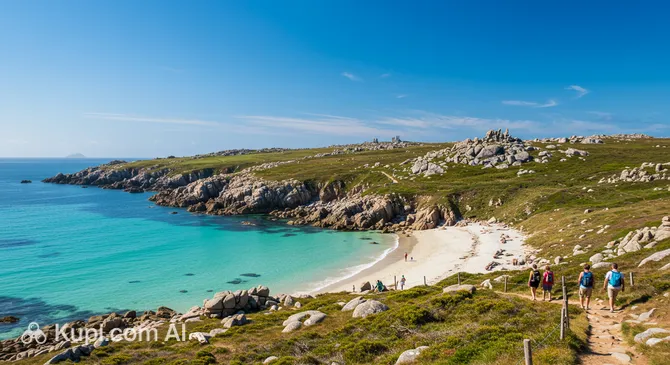
Isles of Scilly Heritage Coast. Source: Kupi.Binoculars
  • Sports fans might be surprised to learn that the islands host the smallest football league in the world. The league comprises only two teams, the Garrison Gunners and the Woolpack Wanderers, who play against each other repeatedly every Sunday during the season, vying for the championship title on the same field.

  • The waters surrounding the Isles of Scilly Heritage Coast are known for having one of the highest concentrations of shipwrecks in Northern Europe. The treacherous rocks hidden beneath the waves have claimed hundreds of vessels over the centuries, creating a rich underwater history that attracts maritime archaeologists and divers from around the globe.

  • Steeped in Arthurian legend, the archipelago is often whispered to be the visible remains of the lost land of Lyonesse. According to local folklore, this mythical kingdom once connected the islands to the Cornish mainland before being engulfed by the ocean in a single night, leaving only the current islands as its mountain peaks.

  • The islands are the only place in the UK where you can spot the Scilly Shrew, also known as the Lesser White-toothed Shrew. Unlike its mainland relatives, this unique species is believed to have arrived on ancient trading boats from Europe, thriving in the mild island climate while remaining absent from the rest of Britain.

How to Get There

Reaching this remote archipelago requires a bit of planning, as there are no direct road links to the mainland. You can find more about how to get to Isles of Scilly on our detailed page, which outlines the various sea and air options available to travelers.

The islands do not have their own international airport, but they are well-connected by air from the mainland. Newquay Cornwall Airport (NQY), located approximately 109 km away, is a popular gateway offering direct flights to the Isles of Scilly, with a journey time of roughly 30 minutes. Another convenient option is Exeter International Airport (EXT), situated 224 km away, which also operates direct flights to the archipelago, allowing visitors to bypass the sea crossing entirely.

For clarity, here is a summary of the closest major airports:

Airport Name City Passenger Traffic (approx.) Km from Islands
Cork AirportCork3,070,000263.1
Cardiff AirportCardiff928,000265.4
Brest Bretagne AirportBrest810,796213.9
Exeter International AirportExeter453,000224.3
Newquay Cornwall AirportNewquay407,609109.3

The archipelago does not have a railway station, but you can travel by train to Penzance Station (PZC), which is located about 59 km from the islands on the Cornish coast. This station serves as the critical connection point for maritime transfers, situated just a short distance from the ferry terminal where the passenger ship departs for the Isles of Scilly.

Below is a list of the closest railway stations:

Station City Passenger Traffic (approx.) Km to Center
Swansea railway stationSwansea2,186,354251.8
Penzance StationPenzance618,95659.1
St Austell Railway StationSaint Austell478,834117.4
Bridgwater Railway StationBridgwater442,188270.0
Par Railway StationSaint Austell204,850123.6

Main Attractions

The Isles of Scilly Heritage Coast encompasses the stunning and rugged coastline that defines this archipelago. Designated to protect the natural beauty of the islands, this area offers some of the most spectacular walking routes in the region. Visitors can explore pristine beaches, dramatic granite cliffs, and heathland trails while spotting diverse wildlife, including seals and seabirds. It is an essential experience for nature lovers who want to immerse themselves in the wild, untouched atmosphere of the Atlantic edge.

For a dining experience with a view, Juliet's Garden on St. Mary's is a beloved institution. More than just a restaurant, this venue is famous for its terraced seating that offers panoramic vistas over the harbor and the surrounding islands. It is a fantastic spot to enjoy fresh local seafood or a classic cream tea while watching the sun dip below the horizon. The combination of delicious food and breathtaking scenery makes it a highlight for many travelers.

Juliet's Garden. Source: Kupi.Binoculars

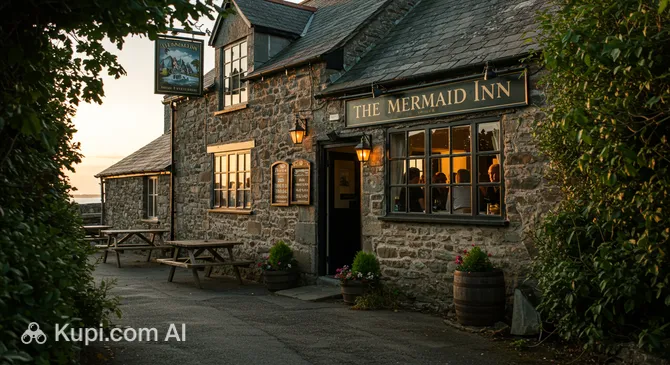
Another iconic social hub on St. Mary's is The Mermaid Inn. Situated near the quay in Hugh Town, this historic pub is often considered the heart of the island's nightlife and social scene. With its nautical décor and lively atmosphere, it is the perfect place to mingle with locals and fellow sailors. Whether you are looking to sample local ales or simply soak up the maritime character of the islands, a visit here provides a genuine taste of Scillonian life.

The Mermaid Inn. Source: Kupi.Binoculars

Local Cuisine

The culinary landscape of the Isles of Scilly is, unsurprisingly, dominated by the surrounding ocean. The islands are renowned for their exceptional shellfish, particularly the Scillonian lobster and brown crab, which are often caught in the morning and served on your plate by the evening. Seafood lovers will find themselves in paradise here, with menus frequently featuring the catch of the day, ranging from mackerel to pollock, prepared simply to highlight the natural freshness of the ingredients.

Beyond the sea, the islands' mild climate supports a unique agricultural heritage. The fertile soil produces the famous Scilly potatoes, often sold at roadside "honesty stalls" where you can pick up a bag of fresh produce and leave your money in a box. Local farming is also prominent, with island-grazed beef and pork offering a rich flavor distinct to the region. For a sweet treat, visitors should look out for rich dairy ice cream made on the islands, often considered a must-try during the summer months.

The dining atmosphere is relaxed and informal, reflecting the slow pace of island life. You can enjoy everything from beachside picnics with Cornish pasties to hearty meals in historic venues. For a memorable dining experience, Juliet's Garden is a fantastic choice, offering fresh, locally sourced dishes accompanied by stunning sunsets over the harbor. It exemplifies the farm-to-fork ethos that many local establishments embrace.

When it comes to drinks, the islands have a surprising variety of local beverages. You can sample wine produced from grapes grown on St. Martin's or enjoy artisan gin distilled with indigenous botanicals. The pub culture is vibrant and welcoming; The Mermaid Inn is a staple for those wishing to try local ales and ciders while mingling with the community. Whether you prefer a crisp white wine or a traditional pint, the local watering holes provide the perfect setting to unwind after a day of exploration.

Travel Tips

Visiting the Isles of Scilly is like stepping into a simpler, more peaceful world, but this unique island environment comes with its own set of logistical quirks. To help you make the most of your island-hopping adventure, here are some practical tips to ensure a smooth and enjoyable journey.

  1. Clothing and Gear: Even in summer, the weather can be changeable, so packing layers is essential. Bring a waterproof, windproof jacket and sturdy walking boots or shoes, as you will likely spend a lot of time on coastal paths. Since the sun can be surprisingly strong due to the clean air and reflection off the water, high-factor sunscreen and sunglasses are also must-haves.
  2. Transportation: The archipelago relies heavily on boats for getting around. "Tripper boats" ferry passengers between the islands daily, with times varying based on the tides. On the main island of St. Mary's, you can use taxis or hire bikes, while on the smaller "off-islands," walking is the primary mode of transport. Car rental is not standard for tourists here, and honestly, you won't need it.
  3. Finances: The currency is the British Pound Sterling (£). While cards are widely accepted in shops and restaurants, it is highly recommended to carry cash. You will need coins and small notes for the famous roadside "honesty stalls" that sell fresh produce, flowers, and eggs. ATMs are limited, mostly found on St. Mary's, so withdraw cash before heading to the smaller islands.
  4. Health and Safety: The Isles of Scilly are incredibly safe with very low crime rates. For medical needs, there is a small hospital and health center on St. Mary's, but pharmacies are not open 24/7. When exploring beaches and sandbars, always be aware of the tide times; the water rises quickly, and it is easy to get cut off if you are not paying attention.
  5. Communication: English is the native language. Mobile phone signal can be patchy, especially on the outer edges of the islands, though 4G is improving. Wi-Fi is generally available in hotels and cafes. It is a good idea to download offline maps or tide apps before you arrive, just in case the signal drops.
  6. Local Etiquette: Life here moves at a slower pace, so patience and politeness go a long way. It is customary to greet people you pass on walking trails with a friendly "hello" or "good morning." Respect the local environment by closing gates behind you to keep livestock safe and sticking to marked paths to protect the fragile coastal flora.
  7. What to Avoid: Do not try to rush your itinerary. Boat schedules are subject to weather and tides, so a flexible attitude is key to enjoying your trip. Also, avoid disturbing the wildlife; keeping a respectful distance from seals and nesting seabirds is strictly enforced to protect the natural habitat.
  8. Additional Tip: Keep an eye on the chalkboards on the quays and in local shops. These are the traditional way of communicating the next day's boat times and special excursions. If you see a board, take a photo of it on your phone so you have the schedule handy for the next day!

With these tips in hand, you are fully prepared to embrace the relaxed rhythm of Scillonian life. Whether you are navigating the inter-island waters or picking up fresh vegetables from a roadside stall, a little preparation ensures your trip to this beautiful corner of the United Kingdom will be as carefree as the islands themselves.

Entertainment & Nightlife

Nightlife on the Isles of Scilly is defined by a relaxed, convivial atmosphere rather than high-energy clubbing. You will not find flashing neon signs, sprawling nightclubs, or 24-hour party zones here. Instead, the evening scene revolves around traditional pubs, hotel bars, and social clubs where the entertainment comes from lively conversation, local ales, and perhaps an impromptu sea shanty. The pace is unhurried, reflecting the islands' overall tranquility.

The hub of evening activity is undoubtedly Hugh Town on St. Mary's. This is where the highest concentration of watering holes and restaurants is located. Visitors often gather here after a day of exploration to swap stories. The dress code is almost universally casual; hiking boots and fleeces are as common as smart-casual attire, even in the evening. Most venues close around 11:00 PM or midnight, so the "night" ends relatively early compared to mainland cities.

For a quintessential island pub experience, The Mermaid Inn is the go-to destination. Located in the heart of Hugh Town, it serves as the social anchor for both locals and tourists. The atmosphere is warm and nautical, making it an excellent spot to enjoy a pint of Scillonian ale. It is often the liveliest place on the islands, especially during the summer months when gig rowing crews might gather after a race.

If you prefer a more scenic start to your evening, Juliet's Garden offers a spectacular setting. Although primarily a restaurant, its terrace is famous for hosting some of the best sunset views in the archipelago. Enjoying a glass of wine here while watching the sun dip below the horizon is a popular ritual for many visitors before heading into town for dinner or further drinks.

Practical advice for a night out mainly concerns transport and lighting. If you are staying on St. Mary's but outside Hugh Town, be aware that taxis are limited and should be booked in advance via telephone if you plan to stay out late. For those staying on the "off-islands" (Tresco, St. Martin's, etc.), evening boat services are rare unless there is a specific scheduled supper boat, so your nightlife will likely be confined to the local island pub.

Safety is rarely a concern in terms of crime, as the islands are incredibly safe. However, the lack of street lighting away from the main harbor means that it gets pitch black at night. It is essential to carry a torch (flashlight) or use your phone's light when walking back to your accommodation to avoid tripping on uneven paths or unlit roads.

During the daylight hours, entertainment shifts towards cultural and outdoor pursuits. Visitors can explore local museums to delve into maritime history, visit art galleries showcasing island-inspired works, or enjoy boat trips to see wildlife. While the islands lack large amusement parks or multiplex cinemas, the natural beauty and community events, such as local craft markets and gig races, provide ample engagement for travelers.

Parks & Museums

The cultural and natural landscape of the Isles of Scilly is defined by its lush subtropical vegetation and a deep connection to maritime history. While the archipelago is small, it boasts world-class gardens that thrive in the unique microclimate, alongside museums that preserve the dramatic stories of shipwrecks and island life.

Undoubtedly the most famous green space is the Tresco Abbey Garden. Established in the 19th century, this botanical wonder is home to thousands of exotic plant species from more than 80 countries, ranging from Brazil to New Zealand and South Africa. The garden's terraced design maximizes the warmth of the sun, allowing flora to flourish here that cannot survive anywhere else in Britain. It is also a sanctuary for red squirrels, making it a delight for wildlife enthusiasts as well as horticulturists.

For a more tranquil and intimate experience on St. Mary's, Carreg Dhu Garden offers a peaceful retreat. This community garden is tucked away in a sheltered valley and features a beautiful collection of sub-tropical plants, trees, and shrubs. It is maintained by volunteers and is free to enter, providing a quiet spot for contemplation away from the busier coastal paths. The garden is particularly lovely in spring when the camellias and magnolias are in full bloom.

The entire archipelago is enveloped by the Isles of Scilly Heritage Coast, a designation that recognizes the outstanding natural beauty of the shoreline. This protected area serves as a vast, living park where visitors can explore rugged granite cliffs, heathlands, and dune systems. It is the perfect setting for spotting Atlantic grey seals basking on the rocks or watching seabirds dive into the turquoise waters, offering an immersive nature experience without any gates or admission fees.

Immersed within the Tresco Abbey Garden is the Valhalla Museum, a unique and somewhat haunting collection that reflects the islands' treacherous maritime history. The museum houses a collection of figureheads and decorative carvings salvaged from shipwrecks that met their fate on the notorious rocks of Scilly. Seeing these weathered wooden faces, which once adorned great sailing vessels from the 19th century, provides a poignant connection to the sailors and ships of the past.

On St. Mary's, the local museum scene is complemented by a vibrant community of artists. While the main museum undergoes redevelopment, various smaller exhibitions and galleries, such as the Isles of Scilly Museum pop-ups or local artist studios, showcase the islands' heritage. Displays often include Romano-British artifacts found on the islands and items detailing the unique social history of the Scillonian people, from pilot gig rowing to flower farming.

For a truly authentic "museum" experience under the open sky, take a boat trip to the uninhabited island of Samson. Once home to a thriving community, the island was abandoned in 1855, and today the ruins of the stone cottages stand as silent monuments to a bygone era. Walking among the remains of the houses and ancient deer park offers a powerful and atmospheric glimpse into the harsh realities of historical island life.

Getting Around

Transport:

Getting around the Isles of Scilly is a unique experience that invites you to slow down and embrace a simpler pace of life. Unlike the mainland United Kingdom, the archipelago is largely free of private cars for visitors, creating a peaceful and safe environment. The primary modes of transport are walking, cycling, and the essential inter-island boats.

The St. Mary's Boatmen's Association operates a fleet of open launches that serve as the main connection between the inhabited islands. These "tripper boats" do not follow a rigid timetable like a train service; instead, schedules are decided daily based on the tides and weather conditions. Times and routes are typically posted on chalkboards at the quay on St. Mary's and in local shops or hotels each evening, so checking the boards for the next day's travel is a daily ritual for visitors.

On St. Mary's, the largest island, you have the most options for ground transport. Taxis are available and are particularly useful for transferring luggage from the airport or ferry terminal to your accommodation. There is also a community bus service, the "Island Rover," which runs a circular route, making it easy to access various beaches and landmarks. For those who prefer independence, bike hire is widely available and is a fantastic way to explore the island's coastal paths and lanes.

The off-islands (Tresco, St. Martin's, Bryher, and St. Agnes) are almost entirely car-free for tourists. Walking is the main way to get around, with most locations being easily accessible on foot. On arrival, you may find tractor-trailer services to help transport luggage to your hotel or campsite. Tresco also offers bike hire, and golf buggies can sometimes be rented for those with limited mobility, though availability is limited and booking ahead is advised.

When planning your daily movements, it is important to remember that boat services between the off-islands can be less frequent than those to and from St. Mary's. Always carry some cash, as some smaller boats may not accept cards, and wear sensible footwear, as you may need to walk across a beach or use a gangplank to board.

Accommodation

Accommodation on the Isles of Scilly is as unique and charming as the landscape itself. You will not find sprawling high-rise resorts or impersonal international hotel chains here. Instead, the islands offer a curated selection of characterful lodgings, ranging from family-run bed and breakfasts and cozy guesthouses to luxury hotels and self-catering cottages. For those who prefer to be closer to nature, there are also well-maintained campsites that offer stunning views of the Atlantic.

The majority of accommodation options are located on St. Mary's, particularly around Hugh Town. Staying here provides the most convenient access to shops, restaurants, and the quay for inter-island boating. It is an ideal base for first-time visitors who want easy logistical links. Conversely, if you are seeking absolute tranquility and a "castaway" feel, looking for a cottage or hotel on one of the "off-islands"—Tresco, St. Martin's, Bryher, or St. Agnes—is highly recommended. These locations offer a peaceful retreat where the only sounds at night are the wind and the waves.

Due to the limited size of the islands and their popularity, securing accommodation can be competitive. It is a general rule to book well in advance, often six months to a year ahead if you plan to visit during the peak summer season or during the World Pilot Gig Championships. Last-minute availability is rare, especially for the most sought-after properties with sea views.

Price points on the islands tend to be higher than on the mainland, reflecting the remote location and the high standard of hospitality. While there are budget-friendly options like camping and hostels, most hotels and rentals fall into the mid-range to luxury categories. Booking is typically done directly with the establishments or through local tourism websites, as many of the smaller, family-owned businesses do not list their properties on large global booking platforms.

Nearby Cities

While the Isles of Scilly feel like a world of their own, they are deeply connected to the wider region of the Southwest. The archipelago is best visited as part of a broader journey that includes the mainland, where vibrant coastal towns and historic cities offer convenient connections and contrasting experiences to the islands.

Newquay is a frequent departure point for travelers, known not just for its airport links to the archipelago but also for its spectacular surfing beaches and energetic atmosphere. Further along the coast lies Plymouth, a major maritime hub with a rich naval history. Spending time in these mainland destinations allows visitors to explore the diverse character of the area before or after their island retreat.

City Population Distance (km)
Plymouth267918162
Brixton78536168
Plymstock24103165
Newquay22074103
Camborne2207479

These nearby locations serve as vital links to the rest of the country. Whether you are interested in the bustling waterfronts of larger cities or the industrial heritage found in towns like Camborne, the mainland offers a complementary experience to the peaceful seclusion of the islands.

Shopping & Souvenirs

Shopping in the Isles of Scilly is a delightful departure from the high-street commercialism found on the mainland. Instead of sprawling chain stores and fast fashion outlets, visitors will discover a curated selection of independent boutiques, art galleries, and craft workshops. The experience is intimate and personal, often involving a chat with the artisan who created the jewelry you are admiring or the farmer who grew the produce you are buying. The islands are particularly famous for their vibrant artistic community, meaning you can find unique items that are truly made in Scilly, inspired by the changing colors of the Atlantic.

The primary retail hub of the archipelago is Hugh Town on St. Mary's. Here, the central thoroughfare of Hugh Street, along with the areas around the Parade and the Quay, hosts the majority of the islands' shops. Visitors can browse through clothing boutiques stocking high-quality nautical wear, gift shops filled with maritime curios, and delicatessens offering local gourmet treats. On the "off-islands" like Tresco and St. Martin's, shopping is more dispersed, usually centered around a single community store, a gallery, or a studio tucked away in a converted barn or cottage.

Travelers should note that there are no shopping malls on the Isles of Scilly. The retail landscape is characterized entirely by small, street-level shops and standalone establishments. This absence of large commercial complexes helps preserve the islands' traditional character and relaxed atmosphere, ensuring that every purchase feels like a discovery rather than a transaction.

While there are no large permanent market halls, the islands boast a unique and charming alternative known as honesty stalls. Dotted along roadsides and outside farm gates across all the inhabited islands, these small wooden stands sell everything from fresh eggs, vegetables, and cut flowers to homemade jams and plants. There is no shopkeeper present; you simply take what you need and leave the correct amount of cash in a secure box or jar. This system relies entirely on trust and is a quintessential part of the Scillonian way of life.

When looking for keepsakes, the best souvenirs reflect the natural beauty of the destination. Scilly flowers, particularly the scented narcissi grown on the islands, are a world-famous export and can often be ordered for delivery by post to your home. Local jewelry is another popular choice, with many resident silversmiths incorporating sea glass found on the beaches or casting designs from local shells. Food lovers should look out for bags of Scillonian fudge, jars of local honey, or a bottle of gin distilled on the islands using indigenous botanicals.

Store hours on the islands generally follow a relaxed schedule, typically opening from 9:00 AM to 5:00 PM, Monday through Saturday. It is not uncommon for smaller shops, especially on the off-islands, to close for a lunch hour or to have shorter operating times during the off-peak winter season. Many shops remain closed on Sundays. Regarding payment, major credit and debit cards are widely accepted in Hugh Town and at established businesses. However, carrying cash (coins and small notes) is essential for using the roadside honesty stalls and for smaller purchases on the more remote islands.

Regarding tax-free shopping, visitors should be aware of the current regulations in the United Kingdom. Following changes to the VAT rules, the tax-free shopping scheme (VAT Retail Export Scheme) which previously allowed international visitors to claim back VAT on goods purchased in stores, has been withdrawn in Great Britain. Therefore, tourists visiting the Isles of Scilly generally cannot obtain VAT refunds on items bought to take home in their luggage.
Reached the end of the page?

That means the route is fully explored