Welcome to Swansea, a vibrant coastal city that perfectly blends urban energy with breathtaking natural beauty. As the second-largest city in Wales, it sits majestically along the sweeping sandy coast of South West Wales. Visitors traveling to the United Kingdom often find this destination to be a refreshing mix of modern culture and seaside charm. With a population of approximately 246,000, it offers a lively atmosphere while maintaining a friendly and welcoming spirit.
The city has undergone significant transformation over the centuries. Once known as "Copperopolis" for its vital role in the industrial revolution, the history of Swansea is rich and fascinating. Today, the maritime quarter has been revitalized into a bustling hub of museums, restaurants, and marinas, honoring its past while looking confidently towards the future.
Swansea. Illustration.
Source: Kupi.com AI
Nature lovers will be captivated by the nearby Gower Peninsula, the UK's first designated Area of Outstanding Natural Beauty, featuring stunning cliffs and the iconic Worm's Head. Cultural enthusiasts can explore the life of the city's most famous son, poet Dylan Thomas, at the Dylan Thomas Centre, or wander through the stalls of the historic Swansea Market to taste local delicacies like laverbread.
Whether you are looking to relax on the golden sands of Swansea Bay or explore vibrant cultural landmarks, this Welsh gem offers something for everyone. It is an ideal base for exploring the coast and enjoying the unique character of the region, making it a must-visit stop on your itinerary.
Weather Overview
Swansea experiences a temperate maritime climate, typical of the Welsh coast, characterized by mild temperatures and frequent rainfall throughout the year. Because conditions can be quite changeable, checking the current weather in Swansea before heading out is always a good idea. The city generally avoids extreme temperature fluctuations, making it a year-round destination for those prepared for a bit of rain.
Summers are pleasant and constitute the warmest time of the year. During July and August, average temperatures hover around 16°C, with daily highs often reaching 19°C. This is the most popular season for visiting the Gower Peninsula, although travelers should still pack a raincoat; even in the driest months like April and May, there are typically around 14 wet days per month.
Winters are cool but rarely freezing, with average temperatures in January and February sitting between 5°C and 6°C. Nighttime lows can drop to around 3°C, so warm layers are essential. October is notably the wettest month in terms of frequency, seeing up to 20 rainy days. Overall, visitors can expect mild, breezy summers and cool, damp winters with consistent precipitation patterns throughout the seasons.
Average monthly temperature
Average monthly precipitation
Interesting Facts
Beyond the scenic coastline and bustling marina, this Welsh city holds several fascinating secrets and historical firsts that surprise even frequent visitors.
Swansea Museum. Illustration.
Source: Kupi.com AI
Traveler photos:
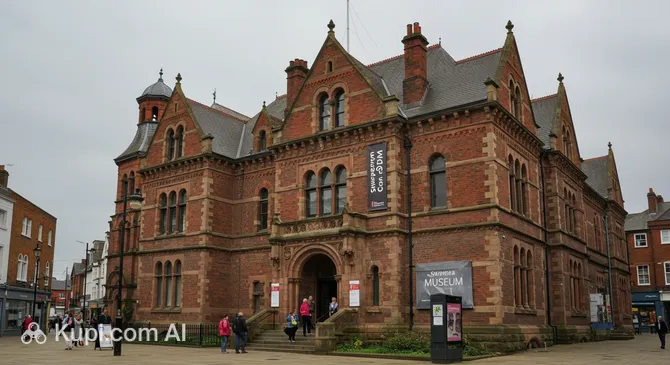
The city is home to the oldest museum in Wales, the Swansea Museum. Opened in 1841, this architectural gem houses an eclectic collection ranging from local industrial artifacts to an Egyptian mummy named Hor, offering a deep dive into heritage just steps from the waterfront.
Swansea claims a significant place in transport history as the site of the world's very first passenger railway service. The Mumbles Railway began operations in 1807, originally using horse-drawn carriages to transport people along the scenic curve of the bay long before steam engines took over.
Unexpectedly, you can step into a vibrant rainforest environment within the city limits at Plantasia Tropical Zoo. This massive glass pyramid hosts exotic animals like caimans, leopard cats, and meerkats, creating a tropical escape regardless of the typical Welsh weather outside.
A curious local legend surrounds the "Swansea Devil," a carved wooden statue that watches over the city center. It was originally created by a disgruntled architect who, after being rejected for the job of rebuilding St Mary's Church, prophesied that his devil would remain to see the church destroyed, a prediction that locals say eventually came true.
How to Get There
Reaching this Welsh coastal gem is convenient thanks to excellent road and rail links, as well as proximity to several major airports. Whether you are flying in from abroad or traveling within the UK, you can find all ways to reach the city and plan a smooth journey to the start of the Gower Peninsula.
The city of Swansea does not have its own commercial airport, but you can fly into Cardiff Airport (CWL) in the city of Cardiff, which is about 48.6 km from Swansea. It serves as the closest international gateway, offering connections to various European destinations. The journey from the airport by taxi or bus takes approximately 93 minutes. Alternatively, many travelers choose Bristol Airport (BRS) in Bristol, located 89.1 km away. As a larger hub with more frequent international flights, it is a popular option, though the transfer time is longer, taking around 154 minutes by road.
For clarity, here is a summary of the main airports:
Traveling by train is often the most scenic and relaxing way to arrive. The city is served directly by Swansea railway station, which is conveniently located just 0.5 km from the city center. It is a major terminus for the Great Western Railway main line from London Paddington. If you are connecting from other parts of the UK, you might change trains at Cardiff Central Station in Cardiff, a significant transport hub situated 55.5 km away. From Cardiff, frequent services run directly to Swansea, making the final leg of the trip quick and easy.
Below is a list of key railway stations in the region:
Swansea offers a delightful array of sights that cater to history buffs, art lovers, and nature enthusiasts alike. From ancient ruins nestled in the city center to sprawling gardens overlooking the sea, the city's landmarks tell the story of its industrial past and its vibrant cultural present. Exploring these locations provides a deeper understanding of what makes this Welsh coastal city so unique.
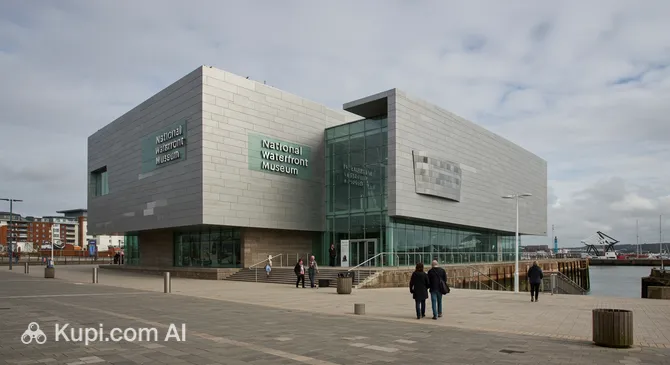
One of the most significant stops for any visitor is the National Waterfront Museum. Located in the Maritime Quarter, this modern facility vividly recounts the industrial and maritime history of Wales over the last 300 years. It uses cutting-edge interactive technology alongside traditional displays to bring the past to life. Tourists are often fascinated by the mix of historic boats, working machinery, and personal stories that highlight the innovation and resilience of the Welsh people.
National Waterfront Museum. Illustration.
Source: Kupi.com AI
Traveler photos:
Standing in stark contrast to the modern shopping districts surrounding it is Swansea Castle. Although now a ruin, these remains dating back to the late 13th and early 14th centuries offer a tangible connection to the city's medieval heritage. It is a striking sight in the heart of the city, perfect for a quick historical detour. Visitors appreciate the castle's architectural features, such as the distinctive arcaded parapet, which serve as a reminder of the city's strategic importance in centuries past.
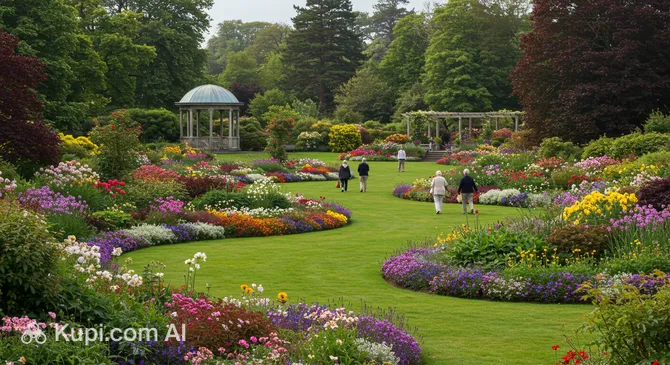
For those seeking tranquility and botanical beauty, Clyne Gardens is an absolute must-visit. Famous for its extensive collection of rhododendrons and azaleas, the park offers a burst of color and fragrance, particularly in the spring. The gardens were established by the Admiral Algernon Walker-Heneage-Vivian and feature a picturesque Japanese bridge, a bluebell wood, and an Italian bridge. The winding paths lead up to panoramic views of Swansea Bay, making it a favorite spot for photographers and walkers.
Clyne Gardens. Illustration.
Source: Kupi.com AI
Traveler photos:
Art enthusiasts will find a haven at the Glynn Vivian Art Gallery. Known as the city’s premier venue for the visual arts, it houses a diverse collection founded by the bequest of Richard Glynn Vivian in 1911. The gallery showcases works from Old Masters to contemporary Welsh artists, including pieces by Lucien Pissarro and Claude Monet. It is not just a place to view art but a cultural hub that hosts lectures, workshops, and temporary exhibitions, offering a sophisticated retreat from the bustling city streets.
Local Cuisine
The culinary landscape of Swansea is a delightful reflection of its coastal location and rich Welsh heritage. With the fertile Gower Peninsula right on its doorstep and a historic fishing tradition, the city is a haven for fresh, high-quality ingredients. Foodies visiting the area can expect a mix of traditional delicacies and a booming modern restaurant scene that champions local produce.
No visit to Swansea is complete without trying the city's most famous export: laverbread. Far from being bread, this is a nutrient-rich seaweed paste, often rolled in oatmeal and fried. It is traditionally served as part of a full Welsh breakfast alongside bacon and another local staple, Penclawdd cockles, gathered from the nearby estuary. For meat lovers, the Gower Salt Marsh Lamb is renowned worldwide for its unique flavor, derived from the sheep grazing on the samphire-rich salt marshes of the North Gower coast.
The city's dining culture is vibrant and diverse, ranging from the bustling stalls of Swansea Market—the largest indoor market in Wales—to chic eateries along the waterfront. The Maritime Quarter is particularly popular for those who enjoy dining with a view. Here, you can find places like The Swigg, a bar and kitchen that prides itself on using local ingredients to create small plates and sharing platters perfect for a social meal.
The Swigg. Illustration.
Source: Kupi.com AI
Traveler photos:
Beyond the marina, the Uplands district has emerged as a trendy gastronomic hub. It is home to establishments such as BrewStone, a wood-fire restaurant that offers a warm, rustic atmosphere and a menu focused on artisan pizzas and roasted dishes. For those seeking a cozy, "hygge" inspired vibe, Hoogah Cafe, Bar + Kitchen serves hearty, comfort-food style dishes and boasts a strong selection of craft beers and pretzels, making it a favorite among locals for a relaxed evening.
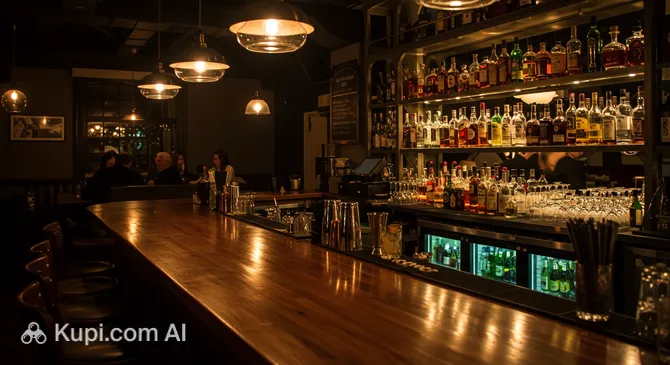
When it comes to drinks, the region has plenty to offer. Wales is famous for its ales and ciders. You will find many pubs serving locally brewed beers from the Gower Brewery or Mantle Brewery. For something a bit livelier, the Wind Street area is the center of the city's nightlife. Venues like Peppermint Bar & Kitchen offer an extensive cocktail menu in a stylish setting, perfect for winding down after a day of exploring the coast. If you have a sweet tooth, don't forget to try a traditional Welsh cake or a scoop of locally made vanilla ice cream, which is something of an institution in this seaside city.
Travel Tips
To ensure your visit to Swansea is as smooth and enjoyable as possible, we have compiled a list of essential practical advice. From navigating the coastal weather to understanding local customs, these tips will help you travel with confidence and make the most of your time in this welcoming Welsh city.
Clothing and Gear: The weather in Swansea can be quite changeable, often shifting from sunshine to rain within the same day. It is highly recommended to bring a waterproof jacket and dress in layers that can be easily added or removed. Since the city and the nearby Gower Peninsula offer beautiful coastal walks, sturdy and comfortable walking shoes are a must.
Transportation: The city center is compact and easily explored on foot. For trips to the Mumbles or along the coast, the local bus network, operated mainly by First Cymru, is reliable and scenic. However, if you plan to explore the more remote beaches of the Gower Peninsula, renting a car gives you the best flexibility. Taxis and ride-hailing apps like Uber are also readily available for shorter urban trips.
Finances: The currency used is the British Pound (£). Contactless card payments and mobile wallets (Apple Pay, Google Pay) are widely accepted in shops, cafes, and even on buses. It is still useful to carry a small amount of cash for smaller independent vendors or market stalls. Tipping is customary in sit-down restaurants; leaving around 10-15% of the bill is standard if service was good.
Health and Safety: Swansea is generally a safe city for tourists. For minor health issues, pharmacies like Boots or local independent chemists are available throughout the city center and usually operate during standard business hours. In case of an emergency, dial 999 for police, ambulance, or fire services. Be mindful of the sea; the Bristol Channel has the second-highest tidal range in the world, so always swim in designated safe zones.
Communication: English is the primary language spoken by everyone, though you will see road signs and public information displayed in both English and Welsh. Locals appreciate it if you show an interest in their heritage; learning a simple Welsh greeting like "Shwmae" (Hello) or "Diolch" (Thank you) is a nice gesture, though certainly not required. Wi-Fi is widely available in hotels, cafes, and public buildings.
Local Etiquette: The Welsh are known for their friendliness and hospitality. It is polite to greet shopkeepers and bus drivers. Queueing (standing in line) is a strict social norm in the UK; always wait your turn at bus stops or counters. When referring to the region, remember that Wales is a distinct country with its own identity, separate from England.
What to Avoid: Do not underestimate the tides if you are walking along the coast, particularly at Worm's Head in Rhossili. Visitors often get stranded by the incoming tide because they did not check the safe crossing times displayed at the car park. Also, avoid assuming that everyone speaks fluent Welsh, although many do; simply being respectful of the culture is enough.
Additional Tip: If you are visiting the seaside village of Mumbles, try the locally famous "Joe's Ice Cream," which is considered a Swansea institution. Additionally, keep an eye on the schedule for the Swansea Market; it is the perfect place to buy fresh local produce and traditional Welsh cakes for a picnic on the beach.
By keeping these practical tips in mind, you will be well-prepared to embrace the unique charm and coastal beauty of Swansea. Enjoy the friendly atmosphere, the stunning landscapes, and the rich culture that make this city such a memorable destination.
Entertainment & Nightlife
Swansea boasts a legendary nightlife scene that attracts visitors from all over South Wales and beyond. The city center comes alive after dark, offering a diverse mix of entertainment ranging from pulsating nightclubs and stylish cocktail bars to laid-back pubs and live music venues. The atmosphere is generally energetic and welcoming, fueled by a large student population and locals who know how to have a good time.
The epicenter of the city's evening entertainment is undoubtedly Wind Street. This famous strip is packed with bars and clubs door-to-door, making it easy to hop from one venue to another. Here, you can find everything from sophisticated wine bars to themed party venues. It is the place to be on Friday and Saturday nights, as well as on "student nights" (typically Wednesdays), when the street is bustling with activity and music spills out onto the pavement.
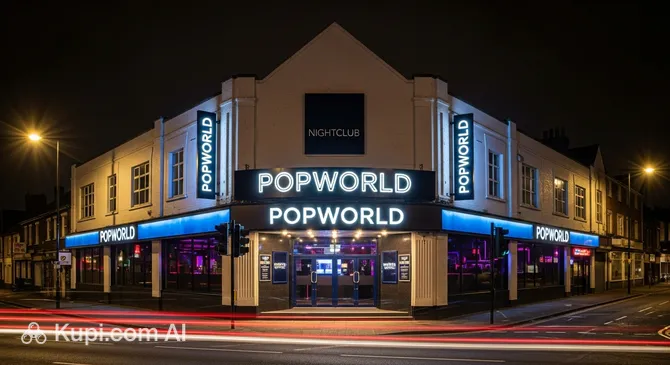
For those seeking a fun, retro party vibe, Popworld is a popular destination on Wind Street. Known for its bright, colorful decor and a playlist packed with cheesy pop hits from the 90s and 00s, it offers a carefree environment where dancing on the illuminated floor is practically mandatory. It is a great spot for groups looking to let loose and enjoy a nostalgic night out.
Popworld. Illustration.
Source: Kupi.com AI
Traveler photos:
If you prefer live performances over DJ sets, the Swansea Arena is a game-changer for the city's cultural landscape. Located in the developing Copr Bay district near the marina, this modern venue hosts major touring bands, comedy acts, and theater productions. Its gold-paneled exterior lights up at night, creating a stunning landmark that signals a sophisticated evening of entertainment.
Swansea Arena. Illustration.
Source: Kupi.com AI
Traveler photos:
Beyond the clubs, the city offers plenty of leisure options for a more relaxed evening. Parc Tawe Retail Park is a convenient spot for families and couples, housing a cinema and bowling alley alongside various restaurants. It provides a perfect alternative for those who want to enjoy a night out without the intensity of the clubbing scene.
When planning your night out, keep in mind that most clubs on Wind Street stay open until 3:00 AM or later on weekends. The dress code is generally smart-casual; while some upscale bars prefer shirts and shoes, most places are relaxed as long as you look presentable. For safety, the city center is well-lit and monitored, with a "Purple Flag" status recognizing its safe nightlife environment. Taxi marshals operate at designated ranks on Wind Street to help you get home safely, and ride-hailing apps are widely available.
During the day, entertainment in Swansea takes a more cultural turn. Visitors can explore the city's rich history at various museums or enjoy family-friendly activities at the waterfront. However, as the sun sets, the transition from a historic coastal town to a vibrant party destination is seamless, ensuring that there is never a dull moment during your stay.
Parks & Museums
Swansea is a city that prides itself on its green heritage and vibrant cultural scene, offering a refreshing balance between urban exploration and natural tranquility. Beyond the sweeping coastline, visitors will find a network of historic parks and diverse galleries that showcase everything from botanical wonders to world-class art, making it easy to enjoy a slower pace of life during your stay.
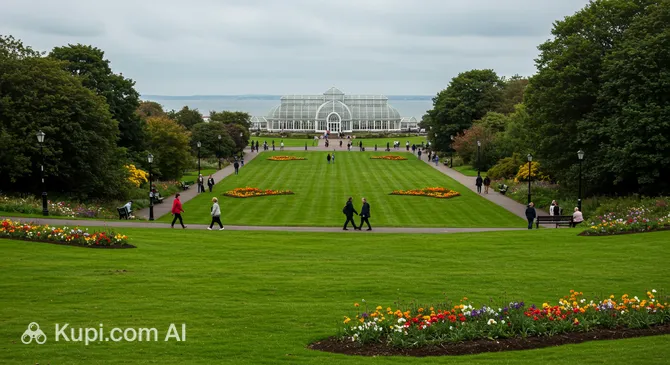
One of the city's most beloved green spaces is Singleton Park. Covering 250 acres, it is the largest urban park in Swansea and serves as a central hub for relaxation and recreation. The park is home to the ornate Swansea Botanical Gardens, which feature a stunning glasshouse and vibrant herbaceous borders that bloom with color throughout the warmer months. It is a fantastic spot for a family picnic or a peaceful stroll among exotic plants, all while being just a stone's throw from the university and the sea.
Singleton Park. Illustration.
Source: Kupi.com AI
Traveler photos:
Just a short distance away lies Brynmill Park, which holds the distinction of being the city's oldest public park. This Victorian-era gem is renowned for its large reservoir, which supports a variety of wildfowl, making it a favorite destination for birdwatchers and nature lovers. With its bowling green, discovery center, and scenic walking paths, it offers a charming glimpse into the city's traditional leisure culture.
For art enthusiasts, the Glynn Vivian Art Gallery is an essential stop. Known affectionately by locals as the "Glynn Viv," this beautiful Edwardian building houses a distinguished collection of visual arts, including works by Old Masters and contemporary Welsh artists. It is particularly famous for its collection of Swansea and Nantgarw pottery, celebrating the region's ceramic heritage. The gallery frequently hosts touring exhibitions and workshops, acting as a dynamic creative space in the heart of the city.
Glynn Vivian Art Gallery. Illustration.
Source: Kupi.com AI
Traveler photos:
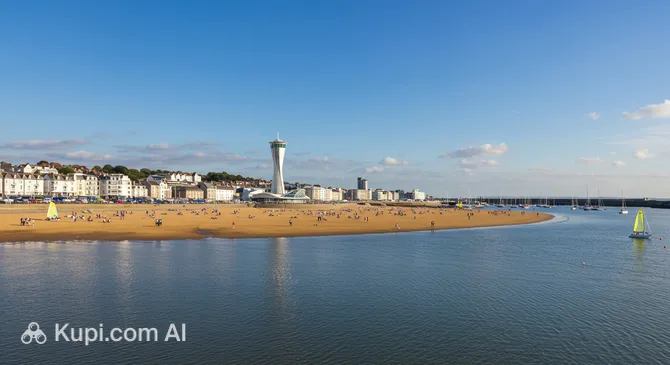
History buffs should not miss the chance to admire the architecture of the Swansea Museum. While its collections are fascinating, the Grade II listed building itself is a landmark, standing proudly near the waterfront. Nearby, you can find the Swansea Observatory, a unique tower located directly on the beachfront. Although no longer a working astronomical observatory, its distinct dome structure remains an iconic part of the seascape and offers a perfect backdrop for holiday photos.
For a truly authentic experience, take a walk through the ornamental gardens within Singleton Park during the late spring. This lesser-known area often escapes the crowds and offers a sensory delight with its meticulously maintained flower beds and peaceful atmosphere, perfect for reading a book or enjoying a quiet moment away from the city center.
Getting Around
Public transport in Swansea is primarily road-based, with a comprehensive bus network serving as the backbone of getting around. Unlike some larger capitals, the city does not have an underground metro, tram, or trolleybus system. Instead, it relies on frequent bus services that connect the city center with residential areas, the university campuses, and popular tourist spots like the Mumbles and the Gower Peninsula. The main railway station acts principally as a gateway for entering or leaving the region rather than for internal city commuting, although local trains do stop at smaller stations like Gowerton.
The payment system is modern and user-friendly. The main operator, First Cymru, utilizes a "Tap On, Tap Off" system, allowing passengers to pay using contactless bank cards or smartphones (Apple Pay and Google Pay). The system automatically calculates the fare based on distance and caps the cost at a daily maximum, ensuring you never pay more than the price of a day ticket. For those who prefer planning ahead, the First Bus mobile app allows you to purchase various passes, such as the "DayRider," which offers unlimited travel within a specific zone for 24 hours. Cash is still accepted on board, but having exact change is highly recommended.
For tourists, navigating the system is straightforward, but there are a few practical customs to keep in mind. At bus stops, you must signal the driver by raising your hand as the vehicle approaches; otherwise, the bus may not stop. Services on main routes are frequent during the day, often running every 10 to 15 minutes. However, operating hours are reduced in the evenings and on Sundays, so it is advisable to check the latest timetables via a mobile app or the travel center in the main bus station (the Quadrant) if you plan to travel late.
If you prefer alternatives to the bus, taxis are readily available and reliable. You can find designated taxi ranks at key locations such as the railway station and near Wind Street, or you can book a ride using popular apps like Uber. Cycling is also a fantastic option, particularly for leisure. A flat, dedicated cycle path runs the entire length of the bay. While the city's public bike-share scheme is no longer in operation, several local shops offer bike rentals, allowing you to enjoy the scenic ride from the marina to the pier at your own pace.
A unique feature of the local transport landscape is the Swansea Bay Land Train. While not designed for rapid commuting, this colorful, carriage-style vehicle is a favorite among visitors. It typically operates during the summer months and school holidays, chugging leisurely along the promenade between Blackpill and the Mumbles. It provides a charming and relaxing way to soak in the coastal views without walking, making it especially popular for families and those looking for a nostalgic travel experience.
Accommodation
Finding the perfect place to stay in Swansea is easy, thanks to a diverse range of accommodation options that cater to all budgets and travel styles. Whether you are looking for a luxury waterfront hotel, a cozy bed and breakfast, or a budget-friendly hostel, the city offers plenty of choices. Visitors can choose between modern establishments in the heart of the city or charming guesthouses tucked away near the coast, ensuring a comfortable base for exploring South Wales.
For those who want to be close to the action, the City Center is the most convenient location. Staying here places you within walking distance of the main shopping districts, the railway station, and the vibrant nightlife of Wind Street. It is an ideal choice for travelers relying on public transport or those visiting for events at the Swansea Arena. You will find a good selection of reliable chain hotels and independent lodgings that offer easy access to urban amenities.
If you prefer scenic views and a more relaxed atmosphere, the Maritime Quarter and the Marina are excellent choices. This revitalized area features modern hotels and serviced apartments that overlook the boats and the bay. It is a favorite spot for couples and families who enjoy evening walks along the promenade. Alternatively, for a quintessential seaside experience, consider staying in the nearby village of Mumbles. Just a short bus ride or drive from the city center, Mumbles offers boutique hotels and traditional B&Bs, serving as the gateway to the stunning Gower Peninsula.
Booking Tip: Swansea is a popular destination year-round, but it gets particularly busy during the summer months and when major events or concerts are taking place. It is highly recommended to book your accommodation well in advance, especially if you plan to stay near the coast or in Mumbles during July and August.
Prices in the city are generally competitive compared to other major UK destinations. Budget travelers can find affordable guest houses and hostels, while mid-range and luxury options are available for those seeking more amenities. Most accommodations can be easily booked via major online platforms or directly through their websites, which often provide the best rates and special offers for longer stays.
Nearby Cities
For those looking to explore the surroundings, Swansea serves as an excellent base for day trips to several interesting nearby locations:
Located just a short distance away, Neath is a historic market town that makes for an easy and rewarding excursion. It is renowned for the impressive ruins of Neath Abbey, once one of the largest monasteries in Wales, and the scenic Gnoll Estate Country Park. The park offers beautiful cascades, hollow tree features, and walking trails that are perfect for a relaxing afternoon immersed in nature.
A quick journey east brings you to Port Talbot. While often recognized for its industrial skyline, the area is home to one of the region's premier attractions, Margam Country Park. This expansive estate features a spectacular Gothic castle, a magnificent 18th-century orangery, and herds of deer roaming the grounds, providing a stunning contrast to the coastline and a wonderful day out for families.
For a taste of the iconic Welsh valleys, a trip to Rhondda offers dramatic landscapes and a deep dive into the region's mining heritage. The area is celebrated for its sweeping views and the Rhondda Heritage Park, where visitors can go underground to experience the life of a coal miner, offering a poignant look at the industry that shaped South Wales.
City
Population
Distance
Morriston
16 928
5 km
Mumbles
16 600
6 km
Neath
50 658
10 km
Port Talbot
37 276
11 km
Pontarddulais
9 073
12 km
These nearby destinations offer a glimpse into the diverse culture and landscapes of the region.
Shopping & Souvenirs
Swansea serves as the premier retail hub for South West Wales, offering a blend of modern shopping centers, bustling high streets, and unique independent boutiques. Whether you are looking for the latest fashion trends, outdoor gear to explore the coast, or traditional Welsh crafts, the city provides a varied shopping experience that caters to all tastes and budgets. The city center is compact and pedestrian-friendly, making it easy to browse different districts on foot.
The main shopping activity is concentrated around Oxford Street and the connecting thoroughfares. This pedestrianized zone hosts many of the well-known British high street brands and department stores. For a more enclosed experience, the Quadrant Shopping Centre sits adjacent to the main bus station and features a wide array of fashion and lifestyle retailers. Just a short walk away, you will find the Independent Quarter in the arcades and side streets, where smaller boutiques sell vintage clothing, vinyl records, and handmade jewelry.
For those who prefer large-scale retail parks with ample parking, the city has excellent options. Located just on the edge of the city center is Parc Tawe Retail Park. This modern development combines shopping with leisure, offering a selection of home and garden stores alongside a cinema and restaurants, making it a great destination for a full day out.
Parc Tawe Retail Park. Illustration.
Source: Kupi.com AI
Traveler photos:
Further out from the center, Fforestfach Retail Park provides a comprehensive shopping experience with major national chains. It is particularly convenient for visitors looking for supermarkets, fashion outlets, and large electronics stores in one accessible location west of the city.
Fforestfach Retail Park. Illustration.
Source: Kupi.com AI
Traveler photos:
No shopping trip to the city is complete without a visit to the historic Swansea Market. As the largest indoor market in Wales, it is the beating heart of the local community. Under its iconic glass-domed roof, you will find over 100 stalls selling everything from fresh local produce to leather goods. It is the best place to pick up authentic culinary souvenirs, such as fresh Welsh cakes, laverbread, and cockles gathered from the nearby estuary.
When searching for the perfect keepsake, look for traditional Welsh lovespoons. These intricately carved wooden spoons are a symbol of affection and make for a beautiful, handcrafted gift. Other popular souvenirs include slate products, woolen blankets, and jewelry containing rare Welsh gold. The gift shops near the museums and in the Mumbles area are excellent spots to find these local treasures.
Most shops in the city center operate from 9:00 AM to 5:30 PM, Monday through Saturday. On Sundays, opening hours are typically shorter, usually from 10:00 AM or 11:00 AM until 4:00 PM. Payment methods are modern and convenient; contactless payments and major credit cards are accepted almost everywhere, including market stalls and small cafes. However, carrying a small amount of cash can be useful for very small purchases.
Regarding tax-free shopping, visitors should be aware that the VAT Retail Export Scheme in Great Britain has been discontinued. This means that international tourists are generally no longer able to claim a refund on the Value Added Tax (VAT) paid on goods purchased in stores. The price you see on the tag is the final price you will pay.