Support

Cardiff

About

Welcome to Cardiff, the vibrant capital of Wales and a city that effortlessly blends ancient history with modern energy. As the country's chief commercial and cultural center, it offers a unique atmosphere where Victorian arcades nestle alongside contemporary developments. It is a fantastic destination for travelers wishing to experience the diverse character of the United Kingdom.

Located on the southern coast of Wales, Cardiff is a bustling port city with a population of approximately 479,000 people. Its geography is defined by its proximity to the Bristol Channel, providing scenic waterfront views and a relatively mild maritime climate that encourages exploration throughout the year.

The history of Cardiff is a fascinating journey from a Roman fort to one of the world's most significant coal ports during the Industrial Revolution. Today, this rich heritage is visible everywhere, from the historic docks to the majestic civic buildings that line its wide avenues.

Cardiff. Source: Kupi.Binoculars

Visitors are spoiled for choice when it comes to attractions. The iconic Cardiff Castle stands proudly in the city center, offering 2,000 years of history within its walls. Just a short distance away lies Cardiff Bay, a revitalized waterfront area teeming with restaurants, bars, and the stunning Wales Millennium Centre. Sports enthusiasts will also recognize the city as the home of the Principality Stadium, a cathedral of rugby and a major venue for international events.

Whether you are drawn by its cultural landmarks, its reputation as a city of sport, or its friendly local hospitality, Cardiff is a destination that welcomes everyone. We invite you to discover the charm and excitement of this dynamic Welsh capital.

Weather Overview

Cardiff experiences a temperate maritime climate, characterized by mild conditions and significant variation throughout the seasons. The weather in Cardiff is generally moderate, avoiding extreme heat or severe cold, which makes the city a comfortable destination to visit year-round.

Summers are pleasant and generally warm, with average temperatures peaking around 16.7°C in July and daily highs reaching approximately 20°C. This season offers the most comfortable conditions for exploring, though visitors should still be prepared for showers, as there are typically about 12 to 13 wet days per month during this period.

Winters are cool but rarely harsh, with average temperatures in January dropping to around 5.2°C and minimums hovering near 2.9°C. Precipitation is a constant feature of the local climate; months like March and October can see up to 18 wet days. Overall, you can expect mild, comfortable summers and cool, frequently damp winters, so carrying a waterproof jacket is recommended regardless of when you visit.

Interesting Facts

Beyond the main attractions, Cardiff holds many fascinating secrets that surprise even seasoned travelers. From holding unique world records to harboring hidden architectural gems, here are some intriguing details about the Welsh capital.
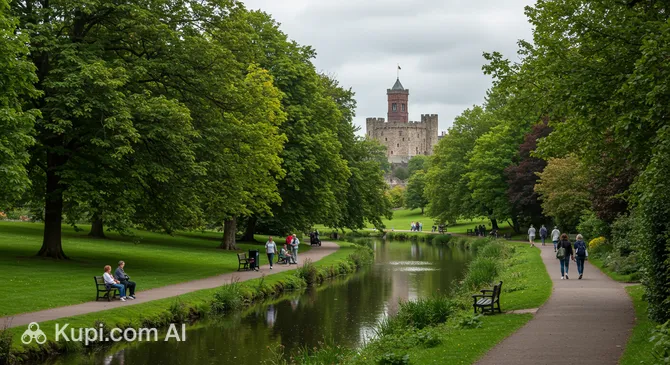
Bute Park. Source: Kupi.Binoculars
  • Cardiff is widely known as the "City of Arcades" because it boasts the highest concentration of Victorian, Edwardian, and modern indoor shopping arcades in Great Britain. These beautifully preserved glass-roofed walkways allow visitors to shop at independent boutiques in comfort, regardless of the weather.

  • The city is a haven for history buffs, claiming to have more castles within its boundaries than any other city in the world. While Cardiff Castle is the most prominent, the area features numerous other fortifications, including the historic St Fagans Castle located on the grounds of a popular museum.

  • Music enthusiasts might be interested to know that the city is home to Spillers Records, which is officially recognized as the oldest record shop in the world. Founded in 1894, this legendary store has been serving music lovers for well over a century and remains a cultural landmark.

  • The celebrated author Roald Dahl was born in the district of Llandaff in 1916. His childhood presence is marked by blue plaques, and the ancient Llandaff Cathedral stands near the school he once attended, adding a literary connection to the city's rich heritage.

  • Despite being a bustling capital, Cardiff is exceptionally green and boasts more green space per person than any other core UK city. Bute Park, situated right in the heart of the city, is larger than London's Hyde Park and offers a tranquil escape just steps away from the busy streets.

How to Get There

Reaching the Welsh capital is convenient thanks to excellent transport links connecting it to the rest of the UK and beyond. Whether you prefer flying or taking the train, there are multiple options to suit your travel plans. For a detailed guide on all available routes and transport modes, you can read more about how to get to Cardiff.

The most direct way to arrive by air is via Cardiff Airport (CWL), which is located approximately 15.6 km from the city center. As the primary international gateway for Wales, it handles a variety of scheduled and charter flights. A taxi or car journey from here to the heart of the city typically takes around 45 minutes. Alternatively, many travelers choose to fly into Bristol Airport (BRS), situated in the city of Bristol about 33.2 km away. This larger hub offers a wider range of international connections. Reaching Cardiff from Bristol Airport takes approximately 70 minutes by road.

For clarity, here is a summary of the main airports:

Airport Name City Passenger Traffic Km from City
Bristol Airport Bristol High 33.2
Bournemouth Airport Bournemouth Medium 121.4
Cardiff Airport Cardiff Medium 15.6
Exeter International Airport Exeter Small 85.1
Fairford (RAF Station) Fairford Small 98.0

Traveling by train is another popular and efficient method, with the city being served by Cardiff Central Station. Located just 1.1 km from the main attractions, it is a major transport hub with high passenger traffic, connecting the capital to London and other major British cities. Visitors can also access the region via Bristol Temple Meads Station in Bristol, which is about 41.0 km away. From there, frequent connecting trains or road transport can bring you into Wales in roughly 80 minutes.

Below is a list of the nearest major railway stations:

Station City Passenger Traffic Km to Center
Bristol Temple Meads Station Bristol High 41.0
Cardiff Central Station Cardiff High 1.1
Newport Railway Station Newport Medium 16.5
Bristol Parkway Station Bristol Medium 43.6
Bridgwater Railway Station Bridgwater Small 41.5

Main Attractions

Cardiff offers a diverse array of sights, ranging from ancient fortifications to cutting-edge cultural venues. The city center and the revitalized Bay area are packed with things to see, making it easy for visitors to experience the best of Welsh heritage and modern life within a short distance.

Cardiff Castle. Source: Kupi.Binoculars

Standing at the heart of the city is Cardiff Castle, a site with a history spanning over 2,000 years. This architectural marvel features a Roman wall, a Norman keep, and a spectacular Victorian Gothic palace created by the Third Marquess of Bute. It is fascinating for tourists because of its lavish interiors, which are among the most ornate in Britain, and the wartime shelters hidden within the castle walls.

For those interested in the story of the Welsh people, St Fagans National Museum of History is an unmissable destination located just outside the city center. This open-air museum is one of Europe's leading heritage sites, featuring over 40 original buildings re-erected from different historical periods. Visitors can walk through traditional cottages, a farm, and even a medieval church, offering a truly immersive journey into the past.

National Museum Cardiff. Source: Kupi.Binoculars

Art and history enthusiasts will find a treasure trove at the National Museum Cardiff. Situated in the civic center, this grand building houses Wales's national art, geology, and natural history collections. It is particularly renowned for possessing one of the finest collections of Impressionist art outside Paris, as well as an engaging Evolution of Wales exhibit that captivates visitors of all ages.

Down at the waterfront, the Wales Millennium Centre dominates the skyline with its striking design, constructed from local slate, steel, and wood. As the nation's premier performing arts center, it hosts everything from West End musicals to opera and ballet. Even if you do not catch a show, the building itself is a masterpiece of modern architecture, inscribed with poetry on its massive facade.

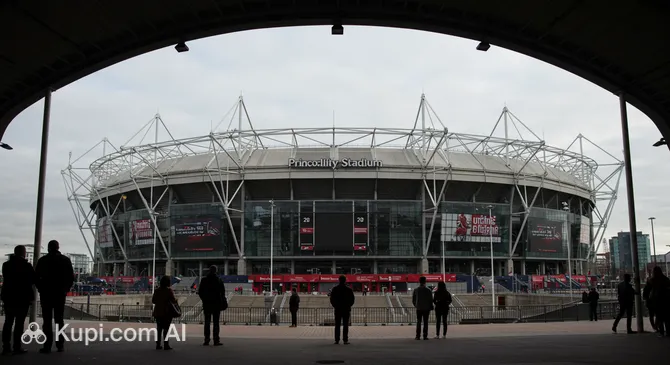
Principality Stadium. Source: Kupi.Binoculars

Sports fans cannot leave without seeing the Principality Stadium. Located right in the city center, this colossal venue is the home of Welsh rugby and a major stage for international concerts. A guided tour takes you behind the scenes to the dressing rooms and the player's tunnel, allowing you to experience the atmosphere of this legendary arena from the perspective of a sporting icon.

Local Cuisine

The culinary scene in Cardiff is a delightful reflection of its character—rooted in Welsh tradition yet enthusiastically embracing modern, global influences. As the capital city, it serves as the perfect place to sample authentic national staples while exploring a rapidly evolving landscape of independent eateries, bustling food markets, and stylish waterfront restaurants.

No visit to Cardiff is complete without trying some of the most iconic Welsh dishes. Welsh cakes (picau ar y maen) are an absolute essential; these sweet, griddle-baked treats containing currants and spices are best eaten warm, straight from a bakery in the city center. For a savory option, look for Welsh Rarebit, a luxurious dish of toasted bread topped with a rich, melted cheese sauce often flavored with ale and mustard. Another hearty classic is Cawl, a traditional lamb and vegetable stew that warms the soul, especially during the cooler months. Vegetarians should try the Glamorgan sausage, which contains no meat but is a delicious blend of Caerphilly cheese, leeks, and breadcrumbs.

When it comes to drinks, Cardiff has a strong brewing heritage. The city is historically associated with "Brains" beer, and you will find their cask ales in pubs throughout the region. Cider is also immensely popular in Wales, with many local varieties available. For a more refined experience, wine lovers can venture just outside the city to Llanerch Vineyard, which offers tours and tastings of their acclaimed Welsh wines.

Mermaid Quay. Source: Kupi.Binoculars

The food culture here is vibrant and social, ranging from historic indoor markets to contemporary dining hubs. The Victorian-era Cardiff Market is a must-visit for foodies seeking fresh local produce and traditional snacks. For a meal with a view, head to Mermaid Quay in Cardiff Bay, where a wide selection of restaurants and bars overlook the water, creating a lively atmosphere day and night.

For those seeking specific culinary hotspots, the city offers diverse options. Meat lovers often flock to Pasture Cardiff, a restaurant celebrated for its fire-based cooking and high-quality steaks. If you prefer a sophisticated setting within the city center, Laguna Kitchen & Bar serves modern British cuisine with a Welsh twist. Alternatively, for a more relaxed and artistic vibe, the café and bar at the Chapter Arts Centre is a favorite local hangout, offering great food in a creative environment.

Travel Tips

Planning a trip to the Welsh capital is an exciting prospect, but having a bit of local know-how can make your experience significantly smoother and more enjoyable. To help you navigate the city with ease, we have compiled a list of essential practical tips for your visit.

  1. Clothing and Gear: Cardiff's weather can be notoriously unpredictable, often shifting from sunshine to rain within the same afternoon. It is essential to pack layers and a reliable waterproof jacket or umbrella, regardless of the season. Since the city center is pedestrian-friendly and best explored on foot, bring comfortable walking shoes to navigate the Victorian arcades and the expansive Bute Park.

  2. Transportation: The city center is compact and easily walkable, but if you want to visit Cardiff Bay, the Cardiff Baycar (Route 6) is a convenient option. Alternatively, taking a train from Cardiff Queen Street to Cardiff Bay station is quick and scenic. Taxis and ride-hailing apps like Uber are widely available. You generally do not need to rent a car unless you plan to explore the surrounding Welsh countryside.

  3. Finances: The currency is the British Pound (£). Contactless card payments and mobile wallets (Apple Pay, Google Pay) are accepted almost everywhere, including on buses and in small coffee shops. It is still useful to carry a small amount of cash for smaller vendors in the indoor market. Tipping is customary in restaurants; if a service charge is not added to the bill, leaving 10–12% is standard for good service.

  4. Health and Safety: Cardiff is generally a safe city for tourists, but standard precautions should be taken, especially on Friday and Saturday nights when the city center becomes very lively. Pharmacies like Boots are common for minor ailments. In a medical emergency, dial 999; for non-urgent medical advice, you can call 111.

  5. Communication: English is the main spoken language, so you will have no trouble communicating. However, Wales is a bilingual nation, and you will see signs in both Welsh (Cymraeg) and English. Learning a simple Welsh greeting like "Shwmae" (Hello) or "Diolch" (Thank you) is a wonderful way to show respect for the local culture, though it is not expected.

  6. Local Etiquette: The Welsh are known for their friendliness and hospitality. Politeness is highly valued; always say "please" and "thank you" (or "cheers"). In pubs, remember that there is usually no table service for drinks—you must go to the bar to order. Also, queuing is taken seriously; always wait your turn in line for buses or service counters.

  7. What to Avoid: The most important rule in Wales is to never refer to the country as "England" or imply that Welsh and English cultures are the same. The Welsh are fiercely proud of their distinct identity, heritage, and language. confusing the two can be seen as offensive.

  8. Additional Tip: Take advantage of the free culture! Many of Cardiff's top museums, including the National Museum Cardiff and St Fagans National Museum of History, offer free entry. It is a fantastic way to stretch your budget while soaking up the local heritage.

With these practical tips in hand, you are well-prepared to embrace the warm Croeso (welcome) that Cardiff is famous for. Enjoy exploring the historic streets, the vibrant waterfront, and the unique culture of this captivating city.

Entertainment & Nightlife

Entertainment and Nightlife:

Cardiff boasts a legendary nightlife scene that punches well above its weight, fueled by a large student population and its status as a capital city. The evening atmosphere is energetic and inclusive, offering everything from traditional Welsh pubs and intimate live music venues to high-end cocktail bars and pulsing nightclubs. Whether you are looking for a quiet pint of local ale or a dance floor that stays open until the early hours, the city center has a district to match your mood.

The heart of the action is undoubtedly St Mary Street and the neighboring High Street. On Friday and Saturday nights, this area is bustling with activity, lined with major clubs and popular bars. For a more alternative vibe, head to Womanby Street, known as the city's home of music. This narrow, atmospheric alley is packed with independent venues and is the best place to catch up-and-coming bands or enjoy an indie disco. Meanwhile, Cardiff Bay offers a more sophisticated and relaxed setting, perfect for evening drinks by the waterfront.

For live entertainment, the city is a major tour stop for international artists. The Cardiff Arena hosts the biggest names in music and comedy, drawing crowds from all over the region. If you prefer a venue with a bit more grit and character, Tramshed is a fantastic choice. Located in a converted historical industrial building, it serves as a cultural hub for concerts, club nights, and creative events.

Tramshed. Source: Kupi.Binoculars

Those looking for an interactive night out should check out Golf Fang Cardiff. This venue combines crazy golf with cocktails and DJs, creating a fun, social environment that is perfect for groups of friends. The dress code in most Cardiff bars is smart casual; while some high-end clubs may not allow sportswear, the general vibe is relaxed and unpretentious. Most clubs stay open until 3:00 AM or 4:00 AM, with peak times being between 11:00 PM and 1:00 AM.

Prices in Cardiff are generally reasonable compared to London. You can expect to pay around £4.50 to £5.50 for a pint of beer, while cocktails typically range from £8 to £12. Happy hours are common in the early evening, offering great value for money. Getting around at night is straightforward; the city center is compact enough to walk, but for longer journeys, ride-hailing apps and local companies like Dragon Taxis are reliable.

Cardiff is a safe city for nightlife, holding "Purple Flag" status which recognizes excellence in managing the evening economy. To ensure safety, the city operates a Taxi Marshal scheme at major ranks on weekends to help people get home safely and in an orderly fashion. As always, stick to well-lit main roads and stay with your group.

While the night belongs to the party-goers, daytime entertainment is equally varied. Beyond the historical sites, you can enjoy world-class theater at the New Theatre or the Sherman Theatre. For a classic seaside experience just a short train ride away, Barry Island Pleasure Park offers nostalgic thrill rides, arcades, and a sandy beach that is perfect for a fun day out with the family.

Parks & Museums

Cardiff is a city that prides itself on its abundant green spaces and rich cultural tapestry. Beyond the bustling streets and historic castle, visitors can discover a wealth of manicured gardens, expansive parks, and specialized museums that offer deep insights into the region's heritage and natural beauty.

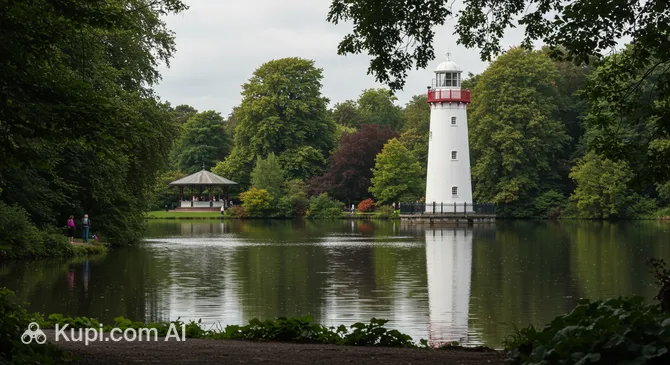
One of the most beloved outdoor spaces in the city is Roath Park. This classic Victorian park retains its historic charm and is a favorite among locals for its diverse atmosphere. The centerpiece is a large man-made lake, popular for boating and fishing, featuring the iconic Scott Memorial Lighthouse dedicated to Captain Scott's Antarctic expedition. Visitors can also explore the Wild Gardens and a glasshouse conservatory filled with exotic plants and terrapins, making it a delightful spot for a leisurely afternoon walk.

Roath Park. Source: Kupi.Binoculars

For a more formal horticultural experience, Dyffryn Gardens offers an exceptional example of Edwardian garden design. Located on the outskirts of the city, this site features a stunning collection of intimate garden rooms, an extensive arboretum, and sweeping lawns. It is a peaceful retreat where tourists can admire the meticulously restored landscape, which includes a Pompeian Garden and a Paved Court, reflecting the grandeur of the era.

While the city center hosts major national collections, the surrounding area offers unique museums that explore specific facets of British history. A short journey from the capital leads to The Royal Mint Experience. As the only place in the world where visitors can watch United Kingdom coins being made, it offers a fascinating behind-the-scenes look at the manufacturing process. The interactive exhibition is engaging for all ages, allowing guests to strike their own coin and learn about the history of currency.

The Royal Mint Experience. Source: Kupi.Binoculars

History enthusiasts should not miss the chance to delve into the ancient past at the National Roman Legion Museum in nearby Caerleon. This site preserves the legacy of the Roman Empire's furthest outpost, displaying artifacts such as armor, weapons, and everyday objects found in the region. Just a short walk away, you can visit the Caerleon Roman Amphitheatre, the most complete example in Britain, where you can stand in the center of the arena that once hosted gladiatorial games.

For families seeking a blend of nature and fun, Cefn Mably Farm Park provides a hands-on experience with animals in a countryside setting. It is an excellent spot for younger travelers to interact with farm life, offering a relaxed alternative to the traditional museum circuit.

Getting Around

Navigating Cardiff is remarkably straightforward, thanks to its compact city center and a well-integrated public transport network. While many of the main sights can be easily reached on foot, the city offers efficient options for reaching the waterfront, the suburbs, or nearby attractions. The system primarily relies on an extensive bus network and local rail services, supplemented by unique water transport options.

The backbone of the city's transport is the bus system, with Cardiff Bus being the principal operator. Their vehicles are easily recognizable and cover comprehensive routes across the city and into the Vale of Glamorgan. A popular route for visitors is the Baycar (Route 6), which provides a frequent and convenient link between the city center and Cardiff Bay. In addition to buses, the local rail network—part of the developing South Wales Metro project—connects key hubs like Cardiff Central, Cardiff Queen Street, and Cardiff Bay stations. These trains are often the fastest way to hop between the shopping district and the waterfront.

For a more scenic journey, tourists should consider the Aquabus or other water taxi services. These boats operate between Bute Park in the city center and Mermaid Quay in the Bay. It is a leisurely way to travel that offers a different perspective of the city's skyline and historic landmarks, turning a simple commute into a memorable part of your trip.

Paying for transport is modern and hassle-free. On buses, the most convenient method is contactless payment; you can simply tap your bank card or smartphone on the reader when boarding. If you plan to make multiple journeys in a single day, ask the driver for a "Day to Go" ticket, which offers unlimited travel and is excellent value. Mobile apps like the Cardiff Bus app or the Transport for Wales app are also widely used for purchasing tickets in advance and checking live timetables. If you prefer to use cash on the bus, be aware that many operators operate an exact fare policy, meaning drivers cannot give change.

Cycling is another fantastic alternative, as the city is relatively flat and bike-friendly. The OVO Bikes (formerly Nextbike) scheme is extremely popular, with docking stations located throughout the city. You can rent a bike via a smartphone app for a small fee, making it perfect for short trips or a ride across the barrage. For those who prefer a private drive, taxis are plentiful. You can hail black cabs on the street, or use private hire firms like Dragon Taxis and ride-sharing apps like Uber, which are fully operational and reliable.

Public transport generally operates from early morning, around 5:00 AM, until midnight. However, services can be less frequent on Sundays and bank holidays. Night buses are limited, so if you are enjoying the nightlife until the early hours, booking a taxi is usually the safest and most convenient option. Always remember to check the latest schedules on the official apps to ensure a smooth journey.

Accommodation

Where to Stay:

Finding the perfect place to rest your head in Cardiff is easy, as the city offers a wide spectrum of accommodation options to suit every budget and travel style. Whether you are a backpacker looking for a vibrant hostel, a family seeking a comfortable mid-range hotel, or a couple desiring a luxurious spa retreat, the Welsh capital has plenty of choices. The accommodation landscape ranges from historic Victorian guesthouses to sleek, modern apartments and international hotel chains.

For most tourists, the best area to stay is the City Centre. This location places you within walking distance of the castle, the stadium, and the main shopping arcades, making it ideal for first-time visitors who want to minimize travel time. Alternatively, Cardiff Bay offers a scenic waterfront atmosphere. It is slightly removed from the hustle and bustle of the central streets but remains well-connected by train and bus. This area is perfect for those who enjoy evening walks by the water and dining with a view.

If you are looking for a more indulgent experience or a countryside escape just outside the city limits, there are exceptional resort options available. The Vale Resort is a renowned destination, nestled in over 650 acres of beautiful Welsh countryside, offering a luxury spa and championship golf courses. Similarly, the Cottrell Resort provides an elegant stay set within historic parkland, combining traditional charm with modern amenities for a relaxing getaway.

Vale Resort. Source: Kupi.Binoculars

Booking Tip: Cardiff is a major events city, frequently hosting international rugby matches and large concerts. During these times, accommodation fills up extremely fast, and prices can spike significantly. It is highly recommended to check the local events calendar and book your room several months in advance if your trip coincides with a game day or a major show.

In terms of pricing, budget travelers can find hostel beds or basic rooms for around £40 to £70 per night. Mid-range hotels typically charge between £80 and £150, while luxury stays and resorts can range from £150 upwards. Booking is most commonly done via major online platforms, though booking directly with smaller guesthouses can sometimes secure you a better rate or a more personal experience.

Nearby Cities

For those looking to explore the surroundings, Cardiff serves as an excellent base for day trips to several interesting nearby locations:

Just a short journey north of the capital lies Caerphilly, a town dominated by its spectacular medieval fortress. Caerphilly Castle is the second-largest castle in Britain and is famous for its leaning tower, which out-leans Pisa. It is a must-visit for history enthusiasts and offers expansive grounds that are perfect for a leisurely walk. The town also hosts arguably the best cheese festival in the country, celebrating its namesake product.

For a classic seaside experience, Barry is located just along the coast. It is home to Barry Island, a peninsula that features a golden sandy beach, amusement arcades, and the popular Pleasure Park. This vibrant town is ideal for families seeking fun by the sea or fans of popular culture wishing to see the filming locations of well-known television shows. The coastal paths nearby offer refreshing views across the Bristol Channel.

Newport, the third-largest city in Wales, sits to the east and offers a mix of industrial heritage and ancient history. Visitors can marvel at the Transporter Bridge, one of the few remaining operational bridges of its kind in the world. Additionally, the city is the gateway to the Roman fortress of Caerleon, where you can explore an amphitheater and baths that date back nearly 2,000 years.

City Population Distance (km)
Newport 159,600 16
Weston-super-Mare 76,143 21
Barry 51,502 12
Cwmbran 48,535 21
Caerphilly 41,402 11

These nearby destinations offer a glimpse into the diverse culture and landscapes of the region.

Shopping & Souvenirs

Cardiff is widely celebrated as one of the top retail destinations in the United Kingdom, offering a shopping experience that perfectly balances the old and the new. The city is defined by its unique contrast between ultra-modern shopping centers and historic Victorian thoroughfares, ensuring that visitors can find everything from high-street fashion to one-of-a-kind antiques within a compact, walkable area.

For those seeking major brands and contemporary style, St David's is the undisputed center of attention. Located in the heart of the city, this vast shopping complex is one of the largest in the UK, housing over 150 stores. Under its glass roof, you will find flagship department stores, popular high-street names, and exclusive designer labels. It is the premier spot for updating your wardrobe or browsing the latest technology.

To experience the city's distinctive character, you must explore its famous historic passageways. Known as the "City of Arcades," Cardiff boasts the highest concentration of Victorian and Edwardian indoor arcades in Britain. Beautifully preserved venues like the Royal, Morgan, and Castle Arcades are a haven for independent shopping. Here, you can wander past vintage clothing boutiques, artisan delis, and family-run jewelry shops, all sheltered by elegant glass canopies that make shopping a pleasure in any weather.

A few steps away lies the iconic Cardiff Market, a bustling trading floor housed in a Victorian structure that has served the city since the 1700s. It offers a lively atmosphere where locals and tourists alike browse for fresh produce, second-hand books, and vinyl records. It is also an excellent place to sample traditional Welsh food on the go while soaking up the local culture.

For a shopping experience with a view, head to the waterfront at Mermaid Quay. Situated in the scenic Cardiff Bay area, this leisure district features a selection of gift shops and independent boutiques alongside its many restaurants. It is an ideal location to find unique presents or simply enjoy a relaxed afternoon browsing by the water.

When looking for souvenirs to take home, keep an eye out for authentic Welsh craftsmanship. Popular keepsakes include traditional lovespoons—intricately carved wooden spoons with romantic symbolism—as well as goods made from Welsh slate and high-quality wool products from local mills.

Reached the end of the page?

That means the route is fully explored