Support

Oxford

About

Oxford is a city of stunning architecture, history, and intellect, famously known as the "City of Dreaming Spires." As the home of the oldest university in the English-speaking world, it boasts a unique atmosphere where ancient traditions blend seamlessly with a vibrant, modern energy. Located in the county of Oxfordshire, about 60 miles northwest of London, this iconic destination is one of the cultural highlights of the United Kingdom.

Geographically, the city is situated where the River Cherwell meets the River Thames, creating a picturesque setting that is perfect for riverside walks. With a population of approximately 152,000 people, Oxford maintains the charm of a compact historic town while offering the amenities of a bustling city. The climate is generally mild and temperate, typical of southern England, making it accessible for visits year-round.

Oxford. Source: Kupi.Binoculars

The rich history of Oxford is evident in every cobblestone street and honey-colored stone building. Visitors are often captivated by the University of Oxford, which is not a single campus but a collection of 38 distinct colleges scattered throughout the city center. Key landmarks include the magnificent Bodleian Library and the distinctively circular Radcliffe Camera, which dominate the skyline and offer a glimpse into centuries of academic excellence.

Beyond its scholarly heritage, the city offers plenty of leisure activities. A favorite pastime for both locals and tourists is "punting"—propelling a flat-bottomed boat along the river with a pole. Culture enthusiasts will appreciate the Ashmolean Museum, Britain's first public museum, which houses incredible collections of art and archaeology.

Whether you are wandering through the serene college courtyards, exploring world-class museums, or simply enjoying a coffee in a historic lane, Oxford offers an unforgettable experience. It is a destination that invites you to slow down and appreciate the profound legacy of learning and beauty that surrounds you.


Weather Overview

Travelers planning a trip to this historic city should expect a climate that is generally mild but changeable, typical of southern England. The weather in Oxford is most inviting during the summer months, particularly in July and August, when average temperatures hover around 17°C and daily highs can reach a pleasant 21.6°C. This is often the best time for punting on the river or exploring the college grounds.

Winters are cooler, with January seeing the lowest temperatures, averaging around 4.5°C and occasionally dropping to 2.0°C at night. Rainfall is a consistent feature throughout the year rather than being limited to a specific season; you can expect about 10 to 15 wet days per month regardless of when you visit. Consequently, packing layers and a reliable umbrella is recommended to stay comfortable while enjoying the sights.

Interesting Facts

Beyond the prestigious colleges and cobbled lanes, Oxford holds a treasure trove of fascinating secrets and quirky traditions that often go unnoticed by the casual observer. Digging a little deeper reveals stories of literary inspiration, ancient customs, and hidden gems that add a unique layer to the city's history.

  • The Real Alice in Wonderland: The world-famous tale was born here when Lewis Carroll, a mathematics tutor at Christ Church, spun stories for the Dean's daughter, Alice Liddell. Fans can visit Alice's Shop, a historic store located opposite the college, which appeared in the book as the "Old Sheep Shop."

  • The Bodleian Oath: To gain reading privileges at the Bodleian Library, visitors were historically required to swear a formal oath. This declaration includes a specific promise not to bring "fire or flame" into the building, a rule that dates back centuries and is still acknowledged by new readers today.

  • Oxford Time: The city traditionally operates five minutes behind Greenwich Mean Time. This custom is preserved at Christ Church, where the bell "Great Tom" rings 101 times every evening at 9:05 PM—which corresponds to 9:00 PM Oxford time—to signal the curfew for the original 101 students.

  • A Tavern of Legends: Hidden down a narrow winding alley, the Turf Tavern is one of the city's oldest and most secluded pubs. It is renowned for its celebrity folklore, reputedly being the spot where former Australian Prime Minister Bob Hawke set a world record for drinking a yard of ale in 11 seconds.

Bodleian Library. Source: Kupi.Binoculars

How to Get There

Reaching this historic university town is straightforward, thanks to its central location and excellent transport connections. Whether you are arriving from international destinations or other parts of the UK, there are multiple convenient options available. For a complete guide on routes and schedules, you can read more about how to get to Oxford.

The city of Oxford does not have its own commercial airport, but it is well-served by major international hubs located nearby. One of the most popular entry points is Heathrow Airport (IATA: LHR) in London, which is approximately 63.7 km away. The journey from here by taxi or bus typically takes around 116 minutes, depending on traffic. Another convenient option is London Luton Airport (IATA: LTN), also situated in London, roughly 62.8 km from the city. Travel time from Luton is similar, estimated at about 114 minutes.

For clarity, here is a summary of the main airports:

Airport Name City Passenger Traffic Km from City
Heathrow AirportLondonLarge63.7
London Luton AirportLondonLarge62.8
Birmingham International AirportBirminghamMedium85.0
Southampton AirportSouthamptonSmall89.5
Fairford (RAF Station)FairfordSmall37.6

Travelling by train is often the most efficient way to reach the city center. Visitors can arrive directly at Oxford Railway Station (IATA: OXQ), which is conveniently located just 0.9 km from the heart of Oxford. As a major regional hub, it offers frequent services to and from London and other key cities. For those coming from the west, Reading railway station (IATA: XRE) in the city of Reading is another significant interchange point, located about 38.1 km away.

Below is a list of railway stations serving the area:

Station City Passenger Traffic Km to Center
Reading railway stationReadingLarge38.1
Oxford Railway StationOxfordMedium0.9
Watford Junction StationWatfordMedium60.4
Milton Keynes Central StationMilton KeynesMedium45.8
Swindon Railway StationSwindonMedium42.0

Main Attractions

Oxford is a city where history comes alive, offering visitors a wealth of architectural marvels and cultural treasures. While the university colleges are the main draw, the city and its surroundings boast several other world-class sights that are not to be missed.

One of the most magnificent estates in the country is Blenheim Palace. Located a short distance from the city center in Woodstock, this UNESCO World Heritage Site is a masterpiece of Baroque architecture. It is famously known as the birthplace of Sir Winston Churchill and offers visitors the chance to explore opulent state rooms and over 2,000 acres of landscaped parkland and formal gardens.

Blenheim Palace. Source: Kupi.Binoculars

In the heart of the city stands the Radcliffe Camera, arguably Oxford’s most iconic landmark. This striking circular building, with its majestic dome, serves as a reading room for the Bodleian Library. While entry is restricted to students and guided tour groups, its exterior remains one of the most photographed sights in the city, perfectly framed by the surrounding historic colleges.

For lovers of art and history, the Ashmolean Museum is an essential stop. As Britain’s first public museum, established in 1683, it houses an incredibly diverse collection ranging from Egyptian mummies to contemporary art. Admission is free, allowing travelers to easily wander through centuries of human creativity and history.

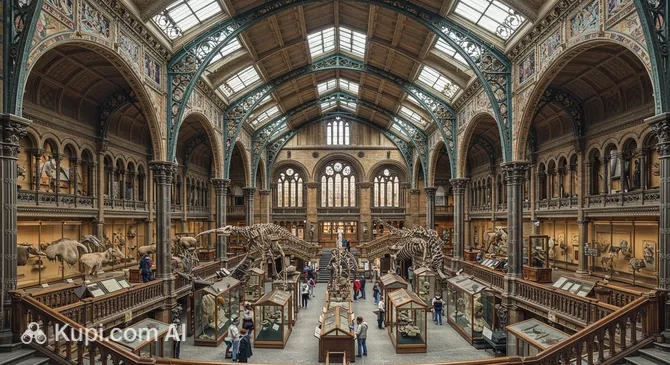
Another architectural gem is the Oxford University Museum of Natural History. Housed in a stunning Neo-Gothic building, the museum is famous for its towering glass roof and the skeletal casts of dinosaurs that dominate the main court. It also holds the world’s most complete remains of a dodo, making it a fascinating visit for families and science enthusiasts alike.

Oxford University Museum of Natural History. Source: Kupi.Binoculars

Local Cuisine

The culinary landscape of Oxford is as rich and historic as its university, offering a delightful blend of traditional British comfort food and diverse modern flavors. Influenced by its vibrant student population and centuries of tradition, the city's food scene ranges from historic ale houses serving hearty meals to bustling markets filled with fresh, local produce.

One of the most iconic local specialties to try is Oxford Marmalade. Distinctive for its dark color and coarse-cut peel, this tangy preserve has been a breakfast staple since the 19th century and makes for a perfect souvenir. Cheese enthusiasts should look for Oxford Blue, a creamy, semi-soft blue cheese that pairs beautifully with crusty bread or crackers. For those with a sweet tooth, the city is also the birthplace of Ben's Cookies, and grabbing a warm, freshly baked cookie is a beloved local ritual.

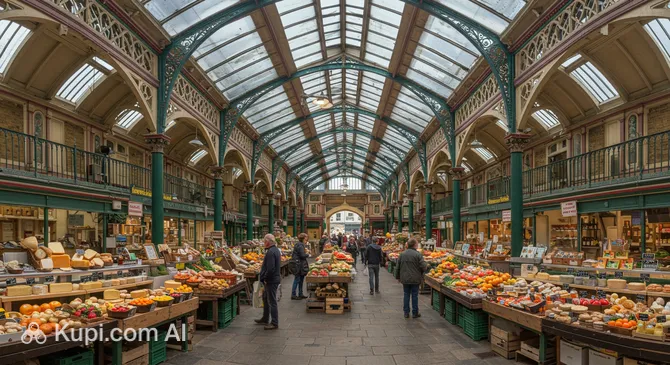
To truly immerse yourself in the local food culture, a visit to The Covered Market is essential. This historic indoor market, dating back to the 1770s, is a sensory delight where butchers, greengrocers, and bakers operate alongside charming cafes. It is the perfect place to sample artisan pies, fresh pastries, and local snacks while soaking up the lively atmosphere that has sustained residents for generations.

The Covered Market. Source: Kupi.Binoculars

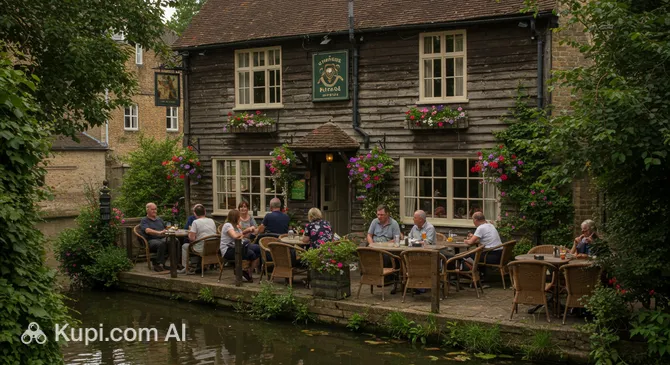
Dining in Oxford often revolves around its historic pubs, many of which have hosted famous writers and scholars. For a quintessentially English experience, head to the riverbanks. The Perch is a historic thatched inn located just a short walk across Port Meadow, famous for its generous Sunday roasts and riverside garden. Eating here offers a chance to enjoy classic British dishes like fish and chips or a steak and ale pie in a setting that feels like a countryside retreat.

The Perch. Source: Kupi.Binoculars

When it comes to drinks, the local culture is steep in tradition. Cask ales are a staple in the city's many pubs, with a strong emphasis on regional breweries. In the summer months, particularly during the rowing season or while punting on the Cherwell, the drink of choice is often a glass of Pimm's, a refreshing fruit cup cocktail that perfectly complements a sunny afternoon by the water. Whether you are enjoying a cream tea or a pint of bitter, eating and drinking in Oxford is an experience steeped in history.

Travel Tips

Welcome to the historic streets of Oxford! To help you navigate the cobblestones, college rules, and local customs like a pro, we have compiled a set of essential practical tips for your journey.

  1. Clothing and Gear: The British weather is notoriously unpredictable, so it is wise to dress in layers and carry a compact umbrella or waterproof jacket, even in summer. Since the city center is best explored on foot, comfortable flat walking shoes are non-negotiable for navigating the uneven cobblestones. Don't forget to bring a Type G power adapter (three rectangular pins) for your electronics.

  2. Transportation: Oxford is an incredibly walkable city, and driving in the historic center is strongly discouraged due to strict traffic restrictions ("bus gates") and very expensive parking. Rely on the excellent local bus network or simply walk. If you are arriving by car, use one of the Park and Ride facilities on the outskirts. Note that while cycling is popular, you should only rent a bike if you are confident navigating heavy traffic.

  3. Finances: The currency is the British Pound Sterling (£). Contactless card payments are the norm and are accepted almost everywhere, including on buses, in museums, and at market stalls. ATMs are widely available, but you won't need to carry large amounts of cash. In restaurants, a tip of 10-12.5% is customary if a service charge hasn't already been added to your bill.

  4. Health and Safety: Oxford is generally a very safe city for tourists. However, keep an eye on your belongings in crowded areas like Cornmarket Street. Pharmacies, such as Boots or Superdrug, are easily found in the city center for minor health needs. In a life-threatening emergency, dial 999; for non-urgent medical advice, you can call 111.

  5. Communication: English is the primary language, though the diverse student population means you will hear languages from all over the globe. Free Wi-Fi is widely available in cafes, on public transport, and in public buildings like the Westgate Centre. If you need mobile data, prepaid SIM cards can be purchased cheaply at supermarkets or mobile phone shops on the high street.

  6. Local Etiquette: Politeness is highly valued; "please," "thank you," and "sorry" go a long way. Queueing is a serious social norm here—never cut in line at a bus stop or shop. When visiting university colleges, remember that they are functioning academic institutions. Please keep your voice down, respect barriers, and do not enter areas marked as Private.

  7. What to Avoid: Do not walk in the cycle lanes. Oxford has a very high volume of cyclists, and stepping into a bike lane without looking is a common mistake that can lead to collisions. Also, avoid assuming you can enter any college freely; most charge an entry fee and have specific visiting hours.

  8. Plan Around the Academic Calendar: Be aware that access to colleges can be restricted during exam periods (typically May and June) or university ceremonies. It is always a good idea to check the specific opening times on the college website before you head out, or plan to visit the university parks and museums which remain open year-round.

With these tips in hand, you are all set to enjoy the unique charm and history of this magnificent city. Relax, explore at your own pace, and soak up the inspiring atmosphere of Oxford!

Entertainment & Nightlife

Entertainment and Nightlife:

While Oxford is world-renowned for its quiet libraries and academic rigor, the city undergoes a vibrant transformation as the sun sets. The nightlife here is diverse, fueled by a large student population and a thriving local scene, offering everything from historic pubs and sophisticated cocktail bars to energetic clubs and live music venues. Whether you are looking for a refined evening of classical music or a lively night out with friends, the city has something to offer.

The nightlife geography is distinct. For a trendy, bohemian atmosphere, head to the Cowley Road area in East Oxford. This district is the eclectic heart of the city's alternative scene, packed with independent bars, late-night restaurants, and music venues that host local bands. In contrast, the Jericho neighborhood, centered around Walton Street, offers a more upmarket vibe with stylish wine bars and gastropubs, perfect for a relaxed conversation over a craft cocktail.

For those seeking modern glamour and panoramic views, the rooftop terrace at Westgate Oxford is a must-visit. Here, you can enjoy drinks while overlooking the dreaming spires, a particularly magical sight at twilight. Within this complex, you will find places like Dirty Bones, a venue inspired by New York City that serves up creative cocktails and comfort food in a chic, lively setting. It is an excellent spot to start your night with upbeat music and a high-energy atmosphere.

Dirty Bones. Source: Kupi.Binoculars

If you prefer an evening steeped in culture, the Sheldonian Theatre is the crown jewel of Oxford's classical music scene. Designed by Sir Christopher Wren, this architectural masterpiece regularly hosts concerts and recitals. Attending a performance here allows you to experience the city's artistic heritage in a breathtaking historic setting. Dress codes for such events are usually smart casual, whereas most bars and clubs in the city are quite relaxed, though some high-end venues may discourage sportswear.

Sheldonian Theatre. Source: Kupi.Binoculars

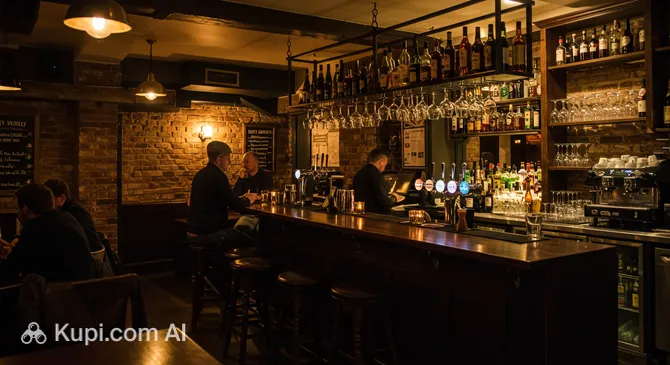
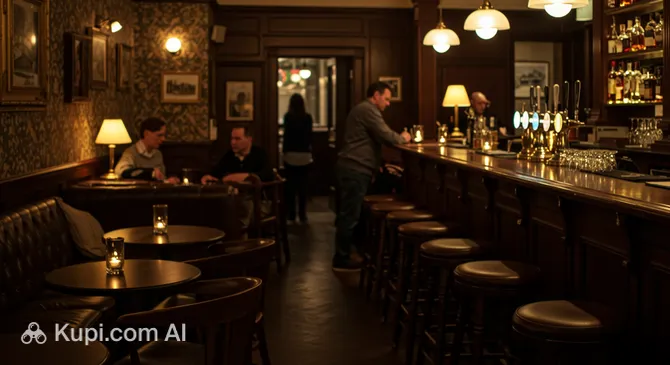
Another unique spot to add to your evening itinerary is the Permit Room Oxford. Drawing inspiration from the permit rooms of 1970s Bombay, this bar offers a distinct atmosphere with a fantastic selection of drinks and late-night snacks. It is a great example of the city's evolving culinary and social landscape, blending tradition with modern flair.

Permit Room Oxford. Source: Kupi.Binoculars

Practical Tips for a Night Out: Most pubs call "last orders" around 11:00 PM, while bars and clubs in the city center may stay open until 2:00 AM or 3:00 AM, especially on weekends. Prices can be comparable to London in the city center, but you will often find better value in the Cowley area. The city is generally safe for night walks, particularly in well-lit central areas, but it is always wise to stay in groups. For transport, licensed taxis and ride-hailing apps are readily available; look for the designated taxi ranks on St Aldate's or near the train station to ensure a safe ride home.

Beyond the nightlife, Oxford offers engaging daytime entertainment that goes beyond the typical sightseeing. Families and thrill-seekers might enjoy Oxford Wet n Wild, an aqua park located just outside the city that provides an energetic break from history tours. Alternatively, for a whimsical experience that appeals to all ages, The Story Museum offers immersive exhibitions that celebrate the power of narrative, fitting for a city that has inspired so many famous authors.

Parks & Museums

Oxford balances its scholarly stone architecture with an abundance of lush green spaces and fascinating collections that go far beyond the standard guidebooks. Whether you are looking to escape into nature or dive deep into anthropological curiosities, the city offers a diverse range of parks and museums that reflect its rich heritage and intellectual spirit.

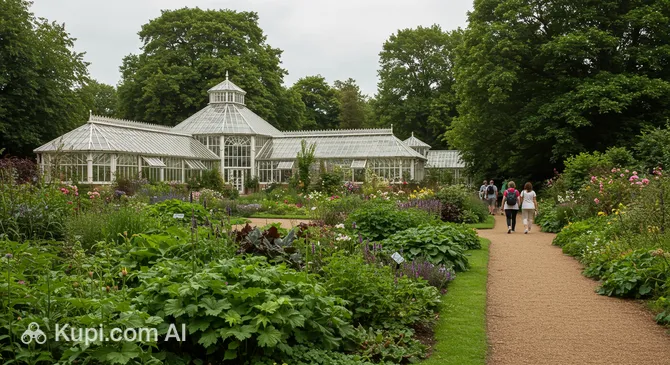
One of the most serene spots in the city is the Oxford Botanic Garden. Founded in 1621, it holds the title of the oldest botanic garden in the UK. Visitors can wander through the walled garden, which houses scientific collections of medicinal plants, or explore the glasshouses filled with exotic tropical and arid species. It is a peaceful sanctuary right in the High Street, perfect for a quiet afternoon among vibrant flora.

Oxford Botanic Garden. Source: Kupi.Binoculars

For a much wilder and more expansive natural experience, head to Port Meadow. This vast area of ancient grazing land has never been ploughed and stretches along the River Thames. It is a favorite spot for locals to swim, picnic, or simply walk while watching the wild horses and cattle that graze freely. The meadow offers stunning sunsets and a sense of open countryside just a short walk from the city center.

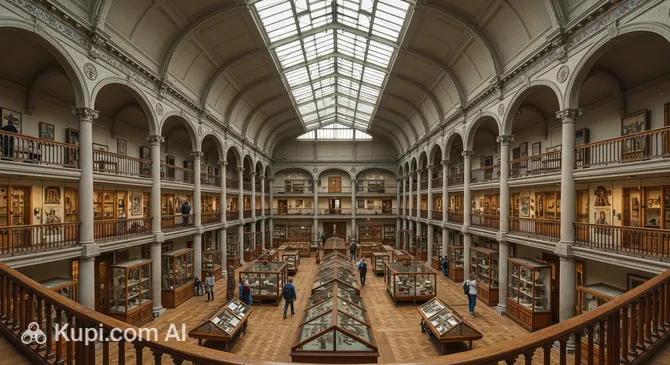
When it comes to museums, the Pitt Rivers Museum is a truly unique destination. Unlike modern, minimalist galleries, this museum displays its archaeological and anthropological collections in atmospheric, densely packed glass cases. Famous for its shrunken heads and curiosities from every corner of the globe, it offers a fascinating glimpse into Victorian-era collecting and human history.

Pitt Rivers Museum. Source: Kupi.Binoculars

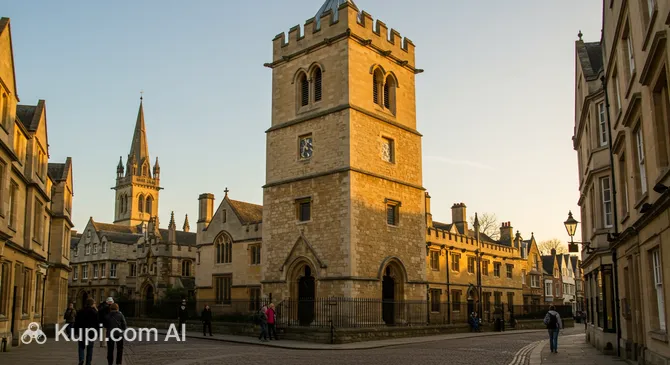
The city is also dotted with significant historical landmarks that offer breathtaking views. Carfax Tower is the only remaining part of the 13th-century St Martin's Church and stands at the literal crossroads of the city. climbing its 99 steps rewards visitors with a panoramic view of the skyline. Similarly, the University Church of St Mary the Virgin offers one of the best vantage points to see the Radcliffe Camera and the surrounding colleges from above.

Carfax Tower. Source: Kupi.Binoculars

For a blend of architecture and nature, a visit to Magdalen College is highly recommended. Beyond its stunning cloisters and chapel, the college grounds include a large deer park and the Addison’s Walk, a picturesque riverside trail. It is a perfect example of how Oxford seamlessly integrates its academic buildings with beautiful natural landscapes.

If you have time for a short excursion, the Abingdon County Hall Museum in the nearby town of Abingdon offers a charming look at local history, housed in a magnificent Baroque building. For a quirkier outdoor experience, you might also visit the Brill Windmill, a 17th-century post mill that provides sweeping views of the countryside.

Getting Around

Navigating Oxford is remarkably straightforward, primarily because of its compact size and pedestrian-friendly layout. The city does not have a metro, tram, or trolleybus system; instead, it relies on an extensive and efficient bus network that serves the city center, suburbs, and surrounding towns. For visitors, the most important feature of the local transport infrastructure is the "Park and Ride" system. Since driving within the historic center is heavily restricted and parking is expensive, tourists arriving by car are strongly advised to park at one of the five designated lots on the outskirts and take a frequent shuttle bus into the heart of the city.

The bus network is mainly operated by two companies: the Oxford Bus Company and Stagecoach. These operators coordinate on key routes, meaning you can often use a ticket from one company on the other's buses within the central "SmartZone" area. Buses are modern, frequent, and usually double-deckers, offering great views of the streets. For sightseeing specifically, open-top "hop-on, hop-off" buses are available, providing a guided tour of the major landmarks without the need to navigate public transit maps.

Paying for travel is very convenient for tourists. You do not need to purchase a physical travel card in advance. The buses accept contactless payment, so you can simply tap your bank card, smartphone, or smartwatch on the reader when you board. For those planning to make multiple journeys in a day, it is advisable to ask the driver for a "Day Pass" or a "24-hour ticket," which offers unlimited travel and is significantly cheaper than buying single fares. Mobile apps from the major bus operators are also available, allowing you to buy mobile tickets and track buses in real-time.

Given Oxford's reputation as a "cycling city," renting a bike is one of the most authentic ways to get around. The terrain is flat, and there are designated cycle lanes throughout the area. Several local shops and app-based bike-sharing schemes allow you to rent bicycles by the hour or day. However, new cyclists should be cautious, as traffic can be busy and local cyclists often ride quite fast. Walking remains the best option for the historic core, as many colleges and attractions are clustered close together in pedestrianized zones.

If you require a more direct route or are traveling late at night, taxis are readily available. You can find traditional "Black Cabs" at designated ranks, particularly near the bus station at Gloucester Green and the railway station. Alternatively, private hire vehicles can be booked via various mobile apps or by phone. While ride-sharing services operate in the city, the local taxi network is robust and reliable. Visitors should note that transport services generally run from early morning until late at night, with special "night bus" services operating on popular routes during weekends.

Accommodation

Where to Stay:

Finding the perfect place to stay in Oxford is an essential part of the experience, with options ranging from historic luxury to budget-friendly convenience. The city offers a diverse accommodation landscape that includes traditional hotels, charming bed and breakfasts, modern apartments, and bustling hostels. A unique feature of staying here is the opportunity to book a room within one of the university colleges during the academic holidays, allowing visitors to sleep in centuries-old buildings and eat in grand dining halls.

For most tourists, staying in the City Center is the most convenient choice, placing you within walking distance of the Bodleian Library, the Covered Market, and the major colleges. However, this area can be pricey and busy. For a slightly more relaxed but trendy vibe, the Jericho neighborhood is an excellent alternative, filled with independent cafes and stylish bars. Budget travelers often find better value in the Cowley Road area, which is known for its vibrant, multicultural atmosphere and quick bus connections to the center.

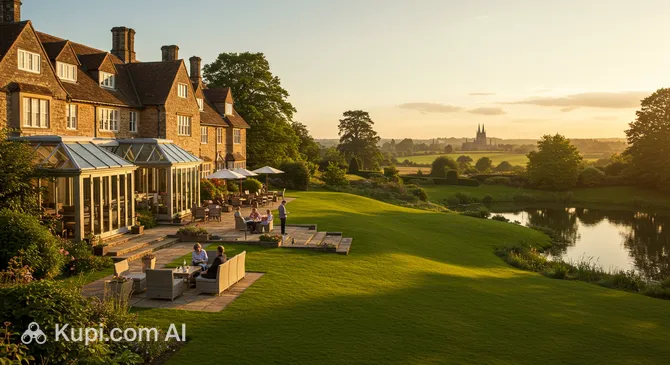
If you are looking for a luxurious escape just outside the immediate hustle and bustle of the town, you might consider The Oxfordshire Golf Hotel & Spa. Located in the surrounding countryside, this resort offers a tranquil retreat with world-class amenities, making it perfect for those who want to combine sightseeing with relaxation and leisure activities.

The Oxfordshire Golf Hotel & Spa. Source: Kupi.Binoculars

When planning your trip, it is important to consider the academic calendar and tourist seasons. Accommodation in Oxford is in high demand, particularly during the summer months and university graduation periods. It is highly recommended to book your stay well in advance to secure the best rates and availability. While last-minute deals can sometimes be found, the most desirable locations tend to fill up quickly.

Prices in the city can vary significantly. Budget options and hostels are generally affordable, while mid-range hotels and guest houses offer a balance of comfort and cost. Luxury hotels and private rentals command higher prices, especially in historic properties. Most accommodations can be easily booked through major online platforms, though booking directly with guesthouses or colleges can sometimes offer better terms or specific room requests.

Nearby Cities

For those looking to explore the surroundings, Oxford serves as an excellent base for day trips to several interesting nearby locations:

One of the most popular destinations is Bicester, located just a short journey away. It is famous globally for Bicester Village, a luxury designer outlet shopping center that draws fashion enthusiasts from around the world. For a quieter, more historical experience, Abingdon offers a charming riverside setting on the Thames. It claims to be England's oldest continuously inhabited town and features impressive abbey buildings and a lively market square. Another notable town is Banbury, known for its historic cross celebrated in nursery rhymes and its traditional spiced cakes.

City Population Distance (km)
Aylesbury8340731
Banbury4685335
Bicester3702018
Abingdon331309
Didcot3218316

These nearby destinations offer a glimpse into the diverse culture and landscapes of the region.

Shopping & Souvenirs

Shopping in Oxford offers a delightful contrast between the old and the new, reflecting the city's unique character. The compact city center is pedestrian-friendly, making it easy to drift between the bustling high-street favorites on Cornmarket Street and Queen Street, and the independent boutiques tucked away in historic alleyways. Whether you are searching for the latest fashion, rare books, or university memorabilia, the city provides a diverse retail experience that caters to every taste.

For a contemporary retail experience, Westgate Oxford is the city's premier destination. Located in the heart of the town, this extensive shopping center features over 100 stores, ranging from popular global brands to high-end designer labels. Beyond fashion, the complex is a social hub, boasting a boutique cinema and a spectacular rooftop terrace where visitors can enjoy dining with panoramic views of the city’s dreaming spires.

Visitors seeking a more traditional atmosphere should head to The Covered Market. Dating back to the 1770s, this historic venue is a vibrant maze of independent traders and artisans. While it is famous for its fresh produce and food stalls, it is also an excellent place to find handcrafted jewelry, leather goods, fresh flowers, and bespoke gifts. The market's narrow avenues are packed with character, offering a shopping experience that feels distinctly local and authentic.

Oxford is also celebrated for its literary connections, and browsing its legendary bookshops is a favorite pastime. The city is home to Blackwell's, renowned for its massive underground Norrington Room. For fans of Lewis Carroll, a visit to Alice's Shop is essential. Located opposite Christ Church, this charming 19th-century store sells a whimsical array of Alice in Wonderland memorabilia in the very building where the real Alice Liddell once bought her sweets.

Just a short train or bus ride from the city center lies a world-famous destination for luxury bargain hunters: Bicester Village. This open-air shopping destination is designed to resemble a quaint English village but is lined with more than 160 boutiques from leading international fashion and lifestyle brands. Offering significant savings on designer goods, it attracts visitors from all over the globe and is the perfect spot for a dedicated day of retail therapy.

Reached the end of the page?

That means the route is fully explored