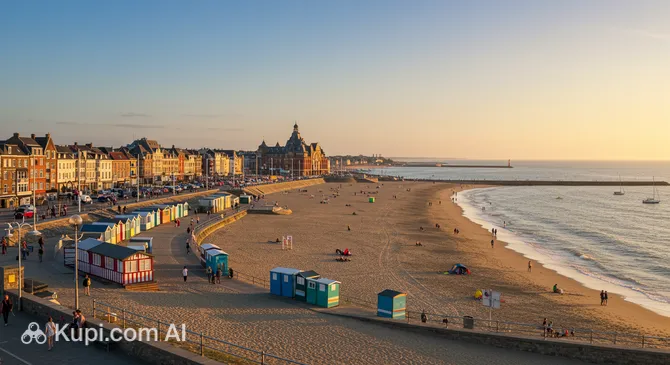
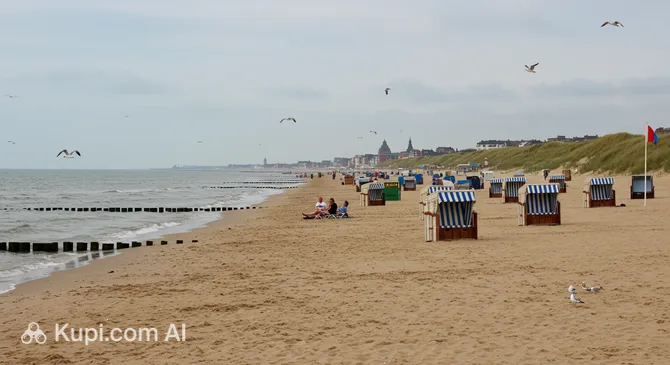
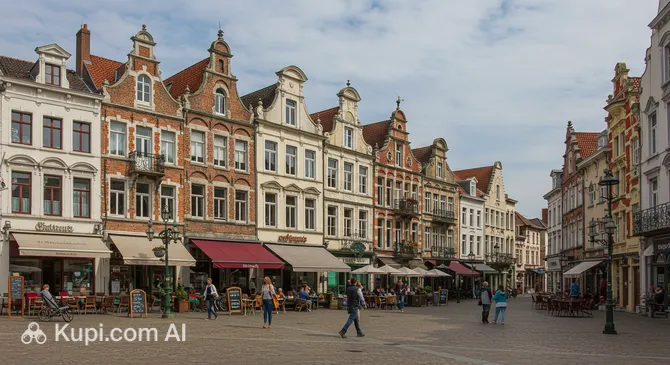
Welcome to Ostend, a captivating coastal city often referred to as the "Queen of the Seaside Resorts." Located in the province of West Flanders in Belgium, this vibrant destination offers a perfect blend of maritime heritage, wide sandy beaches, and urban flair. It serves as a major gateway to the country and stands as the largest city on the Belgian coast.
With a population of over 70,000 residents, Ostend boasts a lively atmosphere that changes with the seasons but always retains its unique charm. The fascinating history of Ostend has seen it transform from a humble fishing village into a sophisticated royal retreat, heavily influenced by King Leopold II, who left a lasting mark on its architecture and layout.
Ostend. Illustration.
Source: Kupi.com AI
Travelers are drawn to the city's expansive Albert I Promenade, which is perfect for a refreshing walk along the North Sea. Among the top attractions is the Mercator, a historic three-masted ship turned museum that allows visitors to explore the life of a sailor and polar expeditions. Another highlight is the impressive Fort Napoleon, a well-preserved polygonal fort nestled in the dunes, offering a glimpse into the military past of the region.
Whether you are eager to indulge in fresh seafood at the bustling Visserskaai, admire contemporary art, or simply relax by the water, Ostend provides a delightful escape. We invite you to breathe in the fresh sea air and discover the many treasures of this gem on the Flemish coast.
Weather Overview
Ostend experiences a temperate maritime climate, characterized by mild temperatures and the refreshing influence of the North Sea. For travelers planning their wardrobe, checking the detailed weather in Ostend is recommended, as conditions can be quite changeable. The summer months are generally pleasant and comfortable, with August being the warmest time of year, boasting an average temperature of 19.0°C and highs reaching 21.5°C.
Winters in the city are cool but rarely freezing, with average temperatures in January hovering around 5.8°C. Rainfall is distributed fairly evenly throughout the year, with wet days ranging from about 10 days in June to 18 days in December. Expect comfortable, breezy summers perfect for beach walks and cool, damp winters with frequent cloudy days.
Average monthly temperature
Average monthly precipitation
Interesting Facts
Beyond the bustling promenade and sunbathers, Ostend hides a wealth of intriguing stories and historical quirks. This coastal city has been a sanctuary for troubled artists and a strategic fortress, offering secrets that go far beyond its reputation as a beach resort.
James Ensor House. Illustration.
Source: Kupi.com AI
Traveler photos:
The legendary soul singer Marvin Gaye lived in the city in the early 1980s to escape personal troubles and revitalize his career. During his stay, he wrote the massive hit "Sexual Healing," and the music video for the song was filmed inside the historic Casino Ostend.
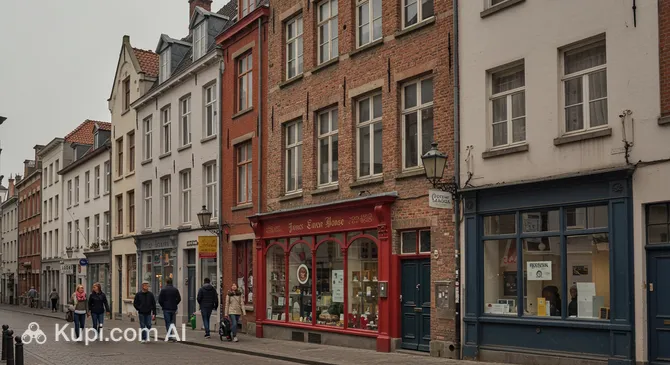
Ostend was the lifelong home of the eccentric painter James Ensor, who is celebrated for his works featuring masks and skeletons. His residence has been preserved as the James Ensor House, where visitors can see his original studio and the curiosity shop run by his family, kept exactly as they were during his lifetime.
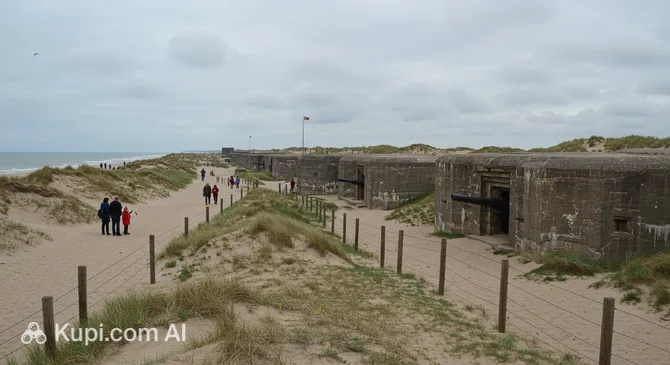
The city preserves a significant section of the German coastal defense line from both World Wars at the Atlantic Wall Raversyde. This site features over 60 bunkers, observation posts, and gun batteries connected by tunnels, remaining one of the best-preserved fortifications of its kind in Europe.
The iconic ship Mercator, which now serves as a floating museum, played a solemn role in Belgian history. In 1936, this vessel was responsible for bringing the remains of the canonized missionary Father Damien back to his homeland from the island of Molokai in Hawaii.
How to Get There
Planning a trip to the Belgian coast is the first step toward a memorable holiday. Whether you are arriving from a neighboring country or flying in from further afield, there are several convenient routes to reach this seaside destination. You can read more about how to get to Ostend and choose the option that best suits your travel itinerary.
For air travelers, the most convenient option is the Ostend-Bruges International Airport (OST). Situated just 3.8 km from the center, it offers quick access to the coast. For a wider selection of international connections, many visitors opt for Brussels Airport (BRU) in Brussels. This major hub is situated about 116.1 km away, and the journey to Ostend typically takes just over an hour by train or around 90 minutes by car.
For clarity, here is a summary of the main airports:
Travelers preferring rail transport also have excellent options nearby. The Brugge Railway Station, located in the neighboring city of Bruges, serves as a key transit point for the region. It offers frequent and fast connections to the coast, making the transfer seamless. Additionally, the Lille Flandres Station in Lille serves as a significant hub roughly 66.5 km away, offering convenient connections for those arriving from France.
Ostend is a city that seamlessly blends its maritime heritage with cultural depth and architectural beauty. From towering gothic structures to vibrant public squares, the city offers a variety of experiences for every type of traveler. Exploring these key sights provides a deeper understanding of why this coastal gem is so much more than just a beach destination.
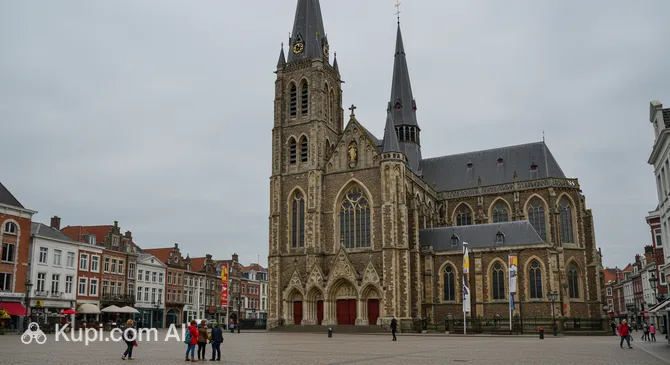
Dominating the city skyline, the Church of Saints Peter and Paul is a masterpiece of Neo-Gothic architecture that commands attention. Built at the instigation of King Leopold II, this magnificent structure replaces an older church that was destroyed by fire, with only the brick tower remaining nearby. Visitors are captivated by its intricate stained glass windows, flying buttresses, and the royal chapel, which houses the white marble tomb of Queen Louise-Marie. It is a place of serenity and historical significance in the heart of the city.
Church of Saints Peter and Paul. Illustration.
Source: Kupi.com AI
Traveler photos:
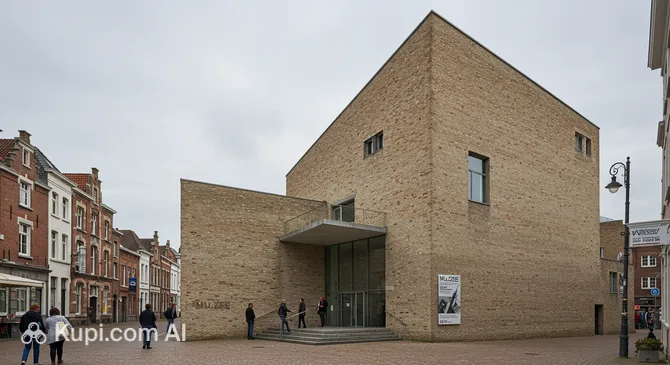
For art enthusiasts, Mu.ZEE is an essential stop, serving as the art museum by the sea for Belgian art. The museum boasts a unique collection dating from 1880 to the present day, with a special focus on artists who have a strong connection to Ostend, such as James Ensor and Leon Spilliaert. The exhibitions are curated to tell stories through visual art, offering a distinct perspective on the region's cultural evolution and its modern artistic identity.
Mu.ZEE. Illustration.
Source: Kupi.com AI
Traveler photos:
Those seeking a green escape within the urban environment will find Leopold Park to be a delightful retreat. Known locally as the "Den Hof," this English-style park is famous for its floral clock, a beautiful arrangement of flowers that actually tells the time. It features winding paths, a pond, and a bandstand, making it a perfect spot for a leisurely stroll or a picnic. The park serves as a peaceful lung for the city, contrasting with the busy promenade and shopping streets.
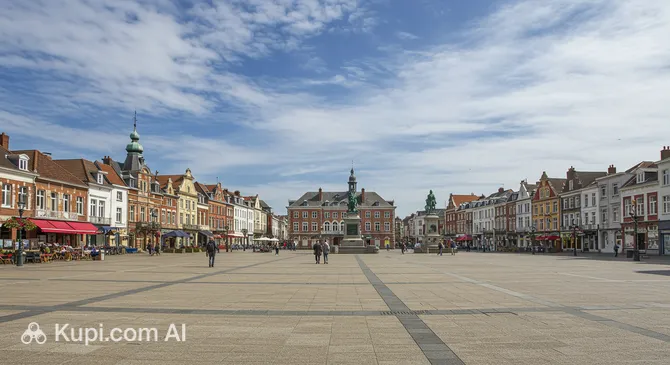
Located directly by the sea, Zeeheldenplein is one of the city's most vibrant public spaces. This expansive square, also known as Heroes' Square, pays tribute to the city's maritime past with the impressive Sailors' Memorial. It serves as a perfect vantage point for watching the waves crash against the shore or for starting a walk along the promenade. The square is often bustling with events and offers a seamless connection between the city center and the beach.
Zeeheldenplein. Illustration.
Source: Kupi.com AI
Traveler photos:
Local Cuisine
As a coastal city, Ostend is a true paradise for seafood lovers, with a culinary scene deeply rooted in the bounties of the North Sea. The local gastronomy is defined by freshness and quality, with many restaurants sourcing their catch directly from the boats docked at the quay. A visit to the famous open-air fish market, known as the "Vistrap," offers a glimpse into this authentic food culture, where locals buy fresh fish and the renowned grey shrimp, often peeled by hand and eaten immediately.
The undisputed king of Ostend’s menu is the shrimp croquette (garnaalkroket). These crispy, creamy delights filled with grey North Sea shrimp are so iconic that the city hosts an annual festival to determine the best recipe. Another classic dish to try is Tomate-Crevette, a hollowed-out tomato stuffed with a generous portion of fresh shrimp and mayonnaise, usually served with fries. For a more substantial meal, Sole Meunière—pan-fried Dover sole with butter, lemon, and parsley—remains a timeless favorite among visitors and locals alike.
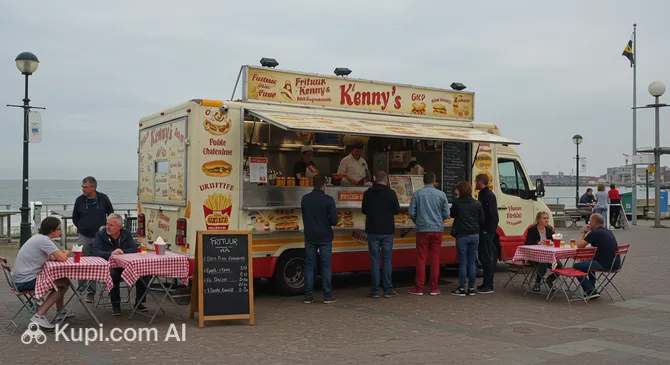
No trip to Belgium is complete without indulging in a cone of golden, double-fried chips. The city offers numerous traditional fry shops, or frituurs, where you can enjoy this national staple with a variety of sauces. A popular spot to experience this crispy treat is Frituur Kenny, where the fries are served hot and fresh, perfect for a quick bite while exploring the city streets.
Frituur Kenny. Illustration.
Source: Kupi.com AI
Traveler photos:
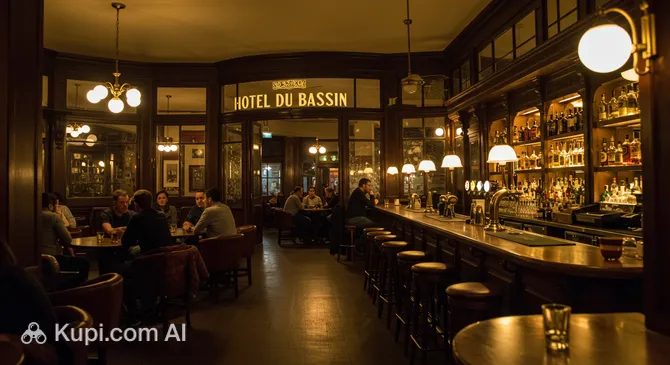
When it comes to drinks, Ostend embraces the rich Belgian beer culture. Local brasseries and pubs offer an extensive selection of brews, ranging from refreshing blondes to dark Trappist ales. For a non-alcoholic alternative, fresh coffee is a staple, often enjoyed with a sweet waffle or chocolate on the side. The dining atmosphere in Ostend is relaxed and varied, ranging from high-end seafood restaurants along the Albert I Promenade to cozy, historic establishments like Hotel du Bassin, where you can soak in the maritime ambiance with a drink in hand.
Hotel du Bassin. Illustration.
Source: Kupi.com AI
Traveler photos:
For a more casual or artistic lunch break, you might find unique spots like Expo & Kafie, which combine food with a creative environment. Whether you are dining with a view of the marina or grabbing a snack from a stall near the beach, the flavors of Ostend are sure to leave a lasting impression on your palate.
Travel Tips
Preparing for a trip to Ostend involves a bit more than just packing your swimwear and sunglasses. To ensure your visit to the "Queen of the Seaside Resorts" is as relaxing and seamless as the tides, we have put together a set of essential practical tips to guide you through your stay.
Clothing and Gear: The weather on the Belgian coast is known for being unpredictable. Even in summer, a stiff sea breeze can make it feel cooler than the thermometer suggests. It is highly recommended to dress in layers and always carry a windproof and waterproof jacket. Comfortable walking shoes are a must for exploring the long promenade and the city center. If you plan to visit religious sites like the Church of Saints Peter and Paul, modest attire is appreciated.
Transportation: Ostend is very compact and best explored on foot. For longer distances or to visit neighboring coastal towns, the Kusttram (Coast Tram) is your best friend; it is the longest tram line in the world and connects the entire Belgian coast efficiently. Taxis are available but can be expensive. Unless you plan to explore the deep countryside, a rental car is generally unnecessary and parking in the center can be paid and limited.
Finances: The official currency is the Euro (€). Credit and debit cards (Visa and Mastercard) are widely accepted in hotels, restaurants, and most shops. However, it is wise to carry some cash for small purchases, especially at market stalls or the famous Vistrap fish market. Tipping is not mandatory as a service charge is included in the bill, but rounding up the amount or leaving a small tip for good service is a common gesture.
Health and Safety: Ostend is generally a very safe city for tourists. Pharmacies are marked with a green cross and are easy to find; for after-hours needs, a list of "pharmacies on duty" is usually displayed in their windows. The general emergency number for police, ambulance, or fire is 112. While the city is safe, always keep an eye on your belongings in crowded areas like the train station or the beach on sunny days.
Communication: The official language is Dutch (specifically the Flemish dialect). However, English is extremely widely spoken and understood, so you will have no trouble communicating. Learning a few local phrases like "Hallo" (Hello) and "Dank u" (Thank you) is always appreciated by the locals. Free Wi-Fi is often available in hotels and cafes, and EU citizens can use their mobile data at no extra cost.
Local Etiquette: Belgians are generally polite and reserved. A simple handshake is the standard greeting. When entering a small shop or elevator, it is polite to greet others with a nod or a "hello." On the escalators in train stations, stand to the right to let others pass on the left.
What to Avoid: Strictly avoid walking on the sand dunes outside of designated paths. The dunes are fragile natural barriers that protect the hinterland from the sea, and damaging them is considered a serious offense. Also, do not assume all shops are open on Sundays; while Ostend is livelier than other towns, many standard retail stores close, though shops in tourist zones may remain open.
Additional Tip: Take advantage of the free ferry service that connects the city center near the aquarium to the Oosteroever (East Bank). It is not only a practical way to cross the harbor but also offers a lovely short boat ride with great views of the city skyline and the maritime traffic.
Armed with these practical insights, you are ready to navigate Ostend with the confidence of a local. Whether you are catching the tram along the coast or enjoying fresh seafood by the harbor, we hope your time in this breezy Belgian city is filled with wonderful memories and smooth travels.
Entertainment & Nightlife
Ostend is widely known as the "City by the Sea" that never sleeps, offering a vibrant nightlife scene that rivals its daytime charm. Unlike smaller coastal towns that quiet down after sunset, Ostend comes alive with a diverse array of entertainment options ranging from sophisticated lounges to energetic dance floors. Whether you are looking to sip cocktails with a sea view or dance until the early hours, the city provides an exciting backdrop for night owls.
The epicenter of the city's nightlife is undoubtedly the Langestraat. Often referred to as the "Long Street," this bustling strip is packed with cafes, music bars, and pubs that cater to every musical taste. On weekends, the atmosphere here is electric, with crowds spilling out onto the sidewalks. It is the perfect place for a pub crawl, allowing you to experience the local "brown cafe" culture alongside more modern, trendy establishments. For a more relaxed evening, the Visserskaai area offers plenty of terraces where you can enjoy a local beer while watching the lights reflect off the harbor.
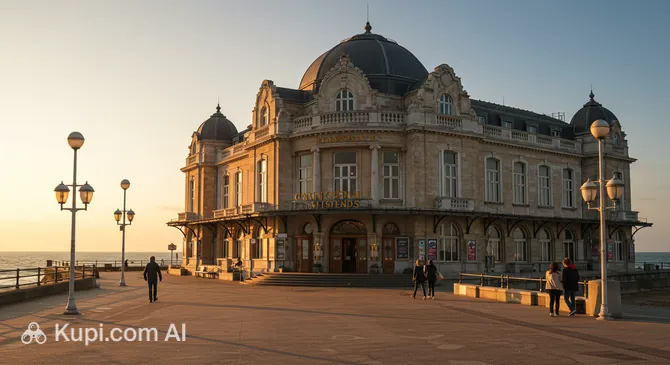
A focal point of entertainment in the city is the iconic Casino Ostend, located within the majestic Kursaal building on the promenade. This is not merely a place for gambling; it is a cultural hub that hosts concerts, musicals, and prestigious events throughout the year. Even if you don't plan to try your luck at the tables, the venue's lounge bar and restaurant offer a sophisticated setting to spend an evening, often accompanied by live music and stunning views of the North Sea.
Casino Ostend. Illustration.
Source: Kupi.com AI
Traveler photos:
For those planning a night out, the dress code in Ostend is generally smart casual. While the casino and some upscale clubs may expect a more polished look, most bars in the Langestraat are welcoming and informal. The nightlife typically kicks off around 10:00 PM, with clubs staying open until the early morning. Prices are reasonable compared to major capital cities, with a beer costing a few euros. To get around safely at night, it is best to stick to the well-lit main streets. Taxis are readily available at designated stands near the casino and the train station, or can be called by phone; walking alone late at night in unlit areas or dunes is not recommended.
Beyond the nightlife, Ostend offers a variety of daytime entertainment to keep visitors engaged. Shoppers can head to the pedestrianized Kapellestraat or take a short trip to the Bredene Shopping Center for a wider selection of retail stores. Families traveling with children will find a delightful escape at De Lange Schuur Children's Farm, where kids can interact with farm animals and enjoy the playground, providing a wholesome contrast to the city's urban bustle.
Parks & Museums
While Ostend is celebrated for its bustling promenade and sandy coastline, the city also offers a wealth of green spaces and deep cultural dives that go beyond the typical beach experience. From sprawling parks that serve as the city's green lungs to museums that preserve its maritime soul, there is plenty to explore for those seeking nature and history.
For a peaceful escape from the urban center, Maria Hendrikapark is the city's most significant green oasis. Often compared to a miniature Bois de Boulogne, this expansive park features three large ponds, winding walking paths, and a dedicated jogging track. It is a favorite spot among locals for a relaxing afternoon, offering a playground for children and a serene environment for picnics.
Just a short distance along the coast, nature lovers should visit Bredene Beach. Unlike many other Belgian coastal towns, this area is unique because it lacks a paved dyke, allowing the uninterrupted dunes to flow naturally into the sandy beach. It provides a more rugged and authentic seaside experience, perfect for hiking through the protected dune landscapes and enjoying the raw beauty of the North Sea.
Bredene Beach. Illustration.
Source: Kupi.com AI
Traveler photos:
Immersing yourself in the local culture requires a visit to the Atlantic Wall Raversyde. Located in a scenic provincial domain, this open-air museum complex is one of the top attractions in the region. It preserves the intricate trench networks and bunkers from both World Wars, set against the backdrop of the coastal dunes. It offers a rare combination of military history and nature conservation, allowing visitors to walk through time while enjoying the fresh sea air.
Atlantic Wall Raversyde. Illustration.
Source: Kupi.com AI
Traveler photos:
To understand Ostend's connection to the ocean, stepping aboard the Mercator is essential. This three-masted barquentine, which once served as a training ship for the Belgian merchant fleet, is now permanently docked as a floating museum. A tour of the ship reveals the authentic living quarters, the commander's cabin, and artifacts brought back from scientific expeditions around the globe, providing a tangible link to the city's adventurous past.
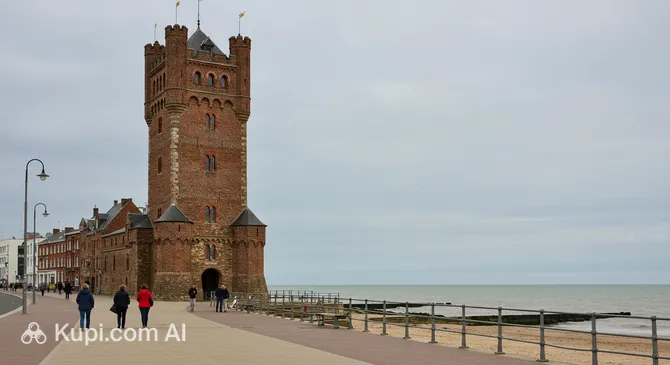
For a mix of history and panoramic views, the Warande Tower is a hidden gem worth discovering. This small, modern tower stands on the site of the former "Grote Warande" dunes. While the structure itself is contemporary, it often hosts small exhibitions and offers an elevated vantage point to admire the surrounding Ostend City Center and the coastline, bridging the gap between the old fishing settlement and the modern resort town.
Warande Tower. Illustration.
Source: Kupi.com AI
Traveler photos:
For a truly tranquil moment, seek out the "Shin Kai Tei" Japanese Garden located within the Maria Hendrikapark. This hidden corner offers a meticulously designed landscape with a turtle-shaped island and a peaceful pond, serving as a symbol of the friendship between Ostend and its sister city in Japan.
Getting Around
Navigating Ostend is a breeze thanks to its efficient and tourist-friendly public transport network, primarily operated by the Flemish transport company De Lijn. The crown jewel of the system is undoubtedly the Coast Tram (Kusttram), which is not only a practical way to travel but an attraction in itself. As the longest tram line in the world, it connects the city with all other coastal towns along the shoreline, from De Panne near the French border to Knokke-Heist near the Dutch border. In Ostend, the tram makes several stops, including a central hub at the railway station, making it the perfect vehicle for scenic day trips along the sea.
Complementing the tram is a reliable network of buses that serve the city center, the airport, and the surrounding districts. These buses are ideal for reaching areas not covered by the coastal line. A unique feature of the local transport system is the free ferry service connecting the city center at Visserskaai to the Oosteroever (East Bank). This short crossing is a favorite among visitors, offering a quick and scenic route to the quieter side of the harbor, famous for its dunes and the Fort Napoleon, without spending a cent.
For payment, the system is designed to be modern and convenient. Travelers can easily pay using contactless payment with a bank card or smartphone directly on board trams and buses at the white terminals. Alternatively, you can purchase digital tickets via the De Lijn app, which is often slightly cheaper than other methods. For tourists planning to explore extensively, purchasing a Day Pass (available for 1, 3, or more days) is highly recommended. These passes offer unlimited travel on both trams and buses throughout the region, providing excellent value and flexibility.
Tickets and passes can be purchased at "Lijnwinkel" kiosks, with a main office located at the Ostend railway station, or at automatic ticket machines found at major tram stops. It is important to remember that you must validate your ticket or scan your card every time you board or transfer. Public transport generally operates from early morning until late evening, with the Coast Tram running frequently—often every 10 to 20 minutes during peak summer months. Night services can be limited, so checking the schedule in advance is wise if you plan a late night out.
If you prefer more independence, cycling is a fantastic alternative. Ostend is flat and bike-friendly, with dedicated paths weaving through the city and along the promenade. You can easily rent a bike at the train station using the "Blue-bike" sharing system or from various private rental shops in the center. Taxis are also available, primarily waiting at the station and near the casino, but they are significantly more expensive than public transit. However, given the city's compact nature, many of the main attractions are comfortably reachable on foot.
Accommodation
Where to Stay:
Finding the perfect place to stay in Ostend is easy, thanks to a diverse range of accommodations that cater to every budget and preference. As a premier seaside resort, the city offers everything from luxurious hotels with panoramic views of the North Sea to charming bed and breakfasts tucked away in quiet streets. Whether you are looking for a modern resort experience or a cozy boutique stay, you will find a welcoming home away from home in this coastal gem.
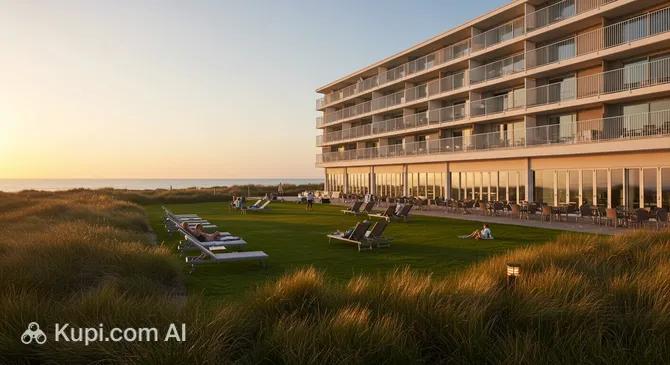
For travelers seeking a comprehensive resort experience, Vayamundo Ostend is a top choice. Located directly on the Zeedijk, this expansive complex is perfect for families and groups, offering spacious rooms that often feature stunning ocean vistas. Beyond comfortable lodging, the resort boasts excellent amenities, including an indoor swimming pool and wellness facilities, ensuring a relaxing stay even when the weather keeps you indoors.
Vayamundo Ostend. Illustration.
Source: Kupi.com AI
Traveler photos:
If you prefer a stay that combines history with a central location, the Hotel du Bassin is a delightful option. Situated near the vibrant fishing quay and the main shopping streets, this establishment exudes a nostalgic charm while providing modern comforts. Its proximity to the harbor means you are just steps away from the city's best seafood restaurants and the lively atmosphere of the Visserskaai.
When planning your trip, especially during the peak summer months of July and August, it is highly recommended to book your accommodation well in advance. Sea-view rooms are in high demand and tend to sell out quickly. However, visiting during the shoulder seasons can offer better rates and a more tranquil atmosphere, allowing you to enjoy the city's hospitality at a slower pace.
Nearby Cities
For those looking to explore the surroundings, Ostend serves as an excellent base for day trips to several interesting nearby locations:
City
Population
Distance
Bredene
17 828
4 km
Middelkerke
19 371
8 km
Oudenburg
9 717
8 km
Gistel
12 106
9 km
De Haan
12 635
10 km
Among these options, Bruges stands out as a must-visit destination. Located just a short train ride away, this UNESCO World Heritage city is famous for its romantic canals, medieval architecture, and historic Belfry. It offers a fairytale atmosphere that contrasts beautifully with the modern seaside vibe of Ostend.
Another excellent choice is Koksijde, a coastal town known for its stunning nature. It is home to the "Hoge Blekker," the highest dune on the Flemish coast, and the renowned Paul Delvaux Museum, making it a perfect spot for both nature lovers and art enthusiasts.
These nearby destinations offer a glimpse into the diverse culture and landscapes of the region.
Shopping & Souvenirs
Shopping:
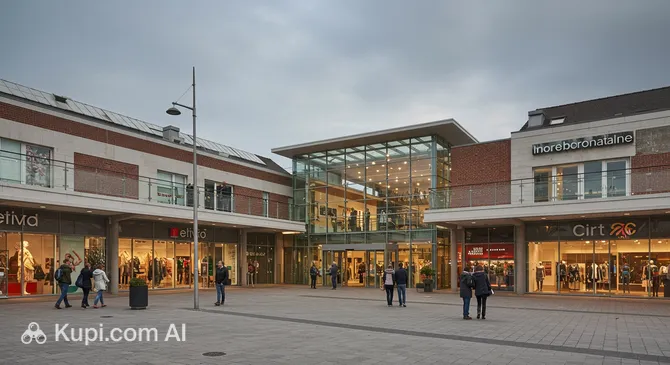
Ostend is widely regarded as the premier shopping destination on the Belgian coast, offering a vibrant mix of retail therapy and seaside relaxation. Unlike many other cities in the region, Ostend is famous for its "Sunday Shopping" culture, where most stores in the center remain open on Sundays and public holidays. This unique feature attracts visitors from far and wide who want to combine a day at the beach with a stroll through the latest fashion collections.
The heart of the action lies within the pedestrianized streets of the Ostend City Center. The Kapellestraat serves as the main commercial artery, lined with well-known international chains, beauty stores, and popular fashion brands. It is a bustling thoroughfare that connects the train station area to the central squares. For those seeking more upscale boutiques and exclusive designer labels, the nearby Adolf Buylstraat is the place to be. This elegant street offers a more refined shopping experience, featuring high-end clothing, jewelry, and chic accessories.
Ostend City Center. Illustration.
Source: Kupi.com AI
Traveler photos:
While the city center focuses on open-air shopping streets, there are indoor options as well. The Feest- en Kultuurpaleis, located on the Wapenplein, has been transformed into a modern shopping complex housing several major retailers. For a different type of experience, just a short distance from the center, you can visit the Bredene Shopping Center. This retail park offers a variety of larger stores, including supermarkets, electronics shops, and clothing outlets, making it a convenient stop for stocking up on essentials or finding specific items.
Bredene Shopping Center. Illustration.
Source: Kupi.com AI
Traveler photos:
Markets play a significant role in the local lifestyle. The weekly market takes place on Thursday mornings on the Wapenplein and the surrounding streets, offering everything from fresh produce and flowers to textiles and leather goods. For a truly authentic local experience, the "Vistrap" (Fish Stairs) near the harbor is an iconic daily market where you can buy fresh North Sea fish and the famous grey shrimp directly from the fishermen. During the summer months, evening markets and flea markets often pop up along the promenade, adding a festive touch to the shopping scene.
When looking for souvenirs to take home, Belgian chocolate is always a top choice, with renowned chocolatiers like Leonidas and Neuhaus having shops in the city. For something more specific to Ostend, look for "Ostendse Oesters" (oysters) or locally brewed beers. Maritime-themed items, such as high-quality model ships or seashell decorations, are also popular. Additionally, given the city's connection to the artist James Ensor, replicas of his famous masks or art prints make for unique and cultural gifts.
Standard opening hours for shops are typically from 10:00 AM to 6:00 PM, Monday through Saturday. As mentioned, Ostend is distinct because most shops in the tourist center also open on Sundays, usually with similar hours. Payment is convenient, with major credit and debit cards (Visa, Mastercard, Maestro) being widely accepted even for small amounts. Contactless payment is the norm, though keeping some cash for market stalls is advisable.
For visitors residing outside the European Union, a tax-free shopping scheme is available for purchases exceeding a certain amount in a single store. Look for the "Tax-Free" logo in shop windows and ask the staff for a refund form at the checkout. You will need to present your passport and the form at customs upon leaving the EU to claim your VAT refund.