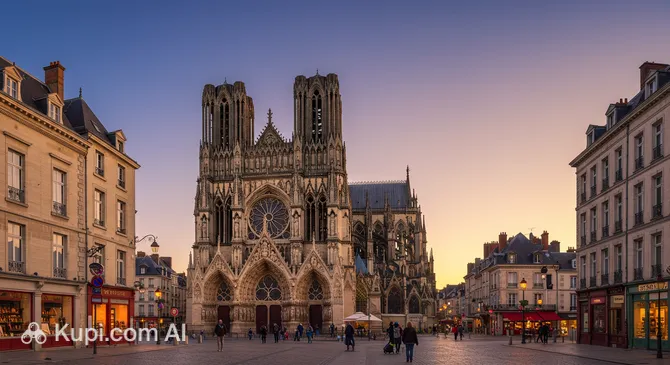
Reims is a captivating city located in the Grand Est region of France, renowned for its prestigious role in royal history and its world-class sparkling wines. Often referred to as the "Coronation City," it sits in the northeastern part of the country and serves as a vibrant cultural hub with a population of approximately 182,000 residents. The city offers a unique atmosphere where ancient heritage seamlessly blends with the lively spirit of a modern urban center.
Reims. Illustration.
Source: Kupi.com AI
The history of Reims is deeply intertwined with the French monarchy, as it was the traditional site for the crowning of kings for over a millennium. This legacy is most visible in the breathtaking Notre-Dame de Reims, a masterpiece of Gothic architecture and a UNESCO World Heritage site that dominates the city skyline. Visitors are also drawn to the city's extensive network of underground chalk cellars, where some of the world's most famous Champagne houses age their celebrated vintages.
Whether you are exploring the Roman-era Mars Gate or tasting exquisite local produce, Reims promises an unforgettable experience. It is an ideal destination for travelers seeking a mix of architectural grandeur, culinary excellence, and a welcoming French ambiance.
Weather Overview
Reims experiences a temperate oceanic climate, characterized by distinct seasons that offer different perspectives of the Champagne region. To help you pack appropriately for your trip, it is useful to review the specific patterns of the weather in Reims before you go. Generally, travelers can expect warm, pleasant summers and cool, frequently damp winters.
The summer months of June, July, and August are typically the most popular for visitors, with average temperatures ranging from 18°C to 20°C. July and August are the warmest, seeing daily highs around 25°C, making this an ideal time for exploring the city's architecture and surrounding vineyards. While this season is relatively drier, you should still anticipate about 9 to 11 days with some rainfall each month.
Winters, from December through February, are generally cold but rarely freezing, with average temperatures sitting between 4°C and 6°C. December is notably the dampest month in terms of frequency, with precipitation occurring on approximately 17 days, so a sturdy umbrella and warm layers are essential. Spring and autumn serve as mild transition periods, where temperatures gradually rise from around 7°C in March to 16°C in September, offering comfortable conditions for sightseeing.
Average monthly temperature
Average monthly precipitation
Interesting Facts
Beyond the famous cathedral and sparkling wine, Reims holds many fascinating secrets and historical milestones that often surprise visitors. Here are some intriguing details about the city that reveal its depth beyond the usual tourist trail.
Porte de Mars. Illustration.
Source: Kupi.com AI
Traveler photos:
The End of WWII Began Here: While the fall of Berlin is often the focus of history books, the unconditional surrender of the German forces was actually signed in Reims on May 7, 1945. The historic event took place in a technical college, and today you can see the "Map Room" preserved exactly as it was at the Museum of the Surrender.
A City on Chalk: Reims is built above a vast network of underground tunnels and caves known as crayères, carved out of the local chalk. Some of these subterranean passages, like the ancient Cryptoporticus, date back to the Gallo-Roman era and are now primarily used by champagne houses to age their wine at the perfect temperature.
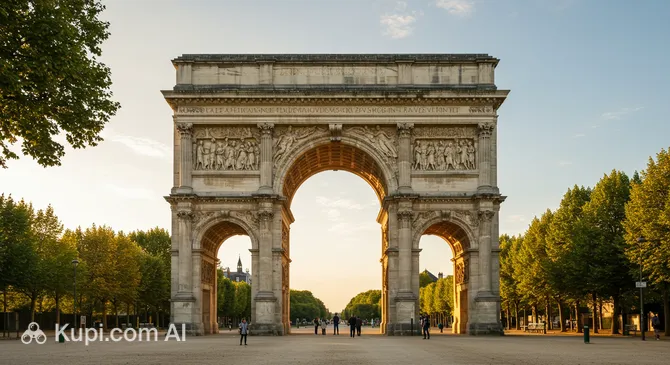
The Widest Roman Arch: The city boasts an impressive remnant of the Roman Empire, the Porte de Mars. Dating back to the 3rd century, it is considered the widest Roman arch still standing in the world, originally serving as one of the four monumental gates to the ancient city of Durocortorum.
Pink Biscuits for Champagne: Reims is the birthplace of the famous Biscuit Rose de Reims, created in the late 17th century. These distinctively pink, twice-baked cookies were specifically designed to be dipped into a glass of champagne without crumbling, a tradition that locals still cherish today.
How to Get There
Reaching the heart of the Champagne region is quite convenient thanks to its proximity to major French transport hubs. Whether you are arriving by air or rail, the city is well-connected to the rest of the country and Europe. For a comprehensive overview of all travel options and detailed routes, you can read more about how to get to Reims.
The city of Reims does not have its own international airport, but you can fly into Charles de Gaulle Airport (IATA: CDG) in the city of Paris, which is about 111.5 km from Reims. It is a large international hub offering connections to destinations worldwide. From there, a journey by taxi or bus takes approximately 190 minutes. Another option is Paris Orly Airport (IATA: ORY), also located in Paris, roughly 136 km away. This large airport is another major entry point, with a travel time by road of about 225 minutes. Travelers might also consider Charleroi Brussels South Airport (IATA: CRL) in Brussels, situated 137 km from the city.
For clarity, here is a summary of the main airports:
Traveling by train is an excellent way to arrive, with the Champagne-Ardenne TGV Station (IATA: XIZ) serving as a key gateway. Located directly in the Reims area, about 5.6 km from the city center, this station handles a significant number of passengers annually. From here, you can get a taxi or bus to the downtown area, which takes about 30 minutes. Another significant railway hub in the wider region is Gare de l'Est (IATA: XHP) in Paris. Although it is located 129.4 km away, it is a major departure point for high-speed trains heading towards the Champagne region.
Below is a list of railway stations in the vicinity:
Reims is a treasure trove of history and culture, boasting monuments that have witnessed the coronation of kings and the evolution of architectural styles. From towering Gothic masterpieces to elegant Art Nouveau villas, the city's landmarks offer a journey through time. Below are some of the most significant sites that you should not miss during your visit.
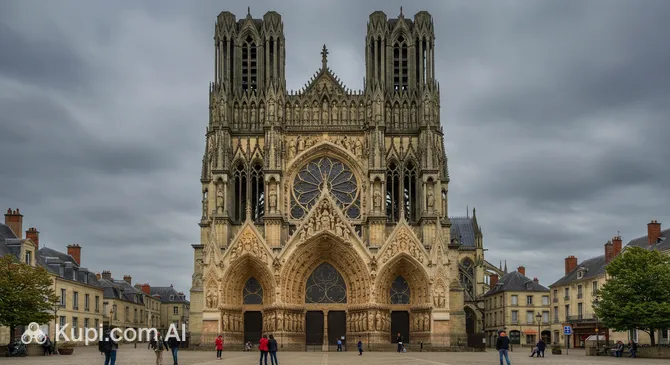
Undoubtedly the crown jewel of the city is the Reims Cathedral (Notre-Dame de Reims). This UNESCO World Heritage site is a masterpiece of High Gothic art and one of the most important religious buildings in France. It was here that 33 kings of France were crowned, a tradition lasting over 800 years. Visitors are captivated by its harmonious proportions, the stunning stained-glass windows—including modern designs by Marc Chagall—and the famous "Smiling Angel" statue on the façade.
Reims Cathedral. Illustration.
Source: Kupi.com AI
Traveler photos:
Just a short distance from the city center stands the Saint-Remi Basilica. While sometimes overshadowed by the cathedral, this immense church is equally impressive and historically significant. Dating back to the 11th century, it preserves the relics of Saint Remi, the bishop who baptized Clovis, King of the Franks. The interior offers a serene atmosphere with a beautiful blend of Romanesque and Gothic architectural elements, making it a peaceful retreat for history lovers.
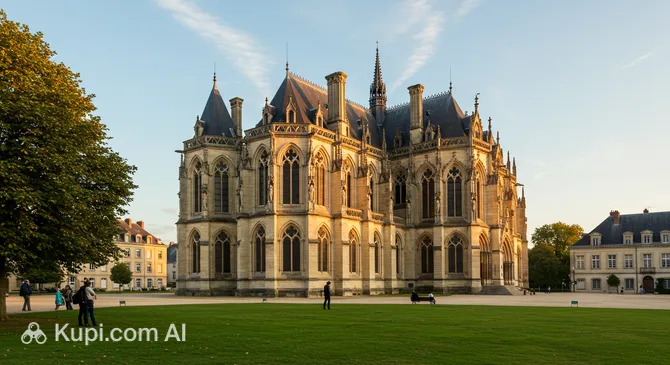
Located immediately adjacent to the cathedral is the Palace of Tau. Historically the residence of the Archbishop of Reims, this palace played a crucial role in the coronation ceremonies, hosting the grand banquets that followed the crowning. Today, it serves as a museum displaying the cathedral’s treasury, including tapestries, sculptures, and coronation regalia. Exploring its halls gives tourists a glimpse into the lavish events of the French monarchy.
Palace of Tau. Illustration.
Source: Kupi.com AI
Traveler photos:
For those interested in the region's sparkling legacy, the Veuve Clicquot Visitors Center offers an exceptional experience. This prestigious champagne house allows visitors to descend into its ancient chalk cellars, or crayères, which are listed as a UNESCO World Heritage site. Guided tours explain the intricate process of champagne production and the fascinating history of Madame Clicquot, the "Grande Dame" of champagne, followed by a tasting of their renowned cuvées.
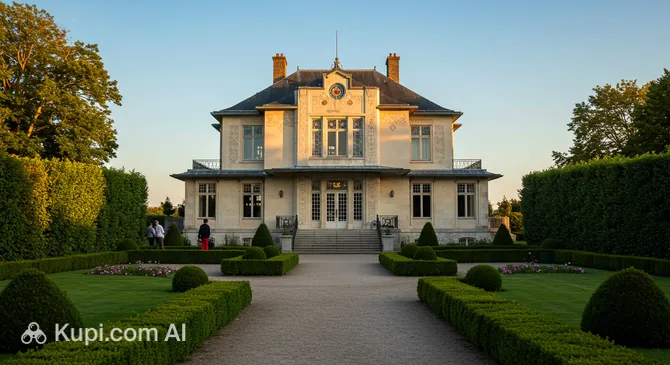
Architecture enthusiasts will find a unique gem in the Villa Demoiselle. Built in the early 20th century, this house is a stunning example of the transition between Art Nouveau and Art Deco styles. After extensive restoration, the villa opened to the public, showcasing exquisite craftsmanship, from custom furniture to intricate glasswork. A visit here offers a refined contrast to the medieval grandeur of the city's religious sites.
Villa Demoiselle. Illustration.
Source: Kupi.com AI
Traveler photos:
Local Cuisine
The culinary landscape of Reims is as refined and sparkling as the wine that has made the region famous. Gastronomy here is deeply rooted in the traditions of the Champagne-Ardenne area, characterized by high-quality local produce, artisanal craftsmanship, and a love for elegant flavors. While the city is the global capital of champagne, its food scene offers a variety of savory and sweet specialties that perfectly complement a glass of bubbly.
One of the most celebrated local delicacies is Jambon de Reims (Reims Ham). This culinary staple is made from pork shoulder that has been marinated in a seasoned broth and cooked slowly to achieve a tender texture. It is typically presented in a terrine, marbled with jelly and coated in golden breadcrumbs. Another condiment you will frequently encounter is Moutarde de Reims. Unlike standard mustards, this local variation is made using vinegar and white wine from the Champagne vineyards, giving it a silky texture and a distinctively vinous flavor profile.
For those with a sweet tooth, the iconic Biscuit Rose de Reims is essential. These pink, rectangular biscuits are twice-baked to create a crunchy texture that holds up perfectly when dipped into liquid. Traditionally, locals dip them into a glass of champagne, allowing the biscuit to absorb the wine without crumbling. Cheese lovers should look for regional favorites like the creamy Chaource or the orange-rinded Langres, both of which are excellent pairings for the local wines.
When it comes to drinks, Champagne naturally takes center stage. Whether you are visiting a grand house or a small grower, tasting the local vintage is a rite of passage. However, visitors should also try Ratafia de Champagne, a sweet fortified wine made from grape must and brandy, typically served as an aperitif or with dessert. It offers a rich, fruity alternative to the dry sparkling wines usually associated with the city.
Boulingrin Market Hall. Illustration.
Source: Kupi.com AI
Traveler photos:
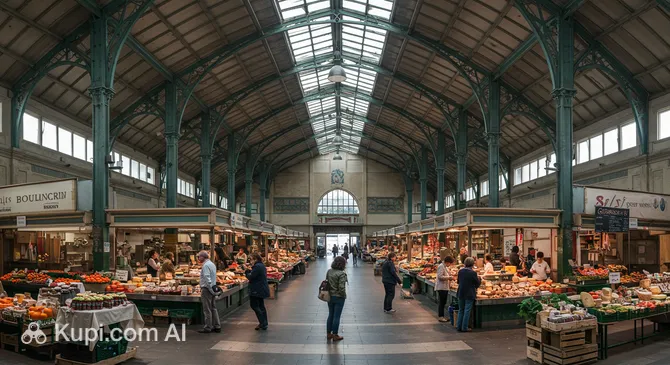
The food culture in Reims is vibrant and accessible, ranging from bustling markets to high-end gastronomy. A visit to the Boulingrin Market Hall is a must for foodies. This historic concrete structure houses a lively market where you can buy fresh regional produce, meats, and cheeses directly from producers. It is the perfect spot to assemble a picnic or simply soak up the local atmosphere.
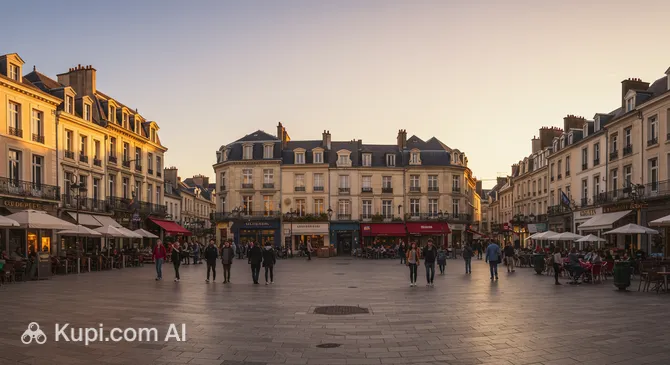
For a sit-down meal, the city center offers numerous options. The pedestrian-friendly Place Drouet d'Erlon is lined with brasseries and cafes with expansive terraces, making it a popular hub for dining and people-watching. If you are looking for exceptional fine dining, the region is home to prestigious establishments like L'Assiette Champenoise, known for its exquisite culinary artistry. For a more casual and trendy experience, places like Sacré Brunch offer modern menus that appeal to a younger crowd.
Travel Tips
Preparing for a trip to Reims is exciting, especially with the promise of rich history and world-class champagne, but a few practical preparations can make your visit even more enjoyable. Here is a curated list of essential tips to help you navigate the city with ease and confidence.
Clothing and Gear: Layering is essential in Reims. Even if you visit during the warm summer months, the underground chalk cellars (crayères) remain at a constant, cool temperature of around 10–12°C, so always bring a sweater or light jacket for tours. Comfortable walking shoes are a must for navigating the cobblestone streets and extensive cellar networks. When visiting religious sites like the cathedral, dress modestly with shoulders and knees covered. Don't forget a Type E power adapter for your electronics.
Transportation: The city center is compact and best explored on foot. For longer distances, the local CITURA network offers modern and efficient trams and buses; tickets can be easily purchased at tram stations. Taxis and ride-hailing apps are available for convenience. While you do not need a car to see the city itself, renting one is highly recommended if you plan to explore the scenic Champagne Route and visit vineyards in the surrounding countryside.
Finances: The official currency is the Euro (€). Major credit cards (Visa and Mastercard) are widely accepted in hotels, restaurants, and champagne houses. However, it is advisable to carry some cash for small purchases at local bakeries or markets. Tipping is not mandatory as a service charge is usually included in the bill (service compris), but leaving small change or rounding up is a polite gesture appreciated by locals.
Health and Safety: Reims is generally a very safe city for travelers. However, standard precautions against pickpocketing should be taken in crowded tourist areas and near the train station. Pharmacies are easily recognized by a flashing green cross sign; look for a "Pharmacie de Garde" list in windows for after-hours services. In case of an emergency, the universal European number is 112.
Communication: While French is the official language, English is widely spoken at major tourist attractions, hotels, and large champagne houses. It may be less common in smaller shops or local brasseries. Using basic French phrases like Bonjour (Hello), Merci (Thank you), and Parlez-vous anglais? (Do you speak English?) is considered respectful and helpful. Free Wi-Fi is often available in cafes, and SIM cards can be purchased at tobacco shops (Tabac) or mobile stores.
Local Etiquette: Politeness is key in France. It is customary to greet shopkeepers with a friendly "Bonjour" upon entering a store and "Au revoir" when leaving; failing to do so can be perceived as rude. When dining, remember that lunch is typically served strictly between 12:00 PM and 2:00 PM. Restaurants often close in the afternoon before reopening for dinner around 7:00 PM or 7:30 PM.
What to Avoid: Avoid touching fresh produce at street markets unless you see a sign permitting it; it is traditional to let the vendor select and serve the items for you. Additionally, do not be loud in public spaces or religious sites. The local atmosphere is generally calm and reserved, and speaking loudly is often frowned upon.
Champagne House Bookings: A specific tip for this city: do not wait until you arrive to book tours for the famous Champagne houses. Slots for prestigious estates like Veuve Clicquot or Pommery often fill up weeks in advance, especially during weekends and peak seasons. Booking online ahead of time guarantees your spot in the cellars.
With these practical tips in hand, you are well-prepared to immerse yourself in the elegance and culture of the Coronation City. Enjoy every sip of champagne and every moment of discovery in this enchanting destination!
Entertainment & Nightlife
While Reims is steeped in history and tradition during the day, the city transforms into a vibrant hub of activity once the sun goes down. Thanks to a large student population and a thriving champagne culture, the nightlife here is lively, diverse, and sophisticated. Whether you are looking for a quiet spot to sip a local vintage or a bustling venue to dance the night away, the city offers plenty of options to suit every mood.
The epicenter of evening entertainment is undoubtedly Place Drouet d'Erlon. This expansive pedestrian plaza is lined with an impressive array of bars, brasseries, and restaurants, their terraces spilling out onto the pavement. It is the perfect place to start your evening, surrounded by the buzz of locals and tourists alike. The atmosphere here is festive yet relaxed, making it safe and enjoyable for late-night strolls. On weekends, the energy ramps up, and the square becomes the primary meeting point for night owls.
Place Drouet d'Erlon. Illustration.
Source: Kupi.com AI
Traveler photos:
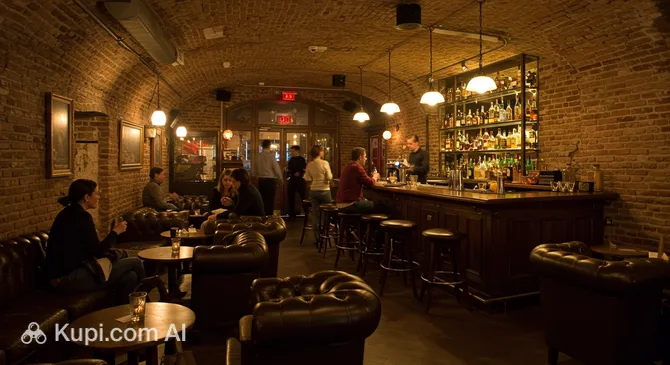
For those seeking a specific vibe, the city has several standout venues. If you appreciate craft beer and a modern, industrial aesthetic, Brique House is a popular choice. It combines a taproom feel with a lively crowd, offering a refreshing alternative to the traditional wine bars. Alternatively, for a more relaxed setting where you can enjoy drinks and conversation, L'Istanbul offers a welcoming environment often favored by locals for its friendly service and comfortable atmosphere.
Brique House. Illustration.
Source: Kupi.com AI
Traveler photos:
Music and performance enthusiasts should check the schedule at the Reims Arena. This modern multi-purpose venue hosts major concerts, sports events, and large-scale shows, drawing big names and large crowds. It is a cornerstone of the city's modern entertainment scene, located just a short distance from the center.
Practical Nightlife Tips:
Timing: The nightlife scene is most active on Thursday, Friday, and Saturday nights. Bars typically stay open until 1:00 AM or 2:00 AM, while nightclubs may operate until dawn.
Dress Code: The style in Reims is generally "casual chic." While you don't need formal wear for most bars, a smart-casual look fits in perfectly with the elegant backdrop of the city.
Getting Around: The city center, particularly around Place Drouet d'Erlon, is compact and walkable. For getting back to your hotel late at night, taxis are reliable, and ride-sharing apps are operational. It is advisable to book a taxi in advance on busy weekend nights.
Beyond the nightlife, Reims offers engaging daytime entertainment for families and thrill-seekers. If you are looking to burn off some energy or entertain children, the Trampoline Park Reims provides a fun, active break from sightseeing. Additionally, the city's cultural calendar is often filled with theater performances and exhibitions at local museums, ensuring that there is always something to do, regardless of the time of day.
Parks & Museums
Beyond its famous vineyards and royal monuments, Reims offers a refreshing array of green spaces and diverse cultural institutions. The city balances its urban energy with serene parks and museums that delve deep into local history and artistic expression, providing visitors with plenty of opportunities to relax or learn something new.
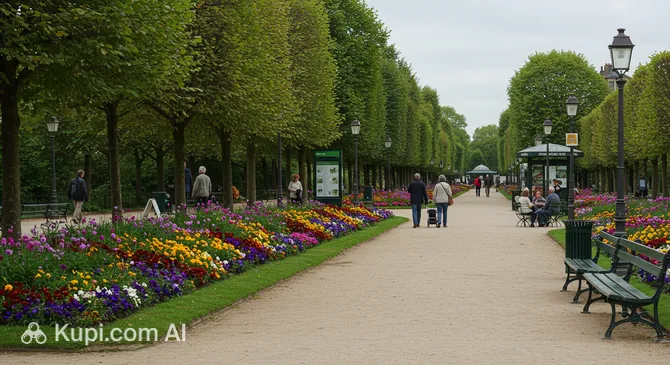
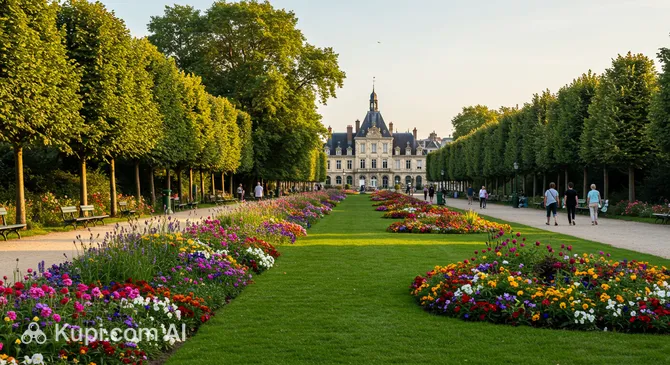
For a peaceful escape from the city center, the Champagne Park (Parc de Champagne) is the largest and most celebrated public garden in Reims. Located in the southern part of the city, this sprawling green oasis was originally created for the employees of the Pommery champagne house. Today, it serves as a magnificent landscape park featuring vast lawns, ancient trees, and botanical variety. It is a favorite spot for locals to enjoy picnics, jogging, or simply unwinding in nature, and it frequently hosts open-air concerts and festivals during the summer.
Champagne Park. Illustration.
Source: Kupi.com AI
Traveler photos:
Another excellent spot for outdoor activities is Léo Lagrange Park. Situated near the city's stadium, this park is designed for both relaxation and recreation. It features a large lake, well-maintained walking paths, and expansive playgrounds, making it particularly appealing for families. The park's layout includes a harmonious mix of wooded areas and open spaces, offering a picturesque setting for a leisurely afternoon stroll or a morning run.
Léo Lagrange Park. Illustration.
Source: Kupi.com AI
Traveler photos:
Reims is also home to exceptional museums that reflect its rich heritage. The Saint-Remi Museum is a must-visit for history enthusiasts. Housed in the former Royal Abbey of Saint-Remi, a UNESCO World Heritage site, the museum showcases a vast collection ranging from prehistoric artifacts to Renaissance art. Visitors can explore the abbey's stunning architecture, including the chapter house and cloister, while learning about the city's military history and archaeological past.
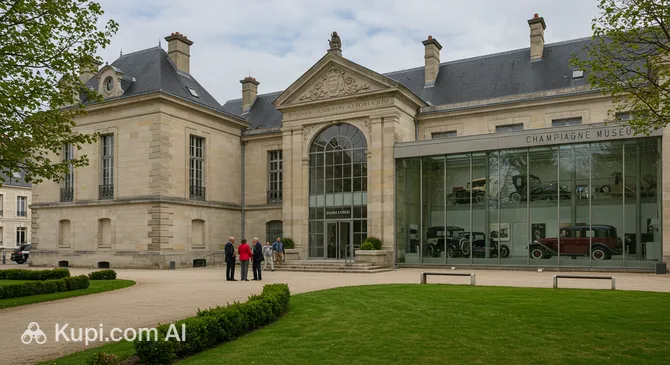
For a change of pace, the Reims Champagne Automobile Museum offers a fascinating journey through the history of transportation. This museum holds one of the most significant private collections of vintage vehicles in France, featuring over 160 cars and motorcycles dating from the early 20th century to the present day. It is a unique attraction that highlights the evolution of automotive design and engineering, appealing to car lovers and casual tourists alike.
Reims Champagne Automobile Museum. Illustration.
Source: Kupi.com AI
Traveler photos:
In addition to its parks and museums, the city boasts notable architectural landmarks that blend history with elegance. The Les Crayères Estate is a prime example of French "art de vivre." While primarily a luxury hotel and restaurant, the estate sits within a magnificent seven-hectare park that exemplifies classic French landscaping, offering a glimpse into the grandeur of the region's aristocratic past. For a view of modern religious architecture, the Reims Central Mosque stands out with its distinct design, contributing to the diverse architectural tapestry of the city.
For families traveling with children, an insider tip is to visit Jimbaloo Water Park Reims. Unlike traditional swimming pools, this indoor playground offers aquatic fun and games, providing a perfect indoor alternative for active entertainment, especially on rainy days.
Getting Around
Getting around Reims is straightforward and convenient, thanks to a well-integrated public transport network known as CITURA. This system efficiently connects the historic city center with the suburbs and the main railway stations, making it easy for visitors to navigate without a car. The network is anchored by a modern tramway system, easily recognizable by its vibrant, color-coded carriages that resemble champagne flutes. The tram lines (A and B) traverse the city from north to south, linking key locations such as the central train station (Gare Centre) and the Champagne-Ardenne TGV station located on the outskirts.
Complementing the trams is an extensive bus network that covers areas not reached by rail. The buses are comfortable and run frequently during the day, with slightly reduced schedules in the evenings and on Sundays. For late-night revelers, a nocturnal bus service called "Noctambus" operates on select lines, ensuring safe travel after regular hours. The entire fleet is designed to be accessible, with low floors for strollers and wheelchairs.
The ticketing system is unified, meaning the same ticket works for both trams and buses. Tourists can choose from several convenient options depending on the length of their stay. A standard 1-hour ticket allows for unlimited transfers within sixty minutes and costs approximately €1.70. For a full day of sightseeing, a 24-hour pass is a cost-effective choice, priced around €4.50, offering unlimited travel. Group passes and multi-trip booklets (10 tickets) are also available and can provide significant savings for families or groups.
Purchasing tickets is simple. You can buy them at automatic vending machines located at every tram station; these machines accept both coins and credit cards. Tickets are also available at the "Boutique Citura" near the central station or from bus drivers (though carrying exact change is recommended and slightly higher fees may apply on board). A convenient alternative is using the dedicated mobile app to buy "M-tickets" directly on your smartphone. Regardless of the ticket type, you must validate it every time you board a bus or tram by scanning it at the terminals near the doors to avoid fines.
Operating hours generally run from around 5:30 AM until just after midnight, though it is wise to check the specific schedules for weekends and holidays. Beyond public transit, the city center is remarkably compact and pedestrian-friendly. Most major attractions, including the cathedral and many restaurants, are within comfortable walking distance of each other. This makes walking one of the most pleasant ways to soak up the local atmosphere.
For those who prefer to cycle, the city offers a self-service bike rental scheme called Zébullo. These electric bikes are stationed at various points throughout the city and can be rented via a mobile app, providing a fun and eco-friendly way to explore the wider avenues and parks. Taxis are also available but are less commonly hailed on the street; it is better to find them at designated ranks near the train station or book one in advance via phone or ride-sharing apps.
Accommodation
Where to Stay:
Finding the perfect place to stay in Reims is relatively easy, as the city offers a diverse range of accommodation options to suit every preference and budget. Visitors can choose from charming bed-and-breakfasts, efficient modern chain hotels, and fully furnished apartments. For those seeking a touch of luxury, there are also high-end establishments, often housed in historic buildings, that provide an immersive experience into the region's elegant lifestyle.
The most popular area for tourists is undoubtedly the City Center (Centre-Ville). Staying here places you within walking distance of the magnificent cathedral, the bustling Place Drouet d'Erlon, and numerous restaurants. It is the ideal location for first-time visitors who want to soak up the atmosphere without relying heavily on public transport. Alternatively, the area around the Gare Centre (Central Train Station) is excellent for those arriving by rail or planning day trips to nearby vineyards, offering a blend of convenience and accessibility.
Reims Centre Comfort Aparthotel. Illustration.
Source: Kupi.com AI
Traveler photos:
If you are looking for a comfortable stay that combines the amenities of a hotel with the flexibility of an apartment, the Reims Centre Comfort Aparthotel is a notable option. Situated conveniently within the city, it caters to both short-term tourists and business travelers, providing a practical base for exploring the Champagne region. Establishments like this are particularly appreciated for their modern facilities and proximity to key transport links.
Regarding costs, Reims generally offers good value compared to Paris, though prices can vary significantly. Budget travelers can find affordable hostels and economy hotels, while mid-range options are plentiful. However, it is highly recommended to book in advance, especially if you plan to visit during the peak summer months (June to August) or the grape harvest season (usually September), when accommodation fills up quickly. Most bookings can be easily made via major online platforms or directly through hotel websites.
Nearby Cities
For those looking to explore the surroundings, Reims serves as an excellent base for day trips to several interesting nearby locations:
Located just a short distance away, Châlons-en-Champagne is often referred to as "Sparkling Venice" due to the picturesque canals of the Mau and Nau rivers that wind through its center. It is a delightful town for a boat tour and a stroll through the Jard, a set of three historic gardens. Visitors can also admire the impressive Saint-Étienne Cathedral and the collegiate church of Notre-Dame-en-Vaux, a UNESCO World Heritage site.
Another striking destination is Laon, famously known as the "Crowned Mountain." Perched atop a limestone hill, this medieval city offers spectacular panoramic views of the surrounding plains. It is dominated by the majestic Notre-Dame de Laon Cathedral, a masterpiece of early Gothic architecture. The upper town preserves a distinct medieval atmosphere with its ramparts and narrow cobblestone streets, making it perfect for history enthusiasts.
For those willing to travel a bit further, Charleville-Mézières offers a unique cultural experience. The city is renowned for the Place Ducale, a stunning 17th-century square that is considered one of the finest in France. It is also the birthplace of the poet Arthur Rimbaud and serves as a global hub for puppetry arts, hosting a famous international festival.
City
Population
Distance
Tinqueux
10 294
3 km
Epernay
22 433
25 km
Châlons-en-Champagne
44 379
41 km
Laon
24 710
45 km
Château-Thierry
15 351
52 km
These nearby destinations offer a glimpse into the diverse culture and landscapes of the region.
Shopping & Souvenirs
Shopping in Reims is a delightful mix of elegant tradition and modern convenience, offering everything from high-end fashion to exquisite local gastronomy. As the capital of the Champagne region, the city is naturally a paradise for wine lovers, but its commercial appeal extends far beyond sparkling wine. Visitors can stroll through pedestrian-friendly streets lined with independent boutiques, explore historic covered markets, or visit contemporary shopping centers, all while soaking in the city's architectural beauty.
The heart of the city's retail activity is concentrated around the pedestrianized Rue de Vesle and the vibrant Place Drouet d'Erlon. Rue de Vesle is the main commercial artery, home to the iconic Galeries Lafayette department store and various international fashion chains. Branching off from these main thoroughfares, the antique district around Rue de Tambour and the upscale boutiques on Cours Jean-Baptiste Langlet offer a more specialized shopping experience, perfect for finding unique clothing, jewelry, and home decor.
For those who prefer a concentrated shopping experience under one roof, the city center features the Espace d'Erlon. This shopping gallery is conveniently located near the main plaza and houses a variety of fashion, beauty, and multimedia stores. If you are looking for a larger retail park with a wider selection of major brands and furniture stores, CHAMPÉA Shopping is a massive complex located just outside the city in Thillois, easily accessible by car or public transport.
Espace d'Erlon. Illustration.
Source: Kupi.com AI
Traveler photos:
No shopping trip to Reims is complete without visiting its markets, which are the soul of the local culinary scene. The historic Boulingrin Market Hall is an architectural gem and a must-visit for foodies. Under its impressive concrete arch, you will find stalls overflowing with fresh regional produce, artisanal cheeses, and meats. It is the ideal place to mingle with locals and discover the authentic flavors of the region, particularly on Wednesday, Friday, and Saturday mornings.
When it comes to souvenirs, Champagne is the obvious choice, with numerous wine shops (cavistes) offering expert advice and rare vintages that you might not find elsewhere. Beyond wine, the famous Biscuit Rose de Reims is a signature local treat; these pink biscuits are traditionally dipped in champagne and can be bought in beautiful tins from Maison Fossier. Other excellent gifts include Moutarde de Reims (Clovis mustard) made with wine vinegar, and the savory Reims ham.
Store opening hours in Reims generally follow standard French customs. Most shops are open from Monday to Saturday, typically between 10:00 AM and 7:00 PM. Smaller independent boutiques may close for a lunch break around 12:00 PM to 2:00 PM, although department stores and malls usually remain open throughout the day. Sunday closures are the norm, except for food markets and some small convenience stores. Credit and debit cards (Visa and Mastercard) are widely accepted, even for small amounts, though having some cash for markets is advisable.
Travelers residing outside the European Union may be eligible for a tax refund (détaxe) on purchases. If you spend a certain amount (typically over €100) in a single store on the same day, you can ask the retailer for a tax-free form. Look for the "Tax-Free Shopping" sign in store windows to identify participating merchants and ensure you have your passport with you to process the paperwork.