Support

Antwerp

About

Antwerp is a vibrant metropolis that effortlessly combines medieval charm with a cutting-edge fashion scene and a bustling port atmosphere. As the second-largest city in Belgium, it stands as a major cultural and economic hub in the region of Flanders. Known for its friendly locals and cosmopolitan vibe, the city offers a unique experience for every traveler, blending historic grandeur with modern innovation.

Strategically located on the banks of the River Scheldt, Antwerp has long been a vital gateway to Europe. With a population of over 500,000 residents, it feels lively and dynamic yet remains easy to explore. The city's maritime heritage is palpable, influencing everything from its distinct architecture to its diverse cuisine.
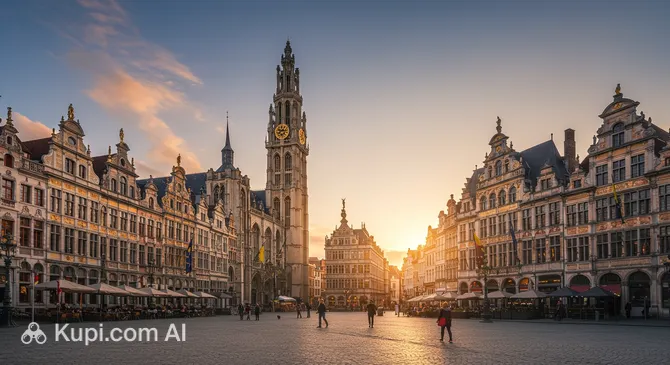
Antwerp. Source: Kupi.Binoculars

The history of Antwerp is rich and multifaceted, dating back to the Middle Ages when it blossomed into one of the most important trading centers on the continent. Art lovers will recognize it as the home of the Baroque master Peter Paul Rubens, whose artistic legacy is beautifully preserved in the city's many museums, historic houses, and churches.

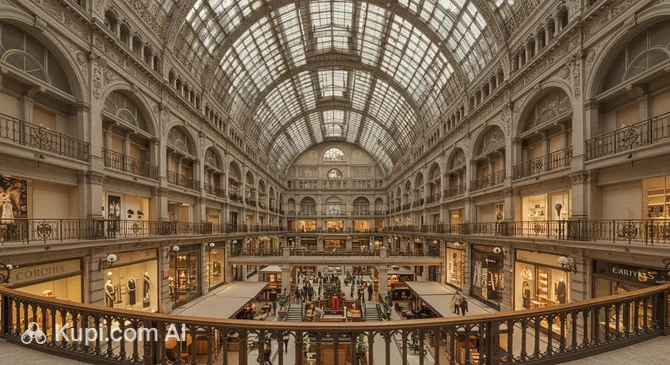
Today, the city is world-renowned for its Diamond District, where a significant portion of the world's rough diamonds are traded, earning it the title of the "Diamond Capital of the World." Fashion enthusiasts flock here to explore trendy boutiques and the legacy of the famous "Antwerp Six" designers. Visitors should not miss the stunning Cathedral of Our Lady, which dominates the skyline, or the magnificent Antwerp Central Station, often cited as one of the most beautiful railway stations globally.

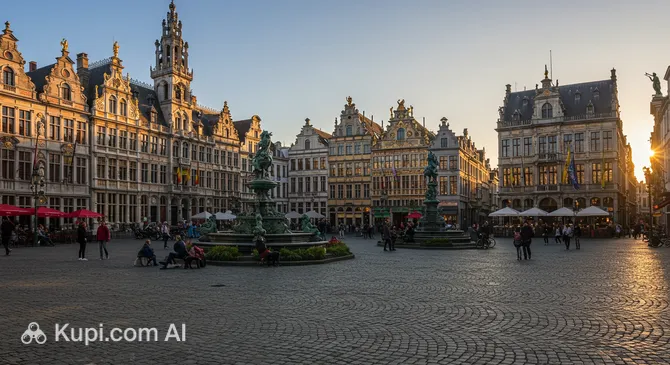
Whether you are here to shop for luxury goods, admire Flemish art, or simply enjoy a local beer on a terrace in the Grote Markt, Antwerp welcomes you with open arms. It is a destination that promises unforgettable memories and endless discovery for every type of visitor.
Weather Overview

Antwerp experiences a temperate maritime climate, characterized by mild temperatures and regular rainfall throughout the year. The weather is generally moderate, avoiding extreme heat or bitter cold, which makes the city a viable destination at any time. For travelers planning their wardrobe, checking the detailed weather in Antwerp is recommended to prepare for the city's changeable conditions.

During the summer months of June through August, the city enjoys pleasant warmth perfect for outdoor activities. August is typically the warmest month, with average temperatures around 19.1°C and highs reaching up to 23.2°C. Conversely, winters from December to February are chilly but rarely freezing for long periods; January sees average temperatures of 4.8°C with lows dipping to approximately 2.7°C.

Precipitation is fairly consistent year-round, so packing a raincoat or umbrella is always a wise choice. The number of wet days ranges from about 11 days in months like April and June to a peak of 16 wet days in December. Expect comfortable, warm summers with occasional rain and cool, often damp winters.

Interesting Facts

Beyond the well-known historic center and the sparkling Diamond District, Antwerp holds many fascinating secrets waiting to be discovered. Dig a little deeper into the city's heritage to uncover these surprising stories and unique features.
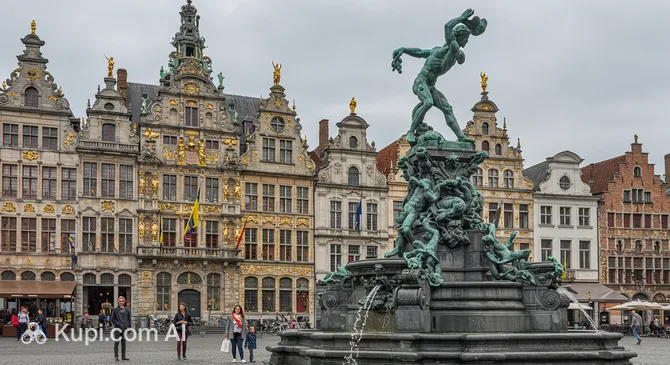
Brabo Fountain. Source: Kupi.Binoculars
  • According to local legend, the city's name is derived from the Dutch phrase "hand werpen," meaning "to throw a hand." The story goes that a mythical Roman soldier named Silvius Brabo cut off the hand of a giant who terrorized the river and threw it into the Scheldt, a scene immortalized by the statue at the Brabo Fountain.

  • Antwerp is home to the only museum in the world that is inscribed on the UNESCO World Heritage list as a museum. The Plantin-Moretus Museum houses the two oldest surviving printing presses in the world and offers an incredible glimpse into the history of book printing.

  • You can cross the Scheldt River on foot without seeing the water or using a bridge. St. Anna's Tunnel, built in the 1930s, allows pedestrians and cyclists to pass under the river and still features its original, fully functional wooden escalators, which are a rare historical curiosity.

  • The city boasts what is often considered the first skyscraper in Europe. The Boerentoren, or "Farmer's Tower," was completed in 1932 and stands as an Art Deco masterpiece that dominated the skyline long before modern high-rises appeared on the continent.

How to Get There

Reaching this vibrant Flemish city is straightforward thanks to its excellent connectivity with the rest of Europe. Whether you are arriving by air or rail, you have several convenient options to choose from. For a comprehensive guide on all transport options and routes, read more about how to get to Antwerp.

For international travelers, the most common entry point is Brussels Airport (BRU), located in the city of Brussels, approximately 36 km from Antwerp. It is the country's primary hub, handling a large volume of international flights. From here, a taxi or shuttle transfer typically takes around 75 minutes. Another popular option for budget travelers is Charleroi Brussels South Airport (CRL), also situated near Brussels but further out, about 85 km from Antwerp. The journey by road from Charleroi generally takes close to 2.5 hours depending on traffic. While the city does have its own Antwerp International Airport (ANR), located just 4.6 km from the center, it serves a smaller number of flights compared to the major hubs.

For clarity, here is a summary of the main airports:

Airport Name City Passenger Traffic Km from City
Brussels Airport Brussels Very High 35.8
Charleroi Brussels South Airport Brussels High 84.7
Eindhoven Airport Eindhoven Medium 71.6
Rotterdam The Hague Airport Rotterdam Medium 81.9
Antwerp International Airport Antwerp Low 4.6

Traveling by train is one of the most scenic and efficient ways to arrive. The city is served by the magnificent Antwerp Central Station, widely regarded as one of the most beautiful railway stations in the world. Conveniently located just 0.6 km from the heart of the city, it connects Antwerp to major European capitals and local destinations. Another key stop within the city limits is Berchem Railway Station, situated about 2.5 km from the center, which serves as an important transit stop for many commuters.

Below is a list of nearby railway stations and transport hubs:

Station City Passenger Traffic Km to Center
Brussels-North Bus Station Brussels Very High 40.2
Brussels Midi Station Brussels Very High 43.2
Antwerp Central Station Antwerp High 0.6
Mechelen Station Mechelen Medium 22.9
Berchem Railway Station Antwerp Medium 2.5

Main Attractions

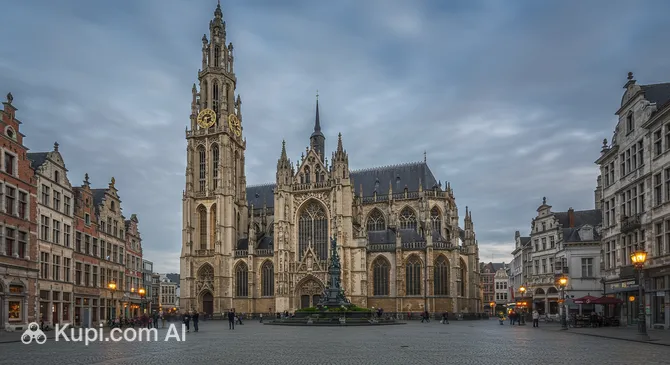
Antwerp offers a fascinating mix of historic landmarks and modern architectural marvels, ensuring that every visitor finds something to admire. A tour of the city often begins with the majestic Cathedral of Our Lady, the largest Gothic church in the Low Countries. Its soaring spire dominates the skyline and serves as a point of orientation throughout the city. Inside, art enthusiasts are treated to four masterpieces by Peter Paul Rubens, making it not just a place of worship but a significant gallery of Flemish Baroque art.

Cathedral of Our Lady. Source: Kupi.Binoculars

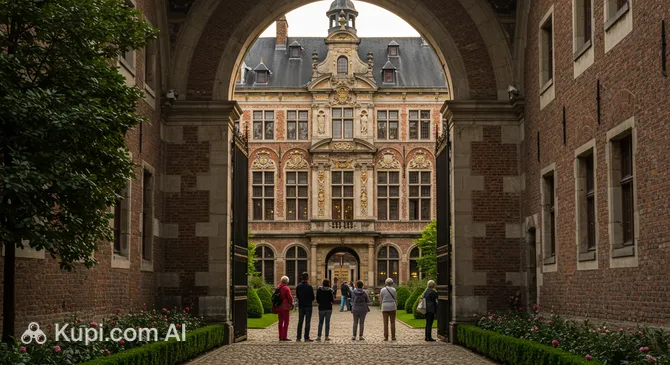
For those interested in the life of the city's most famous son, the Rubens House is an essential stop. This Italianate palazzo was the home and studio of Peter Paul Rubens for many years. Visitors can walk through the rooms where the master lived and worked, view his personal art collection, and stroll through the beautiful courtyard garden. It offers an intimate glimpse into the lifestyle of a 17th-century artist-diplomat.

Rubens House. Source: Kupi.Binoculars

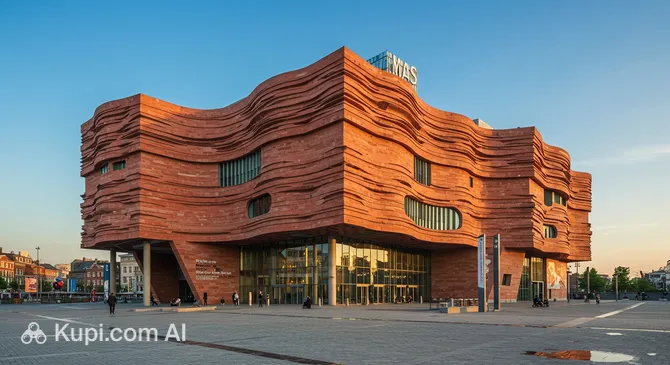
Moving from the historic to the contemporary, the Museum aan de Stroom, commonly known as MAS, stands as a striking example of modern architecture in the hip Eilandje district. The museum tells the story of Antwerp's connection to the world through its port and people. One of its main draws is the rooftop terrace, which provides a breathtaking 360-degree panoramic view of the city and the river Scheldt, accessible to the public for free.

Museum aan de Stroom. Source: Kupi.Binoculars

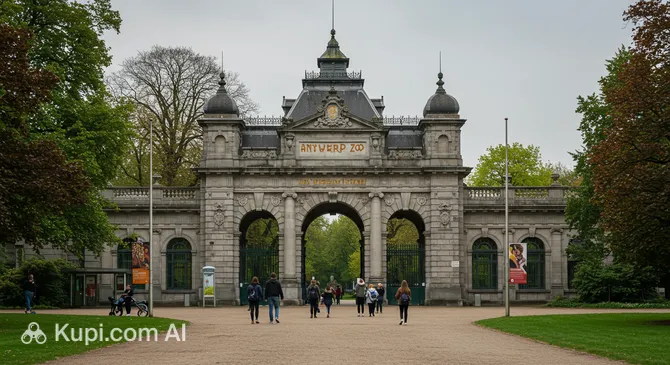
Families and nature lovers will find a haven right next to the central train station at the Antwerp Zoo. Established in 1843, it is one of the oldest and most prestigious zoos in the world. It is renowned not only for its conservation efforts and diverse animal collection but also for its stunning 19th-century architecture and beautifully landscaped gardens, offering a peaceful escape in the heart of the bustling city.

Antwerp Zoo. Source: Kupi.Binoculars

Another deeply moving site is the Red Star Line Museum, located in the original sheds of the shipping company that transported millions of emigrants from Europe to America. Through personal stories, photos, and artifacts, the museum vividly reconstructs the journey of those seeking a new life across the ocean. It is a poignant reminder of the city's pivotal role in global migration history.

Local Cuisine

Antwerp’s culinary scene is a delightful reflection of its "Burgundian" lifestyle, where good food and drink are celebrated with passion. The city offers a mix of traditional Flemish comfort food and innovative gastronomy. A sweet symbol of the city is the famous Antwerpse Handjes (Antwerp Hands). These small hand-shaped cookies or chocolates refer to the legend of Brabo and are the perfect souvenir to pair with a cup of coffee.

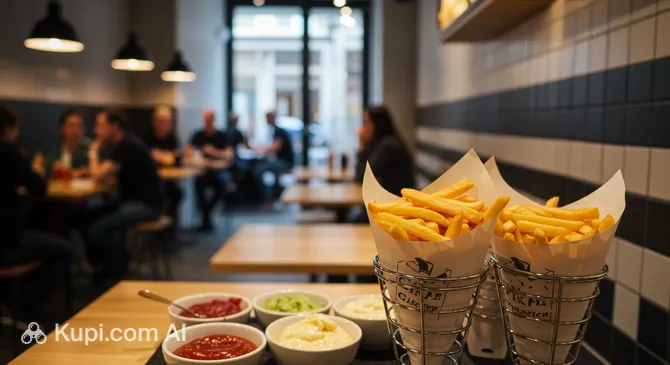
No visit to this region is complete without tasting authentic Belgian fries. For a gourmet twist on this classic snack, travelers should visit Frites Atelier, where the humble fry is elevated with premium toppings and sauces. Beyond street food, the city is known for moules-frites (mussels with fries) and Filet d'Anvers, a delicious cured and smoked beef specialty that is often served as an appetizer.

Frites Atelier. Source: Kupi.Binoculars

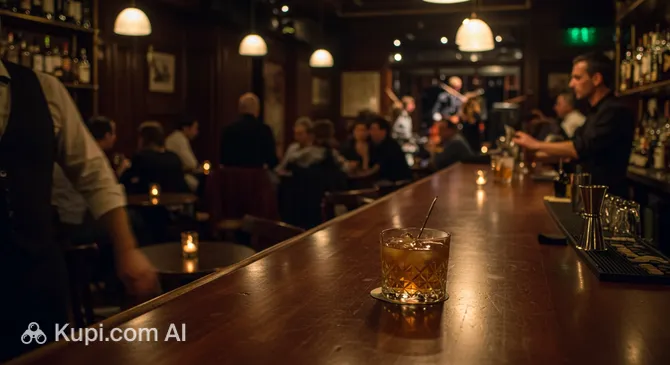
When it comes to beverages, the local beer culture is legendary. The city's signature brew is the De Koninck, often ordered simply as a "Bolleke" due to the shape of the glass it is served in. For those who prefer spirits, jenever is a traditional favorite. The nightlife also boasts exceptional spots; for instance, De Muze is a renowned jazz café where locals gather for live music and a relaxed atmosphere, while Dogma offers a more specialized cocktail experience.

De Muze. Source: Kupi.Binoculars

Dining in Antwerp ranges from cozy brown cafés to high-end restaurants. In the warmer months, the terraces at Groenplaats fill up with people enjoying the view of the cathedral while sipping a drink. Whether you are looking for a quick bite at a "frituur" or a multi-course dinner, the city's diverse food landscape invites you to explore and indulge.

Travel Tips

Welcome to Antwerp, a city where medieval charm meets modern cool. To help you navigate the cobbled streets and vibrant districts with ease, we have compiled a list of essential practical tips that will ensure your visit is as smooth and enjoyable as possible.

  1. Clothing and Gear

    The weather in Antwerp can be quite changeable, so layering is your best strategy. Bring a waterproof jacket and a sturdy umbrella, even in summer. Since the historic center features many cobblestone streets, pack comfortable walking shoes and leave high heels for indoor events. Belgium uses Type E power outlets (standard European two-pin plugs), so bring a universal adapter if your devices require one.

  2. Transportation

    The city center is compact and best explored on foot or by bicycle. For longer distances, the public transport network, run by De Lijn, offers an efficient system of trams and buses; you can pay via contactless card on the vehicle or buy tickets via an app. Renting a car is generally unnecessary and can be a hassle due to the Low Emission Zone (LEZ) and expensive parking. If you need a taxi, look for official stands or use ride-hailing apps like Uber.

  3. Finances

    The currency is the Euro (€). While credit cards (Visa and Mastercard) are widely accepted in hotels, restaurants, and major shops, some smaller boutiques or cafés may still prefer debit cards (Bancontact/Maestro) or cash. It is wise to carry some coins for public toilets or small purchases. Tipping is not mandatory as a service charge is included in the bill, but rounding up the amount or leaving a few euros for good service is appreciated.

  4. Health and Safety

    Antwerp is generally a safe city, but like any major hub, it is smart to keep an eye on your belongings in crowded areas like the Meir shopping street or around Central Station. Pharmacies are marked with a green cross and are plentiful; for urgent medical help, dial 112. Tap water is perfectly safe to drink and of high quality.

  5. Communication

    The official language is Dutch (specifically the Flemish dialect), but the level of English proficiency among locals is exceptionally high. You will have no trouble communicating in English in shops, museums, and restaurants. However, starting a conversation with a polite "Hallo" (Hello) or "Dank u" (Thank you) is a nice gesture that locals respect. Free Wi-Fi is available in many public squares and cafes.

  6. Local Etiquette

    Belgians value politeness and modesty. When entering a shop, it is customary to greet the staff. In public transport, keep your voice down and offer your seat to elderly passengers. Punctuality is important here; if you have a reservation or an appointment, try to arrive on time or slightly early.

  7. What to Avoid

    Never walk in the bike lanes. Cyclists in Antwerp move fast and treat their lanes like roads; stepping into them without looking is dangerous and frowned upon. Also, avoid comparing the city too heavily to Brussels or Bruges; people in Antwerp are very proud of their distinct identity and unique atmosphere.

  8. Shopping Hours

    Be aware that most shops are closed on Sundays, which is traditionally a rest day. However, the city hosts "Koopzondagen" (Shopping Sundays) on the first Sunday of every month, where shops in the center open their doors. Plan your souvenir hunting accordingly to avoid disappointment.

With these tips in your pocket, you are ready to dive into the Antwerp experience with confidence. Relax, enjoy the local hospitality, and let the city's unique rhythm guide you through a memorable journey.

Entertainment & Nightlife

Antwerp comes alive after sunset, offering a nightlife scene that is as diverse and stylish as the city itself. From trendy cocktail bars and thumping techno clubs to cozy "brown cafés" that have served beer for centuries, the city caters to every taste. The atmosphere is generally relaxed yet sophisticated, with a strong emphasis on enjoying good company and excellent drinks.

The nightlife geography is spread across several key districts, each with its own distinct vibe. 't Zuid (The South) is the place to be for a chic and trendy crowd. Here, you will find upscale wine bars and cocktail lounges surrounding the Leopold de Waelplaats. In contrast, the Historic City Center, particularly around the Grote Markt and Groenplaats, is home to traditional pubs perfect for sampling Belgian beers in a casual setting. For those seeking late-night clubbing, the Eilandje district near the port has transformed into a hotspot for electronic music and larger venues.

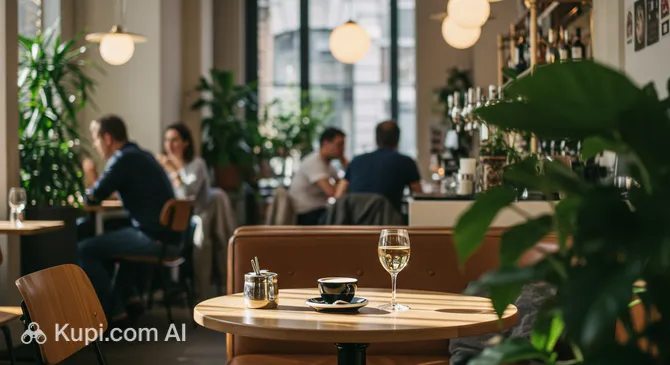
If you are looking for a unique spot to enjoy the evening, Humm is a fantastic choice. Located in a vibrant part of the city, it offers a blend of great food and drinks in a setting that reflects Antwerp's modern creative spirit. The venue is known for its welcoming atmosphere, making it an ideal starting point for a night out.

Humm. Source: Kupi.Binoculars

For those who prefer a more energetic experience, Joyt Antwerp provides a dynamic setting for dancing and socializing. It captures the essence of the city's club scene, where local DJs often spin a mix of house and techno. Dress codes in Antwerp are generally "smart casual"—most doormen are friendly, but looking neat is appreciated, especially in the trendier clubs of 't Zuid and Eilandje.

Music lovers should also keep an eye on the schedule at the Lotto Arena. This major venue hosts large-scale concerts and events, attracting international artists and offering a great night of entertainment for those who enjoy live performances on a grand stage.

Practical Advice: The nightlife typically kicks off around 10:00 PM for bars, while clubs start filling up after midnight. Prices are reasonable compared to other major European cities; expect to pay around €3-€5 for a beer and €10-€15 for a cocktail. Public transport runs late, but for peace of mind in the early hours, taxis are readily available. Apps like Uber work well, or you can find taxi stands at major squares.

Safety: Antwerp is generally safe at night, especially in the busy entertainment districts. However, it is wise to stay in well-lit areas and avoid walking alone through the quieter parts of the port area or deserted parks late at night. The police presence is visible and helpful if needed.

While the nights are exciting, the city also offers plenty of daytime entertainment beyond the usual museums. Families with children can visit Speelmijntje Indoor Playground Boechout, a wonderful facility just outside the center where kids can burn off energy in a safe environment. Whether you are catching a play at a local theater or exploring the city's hidden alleys, Antwerp keeps you entertained around the clock.

Parks & Museums

While Antwerp is famous for its fashion and diamonds, the city also boasts an impressive array of green spaces and world-class cultural institutions that offer a respite from the urban bustle. Whether you are looking to admire Flemish masterpieces or relax by a pond, the city provides a perfect balance of art, history, and nature.

For a breath of fresh air in the city center, the Stadspark is the most convenient escape. This triangular park, designed in an English landscape style, features a large pond and winding paths that are popular with joggers and families. It serves as a central green lung, connecting different neighborhoods and offering a peaceful spot for a picnic.

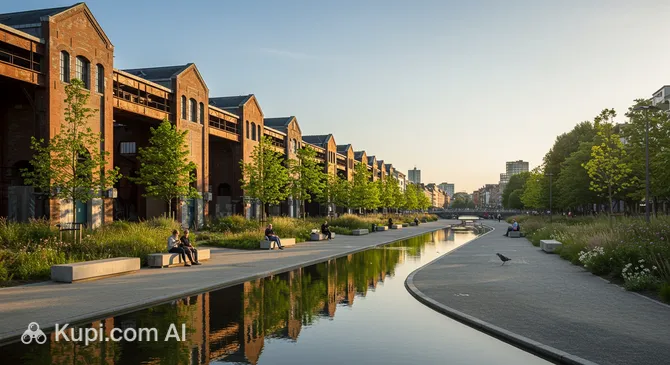
A striking example of modern urban renewal is Park Spoor Noord. Once an old railway marshalling yard, this vast area has been transformed into a contemporary landscape park. It is a favorite among locals, especially in summer, thanks to its expansive lawns, water fountains for children to play in, and a popular summer bar that hosts events.

Park Spoor Noord. Source: Kupi.Binoculars

If you prefer a waterfront setting, head to the Left Bank (Linkeroever) to visit Sint Anneke Beach. Although it is a river beach on the Scheldt, it offers a genuine seaside atmosphere with panoramic views of the Antwerp skyline, marinas, and plenty of restaurants serving mussels.

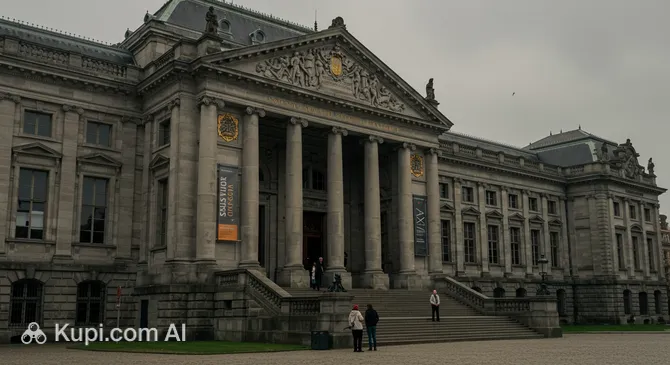
Culturally, the city is a heavyweight. The Royal Museum of Fine Arts Antwerp (KMSKA) is a must-visit for art lovers. Recently reopened after a massive renovation, this architectural gem houses a spanning collection that ranges from the Flemish Primitives and Rubens to modern art, showcasing seven centuries of artistic excellence.

Royal Museum of Fine Arts Antwerp. Source: Kupi.Binoculars

Photography enthusiasts should not miss FOMU - Photo Museum Antwerp, located in the trendy Zuid district. Housed in a converted warehouse, it presents changing exhibitions of both historical and contemporary photography, making it one of the most dynamic visual arts venues in Europe.

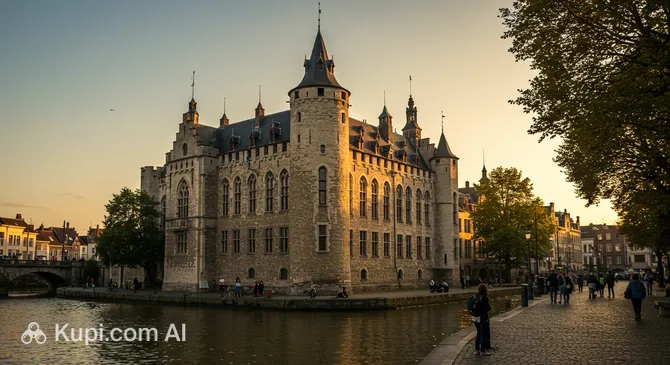
Stepping back into history, Het Steen stands as the oldest building in Antwerp. This medieval fortress on the riverbank has been recently renovated and now serves as a visitor center and cruise terminal, offering an interactive trail about the city's history.

Het Steen. Source: Kupi.Binoculars

Another architectural marvel is the Saint Charles Borromeo Church. Known as the quintessential Rubens church, the Baroque master played a significant role in designing its facade and tower. Its interior is lavishly decorated, reflecting the wealth and artistic sensibility of 17th-century Antwerp.

For a lesser-known gem, venture a bit further out to see Den Brandt Castle. Located within the Nachtegalen Park complex, this site offers a more aristocratic park experience with beautiful gardens and a sculpture park, perfect for a quiet afternoon walk away from the tourist crowds.

Getting Around

Public transport in Antwerp is efficient, extensive, and the best way to navigate the city alongside walking and cycling. The network is operated by De Lijn and consists primarily of trams and buses. The tram system is the backbone of the city's transit, connecting the historic center with the suburbs and major train stations. A unique feature of Antwerp's transport is the Pre-metro, a network of trams that travel underground in the city center, offering the speed of a subway with the convenience of a streetcar once they emerge above ground.

For tourists, the payment system is designed to be user-friendly. The most convenient way to pay is by using contactless payment directly on the vehicle. You can simply tap your contactless debit or credit card (Visa, Mastercard) or a smartphone with Google Pay or Apple Pay on the white terminals found near the entrances of trams and buses. A single ticket purchased this way costs approximately €2.50 and is valid for 60 minutes, allowing for unlimited transfers within that window. Alternatively, you can purchase tickets via the De Lijn app or at ticket machines located at major stops. If you plan to explore extensively, consider buying a dedicated day pass or the Antwerp City Card, which includes unlimited use of public transport for the duration of the card's validity.

Validation is crucial if you are using a physical paper ticket or a multi-ride card purchased from a machine or shop; always scan your ticket at the yellow validation machines immediately upon boarding. If you are paying contactlessly at the white terminal, the tap itself serves as validation. Ticket inspections are frequent, and fines for travelling without a valid ticket can be steep. Most trams and buses run from around 5:30 AM until midnight. On Fridays and Saturdays, there is a limited night network that operates later, ensuring you can get home safely after enjoying the local nightlife.

Beyond standard trams and buses, Antwerp offers excellent alternative modes of transport. The city is incredibly bike-friendly, and the shared bicycle system, Velo Antwerpen, is perfect for short trips. You will see the distinctive red bikes stationed all over the city; tourists can easily purchase a day or week pass online to access them. Taxis are available but can be expensive; they generally do not stop when hailed on the street, so it is better to find a designated taxi stand or use an app like Uber. Car-sharing platforms like Poppy and Cambio are also widely available for those who prefer to drive themselves.

A special mention must be made of the DeWaterbus, a scenic and practical water bus service that sails along the River Scheldt. It connects the city center (starting from Steenplein) with the northern port area and southern towns like Kruibeke and Hemiksem. It is not only a functional way to commute but also offers visitors a fantastic and affordable perspective of Antwerp's skyline from the water, making it a "must-do" for any transport enthusiast.

Accommodation

Finding the perfect place to stay in Antwerp is easy, as the city offers a diverse range of accommodation options to suit every budget and travel style. Whether you are looking for a luxurious suite in a historic building, a reliable mid-range chain hotel, or a cozy bed and breakfast, the city’s hospitality sector is well-developed. For budget travelers and backpackers, there are also several modern hostels that provide affordable and social environments.

The most popular area for tourists is undoubtedly the Historic City Center. Staying here puts you within walking distance of the main sights, medieval squares, and the best shopping streets. Hotels located near Groenplaats are particularly convenient, as this bustling square serves as a central hub with easy access to the cathedral and public transport. It is an excellent choice for first-time visitors who want to be immersed in the city's vibrant atmosphere from the moment they step out the door.

Groenplaats. Source: Kupi.Binoculars

Another strategic location is the Station District (Diamond District), situated around the magnificent Central Station. This area is perfect for those arriving by train or planning day trips to other Belgian cities. It offers a high concentration of hotels, ranging from budget-friendly options to business-oriented establishments. Alternatively, for a trendier vibe, consider the 't Zuid district or the Eilandje neighborhood. These areas are known for their art galleries, museums, and lively dining scenes, offering a more local and contemporary experience away from the main tourist crowds.

Booking Tips: Antwerp is a popular destination year-round, but hotels can fill up quickly during major fashion events, festivals, or the summer peak season. It is highly recommended to book your accommodation well in advance to secure the best rates and availability. If you plan to visit in December for the Christmas markets, early planning is also essential.

Prices and Booking: Accommodation prices are generally comparable to other Western European cities. You can expect to pay anywhere from €30-€50 per night for a hostel bed, while mid-range double rooms typically range from €100 to €150. Luxury options can go upwards of €200 per night. Most properties can be easily booked via major online platforms, though booking directly through a hotel's website can sometimes offer additional perks or better cancellation policies.

Nearby Cities

For those looking to explore the surroundings, Antwerp serves as an excellent base for day trips to several interesting nearby locations. While the city center has plenty to offer, the immediate outskirts and neighboring towns provide a different perspective on local life, ranging from vast green spaces to vibrant cultural hubs.

One notable destination is Deurne, located just a few kilometers from the city center. It is best known for the Rivierenhof, the largest park in the Antwerp region. This green oasis is perfect for a relaxing afternoon, featuring walking trails, a castle, and an open-air theater. It offers a refreshing escape from the urban hustle without requiring a long journey.

Another fascinating area is Borgerhout, often referred to as "BoHo" by locals. This district is famous for its multicultural atmosphere and dynamic energy. A major highlight here is De Roma, a beautifully restored historic cinema and concert venue that dates back to the 1920s. A visit here, combined with a walk through the lively streets, offers a unique glimpse into the diverse social fabric of the region.

City Population Distance (km)
Deurne 80781 3
Borgerhout 45769 3
Merksem 44808 4
Hoboken 41220 6
Wilrijk 38319 6

These nearby destinations offer a glimpse into the diverse culture and landscapes of the region.

Shopping & Souvenirs

Shopping:

Antwerp is a dream destination for shopaholics, renowned globally as a capital of cool and a hub for high-end fashion. The city offers a diverse shopping landscape that ranges from the sparkling vitrines of the Diamond District to the avant-garde boutiques of world-famous designers. Whether you are searching for luxury goods, vintage treasures, or high-street staples, the city's compact center makes it easy to explore its retail offerings on foot.

The beating heart of Antwerp's shopping scene is the Meir, the most famous shopping street in the country. This pedestrianized boulevard is lined with grand 18th and 19th-century Rococo buildings that now house major international chains and flagship stores. For those with a taste for luxury and cutting-edge design, the Fashion District (Modewijk) around Nationalestraat and Kammenstraat is essential. This area is the stomping ground of the "Antwerp Six" and features stylish boutiques, concept stores, and the renowned Fashion Museum (MoMu).

One of the most spectacular places to shop is the Stadsfeestzaal, located right on the Meir. Once a festival hall, this neo-classical monument has been beautifully restored into a luxurious shopping center with a stunning gilded glass dome. It offers a unique mix of fashion, lifestyle shops, and a central champagne bar, making it a perfect spot to admire architecture while you browse.

Stadsfeestzaal. Source: Kupi.Binoculars

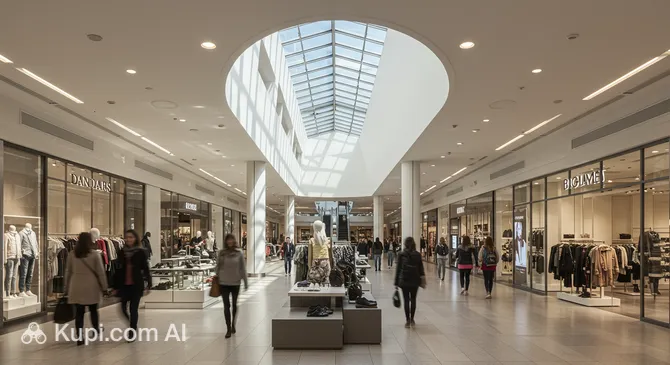
For a more extensive indoor experience, especially on rainy days, travelers can head to the Wijnegem Shopping Center. Located just outside the city center, it is one of the largest malls in the Benelux region, boasting around 250 shops. It is easily accessible by tram and offers everything from clothing and accessories to electronics and home goods under one roof.

Wijnegem Shopping Center. Source: Kupi.Binoculars

Markets are also an integral part of the local culture. The Exotic Market on Saturdays and the famous Vogelenmarkt (Bird Market) on Sundays, both held at Theaterplein, are vibrant spots to find local food, flowers, and textiles. For antique lovers, the Kloosterstraat is the place to be; unlike most of the city, many antique shops and concept stores here are open on Sundays, offering a treasure trove of vintage furniture, books, and collectibles.

When it comes to souvenirs, Antwerp offers items you won't find anywhere else. As the "Diamond Capital of the World," purchasing diamond jewelry here is a popular choice, provided you buy from a certified jeweler in the dedicated Diamond District near Central Station. For a sweeter memento, a box of Antwerpse Handjes (Antwerp Hands)—chocolates or biscuits shaped like little hands—is a classic gift. Fashion enthusiasts often pick up unique pieces from local designers to take a bit of Antwerp's style home.

Most shops in the city center are open from 10:00 AM to 6:00 PM, Monday through Saturday. Traditionally, shops are closed on Sundays, with the exception of the first Sunday of the month (Koopzondag), when retailers in the center open their doors. Payment is convenient, with credit and debit cards (Visa, Mastercard, Maestro) widely accepted, though carrying some cash is useful for markets and smaller purchases.

Visitors residing outside the European Union are eligible for a tax refund on purchases over a certain amount (typically €50.01 in Belgium) made in a single store on the same day. Look for the "Tax Free" sign in shop windows and ask for a refund form at the checkout, which you will need to validate at customs upon leaving the EU.

Reached the end of the page?

That means the route is fully explored