Support

Luxembourg City

About

Luxembourg City is a captivating destination that perfectly blends medieval charm with the vibrancy of a modern European capital. As the heart of Luxembourg, this city is renowned for its stunning architecture, multicultural atmosphere, and strategic importance within the European Union. It serves as a dynamic cultural hub where ancient traditions meet contemporary lifestyle.

Geographically, the city is defined by its dramatic topography, perched high on sheer cliffs overlooking the deep valleys of the Alzette and Pétrusse rivers. With a population of approximately 130,000 residents, it offers the amenities of a metropolis while maintaining a cozy, accessible feel. The unique layout, with the historic Ville Haute (Upper Town) and the riverside Ville Basse (Lower Town), creates spectacular viewpoints throughout the urban landscape.
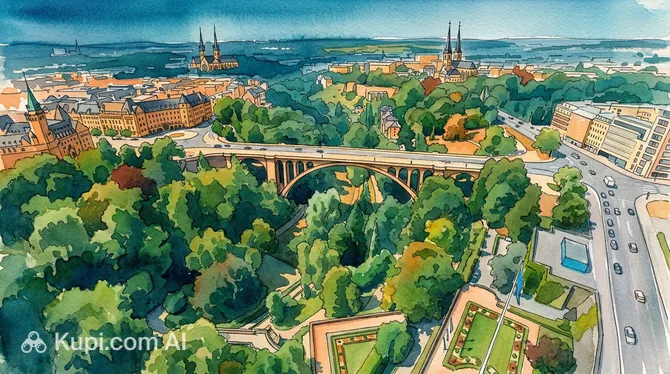
Luxembourg City. Source: Kupi.Binoculars

The history of Luxembourg City is deeply etched into its stone walls and ancient fortifications. Visitors can explore the UNESCO-listed Old Quarter, where narrow cobblestone streets lead to impressive landmarks. The famous Bock Casemates offer a fascinating underground glimpse into the city's military past, while the elegant Grand Ducal Palace showcases its royal heritage in the city center.

Often referred to as the "Gibraltar of the North" due to its formidable defenses, the city also boasts the Chemin de la Corniche, widely celebrated as "Europe's most beautiful balcony" for its panoramic views over the Grund district. Whether you are strolling through its lush parks or admiring the contrast between the historic upper town and the modern Kirchberg district, Luxembourg City promises an unforgettable travel experience.

We invite you to discover the unique spirit of this Grand Ducal capital, where history and modernity exist in perfect harmony.
Weather Overview

Luxembourg City experiences a temperate climate characterized by four distinct seasons, making it a year-round destination for prepared travelers. The summer months of June, July, and August are generally pleasant and warm, with average maximum temperatures reaching around 23°C. This is often considered the best time for sightseeing, as the city parks and outdoor cafes are at their liveliest.

In contrast, the winter season from December to February brings colder temperatures, with daily averages hovering between 2.6°C and 4°C, and lows occasionally dropping near freezing. Rainfall is a regular occurrence throughout the year, but it is particularly frequent in winter; December, for example, typically sees about 17 wet days. To help you pack appropriately for these conditions, we recommend consulting the detailed guide to the weather in Luxembourg City. Overall, you can expect warm, comfortable summers and cool, damp winters.

Interesting Facts

Beyond the main attractions, Luxembourg City holds many fascinating secrets and unique features that often surprise visitors. From its pioneering transport policies to its royal distinctiveness, here are some intriguing facts about this European capital.
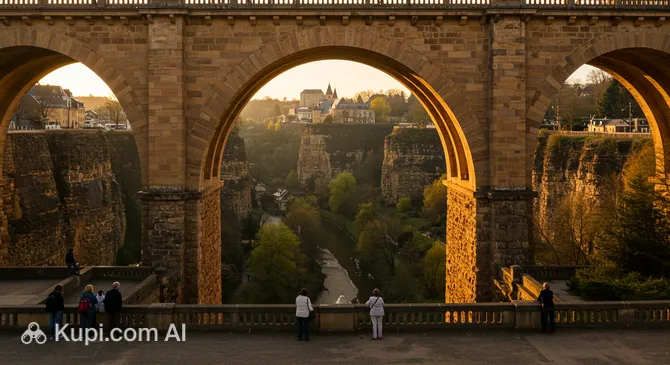
Adolphe Bridge. Source: Kupi.Binoculars
  • Luxembourg City is the capital of the first country in the world to introduce completely free public transport nationwide, allowing travelers to use buses, trams, and trains without ever needing a ticket.

  • The majestic Adolphe Bridge, known locally as the "New Bridge," held the record for the world's largest stone arch at the time of its construction in the early 20th century.

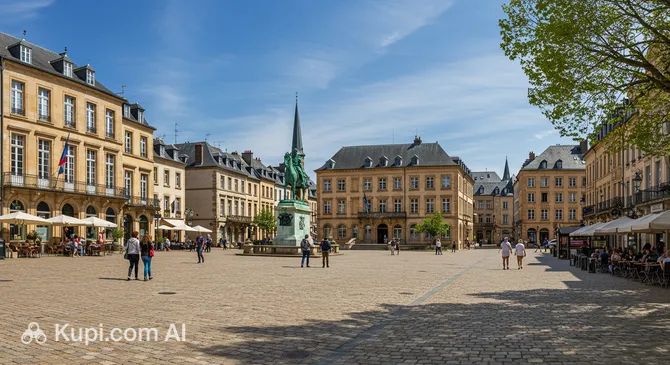
  • Locals often refer to the central Place Guillaume II as the "Knuedler," a nickname derived from the knots in the belts of the Franciscan friars whose monastery occupied the site until the 19th century.

  • The city serves as the seat of the Grand Ducal Palace, making it the capital of the only remaining sovereign Grand Duchy in the world.

  • It is one of the most multicultural capitals in Europe, with foreign nationals making up approximately 70% of the city's population, creating a truly cosmopolitan atmosphere where multiple languages are spoken daily.

How to Get There

Reaching this European capital is convenient due to its central location and connectivity with neighboring countries. Whether you prefer flying or taking the train, there are several options available to suit different itineraries. For a detailed overview of all travel methods, you can read more about how to get to Luxembourg City.

The primary gateway for air travelers is Luxembourg Airport (LUX), which serves as the country's main international hub. Conveniently located just 6.4 km from the center, it offers the quickest access to the city. This airport handles a significant volume of passengers annually, ensuring a wide range of connections. For those looking for alternative flight options, Frankfurt-Hahn Airport (HHN) is another possibility, though it is located in the German city of Frankfurt am Main, approximately 90 km away. Travelers choosing this airport should plan for an additional transfer by road to reach Luxembourg.

For clarity, here is a summary of the main airports:

Airport Name City Passenger Traffic Km from City
Luxembourg Airport Luxembourg City Large 6.4
Frankfurt-Hahn Airport Frankfurt am Main Medium 90.1
Maastricht Aachen Airport Maastricht Small 146.7
Liege Airport Liege Small 124.0
Metz-Nancy-Lorraine Airport Metz Small 70.5

If you are traveling by rail, you may arrive at major hubs in the surrounding region which serve as connecting points. One of the closest significant stops is the Lorraine TGV Station (XZI). Please note that this station is not in Luxembourg City itself but in the city of Metz, about 74 km away, requiring a subsequent transfer to reach your final destination. Another major railway hub is Liège-Guillemins Station (XHN), located in the Belgian city of Liege, roughly 120 km from Luxembourg City. These stations provide access to high-speed rail networks, facilitating travel from further afield before completing the journey to the capital.

Here is a list of nearby railway stations that serve the region:

Station City Passenger Traffic Km to Center
Liège-Guillemins Station Liege High 119.6
Kaiserslautern Station Kaiserslautern High 120.5
Aachen Hauptbahnhof Aachen High 128.6
Lorraine TGV Station Metz Medium 74.0
Meuse TGV Station Verdun Low 94.0

Main Attractions

Luxembourg City is a treasure trove of historical landmarks and cultural venues, offering visitors a journey through time from its medieval fortifications to contemporary artistic masterpieces. The city's compact size makes it perfect for exploring these highlights on foot or via its efficient public transport system.

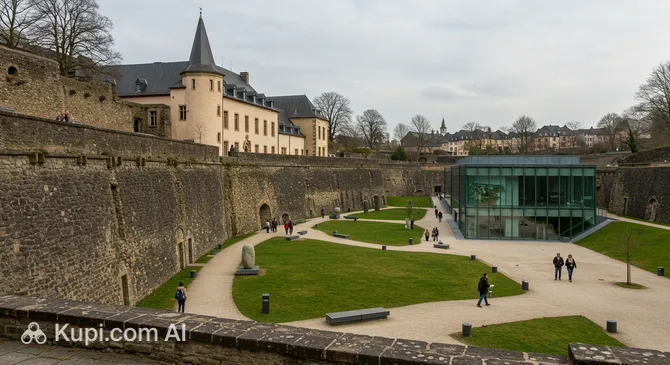
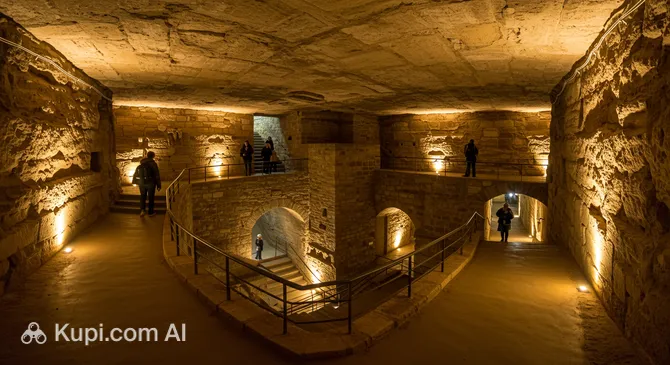
A visit to the capital would be incomplete without exploring the Bock Casemates. These vast underground tunnels and galleries, carved into the solid rock, are a UNESCO World Heritage site and a testament to the city's former status as one of Europe's greatest fortresses. Tourists are drawn here not only for the fascinating military history but also for the unique views of the Alzette valley seen through the rock openings.

Bock Casemates. Source: Kupi.Binoculars

In the heart of the old town, the Grand Ducal Palace stands as a symbol of the nation's monarchy. With its beautiful 16th-century Flemish Renaissance façade, it serves as the official residence of the Grand Duke. It is particularly interesting in the summer when the interior opens to the public, allowing guests to admire the lavish rooms and the impressive main staircase.

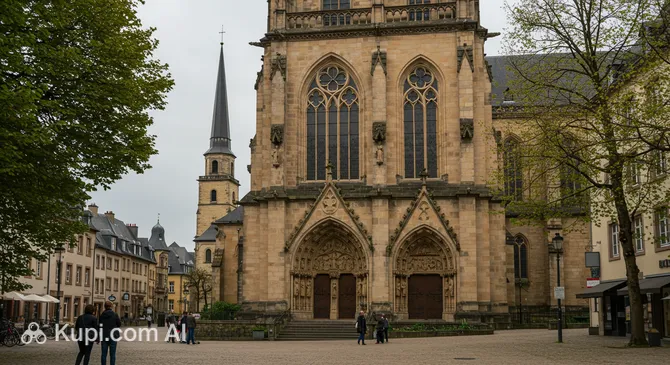
For those interested in religious architecture, the Notre-Dame Cathedral of Luxembourg is a must-see. This 17th-century structure uniquely blends late Gothic style with Renaissance elements and is adorned with magnificent stained glass windows. It holds deep significance as the resting place of many members of the Grand Ducal family in its crypt.

Notre-Dame Cathedral of Luxembourg. Source: Kupi.Binoculars

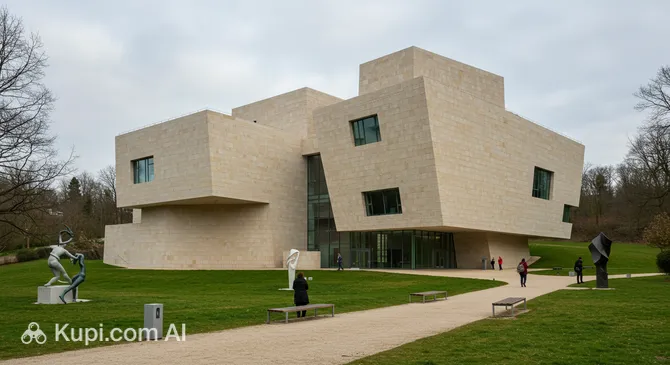
Contrast the historic with the modern by visiting Mudam Luxembourg – Museum of Modern Art. Located on the Kirchberg plateau, the building itself is an architectural gem designed by I.M. Pei. It hosts world-class contemporary art exhibitions that challenge and inspire, making it a favorite spot for culture lovers looking for a fresh perspective.

Mudam Luxembourg – Museum of Modern Art. Source: Kupi.Binoculars

Finally, descend into the picturesque Grund district to find Neumünster Abbey. Once a Benedictine abbey and later a prison, this complex has been transformed into a vibrant cultural center. Its location by the river, surrounded by dramatic cliffs, offers a serene atmosphere that feels worlds away from the bustling city center above.

Local Cuisine

The culinary landscape of Luxembourg City is often described as a delightful marriage of French quality and German quantity. This unique position in Europe has created a gastronomy that is both refined and hearty, heavily influenced by local produce and the changing seasons. Visitors will find that the city's food scene is incredibly diverse, ranging from traditional taverns serving rustic meals to a high concentration of Michelin-starred establishments.

When exploring the local menus, the national dish, Judd mat Gaardebounen, is an absolute must-try. This savory meal consists of smoked pork collar that has been soaked and boiled, served with a rich sauce of broad beans and potatoes. For those looking for a beloved street food snack, especially during festivals or at markets, Gromperekichelcher are a favorite choice. These deep-fried spiced potato pancakes are crispy on the outside and tender on the inside, often enjoyed with apple sauce.

No culinary journey here is complete without sampling the local beverages. The region is famous for its wines from the nearby Moselle Valley, with Crémant de Luxembourg—a high-quality sparkling wine—being the preferred aperitif for celebrations. Beer enthusiasts will also appreciate the local brewing tradition, with several domestic brands offering refreshing lagers that pair perfectly with the hearty cuisine.

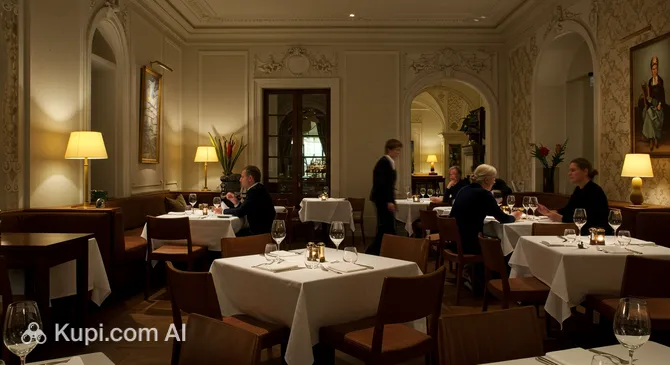
The city offers a wide array of dining environments to suit every mood. For a sophisticated experience that highlights the upscale side of local hospitality, you might visit Le Royal Hotel Restaurant, which is renowned for its elegant service and fine cuisine.

Le Royal Hotel Restaurant. Source: Kupi.Binoculars

If you prefer a more relaxed and artistic atmosphere, Konrad Café & Bar is a charming spot frequented by locals and expats alike, perfect for enjoying a coffee or a casual drink. Whether you are dining in a historic cellar in the Grund or a modern eatery in the city center, the flavors of Luxembourg are sure to leave a lasting impression.

Travel Tips

Welcome to the heart of the Grand Duchy! While Luxembourg City is compact and incredibly welcoming, its unique topography and multilingual environment can present a few surprises for first-time visitors. To help you navigate the cobblestone streets and distinct local customs with ease, we have compiled a list of essential practical advice.

  1. Clothing and Gear: The weather here can be quite unpredictable, shifting from sunshine to showers quickly. Layering is your best strategy, regardless of the season, and a sturdy umbrella or waterproof jacket is essential year-round. Most importantly, bring comfortable walking shoes. The city is built on cliffs with many steep hills, stairs, and cobblestones, particularly if you plan to walk between the Ville Haute (Upper Town) and the Grund (Lower Town).
  2. Transportation: Luxembourg is the first country in the world to offer free public transport nationwide. You do not need to buy tickets for buses, trams, or trains (in second class) within the country. Simply hop on and off as you please. The tram system is modern and efficient, connecting the main train station to the city center and the Kirchberg district. Taxis are available but can be quite expensive; given the free alternatives and the city's walkability, they are rarely necessary.
  3. Finances: The local currency is the Euro (€). As a major financial center, credit and debit cards (Visa and Mastercard) are accepted almost everywhere, from restaurants to museums. However, carrying a small amount of cash is useful for small purchases at markets or street stalls. Luxembourg City can be pricier than other European capitals, so budget accordingly. Tipping is not mandatory as service is included, but rounding up the bill or leaving a few euros for good service is a polite gesture.
  4. Health and Safety: This is one of the safest capitals in the world, but standard precautions against pickpocketing should still be taken in crowded areas like the train station. Pharmacies are marked with a green cross; if you need one after hours, look for a list of "pharmacies de garde" (on-duty pharmacies) displayed in their windows. For emergencies, dial 112 for medical or fire assistance and 113 for the police. Tap water is high quality and safe to drink.
  5. Communication: The linguistic landscape is fascinatingly diverse. While French is the most commonly used language in shops and restaurants, locals also speak Luxembourgish and German. Fortunately, English is widely spoken, especially in the tourism and business sectors. A friendly "Moien" (Hello) or "Merci" (Thank you) in Luxembourgish will always be received with a smile. Luxembourg is part of the EU roaming zone, so check your mobile plan, though free Wi-Fi is often available in public squares (look for "citywifi").
  6. Local Etiquette: Politeness is highly valued here. It is customary to greet shop assistants when entering a store ("Bonjour" or "Moien"). In public, locals tend to be reserved and quiet; speaking loudly on public transport or in the streets can be seen as rude. When taking escalators, always stand on the right to let people pass on the left.
  7. What to Avoid: Do not assume everyone is German or French; the Luxembourgish national identity is distinct and a source of pride. Also, avoid planning major shopping trips on Sundays. With the exception of occasional special events or the first Sunday of some months, most shops and supermarkets are closed on Sundays, so buy your essentials on Saturday.
  8. Additional Tip: Save your energy by using the city's public elevators and lifts. Since the city is split across two levels, walking from the river up to the center can be exhausting. Utilize the panoramic Pfaffenthal Lift or the Grund elevator—they are free, offer fantastic views, and make moving between the upper and lower parts of the city effortless.

Armed with these tips, you are ready to explore the winding streets and fortress walls of this beautiful capital without any hassle. Luxembourg City rewards those who come prepared with a rich, stress-free experience that combines history, culture, and modern convenience.

Entertainment & Nightlife

Entertainment and Nightlife:

While Luxembourg City may appear tranquil by day, its nightlife scene is surprisingly vibrant, sophisticated, and diverse. As the sun sets, the city transforms, offering everything from chic cocktail lounges and traditional pubs to energetic clubs. The atmosphere is generally cosmopolitan, reflecting the city's international population, with a mix of after-work professionals, expats, and students creating a lively buzz, particularly from Thursday to Saturday.

The nightlife is concentrated in a few key districts, each with its own distinct character. The Grund, located in the valley below the city center, is arguably the most picturesque area for a night out. Here, the cobblestone streets are lined with English-style pubs and relaxed bars where people spill out onto the terraces in warmer months. For a classic experience in this area, Oscar's Bar is a popular choice, known for its friendly vibe and hearty drinks, making it a great starting point for the evening.

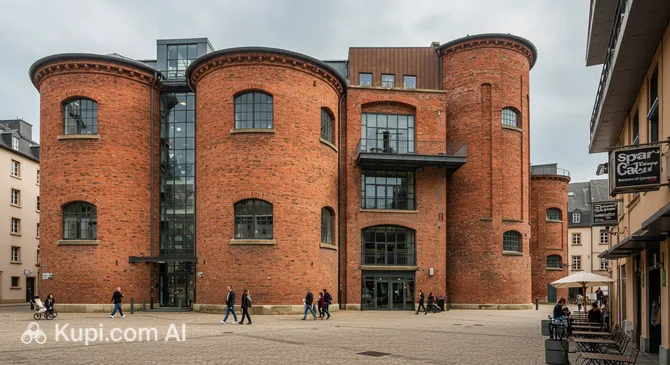
Another major hotspot is the Clausen district, specifically the Rives de Clausen. Built on the site of a former brewery, this trendy area is dedicated almost entirely to nightlife, featuring a cluster of bars and restaurants that stay open late. If you prefer a more alternative and cultural setting, the area around the train station (Gare) and Hollerich offers cooler, edgier venues. A standout location here is Rotondes, a unique cultural center housed in former railway roundhouses. It hosts concerts, exhibitions, and club nights, attracting a creative crowd looking for something beyond the mainstream.

Rotondes. Source: Kupi.Binoculars

For those seeking a more upscale evening with fine drinks and music, the historic city center (Ville Haute) hides several gems. De Gudde Wëllen is a favorite among locals for its eclectic music programming, ranging from indie live bands to DJ sets, accompanied by an excellent selection of craft beers and cocktails. Alternatively, if you are looking for a chic spot that combines dining with a club atmosphere, Um Plateau offers a stylish setting where you can enjoy a refined meal before the vibe shifts to a more party-focused energy later in the night.

Practicalities for a night out in Luxembourg are straightforward. Most bars stay open until 1:00 AM on weekdays and 3:00 AM on weekends, while clubs may go until 6:00 AM. Prices can be on the higher side, comparable to London or Paris, so budget accordingly. Dress codes are generally smart-casual; while some upscale clubs might prefer a polished look, most bars are relaxed. Getting home is safe and easy: the City Night Bus service operates on weekends and is free of charge, running until the early hours. Taxis are also readily available but can be expensive.

Luxembourg City is one of the safest capitals in Europe, and walking between districts at night is generally secure. However, the topography can be tricky in the dark, so stick to the well-lit public elevators when moving between the upper town and the Grund.

During the daytime, the entertainment shifts towards culture and leisure. The city is packed with high-quality museums, such as the National Museum of History and Art, which offers deep dives into the region's past. Theater enthusiasts can check the schedule at the Grand Théâtre, while shoppers can explore the modern Cloche d'Or Shopping Center for a mix of international brands and leisure activities.

Parks & Museums

Luxembourg City is a destination where nature and culture intertwine seamlessly, offering visitors a refreshing mix of lush green spaces and world-class exhibitions. Despite its reputation as a formidable fortress, the capital is surprisingly verdant, with roughly one-quarter of its urban area dedicated to parks and gardens, while its museums provide deep insights into the region's complex history and artistic heritage.

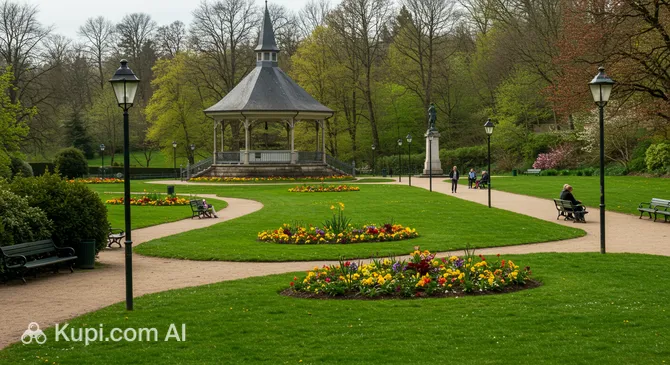
For a peaceful escape right in the city center, the Municipal Park of Luxembourg is the perfect retreat. Designed by the renowned landscape architect Edouard André, this sprawling English-style garden was created on the grounds of the dismantled fortress. It serves as the city's "green lung," featuring ancient trees, whimsical sculptures, and manicured lawns that invite travelers to relax after a day of sightseeing. It is an ideal spot for a leisurely stroll connecting the city center to the Limpertsberg district.

Municipal Park of Luxembourg. Source: Kupi.Binoculars

Another favorite among locals, especially families, is Parc de Merl. Located just a short distance from the center, this park is centered around a picturesque pond and offers a beautiful pavilion with a terrace. It is a lively hub of activity during the summer, where visitors can enjoy the blooming flower beds or simply watch the swans glide across the water.

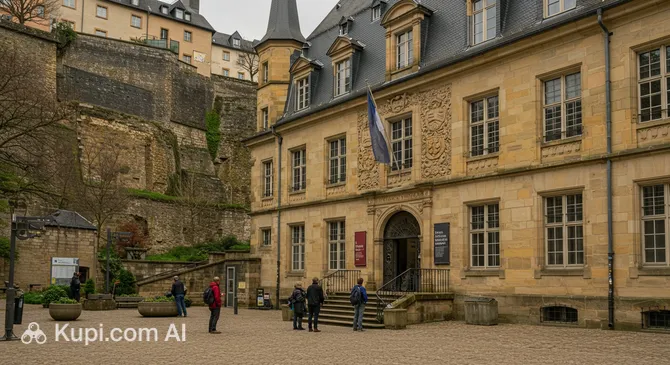
When it comes to cultural exploration, the Luxembourg City History Museum is an architectural marvel in itself. Housed in a group of four restored 17th-century houses, it features a massive glass elevator that transports visitors through the rock foundation, symbolizing the layers of the city's history. The exhibits vividly chronicle the urban development of the capital, from its medieval origins to its modern status as a European center.

Luxembourg City History Museum. Source: Kupi.Binoculars

For those interested in the military past that shaped the nation, the Dräi Eechelen Museum is a must-visit. Located inside the restored keep of the historic Fort Thüngen, the museum focuses on the history of the fortress of Luxembourg. The building itself, with its three acorn-shaped towers (Dräi Eechelen), is a landmark, and the surrounding park offers spectacular views of the modern Kirchberg skyline contrasting with the old fortifications.

Dräi Eechelen Museum. Source: Kupi.Binoculars

Art and archaeology enthusiasts should not miss the National Museum of History and Art. Located in the historic Fishmarket area, this institution houses an impressive collection ranging from Gallo-Roman mosaics to contemporary paintings, providing a comprehensive overview of the country's cultural evolution.

Insider Tip: For a unique cultural experience combined with nature, visit the grounds of the National Museum of Natural History in the Grund district. After exploring the exhibits, take a walk along the Alzette river nearby; the reflection of the stone bridges and lush greenery in the water creates one of the most photogenic scenes in the entire city.

Getting Around

Public transport in Luxembourg City is widely recognized as one of the most efficient, modern, and user-friendly systems in Europe. The network is primarily composed of a sleek tramway, an extensive web of city buses, and a unique funicular railway. The backbone of the system is the Luxtram, which connects major districts including the Kirchberg plateau, the city center, and the central train station. Trams run frequently, often every few minutes during peak hours, making them the most convenient way to navigate the main axis of the city.

Complementing the tram is a comprehensive bus network operated by the city (AVL). These buses reach every corner of the capital, from the historic Ville Haute to the residential suburbs. For late-night revelers, the City Night Bus service operates on Friday and Saturday nights, ensuring safe passage home after the regular lines have stopped. The buses are clean, punctual, and equipped with digital displays, making navigation easy even for first-time visitors.

The most remarkable feature of the transport system for tourists is the pricing model: public transport is completely free. This applies to all trams, buses, and the funicular within the city and beyond. You do not need to buy a ticket, travel card, or pass, nor do you need to tap on or off. You can simply board any vehicle at any door and take a seat. The only exception to this rule is first-class travel on trains, which still requires a paid ticket, but for standard city exploration, your wallet can stay in your pocket.

Due to the city's dramatic topography of cliffs and valleys, "vertical transport" is an essential part of the local infrastructure. The Pfaffenthal-Kirchberg funicular is a highlight, connecting the valley railway station to the Kirchberg plateau in just over a minute. Additionally, large public elevators, such as the panoramic Pfaffenthal Lift and the Grund elevator, act as pedestrian links between the upper and lower parts of the city. These are not just functional; they offer some of the best views in town and are also free to use.

For those who prefer active travel, the city offers a self-service bike rental scheme called vel'OH!. With stations located throughout the capital, you can easily rent a regular or electric bike via a mobile app for short trips. This is an excellent way to explore the valley paths or the parks. While taxis are available, they tend to be quite expensive compared to other European cities. If you do need a car, the Webtaxi app is a popular local alternative for booking rides, and car-sharing platforms are also available for longer excursions.

Accommodation

Where to Stay:

Accommodation in Luxembourg City caters to a wide spectrum of travelers, ranging from efficient business hotels and modern youth hostels to luxurious suites in historic buildings. Due to the city's status as a major financial and political hub, the standard of hospitality is generally very high, with clean, well-equipped facilities available across all price points. While the city is compact, choosing the right neighborhood can significantly enhance your experience depending on your travel priorities.

For those who wish to be in the heart of the action, the Ville Haute (Upper Town) is the most prestigious location. Staying here places you within walking distance of the main historical sights, exclusive shops, and vibrant squares like Place Guillaume II. This area is perfect for first-time visitors who want to step out of their hotel directly into the medieval charm of the city, though it tends to command higher prices.

Place Guillaume II. Source: Kupi.Binoculars

Travelers looking for convenience and slightly more competitive rates often choose the Gare district, surrounding the central train station. This area is bustling and offers excellent connectivity to the airport and the rest of the country. It is particularly suitable for those planning day trips outside the capital. Alternatively, the Kirchberg plateau offers a completely different vibe; this modern business district features contemporary hotels with ample parking and facilities, ideal for business travelers or those who prefer modern architecture over cobblestone streets.

For a romantic or scenic stay, the Grund in the lower valley offers a quieter, village-like atmosphere with stunning views of the fortifications above. However, accommodation options here are more limited. Regardless of where you choose to stay, it is highly recommended to book well in advance. Luxembourg City is a busy destination year-round due to its EU institutions and business events. Interestingly, because it is primarily a business destination, you might find better hotel rates on weekends (Friday to Sunday) compared to the work week.

Price-wise, the city is comparable to other major Western European capitals. Budget travelers can find affordable beds in the highly-rated youth hostels or budget hotel chains near the station, while mid-range and luxury options are plentiful in the center and Kirchberg. Booking is easily done through major online platforms, which offer the widest range of choices and instant confirmation.

Nearby Cities

For those looking to explore the surroundings, Luxembourg City serves as an excellent base for day trips to several interesting nearby locations. The country's compact size means that diverse landscapes and towns are often just a short train or bus ride away.

Esch-sur-Alzette, the second-largest city in the Grand Duchy, offers a striking contrast to the capital. Known for its rich industrial past, it has transformed into a vibrant cultural hub. The Belval district is a highlight, where preserved blast furnaces stand as monuments to the steel industry alongside modern university buildings and the Rockhal concert venue.

For history enthusiasts, Diekirch is a compelling destination located to the north. Situated on the banks of the Sauer river, it is famous for its local brewery and the National Museum of Military History, which houses an extensive collection related to the Battle of the Bulge. It also serves as a gateway to the scenic Oesling region, perfect for nature walks.

Mersch, situated in the geographical center of the country, is another worthwhile stop. It marks the entrance to the Valley of the Seven Castles, a picturesque route lined with historic fortifications. The town itself features Mersch Castle and offers a quieter, more traditional atmosphere compared to the bustling capital.

City Population Distance (km)
Esch-sur-Alzette 36228 17
Dudelange 21513 15
Differdange 15455 20
Diekirch 7047 28
Mersch 6000 15

These nearby destinations offer a glimpse into the diverse culture and landscapes of the region, allowing travelers to experience the different facets of life in the Grand Duchy beyond the capital.

Shopping & Souvenirs

Shopping in Luxembourg City is a delightful experience that ranges from browsing exclusive international boutiques to discovering local artisanal treasures. The city center is compact and largely pedestrian-friendly, making it easy to hop from one store to another while admiring the architecture. While the capital is known for its high standard of living, visitors will find a variety of options suited to different budgets, from luxury fashion houses to charming independent shops.

The heart of the shopping action lies in the Ville Haute (Upper Town). The Grand-Rue and its intersecting streets form a lively pedestrian zone filled with popular high-street brands, jewelry stores, and perfumeries. For those seeking high-end luxury, Rue Philippe II is the place to be. Often referred to as the city's "golden mile," this elegant street hosts prestigious designer labels and upscale fashion boutiques, catering to a sophisticated clientele.

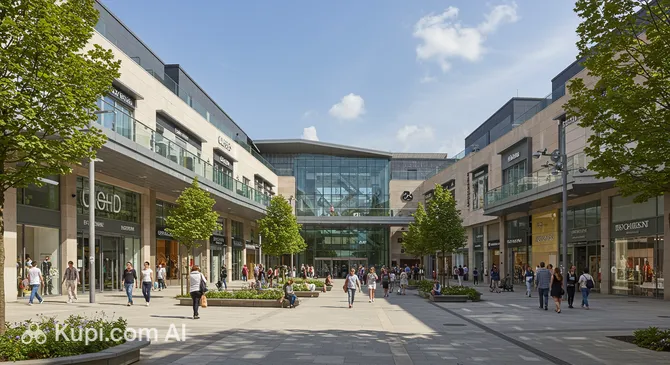
For a comprehensive shopping experience under one roof, the city boasts several modern malls. The Cloche d'Or Shopping Center is a vast, contemporary complex located in the south of the city. It offers a wide mix of fashion, beauty, and home decor stores, along with a large hypermarket and numerous dining options.

Cloche d'Or Shopping Center. Source: Kupi.Binoculars

Another key location is the Kirchberg Shopping Center, situated in the business district. It is particularly convenient for travelers, as it houses a large supermarket and is located near the cinema and exhibition center, making it easy to combine errands with entertainment.

Markets play a central role in local life and offer a more traditional shopping atmosphere. The most famous is the bi-weekly market held at Place Guillaume II (on Wednesdays and Saturdays), where you can buy fresh regional produce, flowers, and spices directly from producers. For antique lovers, the "Glacismaart" is a large flea market held on the Glacis field on the third Sunday of the month (typically from spring to autumn), offering everything from vintage furniture to second-hand books.

When looking for souvenirs to take home, local gastronomy is a top choice. A bottle of Crémant de Luxembourg (sparkling wine) from the nearby Moselle region or a box of chocolates from renowned local confectioners like Oberweis or Namur are sure to please. For a more enduring keepsake, look for a Peckvillchen, a traditional bird-shaped clay whistle. While they are the star of the annual Eimaischen festival, they can be found in souvenir shops year-round and make for a charming, authentic gift.

Regarding practicalities, most shops in the city center are open from Monday to Saturday, typically between 9:00 AM or 10:00 AM and 6:00 PM. It is important to remember that most shops are closed on Sundays. However, many stores open specifically on the first Sunday of the month and during the Christmas season. Credit and debit cards are widely accepted everywhere, although carrying some cash is useful for small purchases at market stalls.

Travelers residing outside the European Union can take advantage of tax-free shopping. VAT refunds are generally available for purchases exceeding €74 in a single store. Look for the "Tax Free" signage in shop windows and ask the staff for a refund form at the checkout to claim your tax back upon leaving the EU.

Reached the end of the page?

That means the route is fully explored