Support

Luxembourg

Cities in the country

About the Country

Luxembourg, officially the Grand Duchy of Luxembourg, is a small but surprisingly diverse country nestled in the heart of Western Europe, between Belgium, France and Germany. Despite its compact size, Luxembourg offers travellers a kaleidoscope of experiences, from medieval castles and ancient ruins to modern architectural masterpieces and picturesque natural landscapes. The nation's capital, the eponymous Luxembourg City, is a UNESCO World Heritage site and captivates with its location on rocky cliffs, divided by the deep gorges of the Alzette and Pétrusse rivers.
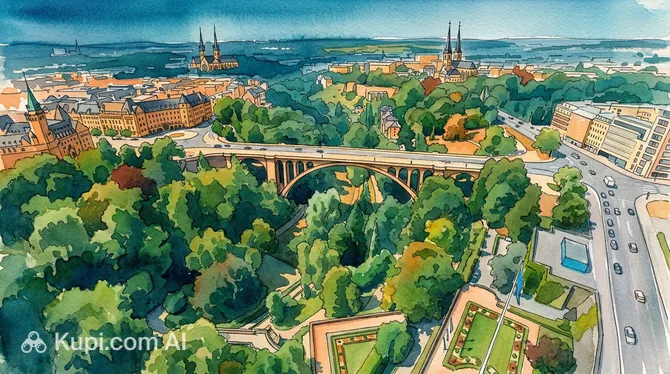
Luxembourg City. Source: Kupi.com Binoculars

Luxembourg's cultural and historical heritage is palpable everywhere. The country, with a history stretching back over a thousand years, boasts an impressive number of castles and fortresses. One of the most famous is the majestic Vianden Castle, which looks as if it has been lifted from the pages of a chivalric romance. Luxembourg is a unique place where Germanic and Romance cultural traditions harmoniously intertwine, which is reflected in its multilingualism (the official languages are Luxembourgish, French and German), architecture and local cuisine.

Besides its rich history, Luxembourg also attracts visitors with its nature. The Mullerthal region, also known as "Little Switzerland," enchants with its wooded valleys, peculiar rock formations and numerous hiking trails. Travellers can explore charming small towns like Echternach, the oldest town in the country, or enjoy the tranquil atmosphere of the wine-growing region along the Moselle River. Luxembourg leaves an impression of comfort, a high standard of living and a remarkable blend of historical charm and modern dynamism.
Currency

The official currency of Luxembourg, like many other countries in the European Union, is the Euro (EUR). Euro banknotes, which are the same across all Eurozone countries, have a vibrant design showing architectural elements from different eras, such as windows, gateways, and bridges, which symbolise openness and connection. Euro coins have one common side and one national side; on Luxembourg's coins, the national side often features a profile of Grand Duke Henri, giving the local coins a unique character.

For travellers from the UAE, it is best to exchange currency for Euros at banks or official exchange offices, which usually offer more favourable rates than airports or hotels. ATMs are widely available throughout the country and are accessible 24/7. Credit and debit cards, especially Visa and Mastercard, are accepted almost everywhere, including in shops, restaurants, hotels, and at petrol stations. However, it is always useful to carry a small amount of cash for minor purchases, for instance, at markets, in small cafés, or for paying for public transport, where cashless payment might not always be an option.

Visa Requirements

When planning a trip to Luxembourg, it's important to clarify the visa requirements in advance. For citizens of the United Arab Emirates, the good news is that a visa is not required for entry. UAE passport holders are permitted to travel to Luxembourg and other countries within the Schengen Area for short stays, typically up to 90 days within a 180-day period. Similarly, citizens of European Union and Schengen Area countries do not need a visa for entry.

Regardless of visa-free status, you will need a valid passport to cross the border, and its expiry date must comply with established regulations. It is also highly recommended to carry proof of a hotel reservation or other accommodation, return tickets, and a medical insurance policy. These documents may be requested by border control officers. For residents of the UAE who are not UAE citizens, it is essential to check the specific Schengen visa requirements for your nationality. Visa rules and the list of required documents can change, so we strongly advise you to check the most current information on the official websites of the Luxembourg embassy or visa centre in the UAE before your trip.

We'll tell you if you need a visa

Specify where you are going, or
Your citizenship
Destination

Time Zones

When planning a trip to Luxembourg, you will not need to worry about changing time zones within the country, as the entire nation operates on a single time zone. The standard time is Central European Time (CET), which is UTC+1. For travellers from the UAE, it is important to note that the United Arab Emirates runs on Gulf Standard Time (GST), which is UTC+4 and does not observe daylight saving.

This means that during the winter months, Luxembourg is 3 hours behind the UAE. However, like many other European countries, Luxembourg observes daylight saving time. From the last Sunday in March, clocks are moved forward by one hour to Central European Summer Time (CEST), which is UTC+2. During this period, which lasts until the last Sunday in October, the time difference to the UAE is reduced to 2 hours. Keeping this seasonal change in mind is helpful for scheduling calls back home and for being aware of prayer times in the UAE.

How to Get There

Reaching the charming European duchy of Luxembourg can be done in several convenient ways, with air travel being the most popular. The country's main gateway is Luxembourg Airport, located near Luxembourg City, the capital. For travellers from the UAE, there are direct flights available from Dubai to Luxembourg. Additionally, numerous airlines offer convenient one-stop flights from Dubai and Abu Dhabi. Carriers such as Lufthansa, Turkish Airlines, SWISS, and British Airways provide connections through major European hubs, making the journey to Luxembourg both quick and comfortable.

Thanks to its location in the heart of Europe, Luxembourg is also easily accessible by land. The country has a well-developed network of motorways and railways integrated with its neighbours: Belgium, France, and Germany. International trains and buses run regularly between Luxembourg and major European cities, offering scenic routes and economical travel options. When planning your trip, especially during peak tourist season or public holidays, it is advisable to book your flight, train, or bus tickets in advance to secure the best prices and availability.

For clarity, here is a summary of the main airport:

Airport Name City Passenger Traffic
Luxembourg AirportLuxembourg CityMajor

Luxembourg, despite its modest size, offers a surprising variety of cities and charming towns, each with its own unique character. From the bustling capital to quiet towns nestled in the green Ardennes or spread along the picturesque Moselle Valley, there is something here for everyone. These places are famous for their rich history, beautifully preserved architecture, and welcoming atmosphere, attracting tourists from all over the world.

Luxembourg City. Source: Kupi.com Binoculars

The heart of the country is undoubtedly its capital, Luxembourg City. This amazing city, whose historic centre is a UNESCO World Heritage site, impresses with its ancient fortifications, picturesque quarters like the Grund, and modern business districts on the Kirchberg plateau. For Muslim travellers, the city offers a growing number of halal food options, including Moroccan, Persian, Turkish, and Indian cuisines. Several mosques and prayer facilities are also available, such as the Le Juste Milieu Mosque, which is conveniently located near the main train station. A walk through the city's narrow streets and across bridges over the deep valleys of the Alzette and Pétrusse rivers offers an unforgettable experience.

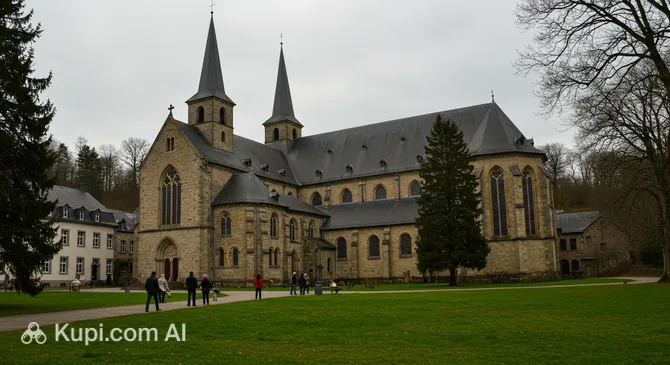
Other cities in the country are no less interesting, each with its own charm. For example, Echternach, Luxembourg's oldest town, will charm you with its medieval atmosphere, the Basilica of Saint Willibrord, and its famous abbey. Castle enthusiasts should visit Vianden, with its magnificent, beautifully restored castle that looks as if it has come straight from a fairytale, proudly towering over the River Our. The town of Remich, located in the scenic Moselle Valley, is known for its beautiful vineyards and offers picturesque river landscapes. Visitors can enjoy the region's famous grape juices and local produce. Meanwhile, Clervaux, nestled in the Ardennes mountains, attracts visitors with its medieval castle, which houses the famous 'The Family of Man' photography exhibition.

Top Attractions

Luxembourg, despite its modest size, boasts a wealth of fascinating attractions, each telling its own unique story. These sites attract tourists from all over the world, eager to experience the rich heritage and beauty of this remarkable country.

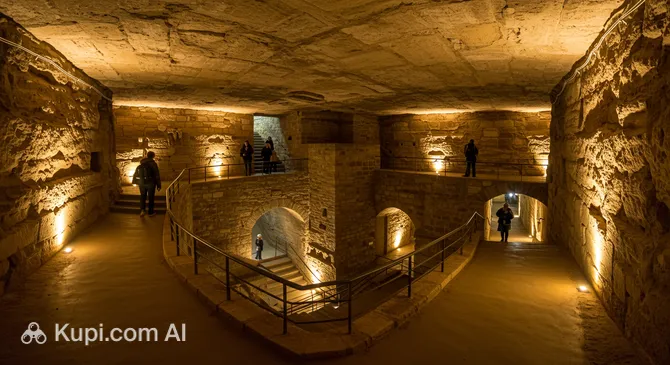
One of the capital's most intriguing attractions is the Bock Casemates. This vast network of underground tunnels and galleries, carved into the rock, once served as a powerful defensive fortification. Today, visitors can explore these historic labyrinths, imagining the lives of soldiers and sensing the centuries of history hidden beneath Luxembourg City.

Bock Casemates. Source: Kupi.com Binoculars

The majestic Vianden Castle is a true gem of medieval architecture, rising picturesquely above the town of the same name. Meticulously restored, it invites visitors to immerse themselves in the age of chivalry by exploring its halls, towers, and courtyards, which offer breathtaking views of the surrounding area.

Vianden Castle. Source: Kupi.com Binoculars

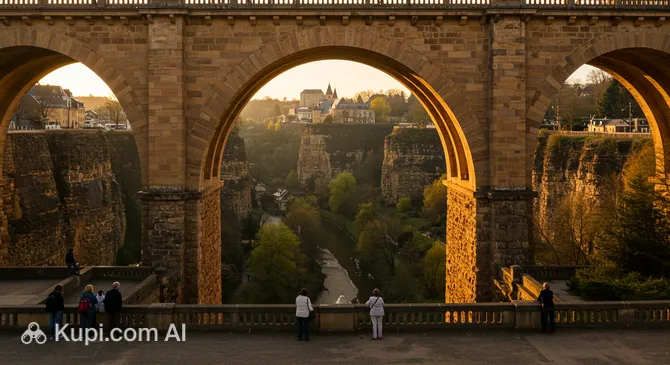
A symbol of the capital and an important transport artery is the Adolphe Bridge. This impressive arch bridge, spanning the Pétrusse valley, not only connects parts of the city but is also an outstanding feat of engineering and architecture in its own right. A walk across it or admiring it from the viewpoints is a must for any visitor to Luxembourg City.

Adolphe Bridge. Source: Kupi.com Binoculars

For those interested in spiritual history and ancient architecture, Echternach Abbey will be a true discovery. Founded in the 7th century, it is one of the oldest and most significant religious centres in the region. Visitors can explore the basilica with its famous frescoes and crypt, as well as a museum that tells the story of the abbey and its founder, Saint Willibrord. When visiting the basilica, respectful and modest attire is recommended.

Echternach Abbey. Source: Kupi.com Binoculars

Best Time to Visit

High Season in Luxembourg traditionally falls during the summer months, from June to August. During this time, the weather is pleasantly warm and often sunny, offering a perfect escape from the UAE's summer heat. This climate is ideal for long strolls through picturesque cities like the capital, Luxembourg City, or the charming Echternach, as well as for visiting the numerous castles and enjoying outdoor activities. One of the summer's highlights is the celebration of the National Day on 23rd June, complete with fireworks and public festivities. However, it is worth noting that summer is the peak of tourist activity, so popular attractions will be at their busiest, and prices for accommodation and some services may be higher.

Shoulder Season, covering spring (April–May) and autumn (September–October), offers a completely different atmosphere for a trip to Luxembourg. In spring, nature awakens, delighting the eye with fresh greenery and blossoms. In autumn, the forests are painted in golden and crimson hues, creating incredibly beautiful landscapes, especially in the Mullerthal region. The weather during these periods is generally mild but can be changeable, with a chance of rain. On the plus side, there are significantly fewer tourists, and prices are more attractive. Autumn also sees traditional grape and wine festivals in the Moselle Valley, for instance, in towns like Remich or Grevenmacher. Winter (from November to March) is considered the low season. The weather is cool, offering a chance to experience a true European winter, sometimes with snow. This is the perfect time to enjoy the cosy atmosphere of the Christmas markets held in many cities, including Esch-sur-Alzette.

Therefore, Luxembourg is welcoming all year round, and the best time to visit depends on your preferences. For those who appreciate pleasant weather and a busy schedule of events, summer is the optimal choice. If you prefer a quieter holiday with picturesque landscapes, fewer crowds, and the opportunity to save money, then spring or autumn are excellent alternatives. Given the country's compact size, the climate is quite uniform, so these seasonal recommendations apply to the entire territory of Luxembourg.

Traditions

When visiting Luxembourg, you will find yourself in an atmosphere of politeness and respect for tradition. It is customary to shake hands upon meeting, while maintaining eye contact. Addressing people formally with "vous" and their surname (for example, "Monsieur" or "Madame") is the norm until you are invited to be more informal. Luxembourgers highly value punctuality, so try not to be late for appointments. In public places, it is expected to behave with restraint and not be too loud. Given the country's multilingualism (Luxembourgish, French, German), knowing a few phrases in one of these languages will be gratefully received.

Hospitality is an important feature of Luxembourgish culture. If you are invited to someone's home, it is good form to bring a small gift for the hosts, such as flowers (avoiding chrysanthemums, which are often associated with funerals) or high-quality chocolates. There are no strict dress codes for daily life; however, a more formal style may be required for visiting some restaurants or cultural events. When entering churches and other religious sites, modest clothing that covers the shoulders and knees is expected, similar to the etiquette for visiting mosques. At the dining table, general European rules of etiquette are followed: for instance, the knife is held in the right hand and the fork in the left, and it is customary to keep your hands on the table, not on your lap, during the meal.

To better understand the culture of Luxembourg, it is worth paying attention to local festivals. The main national celebration is the National Day, which is celebrated on 23 June with parades, concerts, and a magnificent fireworks display in Luxembourg City. Another significant event is the ancient Schueberfouer fair, held in the capital in late August and early September, which attracts thousands of visitors. Overall, Luxembourgers are open and friendly, and showing respect for their customs, such as avoiding being overly intrusive or having loud conversations in public places, will make your journey even more pleasant.

Entertainment

Despite its compact size, Luxembourg offers a surprising variety of entertainment for every tourist. Fans of outdoor activities will find numerous picturesque hiking and cycling trails, especially in the Ardennes and the Mullerthal region, known as 'Little Switzerland'. The country is rich in cultural attractions, with many museums, art galleries, and theatres awaiting visitors. Historical sites are particularly noteworthy, such as the impressive Bock Casemates in the capital or the majestic Vianden Castle, which allow you to experience the duchy's centuries-old history.

As evening falls, life is concentrated in the capital, Luxembourg City, where you can find a variety of elegant restaurants, cosy cafés, and stylish lounges offering a diverse nightlife. Many restaurants offer halal food options, and it is always best to enquire directly for confirmation. For those who enjoy shopping, Luxembourg offers both boutiques from famous international brands and shops with authentic local goods. Popular souvenirs include Moselle wines, chocolate, and products from local artisans. Families with children will also find plenty to do, from exploring medieval castles and strolling through scenic parks to visiting attractions like the Escher Zoo. Thus, every traveller can find something to enjoy in Luxembourg.

Currency rates

Planning a trip? That's wonderful! To ensure the financial aspects of your trip don't come as a surprise, it's important to remember that currency exchange rates are constantly changing. Therefore, we strongly advise you to monitor the latest rates both before your flight and throughout your trip. To do this, you can use the data provided below — we monitor currency exchange rates 24/7 and strive to provide the most up-to-date information.

EUR currency exchange rate as of 02.01.2026

4.34 AED
~ 1 EUR
450.31 AMD
~ 1 EUR
1.77 AUD
~ 1 EUR
2.01 AZN
~ 1 EUR
3.47 BYN
~ 1 EUR
1.62 CAD
~ 1 EUR
1 GBP
~ 1.14 EUR
386.26 HUF
~ 1 EUR
106.24 INR
~ 1 EUR
103.23 KGS
~ 1 EUR
1704.93 KRW
~ 1 EUR
598.98 KZT
~ 1 EUR
4.24 PLN
~ 1 EUR
93.10 RUB
~ 1 EUR
4.43 SAR
~ 1 EUR
1.52 SGD
~ 1 EUR
50.70 TRY
~ 1 EUR
49.93 UAH
~ 1 EUR
1.18 USD
~ 1 EUR
14181.45 UZS
~ 1 EUR

Reached the end of the page?

That means the route is fully explored