Support

Liechtenstein

About the Country

Liechtenstein is a tiny but incredibly picturesque principality, nestled in the very heart of Europe between Switzerland and Austria. Despite its miniature size, this country surprises with its wealth of Alpine landscapes, cultural heritage, and high standard of living. It is a place where modern innovations blend harmoniously with age-old traditions, creating a unique atmosphere of tranquillity and prosperity.
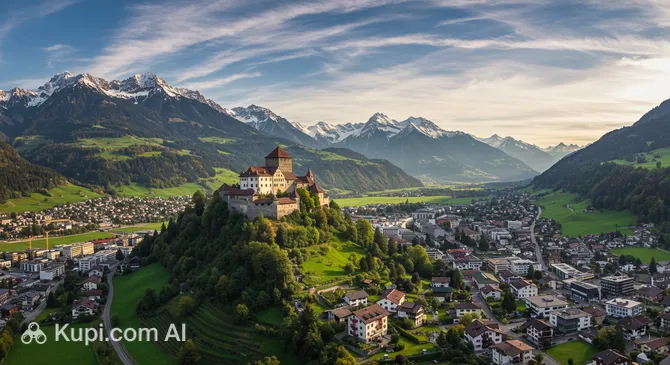
Vaduz. Source: Kupi.com Binoculars

The principality's capital, Vaduz, is the cultural and economic centre of the country. Here, you can stroll through quiet streets, admire the medieval castle towering over the city (the Prince's residence, not open to the public), and visit fascinating museums such as the Kunstmuseum Liechtenstein with its impressive collection of modern art. Liechtenstein prides itself on its unique history and independence, offering tourists a glimpse into the life of one of the world's smallest yet most prosperous nations.

The natural beauty of Liechtenstein is sure to captivate any traveller. The majestic Alps cover a significant part of its territory, offering superb opportunities for hiking in the summer and skiing in the winter. Charming Alpine villages, such as Triesenberg, provide breathtaking panoramic views and an introduction to the local way of life. The mild climate and pure mountain air make a stay here particularly pleasant and rejuvenating.
Currency

The official currency of Liechtenstein is the Swiss franc (CHF). This is the same currency used in neighbouring Switzerland, which is very convenient for travellers planning to visit both countries. Swiss franc banknotes are issued in several denominations and are known for their vibrant, vertical design and high level of security against counterfeiting. Coins are also in circulation for everyday transactions.

You can exchange foreign currency for Swiss francs at banks or currency exchange offices found in the towns of Liechtenstein, including the capital, Vaduz. ATMs are also widespread and can be used to withdraw cash with most international bank cards. Credit and debit cards, particularly Visa and Mastercard, are accepted in most hotels, restaurants, and shops. However, it is always useful to carry a small amount of cash for minor purchases or in case card payments are not available, especially in more rural areas.

Visa Requirements

When planning a trip to Liechtenstein, it's important to clarify the visa requirements in advance. As the Principality is part of the Schengen Area, specific rules apply. For citizens of the United Arab Emirates, the great news is that a visa is not required for short stays. UAE passport holders can travel to Liechtenstein and other Schengen countries for up to 90 days within any 180-day period for tourism or business purposes.

For other residents of the UAE holding different passports, a Schengen visa may be required to enter Liechtenstein. Since Liechtenstein does not have its own visa application centres in the UAE, applications are typically processed through the embassies or consulates of Switzerland. Regardless of your nationality, you will need a valid passport with at least three months of validity beyond your intended departure date from the Schengen Area. It is also recommended to carry proof of hotel reservations, return flight tickets, and adequate travel medical insurance. As visa regulations can change, we strongly advise checking the latest information on the official websites of the Swiss embassy (which represents Liechtenstein's interests) or the official immigration resources for Liechtenstein before you travel.

We'll tell you if you need a visa

Specify where you are going, or
Your citizenship
Destination

Time Zones

When planning a trip to Liechtenstein, you will not have to worry about changing time zones within the country. The entire Principality of Liechtenstein is in a single time zone. It observes Central European Time (CET), which is UTC+1. For travellers from the UAE, this is three hours behind Gulf Standard Time (UTC+4). Like many European countries, Liechtenstein switches to Central European Summer Time (CEST), moving the clocks forward by one hour to UTC+2. During this period, the time difference with the UAE is reduced to two hours.

Therefore, the time in the nation's capital, Vaduz, and in any other town in Liechtenstein will always be the same. This makes it much simpler to plan your travel and activities during your visit to this picturesque Alpine country.

How to Get There

There are several ways to get to Liechtenstein, although the principality does not have its own international airport. Most travellers fly into major nearby airports in neighbouring countries, such as Zurich Airport (ZRH) in Switzerland, which is approximately 115 km from Vaduz, or Friedrichshafen Airport (FDH) in Germany (around 90 km away). From the UAE, major airlines like Emirates and Etihad Airways offer direct flights to Zurich. From these airports, Liechtenstein is easily accessible via public transport (train and bus) or a rental car.

Ground transport is the primary method for entering and travelling around Liechtenstein. The country's road network is integrated with those of Switzerland and Austria, making for a comfortable and scenic car journey. The bus service (such as the LIEmobil system) is also well-developed, connecting Liechtenstein's towns with each other and with border towns in neighbouring countries. The nearest train stations for a quick bus transfer to Liechtenstein are Sargans and Buchs in Switzerland, and Feldkirch in Austria. Given its geographical location, Liechtenstein has no sea access, so maritime transport is not an option for arrival.

When planning a trip to Liechtenstein, especially during the peak tourist season or major local events, it is advisable to book flights and, if necessary, train or bus tickets in advance. This will not only help you find better deals but also ensure that seats are available for your preferred flights and dates.

Despite its compact size, Liechtenstein offers tourists charming towns and Alpine retreats, each with its own unique atmosphere and history. These locations are ideal for both a peaceful holiday in nature and for discovering the culture and traditions of the principality.

The heart of the country is, without a doubt, its capital — Vaduz. This town attracts tourists with its famous castle perched on a hill overlooking the town, art galleries, museums, and cosy streets. It offers magnificent views over the Rhine Valley. Equally appealing is Triesenberg, renowned for its traditional Walser-style houses and stunning mountain scenery, making it a popular destination for hiking enthusiasts.

Vaduz. Source: Kupi.com Binoculars

Also worth visiting is Schaan, Liechtenstein's largest town by population, which combines modern infrastructure with historical heritage, including the ruins of Roman structures. In the south of the country lies Balzers, dominated by the majestic Gutenberg Castle, which offers breathtaking views and an immersion into medieval history. Each of these towns is unique in its own right and is well worth a visit to fully appreciate the diversity of Liechtenstein.

Top Attractions

Despite its modest size, Liechtenstein offers travellers a surprising variety of attractions. From medieval castles to modern museums and picturesque natural spots, there is something here for everyone to enjoy.

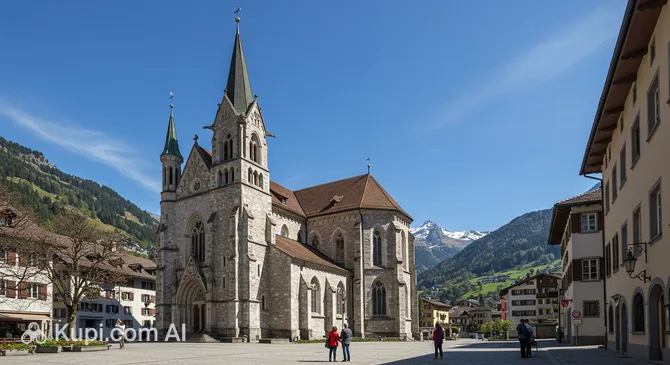
One of the capital's main architectural gems is the Cathedral of St. Florin. This neo-Gothic church, consecrated in 1873, impresses with its tall spires and exquisite stained-glass windows. The cathedral serves as the country's main Catholic church and is an important spiritual centre. As with many places of worship in Europe, visitors are advised to dress modestly, ensuring shoulders and knees are covered.

St. Florin Cathedral. Source: Kupi.com Binoculars

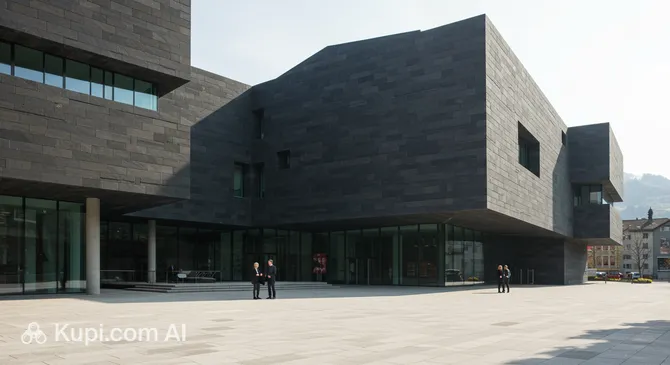
Art enthusiasts should certainly visit the Kunstmuseum Liechtenstein. This is the state museum of fine arts, and the building itself is an architectural masterpiece. Its collection features works of art from the 19th century to the present day, as well as temporary exhibitions by contemporary artists.

Kunstmuseum Liechtenstein. Source: Kupi.com Binoculars

To delve deeper into the history and culture of the principality, head to the Liechtenstein National Museum. The museum's exhibitions cover the archaeology, history, folklore, and nature of the region. Here, you can see unique artefacts that tell the story of this fascinating country's past.

Liechtenstein National Museum. Source: Kupi.com Binoculars

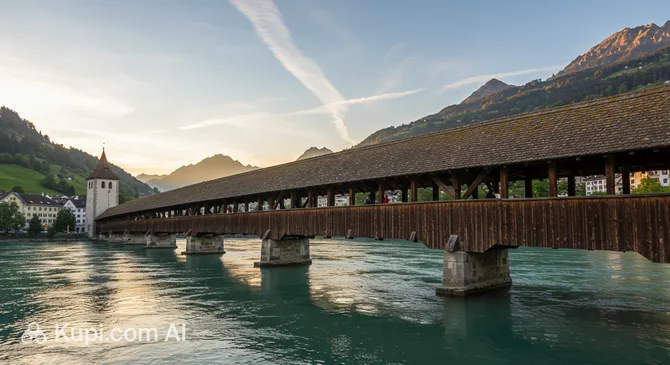
Another must-see is the Old Rhine Bridge, which connects Liechtenstein with Switzerland. This covered wooden bridge over the Rhine was built in 1901 and is a popular spot for a stroll, offering picturesque views of the river and the surrounding area. It is also a symbolic place that highlights the close ties between the two countries.

Old Rhine Bridge. Source: Kupi.com Binoculars

Best Time to Visit

Liechtenstein is an attractive destination for tourists all year round, but the best time to visit depends on your personal preferences. The peak season traditionally falls during the summer months (June to August) and the winter period (December to February). In summer, the weather is typically warm and sunny, creating ideal conditions for hiking along the numerous Alpine trails, cycling tours, and enjoying the spectacular mountain scenery. During this time, you can expect a greater number of tourists and potentially higher prices for accommodation. In winter, the principality becomes a popular destination for winter sports enthusiasts, especially the resort of Malbun, which offers excellent ski slopes.

The shoulder seasons, which include spring (April to May) and autumn (September to October), can be an excellent choice for those who prefer a quieter holiday and more attractive prices. In spring, nature is in full bloom, and the air is fresh and pleasant. In autumn, the mountains are cloaked in golden and crimson hues, creating incredibly picturesque views. The weather during these periods can be more unpredictable, but there are considerably fewer tourists. An important event to consider when planning your trip is Liechtenstein's National Day, which is celebrated with great fanfare on 15 August. On this day, festive events and a grand firework display are held in the capital, Vaduz. In winter, the charming Christmas markets are also well worth a visit, creating a magical atmosphere.

Traditions

Despite its modest size, Liechtenstein possesses rich cultural traditions that reflect its Alpine heritage and close ties with neighbouring countries, particularly Switzerland and Austria. Greetings here are quite standard for Europe: a handshake is customary for both meeting and parting, during which eye contact is important. When interacting with the opposite gender, it is polite to wait for a woman to extend her hand first. Local residents value politeness and reserve. If you are invited to someone's home, it is considered a great honour, and a small gift for the hosts (such as flowers, high-quality chocolates, or a box of fine sweets) will be very well received. Punctuality is highly valued, so try not to be late for appointments.

In daily life, there are no special dress requirements; however, when visiting churches or attending official functions, it is advisable to opt for a more conservative style of dress. At the dining table, general European rules of etiquette are followed: do not start eating until your hosts begin or until you are invited to do so. Speaking loudly in public places or gesticulating excessively is considered impolite. While halal food options may be limited due to the country's small Muslim population, some restaurants and takeaways, particularly in Vaduz, do offer halal choices. One of the most significant holidays is Liechtenstein National Day (Staatsfeiertag), celebrated on 15 August. On this day, official ceremonies, public festivities, and an impressive fireworks display take place near the castle in Vaduz, offering tourists a unique opportunity to immerse themselves in the atmosphere of local hospitality and tradition.

Overall, the people of Liechtenstein are a friendly nation that respects privacy. Demonstrating basic courtesy, respecting local customs, and maintaining a calm demeanour will help you establish pleasant interactions and avoid awkward situations. Interestingly, the country has a very low crime rate, and residents often leave their house doors unlocked, which speaks to the high level of trust within the society.

Entertainment

Liechtenstein, despite its compact size, offers a surprisingly diverse range of opportunities for leisure and entertainment. The principality is a true paradise for outdoor enthusiasts. Its majestic Alpine landscapes provide the perfect setting for hiking along numerous well-marked trails, which range from easy routes for the whole family to challenging climbs for experienced mountaineers. Cycling is also popular in the summer, and in winter, the mountain slopes become popular areas for skiing and snowboarding, attracting winter sports lovers from across Europe.

For those who appreciate cultural pursuits, Liechtenstein also has plenty to offer. In the capital, Vaduz, and other towns, you can visit fascinating museums that highlight the country's rich history, art, and unique traditions, including the famous Postal Museum. Art galleries feature works by both local and international artists, and classical music concerts are held from time to time. As for shopping, in addition to its world-famous postage stamps, visitors can bring home products from local craftspeople, high-quality chocolate, and other souvenirs, which are mostly found in the shops of the capital and other large towns.

The nightlife in Liechtenstein is more calm and cosy than bustling. An evening can be pleasantly spent in one of the many restaurants offering local and European cuisine. While some establishments serve wine and local beer, the focus is on a relaxed and sociable atmosphere. Visitors seeking halal options will find restaurants catering to their dietary needs, particularly in the main towns. For a family holiday, the country offers many opportunities for outdoor activities, connecting with nature, and visiting educational museums that will also appeal to young travellers. Although there are no large theme parks, the charm of the small towns, picturesque castles, and the beauty of the Alpine scenery create a wonderful atmosphere for a holiday with children.

Currency rates

Planning a trip? Excellent! To avoid any financial surprises during your travels, it is important to remember that currency exchange rates are constantly changing. Therefore, we highly recommend monitoring the latest rates, both before you depart and throughout your trip. For this, you can use the data provided below — we monitor currency rates 24/7 and strive to provide the most up-to-date information.

CHF currency exchange rate as of 02.01.2026

4.66 AED
~ 1 CHF
483.63 AMD
~ 1 CHF
1.90 AUD
~ 1 CHF
2.16 AZN
~ 1 CHF
3.73 BYN
~ 1 CHF
1.74 CAD
~ 1 CHF
1.08 EUR
~ 1 CHF
1 GBP
~ 1.06 CHF
414.83 HUF
~ 1 CHF
114.09 INR
~ 1 CHF
110.86 KGS
~ 1 CHF
1831.05 KRW
~ 1 CHF
643.29 KZT
~ 1 CHF
4.55 PLN
~ 1 CHF
99.99 RUB
~ 1 CHF
4.75 SAR
~ 1 CHF
1.63 SGD
~ 1 CHF
54.45 TRY
~ 1 CHF
53.62 UAH
~ 1 CHF
1.27 USD
~ 1 CHF
15230.57 UZS
~ 1 CHF

Reached the end of the page?

That means the route is fully explored