Support

Latvia

Cities in the country

About the Country

Latvia, nestled comfortably on the coast of the Baltic Sea in Northern Europe, charms travellers with its unique blend of medieval heritage and picturesque nature. This relatively small country is an accessible getaway, with direct flights from the UAE taking around seven and a half hours. It offers a surprising variety of experiences, from the bustling streets of its capital, Riga, to the tranquil landscapes of its national parks. Latvia is a country where history harmoniously intertwines with modernity, creating a unique atmosphere for exploration and relaxation.
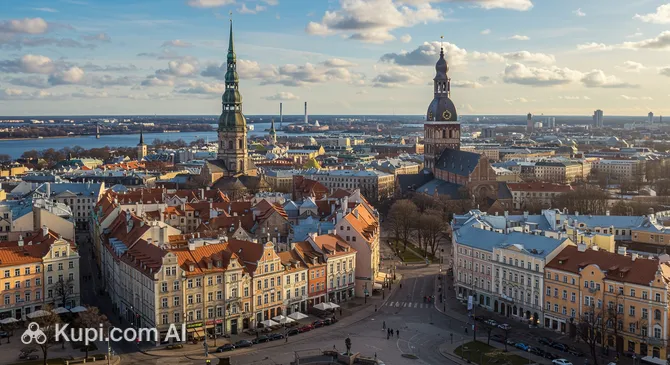
Riga. Source: Kupi.com Binoculars

The heart of Latvia lies in its rich history and culture. Riga, with its magnificent Art Nouveau architecture, a historic centre listed as a UNESCO World Heritage site, and vibrant places like the Riga Central Market, is a true gem of the Baltics. For Muslim travellers, Riga is the most accommodating city in the country, offering several halal restaurants with Turkish, Pakistani, and Indian cuisine. The city is also home to the Latvian Islamic Cultural Centre, which serves as the main mosque. Beyond the capital, the country prides itself on its ancient castles and distinctive folk traditions. The popular resort town of Jurmala attracts visitors with its famous sandy beaches and characteristic wooden architecture, providing the perfect setting for a relaxing getaway.

Latvia's nature is its greatest treasure: vast forests cover almost half of the country, alongside thousands of lakes, winding rivers, and a picturesque sea coast with sandy dunes. For visitors from the UAE, Latvia's temperate climate offers a refreshing contrast; summers are mild and pleasant, with average high temperatures around 23°C, ideal for outdoor activities. Winters are cold with frequent snow, offering a true winter experience. Numerous national parks, such as Gauja National Park, provide excellent opportunities for hiking, cycling, and bird watching, allowing tourists to experience a true connection with nature.
Currency

The official currency of Latvia is the euro (EUR), as the country is part of the Eurozone. Banknotes are available in denominations of 5, 10, 20, 50, 100, 200, and 500 euros, alongside coins of 1, 2, 5, 10, 20, and 50 cents, and 1 and 2 euros. While the banknote designs are uniform across all Eurozone countries, the coins feature a common side and a national side; Latvian euro coins often depict a girl in national dress or the coat of arms of Latvia.

You can exchange your home currency for euros at banks, specialised exchange offices (Valūtas maiņa), and some hotels, as well as at the airport in Riga. It is advisable to compare the exchange rates and commission fees at different locations, as they can vary significantly. To avoid fraud, do not exchange money with private individuals. Credit and debit cards, such as Visa and Mastercard, are widely accepted throughout Latvia, particularly in cities, at shops, restaurants, hotels, and petrol stations. Carrying a small amount of cash is recommended for minor purchases at local markets or in smaller towns.

Visa Requirements

When planning a trip to Latvia, it's important to be aware of the current visa requirements. For citizens of the United Arab Emirates holding a UAE passport, the good news is that a visa is not required for short stays. This is because Latvia is a member of the Schengen Area, and UAE nationals are permitted to enter the Schengen Zone visa-free for up to 90 days within any 180-day period.

For residents of the UAE who hold passports from other countries, you may need to apply for a Schengen visa in advance. This typically involves submitting an application to the Latvian embassy or a designated visa application centre in the UAE. To enter the country, whether visa-free or with a visa, you will need a valid passport with a validity of at least three months beyond your planned departure date from the Schengen Area. It is also standard practice to carry other supporting documents, such as proof of accommodation, return flight tickets, travel medical insurance, and evidence of sufficient funds for your stay. We strongly recommend that all travellers check the very latest visa rules and required documents on the official embassy or visa centre websites before planning a trip, as regulations can change.

We'll tell you if you need a visa

Specify where you are going, or
Your citizenship
Destination

Time Zones

When planning a trip to Latvia, you won't have to worry about changing timezones within the country. The entire territory of Latvia is in a single timezone – Eastern European Time (EET). The standard time here is UTC+2.

Like many European countries, Latvia observes daylight saving time. During this period, from the last Sunday in March to the last Sunday in October, the time corresponds to UTC+3, which is known as Eastern European Summer Time (EEST). Therefore, the time difference with Coordinated Universal Time (UTC) is +2 hours in winter and +3 hours in summer. This means that the time in Riga and other cities in Latvia will always be the same.

For travellers from the UAE, which operates on Gulf Standard Time (UTC+4) and does not observe daylight saving, the time difference is straightforward. The UAE is 2 hours ahead of Latvia during Latvia's winter months (late October to late March) and 1 hour ahead during its summer months (late March to late October).

How to Get There

There are several ways to get to Latvia, with the best option for you depending on your starting point and travel preferences. For most international travellers from the UAE, air travel is the most popular and quickest choice. The country's main gateway is Riga International Airport (RIX), a major hub that accommodates flights from many global cities.

Direct flights to Riga are available from Dubai, operated by airlines such as airBaltic and flydubai, with an approximate flight time of 7 hours and 30 minutes. Additionally, numerous connecting flights are offered by carriers like Emirates, Etihad Airways, and Turkish Airlines from major UAE airports, including Dubai (DXB) and Abu Dhabi (AUH). While Riga is the primary entry point, other airports in the country also serve regional and international destinations.

For those planning a broader European tour, Latvia is also accessible by land and sea. Regular international bus services connect Latvia with neighbouring countries like Estonia and Lithuania, as well as other European nations. Rail connections are also available, though the network may be less extensive than the bus routes. Sea travel offers another scenic way to arrive. Ferries operate regularly between Latvian ports such as Riga, Ventspils, and Liepāja, and ports in Sweden, Germany, and other Baltic Sea countries.

When planning your trip, especially during the peak tourist season (typically the summer months) or major holidays, it is advisable to book your tickets in advance. This will not only secure your travel but may also help you find more competitive fares for your flight, train, bus, or ferry.

For your reference, here is a summary of the main airports:

Airport Name City Passenger Traffic
Riga International AirportRigaMajor
Liepāja AirportLiepājaMinor

Latvia offers travellers an amazing variety of places for leisure and discovery. From the lively streets of the capital to the tranquil beaches of the Baltic Sea, everyone will find a place to suit their taste. The main draw for tourists is undoubtedly Riga, the country's capital. This city is famous for its magnificent Art Nouveau architecture, its historic centre—a UNESCO World Heritage site—and its rich cultural life. For those seeking halal food options, a number of restaurants are available throughout the city.

Riga. Source: Kupi.com Binoculars

If you are dreaming of a sea breeze and golden sand, the famous resort of Jurmala is the perfect choice. Its long, sandy beaches are ideal for families, and the shallow waters are great for children. Its healing pine forest air and charming wooden architecture have been attracting holidaymakers for decades. The city offers numerous family-friendly attractions, including the Līvu Akvaparks and the Dzintari Forest Park, which features playgrounds and an observation tower. For those who enjoy history and the romance of a port city, consider a visit to Liepāja, known as the 'city where the wind is born', with its wide beaches and the unique Karosta district. To explore the eastern part of the country and its rich cultural heritage, head to Daugavpils, Latvia's second-largest city, where the impressive Daugavpils Fortress awaits you.

Top Attractions

Latvia is rich in unique places that attract travellers from all over the world. Among them, the following attractions particularly stand out, promising unforgettable experiences for every visitor to this Baltic country.

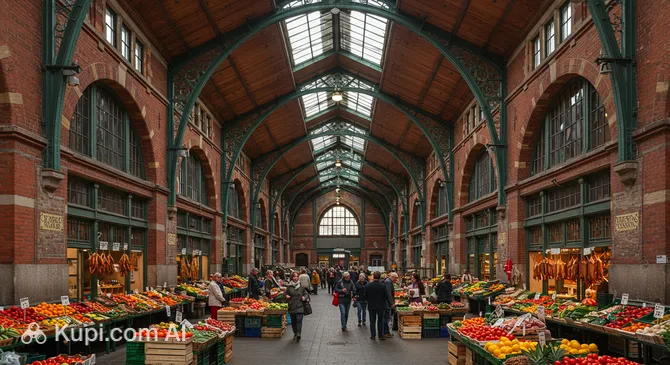
One of the symbols of the capital is the Riga Central Market. This is not just a place for shopping, but a true architectural monument housed in former Zeppelin hangars. Here you can find the freshest local produce, artisanal crafts, and experience the authentic atmosphere of Riga. While exploring the market, visitors can discover a variety of local goods, though it's worth noting that finding certified halal food options may be challenging. For prayer facilities, the Riga Islamic Cultural Centre is the only known mosque in the city.

Riga Central Market. Source: Kupi.com Binoculars

For those seeking unusual experiences, an interesting stop could be the Karosta Prison in Liepaja. This former naval prison now operates as a museum and even offers interactive programmes. Visitors can learn about the history of this place and its difficult past through guided tours and reality shows that allow them to step into the role of a prisoner. Please be aware that there are no dedicated prayer facilities within Karosta or the immediate vicinity.

Karosta Prison. Source: Kupi.com Binoculars

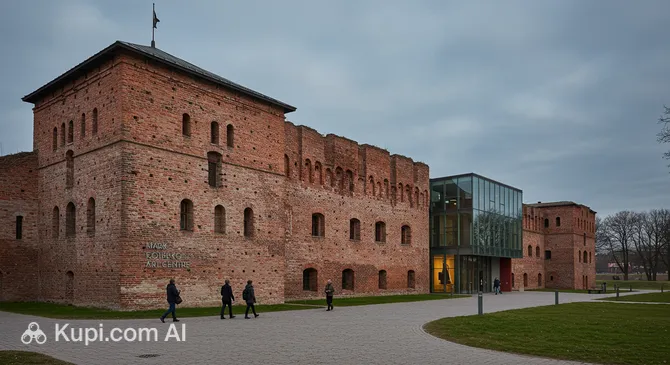
Art lovers should certainly visit the Mark Rothko Art Centre in Daugavpils, the hometown of the world-famous artist. The centre features a collection of his original works and also hosts exhibitions by contemporary Latvian and international artists. It is the only place in Eastern Europe with a permanent display of Rothko's original paintings. This is an important cultural space dedicated to the legacy of abstract expressionism. For dining, a café is available within the art centre. Muslim visitors should note that prayer facilities are not available on-site, and the nearest known mosque is in Riga.

Mark Rothko Art Centre. Source: Kupi.com Binoculars

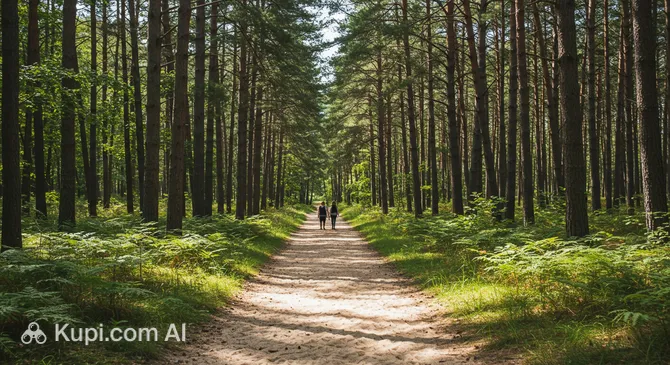
If you want to enjoy nature and fresh air, head to Dzintari Forest Park in Jurmala. This well-maintained park with its pine forest, dunes, and landscaped paths is ideal for walks, active recreation, and family picnics. There is also an observation tower offering a beautiful view of the surroundings and the Baltic Sea. The park is designed for both active and relaxing leisure and is a perfect destination for families to enjoy the fresh, pine-scented air.

Dzintari Forest Park. Source: Kupi.com Binoculars

Best Time to Visit

Latvia is a wonderful destination at any time of year, but the best time to visit depends on your preferences. The high season traditionally falls during the summer months from June to August. This period offers warm, sunny weather, which is a perfect escape from the UAE heat and ideal for relaxing on the famous beaches of Jūrmala, strolling through the charming streets of Riga, and sightseeing across the country. Air temperatures typically range between +20-25°C, sometimes reaching +30°C. The advantages of this period are the highly comfortable conditions for active tourism and swimming in the Baltic Sea. However, it is worth noting that this is also the busiest time for tourists, resulting in higher prices for accommodation and services.

The low season, or shoulder season, includes spring (April-May) and autumn (September-October). In spring, nature awakens and everything is in bloom, with fresh and pleasant air. In autumn, Latvia is painted in golden and crimson tones, creating incredibly picturesque landscapes. The weather during these periods can be changeable, with temperatures from +10°C to +20°C and a chance of rain. The main benefits of the shoulder season are significantly fewer tourists, a calmer atmosphere, and lower prices. Winter (November-March) is also considered the low season, offering snowy landscapes, the cosy charm of Christmas markets, and opportunities for winter sports. However, you should be prepared for frosty weather, as temperatures can drop below zero. One of the most vibrant events to experience is the Līgo celebration (St. John's Day) at the end of June – a massive folk festival for the summer solstice, filled with ancient traditions, songs, and bonfires.

Traditions

Latvians are typically reserved upon first meeting, but are very hospitable and value politeness. The standard form of greeting is a handshake for both men and women; direct eye contact is important. When addressing people you don't know well or who are older, it is customary to use the formal address 'Jūs'. There are no special clothing requirements for daily life, however, for visiting churches and other religious sites, it is recommended to choose modest clothing that covers the shoulders and knees. Latvians value punctuality, so try not to be late for meetings. An attempt to learn and use a few basic Latvian phrases, such as 'Labdien' (Good day) or 'Paldies' (Thank you), will be received with great warmth.

If you are invited to someone's home, which is quite likely given Latvian hospitality, it is good manners to bring a small gift for the hosts. This could be flowers (an odd number; avoid yellow roses and carnations unless it is an official event), a box of chocolates, or high-quality sweets. Bringing a thoughtful gift from your home country, such as premium dates or local crafts, would also be highly appreciated. At the table, follow general European rules of etiquette. It is not customary to start eating until the hosts do. Avoid loud conversations in public places and discussing sensitive political or historical topics, especially concerning the country's past, unless you are sure of your companion's knowledge and views. A respectful attitude towards local traditions and culture will help you better understand Latvia and its people.

To immerse yourself deeper into the country's spirit, it is worth paying attention to the national holidays. One of the most beloved and colourful is Līgo (Jāņi), the midsummer festival, celebrated on the night of 23-24 June. At this time, bonfires are lit across the country, folk songs are sung, and wreaths are woven from oak leaves and wildflowers. This is an ancient tradition with roots in pagan times. Another significant holiday is Latvia's Independence Day (18 November), which is widely celebrated throughout the country, especially grandly in the capital, Riga, with parades, concerts, and fireworks. Experiencing these customs will enrich your journey and leave you with unforgettable memories.

Entertainment

Latvia offers a variety of recreational opportunities to suit a wide range of tastes. Fans of active recreation will appreciate the picturesque natural landscapes, ideal for hiking and cycling, especially along the coast of the Baltic Sea or in the country's numerous national parks. The country is also rich in cultural entertainment: numerous museums, art galleries, theatres, and concert halls, particularly in Riga, offer a rich programme all year round, introducing visitors to the history and contemporary art of Latvia.

As evening falls, the capital, Riga, comes alive with its vibrant evening scene. Stylish restaurants and cafés offer welcoming atmospheres for every taste. For visitors interested in halal dining, a number of restaurants serving Indian, Middle Eastern, and European cuisine can be found in Riga. For those who prefer shopping, Latvia offers both modern shopping centres and authentic markets. Here you can purchase items from local artisans, such as beautiful amber jewellery, linen goods, and handmade ceramics. A walk through the Riga Central Market is a fascinating experience in itself.

For a family holiday, Latvia also has plenty to offer. In addition to outdoor walks and relaxing on the beaches of Jurmala, families can visit various theme parks and interactive museums aimed at children. Many cities offer special programmes and events for young travellers, making a holiday in Latvia comfortable and memorable for the whole family. For convenience, a prayer room is available at Riga Airport, and the Latvian Islamic Cultural Centre is located in the capital.

Currency rates

Planning a trip? That's wonderful! To avoid any financial surprises during your journey, it is important to remember that currency exchange rates are constantly changing. We therefore strongly advise monitoring the latest rates, both before you depart and throughout your trip. You can use the data provided below for this purpose; we monitor exchange rates 24/7 to provide the most current information available.

EUR currency exchange rate as of 02.01.2026

4.34 AED
~ 1 EUR
450.31 AMD
~ 1 EUR
1.77 AUD
~ 1 EUR
2.01 AZN
~ 1 EUR
3.47 BYN
~ 1 EUR
1.62 CAD
~ 1 EUR
1 GBP
~ 1.14 EUR
386.26 HUF
~ 1 EUR
106.24 INR
~ 1 EUR
103.23 KGS
~ 1 EUR
1704.93 KRW
~ 1 EUR
598.98 KZT
~ 1 EUR
4.24 PLN
~ 1 EUR
93.10 RUB
~ 1 EUR
4.43 SAR
~ 1 EUR
1.52 SGD
~ 1 EUR
50.70 TRY
~ 1 EUR
49.93 UAH
~ 1 EUR
1.18 USD
~ 1 EUR
14181.45 UZS
~ 1 EUR

Reached the end of the page?

That means the route is fully explored