Support

Riga

About

Riga, the vibrant capital of Latvia, is the largest metropolis in the Baltic states and a city of immense cultural significance. Located on the banks of the Daugava River near the Gulf of Riga, it serves as a major port and a dynamic center for the region. The city combines a bustling modern energy with a serene maritime atmosphere, making it a compelling destination for travelers from around the world.

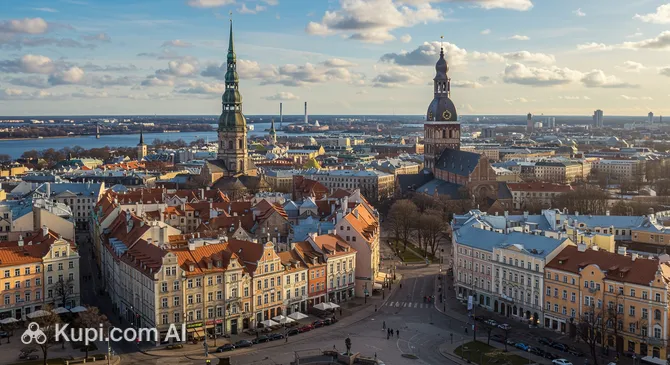
Riga. Source: Kupi.Binoculars

The architectural landscape of the city is truly distinctive. Those who delve into the history of Riga will discover a place that has been a crossroads of trade and culture for over 800 years. This heritage is best reflected in the city's stunning collection of Art Nouveau buildings, which is considered one of the finest and most extensive in the world. The historic center, with its winding cobblestone streets and medieval structures, offers a picturesque journey through time.

Beyond its architecture, Riga invites visitors to explore the massive Central Market, housed in former zeppelin hangars, where local flavors and crafts abound. Whether you are admiring the spire of St. Peter's Church or enjoying a quiet moment in one of the many parks, the city offers a welcoming environment for exploration. A visit to Riga provides a perfect blend of historical charm and contemporary life.

Weather Overview

The climate in the capital is characterized by four distinct seasons, offering a different atmosphere depending on when you choose to visit. Summers are generally mild and pleasant, with average temperatures in July and August hovering around 18.5°C and daytime highs reaching up to 22°C. This period is ideal for exploring the outdoor sights, though travelers should be aware that rain is relatively frequent, with about 11 to 15 wet days per month during the summer season.

Winters bring a crisp, cold air to the city, with average temperatures dropping to -1.5°C in January. While the chill adds a certain charm to the medieval streets, it is essential to dress warmly, as minimum temperatures often dip to -3.3°C. The transition seasons of spring and autumn offer moderate conditions; May sees averages rise to a comfortable 12°C, while October cools down to approximately 9°C. To help you pack the right gear for your specific travel dates, you can check the detailed forecast for the weather in Riga.

Overall, visitors can expect warm summers with occasional rain and cold winters that require sturdy layers. Precipitation is distributed fairly evenly throughout the year, with the number of wet days ranging from a low of 9 in May to a high of 16 in January and October, keeping the region’s greenery lush year-round.

Interesting Facts

Beyond the well-known spires and Art Nouveau facades, Riga holds many fascinating secrets and urban legends that add depth to its historic cobblestone streets. From ancient traditions to architectural quirks, the city offers plenty of surprising stories for the curious traveler.
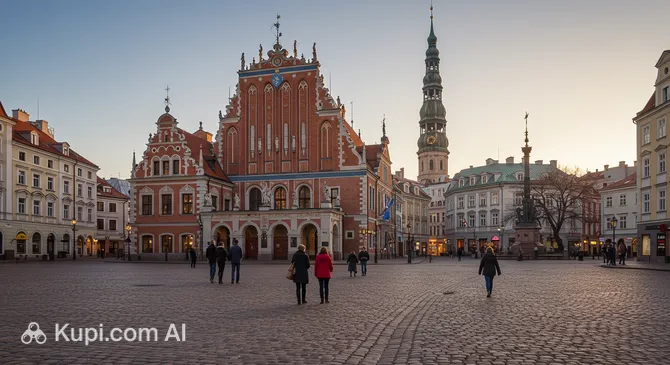
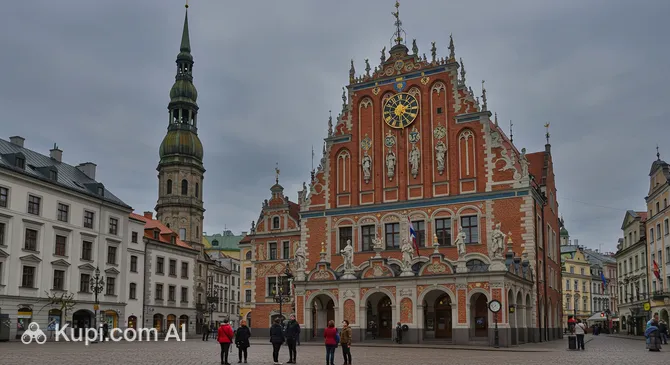
House of the Black Heads. Source: Kupi.Binoculars
  • One of the city's most famous claims to fame is that it was the site of the world's first decorated Christmas tree. Historical records suggest that in 1510, the Brotherhood of Blackheads erected and decorated a pine tree in the square outside the House of the Black Heads before burning it in a festive bonfire.

  • A humorous local legend surrounds the Cat House, famous for the copper cats perched on its turrets. It is said that a wealthy tradesman, offended by being refused membership to the Great Guild, originally installed the statues with their tails turned towards the Guild building as a sign of disrespect.

  • Riga is the birthplace of a legendary herbal elixir known as Black Balsam, crafted from 24 different ingredients including plants, flowers, and berries. You can learn about this historic drink, which allegedly cured Empress Catherine the Great of an illness, at the atmospheric Riga Black Magic Bar.

  • Architecture enthusiasts can observe the city's evolution at the Three Brothers complex. These three adjacent dwelling houses are the oldest stone residential buildings in the capital, with each one representing a different century and architectural style, ranging from the 15th to the 17th century.

How to Get There

Reaching the Latvian capital is convenient thanks to its well-connected transport network, serving as a major hub for the Baltic region. Whether you are arriving by air or land, there are various options to suit your travel plans. You can find out more about how to get to Riga and the specific routes available to help you organize your journey efficiently.

The primary gateway to the city is Riga International Airport (RIX), which is the largest airport in the Baltic states. It is conveniently located directly in Riga, approximately 9.5 km from the city center. A trip by taxi or bus typically takes around 35 minutes, making it a quick and easy commute for visitors. This hub handles a large volume of passengers annually, connecting the city to numerous destinations across Europe and beyond. For more details, you can visit the page for Riga International Airport.

Alternatively, travelers sometimes choose to fly into neighboring countries and travel overland. For instance, you can arrive at Kaunas Airport (KUN) in the city of Kaunas, which is about 223 km from Riga. The journey from there is significant, taking approximately 6 hours by road. Another option is Vilnius International Airport (VNO) in Vilnius, located roughly 270 km away, with a travel time of about 7 hours. You can learn more about these hubs at the links for Kaunas Airport and Vilnius International Airport.

For clarity, here is a summary of the main airports:

Airport Name City Passenger Traffic Km from City
Riga International AirportRigaLarge9.5
Vilnius International AirportVilniusLarge270.1
Kaunas AirportKaunasMedium223.1
Palanga International AirportPalangaSmall216.1
Kuressaare AirportKuressaareSmall169.9

Regarding rail travel, it is important to note that the nearest major stations listed in this specific context are located at a considerable distance outside of Latvia, often involving cross-border travel. For example, you can arrive at the Pechory-Pskovskiye Station in the city of Pechory, which is about 233 km from Riga. From there, you can get a taxi or bus, which takes about 370 minutes. Another option is the Pskov-Passazhirsky Railway Station in Pskov, located approximately 272 km away. Travelers should carefully check visa requirements and border crossing logistics when considering these distant arrival points.

Below is the data for the nearest railway stations found in the surrounding region:

Station City Passenger Traffic Km to Center
Pskov-Passazhirsky Railway StationPskovLarge272.4
Pastavy Railway StationPastavySmall267.5
Chernyshevskoye Railway StationVilkaviskisSmall273.4
Pechory-Pskovskiye StationPechorySmall233.0
Miory Railway StationBraslav263.3

Main Attractions

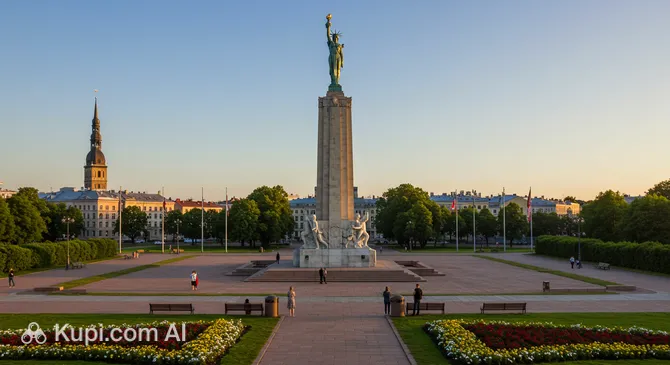
Riga offers a fascinating mix of architectural styles and historical landmarks that reflect its centuries-old heritage. One of the most significant symbols of the nation is the Freedom Monument, which towers above the city center. Dedicated to the soldiers killed during the Latvian War of Independence, this granite and copper masterpiece is affectionately known as "Milda" by locals. It stands as a powerful beacon of sovereignty and unity, often serving as a focal point for public gatherings and ceremonies.

Freedom Monument. Source: Kupi.Binoculars

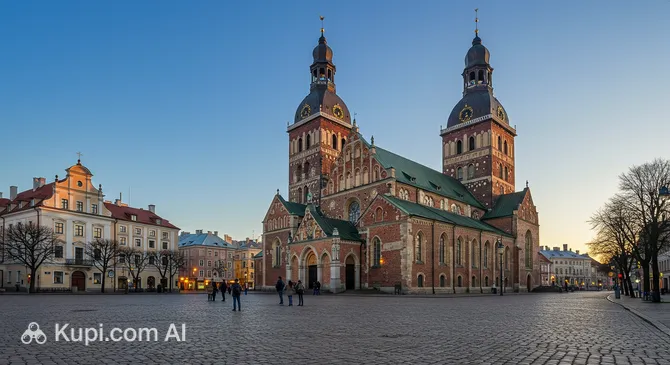
For those interested in medieval history, the Riga Cathedral is an essential stop. Founded in 1211, it is the largest medieval church in the Baltic states and a dominant feature of the Old Town skyline. The cathedral is renowned not only for its imposing Romanesque and Gothic architecture but also for its magnificent pipe organ, which is one of the most famous in the world. Visitors can often enjoy concerts here, experiencing the incredible acoustics of this ancient spiritual center.

Riga Cathedral. Source: Kupi.Binoculars

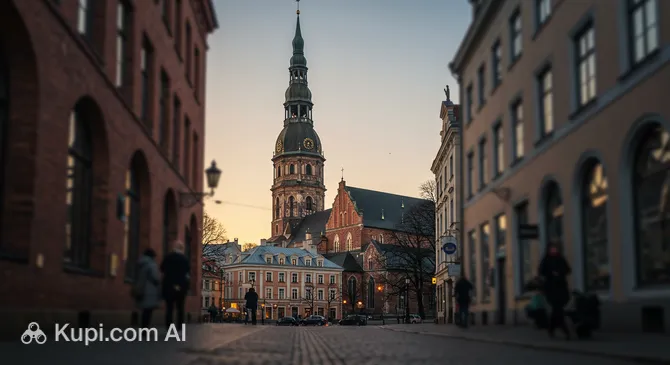
Another architectural gem that defines the city's silhouette is St. Peter's Church. This towering Gothic structure is best known for its high steeple, which offers one of the best vantage points in the city. Tourists can take an elevator to the viewing platform for a breathtaking panoramic view of the red-tiled roofs of Old Riga, the Daugava River, and the modern city beyond. The church itself has a tumultuous history, having been destroyed and rebuilt several times.

St. Peter's Church. Source: Kupi.Binoculars

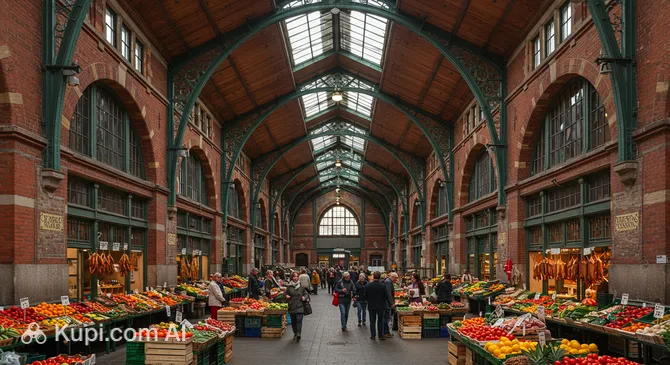
To experience the local flavor and daily life of the city, a visit to the Riga Central Market is a must. Housed in five massive pavilions that were originally German Zeppelin hangars, this market is one of the largest in Europe. It is a vibrant hub of gastronomy where you can find fresh local produce, smoked fish, and traditional Latvian treats. Exploring the vast halls provides a sensory journey through the culinary traditions of the region.

Riga Central Market. Source: Kupi.Binoculars

Local Cuisine

The culinary scene in Riga is a delightful journey through Latvian traditions, deeply rooted in the seasons and the bounty of the land and sea. Local food is generally hearty and comforting, designed to sustain people through the northern climate. A meal often begins with the beloved dark rye bread (rupjmaize), which is more than just a side; it is a cultural symbol often served with savory butter or used as a base for desserts like bread soup (maizes zupa) topped with whipped cream.

One of the most authentic dishes to try is grey peas with bacon (pelēkie zirņi ar speķi). This simple yet flavorful meal is considered a national staple, typically enjoyed with a glass of kefir. Fish also plays a major role in the local diet, given the city's proximity to the sea. Smoked sprats and lamprey are delicacies often found in the city's markets and restaurants, offering a distinct taste of the Baltic coast. During the warmer months, the cold beet soup (aukstā zupa), with its vibrant pink color and refreshing taste, is a favorite among locals.

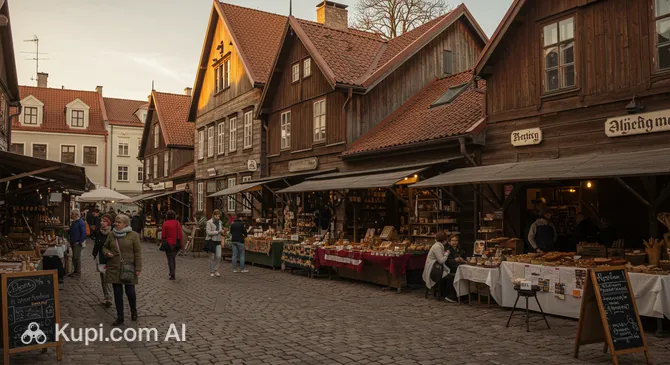
Kalnciema Quarter Market. Source: Kupi.Binoculars

For those looking to explore the diversity of local produce, the Kalnciema Quarter Market is a fantastic destination. Located in a beautifully restored wooden architecture district, this market comes alive on Saturdays with farmers selling artisan cheeses, smoked meats, and homemade pastries. It is an excellent spot to sample street food and mingle with residents in a lively atmosphere. Another sophisticated dining enclave is Bergs Bazaar, a historic pedestrian quarter filled with gourmet restaurants and cafes that offer both modern Latvian and international cuisine.

No description of Riga's gastronomy is complete without mentioning its beverage culture. The city has a booming craft beer scene, with breweries experimenting with traditional recipes and local ingredients. A notable place to experience this is Labietis, a brewery and bar that treats beer making almost like alchemy, offering a wide range of unique brews. Additionally, the famous Riga Black Balsam, a herbal liqueur, remains a popular drink, enjoyed either neat, in coffee, or as part of a cocktail to warm up on a chilly evening.

Travel Tips

Preparing for your trip to Riga is straightforward, but a few insider details can significantly enhance your experience in this charming Baltic capital. To help you navigate the city with ease and confidence, here is a collection of practical advice covering everything from packing essentials to local customs.

  1. Clothing and Gear: The most important item to pack is a pair of comfortable, flat walking shoes. The historic center is paved with uneven cobblestones that can be challenging in heels or stiff soles. regarding the weather, layers are your best friend; the climate in Latvia can be unpredictable, even in summer. Bring a waterproof jacket or umbrella, as rain showers are common. If you plan to visit churches, modest dress is appreciated, though strict dress codes are rarely enforced.

  2. Transportation: The Old Town is best explored on foot, as most sights are concentrated there. For longer distances, the city has an excellent network of trams, trolleybuses, and buses operated by Rīgas Satiksme. You can buy "E-talons" (e-tickets) at newsstands like Narvesen or use the mobile app. Ride-hailing apps like Bolt are widely used, affordable, and often more convenient than hailing a traditional taxi on the street.

  3. Finances: The official currency is the Euro (€). Credit and debit cards are accepted almost everywhere, including restaurants, museums, and even small shops. However, it is wise to carry a small amount of cash for purchases at the Central Market or small souvenir stalls. ATMs are plentiful. Tipping is customary but not mandatory; leaving around 10% for good service in restaurants is standard practice.

  4. Health and Safety: Riga is generally a very safe city for tourists. Standard precautions against pickpocketing should be taken in crowded areas like the Central Market or pedestrian tunnels. In an emergency, dial 112 for police or ambulance services. Pharmacies are marked with a green cross and the word Aptieka; several "Dežūraptieka" (duty pharmacies) operate 24/7 in the city center for urgent needs.

  5. Communication: The official language is Latvian. While many older residents may speak Russian, English is widely spoken, especially by the younger generation and in the service industry. It is polite to start conversations in English. Free Wi-Fi is available in many public parks, cafes, and the airport. For mobile data, you can easily purchase a prepaid SIM card at any airport kiosk or convenience store upon arrival.

  6. Local Etiquette: Latvians are generally reserved but friendly and helpful once you engage with them. A handshake is the standard greeting. In public, people tend to speak quietly, so avoid raising your voice excessively in restaurants or on public transport. If you are invited to a local's home, remember to take off your shoes at the door.

  7. What to Avoid: Be very careful not to walk in the marked bicycle lanes. Cyclists in Riga can be quite fast, and obstructing the path is frowned upon and can be dangerous. Additionally, avoid drinking alcohol in public places like streets or parks (outside of designated cafe terraces), as open container laws are strictly enforced by the municipal police.

  8. Additional Tip: If you are visiting during the summer solstice in June, you are in for a treat with the Jāņi (Midsummer) celebrations, which are huge in Latvia. Regardless of the season, make use of the ubiquitous Narvesen kiosks scattered around the city; they are perfect for grabbing a quick coffee, buying transport tickets, or topping up your phone credit.

Armed with these practical tips, you are ready to immerse yourself in the rich culture and history of Riga without the stress of the unknown. Enjoy the stunning architecture, the delicious local flavors, and the welcoming atmosphere of this unique northern city!

Entertainment & Nightlife

Entertainment and Nightlife:

As the sun sets, Riga transforms into a bustling hub of entertainment, offering everything from sophisticated cultural evenings to energetic parties that last until dawn. The city's nightlife is diverse, catering to all tastes, whether you prefer sipping cocktails in a quiet lounge, dancing to electronic beats, or enjoying live rock music. The atmosphere is generally welcoming and relaxed, with a mix of locals and international visitors mingling in the city's most popular districts.

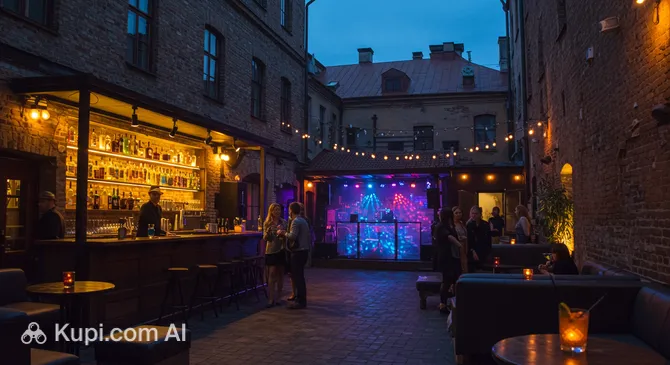
The heart of the action is undoubtedly the Old Town (Vecrīga), where a high concentration of bars, pubs, and clubs can be found within walking distance of each other. However, for a more alternative and trendy experience, travelers should head to the Tallinas Street Quarter. This former industrial area has been revitalized into a vibrant creative district known for its street food, graffiti art, and open-air parties. A standout venue here is Tallinas Pagalms, a cultural space that hosts concerts, DJ sets, and artistic events, making it a favorite hangout for the city's youth and creative crowd.

Tallinas Pagalms. Source: Kupi.Binoculars

For music lovers, the city offers several excellent venues for live performances. The iconic Palladium Riga, housed in a former cinema, is one of the best spots to catch both local and international bands in an intimate setting with great acoustics. If you are looking for major concerts or large-scale sports events, Arēna Rīga is the primary destination, frequently hosting global superstars and significant cultural gatherings.

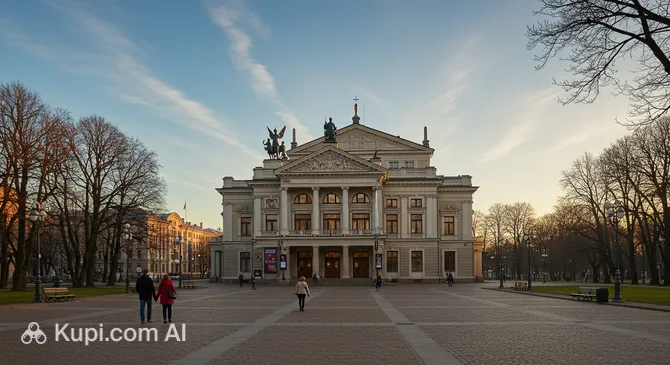
Those seeking a more classical evening of entertainment will find the Latvian National Opera to be a jewel of the city. Located in a magnificent 19th-century building, it offers world-class opera and ballet performances at very reasonable prices compared to other European capitals. Attending a show here is a perfect excuse to dress up—smart casual is the minimum expectation, though many locals opt for formal attire for premieres.

Latvian National Opera. Source: Kupi.Binoculars

Beyond the nightlife, Riga offers engaging daytime entertainment options. Families and technology enthusiasts might enjoy VR.LV, a virtual reality arcade that provides immersive experiences perfect for a fun afternoon. The city is also rich in museums and theaters that offer a deep dive into art and history before the evening festivities begin.

When planning a night out, keep in mind that the party starts relatively late; clubs often don't fill up until after 11:00 PM or midnight. Prices are generally affordable, with a beer costing between 4 to 6 euros in the center. In terms of safety, Riga is secure for night walks, especially in the Old Town and well-lit central areas. However, standard caution applies. To get around safely at night, it is highly recommended to use ride-hailing apps like Bolt rather than hailing taxis off the street to ensure fair pricing and reliability.

Parks & Museums

Parks & Museums:

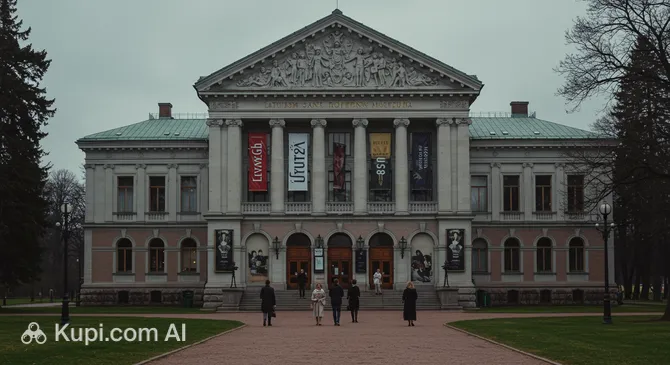
Riga is a city where history and nature coexist harmoniously, offering visitors a wealth of cultural institutions and verdant green spaces to explore. A standout gem in the city's cultural crown is the Latvian National Museum of Art. Recently renovated, this majestic historicist building is a work of art in itself, housing the nation's most comprehensive collection of paintings and sculptures. Climbing to the rooftop terrace offers a unique perspective of the city, while the galleries below take you on a journey through two centuries of artistic evolution.

Latvian National Museum of Art. Source: Kupi.Binoculars

For those looking to understand the complex timeline of the region, the Museum of the Occupation of Latvia is an essential destination. It provides a somber yet educational look at the country's history under Soviet and Nazi rule. To delve even deeper, a visit to The Corner House—the former KGB headquarters—offers guided tours of the prison cells, preserving the memory of those who suffered there. On the banks of the river stands another historical pillar, Riga Castle, which has watched over the city for centuries and currently serves as the residence of the President.

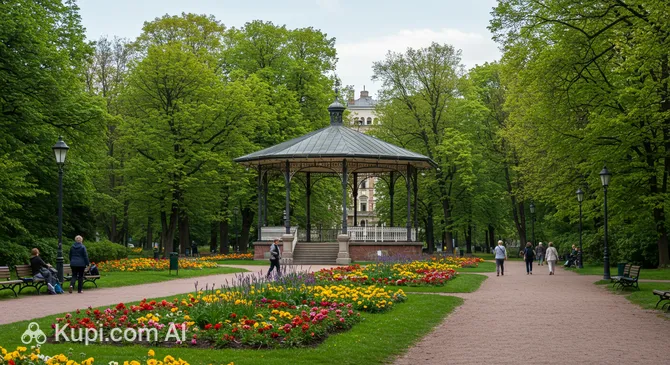
Balancing this urban history are the city's lush parks, which act as the lungs of the capital. Separating the Old Town from the Art Nouveau district is the delightful Vērmanes Garden. As Riga’s oldest public garden, it is a beloved spot for both locals and tourists to unwind among exotic trees, blooming flowerbeds, and charming fountains. During the summer, the park's bandstand often comes alive with open-air concerts and events, creating a lively community atmosphere.

Vērmanes Garden. Source: Kupi.Binoculars

Just a short walk away lies Esplanade Park, a vast open space surrounded by grand architecture, including the art museum and the Orthodox cathedral. It is a favorite place for city dwellers to relax on the grass or enjoy a coffee at a park-side kiosk. For those seeking a waterfront escape, the city offers excellent options like Kipsala Beach, which provides sandy shores and a stunning view of the Old Town skyline. Alternatively, Lucavsala Beach is a popular recreational hub with swimming areas and playgrounds, perfect for a sunny day out in nature.

Getting Around

Public transport in Riga is efficient, affordable, and covers the city extensively, making it easy for visitors to get around without a car. The network is operated by Rīgas Satiksme and consists of buses, trams, and trolleybuses. Travelers should note that there is no metro system in the city; however, the trams serve as a fast and scenic alternative, particularly the modern low-floor trams that connect the residential districts with the center. The trolleybuses and buses fill in the gaps, reaching even the more remote neighborhoods.

The ticketing system is unified across all modes of municipal transport. The most convenient option for tourists is the time-based ticket, with the standard option allowing unlimited transfers within 90 minutes for approximately 1.50 EUR. For those planning extensive sightseeing, 24-hour, 3-day, and 5-day passes are available, offering excellent value. These tickets can be loaded onto an electronic card known as the E-talon (e-talons), which comes in a yellow disposable cardboard version for short-term visitors.

To purchase tickets, you can visit any Narvesen kiosk, which are ubiquitous throughout the city, or use ticket vending machines located at major stops and the airport. A highly recommended alternative is to use a mobile app, such as the Rīgas Satiksme code ticket app or Mobilly, which allows you to buy tickets on your phone and scan a QR code inside the vehicle. It is important to remember that tickets cannot usually be purchased directly from the driver, so you must buy them in advance.

Validation is strictly enforced. Immediately upon boarding a bus, tram, or trolleybus, you must validate your E-talon by holding it against the electronic readers until a green light flashes, or scan your QR code if using an app. This applies to every ride, even if you are transferring within the valid time window of your ticket. Ticket inspectors patrol frequently, and fines for traveling without a validated ticket are significant.

The operating hours for public transport generally run from around 5:30 AM to midnight. While there is no extensive night bus network currently in regular operation, mostly reliable schedules help you plan your evening returns. For late-night travel, or if you prefer more direct comfort, ride-hailing apps like Bolt are extremely popular, reliable, and reasonably priced. Traditional taxis are also available, but using an app is recommended to ensure transparent pricing.

For trips outside the city center, such as visiting the seaside resort of Jurmala, the electric trains operated by Vivi (formerly Pasažieru vilciens) are the best choice. These depart from the central railway station and are not part of the Rīgas Satiksme municipal system, so you will need to buy a separate ticket at the station counters, machines, or via the train operator's app.
Accommodation

Where to Stay:

Finding the perfect place to stay in Riga is relatively easy, as the city offers a diverse range of accommodation options to suit every budget and travel style. From charming boutique hotels housed in medieval buildings to modern international chains and budget-friendly hostels, the Latvian capital caters to backpackers, families, and luxury travelers alike. The hospitality sector here is well-developed, ensuring comfortable amenities and generally high standards of service.

For most visitors, the most desirable area to stay is the Old Town (Vecrīga). Staying here places you right in the heart of the action, with major historical sights, restaurants, and nightlife just a few steps away. It is an ideal choice for first-time visitors who want to immerse themselves in the city's atmosphere. Living in this district means you might wake up to the sound of church bells and step out onto cobblestone streets near iconic landmarks like Dome Square, which serves as the vibrant center of the historical quarter.

Dome Square. Source: Kupi.Binoculars

If you prefer a slightly quieter environment while still being within walking distance of the main attractions, the City Center (Centrs) is an excellent alternative. This area surrounds the Old Town and is famous for its magnificent Art Nouveau Architecture of Riga. Hotels in this district often feature elegant interiors and are surrounded by high-end shops, parks, and cozy cafes. It offers a more local feel compared to the tourist-heavy Old Town, making it perfect for those who appreciate architectural beauty and a slightly more relaxed pace.

Travelers on a tighter budget or those looking for a different perspective might consider staying across the river in Pārdaugava. While it requires a short tram or bus ride to reach the city center, accommodation prices here can be significantly lower. This area is greener and offers a glimpse into the everyday life of residents, with easy access to parks and the exhibition center.

Booking Tips and Prices: Generally, accommodation prices in Riga are very competitive compared to Western European capitals. However, the city is a popular destination, especially during the peak summer months (May to September) and around the Christmas holidays. To secure the best rates and your preferred location, it is highly recommended to book well in advance. Online booking platforms are the most convenient way to reserve your stay, offering a wide selection of apartments and hotels. Whether you are looking for a luxury suite or a simple bed in a dormitory, planning ahead ensures a stress-free start to your Baltic adventure.

Nearby Cities

For those looking to explore the surroundings, Riga serves as an excellent base for day trips to several interesting nearby locations. Just a short journey away lies Jurmala, the country's most famous seaside resort. It is renowned for its long stretches of white sandy beaches, fresh pine air, and charming wooden architecture, offering a relaxing escape from the city bustle.

Another compelling destination is Jelgava, a city steeped in history that was once the capital of the Duchy of Courland and Semigallia. Visitors here can admire the magnificent Jelgava Palace, a Baroque masterpiece designed by Bartolomeo Rastrelli, and enjoy peaceful walks along the riverbanks. For those interested in nature, Ogre offers scenic landscapes where the Ogre River flows into the Daugava, providing beautiful trails and a serene atmosphere.

City Population Distance (km)
Jelgava5533642
Jurmala5056120
Ogre2297835
Valmiera22971101
Salaspils1790519

These nearby destinations offer a glimpse into the diverse culture and landscapes of the region.

Shopping & Souvenirs

Shopping in Riga offers a delightful blend of traditional charm and modern convenience, making it a rewarding experience for any visitor. The city is well-known for its high-quality local craftsmanship, particularly in linen, knitwear, and amber jewelry, often referred to as "Baltic Gold." Whether you are looking for designer fashion, authentic handicrafts, or unique gastronomic treats, the Latvian capital provides a diverse range of options, from bustling historic markets to contemporary shopping centers.

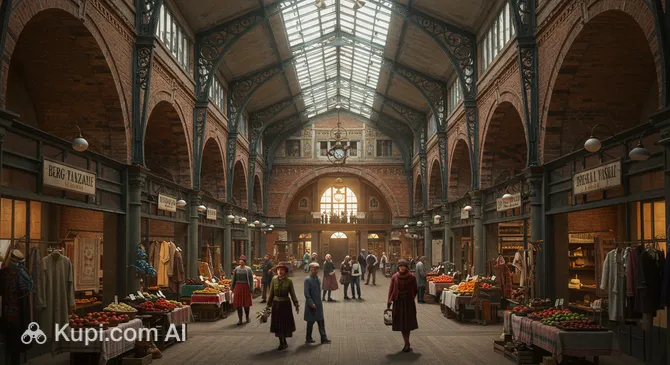
For a leisurely shopping spree combined with sightseeing, the Old Town is the primary destination. Its cobblestone streets are lined with small boutiques, art galleries, and souvenir shops selling everything from hand-painted ceramics to woolen mittens. A hidden gem within the city center is Bergs Bazaar, a historical pedestrian enclave that feels like a village within the city. This beautifully restored quarter features a collection of exclusive boutiques, gourmet shops, and cozy cafes, offering a sophisticated atmosphere for those looking for unique items.

Bergs Bazaar. Source: Kupi.Binoculars

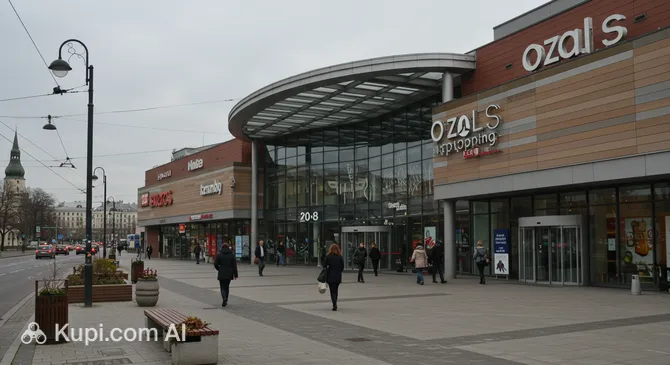
Travelers seeking a more modern retail experience will find several large malls and department stores scattered across the city. These centers typically host a mix of international brands and local labels. For those interested in fashion, KOKOS Clothing Superstore is a notable stop, offering a wide selection of apparel. Another popular destination is the Ozols Shopping Center, which provides a comprehensive shopping environment with various stores and services under one roof.

Ozols Shopping Center. Source: Kupi.Binoculars

Markets play a crucial role in the local shopping culture. The iconic Riga Central Market is not just for foodies; it is also a great place to find reasonably priced knitwear and local goods. For a more artisanal vibe, the Kalnciema Quarter Market is the place to go on weekends. Here, local craftsmen and farmers sell high-quality organic products, design objects, and handmade gifts in a lively, festival-like setting.

When it comes to souvenirs, there are a few quintessentially Latvian items to look out for. Amber jewelry is a classic choice, available in many styles throughout the Old Town. Laima chocolate is a sweet tradition that makes for a perfect gift, as does a bottle of the famous herbal liqueur found at places like the Riga Black Magic Bar. Additionally, high-quality linen products, such as tablecloths and clothing, are widely available and represent the country's textile heritage.

Most shops in the city center are open daily, typically from 10:00 AM to 9:00 PM, although smaller boutiques may have shorter hours and close on Sundays. Credit and debit cards are widely accepted, even in small kiosks and market stalls, though carrying some cash is always useful. For visitors residing outside the European Union, Tax-Free shopping is available in many stores; look for the "Tax Free Shopping" signage to reclaim the VAT on your purchases before leaving the country.

Reached the end of the page?

That means the route is fully explored