Support

Vilnius

About

Vilnius, the charming capital of Lithuania, is a city where centuries of history blend seamlessly with a modern, youthful energy. Known for having one of the largest surviving medieval old towns in Northern Europe, it captivates visitors with its winding cobblestone streets, stunning Baroque architecture, and vibrant cultural scene. As the administrative center of Vilnius County, it serves as the country's major economic and cultural hub, home to a population of approximately 708,203 residents.

Located in the southeastern part of the country at the confluence of the Neris and Vilnia rivers, the city enjoys a picturesque setting surrounded by lush hills and forests. The history of Vilnius is rich and complex, dating back to the 14th century when it was founded by Grand Duke Gediminas. Today, this heritage is proudly displayed in its UNESCO-listed historic center, which stands as a testament to the city's endurance and artistic evolution over the ages.
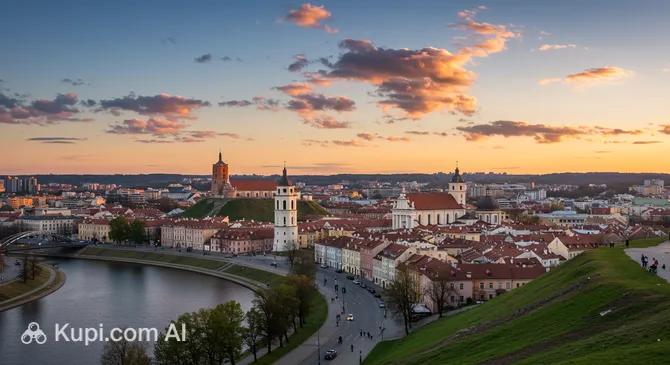
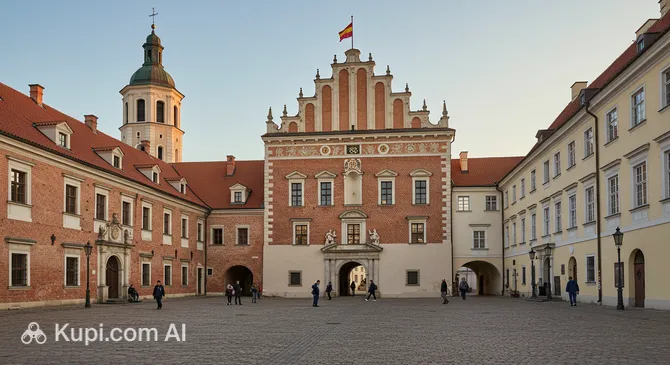
Vilnius. Source: Kupi.Binoculars

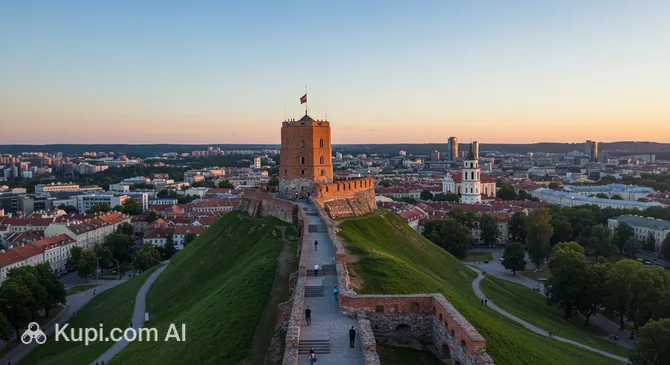
Travelers are often drawn to the iconic Gediminas' Tower, which offers panoramic views of the red-tiled rooftops below. Another unique feature is the bohemian district of Užupis, a self-declared "republic" within the city that boasts its own constitution, president, and artistic flair. Whether you are exploring the majestic Cathedral Square or enjoying a coffee in a cozy courtyard, the city offers an intimate and welcoming atmosphere.

Vilnius is a destination that surprises and delights at every turn, offering a perfect mix of relaxation and discovery. Whether you are a history buff, an art lover, or simply looking for a beautiful European city break, Vilnius invites you to explore its hidden gems and experience its unique Baltic charm.
Weather Overview

Vilnius experiences a climate marked by four distinct seasons, ranging from pleasant, warm summers to snowy, cold winters. The city is generally comfortable to visit during the warmer months, with July and August seeing average temperatures of around 18.4°C and daytime highs reaching approximately 23°C.

In contrast, the winter season brings a chilly charm to the streets, particularly in January when the average temperature drops to roughly -2.6°C. Travelers should be prepared for frequent precipitation throughout the year, as the city typically records between 10 and 16 wet days per month. For those planning a visit, checking the detailed forecast for the weather in Vilnius can help ensure you pack the right gear for the conditions.

Interesting Facts

Beyond the main attractions, Vilnius holds many fascinating secrets and quirky details that often escape the casual observer. From legendary dreams to bohemian republics, the city's character is defined by these unique stories.

  • The city's founding is steeped in the legend of the Iron Wolf. It is said that Grand Duke Gediminas dreamed of a huge iron wolf howling on a hill, which was interpreted as a prophecy to build a city whose fame would spread across the world; today, this legendary site is marked by the iconic Gediminas Tower.

  • Vilnius was the first city in the world to erect a monument to American musician Frank Zappa, even though he never visited the country. The statue, unveiled in the 1990s, became a powerful symbol of the new artistic freedom and democratic spirit following the end of the Soviet era.

  • Hidden within the pavement of Cathedral Square is a magical tile marked with the word "Stebuklas" (Miracle). According to local tradition, if you stand on this tile, close your eyes, make a wish, and spin around three times clockwise, your wish is destined to come true.

  • The artistic district of Užupis is not just a neighborhood but a self-proclaimed "republic" that declared independence on April 1st, 1997. It has its own president, currency, and a whimsical constitution that grants everyone the right to be happy, unhappy, or even a dog the right to be a dog.

  • The Gate of Dawn is the only remaining gate from the city's defensive wall, but it serves a dual purpose as a sacred site. A chapel built directly above the archway houses a revered painting of the Virgin Mary, which is positioned so that it can be seen by the faithful standing in the street below.

Gediminas Tower. Source: Kupi.Binoculars

How to Get There

Reaching the Lithuanian capital is straightforward, with several convenient options available for travelers. Whether you prefer flying directly into the city or arriving via neighboring hubs, the region is well-connected. For a complete overview of all travel methods and routes, you can read more about how to get to Vilnius to plan your journey effectively.

The most direct way to arrive is via Vilnius International Airport (IATA: VNO), which is conveniently located in Vilnius itself, just 5.9 km from the city center. As the country's main air hub, it handles a significant volume of passengers annually. The short distance to the downtown area makes for a quick commute; a taxi ride typically takes about 10 to 15 minutes, while buses and trains offer frequent connections.

Another viable option for visitors is Kaunas Airport (IATA: KUN), situated in the city of Kaunas, approximately 82.7 km from Vilnius. This airport is often used by low-cost carriers and serves as a popular alternative gateway. Additionally, travelers may consider flying into Riga International Airport (IATA: RIX) in neighboring Latvia. Although it is located 262.2 km away, it is the largest airport in the Baltic states and offers a wide range of international connections, easily linked to Vilnius by bus or plane.

For clarity, here is a summary of the main airports in the region:

Airport Name City Passenger Traffic Km from City
Vilnius International AirportVilniusHigh5.9
Kaunas AirportKaunasMedium82.7
Riga International AirportRigaHigh262.2

Main Attractions

Vilnius is a city that rewards curiosity, offering a diverse array of architectural styles and historical landmarks within a compact area. Beyond the well-trodden paths of the Old Town, visitors can discover masterpieces of Gothic and Baroque design, as well as sites that offer breathtaking perspectives of the Lithuanian capital.

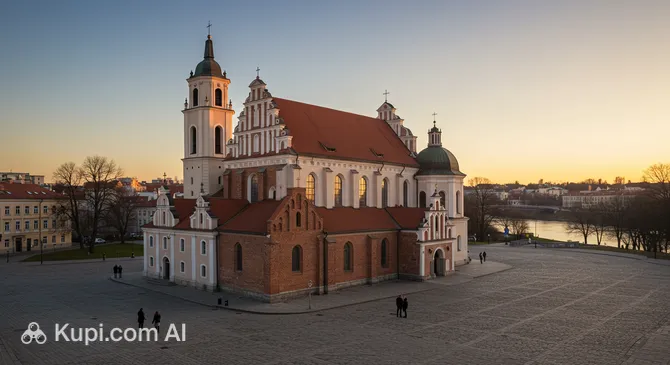
A true masterpiece of the Flamboyant Gothic style, St. Anne's Church is one of the most photographed buildings in the city. Its intricate facade, constructed from 33 different types of red clay bricks, creates a stunning visual effect that has captivated visitors for centuries. Legend has it that Napoleon Bonaparte was so impressed by its beauty that he wished to carry it back to Paris in the palm of his hand. It remains a must-see for anyone appreciating architectural elegance.

St. Anne's Church. Source: Kupi.Binoculars

Located just behind the cathedral, the Palace of the Grand Dukes of Lithuania stands as a symbol of the nation's recovered statehood. This meticulously reconstructed residence offers a journey through history, showcasing the evolution of the complex from a medieval castle to a grand Renaissance palace. Inside, visitors can explore ceremonial halls and archaeological exhibits that reveal the rich heritage of the Grand Duchy of Lithuania.

Palace of the Grand Dukes of Lithuania. Source: Kupi.Binoculars

For those seeking artistic splendor, the Church of Sts. Peter and Paul is often cited as the most beautiful Baroque interior in the country. While the exterior appears relatively modest, stepping inside reveals a breathtaking world of white stucco decorations. Over 2,000 individual statues and reliefs cover the walls and ceiling, creating a celestial atmosphere that leaves a lasting impression on every guest.

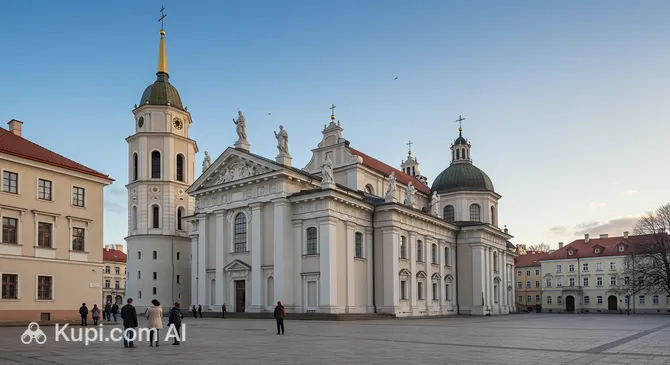
Church of Sts. Peter and Paul. Source: Kupi.Binoculars

To appreciate the city's geography, a hike to the Three Crosses Monument is highly recommended. Perched atop the Bleak Hill (Plikasis kalnas) in Kalnų Park, this gleaming white monument commemorates seven Franciscan friars but also serves as a symbol of national identity and resistance. The climb is rewarded with one of the best panoramic views of Vilnius, offering a perfect vantage point to see the red rooftops of the Old Town contrasting with the modern skyline.

Local Cuisine

The culinary scene in Vilnius is a delightful reflection of Lithuania's history and climate, characterized by hearty, comforting dishes designed to sustain people through cold winters. Potatoes are the undisputed kings of the local kitchen, appearing in various forms alongside pork, dairy products, and wild mushrooms. For visitors, exploring these flavors is an essential part of the travel experience, offering a taste of authentic Baltic hospitality.

No visit to the city is complete without trying Cepelinai (Zeppelins), the national dish of Lithuania. These large, football-shaped potato dumplings are typically stuffed with seasoned ground meat, curd cheese, or mushrooms and drenched in a rich sour cream and bacon bits sauce. Another iconic dish, especially refreshing during the summer months, is Šaltibarščiai. This vibrant pink cold beet soup, made with kefir and cucumbers, is not only delicious but also incredibly photogenic, usually served with a side of hot boiled potatoes and dill.

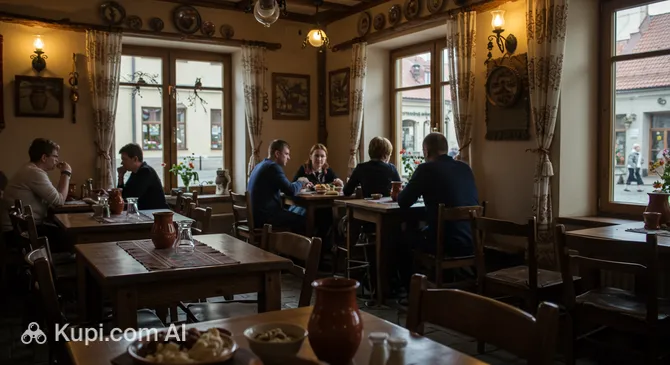
Samogitian Jug. Source: Kupi.Binoculars

For a quick snack or a light lunch, look for Kibinai. These crescent-shaped savory pastries, filled with mutton, pork, or vegetables, are a culinary legacy of the Karaite community and have become a beloved staple in Vilnius. If you are looking for the perfect accompaniment to a drink, try Kepta duona—strips of dark rye bread fried in oil, rubbed with garlic, and often smothered in melted cheese. It is the ultimate local comfort food found in almost every pub.

When it comes to beverages, Gira (kvass) is a traditional non-alcoholic drink made from fermented bread, offering a unique, sweet-sour taste that is very refreshing. For those interested in alcoholic options, Lithuania has a strong brewing tradition. You can sample excellent local beers or try Midus, an ancient type of honey mead that was once the drink of Lithuanian grand dukes.

The food culture in Vilnius is a mix of rustic tradition and modern innovation. To experience the pulse of the local gastronomy, a visit to Hale Market is highly recommended. As the oldest market in the city, it has evolved into a trendy spot where you can buy fresh local produce like smoked meats and cheeses, or enjoy a meal at one of the contemporary food stalls inside. For a more formal traditional experience, restaurants like Samogitian Jug offer a cozy atmosphere to enjoy classic regional recipes. Meanwhile, lively spots like the Bernardine Courtyard provide a relaxed setting to enjoy food and drinks in the heart of the city.

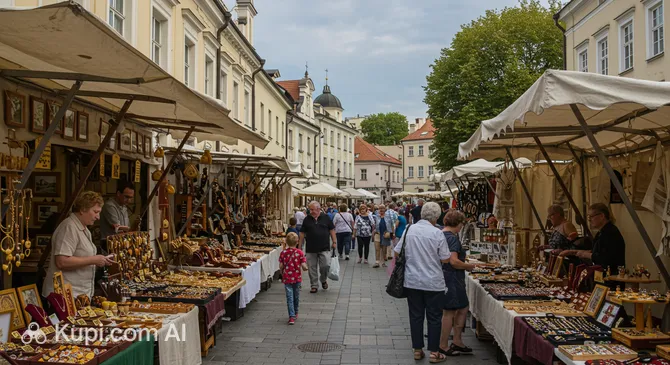
Hale Market. Source: Kupi.Binoculars

Travel Tips

Welcome to Vilnius! To ensure your journey through this historic Baltic capital is as smooth and enjoyable as possible, we have compiled a list of essential travel advice to help you navigate the city like a local.

  1. Clothing and Gear: The weather in Lithuania can be changeable, so dressing in layers is the best strategy, regardless of the season. Winters require heavy coats, hats, and gloves, while summers are generally mild but can have cool evenings. Since the Old Town is famous for its cobblestone streets, bring comfortable flat walking shoes—high heels can be a challenge here. If you plan to visit churches like the Gate of Dawn or the Cathedral, remember to dress modestly, covering your shoulders and knees.

  2. Transportation: Vilnius does not have a metro system, but it boasts an efficient network of buses and trolleybuses that cover the entire city. The best way to plan routes and buy tickets is via the local app Trafi or m.Ticket. For shorter distances within the center, walking is the most pleasant option. Ride-hailing apps like Bolt and Uber are also widely available, affordable, and often more convenient than traditional taxis.

  3. Finances: The official currency is the Euro (€). Credit and debit cards are accepted almost everywhere, including small cafes and souvenir shops, so you won't need to carry large amounts of cash. However, keeping a few coins for small purchases or tips is useful. ATMs are plentiful throughout the city. Tipping is appreciated but not mandatory; leaving about 10% of the bill in restaurants is considered polite if the service was good.

  4. Health and Safety: Vilnius is generally a very safe city for tourists, but standard precautions against pickpocketing should be taken in crowded areas. Pharmacies are marked with a green cross and the word Vaistinė; many staff members speak English. In case of any emergency, dial 112 for police, ambulance, or fire services. Tap water in Vilnius is clean and safe to drink, so you can refill your water bottle without worry.

  5. Communication: The official language is Lithuanian, one of the oldest living languages in the world. While older generations may speak Russian, most younger people and service staff speak excellent English. It is polite to learn a few local words; saying "Labas" (Hello) and "Ačiū" (Thank you) will go a long way with locals. Vilnius is also known for having some of the fastest public Wi-Fi in the world, often available for free in cafes, squares, and shopping centers.

  6. Local Etiquette: Lithuanians are generally reserved but friendly and helpful once you engage with them. A firm handshake is the standard greeting. In public places and on public transport, it is customary to speak quietly and respect others' personal space. If you are invited to a local's home, it is polite to bring a small gift, such as flowers or chocolates, and always remove your shoes at the door.

  7. What to Avoid: Avoid discussing sensitive historical and political topics, particularly confusing Lithuania with Russia or referring to it simply as a "former Soviet state," as this can be offensive given the country's pride in its independence and distinct heritage. Also, strictly avoid jaywalking; traffic rules are strictly enforced, and you can be fined for crossing the street outside of designated crosswalks.

  8. Additional Tip: If you plan to visit many museums, consider purchasing the Vilnius Pass. It offers free entry to top attractions, walking tours, and sometimes even free public transport or discounts at restaurants, making it a great money-saver for active sightseers.

With these practical tips in hand, you are ready to explore the winding streets and hidden courtyards of Vilnius with confidence. Enjoy the unique blend of history, culture, and hospitality that makes this city such a memorable destination!

Entertainment & Nightlife

When the sun sets, Vilnius transforms from a historic baroque capital into a vibrant hub of modern entertainment. The city's nightlife is compact, energetic, and surprisingly diverse, making it easy to hop from one venue to another without the need for long commutes. The atmosphere is generally relaxed and welcoming, with a "come as you are" vibe prevailing in most bars, although nightclubs and high-end lounges may enforce a smart-casual dress code.

The epicenter of the action is often referred to as the "Bermuda Triangle" of Vilnius nightlife, located around Vilniaus Street and Islandijos Street. This area is densely packed with pubs, cocktail bars, and dance floors, drawing a mix of locals, students, and tourists. On weekends, the streets themselves become a buzzing social space. For a slightly more bohemian and laid-back experience, the bars in the Užupis district or along Savičiaus Street offer intimate courtyards and craft beer tasting rooms.

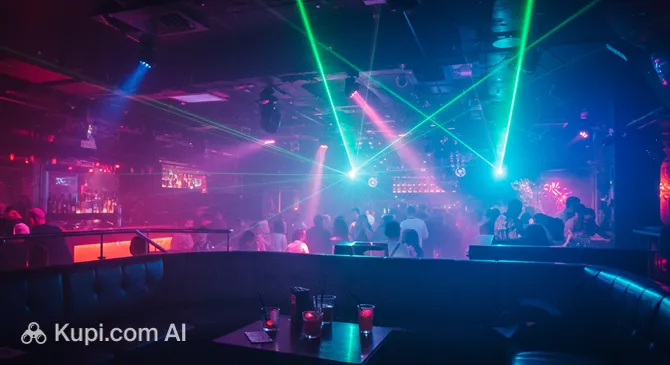
Live music is a significant part of the city's evening culture. One of the most beloved venues is Tamsta Club, a live music club that hosts everything from rock and pop to funk and electronica. It is a favorite among locals for its friendly atmosphere and high-quality sound, making it a perfect place to discover Lithuanian bands or catch international acts.

Tamsta Club. Source: Kupi.Binoculars

For those who appreciate a more soulful rhythm, Jazz Cellar 11 is an institution in the Old Town. Located in a vaulted basement, it offers an authentic jazz club experience with nightly performances ranging from classic swing to modern improvisation. If you prefer to start your evening with excellent food and drinks in a stylish setting, Momo Grill Vilnius provides a sophisticated atmosphere that transitions perfectly from dinner to late-night socializing.

Practicalities in Vilnius are traveler-friendly. Most bars stay open until 2:00 AM or 4:00 AM on weekends, with clubs going until dawn. Prices are generally moderate compared to Western Europe; expect to pay around €4-5 for a pint of beer and €8-12 for a cocktail. The city is very safe for night walks, especially in the well-lit central districts, but standard precautions apply. Public transport stops running around midnight, so for late-night travel, ride-hailing apps like Bolt or Uber are the most convenient and reliable way to get around.

While the nights are lively, the city also offers plenty of excitement during the day. Culture vultures should not miss the MO Museum, a stunning modern art space that often hosts engaging exhibitions and events. For families or those seeking an adrenaline rush, UNO Park Vilnius offers outdoor adventure climbing trails nestled in the nature of the city, providing a perfect counterpoint to the previous night's festivities.

Parks & Museums

Vilnius is widely recognized as one of the greenest capitals in Europe, where urban life exists in harmony with lush forests, river valleys, and carefully manicured gardens. For travelers, this means that a refreshing escape into nature is never far away, while the city's diverse museums offer deep dives into everything from automotive history to the evolution of global currency.

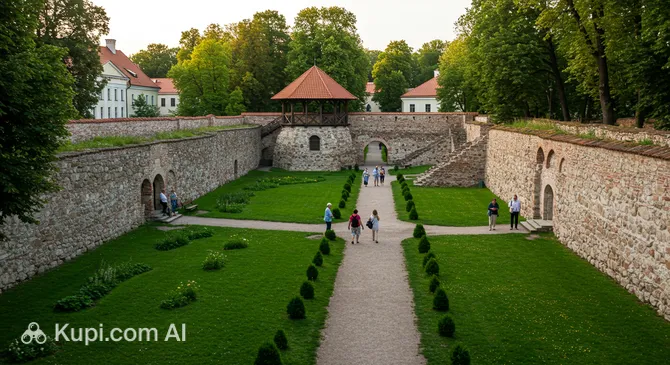
Located right in the heart of the city, Bernardine Garden is a favorite relaxation spot for locals and tourists alike. Nestled between the Vilnia River and the foot of Gediminas Hill, this park was originally created by Bernardine monks in the 15th century. Today, it features a musical fountain, a botanical exposition, and cozy pathways that make it perfect for a leisurely afternoon stroll or a picnic in the shade of ancient trees.

Bernardine Garden. Source: Kupi.Binoculars

For those seeking a larger expanse of nature, Vingis Park serves as the city's primary "green lung." Situated in a bend of the Neris River, this massive 162-hectare park is a hub for active leisure, hosting everything from major international concerts to joggers and rollerbladers. Its paved paths wind through pine forests, offering a sense of wilderness just a short distance from the bustling city center.

When it comes to cultural institutions, the city offers unique experiences that go beyond traditional galleries. The Vilnius Automobile Museum is a fascinating destination for history and engineering enthusiasts. Housed in a legendary former taxi park, the museum showcases a stunning private collection of vintage cars, motorcycles, and carriages, telling the story of transportation design through the decades in an architecturally impressive setting.

Another highlight is the Money Museum of the Bank of Lithuania, located on Gediminas Avenue. This interactive museum is surprisingly engaging, offering visitors a chance to learn about the history of money and banking in a fun and accessible way. You can view currency from around the world, strike your own souvenir coin, and even weigh yourself to see your value in gold, making it an educational stop that appeals to all ages.

For a truly authentic experience off the beaten path, head to the Pūčkoriai Exposure. This geological wonder is the highest outcrop in Lithuania, rising 65 meters above the Vilnia River. It offers breathtaking views of the surrounding valley and forests, providing a perfect vantage point to appreciate the raw natural beauty that encircles the Lithuanian capital.

Getting Around

Navigating Vilnius is straightforward and efficient, thanks to a well-developed public transport network that covers the entire city. While the capital does not have a metro or tram system, it relies on an extensive fleet of buses and trolleybuses. These vehicles are modern, generally punctual, and provide easy access to both the historic center and the outlying residential districts. For faster connections between key areas, look for "Express" buses, marked with the letter "G" (e.g., 1G, 3G), which stop only at major stations.

The ticketing system is fully integrated and electronic, offering flexibility for short visits. The most convenient way to pay is by using a mobile app like m.Ticket or Trafi. These apps allow you to purchase tickets instantly using your phone and activate them just before boarding. Alternatively, you can buy a physical smart card called Vilniečio kortelė (Vilnius Card) at "Narvesen" kiosks, post offices, or larger supermarkets. The card costs a nominal fee and can be topped up with various ticket types or a specific amount of money.

Tickets are time-based rather than distance-based, typically sold in 30-minute or 60-minute increments. This allows you to switch between buses and trolleybuses as many times as needed within the validity period. There are also 1-day, 3-day, and longer-term passes available, which are excellent value for tourists planning extensive sightseeing. While it is possible to buy a single-trip paper ticket from the driver, this is the most expensive option, requires cash (exact change is preferred), and does not allow for transfers.

Important practical advice: If you use the physical Vilnius Card, you must validate it immediately upon boarding by tapping it against the yellow electronic readers found near the doors. If you are using an app, remember to activate your ticket before the vehicle starts moving. Ticket inspections are frequent, and fines for travelling without a valid or activated ticket can be steep. Public transport generally operates from around 5:30 AM until midnight. On weekends and festive days, a network of night buses (marked with "N") runs to help late-night revelers get home safely.

For those who prefer more privacy or direct routes, ride-hailing apps like Bolt and Uber are extremely popular, reliable, and affordable compared to traditional street-hailed taxis. Vilnius is also a pioneer in the sharing economy; car-sharing services like CityBee and Spark (which features electric cars) are widely available and easy to use via their respective apps. In the warmer months, the bright orange Cyclocity bikes offer a healthy and scenic way to get around, with docking stations located throughout the center.

A unique feature of the city's transport landscape is the Gediminas Hill Funicular. While technically a tourist attraction, it serves a practical purpose by transporting visitors from the base of the hill near the National Museum up to the historic castle tower. It is a short but memorable ride that saves you a steep climb and offers great views as you ascend.

Accommodation

Finding the perfect place to stay in Vilnius is easy, as the city offers a diverse range of accommodation options to suit every preference and budget. From luxurious hotels housed in restored medieval palaces to cozy guesthouses and modern business hubs, the Lithuanian capital ensures a comfortable visit. The city is relatively compact, meaning that staying centrally often allows you to explore most major sights on foot.

For first-time visitors, the Old Town (Senamiestis) is undoubtedly the best choice. Staying within this UNESCO-listed district immerses you in the city's historic atmosphere, with cobblestone streets and baroque architecture right on your doorstep. Many hotels here are located in centuries-old buildings that have been beautifully renovated to offer modern amenities while retaining their authentic charm. This area places you just a short walk from iconic landmarks like Cathedral Square and the intricate network of narrow alleys filled with cafes and souvenir shops.

If you prefer a livelier urban vibe with easy access to shopping and nightlife, the City Center (Naujamiestis), particularly along Gediminas Avenue, is an excellent option. This district surrounds the Old Town and offers a mix of grand 19th-century architecture and contemporary establishments. It is a convenient base for those who want to be close to the main cultural attractions, such as the Museum of Occupations and Freedom Fights, while enjoying a wider selection of restaurants and bars.

For a more unique and bohemian experience, consider looking for accommodation in Užupis. This artistic district, famous for declaring itself an independent republic, offers a selection of boutique hotels and apartments. It is a quieter, greener alternative to the main tourist hubs, yet it remains just a bridge crossing away from the action. Travelers interested in religious history might also enjoy staying near the Gate of Dawn, where the atmosphere is peaceful and steeped in heritage.

Business travelers often favor the modern district of Šnipiškės, located north of the Neris River. Known as the "New City Center," this area is characterized by skyscrapers and modern office complexes. It is well-connected to the rest of the city and offers high-standard international chain hotels. A stay here also provides easy access to the recreational zone around the White Bridge, perfect for a morning run or an evening walk along the riverbank.

Budget travelers will find plenty of hostels and affordable guesthouses, particularly in the area near the bus and train stations. This location is practical for those planning day trips to other parts of Lithuania, such as Trakai or Kaunas. Regardless of where you choose to book, it is advisable to reserve your accommodation in advance, especially during the peak summer months and the festive Christmas season, to secure the best rates and availability.

Nearby Cities

Vilnius is conveniently situated in the southeastern part of the country, making it an excellent base for exploring the wider region. Several interesting towns and cities are located within a short driving or train distance, offering travelers a chance to experience more of Lithuania's diverse landscapes and history without needing to change accommodation.

City Population Distance (km)
Ukmerge 21,226 71
Jonava 27,134 77
Alytus 51,856 86
Kaunas 381,007 92
Utena 26,491 93

Among these destinations, Kaunas is particularly noteworthy as the second-largest city in Lithuania. Known for its stunning interwar Modernist architecture and vibrant street art scene, it served as the temporary capital and offers a distinct cultural vibe compared to Vilnius. Closer to the capital, Ukmergė is one of the oldest settlements in the country, featuring historic mounds and manor estates. For those interested in nature, Alytus serves as a gateway to the lush forests of the Dzūkija region, while Utena is often called the city of lakes, situated in a picturesque highland area.

Shopping & Souvenirs

Shopping in Vilnius offers a delightful mix of modern convenience and traditional charm, making it a rewarding experience for any visitor. The city effectively blends high-end fashion boutiques and sprawling entertainment centers with quaint artisan workshops tucked away in the Old Town. Whether you are looking for international designer brands, unique local crafts, or delicious Lithuanian delicacies, the capital provides a diverse array of options to suit every taste and budget.

The heart of the city's retail scene beats along Gediminas Avenue, the main central street that stretches from Cathedral Square to the Parliament. Here, you will find a variety of clothing stores, bookstores, and souvenir shops interspersed with cafes and restaurants. For a more historic shopping vibe, Pilies Street in the Old Town is the place to go. This bustling pedestrian thoroughfare is lined with stalls and small boutiques selling amber jewelry, linen goods, and handmade ceramics, making it the perfect spot to hunt for authentic gifts.

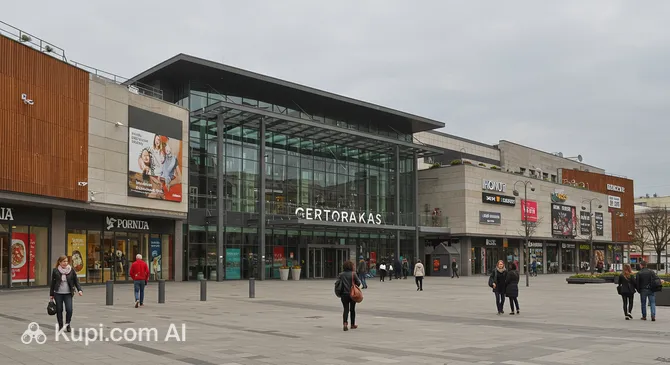
For those who prefer having everything under one roof, Vilnius boasts several impressive shopping malls that are popular with both locals and tourists. Panorama is a modern shopping center located near the business district, offering a wide selection of fashion brands, a large gourmet food hall, and panoramic views of the city. Another major destination is Ozas, a family-friendly mall that features a vast array of international retailers, a cinema, and entertainment zones for children, ensuring a full day of activity.

Panorama. Source: Kupi.Binoculars

To experience the authentic flavors of Lithuania, a visit to the local markets is essential. While the historic Hale Market has transformed into a trendy gastronomic hub offering fresh produce alongside artisan cheeses and cured meats, other spots offer a more traditional vibe. Kalvarijos Market is one of the largest and liveliest markets in the city, where farmers from the surrounding regions come to sell seasonal vegetables, smoked fish, and honey. It is a vibrant place to observe local life and pick up fresh ingredients at bargain prices.

When it comes to souvenirs, Baltic amber—often called "Lithuanian gold"—is the most iconic purchase. You can find it fashioned into everything from intricate jewelry to decorative art pieces. Linen products are another local specialty, known for their high quality and durability; look for tablecloths, clothes, and towels. Foodies should consider bringing back a bottle of Lithuanian mead (the world's oldest alcoholic drink) or a Šakotis, a traditional tree cake that looks like a spiky tower and tastes delicious.

Most shops in Vilnius are open daily, with shopping malls typically operating from 10:00 AM to 9:00 PM or 10:00 PM. Smaller boutiques in the Old Town may close earlier, around 6:00 PM or 7:00 PM, and might have shorter hours on Sundays. Credit and debit cards are widely accepted almost everywhere, including market stalls, though carrying a small amount of cash is always useful for minor purchases. Visitors from outside the European Union can also take advantage of Tax-Free shopping at participating stores, allowing for a refund on VAT for eligible purchases upon departure.

Reached the end of the page?

That means the route is fully explored