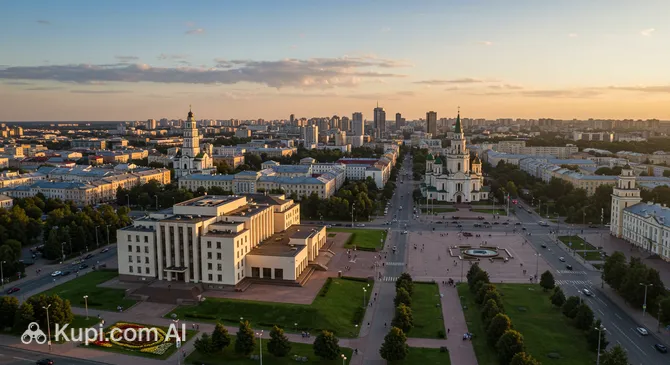
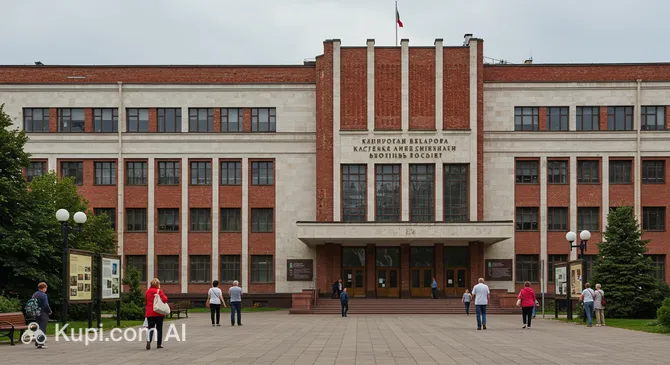
Welcome to Minsk, the spacious and welcoming capital of Belarus. Known for its wide avenues, abundant greenery, and spotless streets, this city offers a unique blend of grand architecture and modern urban energy. As the political, economic, and cultural center of the country, Minsk serves as a fascinating gateway for travelers looking to explore the region.
Minsk. Illustration.
Source: Kupi.com AI
Located on the banks of the Svislach River, the city is home to approximately 2 million people, making it a bustling metropolis that still retains a distinctively calm and unhurried atmosphere. The local climate features four distinct seasons, ranging from snowy winters that transform the numerous parks into white wonderlands to warm, pleasant summers perfect for long walking tours.
The history of Minsk is a testament to resilience and rebirth. Having been significantly affected by World War II, the city was rebuilt with a grand vision, resulting in the majestic Stalinist Empire style architecture that defines the famous Independence Avenue today. In contrast to these monumental structures, the charming Trinity Suburb offers a glimpse into the 19th-century past with its restored tiled roofs, cobblestone paths, and cozy cafes.
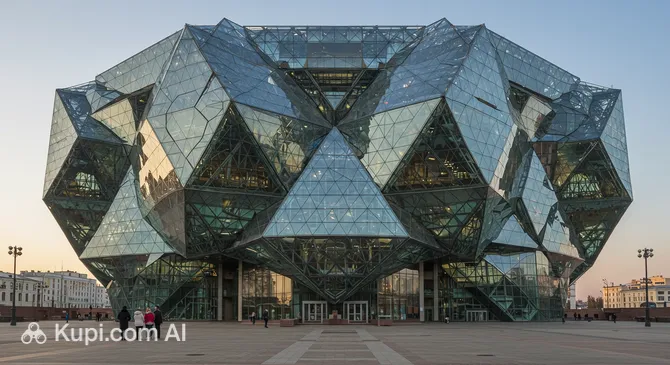
Modern Minsk is equally impressive, characterized by landmarks such as the futuristic National Library of Belarus, a diamond-shaped building that lights up the skyline at night. Whether you are interested in exploring vast museums, enjoying a performance at the Bolshoi Opera and Ballet Theatre, or simply strolling through Gorky Park, Minsk invites you to discover its hidden gems and warm hospitality.
Weather Overview
Minsk experiences a temperate continental climate with four clearly defined seasons, making it a year-round destination with varied atmospheric charm. The city generally enjoys comfortable summers, with July and August being the warmest months; average temperatures hover around 18°C, while daily highs often reach a pleasant 23°C.
In contrast, the winter months transform the city with freezing temperatures and frequent snowfall. January is typically the coldest time of year, with averages around -3.5°C and minimums dropping to -5.6°C. Since December and January see about 15 to 16 wet days each, travelers should come prepared for damp and frosty conditions. For a deeper dive into seasonal averages and current forecasts, you can check the detailed report on the weather in Minsk.
Spring and autumn serve as mild transition periods, with May and September offering moderate temperatures between 12°C and 13°C, ideal for exploring the city's parks. Overall, you can expect warm summers with occasional rain and cold winters suitable for cozy indoor activities.
Average monthly temperature
Average monthly precipitation
Interesting Facts
Beyond the main attractions and grand avenues, Minsk holds many fascinating secrets and unique features that often surprise visitors. Here are some intriguing facts about the Belarusian capital that reveal its distinct character.
Minsk is frequently noted for its misty weather, often recording more foggy days annually than London. This atmospheric phenomenon is particularly common in autumn, giving the city’s parks and streets a mysterious and serene ambiance.
The National Library of Belarus is one of the most recognizable buildings in the country, shaped like a rhombicuboctahedron. This geometric "diamond" is designed to symbolize the value of knowledge and features an LED lighting system that turns the facade into a massive digital display at night.
Nature lovers will find a haven in the Central Botanical Garden of the National Academy of Sciences of Belarus, which is among the largest in Europe by area. It hosts a vast collection of flora, including a lemonary and a year-round orangery where exotic plants thrive regardless of the season.
For a truly unique experience, the city is home to a dedicated Cat Museum. This unusual attraction allows visitors to interact with friendly resident cats while viewing art collections centered around felines, making it a cozy stop for animal enthusiasts.
National Library of Belarus. Illustration.
Source: Kupi.com AI
Traveler photos:
How to Get There
Planning a trip to the capital of Belarus offers several convenient travel options depending on your starting point. Whether you prefer flying or taking the train, the city is well-connected to major transport networks. For a complete overview of all available routes and travel tips, you can read more about how to get to Minsk.
The most direct way to arrive is via Minsk National Airport (MSQ), which serves as the primary international gateway. Located approximately 31 km from the city center, this modern facility handles a significant volume of passengers annually. The journey from the airport to downtown Minsk typically takes around 65 to 70 minutes by taxi or shuttle bus. Another option for travelers is Vilnius International Airport (VNO), situated in the city of Vilnius, about 169 km away. While it is a major regional hub with high passenger traffic, the transfer to Minsk by road takes approximately 4.5 hours.
For clarity, here is a summary of the main airports:
If you prefer rail travel, the city is excellently served by its central hub, Minsk Passazhirsky Railway Station. Located right in the city, just 1.3 km from the center, it offers immediate access to the downtown area without the need for a long transfer. For those coming from nearby regions, Koydanovo Station in Dzyarzhynsk is another notable stop, situated about 36 km from Minsk; a trip from there to the capital takes roughly 75 minutes by road.
Below is a list of railway stations serving the area:
Station
Passenger traffic
Distance
Minsk Passazhirsky Railway Station
—
1 km
Fanipol Station
—
23 km
Koydanovo Station
400 000
36 km
Zhodzina Railway Station
600 000
56 km
Pukhovichi Station
—
58 km
Molodechno Railway Station
—
66 km
Main Attractions
Minsk is a city that rewards curiosity, offering a mix of grand avenues, historic sites, and vibrant cultural spaces. Whether you are an art enthusiast, a history buff, or someone who simply enjoys soaking up the local atmosphere, the capital has plenty to offer. Here are some of the most interesting places to visit during your stay.
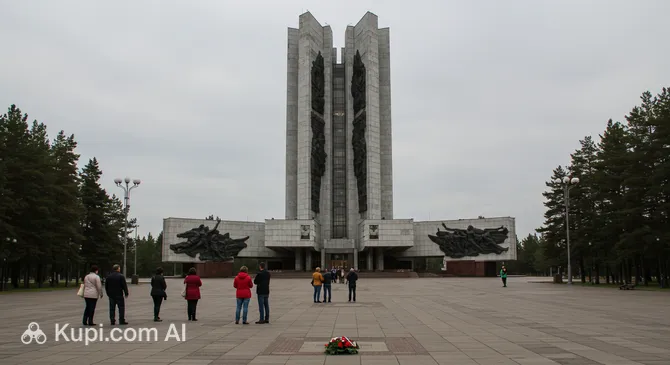
One of the most striking landmarks in the city is the Belarusian State Museum of the History of the Great Patriotic War. Moved to a magnificent new building in 2014, this museum is architectural storytelling at its finest, featuring a glittering dome that symbolizes victory. Inside, visitors can explore extensive exhibits detailing the events of the mid-20th century through immersive dioramas and rare artifacts. It is an essential stop for understanding the resilience and history of the region.
Belarusian State Museum of the History of the Great Patriotic War. Illustration.
Source: Kupi.com AI
Traveler photos:
For a deep dive into the country's artistic heritage, the National Art Museum of the Republic of Belarus is the place to go. Located in the city center, it houses the largest collection of Belarusian and foreign art in the country. The gallery features everything from ancient iconography and 19th-century paintings to contemporary works. Tourists appreciate the museum not only for its diverse collection but also for its peaceful atmosphere, making it a perfect cultural retreat.
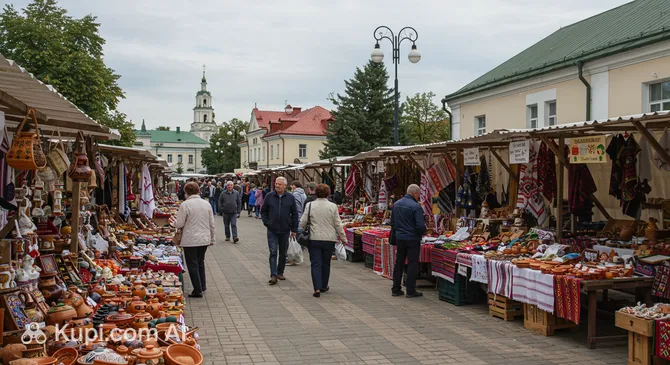
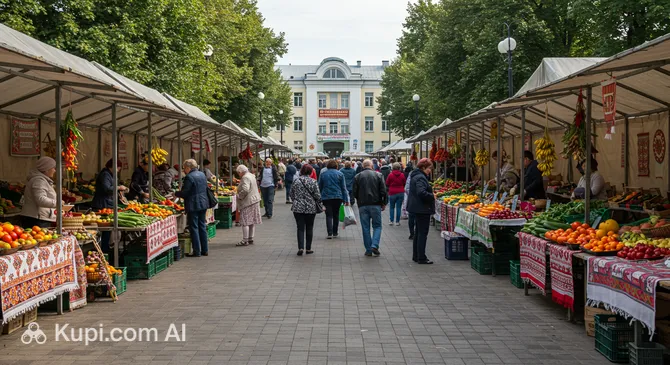
To experience the daily rhythm of local life, a visit to Komarovsky Market is a must. Known affectionately by locals as "Komarovka," this is the city's chief covered market. Under its massive roof, you will find rows of fresh farm produce, seasonal berries, homemade cheeses, and meats. It is an excellent spot to sample local flavors, buy souvenirs, or simply watch the bustling trade that has been a part of Minsk's identity for decades.
Komarovsky Market. Illustration.
Source: Kupi.com AI
Traveler photos:
If you prefer a quieter, more romantic setting, head to the Loshitsky Estate Museum. Situated within a vast and picturesque park, this restored 18th-century manor offers a glimpse into the lives of the aristocracy of the past. The surrounding parkland is famous for its old orchards and scenic river views, making it a favorite spot for leisurely walks and photo sessions, especially in the spring when the trees are in bloom.
Loshitsky Estate Museum. Illustration.
Source: Kupi.com AI
Traveler photos:
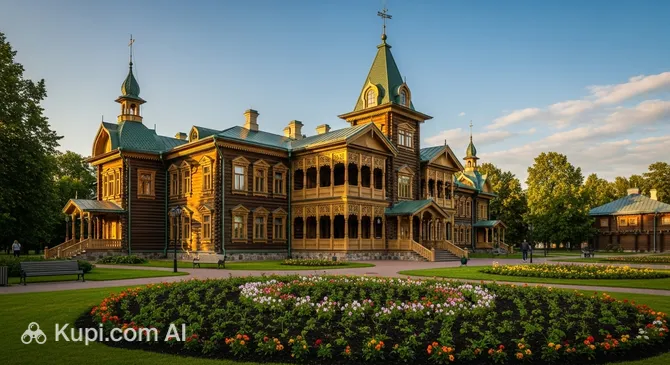
Another unique architectural gem is the Saint Elisabeth Convent. Although it is a relatively modern construction, it was built in the style of ancient Orthodox architecture and has quickly become a significant spiritual center. The convent grounds are beautifully maintained with flower gardens and workshops where you can buy handcrafted items. It is a welcoming place for visitors of all backgrounds seeking tranquility and beauty on the outskirts of the city.
Local Cuisine
Local Cuisine:
The culinary landscape of Minsk is a heartwarming reflection of Belarusian hospitality, characterized by hearty, satisfying dishes that prioritize locally sourced ingredients. At the center of the table, you will almost always find the potato, which is revered in the local gastronomy and prepared in countless delicious ways. For any visitor, exploring these traditional flavors is as essential as sightseeing.
No trip to the capital is complete without tasting draniki, the country's most iconic dish. These crispy potato pancakes are typically fried to golden perfection and served piping hot with a generous dollop of sour cream, known locally as smetana. For a more substantial meal, look for machanka, a rich and savory stew made with pork ribs and homemade sausages, traditionally accompanied by thick yeast pancakes used for dipping into the flavorful sauce.
Kuhmistr. Illustration.
Source: Kupi.com AI
Traveler photos:
When it comes to beverages, the local culture offers unique options to suit every season. On warm days, locals refresh themselves with kvass, a fermented bread drink with a tangy, sweet flavor that is widely available. For something stronger, you might try krambambula, a historic alcoholic drink infused with honey and spices, which warms the soul during the colder months.
The city's dining scene ranges from modern European eateries to establishments deeply rooted in history. To experience authentic Belarusian and Litvin cuisine in a setting that evokes the past, you can visit Kuhmistr. This restaurant is well-regarded for its dedication to traditional recipes and offers a cozy atmosphere where you can sample classic dishes prepared with care.
Beyond heavy meals, Minsk has a thriving cafe culture perfect for a relaxing break. Themed venues like Sherlock Coffee Hall offer a distinct vibe, allowing you to enjoy high-quality coffee and desserts in an imaginative setting. Whether you are grabbing a quick snack at a street stall or sitting down for a multi-course dinner, the food in Minsk is sure to leave you feeling full and welcome.
Travel Tips
To ensure your visit to the Belarusian capital is as smooth and enjoyable as possible, it helps to know a few local nuances before you arrive. These practical tips will guide you through the city's logistics and customs, allowing you to focus on exploring its grand avenues and cozy corners.
Pack for the Season and Occasion The weather in Minsk can be changeable, so bringing layers is always a smart strategy, especially in autumn and spring. Winters require heavy coats and non-slip boots, while summers are generally mild. If you plan to visit Orthodox churches or the Saint Elisabeth Convent, remember that modest dress is required; women are typically expected to cover their heads with a scarf, and men should remove their hats.
Master the Metro and Apps The Minsk Metro is the most efficient way to navigate the city; it is clean, punctual, and very affordable. You can pay with contactless cards at the turnstiles or buy tokens. For destinations not near a station, ride-hailing apps like Yandex Go are far more convenient and reliable than hailing a taxi on the street. Car rental is generally unnecessary for city trips due to the excellent public transport network.
Currency and Payments The local currency is the Belarusian Ruble (BYN). While card payments are widely accepted in supermarkets, restaurants, and museums, it is highly advisable to carry some cash, as some international cards may encounter processing issues depending on your issuing bank. You can easily exchange major currencies (USD, EUR) at bank branches or exchange offices located throughout the city and in shopping malls.
Safety and Health Minsk is known for being an incredibly safe city for tourists, even at night. However, standard precautions apply. Pharmacies are marked with a green cross and are easy to find; look for those labeled "24 hours" if you need help late at night. The emergency number for medical assistance is 103.
Language and Connectivity The primary languages spoken are Russian and Belarusian. While younger people in the city center often speak English, it is less common among the older generation. It is helpful to download an offline translation app and map. You can purchase a local SIM card at the airport or mobile provider stores in the city (passport required) to stay connected with high-speed mobile data.
Respect Local Etiquette Belarusians are generally polite and reserved. It is customary to greet shop assistants with a nod or a "hello." On public transport, giving up your seat to elderly passengers, pregnant women, or parents with small children is not just polite—it is expected social courtesy. Handshakes are the standard greeting for men, while close friends might hug.
Follow Traffic and Public Order Rules Be very careful not to jaywalk. Traffic rules are strictly enforced, and crossing the street at non-designated places can result in a fine. Additionally, drinking alcohol in public places (parks, streets, or benches) is prohibited and frowned upon; stick to designated cafes and bars.
Shopping Hours Most major grocery stores and shopping centers in Minsk stay open quite late, often until 10:00 PM or 11:00 PM, which is convenient for late arrivals. If you are looking for souvenirs, the large department stores like GUM or TSUM offer a nostalgic atmosphere along with local goods like linen and chocolate.
Armed with these tips, you are ready to navigate Minsk with confidence and ease. Whether you are riding the metro to a museum or enjoying a local meal, respecting these small details will help you blend in and make the most of your Belarusian adventure.
Entertainment & Nightlife
When the sun sets, Minsk transforms from a calm administrative center into a vibrant hub of evening activity. The city's nightlife scene has evolved significantly in recent years, offering everything from sophisticated cocktail lounges to energetic dance clubs. Whether you prefer a quiet evening with live jazz or a night of partying until dawn, the Belarusian capital has something to suit your mood.
The epicenter of nightlife in Minsk is undoubtedly Zybitskaya Street in the Upper Town. Often referred to as the "bar street," it is packed with dozens of venues standing shoulder to shoulder. The atmosphere here is lively and social, with crowds spilling out onto the pedestrian areas during weekends. It is the perfect place for bar-hopping, as you can easily move from a craft beer pub to a chic wine bar within seconds. Another trendy district is Oktyabrskaya Street, a former industrial area turned hipster haven. Known for its massive colorful murals and red-brick factory buildings, it attracts a creative crowd and hosts underground parties, art spaces, and unique eateries.
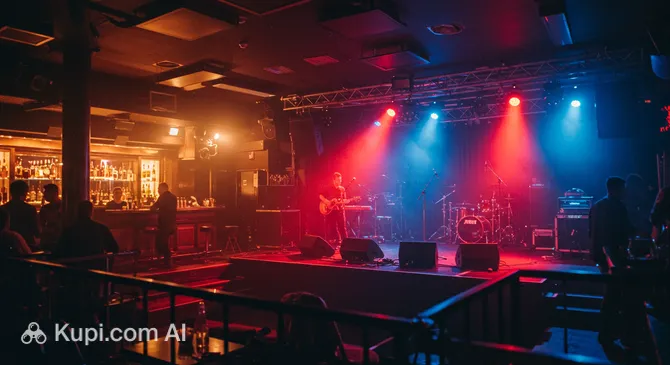
For music enthusiasts, the city offers several iconic venues. If you enjoy live rock music and a museum-like atmosphere filled with memorabilia, TNT Rock Club is a legendary spot. It hosts local and visiting bands regularly, providing an energetic setting for a night out. For those looking for large-scale concerts and modern club events, Prime Hall is one of the premier concert venues in the city, featuring excellent acoustics and hosting major touring artists.
TNT Rock Club. Illustration.
Source: Kupi.com AI
Traveler photos:
Practicalities for a night out in Minsk are straightforward. Most bars are open until 2:00 AM or 4:00 AM on weekends, while clubs typically get busy after midnight. The dress code is generally smart-casual; while most bars are relaxed, high-end clubs may have "face control," so dressing neatly is recommended. Prices for drinks and cover charges are generally moderate compared to Western European capitals. Getting around at night is safe and easy; while the metro closes around 12:40 AM, ride-hailing apps are affordable and reliable for getting back to your hotel.
Safety is a strong point for Minsk nightlife. The city center is well-lit and heavily patrolled, making it safe to walk between venues in popular districts like the Upper Town. However, as in any major city, it is wise to stay aware of your surroundings and avoid unlit outskirts late at night.
Beyond the party scene, Minsk offers excellent cultural entertainment for the evening. Classical music lovers should check the schedule at the Belarusian State Philharmonic, which hosts symphony orchestras and chamber music concerts in a refined setting. For daytime fun before the night begins, you might visit Quvalda Amusement Park, a spot that offers active entertainment and is a great way to spend an afternoon with friends or family.
Parks & Museums
Minsk is widely celebrated as one of the greenest capitals in Europe, seamlessly blending its urban landscape with expansive natural areas and rich cultural institutions. The city invites visitors to explore its numerous parks, which serve as serene escapes from the bustling avenues, while its museums offer a fascinating journey through the nation's heritage and artistic achievements.
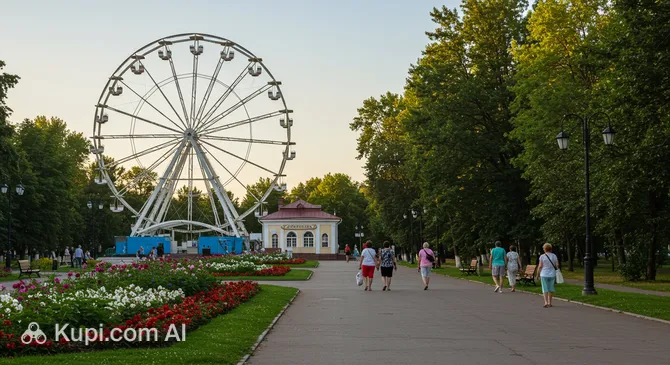
One of the most beloved green spaces in the city is Gorky Park. Founded in the early 19th century, it is the oldest public park in Minsk and a favorite destination for families. Located along the Svislach River, the park features shady alleys, a planetarium, and a large Ferris wheel that offers panoramic views of the city center. It is a perfect spot for a leisurely stroll or enjoying an ice cream on a sunny afternoon.
Gorky Park. Illustration.
Source: Kupi.com AI
Traveler photos:
For those seeking a more expansive natural retreat, Victory Park is the largest park in the city. This vast recreational area surrounds Komsomolskoye Lake and is home to the mysterious Bird Island, a protected sanctuary for wildlife. The park is ideal for cycling, picnicking, or renting a boat to paddle across the lake. Within the park grounds, you will also find the imposing Minsk Hero City Obelisk, a monumental landmark honoring the city's resilience during World War II.
To dive deeper into the country's past, a visit to the Belarusian National History and Culture Museum is essential. This institution holds the largest collection of artifacts in Belarus, ranging from ancient archaeological finds and coins to traditional costumes and weaponry. The exhibits provide a comprehensive overview of the Belarusian people's life and traditions throughout the centuries.
Belarusian National History and Culture Museum. Illustration.
Source: Kupi.com AI
Traveler photos:
A more interactive and modern cultural experience can be found at the Mini Museum. This unique venue displays highly detailed miniature models of Belarus's most significant architectural landmarks, including castles and churches that are located outside the capital. It is an excellent way for tourists to see the entire country in one hour and gather inspiration for future trips to the regions.
Architectural beauty serves as a backdrop to culture at the National Academic Bolshoi Opera and Ballet Theatre of Belarus. Even if you do not attend a performance, the building itself is a masterpiece of constructivist architecture surrounded by a manicured garden, making it a prime location for photography.
For a hidden gem known mostly to locals, seek out the Red Courtyard. Tucked away behind the facades of Revolyutsionnaya Street, this cozy, well-like courtyard hosts art exhibitions, small concerts, and film screenings, offering a glimpse into the city's alternative creative scene.
Getting Around
Getting around Minsk is both efficient and affordable, thanks to a well-developed public transport network that connects the city center with even the most distant neighborhoods. The system is designed to handle a large volume of passengers with minimal delays, making it a reliable option for tourists. The primary modes of transport include the metro, buses, trolleybuses, and trams, all of which operate on a unified ticketing system for convenience.
The Minsk Metro is the fastest way to navigate the city and is often considered an attraction in itself. Currently consisting of three lines, it covers the main thoroughfares and key tourist spots. The stations are renowned for their cleanliness and architectural beauty; many feature marble columns, intricate chandeliers, and Soviet-era artistic elements that resemble underground palaces. Trains run frequently, with intervals as short as two minutes during peak hours, ensuring you never have to wait long.
For destinations not served by the subway, the extensive ground network of buses and trolleybuses fills the gaps. Minsk possesses one of the largest trolleybus systems in the world, offering an eco-friendly way to travel. Trams are also available in specific districts, providing a scenic and steady ride. Additionally, privately operated minibuses, known locally as marshrutkas, offer a faster alternative to standard buses. These follow fixed routes but stop on demand, and payment is typically made in cash directly to the driver.
Paying for rides is modern and user-friendly. You can purchase single-journey paper tickets at "Minsktrans" kiosks, newsstands, or post offices. For frequent travel, it is highly recommended to buy a contactless smart card, which can be loaded with a specific number of trips or a time-based pass (e.g., for 1, 3, or 10 days). A convenient feature for tourists is the ability to pay directly with a contactless bank card or smartphone at metro turnstiles and on validators in ground vehicles, eliminating the need to queue for tickets.
If you use paper tickets, remember to validate them immediately upon boarding by inserting them into the electronic validators; failure to do so can result in a fine. The transport system generally operates from approximately 5:30 AM to 12:40 AM. While the metro closes its doors shortly after midnight, some ground transport routes may finish slightly earlier or later depending on the schedule.
For those who prefer more privacy or direct routes, ride-hailing apps are the most popular alternative to traditional taxis. Services like Yandex Go are widely used, offering transparent pricing and the ability to link a bank card. Car-sharing services are also booming in the city, with numerous vehicles available for short-term rental via mobile apps. During the warmer months, dockless electric scooters and bike-sharing systems provide a fun and flexible way to explore the wide avenues and parks at your own pace.
Accommodation
Accommodation in Minsk caters to a wide spectrum of preferences and budgets, ranging from economical hostels to high-end international hotel chains. In recent years, the hospitality sector has expanded significantly, offering modern facilities that sit alongside renovated establishments retaining a touch of Soviet-era grandeur. For those seeking a more independent experience, short-term apartment rentals are extremely popular and widely available throughout the city, often providing excellent value for money and more living space than a standard hotel room.
The most convenient area for tourists to stay is undoubtedly the city center, particularly along or near Independence Avenue. Staying here places you within walking distance of major landmarks, museums, and the metro line, making navigation effortless. For travelers interested in nightlife and historic charm, the neighborhoods around the Upper Town and Nemiga are ideal choices, offering immediate access to pedestrian streets filled with cafes, bars, and souvenir shops. If you prefer a quieter environment, the areas surrounding the city's major green spaces, such as near the Svislach River, offer a peaceful retreat while remaining close to the action.
Regarding costs, accommodation in the Belarusian capital is generally affordable compared to many Western European cities. Budget travelers can find clean and comfortable hostels or basic hotel rooms, while mid-range options often include breakfast and modern amenities. Luxury hotels provide world-class service, spas, and panoramic views. While major online booking platforms are commonly used, checking a hotel's direct website can sometimes yield better rates or special packages.
A helpful tip for planning your stay is to book well in advance if you intend to visit during the summer months or around major public holidays, such as New Year's Eve or the May holidays. During these peak times, the best-value options in the city center tend to fill up quickly due to the influx of regional visitors.
Nearby Cities
For those looking to explore the surroundings, Minsk serves as an excellent base for day trips to several interesting nearby locations. The region offers a mix of industrial marvels, historical sites, and charming provincial atmosphere, all within a comfortable driving distance from the capital.
One of the most unique destinations is Zhodzina, home to the legendary BELAZ factory. This city attracts tourists who want to see the world’s largest mining dump trucks up close. Visitors can take guided tours of the plant to marvel at these engineering giants, some of which are as tall as a multi-story building. Another notable spot is Borisov, an ancient city with a rich history dating back to the 12th century. It is known for the stunning 19th-century Resurrection Cathedral and its significant role in the Napoleonic Wars, offering history buffs plenty to explore.
City
Population
Distance
Zaslawye
17 701
22 km
Fanipol
17 507
23 km
Kastyukovichy
15 993
34 km
Dzyarzhynsk
29 863
37 km
Lahoysk
15 442
38 km
These nearby destinations offer a glimpse into the diverse culture and landscapes of the region, providing a perfect contrast to the bustling city life of the capital.
Shopping & Souvenirs
Shopping in Minsk offers a delightful mix of modern retail experiences and nostalgic charm. The city is not just a place to buy international brands but also a treasure trove for high-quality local products. From gleaming multi-story shopping centers to historic department stores that have served residents for decades, the diverse retail landscape caters to every taste and budget.
The heart of the city's shopping scene beats along Independence Avenue. This grand thoroughfare is lined with boutiques, bookstores, and souvenir shops. Here, you will find the legendary department stores, GUM and TSUM. These architectural landmarks are worth visiting not only for their goods but also for their retro atmosphere. Inside, you can browse through sections dedicated to Belarusian knitwear, ceramics, and watches, all displayed in a setting that evokes the mid-20th century.
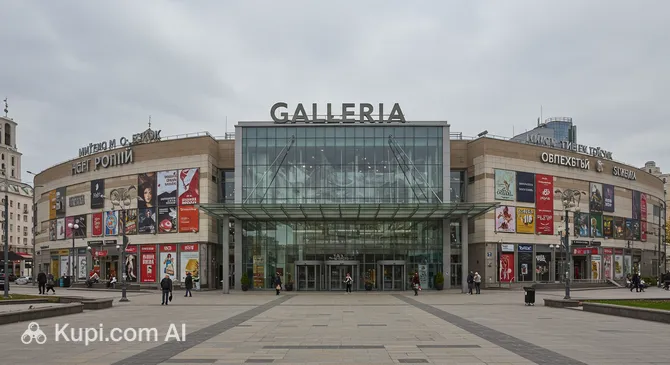
For a more contemporary experience, the city boasts several world-class malls. One of the most popular destinations is Galleria Minsk, located right in the city center. Its modern design and convenient location make it a favorite for both locals and tourists. The mall houses a wide array of fashion brands, a large supermarket, and a food court with panoramic views of the historic Upper Town.
Galleria Minsk. Illustration.
Source: Kupi.com AI
Traveler photos:
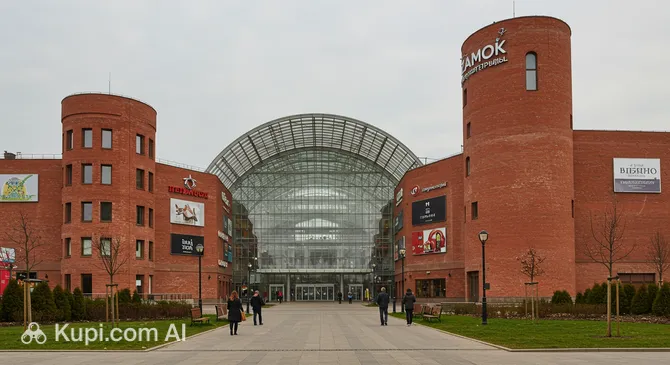
Another major shopping hub is the Castle Shopping Mall (Zamok). Situated a bit further from the center but easily accessible, this expansive complex offers a vast selection of clothing, electronics, and home goods. It also features an ice rink and a cinema, making it a great spot for a full day of entertainment and retail therapy.
Castle Shopping Mall. Illustration.
Source: Kupi.com AI
Traveler photos:
To experience the authentic flavor of local trade, a visit to Komarovsky Market is essential. While primarily known for fresh food, the surrounding seasonal markets often sell everything from flowers to handmade crafts. It is the best place to buy edible souvenirs like local honey, cured meats, and fresh seasonal berries directly from farmers.
When it comes to souvenirs, Minsk has plenty of unique items to offer. Visitors often bring back Belarusian linen, which is renowned for its quality and durability; you can find everything from tablecloths to clothing. Local cosmetics from brands like Belita-Vitex are also extremely popular for their high quality and affordability. For those with a sweet tooth, boxes of chocolates from the Kommunarka or Spartak factories make for perfect gifts.
Most shops in Minsk operate daily, typically opening around 10:00 AM and closing between 9:00 PM and 10:00 PM. Large supermarkets and some pharmacies may stay open 24 hours. Credit and debit cards are widely accepted almost everywhere, including small kiosks and market stalls, though carrying a small amount of cash is always a good idea.
Foreign visitors may also take advantage of the Tax Free system. If you purchase goods worth more than a certain amount (usually 80 BYN) in a single day from participating stores, you can claim a VAT refund upon leaving the country. Look for the "Tax Free" signage in shop windows and ask the staff for the necessary forms at the checkout.