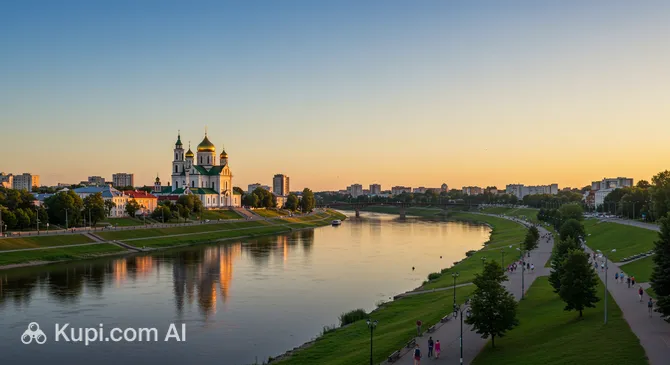
Welcome to Vitebsk, a city that effortlessly blends ancient traditions with a vibrant artistic spirit. Often referred to as the cultural capital of the northern region, it offers a unique atmosphere filled with creativity and charm. Located in the northeast of Belarus, the city is picturesquely situated on the high banks of the Western Dvina River. With a population of approximately 366,000 residents, it serves as the administrative center of the Vitebsk Region and an important cultural hub.
Vitebsk. Illustration.
Source: Kupi.com AI
The history of Vitebsk is rich and storied, dating back to its legendary founding in the 10th century. Over the years, it has evolved into a significant center of commerce and art. Today, the city is perhaps best known internationally as the birthplace of the world-renowned avant-garde artist Marc Chagall. Visitors can explore his childhood home and the Art Center dedicated to his works, which remain a deep source of pride for the local community.
Beyond its artistic heritage, Vitebsk is famous for hosting the Slavianski Bazaar, a major international arts festival held at the impressive Summer Amphitheatre. Another architectural gem is the majestic Assumption Cathedral, which dominates the skyline and offers panoramic views of the surroundings. Whether you are strolling through the historic streets or enjoying the riverside scenery, Vitebsk promises a memorable and inspiring experience for every traveler.
Weather Overview
The weather in Vitebsk is characterized by a moderate continental climate with four distinct seasons, offering a variety of experiences for visitors. Winters are generally cold and snowy, with January being the coldest month, featuring an average temperature of -4.0°C and lows dipping to -6.1°C. This season often sees frequent precipitation, with up to 17 wet days in December and January, creating a wintry atmosphere perfect for indoor cultural exploration.
As the city transitions into spring, temperatures rise steadily from an average of 0.1°C in March to a pleasant 12.1°C by May. The summer months bring the most comfortable conditions for sightseeing, with July being the warmest month, averaging 18.3°C and reaching highs of around 22.4°C. Expect warm summers with occasional rain and cold winters, as precipitation remains fairly consistent throughout the year, though July tends to be slightly wetter.
Average monthly temperature
Average monthly precipitation
Interesting Facts
Beyond the main attractions and artistic heritage, Vitebsk holds many fascinating secrets and historical records that often surprise visitors. Here are some unique details that make this city truly special:
A Tram Pioneer: Vitebsk was the first city in the territory of modern Belarus to introduce an electric tram system. The service began in 1898, meaning this provincial center had electric streetcars running through its streets even before major imperial capitals like Moscow or Saint Petersburg.
A Square of Record Proportions: The city is home to the largest town square in the country and one of the largest in Europe. Victory Square is a colossal open space that impresses with its scale and serves as a central venue for public gatherings.
The Local Giant: Local folklore cherishes the story of Fyodor Makhnov, a man born in a nearby village who was reputed to be the tallest human in history. Although accounts vary, some sources claim he reached a height of 285 centimeters, and his legacy is still remembered in the region.
The Legend of Princess Olga: While historical records are debated, popular legend attributes the founding of the city to Princess Olga of Kiev in the year 974. She reportedly ordered the construction of a wooden fortress on the banks of the river, establishing the settlement's official birth year.
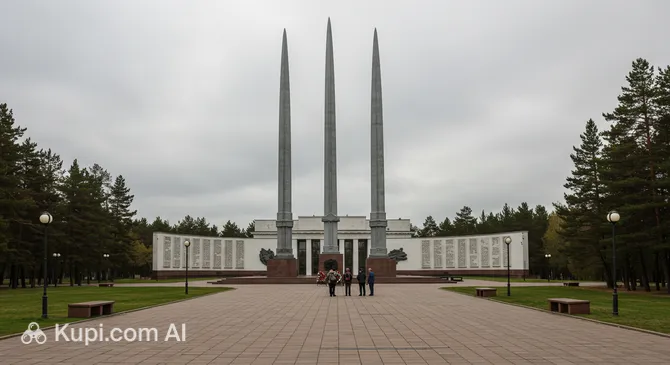
The Three Bayonets: Dominating the skyline near the river is the Three Bayonets Memorial Complex. This monumental structure is not only a tribute to history but also serves as a distinct landmark visible from many parts of the city.
Three Bayonets Memorial Complex. Illustration.
Source: Kupi.com AI
Traveler photos:
How to Get There
Planning a trip to this cultural hub is the first step toward an unforgettable experience. Whether you prefer flying or taking a scenic train ride, there are several convenient options available. You can find more about how to get to Vitebsk and choose the route that best suits your itinerary.
For international travelers, the most common entry point is Minsk National Airport(IATA: MSQ). It serves as the country's primary gateway and handles the majority of international flights. The city of Vitebsk does not have its own major international hub, so you will likely fly into this airport located in Minsk, which is approximately 202.7 km from Vitebsk. From there, a transfer by taxi or bus typically takes around 3 to 4 hours. Another option is the local Vitebsk Airport(IATA: VTB), situated just 11.7 km from the city center. While much closer, it is a smaller regional airport with significantly less traffic, catering primarily to specific regional or charter flights. Travel time from here to the center is short, taking about 20 minutes by taxi.
For clarity, here is a summary of the main airports:
Traveling by train is another popular and comfortable way to reach the city. The main transport hub is the Vitebsk Railway Station, conveniently located within the city limits, just 1.4 km from the center. It is a major station with high passenger traffic, connecting the region to various domestic and international destinations. Arriving here places you right in the heart of the action, with easy access to local transport or a quick taxi ride to your accommodation.
Below is a list of railway stations in the vicinity:
Station
Passenger traffic
Distance
Vitebsk Railway Station
1.5 mln
1 km
Bogushevskaya Station
—
39 km
Haradok Railway Station
—
34 km
Shumilino Station
—
39 km
Liozno Railway Station
90 000
43 km
Rudnya Railway Station
120 000
61 km
Orsha-Centralnaya Station
2 mln
76 km
Main Attractions
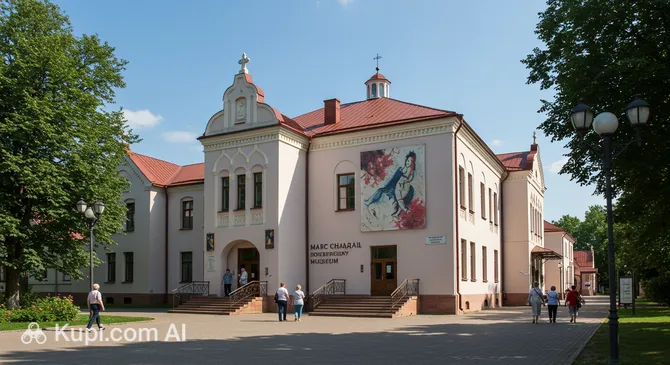
Vitebsk is a city that proudly showcases its artistic heritage and historical depth, offering visitors a variety of captivating sights. A trip to this region would be incomplete without visiting the Marc Chagall Museum. Located in the childhood home of the world-famous avant-garde artist, this intimate museum displays original documents, household items, and copies of his works. It provides a fascinating glimpse into the early life of the painter who immortalized the city in his flying lovers and dreamlike cityscapes, making it a pilgrimage site for art lovers from around the globe.
Marc Chagall Museum. Illustration.
Source: Kupi.com AI
Traveler photos:
For those eager to delve deeper into the region's past, the Vitebsk Regional Museum of Local Lore is an essential stop. Housed in the historic Town Hall, one of the city's most recognizable architectural landmarks, the museum holds a vast collection of artifacts ranging from ancient birch bark scrolls to numismatics and weaponry. Climbing to the tower of the Town Hall also offers a splendid panoramic view of the old town, rewarding visitors with both knowledge and beautiful scenery.
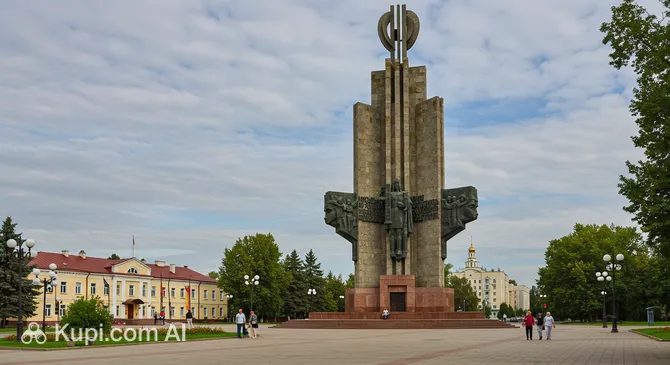
Walking along the banks of the Western Dvina, you will likely encounter the impressive 1000th Anniversary of Vitebsk Monument. This grand sculptural composition serves as a visual chronicle of the city's long history, depicting key historical figures and events that have shaped the area over the last millennium. It is a popular spot for photos and a great place to reflect on the city's enduring legacy.
1000th Anniversary of Vitebsk Monument. Illustration.
Source: Kupi.com AI
Traveler photos:
If you are looking for a peaceful retreat within the city, Frunze Park offers a lush, green escape. Situated along the Vitba River, this park is a favorite among locals for leisurely strolls and relaxation. With its winding paths, footbridges, and serene atmosphere, it connects the bustling city center with nature, making it a perfect location to unwind after a day of sightseeing.
Local Cuisine
The culinary landscape of Vitebsk is deeply rooted in Belarusian traditions, offering a hearty and comforting experience for any traveler. The undisputed king of the local table is the potato, prepared in countless ways. No visit is complete without trying draniki, the famous potato pancakes that are crisp on the outside and soft on the inside. They are typically served with a generous dollop of sour cream or paired with machanka, a rich pork stew that serves as a delicious dipping sauce. Another must-try is kolduny, potato dumplings often stuffed with minced meat, which provide a savory taste of the region's home-style cooking.
When it comes to beverages, the city offers unique local flavors. For a refreshing non-alcoholic option, try kvas, a fermented drink made from rye bread that is particularly popular during the warmer months. If you are looking to sample traditional spirits, look for krambambula, a honey-spiced liqueur served warm or cold, or local herbal balsams that are often enjoyed with tea or coffee. These drinks reflect the hospitality and warmth of the local culture.
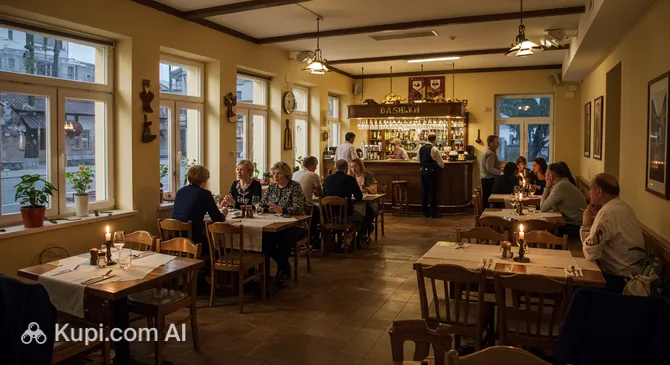
The dining scene in Vitebsk ranges from cozy, folk-inspired taverns to modern cafes. For those seeking an authentic atmosphere, Vasilki is a popular choice among both locals and tourists. This restaurant specializes in traditional Belarusian cuisine served in a rustic, village-style setting, making it the perfect place to enjoy a classic peasant meal in comfort.
Vasilki. Illustration.
Source: Kupi.com AI
Traveler photos:
For visitors interested in a more contemporary dining experience or a hearty meat feast, Rebro Grill-Bar offers a robust menu focused on grilled dishes and burgers. The city's nightlife and cafe culture are also vibrant; places like Brevis provide a relaxed environment to unwind with a cocktail or a light snack after a day of exploring the city's artistic heritage.
Travel Tips
To ensure your visit to the artistic heart of the country is as smooth and enjoyable as possible, we have compiled a list of essential advice. These practical tips will help you navigate local customs, manage your logistics, and make the most of your time in this charming city.
Clothing and Gear: The weather can be changeable, so packing layers is always a smart strategy. In winter, thermal wear, a heavy coat, and waterproof boots are essential to handle the freezing temperatures and snow. Summers are generally mild, but a light jacket and an umbrella are recommended for occasional rain. If you plan to visit religious sites like the Assumption Cathedral, remember to dress modestly: men should remove hats, and women are expected to cover their heads with a scarf and wear skirts or dresses that cover the knees.
Transportation: Vitebsk is a walkable city, especially around the historic center, but its public transport network is excellent for longer distances. You can use buses, trolleybuses, and the historic tram system; tickets can be purchased from kiosks at stops or directly from the conductor inside. For a more direct route, ride-hailing apps like Yandex Go are widely used, reliable, and often cheaper than hailing a taxi on the street. Car rental is generally not necessary unless you plan to explore the surrounding countryside.
Finances: The local currency is the Belarusian Ruble (BYN). While credit cards are accepted in many hotels, restaurants, and supermarkets, international card processing can sometimes be inconsistent depending on your issuing bank. It is highly advisable to bring cash in US Dollars or Euros to exchange at local bank branches or exchange offices, which are plentiful. Tipping is appreciated but not mandatory; leaving about 10% of the bill in cafes and restaurants is a standard gesture of gratitude.
Health and Safety: Vitebsk is generally a very safe city for tourists, but standard precautions like watching your belongings in crowded places apply. Pharmacies, marked as "Apteka" (Аптека), are easy to find; look for signs saying "Dezhurnaya" (Дежурная) for 24-hour service. It is recommended to drink bottled water rather than tap water. In case of a medical emergency, dial 103 for an ambulance.
Communication: The official languages are Belarusian and Russian, with Russian being the primary language of daily communication. English is not widely spoken outside of major hotels and tourist information centers, so having a translation app or an offline map on your phone is a lifesaver. You can easily purchase a local SIM card from providers like A1, MTS, or life:) at their official stores using your passport.
Local Etiquette: Belarusians are known for their hospitality, though they may appear reserved at first. A polite greeting of "Zdravstvuyte" (Hello) works well in shops and when meeting people. If you are invited to a local's home, it is customary to remove your shoes at the entrance and bring a small gift, such as chocolates or flowers (ensure the number of flowers is odd, as even numbers are for funerals).
What to Avoid: Be mindful of strict rules regarding public conduct. Drinking alcohol in public places (streets, parks, or courtyards) is prohibited and can result in a fine. Additionally, avoid photographing government buildings, police stations, or military personnel, as this is strictly regulated and can lead to misunderstandings with authorities.
Souvenir Tip: When looking for keepsakes, keep an eye out for items made of flax (linen), which is a national specialty. Given the city's artistic heritage, souvenirs featuring Marc Chagall's motifs or cornflowers (a symbol of the region) are particularly meaningful. The best selection can often be found in the craft shops near the Town Hall or during local fairs.
By keeping these simple guidelines in mind, you can focus on immersing yourself in the creative atmosphere and historical beauty of the city. Vitebsk is a welcoming destination that rewards curious travelers with its unique culture and warmth.
Entertainment & Nightlife
While Vitebsk is widely celebrated for its daytime cultural allure, the city also offers a welcoming and vibrant scene when the sun goes down. The nightlife here is more relaxed and intimate compared to larger capitals, focusing on cozy atmospheres, good conversation, and leisure rather than sprawling megaclubs. The heart of the evening action is undoubtedly the historic center, particularly around the pedestrian Suvorov Street and the nearby Town Hall area. In the evenings, this district comes alive with locals and tourists strolling under the streetlights, creating a lively yet safe environment.
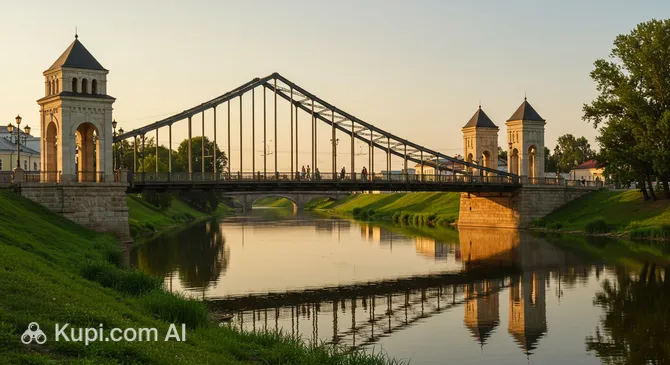
For a scenic start to your evening, a walk across the Pushkin Bridge is highly recommended. This pedestrian bridge spans the Vitba River and offers romantic views of the illuminated city and the Assumption Cathedral. It is a favorite spot for couples and photographers, especially at sunset when the city lights begin to reflect on the water. The surrounding area is perfect for a peaceful promenade before heading out for dinner or entertainment.
Pushkin Bridge. Illustration.
Source: Kupi.com AI
Traveler photos:
Culture enthusiasts will find plenty to admire in the city's performance arts scene. The Yakub Kolas National Academic Drama Theatre stands as a pillar of local culture, offering high-quality theatrical productions ranging from classical plays to modern interpretations. Attending a performance here provides a deep dive into the Belarusian artistic spirit. Additionally, the city's cinema network offers a mix of international blockbusters and local films, serving as a popular pastime for residents.
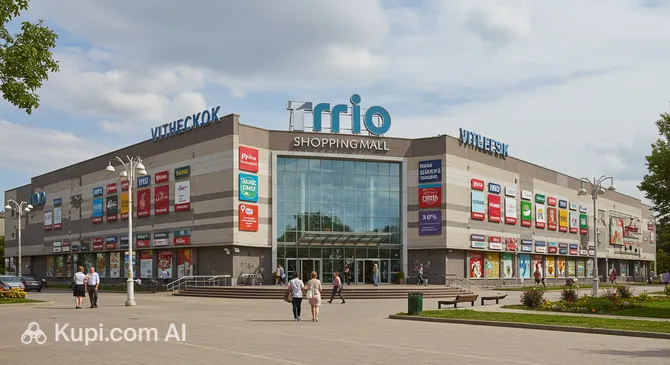
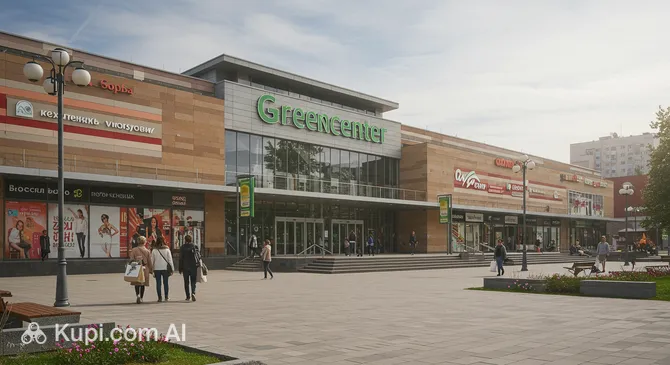
For those seeking modern leisure and retail therapy, the city's shopping centers serve as vibrant entertainment hubs. Trio is a popular destination that combines shopping with various services, making it a bustling spot for families and youth. Similarly, Greencenter offers a contemporary environment where visitors can browse international brands, enjoy food courts, or simply experience the modern side of daily life in Vitebsk.
If you prefer a casual and laid-back evening with friends, Pizza House Café is an excellent choice. Known for its friendly environment, it allows visitors to unwind with food and drinks without the need for formal attire. It attracts a diverse crowd and offers a comfortable setting to relax after a day of sightseeing.
Practicalities for a night out in Vitebsk are straightforward. Most bars and cafes in the center stay open until midnight or 2:00 AM on weekends. The dress code is generally casual to smart-casual; looking neat is appreciated, but evening wear is rarely required. Safety is a strong point for the city, and walking around the well-lit central streets at night is considered very safe. Getting around after dark is easy, with affordable taxis and mobile apps like Yandex Go ensuring a fixed price for your journey.
Parks & Museums
Vitebsk is a city where nature and art are inextricably linked, offering visitors a delightful mix of landscaped green zones and profound cultural institutions. From the banks of the Western Dvina to the avant-garde legacy preserved in its galleries, the city provides ample space for both relaxation and intellectual enrichment.
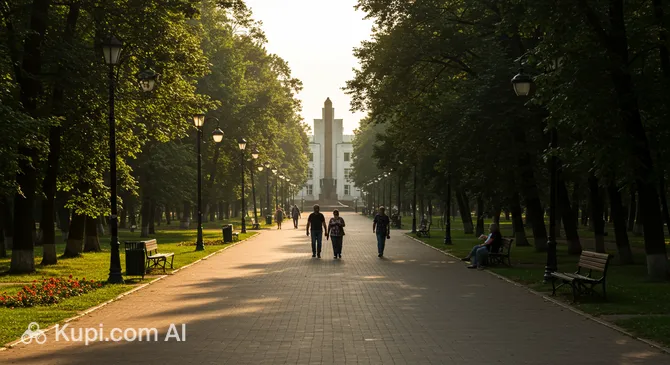
One of the most popular places for outdoor leisure is Victory Park. Located near the river, this sprawling green space is a favorite among families and history enthusiasts alike. It features a unique open-air museum of military equipment, where visitors can see tanks and aircraft up close. The park is beautifully maintained with paved paths, fountains, and amusement rides, making it a perfect spot for an afternoon stroll or a fun day out with children.
Victory Park. Illustration.
Source: Kupi.com AI
Traveler photos:
For those seeking a more active escape into nature, the Park of the Soviet Army (often referred to as Mazurino) offers a dense, forest-like environment on the city's outskirts. It serves as the main venue for city festivals, sports events, and winter skiing. With its tall trees and fresh air, it provides a refreshing contrast to the urban center and is an excellent location for picnics and long walks along the riverbank.
The city's museum scene is headlined by its connection to the avant-garde. While the childhood home of Marc Chagall is a well-known landmark, the artistic journey continues at the Art Center (part of the Marc Chagall Museum complex). Unlike the house museum, this venue focuses on his creative output, housing a significant collection of his lithographs, etchings, and illustrations. It frequently hosts exhibitions of modern art, keeping the city's creative spirit alive.
Another crucial cultural site is the Museum of the History of the Vitebsk People's Art School. Housed in the famous mansion where Kazimir Malevich and El Lissitzky once taught, this museum is dedicated to the revolutionary UNOVIS group. It offers a fascinating look into the period when Vitebsk was a global center of the Suprematist movement, influencing modern art worldwide.
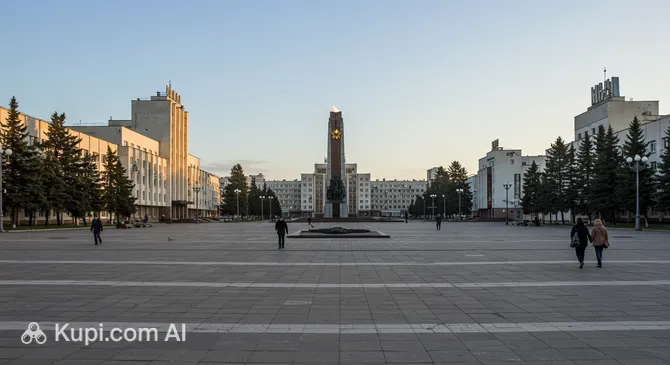
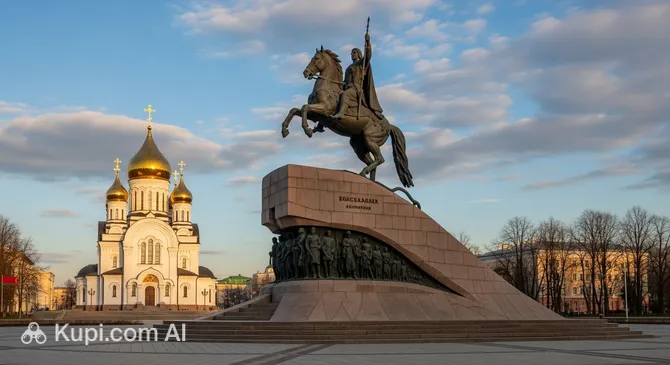
Vitebsk is also rich in monuments that honor its complex history. The immense Victory Square is the largest in the country and a central gathering place. Flanked by parks and the river, it is home to the "Three Bayonets" memorial and an eternal flame, serving as a solemn reminder of the sacrifices made during World War II.
Victory Square. Illustration.
Source: Kupi.com AI
Traveler photos:
Nearby, you can find the Monument to Prince Alexander Nevsky. This statue honors the legendary figure who, according to chronicles, had close family ties to the region through his marriage to a Vitebsk princess. The monument depicts the prince with his wife and son, symbolizing family values and historical unity.
Monument to Prince Alexander Nevsky. Illustration.
Source: Kupi.com AI
Traveler photos:
A short walk away stands the Monument to Internationalist Soldiers "Pain". This emotional sculpture is dedicated to the soldiers who perished in the Soviet-Afghan War. The statue, depicting a grieving mother, is a powerful and moving tribute that invites quiet reflection on the costs of conflict.
For a truly authentic experience, take a walk down the pedestrian Suvorov Street. This charming cobblestone avenue is lined with preserved 19th-century buildings, souvenir shops, and cafes. It leads directly to the Town Hall and the Resurrection Church, offering a picturesque route that feels like stepping back in time. Don't miss the small "Old Vitebsk" courtyards hidden behind the facades, where you might find quirky local art installations or the famous statue of the "Old Man Hottabych."
Getting Around
Navigating Vitebsk is straightforward and affordable, thanks to a well-developed public transport network that connects the city center with residential neighborhoods and peripheral areas. The system primarily consists of trams, trolleybuses, and buses. A unique feature of the city is its tram network; established in 1898, it was the first of its kind in the region. Riding a tram here is not just a commute but a small journey through history, as the clattering carriages remain a beloved symbol of the city.
For a faster alternative, you can use minibuses, locally known as marshrutkas. These small vans follow fixed routes like regular buses but stop only on demand. They are slightly more expensive than standard public transport but offer greater speed and comfort. To get off, simply ask the driver to stop when you approach your destination. While they can get crowded during peak hours, they are an efficient way to cross the city quickly.
The payment system is simple and tourist-friendly. In most trams, buses, and trolleybuses, you will find a conductor who walks through the cabin selling tickets. You can purchase a single-trip ticket directly from them using cash (local currency). Alternatively, you can buy tickets in advance at "Belsoyuzpechat" kiosks located near many bus stops. If you use a pre-purchased paper ticket, remember to validate it immediately upon boarding using the mechanical punches attached to the walls or handrails; failure to do so can result in a fine.
For those who prefer digital solutions, the mobile app Oplati is widely supported in the city's transport system. It allows you to pay by scanning a QR code sticker found inside the vehicle. This is a convenient option if you have mobile data and want to avoid handling small change. Travel passes for ten days or a month are also available at kiosks, which can be economical if you plan to stay for an extended period.
Public transport typically operates from around 5:30 AM until midnight. Frequencies are generally good, with vehicles arriving every 10 to 15 minutes during the day, though intervals may increase late in the evening. To plan your route, mobile map services like Yandex Maps or Google Maps are reliable tools, offering up-to-date schedules and route suggestions.
If you prefer a more private mode of travel, taxis are plentiful and inexpensive. The most convenient way to book a ride is through the Yandex Go app, which functions similarly to major international ride-hailing platforms. It overcomes language barriers by allowing you to set your pickup and drop-off points on a map and see the fixed price beforehand. While the city center is compact and best explored on foot, a taxi is the best option for late-night travel or trips to the airport.
Accommodation
Vitebsk welcomes visitors with a variety of accommodation options that suit different preferences and budgets. While the city may not have an abundance of ultra-luxury international hotel chains, it makes up for it with comfortable mid-range hotels, charming guest houses, and a wide selection of modern apartments. The hospitality sector here has been steadily improving, often featuring renovated facilities that blend classic architecture with contemporary amenities to ensure a pleasant stay.
For the most convenient experience, staying in the historic center is highly recommended. Locations near the pedestrian Suvorov Street or along the high banks of the Western Dvina River place you within walking distance of key attractions like the Town Hall and the major museums. This area is not only scenic but also serves as the hub for cafes, restaurants, and evening strolls, allowing you to immerse yourself fully in the city's atmosphere without the need for constant transport.
A popular alternative to traditional hotels in Belarus is renting a private apartment. These are widely available throughout the city and often provide excellent value for money, offering more space and kitchen facilities than a standard hotel room. High-quality apartments are frequently listed on major booking platforms and are particularly suitable for families, groups of friends, or travelers planning a longer stay who prefer a "home away from home" feeling.
A critical booking tip: If you plan to visit during the famous Slavianski Bazaar festival, which typically takes place in mid-July, you must plan well ahead. This international arts festival attracts thousands of visitors, causing demand for accommodation to skyrocket. During this week, the city is often fully booked, so it is essential to reserve your room several months in advance to secure a place to stay.
In terms of cost, accommodation in Vitebsk is generally affordable compared to many Western European destinations. You can easily find budget-friendly options and reasonably priced 3-star hotels that offer clean and comfortable service. Booking is straightforward and can be done through major international online platforms or by contacting properties directly. Whether you choose a hotel overlooking the river or a cozy flat in the city center, you will find the local hospitality warm and welcoming.
Nearby Cities
For those looking to explore the surroundings, Vitebsk serves as an excellent base for day trips to several interesting nearby locations:
One of the most compelling destinations is Polotsk, situated less than 100 kilometers away. Often revered as the cradle of Belarusian history and spirituality, it is the country's oldest city. Visitors can admire the majestic Saint Sophia Cathedral, walk through its ancient streets, and visit the unique Museum of Belarusian Printing. It offers a profound dive into the region's deep historical roots.
Another convenient option is Orsha, a major transport hub located at the confluence of the Dnieper and Orshitsa rivers. The city is known for its well-preserved Jesuit Collegium complex and a charming ethnographic museum. Its close proximity makes it an ideal spot for a quick and educational excursion, allowing travelers to experience provincial charm without a long commute.
For those willing to travel a bit further south, Mogilev offers a rich architectural experience on the banks of the Dnieper River. The city boasts a beautifully restored City Hall, the historic St. Nicholas Monastery, and a pedestrian street lined with 19th-century buildings. It provides a vibrant contrast to Vitebsk and showcases a different facet of eastern Belarus.
These nearby destinations offer a glimpse into the diverse culture and landscapes of the region.
Shopping & Souvenirs
Shopping in Vitebsk offers a relaxed and pleasant experience, blending modern retail convenience with the charm of traditional local crafts. While the city may not be a massive fashion capital, it provides an excellent opportunity to discover high-quality Belarusian products, from textiles to cosmetics. Visitors can expect a mix of contemporary shopping centers and quaint boutiques, particularly in the historic areas where the focus shifts to unique souvenirs and artistic goods reflecting the city's creative heritage.
For a scenic shopping stroll, the pedestrian Suvorov Street in the Old Town is the place to be. This cobblestone avenue is lined with small shops, art galleries, and craft stalls nestled within 19th-century buildings. It is the primary destination for hunting down souvenirs, handmade jewelry, and artwork. Beyond the historic center, Lenin Street serves as a major commercial artery, featuring a variety of clothing stores, bookstores, and shoe shops that cater to everyday needs.
If you are looking for a more concentrated retail experience with international and local brands under one roof, the city has several modern malls. Trio is a popular shopping center where you can find fashion boutiques, electronics, and home goods. It is a convenient stop for travelers needing to resupply or looking for standard European-style shopping.
Trio. Illustration.
Source: Kupi.com AI
Traveler photos:
Another significant venue is Greencenter. This large complex is known for its spacious layout and variety of stores, including a large supermarket which is perfect for buying edible gifts like local sweets or beverages. It offers a comfortable environment for families and is a go-to spot for both locals and tourists seeking a modern retail atmosphere.
Greencenter. Illustration.
Source: Kupi.com AI
Traveler photos:
For a taste of local life, visiting a market is a must. The Polotsky Market is one of the oldest and most bustling marketplaces in the city. Here, the atmosphere is lively and authentic, with vendors selling everything from fresh farm produce and seasonal fruits to inexpensive clothing and household items. It is a great place to interact with locals and see the daily rhythm of the city.
When it comes to souvenirs, Vitebsk has distinct specialties. The region is famous for its flax (linen) products; you can find high-quality tablecloths, bedding, and clothing that are durable and beautifully made. Given the city's artistic fame, items featuring Marc Chagall's motifs—such as prints, mugs, and tote bags—are essential keepsakes. Additionally, look for traditional straw weaving, ceramics, and boxes of chocolates from Belarusian confectioneries like Spartak or Kommunarka.
Most shops in Vitebsk operate from 10:00 AM to 8:00 PM or 9:00 PM, while shopping malls may stay open a bit later. Smaller boutiques and souvenir shops on pedestrian streets might have shorter hours on Sundays. Payment is generally hassle-free, with credit and debit cards widely accepted in malls, supermarkets, and most restaurants. However, it is advisable to carry some cash (Belarusian Rubles) for small purchases at open-air markets or tiny kiosks.
Tourists visiting Belarus may be eligible for a Tax Free refund on purchases made in participating stores. If you buy goods exceeding a certain value (typically 80 BYN) in a single day from a shop displaying the Tax Free logo, you can ask for a refund form. Be sure to present your passport at the checkout and keep the receipt to process the refund at the customs point upon your departure from the country.