Smolensk is a captivating destination that seamlessly blends ancient heritage with the rhythm of modern life. Situated on the picturesque banks of the upper Dnieper River in the Smolensk Oblast, this city serves as a significant cultural and administrative hub in the western part of the Russian Federation. With a population of approximately 330,000 residents, it offers a welcoming atmosphere that feels both lively and historically profound.
As one of the oldest recorded cities in the country, dating back to 863 AD, the deep and storied history of Smolensk is evident in its streets and monuments. Often referred to as the "Shield City" due to its strategic geographical position, it has preserved a unique architectural legacy that allows visitors to step back in time and appreciate its enduring resilience and beauty.
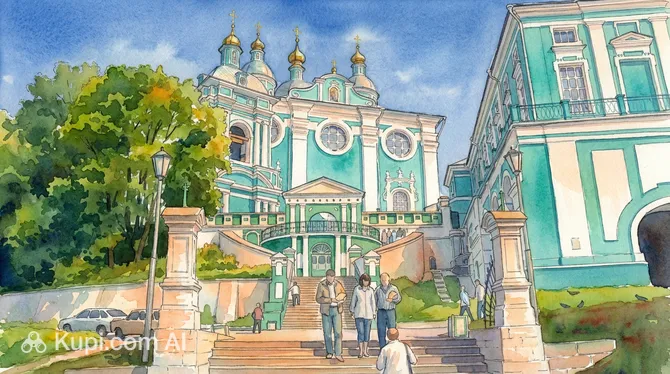
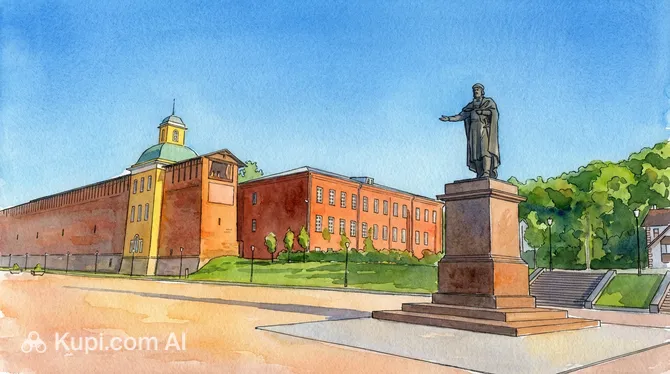
Smolensk. Illustration.
Source: Kupi.com AI
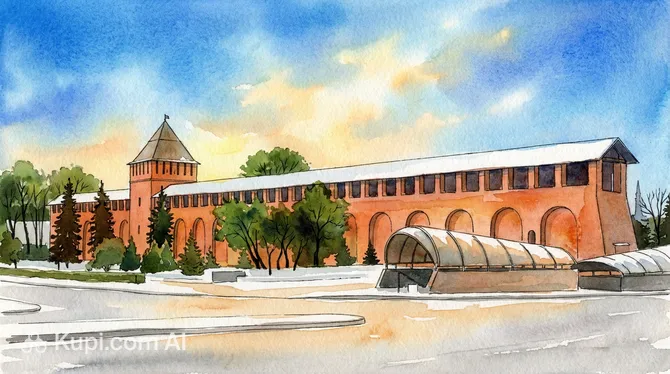
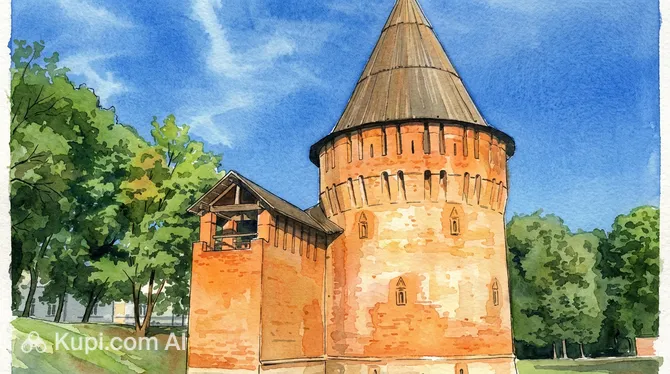
Travelers are often drawn to the majestic Assumption Cathedral, a stunning green-and-white Baroque masterpiece that dominates the city skyline from Cathedral Hill. Another must-see is the impressive Smolensk Fortress Wall, historically known as the "Precious Necklace of Russia." Visitors can admire the surviving towers and sections of this massive fortification, which provide excellent photo opportunities and panoramic views. For a more relaxing experience, Lopatinsky Garden offers a charming central park environment perfect for a leisurely stroll.
Whether you are an architecture enthusiast or simply looking for a new travel experience, Smolensk provides a memorable journey into the heart of the region's heritage. It is a perfect spot for those seeking to discover hidden gems and experience the authentic spirit of a historic provincial capital.
Weather Overview
The climate in Smolensk is moderately continental, characterized by distinct seasons that offer travelers different experiences throughout the year. To help you plan your visit effectively, it is always a good idea to check the current weather in Smolensk before your trip. Generally, the city experiences comfortable, mild summers and cold winters, with a fair amount of precipitation spread across all months.
Winters are typically cold, with January being the chilliest month, averaging -4.9°C and often dropping to lows of -7.0°C. This season sees the highest frequency of "wet days," particularly in December and January (up to 17 days), which usually translates to snowfall that covers the city's historic architecture. Spring arrives slowly, with March still seeing sub-zero temperatures, but by May, the weather becomes much more pleasant with averages reaching around 11.8°C.
Summer is widely considered the best time for sightseeing, as temperatures are warm but rarely stifling. July is the warmest month, with an average temperature of 18.2°C and highs peaking around 22.4°C. However, visitors should pack an umbrella, as summer months like June and July also bring frequent rain, with about 12 to 16 wet days per month. September offers a mild start to autumn before the chill sets in again by November.
Average monthly temperature
Average monthly precipitation
Interesting Facts
Beyond its famous skyline, Smolensk holds many fascinating secrets that offer a deeper glimpse into its local culture and history. These unique details reveal a city that is not only a guardian of the past but also a place of unexpected distinctions.
Monument to Tvardovsky and His Hero Terkin. Illustration.
Source: Kupi.com AI
Traveler photos:
The Diamond Capital: Smolensk is frequently referred to as the "Diamond Capital of Russia." It is home to the Kristall production corporation, the largest diamond manufacturer in the country, which has earned the city a glittering reputation in the global gem market for its high-quality cut stones.
A Unique Conversation: The city features a rare type of sculpture where an author is depicted conversing with his fictional hero. The Monument to Tvardovsky and His Hero Terkin shows the renowned poet Alexander Tvardovsky sitting on a log with Vasily Terkin, the beloved soldier character from his famous poem, symbolizing the unity of the writer and his work.
A Record-Breaking Shield: While the Smolensk Fortress Wall is a well-known landmark, its original scale was truly staggering. Built between 1595 and 1602, the fortification stretched for 6.5 kilometers and included 38 towers, making it the largest brick fortress in the world at the time of its completion.
Cosmic Connection: The city's influence extends far beyond our planet. In 1976, a crater on Mars was officially named "Smolensk," permanently stamping the city's identity onto the map of the solar system.
How to Get There
Planning a trip to this historic city requires some logistical preparation, as direct air connections are not available right in the city center. However, the region is well-connected by land transport, and there are several hubs in neighboring areas that travelers can use as entry points. For detailed routes and schedules, you can read more about how to get to Smolensk to find the option that best suits your itinerary.
The city of Smolensk does not have its own airport for commercial flights. Travelers often fly into major hubs in neighboring regions or countries and then continue their journey by ground transport. One significant option is Minsk National Airport (IATA: MSQ), located in Minsk. It is a large international hub situated approximately 280 km from Smolensk. The transfer by taxi or bus from there typically takes around 7 hours and 20 minutes. Alternatively, you can fly into Vitebsk Airport (IATA: VTB) in Vitebsk, which is the closest option at about 115 km away, with a road travel time of roughly 3 hours and 15 minutes. Another possibility within the Russian Federation is Grabtsevo (IATA: KLF) in Kaluga, located about 280 km from the city.
For clarity, here is a summary of the main airports:
Traveling by train is often the most convenient and popular way to reach the city. You can arrive directly at Smolensk Central Railway Station, which is conveniently located just 1.3 km from the city center. This major hub handles significant passenger traffic and connects the city with numerous destinations. Upon arrival, you are virtually in the heart of the city, making it easy to reach your hotel or start sightseeing immediately. Other nearby stations in the region, such as Yartsevo Railway Station, also serve the area but are further out.
Below is a list of the railway stations serving the area:
Station
Passenger traffic
Distance
Smolensk Central Railway Station
1.0 mln
1 km
Gusino Railway Station
70 000
45 km
Yartsevo Railway Station
450 000
49 km
Pochinok Railway Station
—
49 km
Rudnya Railway Station
120 000
66 km
Krasnoye Station
50 000
66 km
Main Attractions
Attractions:
Smolensk offers a diverse array of sights that cater to history buffs, culture seekers, and casual explorers alike. While the city's ancient fortifications set the stage, there are several specific landmarks and museums that provide a deeper dive into its rich heritage and local character.
One of the most immersive ways to experience the city's defensive past is by visiting the Gromovaya Tower Military History Museum. Located inside one of the few restored towers of the fortress wall, this museum allows visitors to step directly into the 16th century. The interior features spiral staircases and levels filled with antique weaponry, armor, and historical documents. It is a fascinating stop for tourists who want to see the fortress from the inside and understand how the city was defended centuries ago.
Gromovaya Tower Military History Museum. Illustration.
Source: Kupi.com AI
Traveler photos:
For a broader perspective on the region's timeline, the Smolensk Historical Museum is an essential destination. As a key part of the local museum reserve, it houses an extensive collection of artifacts that trace the area's development from prehistoric times through various eras. Visitors are particularly drawn to the exhibits showcasing rare archaeological finds and items from the 1812 era, offering a comprehensive narrative of the city's resilience and cultural evolution.
Smolensk Historical Museum. Illustration.
Source: Kupi.com AI
Traveler photos:
A stroll along the Dnieper embankment leads to the imposing Monument to Prince Vladimir the Baptist. This grand sculpture stands on the riverbank, commemorating the historical baptism of the local population. Beyond its historical weight, the site is popular among tourists for its scenic location. The promenade around the monument offers peaceful views of the river and is a favorite spot for taking photographs and enjoying a quiet evening walk.
Monument to Prince Vladimir the Baptist. Illustration.
Source: Kupi.com AI
Traveler photos:
Aviation enthusiasts will appreciate the TU-16 Airplane Monument. This authentic jet bomber is mounted on a pedestal as a tribute to long-range aviation pilots. It is an impressive engineering landmark that stands out against the urban landscape, offering a unique contrast to the city's predominantly medieval and classical architecture.
Local Cuisine
The culinary scene in Smolensk is a delightful reflection of its location on the western border of the country, blending traditional Russian staples with influences from neighboring Belarusian and Polish cuisines. The food here is generally hearty and comforting, designed to keep people warm during the long winters. Visitors will find that the local gastronomy relies heavily on locally sourced ingredients like potatoes, mushrooms, berries, and dairy products, creating a rustic yet flavorful experience.
One of the region's signature dishes that has recently seen a revival is Smolensk Kasha. Unlike standard buckwheat porridge found elsewhere, this version uses crushed grains slow-cooked with cream, butter, and sometimes broth, resulting in a rich, risotto-like texture that was once served at royal tables. For dessert, you must try the famous Smolensk Konfekty. These are not typical chocolates but rather fruits—usually apples or pears—cooked in syrup and dried. This historical delicacy, reportedly a favorite of Empress Catherine the Great, has been reintroduced to the city and makes for a perfect edible souvenir.
When it comes to dining out, the city offers a range of atmospheric venues where you can sample these local flavors alongside European classics. A popular spot among both locals and tourists is Piter Push. This restaurant is well-regarded for its cozy, literary-themed interior and a diverse menu that captures the essence of the city's hospitality.
Piter Push. Illustration.
Source: Kupi.com AI
Traveler photos:
For those seeking a more refined setting, San Jacques provides a sophisticated dining experience with a menu that often features gourmet interpretations of familiar dishes. If you are looking to unwind after a day of sightseeing, the local bar culture is welcoming and vibrant. You might visit Mayakovsky Bar, a trendy venue known for its creative drinks and lively atmosphere, perfect for enjoying the evening with friends.
Travel Tips
Welcome to Smolensk, a city where ancient history meets daily life on the hills of the Dnieper River. To help you navigate your journey smoothly and enjoy the local atmosphere without any hassles, here are some practical tips covering everything from packing essentials to local customs.
Clothing and Gear: The weather in Smolensk dictates your wardrobe. In winter, thermal underwear, a heavy coat, and non-slip boots are essential to handle the snow and ice. Summers are mild but can be rainy, so a compact umbrella is a must. Since the city is built on seven hills and features many cobblestone streets, bring comfortable walking shoes. If you plan to visit the Assumption Cathedral or other Orthodox churches, remember the dress code: women should cover their heads with a scarf and wear skirts below the knee, while men should avoid shorts and remove hats indoors.
Transportation: The city center is compact enough to explore on foot, but for longer distances, the public transport network includes trams, trolleybuses, and buses. Small minibuses, known as marshrutkas, are very popular and faster than large buses, though they can be crowded. Taxis are affordable and convenient; using ride-hailing apps like Yandex Go is recommended over hailing a car on the street, as it overcomes language barriers and ensures a fixed price.
Finances: The official currency is the Russian Ruble (RUB). It is crucial to know that credit and debit cards issued outside the country generally do not work within the Russian Federation. You must bring cash (USD or EUR) in pristine condition to exchange at local banks upon arrival. ATMs will not accept foreign cards. It is wise to carry small denominations of cash for souvenirs, public transport, and small grocery stores.
Health and Safety: Smolensk is generally a safe city for tourists. Pharmacies (marked as Apteka with a green cross) are widespread, and many central ones operate 24/7. While the tap water is technically treated, the piping systems can be old, so it is highly recommended to drink bottled water to avoid any stomach issues. In winter, be cautious of falling icicles from roofs and slippery sidewalks.
Communication: Russian is the primary language, and English is not widely spoken outside of major hotels or tourist information centers. It is highly advisable to download an offline translator app (like Yandex Translate or Google Translate) and an offline map before you arrive. You can purchase a local SIM card at mobile shops (such as MTS, Beeline, or MegaFon) using your passport to ensure you have mobile data connectivity.
Local Etiquette: Russians value politeness but may seem reserved initially. When entering a local home, it is mandatory to remove your shoes at the door; hosts will often provide slippers. Handshakes are the standard greeting for men, while a nod or verbal greeting is common for women unless you know them well. In public transport, it is customary to give up your seat to elderly people, pregnant women, and young children.
What to Avoid: Avoid drinking alcohol in public places like parks or streets, as it is prohibited by law and can attract police attention. Also, refrain from photographing military installations, strategic bridges, or government buildings, as this can be viewed with suspicion in border regions.
Souvenir Tip: Do not leave without trying or buying Smolensk Konfekty. As mentioned in the food section, these are a unique local dried-fruit delicacy. They make for excellent, authentic gifts that are easy to pack and carry home, distinct from the usual magnets or postcards.
By keeping these practicalities in mind, you will be well-prepared to embrace the charm of Smolensk. Whether you are climbing the fortress walls or enjoying a quiet evening by the river, a little preparation ensures your adventure is memorable for all the right reasons.
Entertainment & Nightlife
While Smolensk is widely celebrated for its ancient fortress and historical depth, the city also offers a welcoming and diverse entertainment scene once the sun goes down. The nightlife here is not as frenetic as in a metropolis, but it has a cozy, vibrant charm that appeals to both locals and visitors. Most evening activities are concentrated in the city center, particularly around the main streets like Bolshaya Sovetskaya and Nikolaeva, where you can find a variety of venues ranging from quiet lounges to energetic dance floors.
For those who appreciate the art of mixology and a relaxed atmosphere, Cocktail Bar is a standout destination. It is the perfect spot to start your evening, offering a sophisticated menu of signature drinks in a stylish setting. The venue attracts a somewhat trendy crowd, making it an excellent place to socialize or enjoy a quiet conversation before heading out to livelier locations. The dress code in such bars is generally smart casual; you don't need to be overly formal, but looking neat is appreciated.
If you are in the mood for dancing and a more high-energy environment, Orchid is one of the city's well-known nightclubs. Here, the atmosphere shifts to a faster beat with DJs spinning a mix of modern hits and electronic music. It is a popular choice for those wanting to experience the local clubbing scene, which typically picks up steam after 11:00 PM on Fridays and Saturdays. Entry fees are usually modest, and face control is standard, so it is best to avoid sportswear.
Practical advice for a night out in Smolensk includes planning your transport in advance. Public transportation stops running relatively early, so taxis are the most reliable way to get around at night. Using apps like Yandex Go is highly recommended for safety and convenience, as it ensures a fixed price and overcomes language barriers. The city center is generally safe for walking in the early evening, but taking a car is preferable late at night.
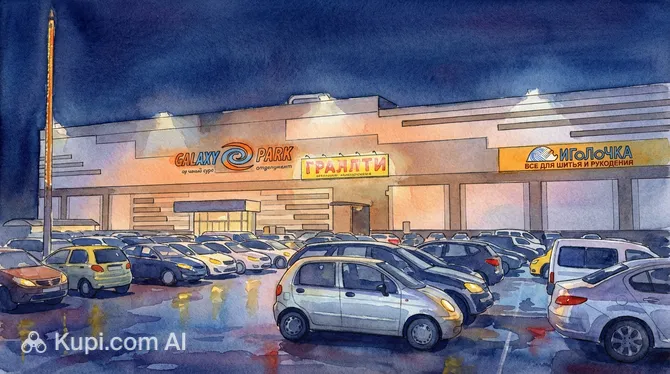
Galaxy Park. Illustration.
Source: Kupi.com AI
Traveler photos:
Beyond the traditional bar and club scene, Smolensk offers entertainment centers that bridge the gap between daytime fun and evening leisure. A prime example is Galaxy Park, a large indoor amusement complex located within the Galaktika shopping mall. It features bowling lanes, roller skating, and various arcade games, making it a fantastic option for groups or families looking for activity-based entertainment.
For a more cultural daytime or early evening experience, the city boasts several theaters, including the historic Smolensk Drama Theatre. While museums like the fortress towers dominate the daylight hours, catching a play or simply strolling through the illuminated parks offers a gentler way to enjoy the city's culture before diving into its nightlife.
Parks & Museums
Smolensk is a city where nature and history are inextricably linked, offering visitors a chance to explore lush green spaces that are often woven directly into the fabric of its ancient heritage. The city’s parks are not just places for relaxation but are frequently sites of historical significance, while its museums provide a comprehensive look into the artistic and cultural legacy of this western Russian region.
The most famous green space in the city is undoubtedly Lopatinsky Garden. Located at the foot of the ancient ramparts, this park is a favorite among locals and tourists alike for its romantic atmosphere and scenic ponds. It was established in the 19th century and is uniquely integrated with the surviving bastions of the fortress, allowing visitors to walk amidst history. The park features charming bridges, manicured alleys, and a variety of attractions for children, making it a perfect spot for a family outing or a quiet evening stroll.
Lopatinsky Garden. Illustration.
Source: Kupi.com AI
Traveler photos:
Another significant natural area in the city center is the Blonye Garden (Glinka Garden). Situated near the main square, this formal garden dates back to 1830 and serves as a cultural heart of the city. It is home to a monument dedicated to the famous composer Mikhail Glinka, a native of the region, and features a "singing" fountain that delights visitors in the summer. A curious landmark within the garden is a bronze deer sculpture, a historical trophy brought to Smolensk after World War II, which has become a beloved meeting point for residents.
For those interested in the artistic heritage of the region, the Smolensk Art Gallery is a must-visit cultural venue. Housed in a beautiful historic building, the gallery boasts an impressive collection of Russian and Western European art. Visitors can admire masterpieces by renowned painters such as Ivan Aivazovsky, Ilya Repin, and Valentin Serov. The museum also features a significant collection of ancient Russian icons, offering a spiritual glimpse into the past.
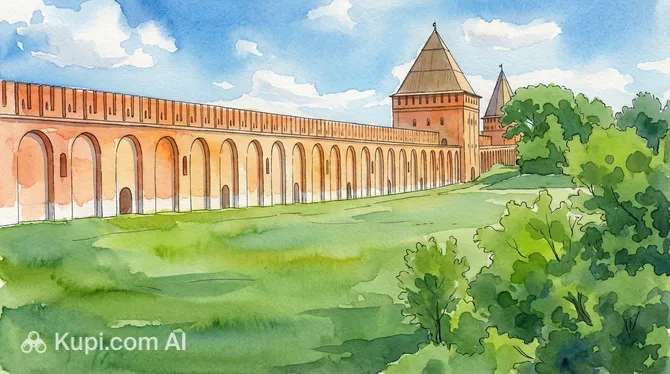
While the city has many enclosed museums, the Smolensk Fortress Wall itself acts as a massive open-air museum of fortification architecture. Although parts of it were mentioned as a key attraction, walking along the available sections offers a distinct experience compared to simply viewing it from afar. Exploring the perimeter allows you to appreciate the scale of what was once the "Stone Necklace of Russia," and seeing the masonry up close provides a tangible connection to the 17th-century masons who built it.
Smolensk Fortress Wall. Illustration.
Source: Kupi.com AI
Traveler photos:
For a truly authentic experience, look for the "Teremok" Historical and Architectural Complex in the nearby Talashkino (often accessible via day trip). However, within the city limits, keep an eye out for smaller, niche museums like the Museum of Smolensk Flax, which celebrates the region's long history of linen production. These lesser-known spots often offer unique souvenirs and a deeper understanding of local craftsmanship.
Getting Around
Navigating Smolensk is relatively straightforward thanks to its well-developed ground transport network. Since the city does not have a metro system, the public transportation infrastructure relies entirely on a combination of trams, trolleybuses, municipal buses, and private minibuses. The historic center is compact enough to explore on foot, but to reach the train station or outer districts, you will likely need to use one of these services.
The tram network is a point of local pride and a convenient way to travel, particularly as it often bypasses traffic jams on the main roads. It is one of the oldest tram systems in the region, having operated since 1901. While the rolling stock varies from older models to more modern vehicles, taking a tram ride offers a somewhat nostalgic and scenic tour of the city streets. Trolleybuses and large municipal buses cover the routes where rails are absent, connecting major residential areas with the city center.
For a faster, albeit less spacious alternative, locals rely heavily on marshrutkas (fixed-route minibuses). These small vans zip around the city more frequently than large buses and can stop almost anywhere along their route if traffic rules permit. To catch one, simply wave your hand at the approaching van. They are numbered similarly to bus routes but often have an extended reach into neighborhoods less served by municipal transport.
The payment system in Smolensk is gradually modernizing. In municipal transport (trams, trolleybuses, and large buses), you typically board and wait for a conductor to approach you. You can pay in cash—small change is appreciated—or, increasingly, tap a contactless bank card on the conductor's terminal. In marshrutkas, the system is different: you usually pay the driver directly upon entering. While some newer minibuses accept cards, carrying cash is highly recommended for these rides to avoid any inconvenience.
Fares are generally very affordable, with prices for municipal transport being slightly lower than those for commercial minibuses. There are no zone-based tickets; you simply pay for a single ride each time you board. Operating hours generally run from around 6:00 AM to 11:00 PM. However, be aware that the frequency of service drops significantly after 9:00 PM, especially for municipal vehicles.
If you prefer more comfort or are traveling late at night, taxis are a reliable alternative. Hailing a cab on the street is not common practice; instead, it is best to use mobile apps like Yandex Go, which allow you to link a bank card and see the fixed price of your trip in advance. This is particularly useful for tourists to avoid language barriers and ensure fair pricing. Car-sharing services are not as prevalent as in larger metropolises, so a taxi is usually the most convenient private option.
Accommodation
Where to Stay:
Smolensk offers a welcoming selection of accommodation options that cater to various budgets and travel styles. While the city may not have an abundance of ultra-luxury international chains, it provides a solid range of comfortable lodgings. Visitors can choose from modern business hotels equipped with standard amenities, smaller boutique establishments with local charm, and cost-effective hostels. Additionally, the rental market for private apartments is quite developed, offering a "home away from home" experience that is particularly popular among families and long-term travelers.
For the most convenient experience, staying in the historical city center (Leninsky District) is highly recommended. Locations near the Smolensk Fortress Wall or the central squares place you within walking distance of the main museums, parks, and restaurants. This allows you to soak up the atmosphere of the old town right from your doorstep. Alternatively, travelers arriving late by train might prefer the area around the railway station; while it is slightly removed from the main tourist sights, it offers practical logistics for quick stopovers.
Booking your accommodation in advance is advisable, especially if you plan to visit during the summer months or around major Russian holidays like Victory Day in May, when the city attracts many domestic tourists. Prices in Smolensk are generally quite reasonable compared to larger metropolitan areas like Moscow. Most bookings can be made through various online travel platforms, though it is often worth checking direct hotel websites or local aggregators to ensure the best rates and availability.
Nearby Cities
For those looking to explore the surroundings, Smolensk serves as an excellent base for day trips to several interesting nearby locations. The region is dotted with ancient towns that have played pivotal roles in the country's history, offering visitors a chance to see unique architecture and experience the quieter pace of provincial life.
One of the most historically significant destinations is Vyazma. Located to the east, this ancient town predates Moscow and is renowned for its stunning Hodegetria Church, a unique architectural masterpiece and a rare example of three-tented stone architecture. Vyazma is also known for its dramatic military history, with several monuments dedicated to the soldiers of 1812 and World War II, making it a compelling stop for history enthusiasts.
Another worthwhile destination is Roslavl, situated to the south. Founded in the 12th century by Prince Rostislav, it retains the charm of an old merchant town. The main attraction here is the Transfiguration Monastery, which dates back to the 16th century and sits picturesquely near the river. A visit to Roslavl offers a peaceful retreat and a look into the spiritual heritage of the Smolensk land.
For a quick trip, Yartsevo is the closest option. While it is primarily an industrial town known for its textile heritage, it features the grand Church of Saints Peter and Paul and serves as a convenient stop for those interested in the industrial history of the 19th and 20th centuries.
These nearby destinations offer a glimpse into the diverse culture and landscapes of the region.
Shopping & Souvenirs
Shopping in Smolensk offers a pleasant mix of modern convenience and traditional charm. While the city may not be a global fashion capital, it provides a well-rounded retail experience where visitors can find everything from international brands to unique regional handicrafts. The local shopping scene is characterized by large, contemporary malls coexisting with smaller specialty shops that showcase the region's industrial and artistic heritage, particularly its famous diamonds and linen products.
For those who enjoy strolling through city streets while browsing, the historic center is the best place to start. Bolshaya Sovetskaya Street serves as a primary artery for local commerce, lined with various boutiques, souvenir shops, and jewelry stores. Walking down this hill offers not only a shopping opportunity but also scenic views of the Assumption Cathedral. Nearby, Lenina Street provides a pedestrian-friendly atmosphere with a selection of clothing stores and bookshops, making it a popular spot for a relaxed afternoon walk.
If you prefer a one-stop destination for fashion, electronics, and entertainment, the city boasts several modern shopping centers. The largest and most popular is Maksi Shopping Mall. Located near the 25th of September Street, it houses a vast array of international and Russian retail chains, a food court, and a cinema. It is a go-to spot for locals and offers a comfortable environment for tourists to pick up essentials or browse the latest collections.
Maksi Shopping Mall. Illustration.
Source: Kupi.com AI
Traveler photos:
Another significant retail hub is Galaktika. This shopping mall is not just about retail; it is a lifestyle center that includes the previously mentioned amusement park, making it ideal for families. The mall features a wide range of clothing stores, sports shops, and a large hypermarket, ensuring that visitors can find whatever they need under one roof.
To experience the authentic flavor of daily life in Smolensk, a visit to the Zadneprovsky Market (also known as the Kolhozny Market) is essential. Located across the Dnieper River, this bustling market is where locals buy fresh produce, meat, and honey. It is an excellent place to find seasonal berries, mushrooms, and farm-fresh dairy products. While it is primarily a food market, you can also find inexpensive clothing and household items in the surrounding stalls.
When it comes to souvenirs, Smolensk has several distinct specialties worth taking home. The region is historically famous for its flax (linen) industry, so high-quality linen tablecloths, bedding, and clothing make for practical and beautiful gifts. Another signature item is the Smolensk diamond; checking out the jewelry stores for locally cut stones can be a dazzling experience, even if just for window shopping. For a sweeter memento, pick up boxes of Smolensk Konfekty (dried fruit fudge) or the spiced Vyazma Gingerbread, both of which are beloved regional treats.
Most shops in Smolensk operate daily, typically opening around 10:00 AM and closing between 9:00 PM and 10:00 PM for major malls. Smaller street-side boutiques usually close earlier, around 7:00 PM or 8:00 PM. Payment methods require attention: while local bank cards work seamlessly, credit and debit cards issued outside the Russian Federation generally do not work. It is absolutely necessary to carry sufficient cash (Rubles) for your purchases, especially in markets and smaller souvenir kiosks.
Regarding tax refunds, the Russian Federation does have a Tax Free system for eligible foreign tourists, allowing for a VAT refund on purchases made in participating stores. However, this system is most prevalent in luxury stores in Moscow and St. Petersburg. In Smolensk, finding stores that participate in the Tax Free program may be difficult, so it is best not to rely on this benefit for your shopping budget.