Welcome to Kaluga, a captivating city located in the western part of the Russian Federation. Situated on the high banks of the Oka River, roughly 160 kilometers southwest of Moscow, this city serves as the administrative center of the Kaluga Oblast. With a population of approximately 340,000 residents, it offers a harmonious blend of provincial tranquility and dynamic cultural life, making it an intriguing destination for travelers seeking to explore the heart of Central Russia.
Kaluga is renowned worldwide as the "Cradle of Space Exploration" because the famous rocket scientist Konstantin Tsiolkovsky lived and worked here for many years. The history of Kaluga is rich and multifaceted, evolving from a medieval fortress outpost to a modern hub of science and industry. Walking through its streets, visitors can feel the unique atmosphere where 18th-century merchant architecture coexists with monuments dedicated to the conquest of the cosmos.
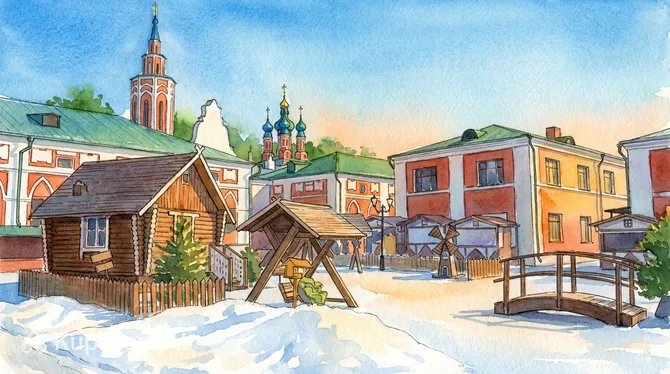
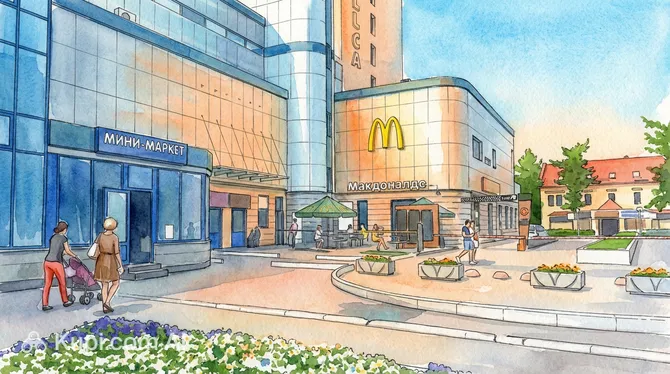
Kaluga. Illustration.
Source: Kupi.com AI
The city boasts several unique attractions that draw tourists from all over. The most prominent is undoubtedly the State Museum of the History of Cosmonautics, the first museum of its kind in the world, which offers a fascinating look into humanity's journey to the stars. Another architectural gem is the Stone Bridge across the Berezuyevsky Ravine, a grand viaduct dating back to the late 18th century that remains a beloved symbol of the city. Visitors also enjoy strolling through the central park and admiring the majestic Trinity Cathedral.
Whether you are a space enthusiast eager to learn about the origins of rocketry or a history buff looking to explore classical Russian architecture, Kaluga has something special to offer. Its pleasant climate, green parks, and welcoming spirit make it a perfect spot for a weekend getaway or a longer cultural exploration.
Weather Overview
The climate in this region is characterized by distinct seasons, offering a classic continental experience. For travelers planning their trip, checking the detailed weather in Kaluga is recommended to pack appropriately. Generally, the city experiences significant contrast between its seasons, transitioning from freezing winters to pleasantly warm summers.
Winters are cold and often snowy, with January being the coldest month. During this time, average temperatures drop to around -6.1°C, with minimums reaching -8.4°C. December and February are similarly chilly, with averages staying well below freezing and about 12 to 15 days of precipitation per month. Travelers visiting during this period should come prepared with warm clothing to handle the frost.
By contrast, the summer months offer comfortable conditions for sightseeing. July is typically the warmest time of year, with average temperatures hovering around 18.7°C and daily maximums reaching up to 23.1°C. However, it is wise to carry an umbrella, as the summer season also sees frequent precipitation, with approximately 11 to 14 wet days each month. Expect warm summers with occasional rain and cold winters, making the city a year-round destination with changing landscapes.
Average monthly temperature
Average monthly precipitation
Interesting Facts
Beyond the main attractions, Kaluga holds many fascinating secrets and historical curiosities that surprise even seasoned travelers. Here are a few unique details about the city's heritage and its famous residents.
Stone Bridge. Illustration.
Source: Kupi.com AI
Traveler photos:
The Tsiolkovsky State Museum of the History of Cosmonautics has a legendary origin story. The foundation stone was personally laid by Yuri Gagarin, the first man in space, in June 1961. Tradition says he tossed a coin into the mortar for good luck, symbolically cementing the city's status as the cradle of space exploration.
The Stone Bridge spanning the Berezuyevsky Ravine is a rare engineering marvel for central Russia. Built in 1785, this massive viaduct was designed in the style of ancient Roman aqueducts and remains one of the largest stone bridges from the 18th century still in use in the country.
The architectural layout of the Gostiny Dvor is quite distinct compared to similar trading rows in other cities. Instead of a single continuous structure, the complex consists of 14 separate buildings united by elegant arches and galleries, creating a vibrant commercial ensemble that has stood the test of time.
Visitors to the K. E. Tsiolkovsky Memorial House-Museum often notice large tin funnels on display. These were "ear trumpets" used by the scientist himself; Tsiolkovsky suffered from severe hearing loss after a childhood illness, yet he managed to develop groundbreaking rocket theories while living in this modest wooden house.
How to Get There
Reaching this historic city is relatively straightforward, thanks to its proximity to the capital and a well-developed transport network. Whether you prefer flying or taking a train, there are several convenient options to suit your itinerary. You can find more about how to get to Kaluga and plan your specific route in our detailed guide.
For those looking to fly directly into the region, the city is served by Grabtsevo (KLF), an international airport located just 7.9 km from the city center. A taxi ride from this local hub typically takes around 32 minutes. Alternatively, many travelers choose to fly into Moscow's larger hubs and transfer by road or rail. Vnukovo (VKO) in Moscow is the closest major international airport, situated approximately 135.9 km away. The journey from Vnukovo by car takes roughly 3 hours and 45 minutes. Another significant option is Domodedovo (DME), located about 145.1 km from Kaluga, with a travel time of approximately 4 hours.
For clarity, here is a summary of the main airports:
Traveling by train is also a popular and scenic way to arrive. The primary hub is Kaluga-1 Railway Station, which is conveniently located just 2.4 km from the heart of the city. It handles a significant number of passengers and connects the city with Moscow and other regions. Another station within the city limits is Kaluga-Sergeyev Skit Station, situated about 9.3 km from the center.
Below is a list of the nearest railway stations:
Station
Passenger traffic
Distance
Kaluga-1 Railway Station
700 000
2 km
Kaluga-Sergeyev Skit Station
300 000
9 km
Cherepet Station
—
45 km
Aleksin Railway Station
75 000
53 km
Maloyaroslavets Railway Station
750 000
57 km
Obninskoye Station
1.5 mln
68 km
Sukhinichi-Uzlovye Station
450 000
74 km
Main Attractions
Kaluga is a city where history and the future intertwine, offering visitors a unique mix of 18th-century architecture and monuments dedicated to the conquest of space. From grand estates to cutting-edge exhibitions, the local sights provide a deep dive into the region's rich cultural heritage.
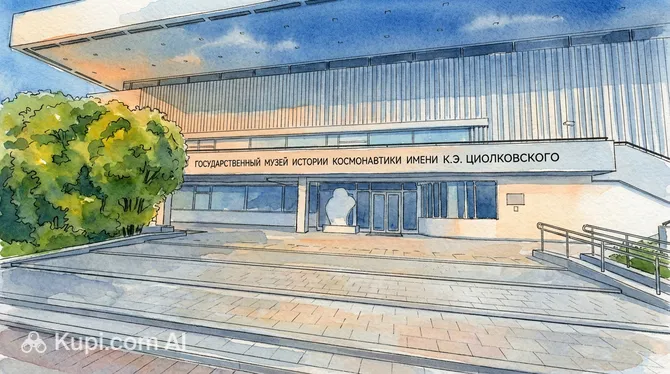
No visit to the city is complete without exploring the Tsiolkovsky State Museum of the History of Cosmonautics. As the world's first museum dedicated to space exploration, it holds a vast collection of rocket technology, space suits, and interactive exhibits. Visitors can walk through the park outside to see genuine launch vehicles and enjoy a futuristic atmosphere that celebrates humanity's journey to the stars.
Tsiolkovsky State Museum of the History of Cosmonautics. Illustration.
Source: Kupi.com AI
Traveler photos:
For a glimpse into the life of the brilliant scientist who inspired this legacy, the K. E. Tsiolkovsky Memorial House-Museum is an essential stop. This modest wooden house, located near the Oka River, has been preserved exactly as it was when Konstantin Tsiolkovsky lived there. Tourists can see his workshop, simple belongings, and the "ear trumpets" he used, offering a touching and personal perspective on the genius who dreamed of space travel long before it became a reality.
In the heart of the city stands the magnificent Gostiny Dvor, a striking architectural ensemble from the late 18th century. Unlike typical trading rows of that era, this complex consists of multiple buildings connected by elegant arches and galleries. It remains a vibrant part of city life, hosting fairs and shops, and serves as a perfect example of classic Russian merchant architecture.
Gostiny Dvor. Illustration.
Source: Kupi.com AI
Traveler photos:
Art lovers should not miss the Kaluga Museum of Fine Arts. Housed in the beautiful Bilibin estate, the museum boasts an impressive collection of Russian and Western European art, including paintings, sculpture, and decorative arts. The building itself is an architectural gem, providing a sophisticated backdrop for the masterpieces on display.
Kaluga Museum of Fine Arts. Illustration.
Source: Kupi.com AI
Traveler photos:
Another historical highlight is the Zolotaryov Estate Museum and Local History Complex. This grand manor is famous for its well-preserved interiors, which recreate the lifestyle of the wealthy nobility in the 19th century. The museum offers fascinating exhibits on the region's natural history and past, making it a comprehensive spot for understanding the local heritage.
Local Cuisine
The culinary landscape of Kaluga offers a delightful mix of traditional Russian flavors and modern gastronomic trends. As a historic merchant city, it has preserved recipes that date back centuries, while its status as a modern regional center ensures a variety of contemporary dining options. Visitors can expect hearty meals featuring locally sourced ingredients, forest mushrooms, and game meat, reflecting the rich natural bounty of the surrounding region.
The most famous local specialty that every tourist must try is Kaluzhskoye Testo (Kaluga Dough). This unique dessert, which once rivaled the famous Tula gingerbread in popularity, is a dense, aromatic treat made from dried rye breadcrumbs, honey, and spices. Unlike gingerbread, it is traditionally not baked but rather set, giving it a distinct, soft texture. It is often sold in souvenir boxes and makes for a perfect sweet gift to take home.
Given the city's identity as the cradle of cosmonautics, another peculiar gastronomic experience is authentic space food. In various museum shops and specialized stores, you can purchase tubes of borscht, meat with vegetables, or cottage cheese with fruit purees, produced by the same factories that supply the International Space Station. It provides a fun and immersive way to taste what astronauts eat while in orbit.
ProfTesto. Illustration.
Source: Kupi.com AI
Traveler photos:
When it comes to dining out, the city offers a range of atmospheric venues. For those who appreciate dough-based dishes, ProfTesto is a popular spot worth visiting. Here, you can enjoy a variety of handmade dumplings and pelmeni, which are staples of the national cuisine. Another interesting location is Kuznya Tavern, where the interior and menu are designed to evoke a rustic, historical charm, perfect for a cozy evening meal.
For drinks, locals often prefer traditional kvass in the summer or herbal teas and berry fruit drinks (mors) during the colder months. The nightlife and bar scene also embrace the city's themes. You might stop by The Rocket Bar, a venue that nods to the city's space heritage while serving a selection of beverages and snacks. Whether you are looking for a quick street food snack or a leisurely dinner in a restaurant, Kaluga's food scene is sure to satisfy your appetite.
Travel Tips
Planning a trip to the "Cradle of Cosmonautics" requires a bit of preparation to ensure your journey is as smooth as a rocket launch. To help you navigate the city with ease and make the most of your visit, we have compiled a list of essential practical tips for travelers.
Clothing and Gear: Kaluga experiences a distinct continental climate. If you visit in winter (November to March), bring heavy coats, thermal layers, and non-slip waterproof boots to handle the snow and ice. Summers are generally warm but can be rainy, so packing a compact umbrella and a light jacket is wise. Since the city is situated on the banks of the Oka River and has some hilly areas, comfortable walking shoes are a must for exploring.
Transportation: The historic center is compact and best explored on foot. For longer distances, the city has a reliable network of trolleybuses and minibuses (marshrutkas). Ride-hailing apps are widely used and are often the most convenient option for tourists who do not speak the language. Car rental is available but usually unnecessary unless you plan to explore the wider Kaluga region.
Finances: The official currency is the Russian Ruble (RUB). While card payments are widespread in shops and restaurants, travelers with non-Russian bank cards may face acceptance issues. It is highly recommended to carry sufficient cash (USD or EUR) to exchange at local banks upon arrival. Always keep some small change (coins and small notes) handy for public transport and small kiosks.
Health and Safety: Pharmacies (marked as Apteka) are common throughout the city, and many operate 24 hours a day. It is advisable to drink bottled water rather than tap water to avoid any stomach issues. Kaluga is generally a safe city for tourists, but standard precautions—such as keeping an eye on your belongings in crowded places—should be observed.
Communication: The primary language is Russian. While staff at major hotels and the Space Museum may speak English, it is not widely spoken in everyday settings. Downloading an offline translation app and offline maps before your trip will be incredibly helpful for reading signs, ordering food, and asking for directions. A local SIM card can be purchased at mobile shops in the city center with your passport.
Local Etiquette: Russians value politeness. When greeting someone, a firm handshake is common. If you are invited to a local's home, it is customary to remove your shoes at the door. When visiting Orthodox churches, such as the Trinity Cathedral, dress modestly: women should cover their heads with a scarf, and men should remove their hats.
What to Avoid: Avoid loud behavior or taking flash photography inside active churches, as this is considered disrespectful to worshippers. Additionally, drinking alcohol in public places (streets, parks) is prohibited by law and can result in a fine.
Local Insight: Don't miss the chance to buy the city's signature sweet, Kaluzhskoye Testo (Kaluga Dough). It is a unique, unbaked spiced treat that makes for a perfect souvenir. You can find it in specialized gift shops near the Gostiny Dvor or the Space Museum.
Armed with these practical tips, you are well-prepared to discover the rich history and futuristic spirit of Kaluga. Whether you are marveling at space rockets or strolling through 18th-century merchant quarters, a little local knowledge will go a long way in ensuring a memorable and hassle-free adventure.
Entertainment & Nightlife
While Kaluga is often celebrated for its historical and scientific heritage, the city also offers a vibrant entertainment scene that comes alive when the sun goes down. The nightlife here is compact yet diverse, catering to students, locals, and tourists alike. Most evening activities are concentrated in the city center, particularly around Kirova Street and Teatralnaya Street. These areas serve as the main arteries for evening strolls, lined with illuminated facades, cozy cafes, and lively venues.
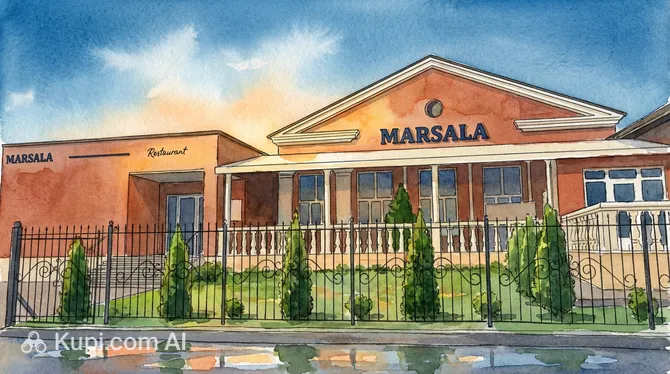
For those looking to dance the night away or enjoy a high-energy atmosphere, Marsala is a well-known destination. Operating as a night club, it attracts a stylish crowd looking for modern beats and signature cocktails. The venue typically hosts DJ sets and themed parties, making it a popular spot for the younger generation and anyone in the mood for a festive night out. The dress code is generally smart-casual, so it is worth dressing up a bit if you plan to visit on a Friday or Saturday night.
Marsala. Illustration.
Source: Kupi.com AI
Traveler photos:
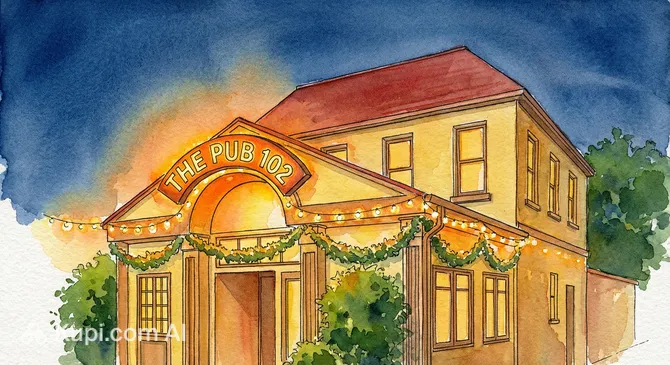
If you prefer a more relaxed setting where you can enjoy a conversation over a pint, Pub 102 is an excellent choice. This establishment offers the classic atmosphere of a European pub, featuring a solid selection of beers and hearty snacks. It is a great place to mingle with locals, watch sports broadcasts, or simply unwind after a day of sightseeing. The vibe here is friendly and informal, welcoming travelers to relax without the need for strict dress codes.
Another interesting venue that adds flavor to the local scene is Two Greeks. Often functioning as a vibrant mix of a restaurant and a night spot, it offers a lively environment where good food meets entertainment. It is an ideal location for those who want to start their evening with a delicious dinner and continue with drinks and music without changing locations.
Pub 102. Illustration.
Source: Kupi.com AI
Traveler photos:
Practical Tips for Nightlife: Most bars and clubs are busiest on Friday and Saturday nights. While the city center is generally safe for walking in the evening, it is always advisable to use a taxi when returning to your accommodation late at night. App-based taxi services are widely available, affordable, and overcome any language barriers. Average prices for drinks and cover charges are significantly lower than in Moscow, offering great value for money.
Beyond the nightlife, Kaluga offers plenty of daytime entertainment options for families and leisure travelers. The Mir Park is a favorite destination for amusement and relaxation. It features various attractions and green spaces, making it a perfect spot to spend a sunny afternoon. Additionally, the city's theaters and the bustling Kaluga XXI Century Shopping Mall provide excellent alternatives for those seeking cultural performances or a spot of retail therapy.
Parks & Museums
Kaluga offers a refreshing balance between urban energy and serene nature, boasting well-maintained green spaces that sit side-by-side with its rich cultural institutions. For travelers, the city's parks provide scenic viewpoints over the Oka River, while its museums serve as custodians of the region's fascinating history, ranging from ancient artifacts to the space age.
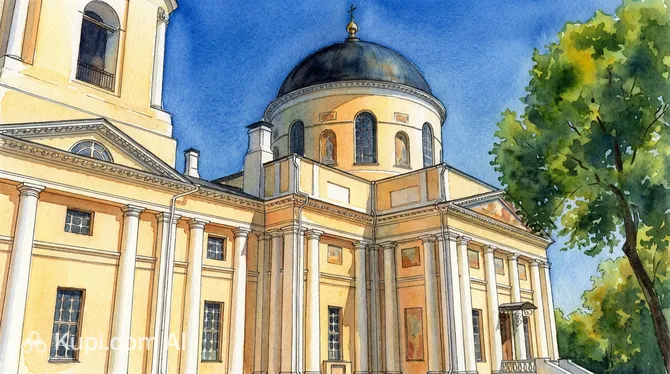
The city's most beloved green space is the Central Park of Culture and Recreation. Located in the historic heart of Kaluga, this park is a favorite among locals for leisurely strolls and family outings. It features shady alleys, manicured flowerbeds, and an observation deck that offers panoramic views of the river and the right-bank districts. Within the park boundaries, visitors can also admire the majestic Trinity Cathedral, creating a picturesque blend of nature and architecture.
Central Park of Culture and Recreation. Illustration.
Source: Kupi.com AI
Traveler photos:
Another significant natural area is Tsiolkovsky Park, a place of deep historical meaning. Formerly known as the Country Garden, it was a favorite walking spot for Konstantin Tsiolkovsky, the father of cosmonautics. Today, it serves as a tranquil memorial complex where the scientist is buried. The park's quiet, tree-lined paths invite contemplation and offer a peaceful escape from the bustling city streets, making it a must-visit for those paying homage to Kaluga's most famous resident.
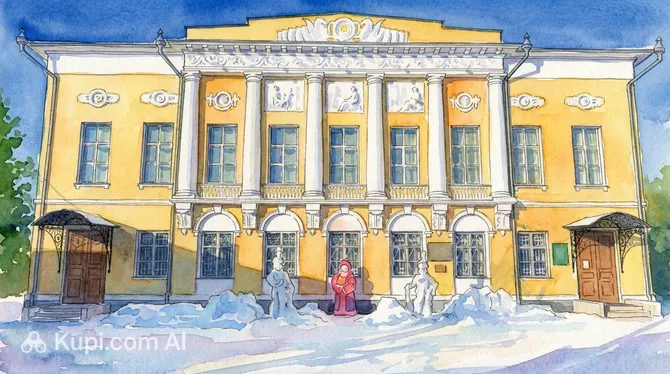
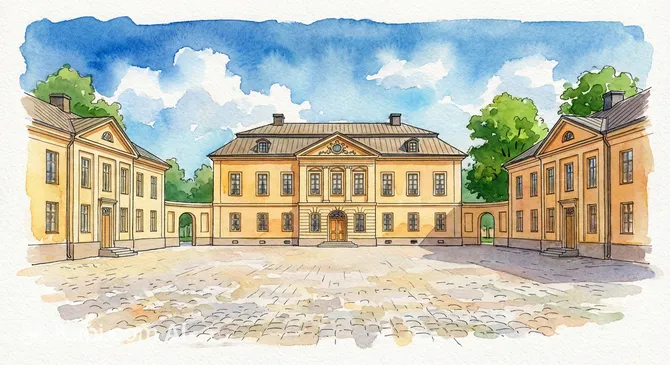
When it comes to museums, the Zolotaryov Estate Museum and Local History Complex stands out as a masterpiece of Russian classicism. Housed in a grand 19th-century merchant manor with iconic columns and bas-reliefs, the museum documents the region's heritage. Its extensive collection ranges from archaeological finds and natural history exhibits to displays of noble life in the pre-revolutionary era. The building itself is an architectural landmark, often referred to as one of the finest examples of provincial estate architecture in the country.
Zolotaryov Estate Museum and Local History Complex. Illustration.
Source: Kupi.com AI
Traveler photos:
Art enthusiasts should revisit the Kaluga Museum of Fine Arts. While it is a major attraction, its rotating exhibitions and educational programs often provide new reasons to visit. The gallery holds a significant collection of Russian icons, paintings from the Peredvizhniki movement, and Western European works, serving as a vital cultural hub for the city.
Scattered throughout the city are monuments that tell the story of Kaluga's past. The Monument to Konstantin Tsiolkovsky is a prominent tribute located in Peace Square, symbolizing the city's identity as the cradle of space exploration. Nearby, visitors can pay their respects at the Eternal Flame, a solemn memorial dedicated to the soldiers who fell during World War II. Located at the Tomb of the Unknown Soldier, it is a place of remembrance and quiet dignity.
For a truly authentic experience, take a walk along the pedestrian areas near the Stone Bridge during the golden hour. The combination of the ravine's greenery and the historic viaduct creates a romantic atmosphere that is often missed by tourists who stick strictly to the main museum routes.
Getting Around
Navigating Kaluga is straightforward and convenient, thanks to a compact city center and a well-developed network of ground transportation. Unlike larger Russian metropolises, the city does not have a metro system. Instead, residents and visitors rely on a combination of trolleybuses, municipal buses, and private minibuses to get around. The historic center is walkable, allowing tourists to easily explore major attractions on foot, but public transport is essential for reaching the Space Museum or the railway station.
The backbone of the public transport system is the trolleybus network, which connects key districts and is generally considered the most reliable and eco-friendly way to travel. Complementing the trolleybuses are regular buses and private minibuses, known locally as marshrutkas. These smaller vans are often faster and run more frequently, reaching areas that larger vehicles cannot. However, they can be more crowded and offer less comfort than the municipal fleet.
Paying for rides is simple and tourist-friendly. In municipal trolleybuses and buses, you can typically pay using a contactless bank card or a smartphone directly at the terminal carried by the conductor or installed near the doors. Cash is also widely accepted; you simply hand the fare to the conductor or the driver upon entry or exit, depending on the specific vehicle's rules. The fare is a fixed flat rate regardless of the distance traveled, making it very affordable. While travel passes exist for locals, short-term visitors usually find the "pay-as-you-go" method with a bank card to be the most convenient option.
For those who prefer more comfort or need to travel late at night, taxis are a popular and inexpensive alternative. The most common way to hail a ride is through mobile apps like Yandex Go, which functions similarly to major international ride-hailing services. This eliminates language barriers, as you can set your destination on the map and see the fixed price beforehand. During the warmer months, electric scooter rentals have also become a trendy way to zip between parks and museums, with several app-based services operating throughout the central streets.
Public transport generally operates from early morning, around 6:00 AM, until late evening, with frequency dropping significantly after 10:00 PM. To plan your route efficiently, it is highly recommended to use mobile map applications such as Yandex Maps or 2GIS. These apps provide real-time tracking of buses and trolleybuses, helping you know exactly when the next vehicle will arrive and which stop is best for your destination.
Accommodation
Where to Stay:
Finding the perfect place to stay in Kaluga is relatively easy, as the city offers a welcoming mix of accommodation options to suit various budgets and preferences. While you will not find an abundance of ultra-luxury international resorts, the local hospitality sector provides modern business hotels, charming boutique guesthouses, and a wide selection of comfortable apartments. The general standard of service is high, often exceeding expectations for a regional Russian city.
For most travelers, the best area to stay is the historic city center, particularly the streets surrounding Kirova Street and Peace Square. Staying in this district places you within walking distance of the main museums, the drama theater, and the bustling shopping areas. Another popular option is the area near the Oka River embankment. Hotels located here often offer scenic views of the water and the famous pine forests on the opposite bank, providing a quieter, more resort-like atmosphere while still being close to the Space Museum.
The price range for accommodation is generally quite affordable compared to Moscow. Budget travelers can find neat and safe hostels or economy hotels that provide basic amenities. Mid-range options are the most plentiful, typically offering breakfast, Wi-Fi, and English-speaking staff. For those seeking more comfort, there are several upscale hotels that feature spa complexes, swimming pools, and on-site restaurants serving local cuisine. Short-term apartment rentals are also very popular here and can be a cost-effective choice for families or groups staying for more than a couple of days.
When planning your trip, it is advisable to book your accommodation in advance, especially if you are visiting during major holidays or space-related anniversaries, such as Cosmonautics Day in April. During these peak times, the best rooms in the city center tend to fill up quickly. Most local hotels and apartments can be easily reserved through major online booking platforms or directly via their websites.
Nearby Cities
For those looking to explore the surroundings, Kaluga serves as an excellent base for day trips to several interesting nearby locations:
One of the most popular destinations is Tula, located less than 100 kilometers away. Famous across the country for its delicious gingerbread (pryanik), traditional samovars, and the impressive Tula Kremlin, it offers a deep dive into Russian craftsmanship and history. Visitors can wander through the museum quarter and enjoy the vibrant atmosphere of this historic city.
Another worthwhile stop is Serpukhov, an ancient city rich in spiritual heritage. It is renowned for its stunning monasteries, such as the Vysotsky Monastery, and a unique art museum often referred to as the "Little Tretyakov Gallery" due to its impressive collection. The city also has a charming connection to peacocks, which feature on its coat of arms and can be seen at the local monastery.
For those interested in science and modern history, Obninsk offers a completely different experience. Known as Russia's first "science city," it is home to the world's first nuclear power plant, which now operates as a museum. It provides a fascinating look into the technological advancements of the 20th century.
City
Population
Distance
Kondrovo
14 857
39 km
Suvorov
17 450
46 km
Aleksin
57 892
52 km
Sosensky
10 628
55 km
Maloyaroslavets
27 791
57 km
These nearby destinations offer a glimpse into the diverse culture and landscapes of the region, ranging from ancient architectural gems to milestones of scientific progress.
Shopping & Souvenirs
Shopping in Kaluga offers a delightful mix of modern convenience and historic charm. While the city may not be a global fashion capital, it provides a well-rounded retail experience where visitors can find everything from international brands to unique local handicrafts. The city center is compact, making it easy to combine sightseeing with a bit of retail therapy, wandering between contemporary shopping complexes and centuries-old trading rows.
The primary artery for shopping enthusiasts is Kirova Street. This bustling avenue runs through the heart of the city and is lined with a variety of boutiques, jewelry stores, and souvenir shops. As you stroll along this street, you will inevitably encounter the Gostiny Dvor. This architectural landmark is not just a museum piece; it continues its historical function as a commercial hub. Within its graceful arches and galleries, you can find small shops selling gifts, local artisanal products, and sweets, keeping the spirit of the 18th-century merchant city alive.
For a more modern retail experience, the city boasts several large malls that serve as entertainment centers for the whole family. The most prominent is the Kaluga XXI Century Shopping Mall, conveniently located on Kirova Street. It houses a wide array of clothing stores, electronics retailers, a food court, and a cinema, making it a popular destination for both locals and tourists seeking standard European brands.
Kaluga XXI Century Shopping Mall. Illustration.
Source: Kupi.com AI
Traveler photos:
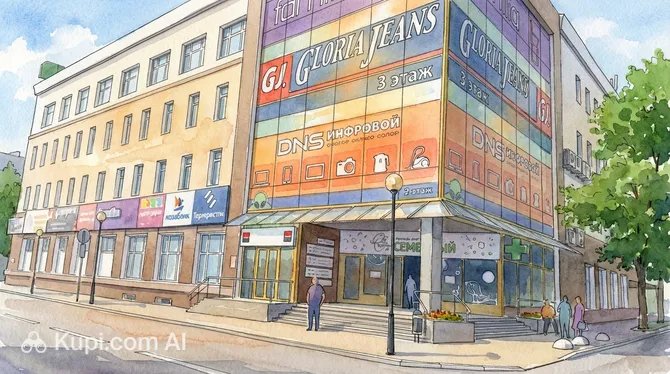
Another notable location is the Family Shopping Center. As the name suggests, this complex caters to household needs and family shopping, offering a relaxed atmosphere with various retail outlets. These malls are perfect for those looking to purchase travel essentials or simply enjoy a comfortable indoor environment during colder weather.
Family Shopping Center. Illustration.
Source: Kupi.com AI
Traveler photos:
To experience the local flavor, a visit to the Central Market is highly recommended. Here, the counters are piled high with fresh regional produce, seasonal fruits, and farm-made dairy products. It is the best place to buy local honey and seasonal berries. The market atmosphere is lively and authentic, offering a glimpse into the everyday life of Kaluga's residents.
When searching for souvenirs, Kaluga offers several distinct options. The most iconic gift is Kaluzhskoye Testo (Kaluga Dough), a spiced, unbaked sweet treat that is unique to the region. Given the city's heritage, space-themed memorabilia is also a must-buy; you can find high-quality models of rockets, books, and even tubes of "space food" at museum shops. Additionally, look for traditional embroidery and ceramics from the nearby town of Tarusa, which are often sold in art salons in the city center.
Opening hours in Kaluga are generally tourist-friendly. Major shopping malls typically operate daily from 10:00 AM to 10:00 PM. Smaller street-side boutiques and souvenir shops usually open around 10:00 AM and close by 7:00 PM or 8:00 PM. Payment methods are modern, with credit and debit cards being widely accepted in most stores and restaurants. However, it is advisable to carry some cash (Rubles) when visiting outdoor markets or small kiosks.
Regarding Tax-Free shopping, Russia has a system in place that allows foreign tourists to claim a VAT refund on purchases made in eligible stores. While this service is most prevalent in Moscow and St. Petersburg, some major retail chains in Kaluga may participate. Look for the "Tax Free" signage in shop windows and ask the staff for the necessary forms at the checkout if you plan to make significant purchases.