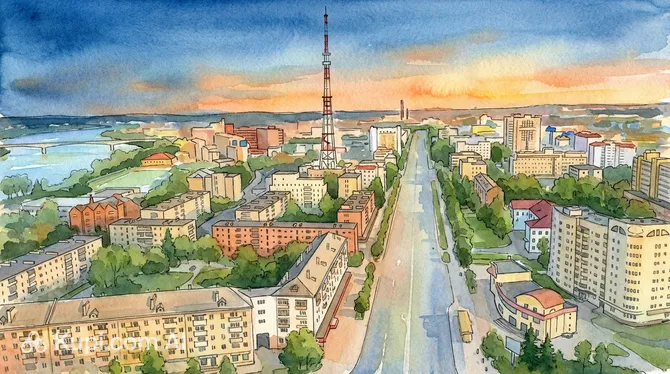
Situated on the picturesque banks of the upper Volga River, Tver is a historic city that serves as a fascinating stop between Moscow and St. Petersburg. As the administrative center of the Tver Oblast in the Russian Federation, it offers travelers a unique blend of provincial charm and grand imperial architecture. With a population of approximately 425,000 people, the city maintains a lively atmosphere while preserving the tranquility of a riverside destination.
Tver. Illustration.
Source: Kupi.com AI
The city is renowned for its distinct urban layout, often compared to St. Petersburg or Versailles due to its "trident" street system radiating from a central square. Those interested in the past will find the history of Tver captivating, as it was once a powerful principality that rivaled Moscow for dominance in the region. Today, this legacy is reflected in its preserved buildings and monuments.
Visitors are often drawn to the magnificent Imperial Travel Palace, built for Catherine the Great, which now houses an impressive art gallery. Another iconic landmark is the monument to Afanasy Nikitin, the famous merchant and explorer who traveled to India long before Vasco da Gama. A stroll along the scenic embankments of the Volga River provides the perfect way to soak in the city's beauty.
Whether you are a history buff, an admirer of classic architecture, or simply looking for a scenic getaway, Tver welcomes you with open arms. It is a delightful destination that promises memorable experiences and a deep dive into the cultural heart of the region.
Weather Overview
The city experiences a moderate continental climate characterized by distinct seasonal changes. Winters are generally cold and snowy, with January being the coldest month, seeing average temperatures around -6.2°C. It is common for the thermometer to dip to -8°C or lower during this season. With December and January averaging about 15 wet days each, travelers should expect frequent snowfall and pack warm clothing.
Summer brings pleasant warmth to the region, making it an ideal time for exploring the outdoor attractions. July is typically the warmest month, with average temperatures reaching 18.4°C and daily highs often climbing above 22°C. However, travelers should be prepared for frequent showers, as July is also quite wet, averaging about 17 rainy days.
Spring and autumn serve as transitional periods with variable conditions. May and September are particularly comfortable for walking tours, offering mild average temperatures between 11°C and 13°C. Generally, you can expect warm summers with occasional rain and cold winters with regular precipitation throughout the year. For a more detailed forecast to help you pack the right gear, check the comprehensive guide to the weather in Tver.
Average monthly temperature
Average monthly precipitation
Interesting Facts
Beyond the main attractions, Tver holds many fascinating secrets and local legends that surprise even seasoned travelers. Digging deeper into the city's past reveals unique cultural quirks and unexpected connections to global history.
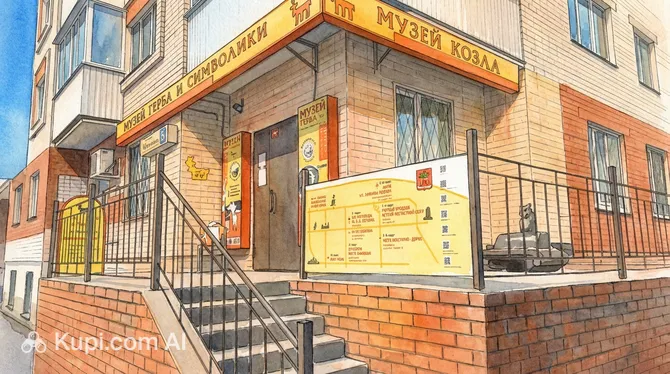
The city has a rather unusual unofficial symbol: the goat. Historically, the region was famous for producing high-quality leather boots from goat hides, earning the locals the nickname "Tver goats." Today, you can explore this humorous heritage at the Goat Museum, which showcases a quirky collection dedicated to the animal's role in local folklore.
Tver is the hometown of the legendary singer Mikhail Krug, who is often referred to as the "King of Russian Chanson." His legacy is immortalized by the bronze Monument to Mikhail Krug located on Radishchev Boulevard, a popular spot where fans sit on the bench next to the statue for photos.
The City Garden is not just a park but an archaeological landmark, situated on the very grounds where the ancient Tver Kremlin once stood. Although the wooden fortress was destroyed by a devastating fire in the 18th century, this area remains the historical and spiritual heart of the city.
Architecture enthusiasts often notice that the Starovolzhsky Bridge bears a striking resemblance to the Liberty Bridge in Budapest. Built in the late 19th century, this engineering marvel spanning the Volga River is celebrated for its elegant cantilever outline, making it one of the city's most photogenic structures.
Goat Museum. Illustration.
Source: Kupi.com AI
Traveler photos:
How to Get There
Reaching Tver is quite convenient due to its strategic location on the route between Moscow and St. Petersburg. While the city is accessible by various means, planning your journey in advance can save time. You can find detailed information and read more about how to get to Tver on our dedicated page.
The city of Tver does not have its own commercial airport, but you can fly into one of the major hubs in neighboring Moscow. The closest and most convenient option is often Sheremetyevo (SVO), located in the city of Moscow, which is about 135 km from Tver. A trip by taxi or bus from this large international hub takes approximately 225 minutes. Alternatively, you can arrive at Vnukovo (VKO), also in Moscow, situated roughly 164 km away. The travel time by road from there is estimated to be around 265 minutes.
For clarity, here is a summary of the main airports:
Traveling by train is one of the most popular ways to reach the city. The main gateway is the Tver Railway Station, located directly in Tver, just 2.9 km from the city center. It is a major stop with high passenger traffic, serving both suburban trains and high-speed intercity lines. Another significant regional node is the Klin Railway Station in the city of Klin, located about 76 km away, which also handles a large number of travelers.
Below is a list of the nearest railway stations:
Station
Passenger traffic
Distance
Tver Railway Station
3.2 mln
3 km
Redkino Station
—
33 km
Likhoslavl Railway Station
250 000
41 km
Zavidovo Station
—
47 km
Torzhok Railway Station
150 000
59 km
Klin Railway Station
2.5 mln
76 km
Main Attractions
Exploring Tver reveals a city rich in history and culture, where grand imperial architecture sits alongside charming riverside promenades. The city's layout and landmarks offer a glimpse into its past as a significant rival to Moscow and a favored stopover for Russian royalty. Here are some of the top places to visit during your stay.
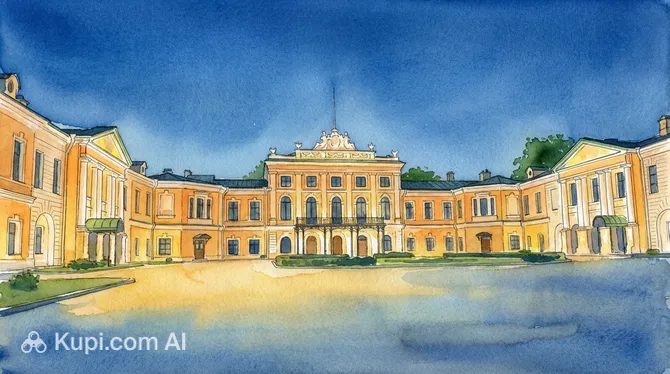
One of the city's architectural jewels is the Tver Regional Art Gallery, housed within the magnificent Imperial Travel Palace. This stunning baroque complex was originally designed for Catherine the Great to rest during her journeys between St. Petersburg and Moscow. Today, it features an extensive collection of Russian art, including icons, portraits, and landscapes, allowing visitors to appreciate both the regal interiors and the masterpieces on display.
Tver Regional Art Gallery. Illustration.
Source: Kupi.com AI
Traveler photos:
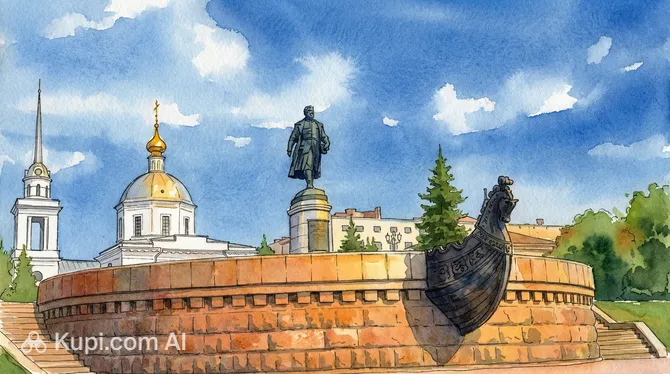
Standing proudly on the banks of the Volga River is the Monument to Afanasy Nikitin. This bronze statue honors the legendary merchant and explorer from Tver who traveled to India in the 15th century, documenting his journey in "The Journey Beyond Three Seas." The site offers panoramic views of the river and is a favorite spot for locals and tourists alike to take photos and enjoy the breeze.
For a deeper dive into local traditions, the Museum of Tver Daily Life is a must-visit. Located in a historic merchant's house, this museum reconstructs the lifestyle of Tver's citizens during the 18th and 19th centuries. The interactive exhibits display period furniture, clothing, and household items, providing a vivid picture of how merchants and artisans lived in this bustling provincial center.
Museum of Tver Daily Life. Illustration.
Source: Kupi.com AI
Traveler photos:
Culture enthusiasts should not miss the Tver Academic Drama Theatre. As one of the oldest theaters in the region, it has been a cornerstone of the city's cultural life for centuries. The building itself is an architectural landmark, and the theater continues to stage high-quality classic and contemporary productions, making it a perfect evening destination for art lovers.
Local Cuisine
The culinary scene in Tver is a delightful reflection of its location on the Volga River and its rich merchant history. Visitors will find a blend of traditional Russian flavors and modern gastronomic trends. The city is particularly proud of its regional recipes that have been passed down through generations, offering a taste of authentic provincial Russia.
The absolute star of the local menu is the famous Pozharsky cutlet (Pozharskaya kotleta). Unlike typical cutlets, this dish is made from juicy minced chicken, coated in small cubes of white bread, and fried to a golden, crispy perfection. It has a legendary status in Russian cuisine, having been praised by the poet Alexander Pushkin in the 19th century. Since the city stands on a major river, freshwater fish dishes are also highly recommended, with pike and zander often featuring prominently on restaurant menus.
When it comes to drinks, Tver is well-known as the home of the Afanasy brewery. Beer enthusiasts can sample a variety of local brews, ranging from light lagers to dark ales, which are widely available in shops and restaurants throughout the city. For a non-alcoholic alternative, be sure to try the local kvass, a traditional fermented bread drink that is incredibly refreshing, especially during the warm summer months.
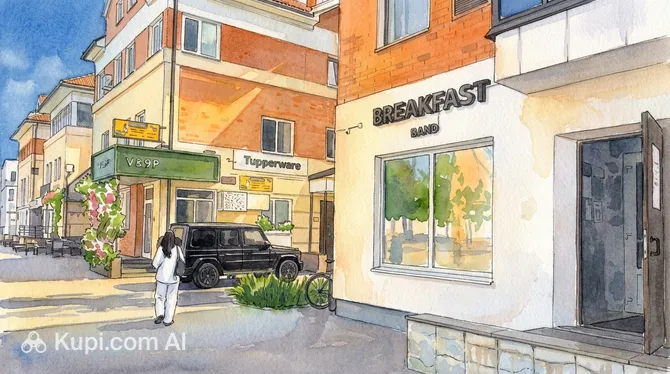
Breakfast Band. Illustration.
Source: Kupi.com AI
Traveler photos:
The heart of the city's food culture beats strongest along the pedestrian Trekhsvyatskaya Street, often called the "Arbat of Tver." Here, tourists can wander among numerous cafes, bakeries, and summer terraces. Whether you are looking for a quick bite of street food or a leisurely dinner, this area offers plenty of choices. For a delicious start to your day, you might visit Breakfast Band, a popular venue specializing in creative morning meals.
For those seeking a more substantial dining experience or a place to unwind in the evening, the city offers a diverse range of establishments. You can enjoy a meal at Vostok 24, or if you prefer a lively bar atmosphere with international flair, the Irish Pub is a well-known spot among locals and visitors alike.
Travel Tips
To ensure your visit to Tver is as smooth and enjoyable as possible, it is helpful to know a few local nuances beforehand. While the city is welcoming and easy to navigate, keeping these practical suggestions in mind will help you travel with confidence and ease.
Dress for the Season and Occasion: The weather here can be changeable, so checking the forecast is essential. In winter, thermal underwear and non-slip boots are a must, while summers are generally mild. If you plan to visit Orthodox churches or monasteries, modest dress is required: women should cover their heads with a scarf and wear skirts below the knee, while men should remove their hats and avoid wearing shorts.
Getting Around: Tver has a modern and efficient public transport system consisting of distinctive blue buses branded as "Transport Verkhnevolzhya." They cover the entire city and are very affordable. For more direct travel, ride-hailing apps like Yandex Go are widely used, safe, and often more convenient than trying to hail a taxi on the street. Car rental is generally not necessary for exploring the city center itself.
Handling Finances: The local currency is the Russian Ruble (RUB). It is critically important to know that credit and debit cards issued by foreign banks typically do not work in local terminals or ATMs. You must bring sufficient cash in major currencies (USD or EUR) to exchange at official bank branches, or rely entirely on cash for all transactions, including hotels and restaurants.
Health and Safety: Tver is a safe city for tourists, but standard precautions apply. Avoid drinking tap water; it is better to buy bottled water from supermarkets. Pharmacies, marked with a green cross and the word Apteka, are plentiful, and many operate 24 hours a day. In case of any emergency, the universal help number is 112.
Staying Connected: While younger people may speak some English, it is not widely spoken in smaller shops or by transport drivers. It is highly recommended to download an offline map and a translation app on your phone before you arrive. You can purchase a local SIM card at mobile phone shops in the city center; you will need your passport for registration.
Local Etiquette: Russians value hospitality and politeness. If you are invited to a local's home, it is customary to remove your shoes at the entrance and perhaps bring a small gift, such as chocolates or flowers. When greeting someone, a firm handshake is common, but avoid shaking hands across a threshold, as this is considered bad luck.
What to Avoid: Do not consume alcohol in public places like parks, streets, or playgrounds, as this is prohibited by law and can result in a fine. Additionally, avoid taking photographs of strategic infrastructure, such as railway bridges or military personnel, to prevent any misunderstandings with security staff.
Souvenir Tip: Don't leave without looking for the city's quirky mascot. Look for items featuring the "Tver Goat," a symbol of the city's independent spirit. You can find unique goat-themed gingerbread and handicrafts in the shops along the pedestrian Trekhsvyatskaya Street.
By following these simple guidelines, you will be well-prepared to immerse yourself in the local culture and enjoy everything Tver has to offer. A little preparation goes a long way, allowing you to focus on the beautiful architecture, delicious food, and friendly atmosphere of this historic riverside city.
Entertainment & Nightlife
While Tver may not rival the frenetic pace of Moscow, its nightlife scene is surprisingly vibrant and diverse, offering a mix of cozy pubs, energetic dance clubs, and live music venues. The city comes alive after sunset, particularly on weekends when locals and students flock to the center to unwind. The atmosphere is generally friendly and unpretentious, though many establishments maintain a standard of style and conduct typical of Russian cities.
The epicenter of evening entertainment is undoubtedly Trekhsvyatskaya Street and its surrounding lanes. This pedestrian artery, often buzzing with activity, is lined with numerous bars and cafes that stay open late. During the warmer months, the energy spills out onto the street, with outdoor terraces filling up quickly. Another popular area for a night out is the embankment along the Volga River, where you can enjoy a scenic walk before heading to a nearby venue.
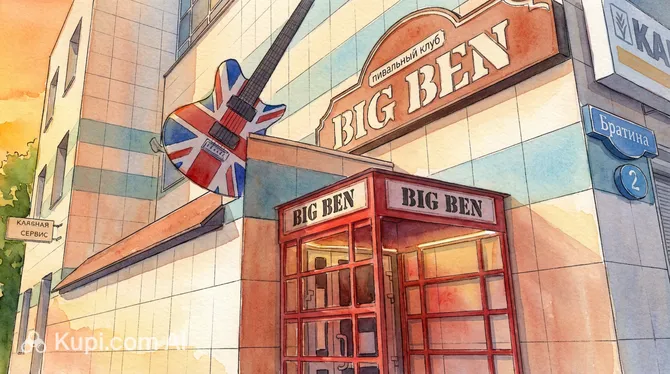
For music lovers, Big Ben is a standout destination. This club is well-regarded for its live concert program, featuring everything from rock bands and jazz ensembles to tribute acts. It offers a great pub atmosphere where you can enjoy a pint while listening to quality live performances. If you are looking for a more modern vibe with cocktails and DJ sets, Black Room is a popular nightclub choice. It attracts a stylish crowd ready to dance until the early hours of the morning.
Big Ben. Illustration.
Source: Kupi.com AI
Traveler photos:
Those preferring a more laid-back setting for conversation and drinks might enjoy FunDuck. This bar is known for its relaxed environment, making it a good spot to start the evening or wind down with friends. Most bars and clubs in Tver operate until at least 02:00 or 03:00 on weekends, with some dance venues staying open until dawn. Prices are generally moderate compared to the capital, with a cocktail or a pint of beer costing significantly less than in Moscow or St. Petersburg.
When planning a night out, keep in mind that many clubs and some bars enforce a "face control" policy. This means security guards at the entrance reserve the right to deny entry based on dress code or state of intoxication. It is advisable to dress in smart casual attire—avoid sportswear and sneakers if you plan to visit nightclubs. For safety, stick to the well-lit central streets and always use a taxi app like Yandex Go to get back to your hotel; flagging down cars on the street is not recommended.
Before the sun goes down, Tver offers plenty of cultural entertainment to fill your day. The city is home to the Circus Fountain area, which is a favorite among families, and the renowned Tver Academic Drama Theatre for classical productions. Whether you are interested in high culture during the day or spirited fun at night, the city provides a well-rounded entertainment experience.
Parks & Museums
Tver is a city that beautifully balances its imperial architecture with abundant greenery and a deep respect for its heritage. Travelers looking to escape the bustle of urban life will find a welcoming array of parks and gardens, while those keen on culture can explore unique museums and monuments that tell the story of this ancient riverside capital.
The heart of the city's outdoor life is the City Garden. Located on the right bank of the Volga River, this central park is a favorite promenade for locals and visitors alike. It offers beautifully landscaped paths, sculptures, and stunning views of the river and the Starovolzhsky Bridge. In the summer, the garden comes alive with blooming flowerbeds and attractions for children, making it a perfect spot for a leisurely afternoon stroll or a scenic photo session.
City Garden. Illustration.
Source: Kupi.com AI
Traveler photos:
For a quieter and more educational experience with nature, the Botanical Garden of Tver State University is a hidden gem. As one of the oldest botanical gardens in the region, established in the late 19th century, it hosts a diverse collection of flora from various climatic zones. The garden provides a peaceful sanctuary where visitors can wander among rare plants, ancient trees, and picturesque ponds, offering a refreshing break from sightseeing.
When it comes to museums, Tver offers some truly distinctive options. While the grand art galleries are impressive, the Goat Museum provides a delightful and humorous look at the city's unofficial symbol. The museum features a vast collection of goat-related items, from figurines to historical artifacts, explaining the folklore behind the "Tver Goat" nickname. Another key cultural institution is the Museum of Tver Daily Life. Housed in an old merchant manor, it immerses guests in the atmosphere of pre-revolutionary Russia, often hosting interactive tea-drinking sessions that reveal the traditions of the local merchant class.
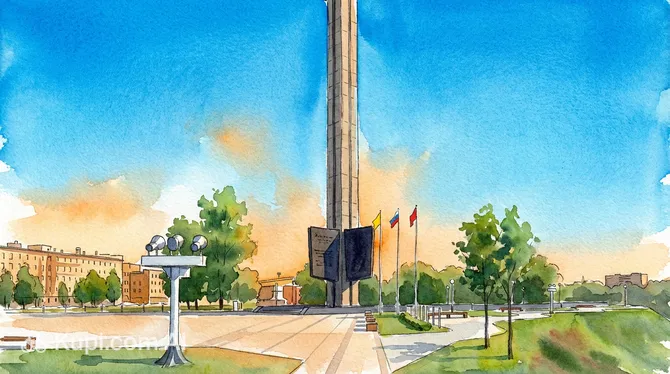
History enthusiasts will appreciate the city's monumental tributes to its past. The Monument to Prince Mikhail of Tver stands proudly on the square named in his honor. It commemorates the beloved local ruler and saint who played a crucial role in the city's medieval history. Another dominating landmark is the Victory Obelisk, a towering structure dedicated to the soldiers who fought in World War II. Located near the confluence of the Tmaka and Volga rivers, the plaza around the obelisk is a solemn and majestic place for reflection.
Victory Obelisk. Illustration.
Source: Kupi.com AI
Traveler photos:
For those traveling with family or seeking a touch of wilderness within the city limits, the Bobachyov Grove Zoo is worth a mention. Situated within a large forest park, it offers a chance to see various animals in a natural setting and enjoy fresh air away from the city center.
Getting Around
The public transport system in Tver has undergone a significant modernization in recent years and is now unified under the brand "Transport Verkhnevolzhya." The city is served almost exclusively by a fleet of distinctive blue buses of various sizes, ranging from large liners to smaller localized shuttles. These modern vehicles are low-floor, equipped with climate control, and feature digital displays, making them comfortable and accessible for all travelers.
Travelers relying on older guidebooks should be aware that the city no longer operates trams or trolleybuses. These historic networks have been fully replaced by the new bus system, which covers the entire city and extends into the suburbs. The routes are numbered clearly, and the blue buses are easy to spot against the urban backdrop.
Paying for your ride is convenient and encourages cashless transactions. The most cost-effective way to travel is by using a contactless bank card or a smartphone with NFC capabilities. You can also purchase a specialized transport card called "Volga," which offers various subscription plans for frequent riders. While cash is accepted by the driver, the fare is significantly higher than the digital rate, so using a card is highly recommended to save money.
For the best experience, visitors are advised to download the "Volga" mobile app. This application allows you to plan your route, check the real-time schedule of buses, and even pay for your fare virtually. Upon entering the bus, you simply tap your card or phone against the yellow validators located on the handrails. There are usually no conductors, and ticket inspections are conducted randomly by controllers.
The buses typically operate from early morning, around 5:00 AM, until midnight, though intervals may increase late in the evening. For those who prefer more direct transport, taxis are a popular and affordable alternative. Ride-hailing apps like Yandex Go work reliably throughout the city, eliminating the language barrier often associated with calling a dispatcher.
During the warmer months, the city also embraces micro-mobility. Electric scooters are available for rent through various sharing apps and are a fantastic way to explore the embankments and parks. Bike rentals are also available, particularly near the recreational areas along the river, offering a leisurely way to see the sights.
Accommodation
Where to Stay:
Accommodation in Tver caters to a wide variety of preferences and budgets, ranging from modern business hotels to cozy guesthouses and affordable hostels. Over the past few years, the city has seen a rise in the quality of its hospitality sector. Visitors can choose between established hotel chains that offer standard amenities and smaller, independent boutique hotels that often provide a more personalized experience. For those seeking a home-away-from-home vibe, there is also a growing market for short-term apartment rentals, which are particularly popular among families and groups.
The most convenient area for tourists to stay is the Central District (Tsentralny District), particularly the streets radiating from the main squares and those running parallel to the Volga River. Staying here places you within walking distance of the main historical sights, such as the City Garden and the Imperial Travel Palace. The riverside embankments are especially sought after for their scenic views and proximity to the promenade, making them a perfect base for evening walks.
Monument to Afanasy Nikitin. Illustration.
Source: Kupi.com AI
Traveler photos:
Another attractive option is the area across the river on the Afanasy Nikitin Embankment. This location offers a quieter atmosphere while still being close to the action, connected to the center by the city's iconic bridges. Hotels situated near the Monument to Afanasy Nikitin often command beautiful views of the historic city center across the water. For travelers on a tighter budget or those in transit, there are also decent accommodation options located closer to the railway station, though this area is further from the main tourist attractions.
In terms of pricing, Tver is generally more affordable than Moscow or St. Petersburg. You can find excellent value for money, with mid-range options providing high comfort at reasonable rates. However, prices can rise during the summer months and on weekends when domestic tourists flock to the city. It is highly recommended to book your accommodation in advance during these peak times to secure the best spots. While many hotels can be booked via major online platforms, it is always wise to check current payment methods and availability directly, given the high demand in the high season.
Nearby Cities
For those looking to explore the surroundings, Tver serves as an excellent base for day trips to several interesting nearby locations:
City
Population
Distance
Likhoslavl
11 594
40 km
Konakovo
38 486
55 km
Torzhok
45 641
61 km
Vysokovsk
10 586
71 km
Klin
79 168
77 km
Among these destinations, Klin stands out as a cultural gem, particularly for classical music enthusiasts. It is famously known as the home of the Tchaikovsky State House-Museum, where the legendary composer Pyotr Ilyich Tchaikovsky wrote his final masterpieces. Visitors can tour the preserved estate and enjoy the tranquil park that inspired his work.
Another fascinating spot is Dubna, situated where the Moscow Canal joins the Volga River. Known as a "Science City" due to its world-renowned nuclear research institute, it offers a peaceful and intellectual atmosphere. The city is also notable for hosting one of the largest statues of Vladimir Lenin in the world, standing guard over the waterway.
For history buffs, Dmitrov offers a journey back in time. Described as an ancient city founded in the 12th century by Yuri Dolgoruky, it features a well-preserved Kremlin surrounded by massive earthen ramparts. The stunning Assumption Cathedral and the charming pedestrian streets make it a delightful place for a leisurely walk.
These nearby destinations offer a glimpse into the diverse culture and landscapes of the region.
Shopping & Souvenirs
Shopping in Tver is a relaxed and enjoyable experience that blends modern retail convenience with the charm of a provincial Russian city. While it may not have the overwhelming scale of the capital's shopping scene, it offers a comfortable mix where visitors can find international brands alongside unique regional products. Whether you are looking for the latest fashion trends or authentic local handicrafts, the city provides ample opportunities to find what you need without the hustle and bustle of a metropolis.
The heart of the city's pedestrian shopping is undoubtedly Trekhsvyatskaya Street. Often referred to as the local "Arbat," this lively promenade is the perfect place to hunt for souvenirs. Here, you can browse through antique stores, visit small boutiques, and buy paintings directly from local artists who set up their easels on the street. For a more conventional high-street experience, Tverskoy Prospect serves as a major commercial artery, lined with jewelry salons, electronics retailers, and various clothing outlets.
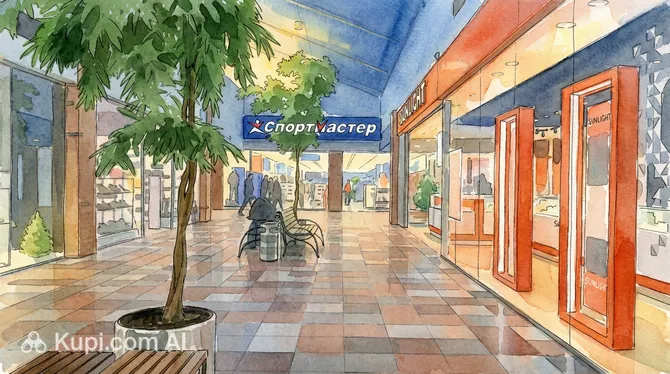
For those who prefer a comprehensive shopping experience under one roof, the city boasts several impressive modern complexes. Rubin is widely recognized as the largest shopping and entertainment center in the Tver region. It houses a vast array of fashion stores, a multiplex cinema, and a diverse food court, making it a primary destination for both shopping and leisure. Another popular spot is the RIO Shopping Mall, located near Victory Park. It offers a curated selection of brands and a comfortable atmosphere for a day of retail therapy.
Rubin. Illustration.
Source: Kupi.com AI
Traveler photos:
To experience the authentic flavor of the city, a visit to the Central Market is highly recommended. This is where locals go to buy fresh seasonal produce, from farm-fresh dairy and honey to forest berries and mushrooms. It is a vibrant, sensory-rich environment where you can taste the region's agricultural bounty. While primarily focused on food, the market area also features stalls selling inexpensive clothing and household goods, offering a glimpse into the everyday life of Tver's residents.
When it comes to souvenirs, Tver has several distinct specialties that make for memorable gifts. The most famous local craft is "Torzhok gold embroidery," an exquisite tradition of sewing with gold and silver threads on velvet or leather. You can find beautiful pouches, belts, and accessories made in this style in specialized gift shops. Additionally, items featuring the "Tver Goat"—the city's humorous unofficial symbol—are very popular, ranging from clay figurines to magnets. For edible souvenirs, consider buying local gingerbread (pryanik) or unique beverages from the renowned local Afanasy brewery.
Most major shopping malls and supermarkets operate daily from 10:00 AM to 10:00 PM. Smaller independent shops and boutiques typically open around 10:00 AM and close between 7:00 PM and 8:00 PM. While credit cards are widely accepted in malls and larger stores, it is essential to carry cash (Russian Rubles) when visiting markets, souvenir stalls, or small kiosks, as they often do not have card terminals.
Russia operates a Tax-Free system that allows foreign tourists to claim a VAT refund on purchases made in designated stores. However, while this service is common in major hubs like Moscow and St. Petersburg, it is less frequently encountered in regional cities like Tver. Visitors should look for the "Tax Free" signage at store entrances or inquire with staff before purchasing, but it is advisable not to rely on this availability for all shopping in the city.