Support

Yaroslavl

About

Yaroslavl is a shining jewel in the famous Golden Ring, a collection of historic cities northeast of Moscow known for their preservation of ancient traditions. As one of the oldest urban centers in the Russian Federation, it offers visitors a unique blend of architectural mastery, vibrant culture, and scenic landscapes. The city is beautifully situated at the confluence of the mighty Volga River and the Kotorosl River, creating a picturesque setting that has inspired artists and travelers for centuries.
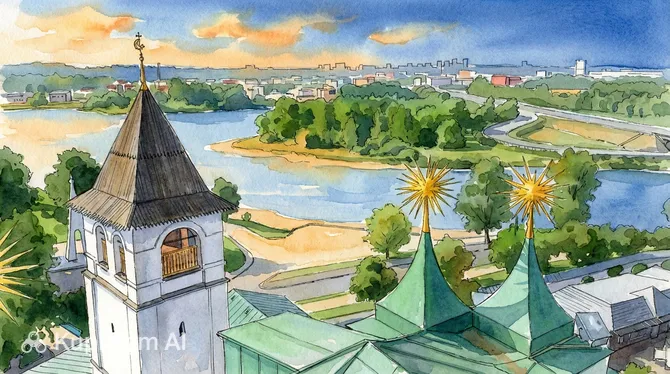
Yaroslavl. Source: Kupi.Binoculars

With a population of over 600,000 people, Yaroslavl is a bustling administrative hub that retains a charming, relaxed atmosphere. Delving into the history of Yaroslavl reveals a rich legacy dating back to its founding by Prince Yaroslav the Wise in the early 11th century. This profound heritage is best experienced in the city's historic center, which is recognized as a UNESCO World Heritage Site for its outstanding neoclassical urban planning and well-preserved 17th-century churches.

Key attractions include the fortified Spaso-Preobrazhensky Monastery, often mistaken for a kremlin due to its white stone walls, and the stunning Church of Elijah the Prophet, renowned for its vibrant frescoes. Visitors should not miss the opportunity to stroll along the expansive Volga Embankment, a favorite local spot for leisure and sunset views. Whether you are an architecture enthusiast or simply seeking a cultural getaway, Yaroslavl invites you to explore its timeless streets and discover the heart of traditional Russia.
Weather Overview

Yaroslavl experiences a moderate continental climate characterized by distinct seasons, offering travelers a different atmosphere depending on when they visit. The city transitions from freezing, snowy winters to pleasantly warm summers. To help plan your activities and packing list, it is advisable to check the current weather in Yaroslavl closer to your departure date.

Winters in the region are cold, with January typically being the chilliest month. During this time, the average temperature drops to around -7.7°C, with minimums reaching -9.8°C. While the volume of precipitation is generally low, the city often sees about 13 to 15 wet days per month during winter, usually in the form of snow, which adds a scenic charm to the historic architecture.

By contrast, the summer months bring comfortable warmth, making it an ideal time for walking tours. July is the warmest month, with average temperatures of 18.4°C and highs climbing to nearly 23°C. However, visitors should be prepared for occasional rain, as July also records the highest frequency of wet days, with precipitation occurring on roughly 16 days of the month. Overall, you can expect warm summers with regular showers and cold winters that call for heavy layers.

Interesting Facts

Beyond the main attractions, Yaroslavl holds many fascinating secrets and historical milestones that often escape the casual observer. Digging deeper into the city's past reveals a collection of unique stories, from legendary origins to modern cultural achievements.

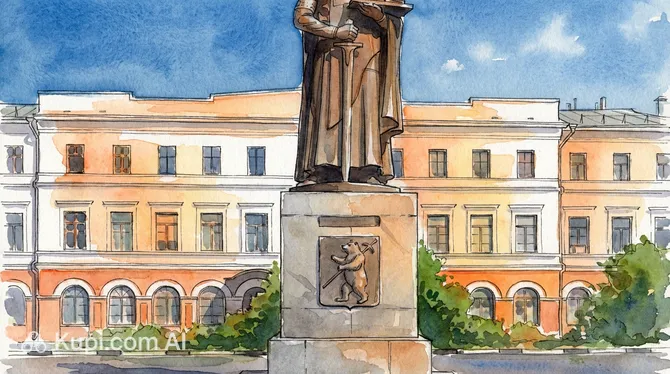
Monument to Yaroslav the Wise. Source: Kupi.Binoculars
  • Yaroslavl is famously known as the "city on the banknote." Several of its iconic landmarks, including the Monument to Yaroslav the Wise, are depicted on the Russian 1000-ruble bill, making the city a familiar sight to anyone handling the local currency.

  • The city is widely recognized as the birthplace of professional theater in Russia. In 1750, merchant Fyodor Volkov founded the first permanent public theater company here, laying the groundwork for the country's rich dramatic tradition.

  • Local legend attributes the city's founding to a battle between Prince Yaroslav and a sacred bear worshipped by pagan locals. The prince's victory is immortalized in the city's coat of arms, which features a bear holding a golden axe, a symbol seen throughout the streets.

  • Architecture lovers will find a rare gem in the Church of St. John the Baptist. It is the only church in Russian architecture to feature fifteen domes, and its interior is adorned with an astonishing number of frescoes, estimated to be over three thousand.

  • Yaroslavl was the site of a pioneering cultural moment in the post-Soviet era with the opening of the Music and Time Museum. This institution was the first private museum in modern Russia, showcasing a charming collection of antique bells, clocks, and musical instruments.

How to Get There

Yaroslavl is a major transportation hub in the Golden Ring, making it easily accessible for travelers coming from various parts of Russia and beyond. Whether you prefer flying or taking a scenic train ride, there are convenient options to suit your itinerary. For a complete overview of routes and travel tips, you can read more about how to get to Yaroslavl in our detailed guide.

For those arriving by air, the most direct option is the local Yaroslavl Airport (IATA: IAR), also known as Tunoshna. It is conveniently situated just 17.9 km from the city center. A taxi or bus ride from the terminal to the heart of the city typically takes around 45 to 50 minutes. Although it is a smaller regional transport hub, it offers essential connections for visitors looking to save time on ground travel.

Alternatively, travelers can fly into Kostroma Airport (IATA: KMW), located in the neighboring city of Kostroma, approximately 70.3 km from Yaroslavl. The journey from there by road takes about 2 hours. Another option is Ivanovo Airport (IATA: IWA) in Ivanovo, which is roughly 99.5 km away, with a travel time of nearly 3 hours by car. While these airports are further afield, they may offer different flight schedules that could fit specific travel plans.

For clarity, here is a summary of the main airports in the vicinity:

Airport Name City Passenger Traffic Km from City
Cherepovets Airport Cherepovets Medium 213.5
Ivanovo Airport Ivanovo Medium 99.5
Yaroslavl Airport Yaroslavl Small 17.9
Kostroma Airport Kostroma Small 70.3
Vologda Airport Vologda Small 184.6

Traveling by train is a very popular and efficient way to reach the city, thanks to its status as a significant railway junction. The primary gateway is Yaroslavl-Glavny Railway Station, located just 3 km from the city center. This large station handles a high volume of long-distance and suburban trains, making it the main entry point for most rail passengers. A taxi from here to the historic center is quick and inexpensive.

Another key station is Yaroslavl Moskovsky Railway Station, situated about 2.9 km from the downtown area. While slightly less busy than the main station, it serves numerous routes and provides a convenient alternative depending on your train's schedule and direction of arrival. Both stations are well-connected to the city's public transport network.

Below is a list of the nearest railway stations serving the area:

Station City Passenger Traffic Km to Center
Yaroslavl-Glavny Railway Station Yaroslavl High 3.0
Yaroslavl Moskovsky Railway Station Yaroslavl High 2.9
Rostov-Yaroslavsky Station Gavrilov-Yam Medium 55.6
Nerekhta Railway Station Nerekhta Medium 43.8
Danilov Station Danilov 65.0

Main Attractions

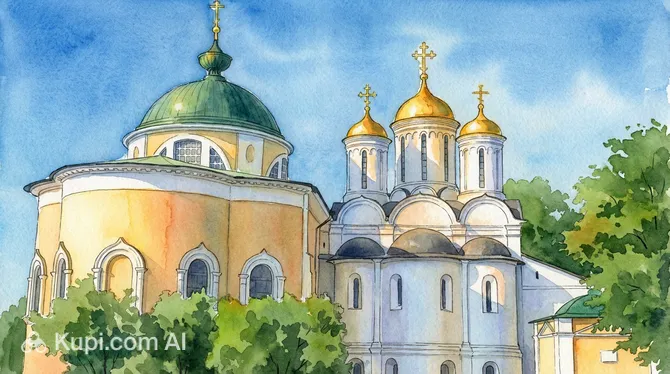
Yaroslavl is a treasure trove of ancient Russian architecture and history, offering visitors a chance to step back in time. One of the most significant sites is the Transfiguration Monastery. Often mistaken for a kremlin due to its imposing white walls and towers, this complex dates back to the 12th century and is the oldest building in the city. It is famous for being the location where the manuscript of "The Tale of Igor's Campaign" was discovered. Tourists can explore the museum exhibits housed within, walk along the fortified walls, and climb the bell tower for a panoramic view of the city center.

Transfiguration Monastery. Source: Kupi.Binoculars

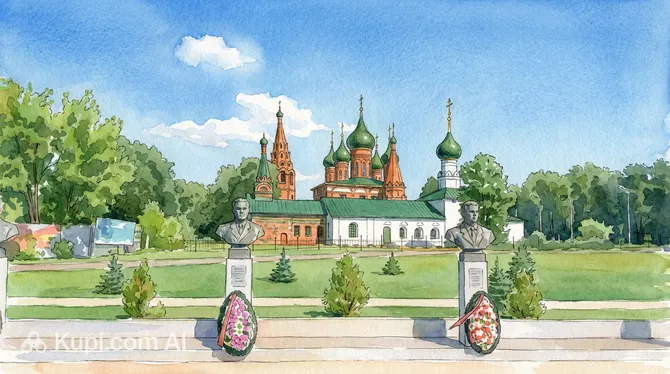
Another architectural gem is the Church of Elijah the Prophet, located in the heart of the city's main square. Built in the mid-17th century, this church is a masterpiece of the Yaroslavl school of architecture, distinguished by its asymmetrical composition and vibrant green domes. The interior is particularly renowned for its stunning, well-preserved frescoes that cover almost every inch of the walls, depicting biblical scenes with remarkable detail and color. It functions as a museum during the summer, allowing visitors to admire the artwork in natural light.

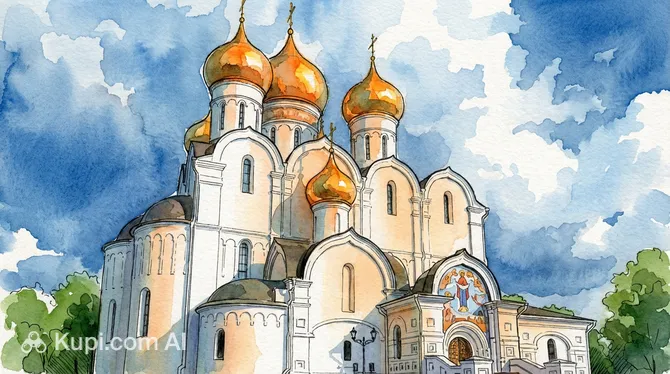
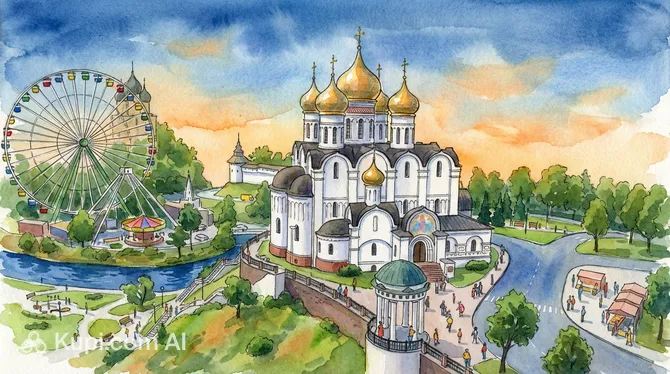
Dominating the skyline near the confluence of the Volga and Kotorosl rivers is the majestic Assumption Cathedral. Although the original structure was destroyed in the 20th century, the cathedral was beautifully rebuilt for the city's 1000th anniversary in 2010. Its gleaming golden domes and grand scale make it a focal point of the famous Strelka (the Spit). Visitors are drawn here not only for the spiritual atmosphere but also to enjoy the surrounding park and the sweeping river views that define Yaroslavl's landscape.

Assumption Cathedral. Source: Kupi.Binoculars

For a unique cultural experience, the Music and Time Museum is a must-visit. Situated on the Volga embankment, this was the first private museum in post-Soviet Russia. The collection features a charming array of antique clocks, bells, porcelain, and mechanical musical instruments. The interactive nature of the tours, where visitors can hear the chimes of old clocks and the melodies of gramophones, makes it an engaging stop for families and history enthusiasts alike.

Art lovers should not miss the Yaroslavl Art Museum, the largest art museum in the Russian provinces. Housed in the elegant Governor's House, the museum boasts a rich collection of Russian iconography, classical paintings, and avant-garde works. The building itself is an architectural monument, and the museum frequently hosts concerts and interactive programs, providing a deep dive into the artistic heritage of the region.

Local Cuisine

The culinary scene in Yaroslavl is deeply rooted in the rich traditions of the Volga region, offering a delightful journey for the palate. Given the city's location on the banks of Russia's most famous river, freshwater fish plays a central role in the local diet. Visitors should definitely try dishes made from locally caught pike, zander, and bream. A classic choice is ukha, a rich and aromatic fish soup that warms the soul, or simply pan-fried fish served with potatoes and fresh dill.

Beyond seafood, the region is historically famous for its dairy farming, particularly its cheese production. Yaroslavl cheese is a source of local pride, known for its distinct, slightly sour taste and semi-hard texture, making it a perfect companion to fresh rye bread. For a hearty meal, look for traditional dumplings known as pelmeni. In this region, they are often handmade and served with a generous dollop of fresh local sour cream, reflecting the area's agricultural strengths.

When it comes to beverages, the city offers a range of traditional drinks that complement its hearty cuisine. Non-alcoholic mors, made from forest berries like cranberries or lingonberries, is incredibly refreshing and widely available. For something with a bit of history, try medovukha, a mild honey-based fermented drink that has been enjoyed in Russia for centuries. Tea culture is also strong here, with many cafes serving herbal blends accompanied by sweet pastries and pies known as pirozhki.

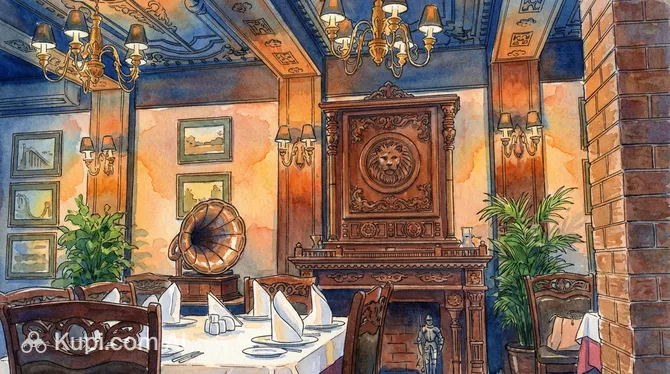
The dining landscape in Yaroslavl is diverse, ranging from authentic monastic refectories serving simple, historic recipes to upscale establishments reimagining Russian cuisine. A prime example of the latter is Penaty, a restaurant that specializes in Northern Russian cuisine using local farm products. Whether you are grabbing a quick bite at a street kiosk or enjoying a multi-course dinner, the emphasis in Yaroslavl is always on fresh, seasonal ingredients and comforting, home-style flavors.

Penaty. Source: Kupi.Binoculars

Travel Tips

Exploring the capital of the Golden Ring is a delightful experience, but a few practical insights can make your journey even smoother and more comfortable. From navigating the local transport network to understanding cultural nuances, these tips will help you enjoy Yaroslavl like a seasoned traveler.

  1. Clothing and Gear: The climate dictates your wardrobe; winters are snowy and require thermal wear, heavy coats, and non-slip boots, while summers are generally mild but can be unpredictable, so a light jacket and compact umbrella are recommended. Since Yaroslavl is famous for its Orthodox temples, dress modestly when visiting religious sites: women should carry a scarf to cover their heads, and shoulders and knees should be covered for everyone.

  2. Transportation: The historic center is compact and best explored on foot, allowing you to admire the architecture up close. For longer distances, the city has a reliable network of buses and trolleybuses; you typically pay the conductor on board in cash or with a local transport card. Ride-hailing apps like Yandex Go are often more convenient than hailing a taxi on the street, as they overcome language barriers and offer fixed pricing.

  3. Finances: The local currency is the Russian Ruble (RUB). It is essential to carry cash, as bank cards issued outside the country generally do not work due to international payment restrictions. You can exchange US Dollars or Euros at major bank branches, which are plentiful in the city center. Tipping is customary in restaurants; leaving about 10% of the bill is a polite way to show appreciation for good service.

  4. Health and Safety: Yaroslavl is a safe city for tourists, but standard precautions like keeping an eye on your belongings in crowded places are always wise. Pharmacies are marked with a green cross and known as Apteka; many operate 24 hours a day. It is highly recommended to drink bottled water rather than tap water to avoid any stomach issues.

  5. Communication: While younger locals and hotel staff often speak English, it is less common among the older generation and public transport drivers. Downloading an offline translation app and a map on your phone is incredibly useful. You can easily purchase a local SIM card at mobile provider shops in the city center by presenting your passport.

  6. Local Etiquette: Russians value politeness and respect. A firm handshake is a standard greeting for men, while a nod is common for others. When entering a church, men must remove their hats, and loud conversations should be avoided. If you are invited to a local's home, it is customary to remove your shoes at the door and bring a small gift, such as chocolate or flowers.

  7. What to Avoid: refrain from photographing inside churches during services unless you are certain it is permitted, as this can be seen as disrespectful. Also, avoid drinking alcohol in public places like streets or parks, as it is prohibited by law and can lead to fines.

  8. Souvenir Tip: Look for "Finift," a unique type of enamel painting on metal that is a specialty of the Rostov and Yaroslavl region. The best place to find authentic pieces, along with other local crafts, is near the Spaso-Preobrazhensky Monastery or along the pedestrian Kirova Street.

By keeping these practicalities in mind, you can focus on the beauty of the Volga views and the richness of the city's history without worry. Yaroslavl is a welcoming destination, and a little preparation ensures your visit will be as seamless as it is memorable.

Entertainment & Nightlife

Entertainment and Nightlife:

While Yaroslavl is steeped in history, its energy does not fade when the sun goes down. The city offers a vibrant and diverse nightlife scene that caters to both relaxed evenings and energetic nights out. The heart of the action is often found around Kirova Street, the main pedestrian artery, and the surrounding historic blocks. Here, locals and tourists alike gather to enjoy a mix of trendy bars, gastropubs, and lively clubs. The atmosphere is generally welcoming and unpretentious, though popular venues can get quite crowded on Friday and Saturday nights.

For those seeking a casual drink with a unique vibe, Papin Garage is a local favorite. Known for its industrial-style interior and hearty burgers, it is an excellent spot to start the evening with friends. The venue often hosts live music or DJ sets, creating a spirited backdrop for conversation. If you prefer the craft beer scene, Hopmalt Pub offers an impressive selection of local and international brews in a cozy, wood-paneled setting that feels both traditional and modern.

Papin Garage. Source: Kupi.Binoculars

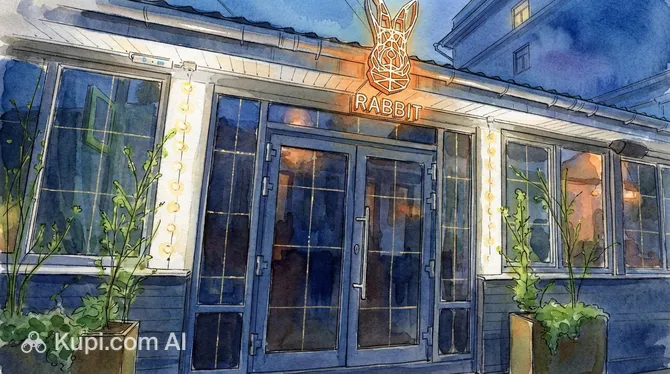
Travelers looking to dance the night away will find several options where the party continues late into the night. Rabbit is a popular destination that combines a restaurant atmosphere in the evening with a club vibe at night, featuring karaoke and dance floors. Another notable spot is Grafin, which positions itself as a stylish venue for cocktails and dancing. When visiting these clubs, keep in mind that "face control" and dress codes are common; smart casual attire is usually sufficient to ensure entry.

Rabbit. Source: Kupi.Binoculars

Regarding safety and logistics, the city center is well-lit and generally safe for walking at night, especially along the beautiful Volga Embankment. However, for late-night travel, it is best to use a taxi app like Yandex Go rather than hailing a car from the street. Prices are affordable, and it ensures a secure ride back to your hotel. Most bars and restaurants are open until 11:00 PM or midnight, while clubs typically operate until the early hours of the morning on weekends.

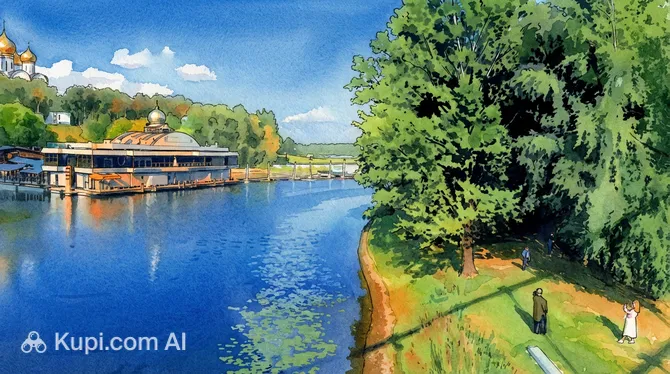
Beyond the nightlife, Yaroslavl offers plenty of daytime entertainment to fill your itinerary. Families and thrill-seekers should head to Damansky Island Park, a green oasis located where the Kotorosl River meets the Volga. It features amusement rides, walking paths, and festivals during the warmer months. For those interested in shopping or catching a movie, the modern Aura Shopping Mall is conveniently located in the city center, providing a comprehensive range of international brands and entertainment facilities under one roof.

Damansky Island Park. Source: Kupi.Binoculars

Parks & Museums

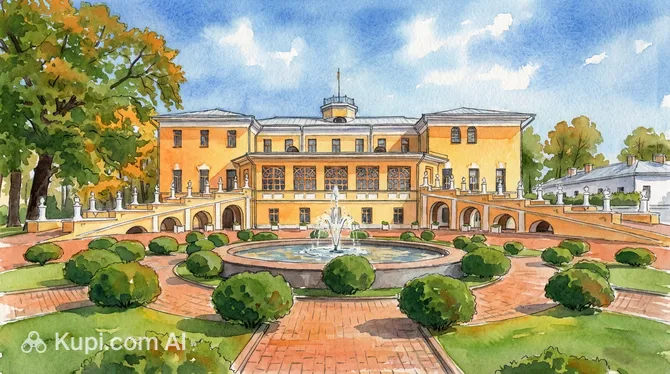
Yaroslavl is not only a city of churches but also a hub of rich cultural institutions and scenic green spaces. For those interested in the artistic heritage of the region, the Yaroslavl Art Museum is a primary destination. Located in the majestic Governor's House on the Volga embankment, it offers a deep dive into Russian art history. Adjacent to the museum lies the picturesque Governor's Garden, a beautifully landscaped park that blends classical garden design with modern sculptures, making it a perfect spot for a quiet, artistic stroll.

Governor's Garden. Source: Kupi.Binoculars

For a truly unique local experience, visitors should explore the Museum of Enamel Art Emalis. This institution is dedicated to the ancient art of "Finift," a technique of painting on enamel that Yaroslavl is famous for. Here, you can not only admire exquisite works of art but also participate in master classes to create your own souvenir. It is a fascinating stop for anyone wanting to understand the region's craftsmanship.

Museum of Enamel Art Emalis. Source: Kupi.Binoculars

Families and those curious about the broader Golden Ring route will delight in the Golden Ring Miniature Museum. This intricate exhibition features highly detailed models of the most famous architectural landmarks from cities across the Golden Ring. It provides a wonderful bird's-eye perspective of the area's heritage, allowing you to see the layout of monasteries and kremlins that might be miles away.

Golden Ring Miniature Museum. Source: Kupi.Binoculars

When it comes to outdoor leisure, the city offers several expansive parks. One of the most significant modern additions is the 1000th Anniversary of Yaroslavl Park. Established to celebrate the city's millennium, this large green space features fountains, playgrounds, and monuments, serving as a popular gathering place for locals. For a more historic atmosphere, Petropavlovsky Park offers a glimpse into the 18th century with its system of ponds and the remains of an old cloth factory estate.

1000th Anniversary of Yaroslavl Park. Source: Kupi.Binoculars

If you are traveling with children, the Secrets of the World Dinosaur Park is an exciting destination. Filled with life-sized dinosaur figures and interactive exhibits, it offers an educational and fun break from historical sightseeing. Whether you prefer examining delicate enamel work or walking through leafy avenues, Yaroslavl's parks and museums provide a diverse array of experiences to complement its ancient architecture.

Getting Around

Navigating Yaroslavl is relatively straightforward, thanks to a comprehensive public transport network that covers the historic center and extends to the outlying residential districts. Since the city does not have a metro system, the burden of transportation is shared by buses, trolleybuses, and trams. These vehicles operate frequently, making it easy for visitors to move between major attractions, the railway station, and their accommodation without long waits.

In addition to standard municipal transport, the city is served by a fleet of private minibuses, known locally as marshrutkas. These are smaller vans that often follow similar routes to buses but stop only on demand. While they are generally faster and can navigate traffic more nimbly, they can be a bit more crowded. For a tourist, regular buses and trolleybuses often provide a more comfortable and spacious ride, allowing for better views of the city streets.

Paying for your ride is simple and tourist-friendly. In most large buses, trolleybuses, and trams, a conductor will approach you shortly after you board to collect the fare. You can pay in cash or, increasingly, with a contactless bank card. If there is no conductor, you typically pay the driver upon exiting or entering, depending on the specific route's rules. Fares are affordable and fixed, regardless of the distance traveled within the city limits. While transport cards exist for locals, paying with a bank card or small cash change is the most convenient option for short-term visitors.

Public transport generally operates from early morning, around 5:30 AM or 6:00 AM, until late evening, with most services winding down between 11:00 PM and midnight. To navigate the system efficiently, it is highly recommended to use mobile map applications like Yandex Maps. These apps provide real-time tracking of buses and accurate route planning, which helps overcome any language barriers regarding schedules or stop names.

For those who prefer more direct travel, taxis are a popular and inexpensive alternative. Hailing a cab on the street is less common; instead, using ride-hailing apps like Yandex Go is the standard way to book a car. This ensures a fixed price and eliminates the need to explain your destination in Russian. During the warmer months, the city also sees a rise in electric scooter rentals and bike-sharing options, which are perfect for exploring the flat, scenic promenades along the Volga Embankment.

A unique feature of Yaroslavl's transport "system" during the navigation season is the river tram. From late spring to early autumn, passenger boats depart from the River Station. While often used by locals to reach dacha communities, these boats offer tourists a scenic and inexpensive way to see the city from the water. A short trip across the Volga provides a stunning perspective of the cathedral domes and the famous Strelka, blending practical travel with sightseeing.

Accommodation

Yaroslavl offers a welcoming array of accommodation options suited to every type of traveler, from budget-conscious backpackers to those seeking luxury and comfort. As a key stop on the famous Golden Ring, the city's hospitality sector is well-developed, featuring a mix of modern business hotels, charming guesthouses, and fully equipped apartments. Whether you are looking for a simple hostel bed or a sophisticated suite, the city provides ample choices to match your preferences.

The most convenient area for tourists to stay is undoubtedly the historic city center, particularly within the Kirovsky district. Choosing a location here places you within easy walking distance of the main architectural landmarks, the scenic Volga Embankment, and the pedestrian zones lined with cafes and shops. Staying in this area allows visitors to immerse themselves in the city's unique atmosphere and explore the UNESCO-listed heritage sites without the need for frequent public transport use.

While the city boasts several large hotels that offer standard international amenities, many travelers prefer the unique character of smaller boutique hotels. These are often housed in restored 19th-century merchant mansions, offering a blend of historical charm and modern convenience. For those on a tighter budget or traveling in groups, the rental apartment market is robust, providing a "home away from home" experience with kitchen facilities and more space.

A helpful tip for planning your stay is to book accommodation well in advance, especially if you intend to visit during the peak summer months or during major Russian holidays like New Year's and the May holidays. During these high-demand periods, the best-located and most reasonably priced options tend to fill up very quickly.

In terms of pricing, Yaroslavl is generally more affordable than Moscow or St. Petersburg. Visitors can typically find comfortable mid-range rooms at very reasonable rates, while luxury options are available for those willing to spend a bit more. Most accommodations can be easily secured through major online booking platforms or by contacting the properties directly.

Nearby Cities

For those looking to explore the surroundings, Yaroslavl serves as an excellent base for day trips to several interesting nearby locations. The region is rich in history and natural beauty, offering diverse experiences just a short drive or train ride away.

One of the most popular destinations is Kostroma, another jewel of the Golden Ring located just an hour's drive away. It is famous for the Ipatiev Monastery, often called the "cradle of the Romanov dynasty," and its well-preserved 19th-century trading arcades. Visitors also flock here to taste the renowned local cheese and explore the Museum of Wooden Architecture, which showcases traditional rural life.

For a different vibe, travelers can head to Rybinsk, situated on the shores of the vast Rybinsk Reservoir, often referred to as the "Rybinsk Sea." The city has beautifully restored its historic center, featuring unique pre-revolutionary style signboards on buildings. Key sights include the majestic Transfiguration Cathedral and the impressive neo-Gothic building of the former stock exchange, which now houses a history museum.

Closer to Yaroslavl lies the charming town of Tutayev, unique for being split into two parts by the Volga River with no bridge connecting them in the summer (ferries are used). It offers a serene, time-capsule atmosphere with rolling hills and the magnificent Resurrection Cathedral, known for its giant frescoes and miracle-working icon. It is a perfect spot for those seeking a quiet retreat into provincial Russian life.

City Population Distance (km)
Ivanovo 406933 95
Kostroma 277648 64
Rybinsk 190429 80
Shuya 58114 124
Tutayev 40154 34

These nearby destinations offer a glimpse into the diverse culture and landscapes of the region, making them well worth a visit to complete your Golden Ring experience.

Shopping & Souvenirs

Shopping in Yaroslavl offers a delightful mix of hunting for traditional Russian crafts and enjoying modern retail conveniences. As a key city on the Golden Ring, it is an excellent place to purchase authentic souvenirs that reflect the region's rich artistic heritage. The main pedestrian artery, Kirova Street, is lined with charming boutiques and souvenir shops, making it the perfect starting point for a leisurely shopping spree.

The region is renowned for its exquisite craftsmanship, most notably Finift—a traditional art form of painting on enamel that creates bright, durable jewelry and miniature icons. Another local pride is Yaroslavl Maiolica, a distinctive style of ceramics known for its colorful, glossy glaze and whimsical designs. You can find everything from decorative tiles to charming figurines of merchants and folklore characters, often depicting the city's symbol, the bear.

For a comprehensive modern shopping experience, Aura Shopping Mall is the premier destination. Situated in the city center on Svobody Street, this expansive complex features four floors of international and Russian fashion brands, electronics, and cosmetics. It is also a hub for entertainment, offering a cinema and a diverse food court, making it an ideal spot to relax after a day of sightseeing.

Aura Shopping Mall. Source: Kupi.Binoculars

Travelers interested in specialized goods might also visit Tandem, a large commercial center known for its wide selection of products, including home goods and textiles. If you prefer edible souvenirs, don't miss the chance to buy local confectionery or the famous regional cheese, which has a rich history in the Yaroslavl area. Whether you are hunting for a rare piece of enamel art or simply enjoying a window-shopping stroll, the city offers plenty of options to satisfy every taste.

Reached the end of the page?

That means the route is fully explored