Support

Bor

About

Bor is a picturesque city situated on the left bank of the majestic Volga River in the Nizhny Novgorod Oblast. While often viewed in relation to its larger neighbor across the water, this city in the Russian Federation possesses its own unique character and charm, offering a quieter atmosphere and scenic river views.

Geographically, the city is located directly opposite Nizhny Novgorod, connected by a bridge and a famous cable car system. With a population of approximately 78,000 residents, it balances a small-town feel with the amenities of a significant industrial center. The climate here is continental, characterized by warm summers and cold, snowy winters, typical for this part of the Volga region.
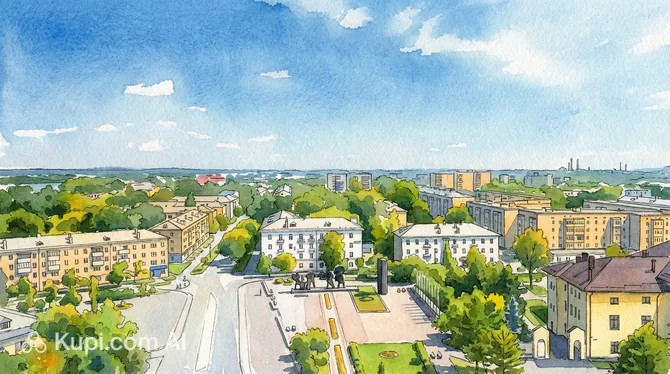
Bor. Source: Kupi.Binoculars

The city is renowned for its long-standing glassmaking traditions, which have shaped its identity for nearly a century. Travelers interested in the history of Bor will discover that its development has been deeply intertwined with industrial growth and river trade. Today, it stands as a modern satellite city with plenty of green spaces and cultural points of interest.

A major highlight for any visitor is the Nizhny Novgorod - Bor Cableway. This aerial tramway is not only a convenient transport link but also a popular tourist attraction, boasting one of the longest unsupported spans over water in Europe. The ride offers breathtaking panoramic views of the Volga River and the landscapes on both banks. Another notable spot is the Mokhovye Gory (Moss Mountains), a beautiful natural area perfect for hiking and enjoying the tranquility of the pine forests.

Whether you are looking for a unique ride across the Volga or a peaceful retreat into nature, Bor is a delightful destination to explore. We invite you to visit and experience the authentic hospitality and scenic beauty of this riverside city.

Weather Overview

The climate in Bor is typically continental, characterized by distinct seasonal changes that offer different experiences depending on when you visit. To help you pack appropriately for your trip, we recommend checking the detailed weather in Bor page. Generally, the city enjoys pleasant, warm summers and bracing, cold winters.

Summer is the most inviting season for outdoor exploration. July is usually the warmest month, with an average temperature of 19.6°C and daily highs reaching 24.1°C. June and August are also comfortable, with averages ranging from 16.7°C to 18.4°C. However, it is wise to carry an umbrella, as the summer months typically see between 9 and 13 wet days.

In contrast, the winter season brings freezing temperatures. January is the coldest month, with an average temperature of -8.5°C and lows dropping to -10.7°C. December and February follow a similar pattern, often staying well below zero. The transitional months of May and September offer milder weather, with averages around 12°C, while November and March are significantly chillier. Overall, you can expect warm summers with occasional rain and cold winters.

Interesting Facts

Beyond the main attractions, Bor holds many fascinating secrets that add depth to its industrial exterior. From record-breaking engineering to whispers of literary history, here are some unique details about the city that often surprise visitors.

  • The city is widely known as the "Glass Capital" of the region due to its historic glassworks factory. This facility is so advanced that it has supplied automotive glass for major international car manufacturers, meaning many vehicles driving across Europe and Asia might have a piece of Bor in their construction.

  • The cable car connecting Bor to Nizhny Novgorod is a record-holder in its own right. It boasts the longest unsupported span over a water surface in Europe, stretching approximately 861 meters between towers above the Volga River, earning it a place in the Guinness Book of World Records.

  • The picturesque area known as Mokhovye Gory (Moss Mountains) was a favorite summer retreat for two Russian cultural giants, the opera singer Feodor Chaliapin and the writer Maxim Gorky. Today, a monument stands among the pine trees to commemorate their friendship and the time they spent drawing inspiration from the stunning river views.

How to Get There

Reaching this charming city on the Volga is straightforward, primarily due to its proximity to the major transport hub of Nizhny Novgorod. For a comprehensive overview of routes and travel tips, you can read more about how to get to Bor on our detailed page.

The city of Bor does not have its own airport, but you can fly into Strigino (IATA: GOJ) in the city of Nizhny Novgorod, which is about 22.4 km from Bor. This international airport serves as the main gateway for the region, handling a large volume of passengers annually. From the airport, reaching Bor typically takes around 50 to 60 minutes by taxi, depending on traffic conditions across the Volga bridges. While significantly further away, travelers exploring the wider region might also consider Cheboksary Airport (IATA: CSY) in Cheboksary or Ivanovo Airport (IATA: IWA) in Ivanovo, though these are located over 200 km from the city.

For clarity, here is a summary of the main airports:

Airport Name City Passenger Traffic Km from City
Strigino Nizhny Novgorod High 22.4
Cheboksary Airport Cheboksary Medium 205.8
Ivanovo Airport Ivanovo Small 202.3
Kostroma Airport Kostroma Small 244.5
Yoshkar-Ola Airport Yoshkar-Ola Small 239.4

Rail travel is another convenient option, largely relying on the infrastructure of its neighbor. The city of Bor does not have a major mainline railway terminal, but you can arrive at the Nizhny Novgorod Moskovsky Railway Station in the city of Nizhny Novgorod, which is only about 5.0 km from Bor across the river. This is a major transport hub with very high passenger traffic, connecting the region to Moscow and other key Russian cities. From the station, you can take a taxi, a bus, or even the famous cable car to reach Bor in approximately 30 minutes. Another nearby option for regional connections is the Dzerzhinsk Railway Station in Dzerzhinsk, located about 29 km away.

Below is a list of the nearest railway stations:

Station City Passenger Traffic Km to Center
Nizhny Novgorod Moskovsky Railway Station Nizhny Novgorod Very High 5.0
Dzerzhinsk Railway Station Dzerzhinsk High 29.0
Gorokhovets Railway Station Gorokhovets Medium 80.5
Ilyino Station Gorokhovets Medium 72.4
Semenov Railway Station Semenov Medium 52.9

Main Attractions

While Bor is often visited as a day trip from Nizhny Novgorod, the city possesses its own distinct set of landmarks that blend industrial history, modern leisure, and serene natural landscapes. From record-breaking transportation engineering to quiet pine forests overlooking the Volga, here are the main places to explore.

For those looking to enjoy some modern leisure time or do some shopping, the Zerkalo Shopping Center is a key destination in the city center. As a modern complex, it serves as a hub for both locals and visitors, offering a variety of retail stores, food courts, and entertainment options. It is a convenient stop to pick up supplies, enjoy a meal, or simply take a break from sightseeing in a comfortable, contemporary setting.

Zerkalo Shopping Center. Source: Kupi.Binoculars

Undoubtedly the most famous highlight is the Nizhny Novgorod - Bor Cableway. Although it functions as a daily mode of transport for residents, for tourists, it is an exciting aerial adventure. The cabin ride takes you high above the Volga River, providing spectacular panoramic views of the water and the skylines of both cities. It is particularly stunning at sunset, and the experience of floating over such a vast river is memorable for travelers of all ages.

Nature enthusiasts and history buffs should visit the Mokhovye Gory (Moss Mountains). This scenic park area located on the high bank of the Volga is covered in tall pine trees and offers fresh air and tranquility. Historically, it was a favorite relaxation spot for the famous writer Maxim Gorky and the opera singer Feodor Chaliapin. Today, you can find monuments dedicated to these cultural figures and enjoy walking paths that offer some of the best vantage points for river photography.

For a glimpse into the spiritual heritage of the region, the Sergievskaya Sloboda is a beautifully restored architectural complex. Centered around the Church of St. Sergius of Radonezh, this area has been transformed into a spiritual and educational center. The grounds are meticulously kept, featuring a monument to the saint, a kindergarten, and a gymnasium, creating a peaceful atmosphere that reflects the revival of Orthodox traditions in the city.

Local Cuisine

The culinary scene in Bor is deeply rooted in traditional Russian flavors, heavily influenced by its location on the banks of the Volga River. While the city shares many gastronomic traits with its larger neighbor, Nizhny Novgorod, it offers a more relaxed and authentic atmosphere for enjoying hearty local meals. The cuisine here relies on fresh, seasonal ingredients, with a particular emphasis on river catch and comforting baked goods.

Given the proximity to the water, freshwater fish is a staple worth trying. Local menus often feature dishes made from pike, zander, or bream, which are caught fresh from the Volga. Ukha, a traditional clear fish soup seasoned with herbs and root vegetables, is a popular choice, especially during the colder months. For a more substantial meal, look for pelmeni (meat dumplings) served with sour cream, or savory pies known as pirozhki, stuffed with everything from cabbage to meat or mushrooms.

When it comes to beverages, the choices reflect the changing seasons. In the summer, locals refresh themselves with kvass, a fermented bread drink with a tangy flavor that is often sold from street vendors or in cafes. Berry beverages like mors are also widespread and pair perfectly with lunch. In the winter, the culture shifts towards hot black tea, traditionally served with lemon and sweets, warming travelers after a walk along the riverbanks.

Dining in Bor is mostly casual and family-friendly, ranging from small bakeries near the cable car station to established restaurants. For those seeking a variety of quick options in a modern setting, the Zerkalo Shopping Center offers a convenient place to grab a bite. Whether you are looking for a quick snack before exploring or a leisurely dinner, the city's establishments provide a welcoming taste of provincial Russian hospitality.

Travel Tips

Planning a trip to Bor offers a chance to experience the quieter, authentic side of the Volga region, but a smooth journey requires a bit of local know-how. To help you navigate the city with ease and make the most of your visit, we have compiled a list of essential practical tips.

  1. Clothing and Gear: The weather dictates your wardrobe here. In winter, thermal underwear, a heavy down jacket, and non-slip boots are essential to handle the freezing temperatures and snow. Summers are warm, so light, breathable fabrics are best. If you plan to visit religious sites like the Sergievskaya Sloboda, remember to dress modestly; women should bring a headscarf, and men should avoid wearing shorts.

  2. Transportation: The most scenic and efficient way to arrive from Nizhny Novgorod is via the cable car, but within Bor, taxis and ride-hailing apps are the most convenient way to get around. Public buses are available but can be crowded and confusing for non-locals. The city center is walkable, especially around the Victory Square and the museum areas.

  3. Finances: The official currency is the Russian Ruble (RUB). While credit cards are accepted in supermarkets and larger restaurants (like those in the Zerkalo Shopping Center), smaller shops, kiosks, and public transport often require cash. It is highly recommended to withdraw rubles from an ATM or exchange money in Nizhny Novgorod before heading to Bor to ensure you are never caught empty-handed.

  4. Health and Safety: Bor is generally a safe and peaceful city for tourists. Pharmacies, marked with a green cross and the word "Apteka", are easy to find in the center, though few operate 24/7. Stick to bottled water for drinking. As in any travel destination, keep an eye on your belongings in crowded places, such as the cable car stations.

  5. Communication: The primary language is Russian, and English proficiency among the local population may be limited compared to larger metropolitan areas. It is very useful to download an offline translation app or learn a few basic phrases like "Spasibo" (Thank you) and "Gde...?" (Where is...?). Free Wi-Fi is available in some cafes and the shopping center, but buying a local SIM card is reliable for staying connected.

  6. Local Etiquette: Russians value politeness and respect. When entering a home or certain small museums, it is customary to remove your shoes. In public transport, always offer your seat to elderly passengers or parents with small children; this is a strictly observed social norm. A firm handshake is the standard greeting for men.

  7. What to Avoid: Avoid drinking alcohol in public places such as parks, streets, or playgrounds, as this is prohibited by law and frowned upon by locals. Additionally, do not be loud or disrespectful when visiting Orthodox churches; silence and modest behavior are expected inside these spiritual spaces.

  8. Cable Car Timing: Since the cable car is a primary commuter link for locals working in Nizhny Novgorod, it gets extremely busy during morning and evening rush hours (approx. 7:00–9:00 AM and 5:00–7:00 PM). To enjoy the view without long queues, try to plan your crossing for midday or weekends.

By keeping these practicalities in mind, you will be well-prepared to enjoy the hospitality and scenic beauty of Bor without any hassles. We hope these tips help you have a comfortable and memorable adventure on the banks of the Volga!

Entertainment & Nightlife

As a satellite city to a major regional capital, the nightlife in Bor is distinctively more relaxed and locally focused than the vibrant scene found just across the river. While it does not boast a district packed with high-energy superclubs, the city offers a selection of cozy venues, restaurant-clubs, and cultural spots where residents unwind after dark. For travelers, the evening atmosphere here provides a chance to experience authentic provincial hospitality, often centered around good food, music, and conversation.

The main artery for evening activity is Lenin Street and the surrounding central areas. Here, you will find the highest concentration of establishments that stay open late. The vibe in Bor is generally casual and unpretentious; there is rarely a strict dress code, although "smart casual" is appreciated if you plan to visit a restaurant for dinner and dancing. The crowd is typically a mix of local families, groups of friends, and couples enjoying a night out, creating a safe and community-oriented environment.

For those seeking a comprehensive evening out, the Kupechesky Club on Lenin Street is a standout venue. Housed in a building with historical character, it functions as a restaurant and hotel complex that transforms as the night progresses. It is a popular spot for celebrations, often hosting karaoke nights, live music performances, and disco parties on weekends. It offers a lively atmosphere where you can enjoy a meal and then hit the dance floor without changing locations.

If your idea of evening entertainment leans more towards leisure and shopping, the Zerkalo Shopping Center serves as a modern hub in the city center. While not a nightclub, it is a key destination for evening activities, offering a cinema and food court options where you can catch a late movie or grab a bite to eat. It is a common meeting point for local youth and families before they disperse to other venues or head home.

For a more cultural evening, the Teplokhod Palace of Culture is the city's primary stage for concerts and theatrical performances. While it is not a nightlife spot in the traditional sense, it frequently hosts evening shows that are the highlight of the local social calendar. Checking the schedule here is recommended if you are interested in seeing touring artists or local productions.

It is important to note that for hardcore clubbers seeking famous DJs and all-night raves, the best option is often to head across the Volga. Nizhny Novgorod's vibrant nightlife is easily accessible, though you should plan your transport carefully. The cable car typically stops operating between 10:00 PM and 11:00 PM (depending on the day), so if you plan to party late in the big city, you will need to take a taxi back across the bridge. A taxi ride at night is generally affordable and takes about 20-30 minutes.

Regarding safety, Bor is a peaceful city, and walking in the central districts like Lenin Street or near the Victory Square is safe at night. However, standard precautions apply: stick to well-lit areas and avoid unlit parks after dark. Taxis are the most reliable way to get around at night; using a major ride-hailing app is recommended to ensure fair pricing and overcome any language barriers.

During the day, entertainment in Bor is more nature-oriented, with the beautiful Moss Mountains offering hiking trails, and the local Museum of Local History providing cultural insights. As the sun sets, the city quiets down, making it an ideal destination for those who prefer a tranquil evening or a friendly local party over a chaotic nightlife scene.

Parks & Museums

While often overshadowed by the cultural wealth of its larger neighbor across the river, Bor offers its own delightful selection of green spaces and heritage sites. The city’s parks take full advantage of the picturesque Volga landscape, while its museums provide intimate glimpses into the region's industrial past and merchant history.

Mokhovye Gory (Moss Mountains) is undoubtedly the crown jewel of the city's natural areas. Located on the high bank of the Volga, this pine forest reserve is not just a place for fresh air but a site of significant cultural heritage. It was here that the legendary opera singer Feodor Chaliapin and the writer Maxim Gorky spent their summers, drawing inspiration from the sweeping river views. Today, visitors can walk along the paths, admire the monuments dedicated to these figures, and enjoy one of the most photogenic panoramas in the region.

For a more traditional urban park experience, the Bor City Park of Culture and Recreation serves as a central hub for leisure. It is a favorite spot for families, offering paved walking avenues, children's playgrounds, and seasonal amusements. During local festivals and holidays, this park transforms into the heart of the community's celebrations, hosting concerts and open-air events.

History enthusiasts should visit the Bor Museum of Local History. Housed in a remarkably preserved merchant’s mansion from the early 20th century, the museum offers a deep dive into the city's development. The exhibits cover everything from the natural history of the Nizhny Novgorod region to the everyday life of the merchant class. A special section is often dedicated to the city's glassmaking legacy, which has been the industrial backbone of Bor for decades.

Another significant site is the Victory Park (Park Pobedy), which functions as an open-air museum of military history. It features an impressive display of military equipment, including tanks and artillery pieces, alongside monuments honoring the soldiers of World War II. It is a solemn yet educational space where visitors can learn about the local contribution to the war effort while walking through well-kept alleys.

For a truly authentic experience, look for the "Chaliapin Stone" within the Mokhovye Gory area. It is said to mark the spot where the famous bass singer would perform impromptu concerts for his friends, his voice carrying over the waters of the Volga. It is a quiet, atmospheric location perfect for reflection away from the city noise.

Getting Around

The public transport system in Bor is compact and straightforward, designed primarily to serve the needs of local residents and connect the city with its larger neighbor across the river. Unlike major metropolises, the city does not have its own metro, tram, or trolleybus network. Instead, the internal infrastructure relies heavily on a system of buses and marshrutkas (fixed-route minibuses) that efficiently cover the central districts and extend to the outlying residential areas.

The bus fleet includes both standard municipal vehicles and smaller, privately operated minibuses. Routes are clearly numbered, with specific lines dedicated to internal city travel and others serving suburban connections. The network is dense enough that visitors are rarely far from a stop in the urban center, making it easy to navigate between key locations such as the market, the museum, and the main squares. For travel to and from the regional capital, the electric commuter train (elektrichka) from the Mokhovye Gory station is a reliable option, bypassing road traffic on the bridges.

A standout feature of the local transport system is the Cableway across the Volga. While it is a famous tourist attraction offering stunning views, it functions officially as a vital public transportation link. It operates year-round and is fully integrated into the daily commute, often being the fastest way to cross the river. It is important to note that during morning and evening rush hours, this mode of transport is heavily used by locals commuting for work.

Payment methods are a mix of modern convenience and traditional habits. You can pay for your fare in cash directly to the conductor or driver; it is highly advisable to carry small change and coins for this purpose. However, contactless payment with bank cards is widely accepted on most buses and the cable car. The region also utilizes a transport card system (often compatible with the Siticard system used nearby), which allows for cashless tapping and can sometimes offer a slightly reduced fare compared to buying a paper ticket.

For tourists, practical advice includes checking operating hours, as public transport typically runs from early morning (around 6:00 AM) until late evening (around 10:00 PM or 11:00 PM), but services may be less frequent on weekends. Bus stops are usually marked, but comprehensive route maps are not always posted at the shelters, so using a mobile map application is the best way to plan your journey. If you are taking a marshrutka, remember that you might need to verbally request your stop if no one else is getting off.

As an alternative to public transit, taxis are readily available and affordable. Popular mobile apps like Yandex Go operate in the city, allowing you to book a ride without needing to speak the language or negotiate the price. While there are no large-scale international car-sharing or bike-sharing schemes permanently based within the city limits, the compact nature of the center makes it quite walkable. In the summer, you may find local bike rentals near the major parks for recreational riding.

Accommodation

Accommodation in Bor is generally modest and practical, reflecting its status as a quieter satellite city rather than a major international tourist hub. Instead of sprawling luxury resorts or global hotel chains, the local hospitality scene is characterized by small, independently run hotels, cozy guest houses, and a growing market of short-term apartment rentals. This creates a more intimate and authentic atmosphere, where visitors can often expect personalized service and a peaceful environment.

For most travelers, the most convenient area to stay is the city center, specifically the districts surrounding the cable car station and the railway station. Choosing a location here minimizes travel time, allowing for quick and easy access to the transport links that connect Bor to Nizhny Novgorod. It also places you within walking distance of local shops, cafes, and the central squares. Alternatively, if you are seeking a retreat closer to nature, there are recreation centers and smaller lodges located near the Mokhovye Gory (Moss Mountains) and the pine forests on the outskirts, offering fresh air and tranquility away from the urban bustle.

Apartment rentals are a particularly popular choice in the city, often providing excellent value for money. These range from simple studios to larger, fully equipped flats suitable for families. They offer a "home away from home" experience, which is ideal for those planning a longer stay or preferring the flexibility of self-catering. While there are standard mid-range hotels available that offer essential amenities like Wi-Fi and breakfast, the luxury segment is virtually non-existent here; travelers seeking five-star comfort typically choose to stay across the river in Nizhny Novgorod and visit Bor as a day trip.

Booking Tips and Prices:

The cost of accommodation in Bor is generally quite affordable, especially when compared to the prices in the neighboring regional capital. It is considered a budget-friendly destination, making it an attractive option for cost-conscious travelers exploring the Volga region. While you can find availability on arrival during the off-peak season, it is highly recommended to book in advance if you are visiting during the summer months or on weekends. During these times, the city is a popular recreational spot for locals, and the best places can fill up quickly. Reservations can typically be made through major Russian online booking platforms or, in the case of smaller guest houses, by contacting the property directly.

Nearby Cities

Bor is conveniently located in the heart of the Nizhny Novgorod Oblast, making it an excellent starting point for exploring the wider region. Its proximity to major transport routes allows travelers to easily visit neighboring historic towns, industrial centers, and cultural landmarks, ranging from the bustling regional capital to quieter provincial gems.

The most significant and accessible destination is undoubtedly Nizhny Novgorod, located just across the Volga River. As one of Russia's oldest and largest cities, it offers a wealth of attractions, including a magnificent Kremlin, scenic embankments, and historic merchant streets. It is so close that it can be reached in minutes via the famous cable car or by crossing the bridge, making it perfect for daily excursions.

A short drive to the southeast brings you to Kstovo. Situated on the high bank of the Volga, this city is known globally as a center for the martial art of Sambo, hosting an academy that attracts athletes from around the world. Apart from its sporting fame, it offers pleasant views of the river and a glimpse into the region's oil processing industry.

To the northwest lies Novaya Balakhna, a destination often associated with the historic town of Balakhna. This area is renowned for its centuries-old tradition of intricate lace-making and its history as a center for salt production. Visitors here can explore unique architectural monuments and learn about the traditional crafts that once supplied the Russian royal court.

Heading west, you will find Dzerzhinsk, the second-largest city in the region. Known as the "Capital of Chemistry," it has a distinct Soviet-era architectural style and serves as a major industrial hub. While it is primarily a working city, it features interesting examples of Stalinist architecture and several parks that provide green spaces for its residents.

For a deeper dive into history and religion, a trip to Arzamas is highly recommended. Although it is further away, requiring a longer drive or train ride, the journey is rewarded with a stunning array of Orthodox churches and cathedrals. The city preserves the atmosphere of a 19th-century merchant town and is famous for its connection to the Golden Age of Russian literature.

Below is a summary of the nearby cities, their distances from Bor, and their approximate populations:

City Distance (km) Population
Nizhny Novgorod 5 1,264,075
Kstovo 24 67,874
Novaya Balakhna 33 63,083
Dzerzhinsk 40 231,797
Arzamas 108 104,547

Shopping & Souvenirs

General Overview

Shopping in Bor is primarily focused on everyday convenience and local necessities rather than high-end fashion or luxury brands. As a satellite city, it offers a relaxed retail experience where visitors can find essential goods, groceries, and charming local products. For a more extensive shopping spree involving international designer labels, most locals and tourists take the short trip across the river to Nizhny Novgorod. However, Bor itself has enough to cover basic needs and offers a few unique finds related to its industrial heritage.

Main Shopping Areas

The retail life of the city is concentrated around the central streets, particularly along Lenin Street and the areas surrounding the main squares. Here, you will find a variety of small, independent shops selling clothing, electronics, and household items. Walking down these streets allows you to experience the local pace of life, popping into small bakeries or flower shops that line the sidewalks.

Shopping Malls

For a modern retail experience, the city's premier destination is the Zerkalo Shopping Center. Located in the heart of the city, this complex serves as a community hub. It houses a range of stores offering apparel, cosmetics, and accessories, alongside a food court and a cinema. It is the most convenient place to shop for recognizable brands in a comfortable, climate-controlled environment.

Zerkalo Shopping Center. Source: Kupi.Binoculars

Markets

To get a taste of authentic local life, a visit to the Central Market (Tsentralny Rynok) is highly recommended. This is where residents come to buy fresh, seasonal produce from the surrounding agricultural areas. You can find piles of fresh vegetables, fruits, local honey, and farm-raised meat. It is also a good place to look for inexpensive clothing and household goods, offering a bustling atmosphere that contrasts with the quiet of the shopping centers.

Souvenirs

When looking for gifts to take home, you cannot overlook Bor's reputation as the "Glass Capital." The city is famous for its historic glassworks, so looking for glass souvenirs or locally produced glassware is a must. While the factory primarily produces industrial glass, local artisan shops often sell decorative glass items. Additionally, traditional Russian items like matryoshka dolls, birch bark crafts, and sweets from local confectioneries make for excellent keepsakes.

Opening Hours and Payment

Most shops in Bor operate from around 9:00 AM or 10:00 AM until 8:00 PM or 9:00 PM. The Zerkalo Shopping Center and major supermarkets typically stay open later, often until 10:00 PM. While credit and debit cards are widely accepted in malls, supermarkets, and restaurants, it is advisable to carry cash (rubles) when visiting the market, small kiosks, or purchasing tickets for local transport.

Tax-Free

The tax-free shopping system (VAT refund) in Russia is generally available only at specific participating retailers, which are mostly found in major metropolitan hubs like Moscow, St. Petersburg, or Sochi. In a smaller city like Bor, it is unlikely that you will find stores participating in the tax-free program, so visitors should not expect to claim VAT refunds on purchases made locally.

Reached the end of the page?

That means the route is fully explored