Support

Nizhny Novgorod

About

Nizhny Novgorod is one of the most significant and picturesque cities in the Russian Federation. Often referred to as the "Sunset Capital" due to its stunning evening views over the water, this city offers a perfect blend of modern energy and traditional charm. Situated at the scenic confluence of the Volga and Oka rivers, it serves as an important cultural and economic hub for the region.

With a population of over 1.2 million people, it is a bustling metropolis that retains a cozy, walkable atmosphere in its historic center. The city's geography is defined by its dramatic landscape, with the historic upper city located on steep hills overlooking the rivers, and the lower city stretching across the flatter banks.

The history of Nizhny Novgorod is rich and fascinating, dating back to its founding in the 13th century. For centuries, it was known as the "Pocket of Russia" because of its massive trade fair, which attracted merchants from all over the world. Today, the city honors its mercantile past while embracing contemporary art and urban development.

Nizhny Novgorod. Source: Kupi.Binoculars

Travelers are drawn to the majestic Nizhny Novgorod Kremlin, a red-brick fortress that has never been breached and offers panoramic views of the river confluence. Another iconic landmark is the Chkalov Stairs, the longest staircase in the country, connecting the city center to the river embankment. Visitors also enjoy the unique experience of the cable car ride across the Volga, which provides breathtaking aerial perspectives of the landscape.

Whether you are interested in exploring ancient architecture, enjoying scenic river walks, or discovering local art scenes, Nizhny Novgorod welcomes you with open arms. It is a destination that promises memorable experiences and a deep dive into the heart of the Volga region.

Weather Overview

Nizhny Novgorod experiences a distinct continental climate, offering a completely different atmosphere depending on the season. Summer is generally the most comfortable time for sightseeing, with July being the warmest month. During this peak season, average temperatures hover around 19.6°C, with highs reaching up to 24.1°C, though travelers should be prepared for about 13 wet days per month.

In contrast, the winter months transform the city into a frosty landscape. January is typically the coldest time of year, with average temperatures dropping to -8.5°C and minimums often reaching -10.7°C. The shoulder seasons of May and September offer milder conditions, with pleasant averages around 12°C, making them excellent alternatives for those who prefer cooler weather.

To help you pack the right clothing for your trip, it is advisable to check the detailed forecast for the weather in Nizhny Novgorod. Overall, you can expect warm summers with occasional rain and cold winters suitable for snow activities.

Interesting Facts

Beyond the main attractions, Nizhny Novgorod holds many fascinating secrets and historical records that often surprise visitors. From its Soviet-era mysteries to architectural marvels, here are some intriguing details about the city.
  • For nearly 60 years, the city was known as "Gorky" in honor of the famous writer Maxim Gorky, who was born here. During the Soviet era, it was a "closed city" due to its strategic military industries, meaning foreigners were strictly forbidden from entering until 1990.

  • The Nizhny Novgorod Kremlin is unique among Russian fortresses because of the dramatic elevation difference between its upper and lower towers. It is also the only Kremlin in the country where visitors can walk the entire circular route along the walls, a path that stretches for over two kilometers.

  • At the Strelka (Confluence of the Volga and Oka Rivers), observant travelers can often distinguish the waters of the two rivers by their color. The Oka typically carries yellowish, silty water, while the Volga remains darker and clearer, creating a visible boundary where they meet.

  • The monumental Chkalov Staircase is not only the longest in Russia but is also designed in the shape of a giant figure-of-eight. This intricate geometry is best appreciated from a boat on the river or from an aerial view.

  • Nizhny Novgorod is considered the cradle of the Russian electric tram. The first system was launched here in 1896 to transport visitors to the Great All-Russia Exhibition held at the Nizhny Novgorod Fair.

Strelka (Confluence of the Volga and Oka Rivers). Source: Kupi.Binoculars

How to Get There

Reaching this major Volga hub is convenient thanks to its well-developed transport infrastructure, which includes a modern international airport and a central railway hub connecting it to Moscow and other regions. Whether you prefer flying or taking a scenic train ride, you can find all ways to reach the city and plan your route in detail.

The primary gateway for air travelers is Strigino (GOJ), located within the city limits approximately 18 km from the center. It handles flights from major Russian cities and select international destinations. A trip from the airport to the downtown area by taxi or bus typically takes around 45 to 50 minutes. Alternatively, you can fly into Cheboksary Airport (CSY) in the neighboring city of Cheboksary. However, since it is situated about 209 km from Nizhny Novgorod, the subsequent transfer by road is quite long, taking roughly 5 to 6 hours.

For clarity, here is a summary of the main airports serving the region:

Airport Name City Passenger Traffic Km from City
Strigino Nizhny Novgorod High 17.5
Cheboksary Airport Cheboksary Medium 209.0
Ivanovo Airport Ivanovo Low 200.1
Kostroma Airport Kostroma Low 244.2
Yoshkar-Ola Airport Yoshkar-Ola Low 243.6

Rail travel is an extremely popular and efficient way to arrive, especially given the city's proximity to the capital. The main hub is the Nizhny Novgorod Moskovsky Railway Station, situated just 0.3 km from the city center. It welcomes high-speed trains and numerous long-distance lines, making it the most convenient entry point for most tourists. If tickets to the main station are unavailable, you might arrive at the Dzerzhinsk Railway Station in the nearby city of Dzerzhinsk, located about 24 km away. From there, a taxi or bus ride to Nizhny Novgorod takes approximately one hour.

Below is a list of the nearest railway stations that can be used to access the city:

Station City Passenger Traffic Km to Center
Nizhny Novgorod Moskovsky Railway Station Nizhny Novgorod Very High 0.3
Dzerzhinsk Railway Station Dzerzhinsk High 24.4
Gorokhovets Railway Station Gorokhovets Medium 76.2
Ilyino Station Gorokhovets Medium 68.3
Semenov Railway Station Semenov Medium 57.5

Main Attractions

Nizhny Novgorod is a city where centuries of history blend seamlessly with breathtaking landscapes. Its architectural heritage ranges from medieval fortresses to grand imperial estates, offering visitors a diverse array of sights to explore. Below are some of the most significant places that define the character of this Volga capital.

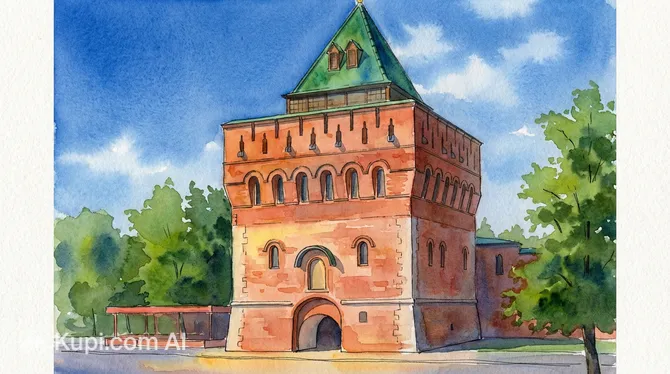
No visit to the city is complete without exploring the Nizhny Novgorod Kremlin. This ancient fortress, perched high on the steep banks of the Volga, is the historical heart of the region. Unlike many other kremlins, this one was designed as a formidable military stronghold and has never been captured by enemy forces. Today, tourists can walk along its massive brick walls to enjoy sweeping views of the river confluence or visit the various museums and government buildings housed within its grounds.

Nizhny Novgorod Kremlin. Source: Kupi.Binoculars

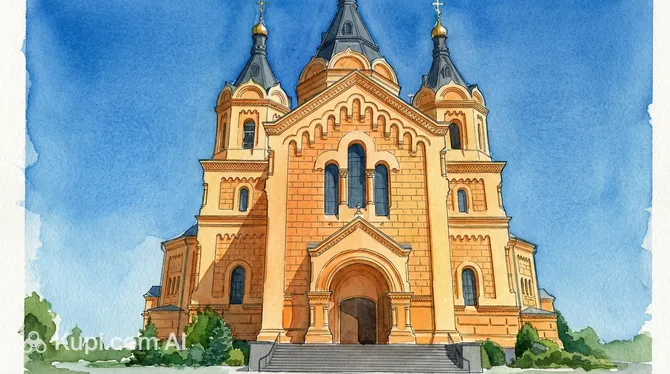
Another iconic symbol of the city is the Alexander Nevsky Cathedral. Standing majestically at the Spit (Strelka) where the Oka and Volga rivers meet, this yellow-hued cathedral is one of the tallest Orthodox churches in the country. Its grandeur is visible from many points in the city, but seeing it up close allows visitors to appreciate its scale and the intricate details of its 19th-century architecture. It serves as a spiritual beacon and a photogenic landmark against the backdrop of the water.

Alexander Nevsky Cathedral. Source: Kupi.Binoculars

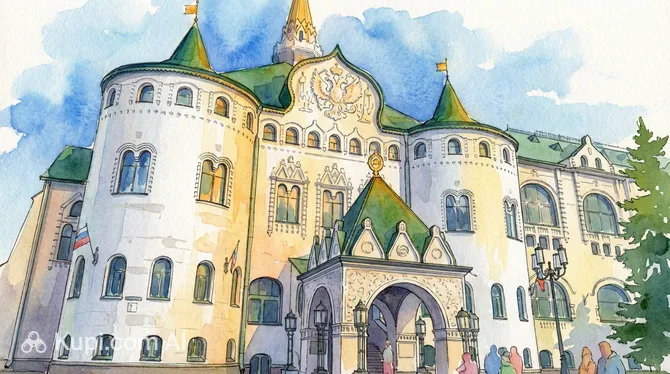
For those interested in the city's commercial past, the Nizhny Novgorod Fair is a must-see destination. Historically known as the "Pocket of Russia," this complex was once the center of international trade. The Main Fair Building, resembling a palace with its ornate Slavic-revival style, now hosts modern exhibitions and multimedia parks. It is a perfect spot to understand why Nizhny Novgorod was considered one of the most important economic hubs of the Russian Empire.

Nizhny Novgorod Fair. Source: Kupi.Binoculars

Art and history lovers should make time for the Nizhny Novgorod State Museum of History and Architecture. One of its main branches is located in the spectacular Rukavishnikov Estate, a merchant's palace that dazzles with its lavish interiors and sculpted facade. A tour here offers a glimpse into the wealthy lifestyle of pre-revolutionary merchants and showcases a rich collection of artifacts that tell the story of the region's cultural evolution.

Nizhny Novgorod State Museum of History and Architecture. Source: Kupi.Binoculars

Local Cuisine

The culinary landscape of Nizhny Novgorod is deeply influenced by its location at the confluence of two mighty rivers, the Volga and the Oka. This geography ensures that freshwater fish plays a starring role in the local diet. Visitors should definitely try dishes featuring Volga zander (pike-perch) or sterlet, often prepared in rich, clear fish soups known as ukha or baked with creamy sauces. The city is also experiencing a gastronomic renaissance, with many chefs reimagining traditional merchant recipes from the 19th century using modern techniques.

For a taste of the city's modern food culture, one cannot ignore the local street food phenomenon. Nizhny Novgorod is famously known across Russia for its shawarma. Far from being just a quick snack, it has achieved cult status here, with locals debating the best spots and queues forming at legendary stands. It is a hearty, flavorful must-try that offers a glimpse into the everyday life of the residents.

The city's dining scene is vibrant and diverse, ranging from historic establishments to trendy speakeasies. Rozhdestvenskaya Street is often referred to as the city's "restaurant mile," lined with numerous cafes and gastropubs. For those seeking a sophisticated dining experience in a setting that whispers of history, the Yale Restaurant is a remarkable choice, located in a historic building that adds a layer of atmospheric charm to the meal.

Yale Restaurant. Source: Kupi.Binoculars

When it comes to drinks, the city has a flourishing bar culture. Craft beer enthusiasts will feel right at home, as local breweries are gaining recognition. Places like Bar Khmel offer a wide selection of brews in a cozy environment. If you prefer expertly mixed cocktails, Copper Pipes is a celebrated spot known for its creative menu and intimate vibe, perfect for unwinding after a day of sightseeing.

To finish your culinary journey on a sweet note, look for Gorodets gingerbread. While originating from a nearby town, these printed honey cakes are a staple in Nizhny Novgorod's tea culture. They are often filled with fruit jams or condensed milk and make for a delicious dessert or a perfect edible souvenir to take home.

Travel Tips

Visiting Nizhny Novgorod offers a unique chance to experience the heart of the Volga region, but the city's distinct geography and local rhythms require a bit of planning. To help you navigate the steep hills, river crossings, and cultural nuances with ease, here are some essential travel tips.

  1. Clothing and Gear: Since the city is built on steep hills, comfortable walking shoes are absolutely non-negotiable; you will likely be climbing the famous Chkalov Stairs or navigating the slopes of the Kremlin. The weather is continental, so pack layers—summers can be hot, while winters are snowy and freezing. If you plan to visit Orthodox churches, modest dress is required: women should cover their heads and wear skirts or long dresses, while men should wear long trousers and remove their hats.
  2. Transportation: The city has a diverse transport network including buses, trams, and a metro system. The metro is particularly useful for quickly crossing between the Upper City (historic center) and the Lower City across the river, though its coverage in the historic center is limited. Ride-hailing apps are very popular and affordable here, often being the most convenient way to get around. Don't miss the cable car across the Volga—it is both a mode of transport and a scenic attraction.
  3. Finances: The local currency is the Russian Ruble (RUB). While credit cards are widely used in supermarkets and restaurants, it is highly recommended to carry some cash, especially for small souvenir shops, public transport, or local markets. ATMs are widespread, but checking with your bank regarding international card usage beforehand is wise.
  4. Health and Safety: Nizhny Novgorod is generally a safe city for tourists. Pharmacies (usually marked with a green cross and the word Apteka) are easy to find, and many operate 24/7. Stick to well-lit areas at night, particularly in the outskirts, and keep an eye on your belongings in crowded places like the Bolshaya Pokrovskaya Street.
  5. Communication: The primary language is Russian. While younger people and staff in major hotels or trendy cafes often speak English, it is not universally spoken. It is essential to download an offline translation app and a map before you arrive. Learning a few basic phrases like "Spasibo" (Thank you) and "Zdravstvuyte" (Hello) will be greatly appreciated by locals.
  6. Local Etiquette: Russians may appear reserved initially, but they are warm and hospitable once you engage with them. When entering a home, always remove your shoes. In public transport, it is customary to give up your seat to elderly people, pregnant women, and passengers with small children.
  7. What to Avoid: Avoid being loud or boisterous in public places, as this is frowned upon. Also, never joke about the distinction between the Upper and Lower parts of the city or confuse the Volga and Oka rivers; locals are very proud of their city's specific geography and history.
  8. Sunset Tip: Nizhny Novgorod is officially branded as the "Capital of Sunsets." Do not miss the golden hour; the best vantage point is the Fedorovsky Embankment or the Lower Volga Embankment. Plan your dinner or evening walk around this time to witness the sun dipping below the confluence of the two great rivers.

By keeping these practical points in mind, you will be well-prepared to explore the "Pocket of Russia" comfortably and respectfully. Embrace the stunning views, enjoy the local hospitality, and have a wonderful journey through this historic city.

Entertainment & Nightlife

As the sun sets over the confluence of the Volga and Oka, Nizhny Novgorod transforms from a historic merchant city into a vibrant hub of evening entertainment. The nightlife here is diverse and energetic, concentrated primarily in the historic center. The undeniable epicenter of the bar scene is Rozhdestvenskaya Street. Often dubbed the city's "restaurant and bar mile," this street comes alive at night with locals and tourists hopping between gastropubs, cocktail bars, and wine cellars housed in beautifully restored 19th-century buildings.

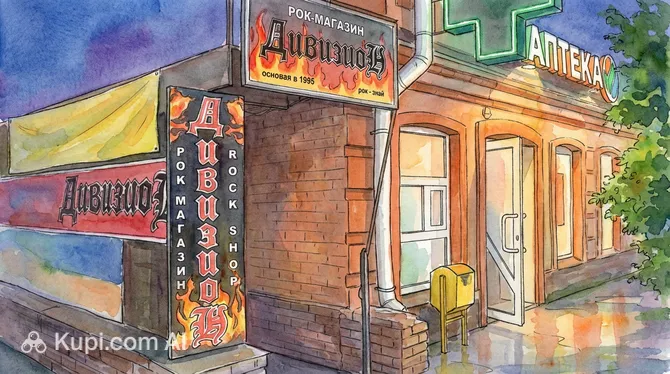
For those looking to dance the night away, the city offers several dynamic venues. Sindbad is a well-known destination among night owls, offering a lively club atmosphere where you can enjoy music and drinks until the early hours. It attracts a mixed crowd looking for a fun, unpretentious night out. If you prefer live music with a grittier edge, the Division Rock Club is a staple of the local underground scene, frequently hosting concerts by local bands and offering a spirited rock-n-roll vibe.

For a more romantic or relaxed evening experience, consider taking a ride on the Ferris Wheel near the cable car station. Operating into the late evening, it provides spectacular panoramic views of the illuminated city and the dark expanse of the rivers, making it a perfect spot for couples or photographers.

Ferris Wheel. Source: Kupi.Binoculars

The atmosphere in Nizhny Novgorod's nightlife venues is generally welcoming and friendly. While high-end clubs may enforce a "face control" policy and a smart-casual dress code, most bars and pubs on Rozhdestvenskaya and Bolshaya Pokrovskaya streets are casual. The party usually gets started around 10:00 PM or 11:00 PM on weekends. Prices are significantly lower than in Moscow, making a night out here quite affordable for travelers.

Safety is generally not a major concern in the central tourist districts, which remain well-lit and populated late into the night. However, it is always advisable to stay aware of your surroundings. Public transport stops running around midnight, so the best way to get around at night is by using taxi apps, which are reliable and inexpensive.

Beyond the nightlife, the city offers plenty of daytime entertainment options for families and culture seekers. Nature lovers can explore the expansive Switzerland Park, a massive green space stretching along the Oka River that features walking paths, sports facilities, and scenic lookouts. For shopping enthusiasts, the Fantastika Shopping Mall provides a modern retail experience with a cinema and food court, while science buffs might enjoy the interactive exhibits at the Galileo Wonderland Park.

Parks & Museums

Beyond its bustling streets and historic fortifications, Nizhny Novgorod offers a wealth of serene green spaces and a vibrant cultural landscape. The city is dotted with sprawling parks that provide a breath of fresh air, while its diverse museums safeguard centuries of artistic and literary heritage, making it a perfect destination for those seeking both relaxation and intellectual enrichment.

One of the city's most beloved green zones is Switzerland Park. Stretching for several kilometers along the high bank of the Oka River, this park recently underwent a major renovation. It is famous for its panoramic views over the water and the lower city. Visitors can enjoy well-maintained walking paths, modern playgrounds, and designated quiet zones. It is an ideal spot for a leisurely afternoon stroll or a morning jog, offering a blend of manicured gardens and natural forest terrain.

Switzerland Park. Source: Kupi.Binoculars

For those who prefer a more immersive nature experience, the Shcholokovskiy Khutor Forest Park is a true gem. Located within the city limits, this protected natural area feels like a deep forest, featuring a chain of picturesque lakes connected by streams. In the summer, it is a popular spot for swimming and picnics, while winter transforms it into a hub for cross-country skiing. The park is also home to an open-air museum of wooden architecture, adding a historical dimension to its natural beauty.

Nizhny Novgorod's cultural scene is equally impressive, anchored by the Nizhny Novgorod State Art Museum. Housed partly in the Governor's House within the Kremlin, this institution boasts a significant collection of Russian art, including works by masters like Repin, Shishkin, and Serov, as well as a notable collection of Western European art. It serves as a testament to the city's long-standing appreciation for fine arts and offers a quiet retreat for art lovers.

Nizhny Novgorod State Art Museum. Source: Kupi.Binoculars

A completely different cultural experience can be found at the Kremlin Arsenal. This massive historic building, once a weapons depot, has been transformed into a cutting-edge center for contemporary art. As a branch of the National Centre for Contemporary Arts, it hosts avant-garde exhibitions, lectures, and festivals. The contrast between the 19th-century brick architecture and the modern installations within creates a unique atmosphere that highlights the city's forward-thinking spirit.

Literature enthusiasts should not miss the House of Kashirin, the childhood home of the famous writer Maxim Gorky. This small wooden house has been preserved as a museum, offering a stark and authentic look at the lifestyle of a 19th-century dyer's family. The interiors are recreated based on Gorky's autobiographical novel My Childhood, providing a tangible connection to the history described in his books.

For a family-friendly cultural outing, the Nizhny Novgorod Exotarium offers an engaging look at exotic wildlife. Located in the basement of the Palace of Culture, it houses a variety of reptiles, amphibians, and birds, making it an interesting stop for younger travelers curious about the natural world.

Getting Around

Navigating Nizhny Novgorod is relatively straightforward thanks to a well-developed public transport network that connects the historic Upper City with the industrial and residential Lower City. The system includes a metro, an extensive web of buses, trolleybuses, and trams, as well as private minibuses known as marshrutkas.

The Nizhny Novgorod Metro is the fastest way to cross the Oka River, which divides the city. Although it has only two lines, it is crucial for tourists because it connects the main railway station (Moskovskaya) with the historic center (Gorkovskaya). The metro is clean, safe, and reliable, making it an excellent option for avoiding traffic jams on the bridges.

For exploring the city center or reaching areas not served by the subway, trams are a scenic and historic option. Nizhny Novgorod boasts one of the oldest tram networks in the region, dating back to 1896. Tram route No. 2, which circles the city center, is particularly popular among visitors for a self-guided sightseeing tour. Buses and trolleybuses cover the rest of the city, while marshrutkas (smaller vans) offer faster but often more crowded connections to the suburbs.

A unique feature of the local transport system is the Nizhny Novgorod Cable Car. Originally built to transport commuters across the Volga River to the neighboring town of Bor, it has become a major tourist attraction. The ride offers stunning aerial views of the river and the city skyline, making it a functional yet memorable part of your journey.

Paying for rides is convenient for tourists. The city has modernized its payment system significantly. You can pay with a contactless bank card directly on validators found in buses, trams, and at metro turnstiles. Paying with a card is typically cheaper than paying with cash. For longer stays, you might consider purchasing a Siticard (a local transport card) at newsstands or metro stations, but for short visits, a standard bank card is usually sufficient. If you must use cash, you generally pay the conductor inside the vehicle or the driver upon exit in some minibuses.

Public transport generally operates from around 5:30 AM to midnight. However, intervals between buses can increase significantly late in the evening, so it is wise not to rely on surface transport after 11:00 PM. During peak hours (8:00–9:00 AM and 5:00–7:00 PM), traffic congestion can be heavy, especially on the bridges connecting the two parts of the city.

If you prefer more comfort, taxis are widely available and affordable. Ride-hailing apps are the standard method for booking a car, offering fixed prices and eliminating language barriers. During the warmer months, the city also sees a surge in electric scooter and bike rentals, which are perfect for cruising along the lengthy and picturesque river embankments.

Accommodation

Where to Stay:

Finding the perfect place to stay in Nizhny Novgorod is relatively easy, as the city offers a wide spectrum of accommodation options to suit every budget and preference. From modern luxury hotels and charming boutique guesthouses to affordable hostels and comfortable rental apartments, travelers can find a home base that fits their style. The hospitality sector here has developed significantly in recent years, ensuring high standards of service across the board.

The most popular area for tourists is undoubtedly the Upper City (historical center). Staying here places you within walking distance of the main attractions, pedestrian streets, and the best restaurants. Locations near the Nizhny Novgorod Kremlin or along Bolshaya Pokrovskaya Street are particularly coveted, as they allow you to step out of your hotel directly into the heart of the city's vibrant life. This area is also ideal for those who want to enjoy the famous sunsets from the high embankments.

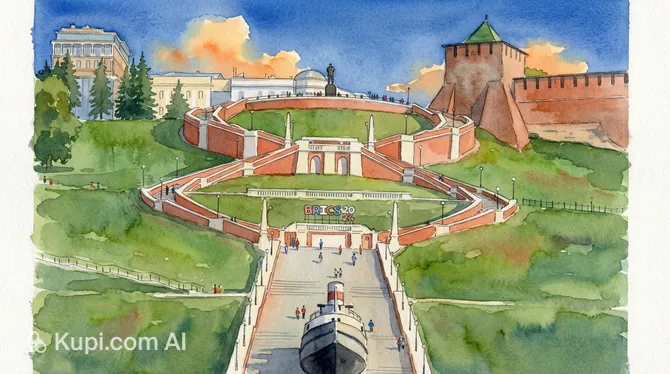
Chkalov Staircase. Source: Kupi.Binoculars

Another excellent location in the Upper City is the area surrounding the Chkalov Staircase. Hotels and apartments in this vicinity often offer spectacular views of the Volga River and provide easy access to the scenic Verkhne-Volzhskaya Embankment. It is a quieter alternative to the busy pedestrian streets while remaining very central.

For business travelers or those attending exhibitions, the Lower City near the Nizhny Novgorod Fair is a strategic choice. This area is flatter and well-connected by the metro. While it has a more industrial feel in parts, the district around the Fair and the Strelka is rapidly modernizing, offering large modern hotels and easy access to the stadium and the cathedral.

Price Range and Booking Tips:

  • Budget: Hostels and budget hotels are plentiful, with prices generally being very reasonable compared to Moscow or St. Petersburg. You can find a decent bed in a dormitory or a simple private room for a modest fee.
  • Mid-Range: The city has a solid selection of 3-star and 4-star hotels that offer excellent value for money. These typically include breakfast and modern amenities.
  • Luxury: upscale options are available, primarily in the historic center, offering premium services, spa facilities, and river views.

Accommodation prices in Nizhny Novgorod are generally affordable, but they can spike during major holidays, summer weekends, or large festivals. It is highly recommended to book in advance, especially if you plan to visit during the peak summer season (June to August) or around the New Year holidays. Most properties can be easily booked through major online platforms or directly via their websites.

Nearby Cities

For those looking to explore the surroundings, Nizhny Novgorod serves as an excellent base for day trips to several interesting nearby locations. The region is rich in history and natural beauty, offering diverse experiences just a short ride away from the city center.

One of the most culturally significant destinations is Arzamas. Often referred to as a city of churches, it is famous for its well-preserved 19th-century architecture and the magnificent Resurrection Cathedral, which dominates the town's skyline. A visit here feels like stepping back in time to a classic Russian provincial merchant town, making it perfect for history buffs and those interested in religious heritage.

For a quick and scenic getaway, Bor is an ideal choice. Located directly across the Volga River, it can be reached via the famous Nizhny Novgorod cable car, turning the journey itself into an attraction. The town offers a quieter atmosphere, beautiful river views, and access to the scenic floodplain landscapes, which are great for nature walks and picnics.

Another interesting spot is Novaya Balakhna, situated in a region historically known for its salt production and intricate lace-making traditions. Visitors can explore the local history or admire the unique wooden architecture that characterizes this ancient settlement area along the Volga.

City Population Distance (km)
Dzerzhinsk 231,797 35
Arzamas 104,547 104
Bor 78,063 5
Kstovo 67,874 23
Novaya Balakhna 63,083 32

These nearby destinations offer a glimpse into the diverse culture and landscapes of the region, providing a rewarding extension to your stay in Nizhny Novgorod.

Shopping & Souvenirs

Nizhny Novgorod has a long-standing reputation as a commercial hub, historically celebrated as the "Pocket of Russia" due to its massive trade fair. Today, the city offers a delightful mix of shopping experiences, ranging from high-end modern complexes to charming artisan boutiques. Visitors can find everything from international fashion brands to unique local handicrafts that reflect the region's rich artistic heritage.

The heart of the city's retail therapy is undoubtedly Bolshaya Pokrovskaya Street. This pedestrian-only avenue is not only an architectural gem but also a vibrant shopping destination. As you stroll past historic buildings, you will encounter numerous souvenir shops, jewelry stores, and cozy boutiques selling local art. It is the perfect place to hunt for gifts while soaking in the lively atmosphere of street musicians and performers.

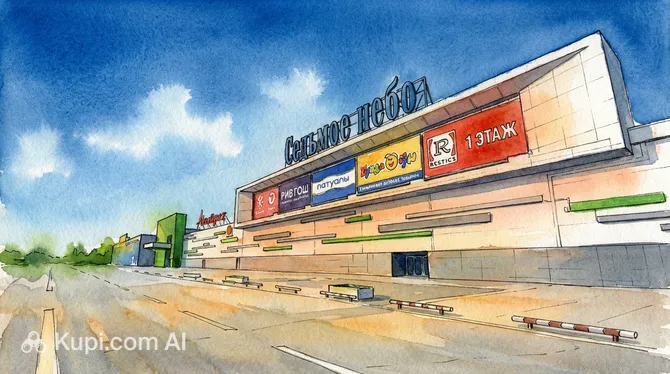
For a more contemporary experience, the city boasts several impressive shopping centers. Seventh Heaven is a massive complex located in the Lower City near the stadium and the river. It offers a vast selection of clothing stores, a cinema, and a food court, making it a popular spot for families who want to combine shopping with leisure.

Seventh Heaven. Source: Kupi.Binoculars

Another favorite among locals is the Fantastika Shopping Mall. Known for its modern design and extensive range of international brands, it provides a comfortable all-in-one shopping, dining, and entertainment experience. These malls are excellent places to find both global fashion labels and Russian retail chains.

To get a taste of local life, a visit to one of the city's markets is essential. The Srednoy Market (Srednoy Rynok) is particularly famous for its fresh produce. Here, you can sample local cheeses, farm-fresh honey, and seasonal fruits. It is a bustling place where the colors and scents of the Volga region come alive, offering a stark contrast to the polished aisles of the shopping malls.

Nizhny Novgorod is renowned for its traditional folk arts, making souvenir shopping a highlight of any trip. The most iconic item to bring home is Khokhloma, a style of wood painting characterized by vivid red, gold, and black floral patterns on tableware and furniture. You should also look for Gorodets painting crafts and intricate glass Christmas ornaments from the local "Ariel" factory, which are prized collectors' items. For edible gifts, the local printed gingerbread is a delicious choice.

Most major shopping malls operate daily from 10:00 AM to 10:00 PM. Smaller street shops and boutiques typically open around 10:00 AM and close by 8:00 PM or 9:00 PM. While credit cards are widely accepted in malls, supermarkets, and restaurants, it is advisable to carry some cash (Rubles) when visiting open-air markets or purchasing small souvenirs from street vendors to ensure smooth transactions.

International tourists may be eligible for a VAT refund on purchases made in participating stores. Look for the "Tax Free" signage at the entrance or checkout counters of major retailers. If available, be sure to ask for the necessary forms and keep your receipts to process the refund at the airport upon departure.

Reached the end of the page?

That means the route is fully explored