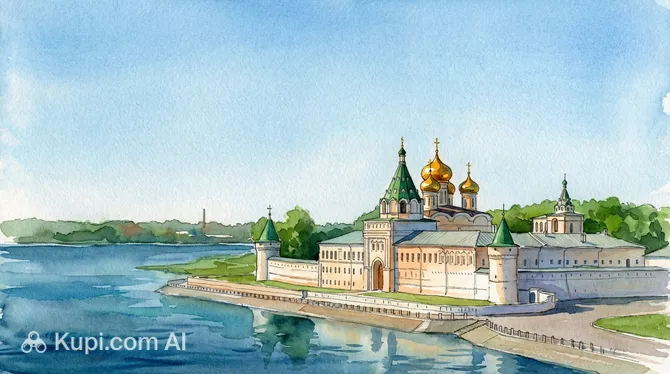
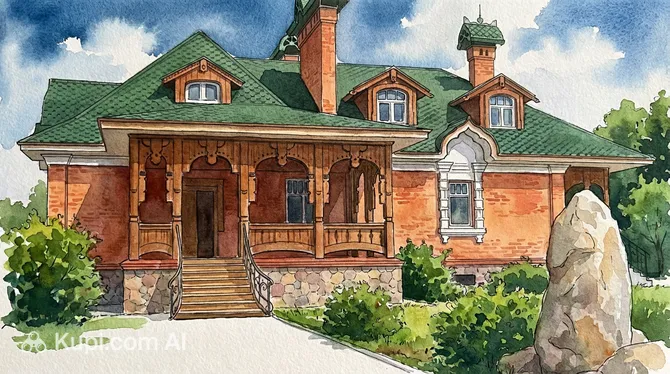
Welcome to Kostroma, a captivating historic city that serves as a major stop on the famous Golden Ring tourist route. Located in the Russian Federation, this charming destination offers visitors a unique glimpse into the country's architectural and cultural heritage. Situated at the scenic confluence of the Volga and Kostroma rivers, the city is known for its well-preserved 18th and 19th-century center and a tranquil atmosphere that contrasts with the bustle of larger metropolises.
Kostroma. Illustration.
Source: Kupi.com AI
Home to a population of approximately 277,000 people, Kostroma is celebrated for its distinctive fan-shaped street layout, which legend says was inspired by Empress Catherine the Great's fan. Exploring the history of Kostroma reveals its pivotal role in national events; it is often called the "cradle of the Romanov dynasty" because the first Romanov tsar was called to the throne from the local Ipatiev Monastery. This magnificent white-stone fortress remains one of the city's most significant spiritual and historical landmarks.
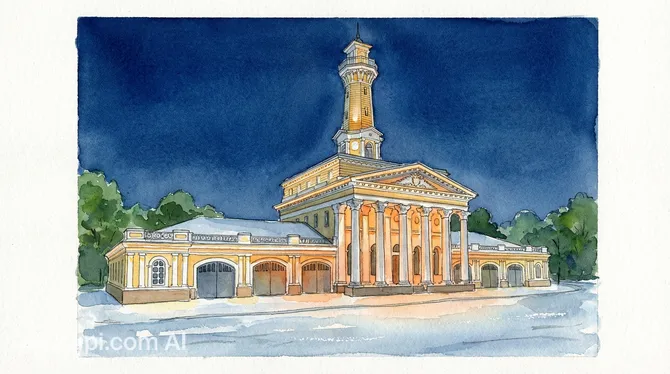
Beyond the monastery, travelers are drawn to the iconic Fire Tower on Susaninskaya Square, a masterpiece of classicism that has become a symbol of the city. Visitors can also enjoy strolling along the picturesque Volga embankment or visiting the unique Museum of Wooden Architecture. Whether you are an architecture enthusiast or simply seeking a peaceful retreat by the river, Kostroma promises an unforgettable travel experience filled with old-world charm.
Weather Overview
Kostroma experiences a moderate continental climate with four distinct seasons, each offering a different perspective of the city. Winters are typically cold, with January being the coldest month, featuring an average temperature of -8.0°C and minimums dropping to -10.0°C. Travelers visiting during this time should pack heavy winter clothing to comfortably enjoy the snowy landscapes and frost-covered architecture.
Summer brings much milder conditions, making it a popular time for walking tours and river cruises. July is the warmest month, with average temperatures around 18.7°C and highs reaching a comfortable 22.9°C. However, precipitation is fairly distributed throughout the year. Even in the summer, you might encounter roughly 11 to 14 wet days per month. To help you decide on the best time for your visit, you can consult the detailed guide on the weather in Kostroma.
The transitional seasons of spring and autumn are characterized by rapid changes. May and September remain relatively mild with averages near 11°C, while November sees a quick return to freezing conditions. Overall, you can expect warm summers with occasional rain and cold winters with frequent snowfall.
Average monthly temperature
Average monthly precipitation
Interesting Facts
Beyond the main attractions and historic streets, Kostroma holds many fascinating secrets and local legends that surprise even seasoned travelers.
Home of the Snow Maiden: Kostroma is officially celebrated as the birthplace of Snegurochka, the famous granddaughter of Father Frost (Ded Moroz). The character was brought to life by the playwright Alexander Ostrovsky at his nearby estate, and today you can visit the magical Snegurochka's Tower, which serves as her year-round residence and receives letters from children across the country.
The "Frying Pan": While the central plaza is formally known as Susanin Square, locals affectionately call it "Skovorodka" (The Frying Pan). This nickname is derived from its unique circular shape with streets radiating outward like a handle, as well as the fact that the open, cobblestone space can get quite hot under the summer sun.
Russia's Cheese Capital: The city has earned the tasty title of the "Cheese Capital" of Russia. The region has a long tradition of dairy farming, producing distinct local varieties that are famous nationwide. Visitors can dive into this culinary history at the interactive Cheese Museum, where tasting the local "Kostromskoy" cheese is a must.
A Living Movie Set: Thanks to its incredibly well-preserved 19th-century architecture and lack of modern high-rises in the center, Kostroma is a favorite location for filmmakers. Numerous historical dramas and adaptations of Russian classics have been shot here, as the streets naturally evoke the atmosphere of a bygone era without needing extensive set decoration.
Snegurochka's Tower. Illustration.
Source: Kupi.com AI
Traveler photos:
How to Get There
Reaching this historic city is relatively straightforward, with options ranging from direct trains to regional flights. Whether you are traveling from Moscow or other parts of the country, planning your journey is the first step to enjoying the Golden Ring. For a complete guide on all available routes and schedules, you can read more about how to get to Kostroma.
The city is served by its own regional air hub, Kostroma Airport (KMW). Located just 6.4 km from the city center, it offers a convenient entry point for domestic travelers, though flight schedules may be limited compared to larger international hubs. A taxi or bus ride from here to the downtown area typically takes around 30 minutes. Alternatively, travelers often fly into Yaroslavl Airport (IAR) in the neighboring city of Yaroslavl. Situated approximately 51.4 km away, it is another viable option, with the transfer to Kostroma taking about 1.5 to 2 hours by road.
For clarity, here is a summary of the main airports:
For those preferring rail travel, the primary gateway is the Kostroma Novaya Station. Conveniently located within the city limits, just 3.3 km from the center, it handles a significant volume of passengers and connects Kostroma to Moscow and other major regions. The journey from the station to the city's heart is short, usually taking about 25 minutes by local transport or taxi. Another nearby option is the Nerekhta Railway Station in Nerekhta, located roughly 40.9 km away, which serves as an additional transit point for the region.
Below is a list of the closest railway stations:
Station
Passenger traffic
Distance
Kostroma Novaya Station
1.2 mln
3 km
Nerekhta Railway Station
250 000
41 km
Furmanov Railway Station
150 000
59 km
Danilov Station
—
64 km
Lyubim Station
—
65 km
Yaroslavl Moskovsky Railway Station
1.5 mln
66 km
Main Attractions
Kostroma is a city where history comes alive, offering visitors a chance to step back in time and explore the rich heritage of the Russian heartland. From ancient religious sites to preserved merchant quarters, the city's landmarks are diverse and captivating. Here are some of the top places you should not miss during your visit.
Undoubtedly the most famous landmark is the Ipatiev Monastery. Often referred to as the "Cradle of the Romanovs," this sprawling white-stone fortress is situated at the confluence of the Kostroma and Volga rivers. It was here in 1613 that Mikhail Romanov was blessed as the new Tsar, ending the Time of Troubles. Tourists are drawn to its stunning Trinity Cathedral, famous for its intricate frescoes and golden iconostasis, as well as the museum exhibitions that house rare artifacts and religious treasures.
Ipatiev Monastery. Illustration.
Source: Kupi.com AI
Traveler photos:
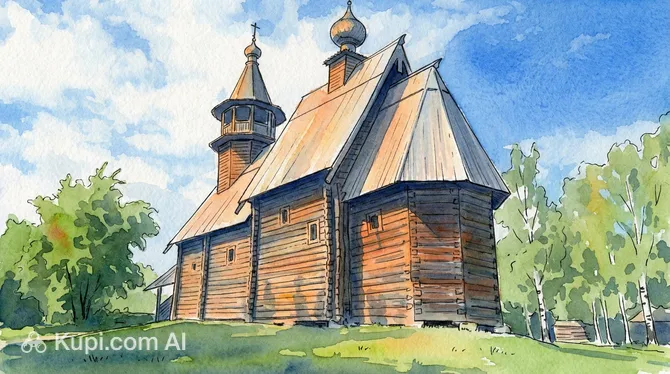
Just behind the monastery walls lies Kostromskaya Sloboda, a remarkable open-air museum of wooden architecture. This atmospheric park gathers historic wooden churches, peasant huts, and barns from across the region, saving them from flooding during the construction of the Gorky Reservoir. It is a fascinating place to walk through, offering a vivid recreation of rural Russian life in centuries past, complete with folklore programs and traditional craft workshops.
Kostromskaya Sloboda. Illustration.
Source: Kupi.com AI
Traveler photos:
In the heart of the city, you will find the Kostroma Gostiny Dvor. These monumental trading rows, built in the late 18th and early 19th centuries, are among the best-preserved in Russia. Unlike many other cities where such structures have been lost or repurposed, Kostroma's rows still function as a bustling commercial center. Visitors can wander through the arches, buy local souvenirs like linen and black salt, and admire the classicist architecture that defines the city center.
Kostroma Gostiny Dvor. Illustration.
Source: Kupi.com AI
Traveler photos:
For a relaxing end to your sightseeing, take a stroll along the Volga River Embankment. This scenic promenade offers beautiful views of the majestic river and the passing cruise ships. It is a favorite spot for both locals and tourists to enjoy a sunset walk. Along the way, you can see the famous Ostrovsky Gazebo, a romantic rotunda associated with the playwright Alexander Ostrovsky, which provides a perfect photo opportunity against the backdrop of the Volga.
Local Cuisine
The culinary scene in Kostroma is a delightful blend of ancient Russian traditions and modern gastronomy, making it a true highlight of the Golden Ring. The city is proudly known as the "Cheese Capital" of Russia, a title it takes very seriously. Local dairy masters produce several varieties of cheese, but the most famous is the "Kostromskoy" sort, known for its firm texture and rich flavor. To dive deeper into this tasty heritage, visitors should definitely explore the Cheese Museum, where you can learn about the history of cheese-making in the region and, of course, sample the best local varieties.
Cheese Museum. Illustration.
Source: Kupi.com AI
Traveler photos:
Another unique gastronomic symbol of the city is the "Kostroma Black Salt" (Chetvergovaya salt). Prepared according to an old recipe by baking rock salt with rye flour and herbs in a Russian oven, it has a distinct dark color and a slight eggy taste. It is not only a healthy seasoning but also a popular souvenir. When it comes to main courses, you must try the famous "Green Shchi" (sour cabbage soup). Unlike standard recipes, this local version is made from the outer, dark-green leaves of the cabbage plant, giving the soup a rich, intense flavor that has warmed locals for centuries.
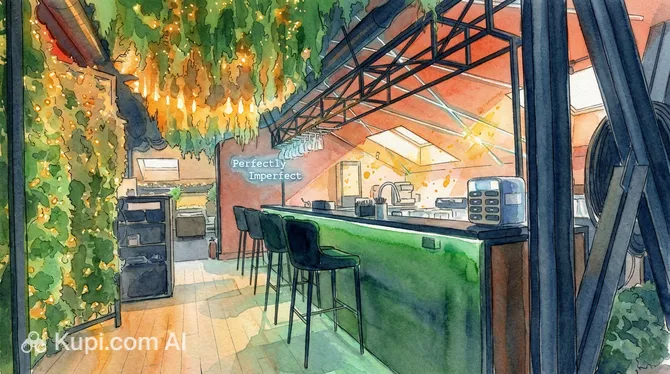
For a memorable dining experience, the city offers a range of venues that celebrate these local ingredients. The restaurant Groza is a standout destination, offering a modern twist on traditional Kostroma recipes in a sophisticated setting. It is the perfect place to try river fish caught in the Volga, such as zander or pike, prepared with local herbs. For those looking for a more casual atmosphere with hearty meat dishes, the Beer & Grill Bar serves excellent grilled specialties that pair well with local beverages.
Groza. Illustration.
Source: Kupi.com AI
Traveler photos:
To accompany your meal, try the traditional Russian drink sbiten (a hot honey-based beverage with spices) or locally produced berry fruit drinks (mors) made from cranberries or lingonberries gathered in the surrounding forests. In the warmer months, refreshing kvass is a staple on every table. Whether you are snacking on fresh pastries at the historic Trading Rows or enjoying a multi-course dinner, Kostroma’s cuisine offers a genuine taste of the Russian heartland.
Travel Tips
Welcome to Kostroma! To ensure your journey through this historic Golden Ring city is as smooth and enjoyable as possible, we have compiled a set of essential travel guidelines. These practical tips will help you navigate local customs, prepare for the weather, and make the most of your visit to the banks of the Volga.
Clothing and Gear: Kostroma has a distinct continental climate, so dressing in layers is key. In winter, thermal underwear, a heavy coat, and non-slip boots are essential to handle the snow and ice. Summers can be warm, but evenings near the river often get chilly, so pack a light jacket. Since you will likely visit Orthodox religious sites like the Ipatiev Monastery, remember the dress code: women should cover their heads and wear skirts or long dresses, while men must remove their hats and avoid wearing shorts.
Transportation: The historic center of Kostroma is compact and best explored on foot, allowing you to admire the architecture up close. For longer distances, the city has a network of buses and trolleybuses, though "marshrutkas" (minibuses) are the most common way to get around. Ride-hailing apps are widely available and offer a convenient, affordable alternative to hailing taxis on the street. Car rental is generally not necessary unless you plan to explore the remote countryside.
Finances: The official currency is the Russian Ruble (RUB). While credit cards are often welcomed in hotels, larger restaurants, and supermarkets, carrying cash is strongly recommended for the most seamless experience. Many smaller venues, such as souvenir stalls, local museums, and public transport, operate primarily with cash. Having sufficient banknotes ensures you can easily enjoy all local services without limitation. ATMs are plentiful in the city center, and tipping around 10% in restaurants is customary if service is not included.
Health and Safety: Kostroma is generally a safe city for tourists, but standard precautions apply; keep an eye on your belongings in crowded places like the Trading Rows. Pharmacies, marked with a green cross and the word "Apteka" (Аптека), are easy to find, and some operate 24/7. In winter, be careful of falling icicles from roofs and slippery sidewalks—watch where you step.
Communication: Russian is the primary language, and English proficiency may be limited outside of major hotels and tourist offices. It is very helpful to learn a few basic phrases like "Spasibo" (Thank you) and "Gde...?" (Where is...?). Downloading an offline translation app and an offline map is strongly advised before you arrive. You can purchase a local SIM card at mobile shops in the city center using your passport for internet access.
Local Etiquette: Russians value politeness and genuine interaction. When entering a shop or cafe, a simple greeting is appreciated. If you are invited to a local's home, it is customary to remove your shoes at the door and bringing a small gift, such as chocolates or flowers, is considered good manners. In churches, maintain a hushed tone and respect the worshippers; do not turn your back on the altar if possible.
What to Avoid: Avoid photographing government buildings or security personnel, as this can be sensitive. Also, refrain from talking loudly or laughing boisterously in religious settings, as this is seen as disrespectful. Public consumption of alcohol outside of designated bars and restaurants is prohibited and can lead to fines.
Local Shopping Tip: Kostroma is historically famous for its flax and linen production. Don't miss the opportunity to visit the specialized linen shops in the Trading Rows or near the Flax Museum. You can find high-quality tablecloths, clothes, and bedding at prices significantly lower than in Moscow or St. Petersburg, making for a practical and authentic souvenir.
Armed with these tips, you are ready to explore the charming streets and ancient heritage of Kostroma with confidence. We hope your visit is filled with wonderful discoveries, warm hospitality, and memorable experiences in the heart of Russia.
Entertainment & Nightlife
While Kostroma is widely recognized for its historical heritage and quiet, provincial charm, the city comes alive after sunset with a vibrant, albeit compact, nightlife scene. The entertainment landscape here is more relaxed compared to Moscow, focusing on cozy atmospheres, live music, and friendly gatherings rather than massive rave venues. Most of the evening activity is concentrated in the city center, particularly around Susanin Square and the streets radiating from it, as well as along the Volga embankment where locals enjoy evening promenades.
For those looking to immerse themselves in the local party culture, Svoi Da Nashi is a popular destination. This venue combines the energy of a nightclub with a bar atmosphere, often hosting DJ sets and themed parties that attract a youthful and energetic crowd. It is a great place to dance the night away or simply enjoy a few drinks in a lively setting. The dress code in most Kostroma clubs is "smart casual"—you don't need evening wear, but neat attire is expected. Face control is generally friendly but standard for Russian clubs.
Svoi Da Nashi. Illustration.
Source: Kupi.com AI
Traveler photos:
If you prefer a more laid-back evening with conversation and relaxation, the city offers several excellent lounge bars. Hookah Place is a favorite among locals for its extensive menu of signature tea blends and hookahs, offering a chill vibe perfect for winding down after a day of sightseeing. For those who enjoy a pub-style environment with hearty food and a wide selection of drinks, the Beer & Grill Bar remains a reliable choice for a late dinner that transitions into a fun night out.
Hookah Place. Illustration.
Source: Kupi.com AI
Traveler photos:
For a unique group activity before hitting the bars, you might check out Oz Reality Quests. Escape rooms and reality quests have become a staple of modern Russian entertainment, offering an exciting way to spend an evening solving puzzles with friends. It is a fun alternative to the traditional bar hop and sets a playful tone for the rest of the night.
When planning your night out, keep in mind that most bars operate until 1:00 or 2:00 AM, while nightclubs may stay open until dawn on weekends. Prices in Kostroma are significantly lower than in the capital, making a night out quite affordable. An average cocktail might cost between 300-500 RUB. In terms of safety, the city center is well-lit and secure for evening walks. However, when moving between venues late at night, it is best to use a taxi app like Yandex Go rather than hailing a car from the street, ensuring a fixed price and a safe ride.
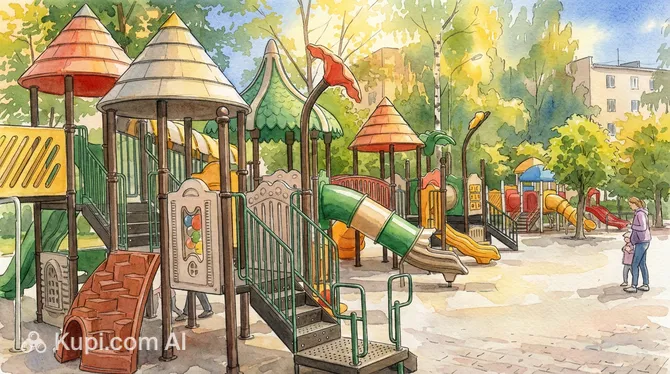
Beyond the nightlife, Kostroma offers plenty of daytime entertainment to fill your schedule. Families and thrill-seekers will enjoy the Nikitskaya Park of Attractions, which features a variety of rides and games suitable for all ages. For a more tranquil experience, a walk through Central Park (Park Tsentralny) provides a refreshing break among greenery and monuments. Additionally, the city is home to the majestic Ostrovsky Drama Theater, one of the oldest in Russia, where you can catch classic plays if you appreciate the performing arts.
Nikitskaya Park of Attractions. Illustration.
Source: Kupi.com AI
Traveler photos:
Parks & Museums
Beyond its famous monastery and cheese heritage, Kostroma offers a wealth of green spaces and cultural institutions that allow visitors to deepen their understanding of this ancient city. From tranquil parks shaded by century-old trees to intimate museums dedicated to local folklore and history, the city provides diverse experiences for nature lovers and culture seekers alike.
For a refreshing escape into nature, Berendeyevka Park is a favorite among locals and tourists. This expansive green area features picturesque ponds and dense pine forests, making it an ideal spot for leisurely walks, picnics, or boat rides in the summer. It holds a special place in local culture as the site where the film adaptation of the "Snow Maiden" was shot, maintaining a fairy-tale atmosphere year-round. Closer to the city center, Central Park offers a more formal setting. Perched atop a hill formerly occupied by the city's kremlin, it provides sweeping panoramic views of the Volga River and features a prominent statue of Lenin on a pedestal originally designed for a monument to the Romanov dynasty.
Berendeyevka Park. Illustration.
Source: Kupi.com AI
Traveler photos:
Kostroma’s museum scene goes far beyond the standard exhibits, offering a peek into the intimate lives of its past residents. The House of the City Mayor G.N. Botnikov Museum is a hidden gem that transports you back to the early 20th century. Located in a beautifully restored wooden mansion, it recreates the interiors and atmosphere of a wealthy merchant's home, allowing visitors to touch the artifacts and feel the "living history" of the era. For those interested in the region's biodiversity, the Kostroma Region Nature Museum presents engaging dioramas of local wildlife, including elks and bears, making it a hit with families.
House of the City Mayor G.N. Botnikov Museum. Illustration.
Source: Kupi.com AI
Traveler photos:
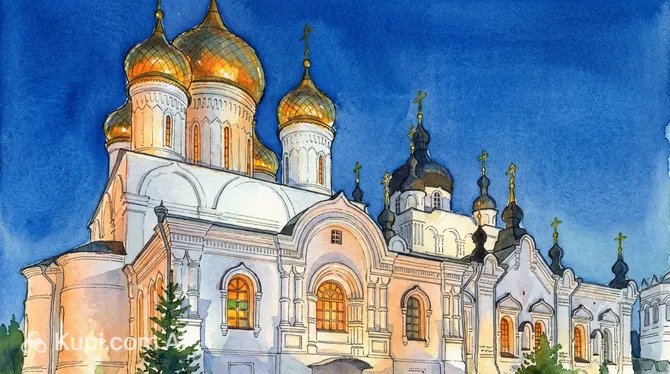
The city's streets are also dotted with significant historical landmarks. A short walk from the main square will lead you to the Monument to Yuri Dolgorukiy. This imposing bronze statue pays tribute to the prince believed to be the founder of Kostroma, depicting him with a sword and an outstretched hand pointing toward the future city. Spiritual travelers should not miss the Epiphany-Anastasia Convent. This active female monastery is the custodian of the miraculous Fyodorovskaya Icon of the Mother of God, a revered relic closely associated with the Romanov family and pilgrims from across Russia.
Epiphany-Anastasia Convent. Illustration.
Source: Kupi.com AI
Traveler photos:
For a truly authentic experience, venture to the Les-Chudodey Museum. This unique venue celebrates the art of wood carving and Russian folklore, populated by mythical forest creatures crafted from natural materials. Another insider tip is to visit the Linen and Birchbark Estate. Here, you can not only admire intricate birchbark crafts and linen products—two of the region's most famous exports—but also participate in master classes to create your own traditional souvenir.
Getting Around
Navigating Kostroma is relatively straightforward, as the city has recently modernized its public transport network to make it more efficient for residents and visitors alike. The system relies entirely on a comprehensive fleet of buses that connect the historic center with residential districts and outlying areas. Unlike larger Russian cities, Kostroma does not have a metro system or trams, and the once-common trolleybuses have been replaced by newer, more comfortable buses of varying capacities.
For tourists, the most convenient aspect of the local transport system is the ease of payment. You can pay for your fare using a contactless bank card, a smartphone, or cash. In most modern buses, you will find validators installed near the doors where you can simply tap your card. If a validator is not available, payment is typically made directly to the driver upon entry. It is worth noting that paying with a card is often slightly cheaper than using cash, but it is always wise to carry some small change just in case.
To plan your route effectively, it is highly recommended to use mobile navigation apps like Yandex Maps or 2GIS. These services are widely used in the city and provide real-time tracking of buses, helping you avoid long waits at stops. The public transport generally operates from around 6:00 AM until 11:00 PM. However, intervals between buses can increase significantly late in the evening, so if you are returning from a late dinner, you might want to consider alternative options.
If you prefer more direct and flexible travel, taxis are a popular and affordable alternative. Ride-hailing apps like Yandex Go operate extensively throughout the city, allowing you to book a car without needing to speak the language or negotiate the fare. The city center itself is quite compact and pedestrian-friendly, so you will likely find that walking is the best way to explore the main attractions, with public transport or taxis only necessary for reaching specific sites like the Ipatiev Monastery or the open-air wooden architecture museum.
Accommodation
Accommodation:
Finding a place to stay in Kostroma is generally a pleasant experience, as the city offers a wide range of options to suit various budgets and preferences. Travelers can choose from modern hotels with full amenities, charming boutique guesthouses located in restored merchant mansions, and cost-effective hostels. For those seeking a more independent stay, there is also a growing market of rental apartments, which are often situated in the residential districts surrounding the historic center.
The most popular area for tourists is undoubtedly the historic city center, radiating outwards from Susanin Square. Staying here puts you within walking distance of the main architectural landmarks, the Trading Rows, and the most famous museums. This location is perfect for those who want to immerse themselves in the old-world atmosphere of the city and enjoy easy access to cafes and restaurants without relying on public transport.
Susanin Square. Illustration.
Source: Kupi.com AI
Traveler photos:
Another excellent location to consider is the area along the Volga River Embankment. Hotels situated here often offer stunning views of the river and a quieter environment compared to the bustling central plaza. It is a particularly romantic choice for couples or anyone who enjoys starting their day with a scenic riverside walk. Some properties in this area are uniquely designed, blending modern comfort with the traditional wooden aesthetics of the region.
When planning your trip, it is highly advisable to book your accommodation well in advance. Kostroma is a key stop on the Golden Ring route and a popular weekend getaway for domestic travelers, especially during the summer months and major Russian holidays like New Year's and the May holidays. During these peak times, the best hotels fill up quickly, and prices can rise significantly.
In terms of pricing, accommodation in Kostroma is generally more affordable than in Moscow or St. Petersburg. Budget travelers can find comfortable hostels or economy rooms, while mid-range options offer excellent value for money. Booking is typically done through major online aggregators or directly via hotel websites. Most establishments accept credit cards, but smaller guesthouses may prefer cash, so it is always good to check payment policies beforehand.
Nearby Cities
For those looking to explore the surroundings, Kostroma serves as an excellent base for day trips to several interesting nearby locations:
One of the most popular destinations is Yaroslavl, located just a short drive away. As the unofficial capital of the Golden Ring and a UNESCO World Heritage site, it boasts an incredible density of 17th-century churches and the majestic Spaso-Preobrazhensky Monastery. Its beautifully landscaped embankment along the Volga is perfect for a scenic walk and offers a grander scale of architecture compared to its neighbors.
To the south lies Ivanovo, often referred to as the "City of Brides" or the textile capital of Russia. Unlike the ancient aesthetic of other Golden Ring cities, Ivanovo is fascinating for its unique constructivist architecture and industrial heritage. It offers a different perspective on the region's history, focusing more on the revolutionary era and the development of the textile industry.
For a charming small-town atmosphere, travelers might visit Rybinsk. This city has gained fame for its beautifully restored historic center, where shop signs are stylized in pre-revolutionary Russian orthography, creating a living museum feel. It is also home to a stunning neo-Gothic Grain Exchange and offers picturesque views of the Rybinsk Reservoir.
These nearby destinations offer a glimpse into the diverse culture and landscapes of the region.
Shopping & Souvenirs
Shopping in Kostroma is a delightful exploration of the city's rich artisanal heritage. Known as the "Capital of Flax, Cheese, and Jewelry," the city offers souvenirs that are deeply rooted in local tradition. The best place to start is the historic Kostroma Gostiny Dvor (Trading Rows). These 18th-century arcades are still the commercial heart of the city, bustling with small shops selling everything from handmade crafts to fresh local produce.
The region is famous for its textile industry, particularly linen. Visitors can find high-quality tablecloths, bedding, and clothing made from natural flax at very reasonable prices. For authentic folk crafts, the Linen and Birchbark Estate is a treasure trove. Here, you can purchase intricate birchbark items (tuesok) and woven goods that make for perfect gifts.
Linen and Birchbark Estate. Illustration.
Source: Kupi.com AI
Traveler photos:
Jewelry is another major draw, as Kostroma and the nearby village of Krasnoye-on-Volga produce a significant portion of Russia's gold and silver ornaments. Numerous jewelry salons in the city center offer exquisite pieces directly from the manufacturers. Culinary souvenirs are also a must; be sure to pick up some "Kostromskoy" cheese from the specialized shop at the Cheese Museum or the central market. Don't forget the unique "Black Salt," a healthy, kiln-fired seasoning with a smoky flavor that is exclusive to this area.
For modern needs, the city is well-served by contemporary shopping centers. The RIO Shopping Mall is a popular destination for locals and tourists alike, featuring a wide range of fashion brands, a cinema, and entertainment zones. Another convenient option is Galereya, located closer to the historic center, offering a comfortable environment for browsing and relaxing.