Support

Cherepovets

About

Cherepovets is a prominent industrial center and a city with a distinct cultural character, located in the Vologda Oblast of the Russian Federation. Often referred to as a "port of five seas," it serves as a vital transport hub and a fascinating destination for travelers seeking to understand the industrial heart and northern spirit of the country. Situated on the banks of the Sheksna River near the vast Rybinsk Reservoir, the city combines urban energy with the serene beauty of Northern Russian landscapes.

With a population of approximately 318,000 people, Cherepovets is the largest city in its region, surpassing even the administrative center in size. The local climate is typical of the area, featuring warm summers that are perfect for river walks and cold, snowy winters that transform the city into a picturesque white landscape.

Cherepovets. Source: Kupi.Binoculars

While the city is famous for its steel industry, it has much more to offer than just factories. Delving into the history of Cherepovets reveals its origins as a settlement that grew around a 14th-century monastery, evolving over centuries into a modern powerhouse. Visitors can explore this heritage at the Resurrection Cathedral, the oldest building in the city, which stands as a testament to its spiritual roots.

Culture enthusiasts will appreciate the Vereshchagin House Museum, dedicated to the famous war artist Vasily Vereshchagin who was born here. Another architectural gem is the Manor of Galskys, a beautifully preserved wooden estate that offers a glimpse into the life of 19th-century nobility. For a view of modern engineering, the cable-stayed Oktyabrsky Bridge is an iconic landmark that dominates the skyline.

Whether you are interested in industrial tourism, historical architecture, or simply experiencing the authentic atmosphere of a northern Russian city, Cherepovets welcomes you with open arms. It is a place where tradition meets modernity, making it a unique stop on any travel itinerary.

Weather Overview

The climate in Cherepovets is characterized by four distinct seasons, offering travelers a true experience of the Russian North. Winters are typically cold, with January being the coldest month, where average temperatures hover around -7.5°C and can drop to -9.5°C. In contrast, the summer months bring pleasant warmth, particularly in July, which sees average temperatures of 18.1°C and daily highs reaching over 21°C.

Transition periods in spring and autumn are generally cool; May averages around 10.5°C while September sees temperatures near 11.6°C. Precipitation is spread relatively evenly throughout the year in terms of frequency, with December often having the highest number of wet days. Expect warm summers with occasional rain and cold winters that transform the city with snow. To help plan your activities and packing list, you can check the detailed forecast for weather in Cherepovets before your trip.

Interesting Facts

Beyond the main attractions, Cherepovets holds many fascinating secrets and historical distinctions that might surprise even seasoned travelers. From pioneering engineering feats to culinary heritage, the city offers unique stories waiting to be discovered.
October Bridge. Source: Kupi.Binoculars
  • The October Bridge is not merely a local landmark but a significant piece of Russian engineering history. Opened in 1979, it was the very first cable-stayed bridge constructed in Russia. Its distinctive single-pylon design, resembling an inverted torch, draws comparisons to the Severin Bridge in Cologne, Germany.

  • Cherepovets is the birthplace of Nikolai Vereshchagin, the older brother of the famous war artist Vasily Vereshchagin. While Vasily captured battles on canvas, Nikolai revolutionized agriculture by inventing the recipe for Vologda butter, a product famous across the country for its unique nutty flavor, effectively launching the Russian dairy industry.

  • The Galsky Estate Historical and Ethnographic Museum stands out as a rarity in Russian heritage preservation. Unlike most noble estates where only the main residence survived, this site has preserved the entire complex of agricultural outbuildings, offering a comprehensive and authentic look at the lifestyle of 19th-century provincial nobility.

How to Get There

Reaching Cherepovets is relatively straightforward, with air travel being a convenient option for many visitors. The city is served by its own Cherepovets Airport (IATA: CEE), which is located approximately 16.9 km from the city center. A taxi or bus ride from here typically takes around 45 minutes. Alternatively, travelers can fly into Vologda Airport (IATA: VGD) in the city of Vologda, situated about 117 km away; the transfer to Cherepovets from there takes roughly 3.5 hours. For those willing to travel further, Yaroslavl Airport (IATA: IAR) in Yaroslavl is another possibility, though it is 219 km away, requiring a longer ground journey of nearly 6 hours. You can read more about how to get to Cherepovets in our detailed guide.

For clarity, here is a summary of the main airports:

Airport Name City Passenger Traffic Km from City
Cherepovets AirportCherepovetsMedium16.9
Yaroslavl AirportYaroslavlSmall219.0
Kostroma AirportKostromaSmall234.6
Vologda AirportVologdaSmall117.3

Traveling by train is also a very popular and reliable method for reaching the city. The primary hub is Cherepovets-1 Station, which is conveniently located within Cherepovets itself, just 1.3 km from the central district. A quick taxi ride of about 20 minutes will get you to most hotels and attractions. Another significant transport node in the region is Vologda-1 Station in the city of Vologda, located 113.2 km away. While further out, it is a major stop that connects to many other Russian cities.

Below is a list of the nearest railway stations:

Station City Passenger Traffic Km to Center
Vologda-1 StationVologdaLarge113.2
Cherepovets-1 StationCherepovetsMedium1.3
Babayevo Railway StationBabayevoMedium115.3
Krasny Kholm StationBezhetskSmall129.4
Sheksna StationCherepovets36.1

Main Attractions

Cherepovets offers a compelling mix of historical sites, green spaces, and monuments that reflect its dual identity as a spiritual center and an industrial powerhouse. Exploring these landmarks allows visitors to connect with the city's past and enjoy its vibrant present.

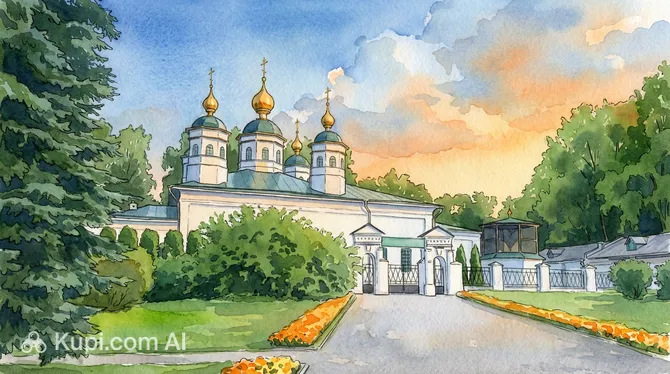
One of the most significant spiritual and architectural landmarks is the Resurrection Cathedral. Situated on Cathedral Hill, this is the oldest stone building in the city and serves as the heart of the local Orthodox community. Founded by the monks Athanasius and Theodosius in the 14th century, the site has a deep history that predates the city itself. Tourists are drawn here not only for religious reasons but to admire the classic architecture and the serene atmosphere that contrasts with the city's industrial rhythm.

Resurrection Cathedral. Source: Kupi.Binoculars

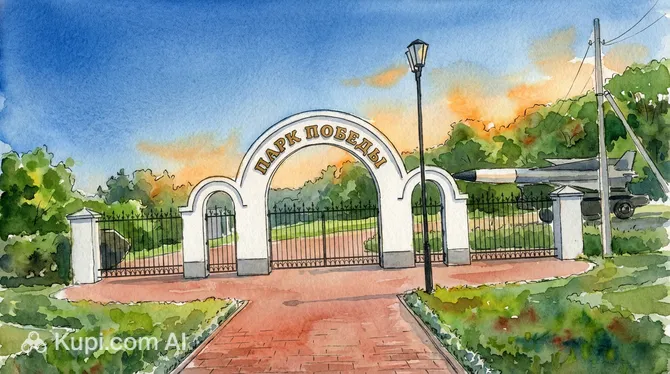
For those interested in military history and open-air exhibits, the Victory Park Museum is a must-visit destination. Located near the banks of the Sheksna River, this park features an impressive collection of military hardware, including tanks, artillery, and armored vehicles from different eras. It is a place of remembrance and education, offering visitors a chance to see historical equipment up close while enjoying a walk in a well-maintained public space.

Victory Park Museum. Source: Kupi.Binoculars

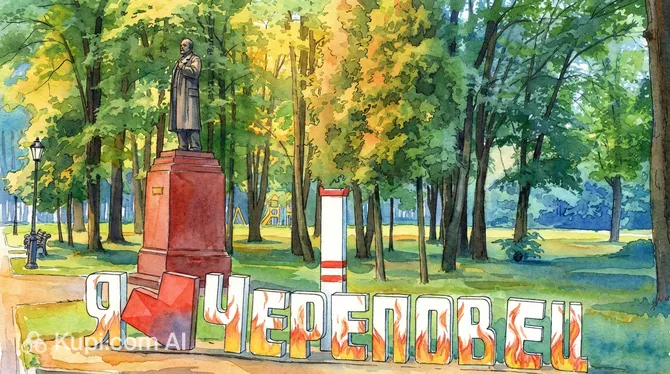
Nature lovers and those seeking a quiet retreat should head to the Park of Culture and Leisure, historically known as the Salt Garden. Established in the 19th century, it is the oldest park in Cherepovets and was originally created as a botanical garden. Today, it remains a favorite spot for locals and tourists alike, offering shaded alleys, rare plant species, and a peaceful environment perfect for leisurely strolls away from the urban bustle.

Park of Culture and Leisure. Source: Kupi.Binoculars

To understand the modern foundation of the city, one cannot overlook the Monument to the 50th Anniversary of Cherepovets Metallurgical Plant. This striking structure symbolizes the immense contribution of the metallurgical industry to the region's development. It stands as a tribute to the "Magnitka of the North" and the workers who built the city's economic prosperity, making it a unique photo opportunity that captures the industrial spirit of Cherepovets.

Local Cuisine

The culinary landscape of Cherepovets is deeply rooted in the traditions of the Russian North, offering hearty and warming dishes that are perfect for the region's cool climate. Situated on the banks of the Sheksna River and the Rybinsk Reservoir, the city is an excellent place to sample fresh river fish. Local menus often feature pike, bream, and zander, prepared in various ways—from rich fish soups (ukha) to pan-fried fillets. Another staple of the region is the famous Vologda butter, known across the country for its distinct nutty flavor, which is often served with pancakes or fresh bread.

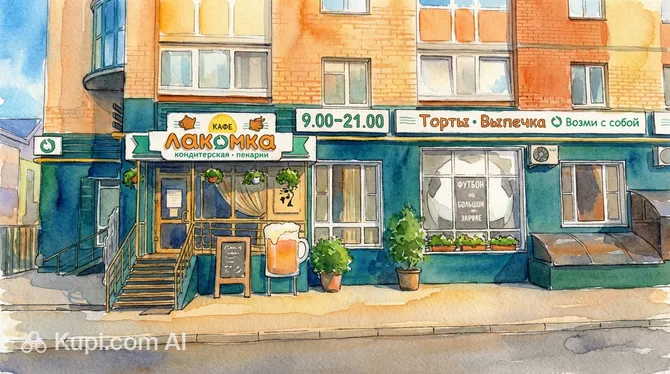
For those with a sweet tooth, the local cuisine makes ample use of northern forest berries. Cloudberries, lingonberries, and cranberries are frequently used in desserts, jams, and pastries. You can experience some of these sweet traditions at the Lakomka Bakery Confectionery, a spot that evokes a sense of nostalgia with its classic pastries and cakes.

Perets. Source: Kupi.Binoculars

When it comes to beverages, traditional non-alcoholic drinks like mors (berry juice) and kvass are widely available and refreshing. The city also has a developing craft beer scene. Visitors looking to relax with a pint can visit the Imperial Brewery Pub or check out Munich Beer, both of which offer a selection of brews in a convivial atmosphere.

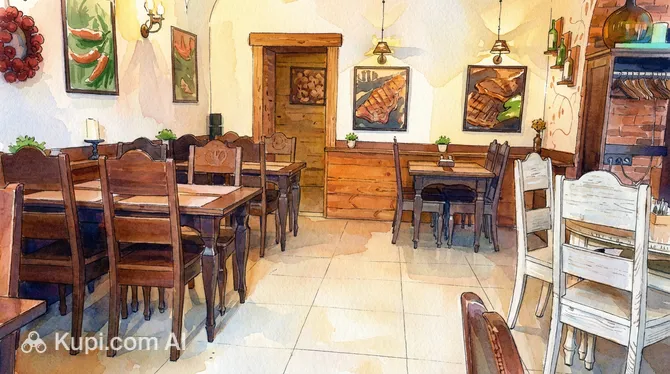
The dining scene in Cherepovets ranges from casual canteens to modern restaurants that blend European and Russian cuisines. For a substantial meal, Perets is a popular choice among locals and tourists alike, offering a diverse menu in a stylish setting. Seafood lovers might prefer Marlin, a restaurant that emphasizes fish dishes, reflecting the city's connection to the waterways.

Travel Tips

To ensure your visit to Cherepovets is as smooth and enjoyable as possible, we have compiled a list of essential travel tips. Whether you are here for business at the metallurgical plants or exploring the northern heritage, these practical insights will help you navigate the city with confidence.

  1. Clothing and Gear: The weather in Cherepovets varies drastically by season. If visiting in winter, thermal underwear, a heavy down jacket, and non-slip boots are essential as temperatures often drop well below freezing. Summers are mild to warm, so light layers are appropriate, but always carry a compact umbrella for sudden showers. Comfortable walking shoes are a must for exploring the parks and riverbanks.
  2. Transportation: The city has a reliable network of trams and buses that cover most residential and industrial districts. For convenience, ride-hailing apps like Yandex Go are widely used and offer an affordable alternative to street taxis. If you plan to visit the surrounding Vologda region, renting a car gives you flexibility, but be prepared for variable road conditions in rural areas.
  3. Finances: The official currency is the Russian Ruble (RUB). Be aware that credit and debit cards issued by banks outside of the Russian Federation generally do not work within the country. It is highly recommended to bring a sufficient amount of cash in major currencies (USD or EUR) to exchange at local banks upon arrival. Tipping is appreciated in restaurants, typically around 10% of the bill.
  4. Health and Safety: Cherepovets is generally safe for tourists, but standard precautions apply. Stick to well-lit areas at night and keep valuables secure. Pharmacies (marked as Apteka) are plentiful, with some operating 24/7. While the city's water treatment is advanced, it is advisable for tourists to drink bottled or filtered water to avoid any stomach upset due to differences in mineral content.
  5. Communication: The primary language is Russian, and English proficiency may be limited outside of major hotels and business centers. It is very useful to download an offline translation app and map before your trip. Buying a local SIM card is straightforward at mobile shops (requires a passport) and ensures you have access to affordable mobile data for navigation.
  6. Local Etiquette: Russians value politeness and genuine interaction. When entering a home, it is customary to remove your shoes. Handshakes are the standard greeting for men, while a nod or verbal greeting is common in mixed company unless you know the person well. In public transport, offering your seat to elderly passengers or those with children is an expected social norm.
  7. What to Avoid: Avoid taking photographs of industrial facilities, fences, or security checkpoints, especially around the major metallurgical plants, as these are often considered strategic sites where photography is strictly prohibited. Also, refrain from drinking alcohol in public places like parks or streets, as this is against the law and can attract police attention.
  8. Souvenir Tip: Do not leave without trying or buying Vologda butter, a famous local product known for its nutty taste. Cherepovets is also a great place to purchase authentic Vologda lace and linen products, which make for beautiful and high-quality gifts.

By keeping these tips in mind, you will be well-prepared to experience the unique industrial charm and cultural depth of Cherepovets. We hope your journey to this "port of five seas" is filled with memorable discoveries and warm northern hospitality!

Entertainment & Nightlife

While Cherepovets is primarily known as an industrial center, its nightlife scene offers a surprising variety of cozy and vibrant spots for relaxation after a long day. The city does not boast the overwhelming 24/7 energy of a metropolis, but it compensates with a welcoming, community-focused atmosphere. The main hub of activity is concentrated in the central Industrialny District, particularly along Sovetskiy Prospekt and Lenin Street, where many of the popular venues are located.

The local culture leans heavily towards high-quality pubs and gastro-bars rather than massive dance clubs. For a lively evening with a wide selection of drinks, the Imperial Brewery Pub is a standout destination. It attracts a diverse crowd, from young professionals to visitors, offering a stylish setting that is perfect for socializing. The atmosphere here is generally casual, and while there is no strict dress code, a smart-casual look is appreciated by the local patrons.

Imperial Brewery Pub. Source: Kupi.Binoculars

Another favorite among locals is Munich Beer, which brings a touch of Bavarian hospitality to the Russian North. It is an excellent place to enjoy a hearty evening meal accompanied by music and conversation. Most nightlife venues in Cherepovets operate until midnight or 2:00 AM on weekends, so it is advisable to start your evening relatively early compared to bigger cities.

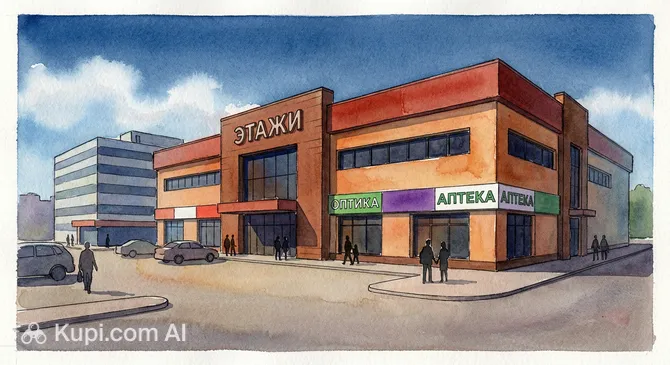
Before the sun sets, the city offers plenty of cultural entertainment to fill your day. Cherepovets is home to several drama theaters and the Philharmonic, which host regular performances ranging from classical concerts to modern plays. For a more relaxed afternoon, you can explore the shopping and leisure centers like Etazhi, which often serve as meeting points for locals before heading out for the night.

When planning a night out, safety and logistics are straightforward. Cherepovets is generally safe for evening walks in the well-lit central avenues, but it is always wise to remain vigilant. For transportation late at night, street taxis are available, but using ride-hailing apps like Yandex Go is the most reliable and transparent way to get around. Prices for food and entertainment are moderate, making a night out here significantly more affordable than in Moscow or St. Petersburg.

Parks & Museums

Despite its reputation as an industrial powerhouse, Cherepovets surprises visitors with its dedication to preserving green spaces and cultural heritage. The city is home to the Cherepovets Museum Association, one of the oldest in the Russian North, which oversees a network of diverse venues ranging from historical estates to art galleries.

For a breath of fresh air, the Park of Culture and Leisure, often referred to by locals as the Salt Garden, remains the city's premier green oasis. Established in the 19th century on the site of former salt warehouses, it has evolved from a botanical garden into a vibrant public space filled with sculptures, fountains, and rare tree species. Another excellent spot for nature lovers is Makarinskaya Grove (Makarinskaya Roshcha). Located near the Sheksna River, this scenic area is perfect for quiet walks among tall pines and offers beautiful views of the water, making it a favorite location for local photographers and families.

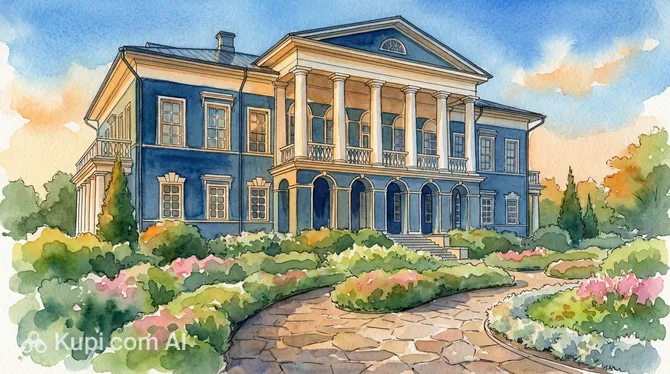
When it comes to museums, the crown jewel is undoubtedly the Galsky Estate Historical and Ethnographic Museum. Unlike many other Russian manors where only the main house survived, this estate has preserved its entire complex of agricultural outbuildings, including barns and stables. Visitors can tour the beautifully restored two-story wooden mansion, where the interiors recreate the authentic atmosphere of a 19th-century noble family's life. The museum not only displays period furniture and household items but also hosts master classes in traditional crafts like clay modeling.

Galsky Estate Historical and Ethnographic Museum. Source: Kupi.Binoculars

Another must-visit cultural site is the Vereshchagin House Memorial Museum. This modest wooden house was the birthplace of Vasily Vereshchagin, one of Russia's most famous war artists, and his brother Nikolai, the inventor of Vologda butter. Stepping inside feels like traveling back to the 1830s, as the rooms have been meticulously maintained to reflect the environment in which these two remarkable figures grew up. The museum displays personal belongings, documents, and reproductions of Vasily's works, offering an intimate look at their formative years.

For art enthusiasts, the Cherepovets Art Museum offers an impressive collection that spans centuries. It is particularly renowned for its exhibition of Northern Russian icons and wooden sculptures, providing deep insight into the spiritual history of the region. The museum also features Russian fine art from the 18th to the 20th centuries, ensuring a comprehensive cultural experience.

Insider Tip: If you enjoy active leisure, seek out the "Health Trail" (Tropa Zdorov'ya) in the Zasheksninsky district. It is a well-maintained forest path popular with runners, cyclists, and skiers in winter, offering a genuine way to experience the local lifestyle away from the city center.

Getting Around

The public transport system in Cherepovets is reliable, efficient, and well-developed, catering primarily to the daily commute of thousands of workers to the industrial zones. The network consists mainly of trams and buses, which cover the entire city, connecting the residential districts with the city center and the major industrial plants. Unlike many other cities of comparable size, Cherepovets does not have trolleybuses or a metro system, but its tram network is often affectionately referred to by locals as an "overground metro" due to its speed and frequency.

The tram system is a point of local pride and a unique feature of the city. It operates on three main routes (No. 2, 4, and 8) that run on dedicated tracks, allowing them to bypass traffic jams and move passengers quickly across the city. The tram fleet is well-maintained, and the service is particularly intensive during peak hours to accommodate shift changes at the metallurgical plant. For a tourist, a ride on the tram is not just a way to get around but also a chance to see the city's industrial scale and urban layout from a different perspective.

Buses complement the tram network and reach areas where the rails do not go, including the Zasheksninsky District across the river. The bus fleet includes both large municipal buses and smaller private minibuses. They run frequently and are the best option for reaching specific attractions or parks located away from the main tram corridors. Stops are clearly marked, and digital displays at major stops often indicate the arrival time of the next vehicle.

The payment system is modern and user-friendly. You can pay for your ride using contactless bank cards, smartphones with NFC capabilities, or cash. In most trams and large buses, a conductor will approach you to collect the fare and issue a paper ticket. If there is no conductor, you typically pay the driver upon entering or exiting. The fare is affordable and is the same for both buses and trams. While specific transport cards exist for residents, tourists will find it most convenient to simply use their standard bank card for pay-as-you-go travel.

For those who prefer a more direct route, taxis are a popular and inexpensive alternative. The most convenient way to book a ride is through mobile apps like Yandex Go or Maxim, which allow you to see the price upfront and pay via the app without needing to speak the local language. During the warmer months, electric scooter rentals (sharing services) have also become a trendy way to navigate the city center and the river embankments, with parking spots available near major landmarks and parks.

Public transport typically operates from early morning, around 5:30 AM, until midnight. However, tourists should be aware of the "rush hour" phenomenon specific to Cherepovets: traffic can be heavy and transport crowded during the shift changes at the main factories (typically early morning and late afternoon). To ensure a comfortable journey, it is advisable to plan your trips outside these peak windows when possible. Tickets purchased on board are valid only for that single ride, so you will need to pay again if you transfer to another vehicle.

Accommodation

Finding accommodation in Cherepovets is generally straightforward, as the city is well-equipped to host business travelers and tourists alike. The range of options typically reflects the city's status as an industrial center rather than a resort destination. Visitors can expect a solid selection of mid-range business hotels, smaller guesthouses, and an increasing number of modern rental apartments. While you may not find ultra-luxury international hotel chains, the local hospitality sector offers clean, comfortable, and well-serviced facilities suitable for short and long stays.

For most tourists, the best area to stay is the Industrialny District (the city center). Staying here places you within walking distance of key attractions such as the Resurrection Cathedral, the main museums, and the river embankment. This area is also the commercial heart of the city, where you will find the Etazhi shopping mall along with a high concentration of restaurants and cafes, making it convenient for dining out after a day of sightseeing. Alternatively, the Zasheksninsky District, located across the Sheksna River, offers a more modern residential vibe with newer infrastructure and spacious avenues, though it requires a commute to reach the historical sites.

Travelers on a budget can find several hostels and economy hotels that offer basic amenities at very affordable rates. For those seeking more comfort, the city's primary hotels often provide standard 3-star and 4-star services, including breakfast buffets and Wi-Fi. Apartment rentals are also a popular choice in Cherepovets, offering a "home away from home" experience with kitchen facilities, which can be ideal for families or those planning a longer visit.

Booking Tips and Prices: The general price range for accommodation in Cherepovets is quite reasonable compared to Moscow or St. Petersburg. A standard room in a decent hotel typically falls into the budget to mid-range category. It is advisable to book your accommodation in advance, especially if your visit coincides with major business conferences or ice hockey matches, which can fill up the city's hotels quickly. Most properties are listed on major Russian online booking platforms, but direct booking via hotel websites or phone is also a reliable method.

Nearby Cities

Nearby Cities:

For those looking to explore the surroundings, Cherepovets serves as an excellent base for day trips to several interesting nearby locations. The region is rich in history and offers a mix of industrial heritage and traditional Russian culture.

One of the most popular destinations is Vologda, the administrative center of the region. Located just over a hundred kilometers away, it is renowned for its exquisite wooden architecture, the historic Kremlin, and its famous lace-making traditions. A visit here offers a deep dive into the cultural heritage and spiritual roots of the Russian North.

Another fascinating option is Rybinsk, situated on the banks of the Volga River. This city is famous for the massive Rybinsk Reservoir and its beautifully restored historic center. The town has gained attention for its unique "living museum" atmosphere, where shop signs in the old town are stylized to look like they did in the pre-revolutionary era, creating a charming and photogenic environment.

For those willing to travel a bit further, Yaroslavl is a jewel of the Golden Ring. As a UNESCO World Heritage site, it boasts an incredible density of 17th-century churches and monasteries. It is a major cultural hub that offers a stark contrast to the industrial nature of Cherepovets, making it a must-visit for history and architecture buffs.

City Population Distance (km)
Yaroslavl608079204
Vologda313012114
Rybinsk190429131
Tutayev40154170
Sokol36924131

These nearby destinations offer a glimpse into the diverse culture and landscapes of the region.

Shopping & Souvenirs

Shopping in Cherepovets offers a practical and pleasant mix of modern retail centers and authentic local specialty stores. While the city is primarily an industrial hub rather than a fashion capital, visitors will find everything they need, from standard international brands to unique regional souvenirs that reflect the culture of the Russian North.

For a comprehensive shopping experience, the city's modern malls are the best destination. Etazhi is one of the most popular shopping centers, centrally located and frequented by locals for both retail therapy and leisure. It houses a variety of clothing stores, electronics shops, and boutiques, making it a convenient one-stop spot for travelers.

Etazhi. Source: Kupi.Binoculars

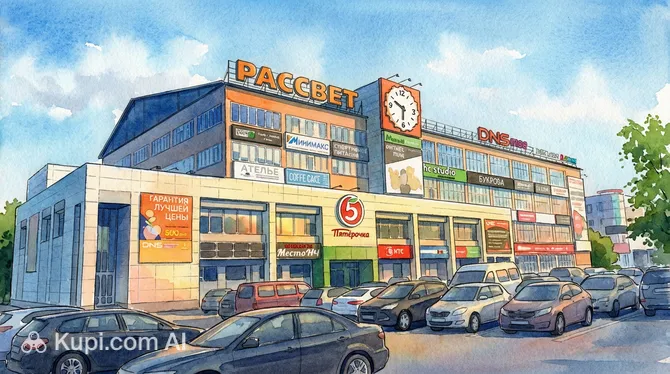
Another prominent location is Rassvet, which provides a wide selection of goods in a comfortable, modern setting. These centers are particularly useful during the colder months, offering a warm environment to browse, dine, and relax.

Rassvet. Source: Kupi.Binoculars

When it comes to souvenirs, Cherepovets has several signature items that are highly recommended. The most famous edible gift is undoubtedly Vologda butter. Renowned across Russia for its distinctive nutty flavor and high quality, it is a must-buy product that can be found in local supermarkets and food shops. Additionally, the region is celebrated for its exquisite Vologda lace and linen products. These intricate, handcrafted textiles make for beautiful and lasting mementos of your trip.

For those with a sweet tooth looking for tasty gifts to take home, Lakomka Bakery Confectionery is a local institution. Here, you can purchase fresh cakes, pastries, and traditional sweets that showcase the region's baking heritage.

Lakomka Bakery Confectionery. Source: Kupi.Binoculars

Reached the end of the page?

That means the route is fully explored