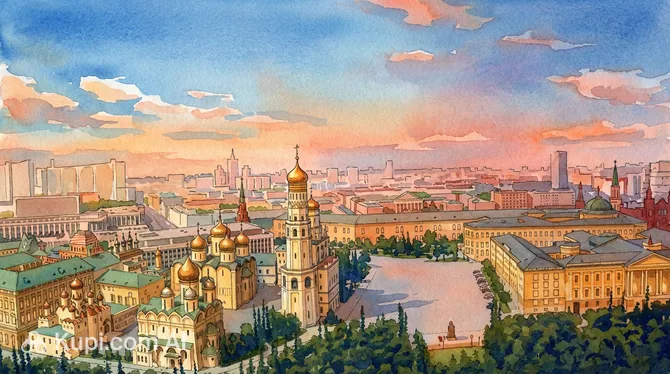
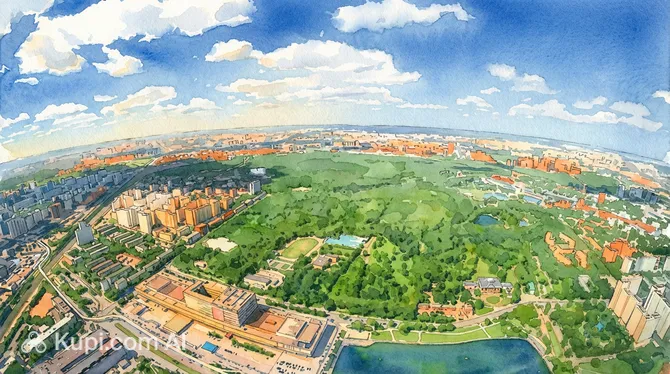
Moscow is a city of immense scale and undeniable energy, serving as the vibrant heart of the Russian Federation. As a sprawling metropolis situated on the banks of the Moskva River, it seamlessly blends centuries-old traditions with the fast-paced rhythm of modern life. With a population of over 17 million people, it is one of the world's largest urban centers, offering a dynamic atmosphere that never fails to leave an impression on travelers.
Moscow. Illustration.
Source: Kupi.com AI
The history of Moscow is woven into every street and square, featuring a fascinating mix of medieval fortresses, imperial architecture, and Soviet-era monuments. Visitors are naturally drawn to the iconic Red Square, which stands at the center of the city, flanked by the colorful domes of St. Basil's Cathedral and the historic walls of the Kremlin. Beyond the famous landmarks, the city is renowned for its underground palaces; the Moscow Metro is celebrated globally for its stunning stations adorned with marble, mosaics, and chandeliers.
Whether you are exploring its world-class art galleries, walking through its expansive parks, or enjoying its diverse culinary scene, the city offers endless opportunities for discovery. Moscow invites you to experience its unique character and uncover the many layers of culture that make it a truly unforgettable destination.
Weather Overview
The city experiences a continental climate with four distinct seasons, offering a different atmosphere depending on when you visit. Winters are typically cold and snowy, with average temperatures in January and February dropping to around -6.6°C and lows reaching -8.8°C. In contrast, summers are pleasantly warm, with July seeing average temperatures of about 18.9°C and highs frequently reaching 23.2°C, perfect for walking tours and park visits.
For those looking to time their trip perfectly, checking the detailed forecast for the weather in Moscow is highly recommended. Transition seasons like spring and autumn bring moderate temperatures; April averages around 6.2°C, while October sees a similar average of 6.6°C before the chill sets in. Precipitation is frequent but often light throughout the year, with 9 to 15 wet days per month, so packing layers and a compact umbrella is always a smart choice.
Average monthly temperature
Average monthly precipitation
Interesting Facts
Beyond the famous onion domes and historic walls, Moscow holds many fascinating secrets and records that surprise even seasoned travelers. From ancient linguistic roots to massive natural reserves within the city limits, the Russian capital is full of unexpected discoveries.
Ostankino Tower. Illustration.
Source: Kupi.com AI
Traveler photos:
Many visitors assume the name of Red Square refers to the red bricks of the surrounding buildings or the city's political history, but this is a common misconception. The Russian word "krasnaya" originally meant "beautiful" in Old Russian, and this name was applied to the square centuries ago, long before the color became associated with any ideology.
Moscow is one of the greenest metropolises in the world, boasting a massive forest territory directly within its boundaries. Elk Island National Park is unique because it is home to wild moose and other wildlife, allowing nature to thrive just a short distance from the urban bustle.
The city reaches dizzying heights with the Ostankino Tower, which stands as the tallest freestanding structure in Europe. Rising 540 meters into the sky, it was an engineering marvel of its time and features a glass-floored observation deck that offers breathtaking panoramic views of the skyline.
The Moscow Kremlin is not merely a government seat; it holds the title of the largest active medieval fortress in Europe. Its imposing red walls enclose a vast complex of cathedrals, palaces, and museums that serves as the historic and spiritual heart of the nation.
Moscow is home to the "Seven Sisters," a group of seven distinctive skyscrapers built in the Stalinist Empire style. These massive buildings, which include hotels, government ministries, and the main building of Moscow State University, were designed to demonstrate the city's grandeur and remain key landmarks on the horizon today.
How to Get There
Reaching the Russian capital is relatively straightforward, as it serves as the primary transportation hub for the entire country. Whether you are arriving from international destinations or domestic locations, you have multiple options. For a complete overview of routes and tips, you can read more about how to get to Moscow.
The city is served by several major international airports. Sheremetyevo International Airport (SVO) is the busiest, handling a significant portion of international flights. It is located approximately 27.2 km from the city center, and a taxi ride typically takes around an hour depending on traffic. Another key entry point is Vnukovo (VKO), situated roughly 28.9 km from the heart of the capital. Travelers also frequently arrive via Domodedovo (DME), which is about 42 km away; reaching the center from here generally takes a bit longer due to the distance. All these airports are large, modern facilities offering various transfer options, including express trains.
For clarity, here is a summary of the main airports serving the region:
Moscow is also the central node of the country's extensive railway network, connecting it to cities across Europe and Asia. Kursky Railway Station is one of the most significant terminals, handling a vast number of passengers annually and located just 2.8 km from the city center. Kazansky Railway Station is another major hub, situated approximately 3.1 km from the downtown area. These stations are well-integrated into the city's public transport system, making it easy to continue your journey upon arrival.
Below is a list of the major railway stations in the city:
Station
Passenger traffic
Distance
Kursky Railway Station
25 mln
3 km
Kazansky Railway Station
22 mln
3 km
Yaroslavsky Railway Station
21 mln
3 km
Leningradsky Station
20 mln
27 km
Kievsky Railway Station
18 mln
3 km
Sheremetyevo North Railway Station (Terminals B, C)
5.5 mln
28 km
Lobnya Station
7.5 mln
30 km
Podolsk Railway Station
20 mln
32 km
Domodedovo Station
7.8 mln
37 km
Kryukovo Station
12 mln
37 km
Main Attractions
Moscow is a city where every corner tells a story, offering a diverse array of sights that range from ancient religious monuments to grand imperial architecture and modern recreational spaces. Visitors can spend days exploring its world-renowned museums, theaters, and parks. Here are some of the most captivating places that define the spirit of the capital.
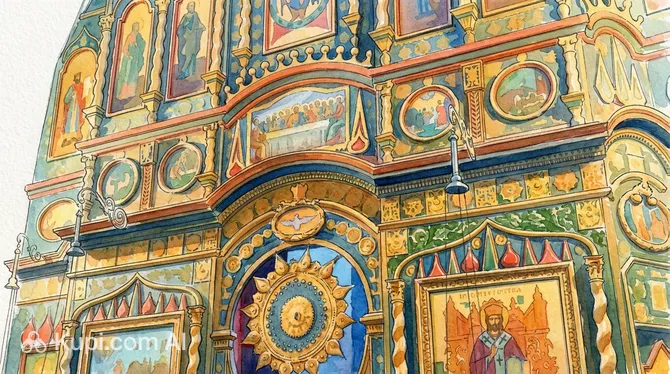
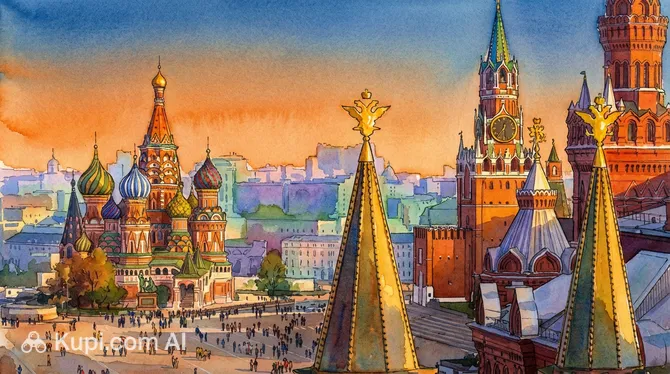
One of the most recognizable symbols of the country is St. Basil's Cathedral. Located at the southern end of Red Square, this architectural marvel is famous for its swirl of colorful onion domes and intricate brickwork. Commissioned by Ivan the Terrible in the 16th century, it is not just a church but a complex of chapels connected by galleries. Tourists are drawn here to admire its fairytale-like exterior and to explore the narrow, history-filled corridors inside, which offer a glimpse into medieval religious art.
St. Basil's Cathedral. Illustration.
Source: Kupi.com AI
Traveler photos:
For lovers of high culture, the Bolshoi Theatre is an essential stop. As one of the world's leading ballet and opera companies, it resides in a magnificent neoclassical building adorned with a bronze quadriga above the portico. A visit here promises an evening of elegance and artistic excellence. Even if you do not attend a performance, the building itself is a masterpiece, and guided tours allow visitors to see the opulent historic stage and the meticulously restored interiors.
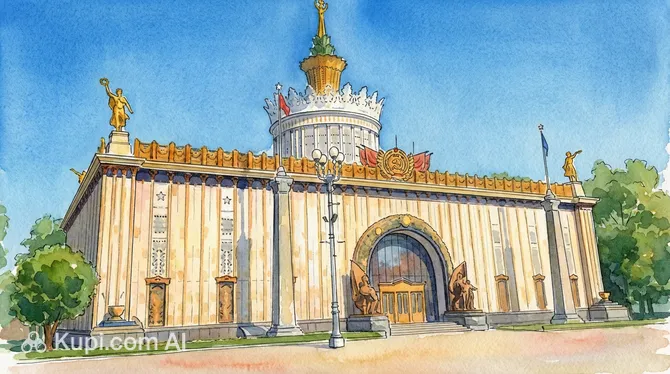
A vast open-air museum of architecture and leisure can be found at VDNKh. This expansive exhibition center is a monument to the Soviet era, featuring grand pavilions representing different regions and industries, monumental fountains, and wide avenues. It is a favorite spot for both locals and tourists because it combines history with modern entertainment; you can visit the detailed pavilions, enjoy the "Friendship of Peoples" fountain, or visit the oceanarium and space museums located on the grounds.
VDNKh. Illustration.
Source: Kupi.com AI
Traveler photos:
Art enthusiasts should not miss the State Tretyakov Gallery. This museum houses the foremost collection of Russian fine art in the world, spanning from the 11th to the early 20th century. Visitors can trace the evolution of the nation's artistic heritage, from ancient religious icons like Rublev's "Trinity" to the stunning realism of the Wanderers and the vibrant works of the early avant-garde. It offers a profound insight into the cultural soul of the country.
Finally, for a breath of fresh air in the city center, Gorky Central Park of Culture and Leisure is the perfect destination. Unlike traditional parks, Gorky Park is a modern urban space filled with contemporary art installations, dance floors, and comfortable lounging areas along the river embankment. It is interesting to tourists for its vibrant atmosphere, offering everything from boat rentals in the summer to a massive skating rink in the winter, making it a lively hub of activity year-round.
Local Cuisine
Moscow's culinary landscape is as vast and diverse as the city itself, offering a fascinating blend of traditional Russian recipes, Soviet-era nostalgia, and cutting-edge gastronomic trends. Travelers can expect hearty, warming meals that are perfect for the local climate, alongside sophisticated international fusion cuisine that rivals any European capital. The city invites you to explore its flavors, ranging from simple street snacks to exquisite imperial-style feasts.
When it comes to must-try dishes, Borsch is undoubtedly the king of the table. This vibrant beet soup, often served with a generous dollop of sour cream and fresh dill, balances sweet and savory flavors perfectly. Another staple is Pelmeni, delicious meat-filled dumplings that are typically boiled and served with butter, vinegar, or broth. For a taste of history, try Beef Stroganoff, a creamy dish of sautéed beef and mushrooms that is said to have originated in the country's aristocratic kitchens. Don't forget Blini, thin golden pancakes that can be enjoyed sweet with honey or savory with red caviar.
Beverages are an integral part of the local food culture. Tea is consumed at all hours, often accompanied by sweets, jam, or pastries. For something uniquely local and refreshing, try Mors, a non-alcoholic fruit drink made from lingonberries or cranberries, or Kvass, a fermented beverage made from rye bread with a distinct, tangy flavor. While vodka is the most famous alcoholic export, the city also boasts a growing craft beer scene and excellent cocktail bars.
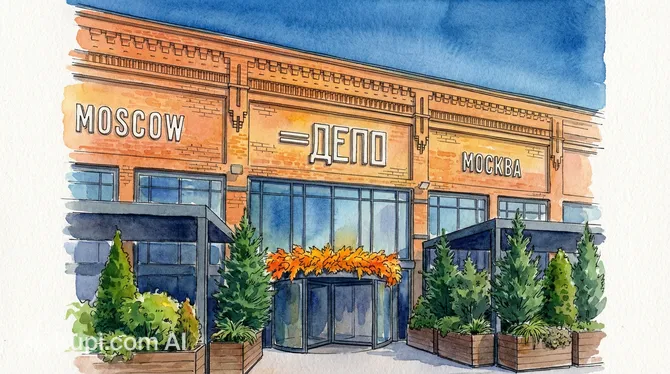
The dining scene in Moscow has evolved significantly in recent years, moving towards vibrant food halls and gastronomic clusters where you can sample a variety of dishes in one place. A prime example of this modern trend is the Depo Moscow Food Mall. Housed in a restored historical tram depot, this massive lifestyle space features dozens of food stalls offering cuisines from around the world, fresh produce markets, and a lively atmosphere that attracts locals and tourists alike.
Depo Moscow Food Mall. Illustration.
Source: Kupi.com AI
Traveler photos:
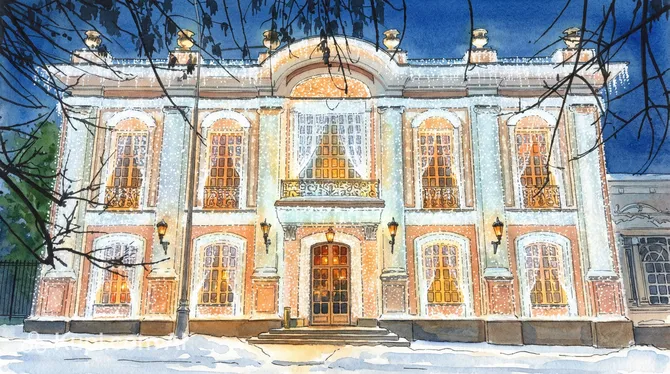
For those seeking a more refined and historical experience, the city offers legendary establishments that transport you back to the 19th century. Cafe Pushkin is perhaps the most iconic of these. Designed to look like a nobleman's house complete with a library and antique decor, it serves exquisite aristocratic Russian cuisine. It is the perfect place to enjoy a luxurious dinner or a late-night dessert in an ambiance of old-world charm.
Cafe Pushkin. Illustration.
Source: Kupi.com AI
Traveler photos:
Beyond specific restaurants, the city is dotted with "stolovaya" style canteens that offer affordable, home-style cooking, and trendy gastro-markets like Vokrug Sveta. Whether you are grabbing a quick pastry near a metro station or sitting down for a multi-course meal, Moscow's food scene promises a memorable journey for your taste buds.
Travel Tips
Navigating the vast avenues and bustling underground of the Russian capital can be an exhilarating experience, provided you have a few logistical insights up your sleeve. These practical recommendations are designed to help you blend in with the locals and make your stay in this dynamic metropolis as smooth as possible.
Clothing and Essentials: The weather in Moscow varies drastically by season, so checking the forecast is mandatory. In winter, thermal underwear, a heavy down coat, and non-slip boots are essential survival gear, while summers can be surprisingly hot and humid, requiring light, breathable fabrics. If you plan to visit Orthodox churches, modest dress is required: women should cover their heads with a scarf and wear skirts below the knee, while men must remove their hats. Don't forget a standard European power adapter (Type C or F) for your electronics.
Getting Around: The Moscow Metro is not only a tourist attraction but the most efficient way to travel; avoid rush hours (8-10 AM and 6-8 PM) if possible. Purchase a Troika card, a rechargeable travel pass valid for the metro, buses, and trams, to save time and money. For taxis, it is safer and more convenient to use ride-hailing apps like Yandex Go rather than hailing a car on the street. Renting a car is generally discouraged for tourists due to heavy traffic and complex parking rules.
Financial Preparedness: The local currency is the Russian Ruble (RUB). While card payments are widespread locally, international bank cards may face acceptance issues due to varying banking regulations. It is highly practical to bring sufficient cash in major currencies (USD or EUR) to exchange at official bank branches or exchange points upon arrival. Tipping is customary in restaurants; leaving about 10% of the bill is standard practice.
Health and Safety: Pharmacies, recognized by a green cross and the word Apteka, are abundant, and many operate 24/7. The city center is generally very safe for walking even late at night, thanks to excellent lighting and surveillance, but standard vigilance against pickpockets is advised in crowded tourist spots. It is recommended to drink bottled or filtered water rather than tap water.
Communication: While English is commonly spoken by younger people and staff in the hospitality sector, it is not universally understood. Learning the Cyrillic alphabet is a game-changer for deciphering street signs and metro maps. Download offline maps and a translation app like Yandex Translate or Google Translate before you arrive to help bridge any language gaps.
Local Etiquette: When visiting a Russian home, it is mandatory to remove your shoes at the door; hosts will often provide slippers (tapochki) for guests. It is also polite to bring a small gift for the host, such as a cake, chocolates, or flowers. If you bring flowers, ensure you buy an odd number of stems, as even numbers are strictly reserved for funerals.
What to Avoid: Be mindful of local superstitions that are taken seriously. Never shake hands or pass objects across a threshold (doorway), as this is considered bad luck; always step inside the room or wait for the other person to step out first. Additionally, avoid whistling indoors, as the local saying goes that it leads to financial loss.
City That Never Sleeps: Take advantage of the city's 24-hour culture. Unlike many European capitals, Moscow offers a vast array of services around the clock. You can find flower shops, beauty salons, supermarkets, and restaurants open at 3 AM, allowing for flexible scheduling of your days and nights.
Armed with these tips, you are ready to explore the city with confidence and ease. Embracing these local customs and practicalities will not only save you time but also deepen your appreciation for the unique rhythm of life in Moscow.
Entertainment & Nightlife
Moscow is a city that truly never sleeps, offering a nightlife scene that rivals the biggest capitals in the world. As the sun sets, the metropolis lights up with neon signs and architectural illumination, inviting locals and tourists to explore its endless array of entertainment options. The city’s energy shifts from the business-like rush of the day to a relaxed yet vibrant party atmosphere that lasts well into the morning, with many venues operating 24 hours a day.
One of the most famous clusters for nightlife is the Red October district. Located on an island in the Moskva River, this former chocolate factory has been transformed into a hip creative hub filled with rooftop bars, art galleries, and thumping nightclubs. It is the place to be for panoramic views and trendy crowds. For a more sophisticated evening, head to Patriarch's Ponds. This affluent neighborhood is dotted with upscale cocktail bars and bistros where the city's elite gather to socialize. Alternatively, the streets of Pokrovka and Maroseyka offer a more democratic vibe, perfect for bar-hopping among dozens of unique pubs and craft beer spots.
The variety of venues is staggering, catering to every musical taste and budget. If you are looking for a place with character and history, The Black Swan Pub is a must-visit. It is not just a bar but a labyrinth of rooms filled with antiques, books, and vintage decor, creating a mysterious and cozy atmosphere perfect for conversation over a pint.
The Black Swan Pub. Illustration.
Source: Kupi.com AI
Traveler photos:
For music lovers, particularly those who appreciate live performances, the Alexey Kozlov Club stands out as a premier destination. Renowned for its world-class jazz, funk, and fusion concerts, it attracts serious audiophiles and casual listeners alike. If your goal is to dance the night away, Molodyozh offers a lively clubbing experience with a vibrant crowd and energetic DJ sets, making it a popular spot for the younger generation.
Alexey Kozlov Club. Illustration.
Source: Kupi.com AI
Traveler photos:
When planning a night out, keep in mind that "Face Control" is a common practice in many Moscow clubs. This means doormen have the final say on who enters, often basing their decision on appearance and attitude. It is advisable to dress stylishly—smart casual is usually the minimum requirement, but many venues appreciate a more polished look. Fridays and Saturdays are naturally the busiest nights, with parties starting late, often around 11 PM or midnight. Prices vary significantly; while a beer in a pub might cost around 400-600 RUB, cocktails in high-end bars can easily exceed 1000 RUB.
Getting around at night is safe and convenient. The city center is well-lit and patrolled, making night walks pleasant. However, standard precautions should apply; avoid unlit alleys and keep an eye on your belongings. Public transport operates late, with the metro running until 1 AM, and night bus routes available on major avenues. The most comfortable way to return to your hotel is via taxi apps like Yandex Go, which are reliable and prevent language barrier issues with drivers.
Before the night begins, the city offers plenty of daytime entertainment to keep you occupied. Families and thrill-seekers can visit the Moscow Sun Ferris Wheel, the largest of its kind in Europe, offering spectacular views of the skyline. For a more immersive experience with nature, the Moskvarium at VDNKh provides a fascinating look at marine life, while parks like Izmailovsky Park offer amusement rides and leisurely strolls in the fresh air.
Moscow Sun Ferris Wheel. Illustration.
Source: Kupi.com AI
Traveler photos:
Parks & Museums
Parks & Museums:
Beyond its bustling avenues and monumental squares, the city is a treasure trove of green sanctuaries and world-class cultural institutions. Moscow boasts an impressive array of parks that range from wild natural reserves to manicured imperial estates, alongside museums that house some of the most significant art and historical collections on the planet.
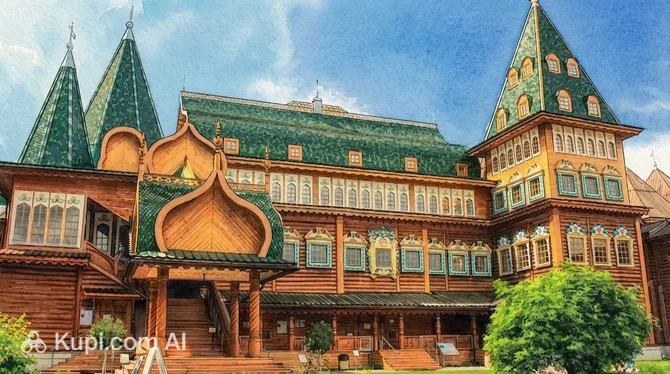
For a journey into the past surrounded by nature, Kolomenskoye is an exceptional destination. This former royal estate, situated on the steep banks of the river, offers a unique blend of Russian history and scenic beauty. Visitors can explore the UNESCO-listed Church of the Ascension, ancient oak groves, and the reconstructed wooden palace of Tsar Alexey Mikhailovich, often referred to as the "Eighth Wonder of the World" for its intricate timber architecture.
Kolomenskoye. Illustration.
Source: Kupi.com AI
Traveler photos:
Another magnificent green space is the Tsaritsyno Museum-Reserve. Commissioned by Catherine the Great, this sprawling park features a stunning pseudo-Gothic palace complex that was left unfinished for centuries before its modern restoration. The grounds are perfect for leisurely walks, featuring romantic bridges, expansive ponds, and musical fountains that light up in the evenings, making it a favorite spot for both locals and tourists seeking tranquility.
In terms of cultural heritage, the Pushkin State Museum of Fine Arts stands as a pillar of the city's art scene. Located near the Kremlin, it holds one of Russia's largest collections of foreign art, spanning from ancient Egyptian artifacts to masterpieces by European painters like Rembrandt, Botticelli, and the French Impressionists. The building itself, designed to resemble a classical temple, is an architectural landmark.
For those fascinated by science and exploration, the Museum of Cosmonautics offers a thrilling look at humanity's journey into space. Located in the base of the soaring Conquerors of Space monument, the museum showcases original spacecraft, space suits, and personal belongings of cosmonauts like Yuri Gagarin. It provides an immersive experience that highlights the country's pivotal role in space history.
Museum of Cosmonautics. Illustration.
Source: Kupi.com AI
Traveler photos:
Modern Moscow is best represented by Zaryadye Park, a futuristic landscape located just steps from Red Square. Here, you will find the Floating Bridge, a V-shaped cantilevered structure that hovers over the river without support from the other side. It offers one of the most photogenic panoramic views of the Kremlin walls and the cityscape, blending contemporary design with historic surroundings.
For a quieter, more authentic experience, consider visiting the Kuskovo Estate Museum. Often called the "Moscow Versailles," this 18th-century summer residence of the Sheremetev family is less crowded than major sites but equally stunning with its French formal gardens and well-preserved palace. It provides a charming glimpse into the lavish lifestyle of the Russian nobility.
Getting Around
Moscow boasts one of the most efficient and extensive public transport networks in the world, serving as the lifeline of the city for millions of daily commuters. The backbone of this system is the Moscow Metro, famous not only for its architectural beauty but for its reliability and speed. Trains during rush hour arrive as frequently as every 90 seconds. In recent years, the network has expanded significantly to include the Moscow Central Circle (MCC) and the Moscow Central Diameters (MCD), which function as surface metro lines connecting the city center with the suburbs, seamlessly integrated into the standard fare system.
Complementing the metro is a vast network of surface transport, including trams, buses, and a rapidly growing fleet of electric buses. The city has optimized its routes with dedicated lanes, ensuring that buses often move faster than private cars during peak traffic. The "Magistral" route network connects the city center with outlying districts, making it easy to navigate above ground while enjoying views of the streets. All stops are announced in English, and digital displays at stops provide real-time arrival estimates.
The most convenient way to pay for travel is the Troika card, a rechargeable smart card that works across all modes of public transport, including the metro, buses, trams, and even the MCD trains. Using a Troika card is significantly cheaper than buying single-trip paper tickets. You can purchase and top up this card at ticket offices, automated vending machines in metro stations, and through mobile apps. There are also "Edinaya" (Unified) tickets available for 1, 3, or 60 trips, as well as unlimited passes for 1 or 3 days, which are excellent value for tourists planning heavy travel.
For visitors, navigating the system is straightforward. The metro operates from approximately 5:30 AM until 1:00 AM. To enter, simply tap your card or ticket on the yellow reader at the turnstile. On buses and trams, you must validate your ticket immediately upon boarding by tapping it on the readers located on handrails; there are no conductors, but ticket inspectors patrol frequently. While contactless payment with bank cards is technically supported at turnstiles, it is highly advisable for international travelers to rely on the Troika card or cash to avoid any payment processing issues.
Beyond traditional public transport, the city offers excellent alternatives. Taxis are affordable and readily available, but it is best to use mobile apps like Yandex Go rather than hailing a car on the street, as this ensures a fixed price and safety. Car-sharing is immensely popular among locals, though registration often requires a local driving license. In the warmer months, the city is filled with rental bikes and electric scooters, which can be rented via apps and dropped off at designated parking spots throughout the metropolis.
Moscow also features some unique transport experiences that double as attractions. The Moscow Cable Car connects the Luzhniki Stadium area with the Vorobyovy Gory viewpoint, offering a scenic flight over the river. Additionally, the city has recently launched regular electric river vessels that operate year-round, allowing you to commute along the river while enjoying panoramic views of the skyline without traffic jams.
Accommodation
Finding the perfect place to stay in the Russian capital is part of the adventure, as the city offers a staggering variety of accommodation options to suit every preference and budget. From opulent 5-star establishments housed in historic buildings to modern boutique hotels, comfortable apartments, and budget-friendly hostels, travelers will find no shortage of choices. whether you are looking for imperial luxury or a practical base for exploration, the city's hospitality sector is well-equipped to welcome you.
For most tourists, the most convenient area to stay is within the Garden Ring (Sadovoe Koltso). This central zone encompasses the main historical districts, including Tverskoy, Arbat, and Presnensky. Staying here puts you within walking distance of the Kremlin, Red Square, and major theaters. The Arbat district is particularly popular for its pedestrian-friendly atmosphere, souvenir shops, and old-world charm, while the area around Tverskaya Street offers a bustling vibe with easy access to high-end shopping and nightlife.
If you are seeking a stay that combines luxury with history, there are several iconic properties that are landmarks in their own right. A prime example is the legendary Hotel Moskva. Located in the immediate vicinity of the Red Square, this hotel is famous for its distinctive asymmetrical facade and its appearance on the label of a famous Russian vodka. It offers world-class service and some of the best views in the city, making it a top choice for those willing to splurge on an unforgettable experience.
Hotel Moskva. Illustration.
Source: Kupi.com AI
Traveler photos:
When planning your trip, it is highly advisable to book your accommodation well in advance, especially if you plan to visit during peak seasons like the New Year holidays or the "White Nights" of early summer. Additionally, for international travelers, it is important to choose a hotel that provides visa support and handles the mandatory migration registration upon arrival, which saves you significant administrative hassle.
The price range for accommodation varies drastically. You can find a bed in a decent hostel for a very modest sum, while top-tier luxury suites can command international premium rates. Mid-range hotels offer a good balance of comfort and value, often featuring breakfast and English-speaking staff. Booking is typically done through major online aggregators or directly via hotel websites, which often offer special deals for direct reservations.
Nearby Cities
For those looking to explore the surroundings, Moscow serves as an excellent base for day trips to several interesting nearby locations:
One of the most famous destinations is Sergiev Posad, located about 70 kilometers from the capital. It is home to the Trinity Lavra of St. Sergius, a UNESCO World Heritage site and the most important Russian monastery, renowned for its golden domes and deep spiritual significance.
For science and history enthusiasts, Korolev is a fascinating stop. Known as the cradle of Soviet space exploration, this city hosts the Mission Control Center and museums dedicated to the achievements of the space age, offering a unique glimpse into the cosmos just a short drive from the metropolis.
Another pearl of the region is Zvenigorod, often called the "Russian Switzerland" due to its hilly landscape and scenic views along the Moskva River. It features the ancient Savvino-Storozhevsky Monastery, which preserves the architecture and atmosphere of the 15th and 17th centuries.
These nearby destinations offer a glimpse into the diverse culture and landscapes of the region.
Shopping & Souvenirs
Shopping in Moscow is an adventure in itself, ranging from glittering luxury boutiques and historic department stores to bustling local markets filled with unique handicrafts. The city offers a diverse retail landscape where modern trends meet traditional Russian culture, making it easy to find everything from high-end fashion to authentic souvenirs. Whether you are looking for international brands or locally made goods, the capital provides endless opportunities to indulge in some retail therapy.
For those who enjoy walking and window shopping, the city center boasts several key districts. Tverskaya Street is the main artery of the capital, lined with flagship stores, historic grocery halls, and fashion boutiques. It is perfect for a stroll that combines sightseeing with shopping. Another essential destination is the pedestrianized Arbat Street. This famous promenade is the go-to spot for tourists seeking traditional Russian items, art, and memorabilia, all while enjoying the performances of street musicians and artists.
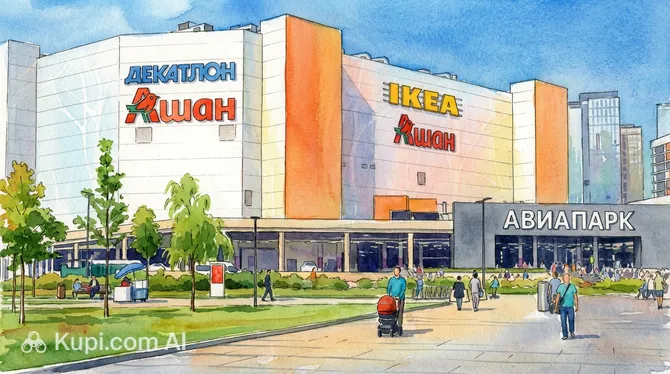
The city is also home to some of the most impressive shopping centers in Europe. While the historic GUM on Red Square is a must-visit for its stunning architecture, modern mega-malls offer a comprehensive entertainment experience. Aviapark is one of the largest shopping malls in Europe, housing hundreds of stores, a cinema, and even a massive cylindrical aquarium that spans several floors. It is a perfect destination for families, offering a mix of retail, dining, and leisure activities under one roof.
Aviapark. Illustration.
Source: Kupi.com AI
Traveler photos:
Another popular modern venue is the Columbus Shopping Mall, located slightly further from the center but offering a vast selection of brands and entertainment options. These malls are typically spacious, modern, and equipped with food courts that serve a wide variety of cuisines, making them convenient stops for a full day of shopping.
For a more authentic and atmospheric experience, a visit to a local market is highly recommended. The Izmailovsky Market (often referred to as the Vernissage) is the undisputed king of souvenir hunting. Located near Izmailovsky Park, this sprawling open-air bazaar is built in a pseudo-Russian fairytale style. Here, you can bargain with local artisans for everything from fur hats and amber jewelry to Soviet-era antiques and hand-painted crafts.
When it comes to souvenirs, there are several iconic items worth bringing back. The Matryoshka (nesting doll) is the classic choice, but look for hand-painted ones signed by the artist for better quality. Pavlovo Posad shawls, with their vibrant floral patterns, make for beautiful and practical gifts. Foodies should look for Russian chocolate (brands like Alyonka or Babaevsky are local favorites), pine cone jam, or premium vodka. Imperial Porcelain from St. Petersburg is also widely available in specialized stores across the capital.
Most shops in Moscow operate daily, typically from 10:00 AM to 10:00 PM, with many large supermarkets and some pharmacies open 24 hours. Shopping malls often stay open late, especially on weekends. While credit cards are widely used, it is important to carry cash (rubles), particularly when visiting markets like Izmailovsky or purchasing small items from street vendors, as electronic payment terminals may not always be available.
Tourists may also be eligible for Tax-Free shopping (VAT refund) at participating retailers. Look for the "Tax Free" signage in store windows. To claim the refund, you generally need to spend a minimum amount in a single day at one store, fill out a special form, and present your goods and documents at customs upon departure from the country.