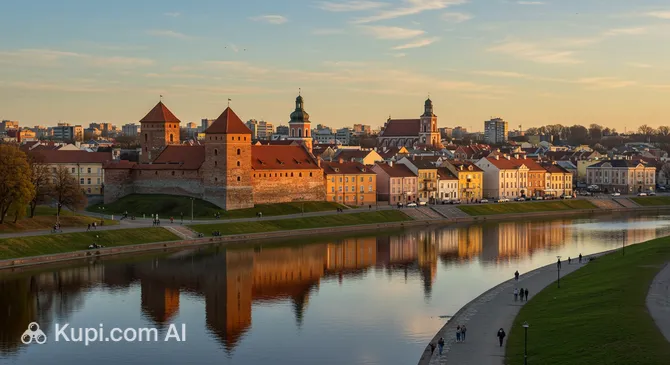
Kaunas is a vibrant and culturally rich destination that serves as the second-largest city in Lithuania. Often referred to as the "heart of Lithuania," it is strategically located at the confluence of the country's two largest rivers, the Nemunas and the Neris. This unique geographical position has not only shaped its landscape but also its development as a significant center of trade, industry, and culture within the region.
With a population of approximately 381,000 people, Kaunas offers the bustling energy of a metropolis combined with the cozy atmosphere of a green, riverside town. The city is renowned for its exceptional modernist architecture from the interwar period, which has earned it recognition as a European Capital of Culture. The history of Kaunas is particularly fascinating, especially its era as the temporary capital, which left a lasting legacy on its urban design and spirit.
Kaunas. Illustration.
Source: Kupi.com AI
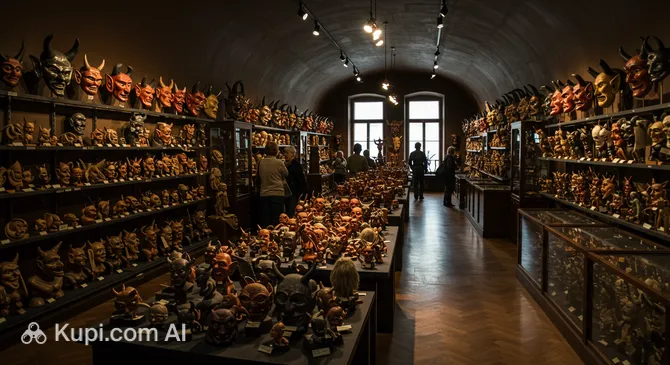
Travelers are often captivated by the charming Old Town, which features a mix of Gothic, Renaissance, and Baroque buildings. Key attractions include the medieval Kaunas Castle, standing guard near the river confluence, and the impressive Town Hall, often called the "White Swan." For those seeking something unique, the city is home to the peculiar Devils' Museum, which houses a vast collection of devil-themed art and folklore.
Whether you are strolling down the pedestrian-friendly Laisvės Alėja (Liberty Avenue), riding one of the historic funiculars, or exploring the serene Pažaislis Monastery, Kaunas promises a memorable experience. It is a city that perfectly blends historical heritage with youthful energy, making it a must-visit stop on any Baltic itinerary.
Weather Overview
Travelers planning a trip should be prepared for a climate that shifts significantly with the seasons, offering distinct atmospheres throughout the year. The typical weather in Kaunas features warm, pleasant summers and cold, damp winters, making layers a practical choice regardless of when you visit.
Summer is often considered the most comfortable time to explore the city, particularly in July and August when average temperatures hover around 18.8°C and daily highs can reach 23.3°C. Despite the warmth, it is wise to keep an umbrella handy, as precipitation is fairly consistent with approximately 12 to 14 wet days per month during this period.
In contrast, the winter months bring freezing conditions, with January seeing average temperatures drop to -1.6°C and minimums dipping to -3.6°C. This season is characterized by frequent precipitation, often in the form of snow or sleet, with up to 17 wet days in January. The transitional seasons of spring and autumn see temperatures gradually rising from around 2.3°C in March to a mild 14.4°C in September.
Average monthly temperature
Average monthly precipitation
Interesting Facts
Beyond the main attractions, Kaunas holds many fascinating secrets that reveal its unique character. From quirky museums to architectural marvels, the city is full of surprising details that often escape the casual observer.
Devils' Museum. Illustration.
Source: Kupi.com AI
Traveler photos:
Kaunas is home to the only Devils' Museum in the world. This unusual collection features over 3,000 depictions of devils from various cultures, ranging from humorous folklore figures to political satires, making it a truly one-of-a-kind experience.
The city's main pedestrian artery, Laisvės Avenue, is one of the longest of its kind in Eastern Europe, stretching for 1.6 kilometers. It is also a designated smoke-free zone, allowing visitors to enjoy the fresh air under the avenue's famous linden trees.
Kaunas is one of the few cities to operate two historic funiculars that are still in use today. The Aleksotas Funicular, built in 1935, not only serves as a practical transport method but also offers stunning panoramic views of the city center from the top of the hill.
The city is a treasure trove of modernist architecture, exemplified by the monumental Church of the Resurrection of Christ. This distinct style flourished when Kaunas served as the temporary capital of Lithuania, leaving a legacy that has earned UNESCO recognition.
How to Get There
Reaching this vibrant Lithuanian city is quite convenient thanks to its strategic location and good connectivity. Whether you are planning to arrive by air or land, there are several options to suit your itinerary. For a complete guide on all available routes and transport methods, you can read more about how to get to Kaunas on our detailed page.
For most travelers, the most direct entry point is the local Kaunas Airport (IATA: KUN), which is situated just 13.7 km from the city center. It is a convenient regional hub serving various European destinations. A trip from the terminal to the downtown area is quick and easy via taxi or shuttle bus. Alternatively, many visitors choose to fly into Vilnius International Airport (IATA: VNO), located in the capital city, approximately 93.7 km away. While it requires a longer transfer—taking about an hour and a half by road or train—it offers a wider range of flight connections. Another major option in the region is Riga International Airport (IATA: RIX) in Latvia, which is about 225.5 km away but serves as a significant gateway for the Baltics.
For clarity, here is a summary of the main airports nearby:
Regarding rail travel, Kaunas is an integral part of the Lithuanian railway network, making it easily accessible by train from major cities within the country. The most popular rail route is the connection from Vilnius, with modern trains running frequently between the capital and Kaunas Railway Station. The journey is comfortable and offers a scenic view of the Lithuanian countryside. While the list below includes other stations in the broader geographical region, international travelers primarily use the domestic lines connecting from Vilnius or other Lithuanian towns.
Below is a list of the closest railway stations found in the regional dataset:
Station
Passenger traffic
Distance
Chernyshevskoye Railway Station
150 000
81 km
Nesterov Railway Station
—
90 km
Gusev Railway Station
—
115 km
Grodno Railway Station
3.6 mln
135 km
Chernyakhovsk Station
1 mln
138 km
Main Attractions
Kaunas is a city where history and culture converge, offering visitors a diverse array of sights ranging from medieval fortifications to modernist masterpieces. The city's compact nature allows travelers to easily explore many of its most significant landmarks on foot, particularly those located around the scenic Old Town and the bustling New Town.
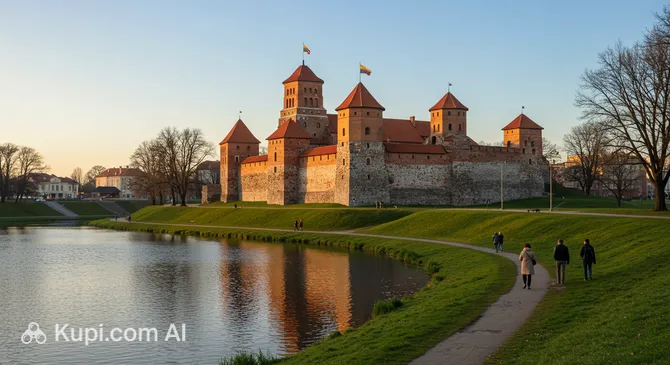
One of the most significant historical sites is Kaunas Castle, a gothic fortress situated at the confluence of the Nemunas and Neris rivers. Dating back to the 14th century, it is the oldest stone castle in Lithuania and was originally built to defend against Crusader attacks. Today, the preserved tower and walls house a branch of the city museum, where visitors can learn about the castle's turbulent history, explore the dungeons, and enjoy panoramic views of the surrounding parklands.
Kaunas Castle. Illustration.
Source: Kupi.com AI
Traveler photos:
For art enthusiasts, the M. K. Čiurlionis National Museum of Art is an essential stop. This cultural institution is primarily dedicated to Mikalojus Konstantinas Čiurlionis, Lithuania's most famous painter and composer. The museum showcases a vast collection of his unique works, which are known for blending symbolism with musical concepts. In addition to Čiurlionis's masterpieces, the museum displays a wide range of Lithuanian folk art and fine art from the 16th to the 20th centuries.
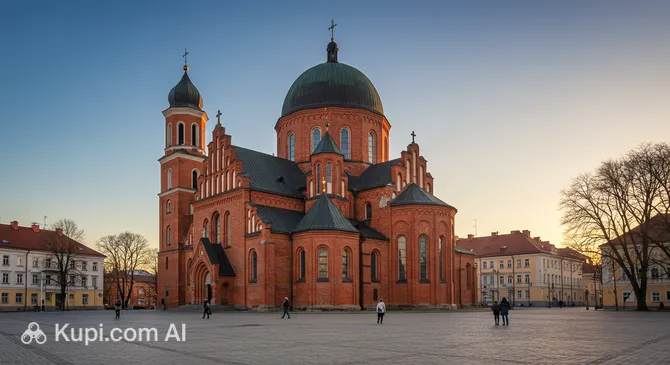
Dominating the eastern end of the city's main pedestrian avenue is the impressive Church of St. Michael the Archangel, locally known as the Soboras. Built in the late 19th century in a Neo-Byzantine style, this massive structure was originally designed as a military cathedral. Its striking white facade and large central dome make it one of the most recognizable landmarks in the city. The church stands as a monumental bookend to the famous Laisvės Alėja and is a testament to the city's architectural diversity.
Church of St. Michael the Archangel. Illustration.
Source: Kupi.com AI
Traveler photos:
Another highlight is the Vytautas the Great War Museum, which offers a comprehensive look into Lithuania's military history and its struggle for independence. Established in 1921, the museum is housed in a notable modernist building that is an attraction in itself. Inside, visitors can explore exhibits ranging from prehistoric weaponry to artifacts from the 20th-century freedom fights. The adjacent Unity Square, featuring the eternal flame and the Tomb of the Unknown Soldier, serves as a solemn and significant gathering place for the nation.
Finally, nature lovers should take a stroll to the Confluence of the Neman and Neris Rivers. Located at the tip of the Old Town in Santakos Park, this scenic spot marks the meeting point of Lithuania's two largest rivers. It is a peaceful area perfect for walking, watching the sunset, and admiring the blend of natural beauty and historical monuments, including a pagan altar and a statue of Pope John Paul II.
Local Cuisine
The culinary scene in Kaunas offers a delicious journey into the heart of Lithuanian traditions, characterized by hearty, comforting meals that change with the seasons. The local gastronomy is heavily centered around root vegetables, dairy products, and meat, making it perfect for those who enjoy robust and filling flavors. While the city respects its heritage, it also embraces modern culinary trends, offering a mix of historic taverns and contemporary eateries.
No visit to Kaunas would be complete without trying Cepelinai (Zeppelins), the national dish of Lithuania. These massive potato dumplings are typically stuffed with minced meat, curd, or mushrooms and drenched in a rich sour cream and bacon bits sauce. Another iconic dish, especially during the warmer months, is Šaltibarščiai. This cold, vivid pink beet soup is served with a side of hot potatoes and is as refreshing as it is colorful. For a savory snack to share, look for Kepta duona, strips of fried bread rubbed with garlic and often smothered in melted cheese.
When it comes to beverages, Lithuania has a deep-rooted brewing culture. Local beer (alus) is widely available and comes in many varieties, from light lagers to dark, malty ales. For a taste of history, try Midus, an ancient type of Lithuanian mead made from honey. If you prefer non-alcoholic options, Gira (kvass) is a traditional fermented drink made from black bread that is sweet, tangy, and very popular among locals.
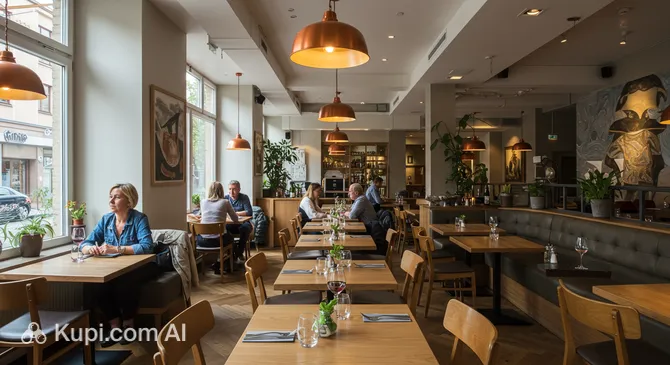
The city's dining landscape is diverse, with many restaurants concentrated along the pedestrian-friendly Laisvės Avenue and in the Old Town. For those seeking a refined dining experience that blends modern techniques with quality ingredients, DIA is a notable restaurant worth visiting. The atmosphere in Kaunas is generally laid-back, allowing you to take your time and savor the local hospitality.
DIA. Illustration.
Source: Kupi.com AI
Traveler photos:
For a more casual vibe, the city offers plenty of cafes and bars where the younger crowd gathers. Kultura is a well-known bar that serves as a social hub for locals, offering a great setting to enjoy a drink and soak in the city's creative spirit. Meanwhile, those with a sweet tooth should explore the local bakeries or stop by Bakes'n'Shakes City for delicious desserts and shakes. Additionally, Kaunas is famous for its fresh, hot donuts (spurgos), which are a must-try street food treat while exploring the center.
Travel Tips
To help you make the most of your visit to Kaunas, we have compiled a set of practical recommendations that will ensure your trip is as smooth and enjoyable as possible. A little preparation goes a long way in this welcoming city, allowing you to focus on the architecture and culture rather than logistics.
Clothing and Gear: Since the weather in Kaunas can be unpredictable, packing layers is the best strategy regardless of the season. A waterproof jacket or a sturdy umbrella is a must-have, as rain showers can occur unexpectedly. Be sure to bring comfortable, flat walking shoes; the Old Town's charm lies in its cobblestone streets, which can be tricky to navigate in heels. If you plan to visit religious sites like the Cathedral or Pažaislis Monastery, remember to dress modestly, covering your shoulders and knees.
Transportation: The city has an excellent public transport network consisting of buses and trolleybuses that cover all main areas. The most convenient way to pay is by using the local Žiogas app or buying a contactless card at a kiosk, as drivers do not sell paper tickets. For late nights or direct trips, ride-hailing apps like Bolt are very popular, affordable, and reliable. A car rental is generally unnecessary if you are staying within the city, as the center is compact and very walkable.
Finances: The official currency is the Euro (EUR). Lithuania is highly digitized, so credit and debit cards are accepted almost everywhere, from restaurants to small souvenir shops and museums. You will rarely need large amounts of cash, but it is useful to have some coins for small purchases or tips. Tipping is appreciated but not mandatory; leaving around 10% for good service in restaurants is the standard practice.
Health and Safety: Kaunas is a safe city for tourists, but standard precautions like keeping an eye on your belongings in crowded areas apply. Pharmacies are marked with the word Vaistinė and are easy to find throughout the city; some designated locations operate 24/7. In case of any emergency, dial 112 for immediate assistance from police, ambulance, or fire services.
Communication: Lithuanian is the official language, but English is widely spoken, especially by younger people and in the service industry. Learning a few local words like Labas (Hello) and Ačiū (Thank you) will be met with warm smiles. Free Wi-Fi is available in many public spaces, cafes, and hotels, making it easy to stay connected without buying a local SIM card, though prepaid cards are cheaply available at convenience stores if needed.
Local Etiquette: Lithuanians may appear reserved at first, but they are generally friendly and helpful once you engage with them. A handshake is the standard greeting. In public transport and museums, it is polite to keep your voice down and offer your seat to elderly passengers. Punctuality is valued here, so try to be on time for any booked tours or reservations.
What to Avoid: Avoid discussing sensitive historical or political topics related to the Soviet era unless you are asking respectful questions in a museum context; locals are very proud of their independence and distinct heritage. Also, be aware that drinking alcohol in public places (streets, parks) is prohibited and strictly enforced by the police.
Shopping Insight: Keep in mind that alcohol sales are restricted by law: you cannot buy alcoholic beverages in shops after 8:00 PM on weekdays and Saturdays, and after 3:00 PM on Sundays. If you plan a picnic or a quiet evening in your apartment, be sure to make your purchases early.
Armed with these tips, you are ready to navigate Kaunas like a pro and uncover the hidden gems of this Baltic treasure. We hope your stay is filled with wonderful discoveries, delicious flavors, and warm encounters with the locals.
Entertainment & Nightlife
As a vibrant university city, Kaunas boasts an energetic nightlife scene that rivals larger European capitals. When the sun sets, the city transforms from a hub of modernist architecture and history into a lively playground for locals, students, and visitors. The atmosphere is generally welcoming and unpretentious, ranging from cozy, bohemian pubs to pulsing dance floors, ensuring there is something for every taste.
The epicenter of the evening action is undoubtedly the Old Town, specifically the pedestrian-friendly Vilniaus Street. This cobblestone strip is lined with an impressive density of bars, pubs, and restaurants, making it the perfect location for a bar-hopping adventure. In the warmer months, the action spills out onto the street, creating a festive, open-air party vibe. Another key area is Laisvės Alėja, where you can find more sophisticated cocktail bars and wine lounges suitable for a relaxed evening conversation.
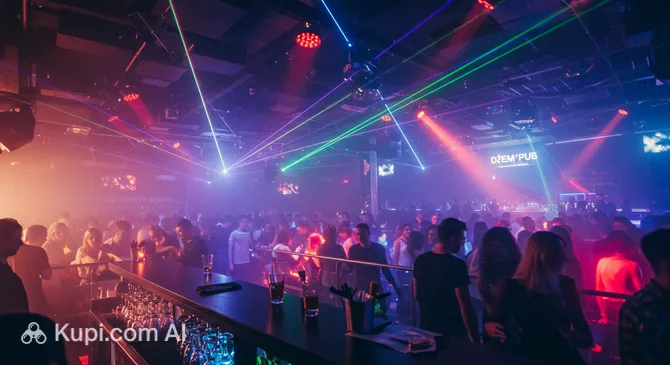
For those looking to dive into the local pub culture, Džem'pub is a legendary spot located right on Laisvės Avenue. It is particularly popular among the younger crowd and students, often hosting live music jams, karaoke nights, and DJ sets in a loft-style setting. It captures the youthful spirit of Kaunas perfectly and is a great place to meet locals.
Džem'pub. Illustration.
Source: Kupi.com AI
Traveler photos:
If you prefer a more specialized drinking experience, 2½ Apple Cider Pub offers a cozy retreat in the Old Town. As the name suggests, this venue focuses on cider, offering a wide variety of draft and bottled options from Lithuania and abroad. It is an excellent alternative to the beer-centric bars nearby and provides a warm, intimate atmosphere. Another unique spot to check out is Galera Pub, known for its distinct character and friendly environment.
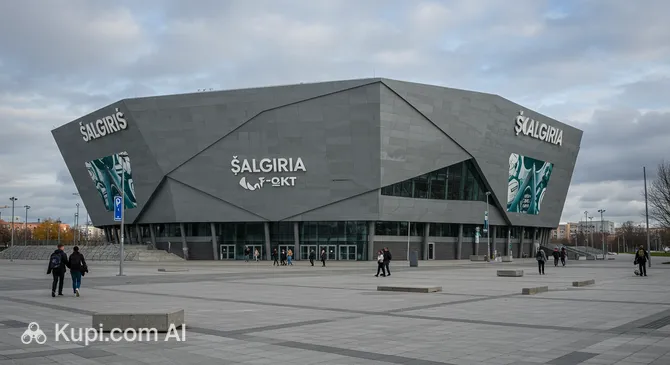
For large-scale entertainment, the city is home to the Žalgiris Arena, the largest indoor arena in the Baltic states. Located on an island in the Nemunas River, this massive venue hosts major international concerts, shows, and, most importantly, basketball games. Watching a Žalgiris Kaunas match here is an electrifying experience that serves as a form of nightlife in its own right for sports fans.
Žalgiris Arena. Illustration.
Source: Kupi.com AI
Traveler photos:
Practical Advice for Night Owls: Most bars and clubs are busiest from Thursday to Saturday. On weekends, bars typically stay open until 2:00 AM or 4:00 AM, while clubs may go until dawn. The dress code is generally casual or smart-casual; strict face control is rare except in a few high-end nightclubs. Prices are reasonable compared to Western Europe, with a pint of beer costing between €3 and €5, and cocktails ranging from €7 to €10.
Safety and Transport: Kaunas is safe for night walks, especially in the well-lit center and Old Town. However, standard precautions apply, and it is best to avoid unlit parks late at night. Public transport stops running around midnight, so the best way to get around at night is via ride-hailing apps like Bolt or by calling a taxi. Hailing a cab from the street is less common and often more expensive.
During the day, entertainment options are plentiful for families and culture seekers. Visitors can explore the renovated Lithuanian Zoo, located in the lush Oak Grove Park, which offers a great escape into nature. For a mix of shopping and leisure, Akropolis Kaunas is not just a mall but an entertainment complex housed in a historic building, featuring a cinema, bowling alley, and ice rink.
Parks & Museums
Kaunas is widely celebrated as a remarkably green city, where urban life seamlessly intertwines with lush nature and deep-rooted cultural heritage. Beyond its bustling avenues and historic old town, the city offers tranquil escapes and intellectual treasures that provide a deeper understanding of Lithuania's identity.
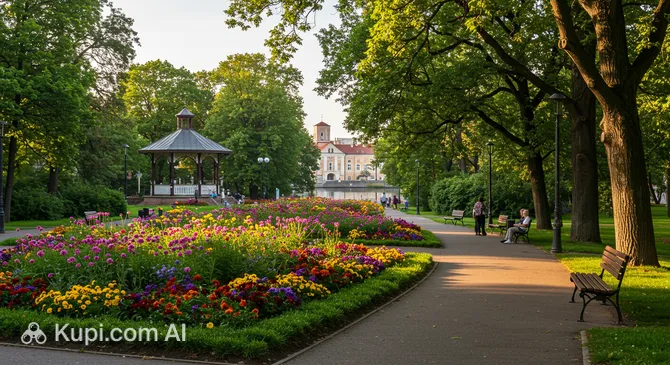
One of the most impressive natural landmarks is the Oak Grove Park (Ąžuolynas). This expansive area is unique in Europe as the largest stand of mature oak trees growing within a city territory. It is a favorite spot for locals to jog, walk their dogs, or simply enjoy the fresh air under the canopy of centuries-old trees. The park is not just a forest; it is a living monument to Lithuanian nature, offering a peaceful retreat just moments away from the city center.
Oak Grove Park. Illustration.
Source: Kupi.com AI
Traveler photos:
Located at the eastern edge of the Oak Grove is the legendary Valley of Songs (Dainų slėnis). This natural amphitheater is a site of immense cultural importance, serving as a traditional venue for the massive Lithuanian Song Festivals, which are recognized by UNESCO. Even when no events are taking place, the valley is a scenic location that reflects the nation's deep musical traditions and connection to the landscape.
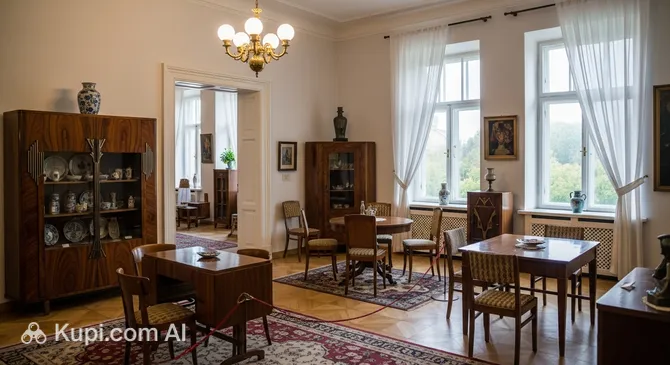
For those interested in the city's golden age, the Art Deco Museum is an absolute must-visit. Unlike traditional museums, this is a privately restored apartment that invites visitors to step back in time to 1929. It offers an immersive experience of the interwar period, showcasing authentic furniture, textiles, and the optimistic spirit of Kaunas when it served as the temporary capital. The guided tours are personal and highly engaging, making you feel more like a guest than a tourist.
Art Deco Museum. Illustration.
Source: Kupi.com AI
Traveler photos:
Another significant institution is the Tadas Ivanauskas Zoological Museum. Established in 1919, it houses one of the largest collections of taxidermy and natural history exhibits in the Baltic states. With thousands of specimens ranging from local wildlife to exotic species, it provides a fascinating educational journey for visitors of all ages, highlighting the diversity of the natural world.
For a truly authentic architectural discovery, seek out the Amsterdam School Museum. This hidden gem is located in a beautifully preserved apartment that exemplifies the rare Amsterdam School architectural style, which is seldom found outside the Netherlands. It offers an intimate look at the domestic life and design aesthetics of the 1920s, providing a perfect complement to the city's broader modernist narrative.
Getting Around
Navigating Kaunas is straightforward and efficient, thanks to a well-developed public transport network that covers the entire city and its suburbs. The system primarily relies on a fleet of buses and trolleybuses. Trolleybuses are a distinctive feature of the city's streets and are an eco-friendly way to travel between major districts. Since there is no metro or tram system, these road-based vehicles are the backbone of local mobility, running frequently and connecting key areas like the Old Town, the railway station, and shopping districts.
A unique highlight of the transport system in Kaunas is its historic funiculars. The city operates two of the oldest funiculars in the world that are still in daily use: the Žaliakalnis Funicular and the Aleksotas Funicular. While they are popular tourist attractions offering panoramic views, they also serve a practical purpose by helping pedestrians easily ascend the city's steep hills. A ride on these yellow cable cars is an affordable and nostalgic experience that shouldn't be missed.
For payment, Kaunas uses a unified electronic ticketing system known as Žiogas (Grasshopper). Tourists have two main options: purchasing a reloadable plastic card or using the mobile app. The plastic Žiogas card can be bought and topped up at newsstands and kiosks (such as "Narvesen") located throughout the city. Alternatively, the Žiogas app is highly recommended for visitors; it allows you to buy tickets instantly on your phone and validate them by scanning a QR code inside the vehicle. This method is often cheaper and more convenient than dealing with cash.
If you do not have a card or the app, you can purchase a single-trip paper ticket directly from the driver. However, be aware that this option is significantly more expensive than the electronic ticket, and drivers usually only accept cash (coins or small bills). Regardless of the ticket type, you must validate your fare immediately upon boarding. For electronic tickets, this allows for free transfers within 30 minutes, making it easy to switch between buses if necessary.
Public transport generally operates from early morning, around 4:30 AM, until approximately 11:00 PM. Schedules are reliable, and digital displays at major stops indicate real-time arrival times. For late-night travel, night buses run on specific routes, typically on weekends, but it is wise to check the current timetable in advance.
For those who prefer private transport, ride-hailing apps like Bolt are extremely popular, reliable, and affordable in Kaunas. They offer a quick way to get around, especially at night or when carrying luggage. Additionally, the city is very friendly to modern mobility solutions; car-sharing services like CityBee and Spark are widely used and allow you to rent a car by the minute via a smartphone app. In the warmer months, electric scooters are also scattered across the city, providing a fun and fast way to zip between sights.
Accommodation
Accommodation in Kaunas caters to a wide spectrum of travelers, ranging from budget-conscious backpackers to those seeking luxury and comfort. The city’s hospitality sector has grown significantly, offering a diverse selection of modern hotels, charming guesthouses, and an increasing number of private apartment rentals. Whether you prefer a room in a restored historic building or a contemporary suite with city views, you will find options that suit both your style and budget.
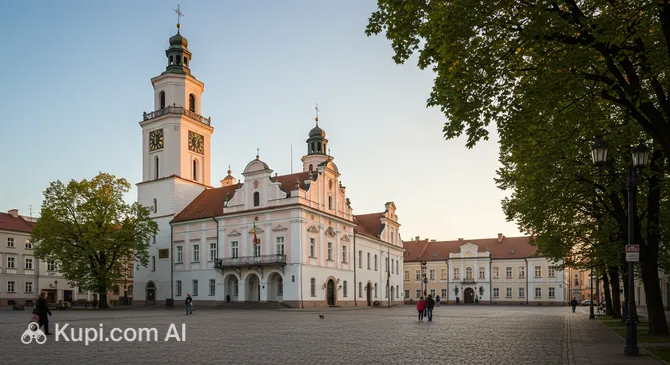
For the most atmospheric stay, the Old Town is the top choice. Staying here puts you within walking distance of the city's medieval heritage, cozy cafes, and major landmarks like the Kaunas Town Hall. The cobblestone streets provide a romantic setting, though it can be a bit livelier on weekends. Alternatively, the City Center, particularly around the pedestrian Laisvės Alėja, is excellent for those who want quick access to shops, restaurants, and public transport. This area offers a blend of 19th-century architecture and modern conveniences, making it a strategic base for exploring.
Kaunas Town Hall. Illustration.
Source: Kupi.com AI
Traveler photos:
Prices in Kaunas are generally very competitive compared to Western European destinations. You can expect to find high-quality mid-range accommodation at affordable rates. However, it is always a smart idea to book in advance, especially if you are visiting during the peak summer months or when a major basketball game is taking place, as the city fills up quickly with fans. Most properties are easily bookable via major online platforms, though contacting smaller guesthouses directly can sometimes yield personalized service.
Nearby Cities
For those looking to explore the surroundings, Kaunas serves as an excellent base for day trips to several interesting nearby locations:
One of the most culturally distinct destinations is Kedainiai, located just a short drive north. Often referred to as an open-air museum, it boasts one of the few remaining 17th-century Old Towns in Lithuania. The town is famous for its multicultural heritage, having been home to Scottish, Jewish, German, and Russian communities under the patronage of the noble Radvila family. Visitors can explore unique evangelical churches, the local regional museum, and enjoy the charming, cobblestone streets that feel like a step back in time.
Heading southwest, travelers will find Marijampole, the capital of the Suvalkija ethnographic region. While it has deep historical roots, the city has recently reinvented itself as a vibrant hub for modern art. It is best known for the annual "Malonny" symposium, which has adorned the city's buildings with impressive, large-scale street art murals created by artists from around the world. Beyond the art, the city offers beautifully maintained parks and the peaceful Poezijos (Poetry) Park, making it a delightful spot for a relaxing afternoon.
Another excellent option is Jonava, situated very close to Kaunas along the Neris River. It is widely celebrated as the capital of Joninės (Midsummer's Eve) festivals in Lithuania. The town features scenic cycling paths, a well-kept central square with fountains, and the Joninės Valley, a natural amphitheater that hosts concerts and events throughout the warmer months.
City
Population
Distance
Garliava
10 110
9 km
Prienai
8 894
29 km
Kazlu Ruda
5 539
31 km
Jonava
27 134
31 km
Kaisiadorys
8 334
34 km
These nearby destinations offer a glimpse into the diverse culture and landscapes of the region, providing perfect opportunities for short excursions outside the city.
Shopping & Souvenirs
Shopping in Kaunas offers a delightful mix of modern convenience and traditional charm, reflecting the city's unique character. Visitors can find everything from high-end international brands to authentic Lithuanian crafts within a relatively compact area. The city is particularly known for its high-quality linen, amber jewelry, and locally designed fashion, making it a great destination for those looking to take a piece of Lithuania home with them. Whether you prefer browsing through large shopping centers or exploring quaint boutiques, Kaunas provides a relaxed and enjoyable retail experience.
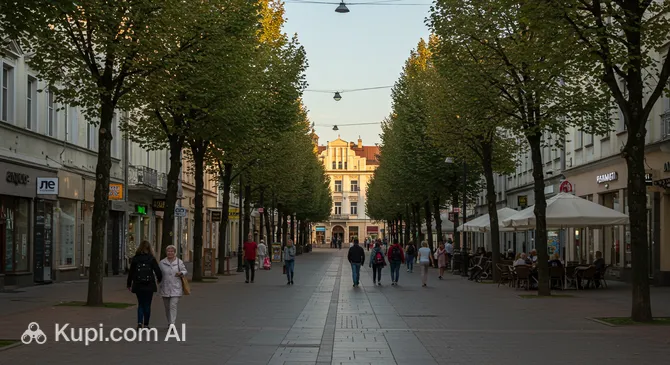
The heart of the city's shopping scene is undoubtedly Laisvės Avenue. This pedestrian-only boulevard, stretching for nearly 1.7 kilometers, is lined with a variety of shops, including shoe stores, clothing boutiques, and bookshops. Walking down this tree-lined street is a pleasure in itself, allowing you to pop into stores and then rest at one of the many outdoor cafes. As you move towards the Old Town, the retail landscape shifts to smaller, independent souvenir shops and art galleries where you can find unique handmade items.
Laisvės Avenue. Illustration.
Source: Kupi.com AI
Traveler photos:
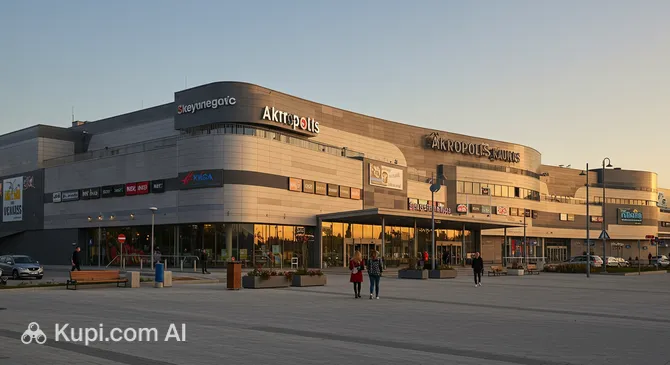
For a comprehensive shopping experience under one roof, Akropolis Kaunas is the premier destination. Uniquely integrated into a historic textile factory in the city center, this massive complex combines architectural heritage with modern retail. It houses hundreds of stores featuring major European fashion labels, electronics, and cosmetics. Another option for those in the mood for a more compact shopping trip is River Mall, which offers a selection of essential stores and services in a convenient location.
Akropolis Kaunas. Illustration.
Source: Kupi.com AI
Traveler photos:
Beyond the malls and high streets, Kaunas is famous for its markets. The most notable is the Urmas Urban Logistics Center, often described as a "city within a city." It is a vast commercial area with distinct galleries and markets selling fresh food, clothing, and household goods at competitive prices. On weekends, the bustling farmers' market at the Kaunas Castle parking lot is a favorite among locals seeking fresh produce, smoked meats, and artisanal cheeses directly from Lithuanian farmers.
When hunting for souvenirs, keep an eye out for "Lithuanian gold"—amber. You will find it fashioned into everything from intricate jewelry to decorative pieces. Linen products, such as tablecloths, clothes, and towels, are also of exceptional quality here. For edible gifts, a Šakotis (tree cake) is a spectacular and delicious choice, while a bottle of Lithuanian mead or herbal tincture makes for a traditional present.
Most shops in Kaunas are open daily, typically from 10:00 AM to 9:00 PM for shopping malls, while smaller boutiques on the high street may close earlier, around 6:00 PM or 7:00 PM, and have reduced hours on Sundays. Credit and debit cards are widely accepted almost everywhere, including small kiosks, though carrying some cash is useful for outdoor markets. Visitors from outside the European Union should look for the "Tax Free Shopping" signage in store windows, as they are eligible for a VAT refund on purchases exceeding a certain amount.