Support

Liepaja

About

Liepaja is often affectionately called the "City where the wind is born," a title that captures its energetic spirit and coastal charm. As the third-largest city in Latvia, it offers a fascinating blend of raw industrial heritage, wooden architecture, and serene natural beauty, making it a standout destination on the Baltic coast.

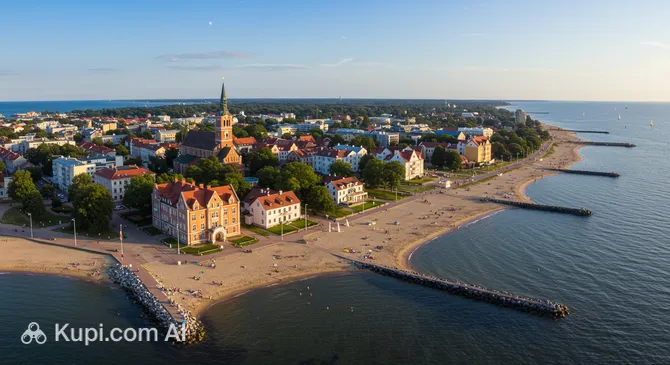
Situated in the western province of Kurzeme, the city rests on a strip of land between the Baltic Sea and Lake Liepaja. With a population of approximately 70,000 residents, it serves as a significant ice-free port and a vibrant cultural hub. The city is particularly renowned for its remarkably fine white sand beach, which is among the widest and softest in the region, attracting sunseekers and nature lovers alike.

Liepaja. Source: Kupi.Binoculars

Travelers are often drawn to the city's unique contrasts. You can explore the rich history of Liepaja by visiting the Karosta district, a former military port that is now a singular tourist attraction featuring the dramatic Northern Forts and the golden-domed St. Nicholas Orthodox Maritime Cathedral. Beyond its historical intrigue, the city is also celebrated as the capital of Latvian rock music, hosting frequent festivals and concerts that enliven the atmosphere, particularly around the famous Ghost Tree monument.

Whether you are looking to relax on pristine sands, explore architectural marvels like the Great Amber Concert Hall, or enjoy a lively cultural scene, Liepaja welcomes you. It is a destination that promises unforgettable experiences and a breath of fresh sea air for every visitor.

Weather Overview

Due to its location on the Baltic coast, the weather in Liepaja is distinctively maritime, ensuring that the city avoids extreme temperature fluctuations. The climate is generally temperate, with the sea breeze often playing a significant role in how the temperature feels to visitors.

Summer is the most popular time to visit, offering pleasant and comfortable conditions for exploring the outdoors. August is typically the warmest month, with an average temperature of 18.4°C and daily highs reaching around 20.9°C. However, travelers should pack a raincoat even in the warmer months, as July and August can still see about 14 wet days each.

Winters are cool but relatively mild compared to inland Latvia, with average temperatures in January hovering around 0.5°C. This season is characterized by frequent precipitation and grey skies, with December and January experiencing approximately 17 wet days per month. Overall, you can expect pleasantly warm summers with occasional showers and cool, damp winters.

Interesting Facts

Beyond its sandy beaches and musical heritage, Liepaja holds many fascinating stories that often escape the casual observer. Here are a few unique details that reveal the depth of this coastal city's character.
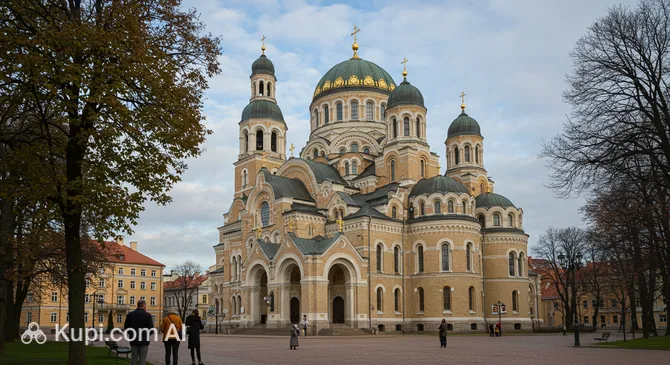
Naval Cathedral of Saint Nicholas. Source: Kupi.Binoculars
  • The Karosta Prison offers a truly chilling experience; it is known as the only military prison in Europe open to tourists where you can voluntarily spend the night in a cell and experience the strict discipline of a prisoner's life.

  • The golden-domed Naval Cathedral of Saint Nicholas has a surprising history; during the Soviet era, this sacred building was stripped of its religious symbols and converted into a cinema and a gym for sailors before being restored to its former glory.

  • Liepaja is home to the world's largest unreconstructed mechanical organ, located in the Holy Trinity Cathedral. This baroque masterpiece features over 7,000 pipes and an interior that has remained largely unchanged since the 18th century.

  • You do not need a traditional map to find the city's most interesting spots; simply look down, and you will see musical notes painted on the pavement. These notes act as a guide for a walking route that takes you through the city's rich musical history.

How to Get There

Reaching Liepaja is relatively straightforward, with several transport hubs located within a reasonable distance. For a complete overview of all travel options and routes, you can read more about how to get to Liepaja in our detailed guide.

Travelers frequently choose to fly into airports in neighboring cities to reach the coast. One of the most convenient options is Palanga International Airport (IATA: PLQ), located in the city of Palanga (Lithuania). It is situated approximately 63 km from Liepaja. The transfer from there is quite quick, typically taking about 1.5 to 2 hours by taxi or bus. Although smaller in scale, it serves as a practical gateway for visitors to the region.

For more extensive flight connections, Riga International Airport (IATA: RIX) is the primary choice. Located in the capital city of Riga, roughly 184 km from Liepaja, it is the largest airport in the area with high passenger traffic. The journey from Riga to Liepaja generally takes around 3 to 4 hours by road, offering a scenic drive through the Latvian countryside.

For clarity, here is a summary of the main airports:

Airport Name City Passenger Traffic Km from City
Riga International Airport Riga Very High 183.6
Khrabrovo Kaliningrad High 185.8
Visby Airport Visby Medium 206.4
Palanga International Airport Palanga Medium 63.0
Kuressaare Airport Kuressaare Low 207.7

Regarding rail transport, the closest major stations listed in the available data are located in the neighboring Kaliningrad region. The Kaliningrad South Railway Station is situated in Kaliningrad, approximately 208 km from Liepaja. Similarly, the Chernyakhovsk Station is found in Chernyakhovsk, about 218 km away. Travelers considering these routes should be aware that they involve cross-border travel from outside the Schengen area.

Below is the list of the nearest railway stations from the provided data:

Station City Passenger Traffic Km to Center
Kaliningrad South Railway Station Kaliningrad High 208.3
Chernyakhovsk Station Chernyakhovsk Medium 218.0
Zelenogradsk-Novy Railway Station Zelenogradsk Medium 180.8
Gvardeysk Railway Station Gvardeysk Small 211.8
Gusev Railway Station Gusev - 229.2

Main Attractions

Liepaja is a city of contrasts, offering visitors a mix of historical intrigue, architectural beauty, and modern culture. From its military heritage to its pristine coast, there are several must-see locations that define the city's character.

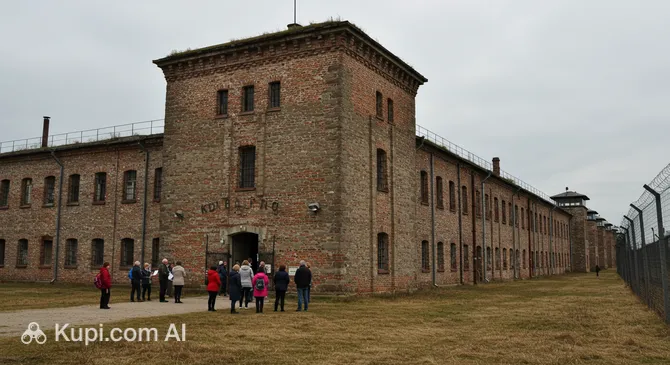
One of the most unique and thrilling sites is the Karosta Prison. Originally built at the beginning of the 20th century, this red-brick building served as a disciplinary center for sailors and soldiers through various regimes. Today, it operates as a museum that offers an immersive look into the past. It is particularly famous for its interactive reality performances and the opportunity for brave visitors to spend the night in a cell, experiencing the stark conditions of a prisoner’s life firsthand.

Karosta Prison. Source: Kupi.Binoculars

Just a short distance away stands the majestic Naval Cathedral of Saint Nicholas. This visual masterpiece is the dominant feature of the Karosta district, instantly recognizable by its dazzling golden domes and Russian Orthodox architecture. Built to serve the Tsar's navy, the cathedral has a turbulent history, having been used as a cinema and sports hall during the Soviet era. Now fully restored, it invites tourists to admire its ornate interior and serene atmosphere.

For lovers of culture and modern architecture, the Great Amber Concert Hall is an unmissable landmark. This striking monolithic structure, with its tilted orange glass facade, symbolizes the pieces of amber often found on the Baltic coast. It serves as the region's cultural heart, boasting outstanding acoustics and hosting a wide array of concerts and art events throughout the year. The building also offers panoramic views of the city from its upper levels.

Finally, no trip to Liepaja is complete without visiting its famous beach. Known for its unusually fine white sand, which is said to be suitable for hourglasses, the beach is a Blue Flag destination perfect for relaxation. Adjacent to the shore lies the expansive Seaside Park, one of the largest planted parks in Latvia. Here, you can stroll among historical wooden villas and find the Ghost Tree, a monument dedicated to the legendary Latvian rock band Līvi, which plays their music when you approach.

Local Cuisine

The culinary landscape of Liepaja is deeply defined by its location on the Baltic coast, making it a paradise for seafood lovers. The city's gastronomy centers on fresh, locally sourced ingredients, with smoked fish being a staple that you can find almost everywhere, from market stalls to high-end restaurants. Flounder, herring, and sprats are commonly enjoyed, often accompanied by dark rye bread and fresh dairy products, reflecting the traditional flavors of the Kurzeme region.

The undisputed star of the local menu is the city's signature dish, known as Liepājas menciņš (Liepaja Cod). This hearty casserole is a true comfort food made from smoked cod, boiled potatoes, and onions, all baked together in a rich cream sauce. Traditionally served in a clay pot, it is the perfect meal to warm up after a breezy walk along the sea. Trying this dish is considered a must-do experience for any visitor wanting to taste the authentic spirit of the city.

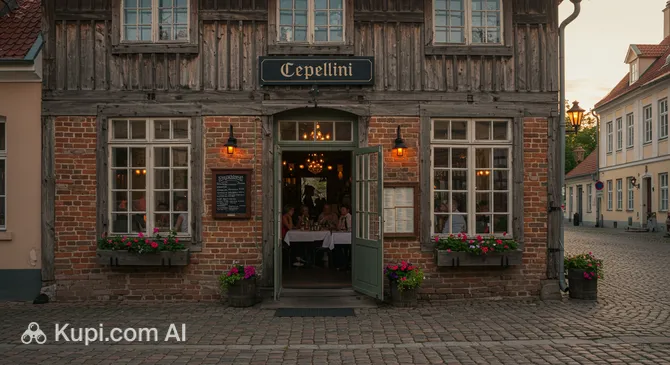
Cepelini. Source: Kupi.Binoculars

Due to the city's proximity to the Lithuanian border, you will also find a delightful influence from its southern neighbor, particularly in the form of heavy potato-based dishes. For a taste of this regional variety, you can visit Cepelini, a venue well-regarded for its traditional potato dumplings stuffed with meat or curd. The dining scene in Liepaja is quite diverse, ranging from cozy cafes serving Latvian pastries to spots like Caucasus House, which brings different cultural flavors to the table.

For those who enjoy exploring local ingredients, a visit to Peter’s Market (Pētertirgus) is essential. Housed in a beautiful historic pavilion, it is the heart of the city's food culture where locals shop for seasonal berries, vegetables, and farm-fresh cheese. It is an excellent place to grab a quick snack or simply soak in the lively atmosphere. In the warmer months, the city also embraces a vibrant street food culture, particularly in the creative quarters and near the beach.

To accompany your meal, be sure to try the local beer. Latvia has a strong brewing tradition, and Liepaja is no exception, offering a variety of lagers and dark ales that pair perfectly with savory snacks. For a non-alcoholic alternative, kvass is a popular choice. This fermented drink made from rye bread has a unique, slightly sweet taste and is a refreshing way to cool down on a sunny summer day.

Travel Tips

Planning a trip to the "City where the wind is born" is an exciting prospect, but a few practical preparations can make your visit even smoother and more enjoyable. Here is a collection of essential tips to help you navigate Liepaja with ease and confidence.

  1. Clothing and Gear: Given the coastal climate, the weather can be changeable. A high-quality windbreaker or raincoat is an absolute must, regardless of the season, as the sea breeze can be strong. Layers are key to staying comfortable. Since many streets in the historic center are paved with cobblestones, bring comfortable, flat walking shoes and leave the high heels for indoor events.

  2. Transportation: The city center is compact and very walkable. For longer distances, the public transport system, including buses and the iconic tram, is reliable and affordable; tickets can be bought at kiosks like Narvesen or from the driver (usually for a slightly higher price). Ride-hailing apps like Bolt are widely used and offer a convenient alternative to traditional taxis. A car is not necessary within the city but is useful if you plan to explore the wider Kurzeme region.

  3. Finances: Latvia uses the Euro (€). Credit and debit cards are widely accepted in hotels, restaurants, and shops. However, it is wise to carry some cash for small purchases at local markets, such as Peter's Market, or for small tips. ATMs are plentiful throughout the city. Tipping is not mandatory but is appreciated; leaving about 10% for good service in restaurants is standard practice.

  4. Health and Safety: Liepaja is generally a very safe city for tourists. In case of any emergency, dial 112 for police, ambulance, or fire services. Pharmacies, marked as Aptieka, are easy to find; check for those with extended hours if you need assistance late at night. Tap water is generally safe to drink, but many locals prefer filtered or bottled water for better taste.

  5. Communication: The official language is Latvian. English is widely spoken, especially by younger people and in the service industry. It is polite to learn a few basic local phrases like Sveiki (Hello) and Paldies (Thank you). Free Wi-Fi is available in many public spaces, cafes, and hotels. Prepaid SIM cards are cheap and easy to purchase at convenience stores and kiosks.

  6. Local Etiquette: Latvians can be somewhat reserved initially but are very friendly once the ice is broken. A firm handshake is the standard greeting. In public places and on public transport, people tend to speak quietly; loud behavior attracts negative attention. Punctuality is valued, so try to be on time for tours or reservations.

  7. What to Avoid: Do not walk on the designated bicycle paths, as cyclists can be fast and silent, and this is a common source of irritation. Additionally, avoid discussing sensitive historical or political topics related to the Soviet era unless you are in an educational setting, as this remains a complex subject for many locals.

  8. Local Insight: Keep your eyes on the ground! Liepaja has a unique navigation system—musical notes painted on the pavement. Following these notes is a fun and foolproof way to discover the city's most important cultural and historical landmarks without needing a map.

By keeping these practicalities in mind, you will be well-equipped to relax and fully immerse yourself in the unique atmosphere of this Baltic gem. Enjoy the fresh sea air, the music, and the warm hospitality that Liepaja has to offer!

Entertainment & Nightlife

Liepaja is widely known as the rock music capital of Latvia, so it comes as no surprise that the city boasts a vibrant and energetic nightlife scene. The atmosphere here is distinctively bohemian and relaxed, often centered around live music and artistic expression. Unlike the polished glamour of some capital cities, Liepaja offers a raw, authentic vibe where you can enjoy everything from underground rock gigs to chill beach parties.

The epicenter of the city's nightlife is arguably the Julianna Courtyard (Juliannas pagalms). This revitalized industrial space is bustling with trendy bars, restaurants, and creative hubs, making it the perfect place to mingle with locals. Another key area is the promenade along the Trade Canal, where you will find the legendary Fontaine Palace. This club is a staple of the local culture, hosting international bands and offering a spirited environment that often continues until the early hours.

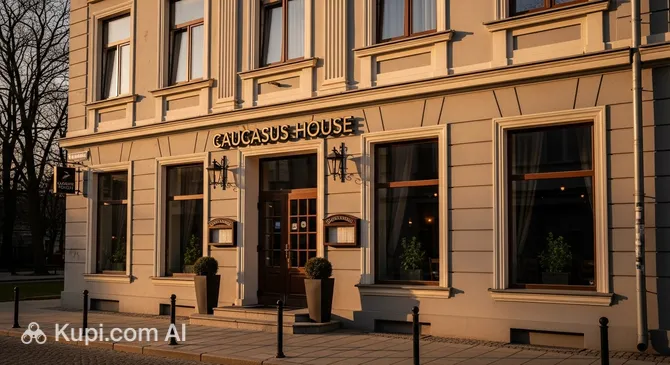
If you are looking to start your evening with a hearty meal before hitting the town, the city offers diverse options. You might consider visiting Caucasus House, a venue that brings a different flavor to the local dining scene. It is a great spot to gather with friends and enjoy a filling dinner in a welcoming setting before exploring the nearby bars.

Caucasus House. Source: Kupi.Binoculars

For those seeking entertainment that goes beyond the typical bar scene, Liepaja offers truly unique experiences. The Karosta Prison is not just a historical site; it provides interactive reality shows and the chance to experience an "extreme night" sleeping in a cell, which is certainly a memorable way to spend an evening for the adventurous traveler. In the summer, the action shifts towards the beach, where open-air cafes and bars like the Red Sun Buffet host sunset parties with DJs playing right on the sand.

Practicalities for a night out are straightforward. The dress code is generally casual; comfort is key, especially if you plan to walk between venues on cobblestone streets. Prices are quite affordable compared to Western Europe, with a pint of beer typically costing between 3 and 5 EUR. The city is generally safe for night walks, but standard precautions apply—stick to well-lit streets and keep an eye on your belongings. For getting back to your accommodation, it is best to use a ride-hailing app like Bolt or call a taxi, as public transport runs less frequently late at night.

During the day, the entertainment options are equally rich. Culture enthusiasts should check the schedule at the Liepaja Theatre, the oldest professional theater in Latvia, or visit the Great Amber Concert Hall for a matinee performance. Families and history buffs can explore the city's museums or take a leisurely walk through the Seaside Park, which offers playgrounds and mini-golf facilities amidst the greenery.

Parks & Museums

Beyond its musical heritage and sandy shores, Liepaja is a city deeply connected to nature and history. The urban landscape is softened by expansive green zones, while its complex past is preserved in unique museums and architectural monuments that tell the story of the region's transformation over the centuries.

Seaside Park (Jūrmalas parks) is the pride of the city and one of the largest planted parks in Latvia. Stretching for 3 kilometers along the coast, this lush green corridor was established in the 19th century to protect the city from wind and sand. Today, it is a favorite place for leisurely strolls, featuring walking paths, playgrounds, and beautiful wooden villas that showcase the resort's historical elegance. Nature enthusiasts will also appreciate the Horse Island (Zirgu sala) nature trail on Lake Liepaja. This area has been transformed into a scenic walking route with boardwalks and bird-watching towers, offering a peaceful escape and a chance to observe the local biodiversity close to the city center.

For a dive into local culture, the Liepaja Museum is a must-visit institution located on Kūrmājas Prospect. Housed in a magnificent eclectic building, it offers free admission and houses extensive collections detailing the history of Liepaja and the Kurzeme region, alongside rotating art exhibitions. A far more unconventional museum experience awaits at the Karosta Prison. While often famous for its extreme overnight stays, it operates primarily as a museum of military history. Guided tours take visitors through the cells and interrogation rooms, providing a stark and educational look at the Soviet and Nazi regimes that once utilized the facility.

The city's architecture is equally compelling, particularly in the Karosta district. Here, the Naval Cathedral of Saint Nicholas stands as a monumental example of Russian Orthodox architecture. Its grandeur contrasts sharply with the surrounding Soviet-style apartment blocks, making it a poignant symbol of the area's layered history. Another significant cultural stop is the House of Crafts, where visitors can see the world's longest amber necklace and watch traditional weavers at work, keeping ancient Latvian skills alive.

For a truly atmospheric experience, venture slightly north to the Northern Forts. These abandoned military bunkers, now half-washed away by the sea, create a surreal landscape on the beach. It is a hauntingly beautiful spot for photography and a raw reminder of the power of both nature and history.

Getting Around

Navigating Liepaja is convenient and straightforward, thanks to a well-organized public transport network that connects the city center with residential areas and key tourist sites. The system primarily consists of buses and a historic tram line, both of which are managed by the local transport authority. For visitors, this network provides an affordable and reliable way to explore everything from the southern beaches to the northern Karosta district.

A highlight of the local transit system is the tram, which holds the distinction of being the oldest electric tram line in the Baltic states. Riding it is not just a commute but a sightseeing experience in itself, as the route winds through the city, offering views of both modern districts and charming wooden architecture. The tram line stretches across the city, making it easy to travel between the central station area and the popular Ezerkrasts neighborhood near the lake.

For destinations not covered by the tram, such as the fascinating Karosta area, buses are the primary mode of transport. The bus network is extensive and frequent, with routes like Number 22 and 23 specifically serving tourists heading to the northern attractions. Minibuses also operate on certain routes, providing a faster alternative during peak hours. Most public transport runs from approximately 5:00 AM until midnight, though schedules can vary slightly on weekends.

The payment system is unified, meaning the same ticket works for both trams and buses. Travelers are strongly advised to purchase tickets in advance from press kiosks (such as Narvesen), grocery stores, or the station, as this is significantly cheaper than buying them on board. If you do buy a ticket from the driver, be prepared to pay a higher price and use exact cash. Once on board, you must validate your paper ticket immediately by inserting it into the electronic validator or puncher to avoid fines.

For those who prefer digital solutions, tickets can also be purchased via SMS or through mobile apps like Mobilly, which is widely used across the region for transit and parking. This cashless option is often more convenient for tourists who may not want to carry small change. Always check the latest ticket prices upon arrival, but generally, public transport here remains very budget-friendly.

If you prefer more flexibility, taxis and ride-hailing apps like Bolt are readily available and offer a quick way to get around, especially late at night. The city is also very friendly to cyclists, with a growing network of bike paths that make renting a bicycle a pleasant option for sunny days. However, given the compact nature of the city center, many of the main sights are easily accessible on foot.

Accommodation

Finding the perfect place to stay in Liepaja is relatively easy, as the city offers a diverse range of accommodation options to suit various tastes and budgets. The selection spans from budget-friendly hostels and cozy guest houses to modern mid-range hotels and stylish apartments. Because the city is a popular summer resort, the hospitality sector is well-developed, often characterized by a personal touch and a welcoming atmosphere rather than large, impersonal chains.

When choosing a location, most travelers prefer the City Center (Vecliepaja) or the area surrounding the Seaside Park. Staying in the center places you within walking distance of the Trade Canal, the Great Amber Concert Hall, and the best restaurants, making it ideal for those who want to be in the middle of the action. Alternatively, the Seaside Park district offers a more tranquil environment characterized by historic wooden architecture and immediate access to the white sand beach, perfect for a relaxing vacation.

For those seeking a truly unconventional experience, Liepaja is famous for offering stays that go beyond the ordinary. While there are standard hotels available, the city is notable for its boutique accommodations set in renovated historical buildings. Visitors can often find charming apartments for rent in century-old wooden houses, providing a sense of living like a local.

Booking Tip: Liepaja comes alive in the summer months, particularly during July and August when major music festivals and beach events take place. During this peak season, demand for rooms is high, and the best options sell out quickly. It is highly recommended to book your accommodation at least a few months in advance if you plan to visit during the summer.

In terms of pricing, the city is generally affordable compared to many Western European resort destinations. You can find excellent value in the mid-range category, while budget travelers have plenty of choices among hostels and private rooms. Booking is typically done through major online platforms, which offer the widest variety of listings, though contacting smaller guest houses directly can sometimes yield better rates or special offers.

Nearby Cities

For those looking to explore the surroundings, Liepaja serves as an excellent base for day trips to several interesting nearby locations:

Located along the coast to the north, Ventspils is a vibrant port city known for its immaculate streets and family-friendly atmosphere. Visitors can enjoy the seaside park, the medieval castle, and the city's famous cow sculptures, making it a delightful stop for a day of exploration.

Inland, the town of Kuldīga is a favorite destination for its romantic charm and well-preserved wooden architecture. It is home to the Ventas Rumba, the widest waterfall in Europe, where the historic brick bridge provides a picturesque setting that feels worlds away from the busy port life.

City Population Distance (km)
Riga 920643 193
Jelgava 55336 164
Jurmala 50561 173
Ventspils 33372 103
Ogre 22978 220

These nearby destinations offer a glimpse into the diverse culture and landscapes of the region.

Shopping & Souvenirs

Shopping in Liepaja offers a relaxed and pleasant experience that mirrors the city's overall laid-back atmosphere. While it may not have the massive commercial scale of a capital city, it provides a well-balanced mix of modern conveniences and traditional charm. Visitors can find everything from high-street fashion brands in contemporary centers to unique artisan crafts in small boutiques. The city is particularly noted for its goods that reflect the local culture, including amber jewelry and handmade linen products.

The heart of the city's retail life is undoubtedly Tirgoņu Street (Tirgoņu iela). This pedestrian-only avenue is lined with a variety of shops, cafes, and historic buildings, making it a delightful place for a leisurely stroll. Here, you can browse through bookstores, clothing boutiques, and souvenir shops without the noise of traffic. Adjacent to it, Lielā Street serves as another main artery for shopping, hosting banks, pharmacies, and various specialty stores that cater to both locals and tourists.

For a more concentrated shopping experience, Liepaja has several noteworthy shopping centers. The most iconic is the Kurzeme shopping center (Tirdzniecības nams "Kurzeme"), located right in the city center near the Rose Square. It is a historic department store that has been modernized to house fashion retailers, electronics stores, and a grocery supermarket. Another popular option is Ostmala, situated near the trade canal and the tram bridge. This mall is convenient for those looking for a wider selection of international brands and a large hypermarket for daily supplies.

To truly understand the local flavor, a visit to Peter’s Market (Pētertirgus) is essential. Housed in a beautiful Art Nouveau pavilion opened in 1910, it is one of the most vibrant spots in town. While it is famous for fresh food, the outdoor area and surrounding stalls often feature flowers, clothes, and miscellaneous goods. It is a place where you can engage with local vendors and perhaps find a bargain or a unique item that you wouldn't see in a standard store.

When it comes to souvenirs, Liepaja is the perfect place to purchase amber. Often called "Baltic Gold," amber pieces can be found in jewelry shops throughout the city, and sometimes you might even be lucky enough to find small pieces washed up on the beach after a storm. For authentic handicrafts, the House of Crafts (Amatnieku nams) is a standout destination. Here, you can buy high-quality linen, traditional knitwear, and leather goods directly from the artisans who make them. It is also home to the world's longest amber necklace, adding a sightseeing element to your shopping trip.

Standard opening hours for larger shopping malls are typically from 10:00 AM to 9:00 PM daily. Smaller boutiques and specialty shops usually close earlier, around 6:00 PM or 7:00 PM, and may have reduced hours or be closed on Sundays. Payment is very convenient, with credit and debit cards being widely accepted almost everywhere, including most stalls at the market. However, carrying a small amount of cash is always a good idea for very small purchases.

Tourists from outside the European Union should look for the Tax-Free signage in shop windows. Many larger stores in Liepaja participate in the global tax refund scheme, allowing eligible visitors to claim back the VAT on purchases that exceed a certain amount. Be sure to ask the shop assistant for a tax-free form at the checkout to take advantage of this saving.
Reached the end of the page?

That means the route is fully explored