Support

Pärnu

About

Welcome to Pärnu, the beloved "Summer Capital" of Estonia. This charming coastal city comes alive in the warmer months, offering a perfect blend of relaxation, culture, and seaside fun. With a population of approximately 40,000 residents, it maintains a cozy, small-town atmosphere while providing world-class resort amenities that attract visitors from all over the region.
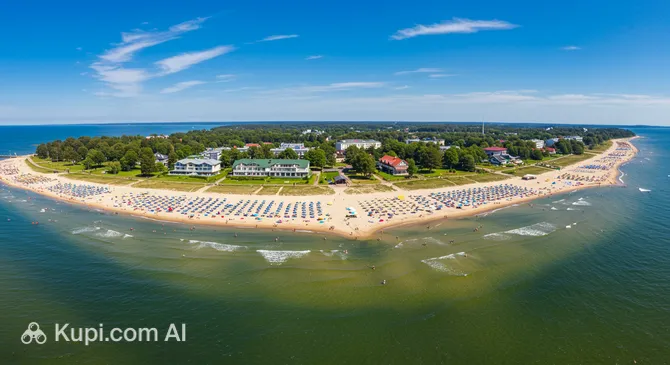
Pärnu. Source: Kupi.Binoculars

Geographically, Pärnu is situated in the southwestern part of the country on the shores of Pärnu Bay, an inlet of the Baltic Sea. The city is renowned for its shallow, sandy beaches and mild maritime climate, making it a top destination for sun-seekers and families. Beyond the beach, visitors can explore the city's fascinating history, which is evident in the beautiful 19th-century timber villas, the historic Tallinn Gate, and the medieval Red Tower.

Key attractions include the expansive Pärnu Beach, which boasts white sands and a lovely promenade lined with fountains and cafes. The city is also famous for its diverse spa culture, ranging from traditional mud baths to modern wellness centers that operate year-round. Nature lovers will appreciate the lush Beach Park and the scenic coastal meadows, which are perfect for leisurely strolls and birdwatching.

Whether you are looking to rejuvenate in a luxury spa, enjoy vibrant summer festivals, or simply soak up the sun by the sea, Pärnu offers a memorable escape. It is a must-visit destination for anyone traveling through the Baltic region, promising a refreshing and inspiring experience.
Weather Overview

The climate in Pärnu varies significantly with the seasons, offering distinct experiences for travelers throughout the year. Summers are the most popular time to visit, characterized by mild and pleasant conditions; July is typically the warmest month with an average temperature of 17.7°C and highs reaching nearly 22°C. However, visitors should pack for variable conditions, as July also records about 16 wet days on average.

In contrast, the winter months transform the city into a frosty landscape. Temperatures regularly drop below freezing, with January and February seeing average lows between -4.4°C and -4.8°C. To help plan your activities and packing list, you can view more detailed information about the weather in Pärnu. Overall, expect warm summers with occasional rain and cold, dry winters.

Interesting Facts

Beyond the sandy beaches and bustling promenades, Pärnu holds intriguing stories and unique features that often escape the casual observer. Here are a few fascinating details that add depth to this coastal resort.
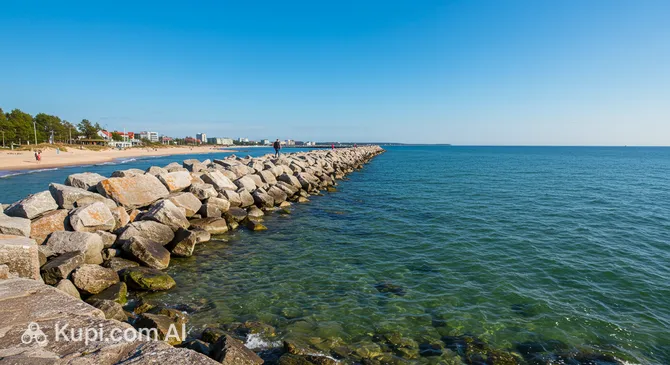
Pärnu Breakwater. Source: Kupi.Binoculars
  • A local romantic legend surrounds the historic Pärnu Breakwater. It is said that if you walk along these 2-kilometer stone jetties holding hands with your sweetheart and share a kiss at the very end, your love will last forever. However, the journey can be slippery and wet, testing your dedication right from the start.

  • The city employs some unusual workers to maintain its landscape. From May to October, you might spot Highland cattle grazing peacefully along the Rannaniidu Nature Trail. These "urban cows" are essential for preserving the coastal meadows and preventing the reeds from overgrowing the area.

  • While most visitors look for large parks, one of the city's most thrilling attractions is hidden in a cellar. The MiniZoo is a specialized terrarium located in the town center, known for allowing brave visitors to touch and hold some of its resident exotic snakes and geckos.

  • Pärnu's status as a resort town is deeply rooted in history, dating back to the discovery of the therapeutic properties of sea mud. The neoclassical building that now houses the Hedon Spa & Hotel was originally the historical Mud Baths, a symbol of the city's golden age as an imperial health destination.

How to Get There

Planning a trip to the "Summer Capital" of Estonia is straightforward, with excellent road connections linking it to major regional hubs. For a complete overview of all travel options, you can read more about how to get to Pärnu on our detailed page. While the city itself does not host a major international airport, it is conveniently located between two Baltic capitals, making it easily accessible via a short scenic drive.

The most convenient entry point for many travelers is Tallinn Airport (TLL), located in the Estonian capital, approximately 115 km north of Pärnu. As the primary international gateway to the country, it serves a wide range of flights. The journey from Tallinn to Pärnu takes about 1.5 to 2 hours by bus or car. Another excellent option is Riga International Airport (RIX) in Latvia, situated roughly 166 km south of the city. Due to frequent bus connections running along the Via Baltica highway, reaching Pärnu from Riga is also very efficient, typically taking around 2.5 hours.

For those traveling from further afield, Helsinki-Vantaa Airport (HEL) in Finland is a significant regional hub. Although it is located about 216 km away across the Gulf of Finland, it offers extensive global connections. Travelers landing here can take a ferry to Tallinn and then continue by road to Pärnu.

For clarity, here is a summary of the main airports:

Airport Name City Passenger Traffic Km from City
Helsinki-Vantaa Airport Helsinki Large 216.2
Riga International Airport Riga Large 166.5
Tallinn Airport Tallinn Medium 115.5
Kresty Pskov Small 239.8
Kuressaare Airport Kuressaare Small 117.8

Regarding rail travel, Pärnu does not currently have an active railway station for international passenger trains, as the rail network is undergoing modernization. The closest major railway hubs listed are quite distant or require crossing national borders. For instance, Helsinki Central Station in Helsinki is about 200 km away (plus a ferry crossing), and Narva Railway Station is located approximately 240 km to the northeast on the Russian border. Consequently, most visitors arriving by train to the region will disembark in Tallinn or Riga and complete their journey to Pärnu by bus.

Below is the data for the nearest railway stations listed:

Station City Passenger Traffic Km to Center
Helsinki Central Station Helsinki Large 199.9
Pskov-Passazhirsky Railway Station Pskov Medium 237.2
Narva Railway Station Narva Medium 240.0
Pechory-Pskovskiye Station Pechory Small 194.9
Kingisepp Railway Station Kingisepp Unknown 260.5

Main Attractions

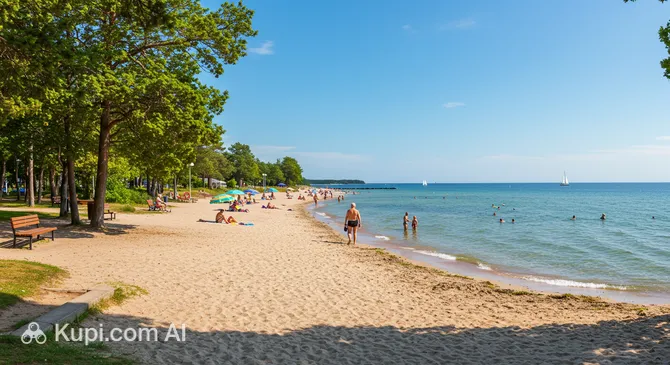
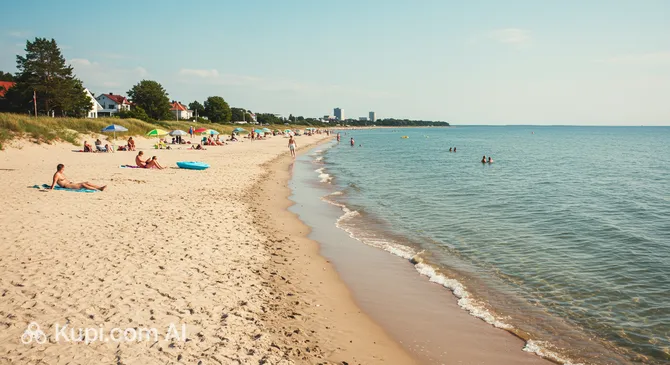
No visit to this coastal city is complete without spending time at Pärnu Beach. Famous for its sweeping white sands and shallow, quickly warming waters, it is the perfect spot for families with children and sunbathers alike. A long, scenic promenade lines the coast, offering a wonderful place for walking, cycling, or rollerblading while enjoying the sea breeze and the vibrant summer atmosphere.

Pärnu Beach. Source: Kupi.Binoculars

For those interested in diving deeper into the region's past, the Pärnu Museum is an essential stop. Located in a modern building in the city center, its permanent exhibition, "11,000 Years of History," takes visitors on a journey from the Stone Age to the present day. The museum is known for its interactive displays and engaging storytelling, making local history accessible and entertaining for tourists of all ages.

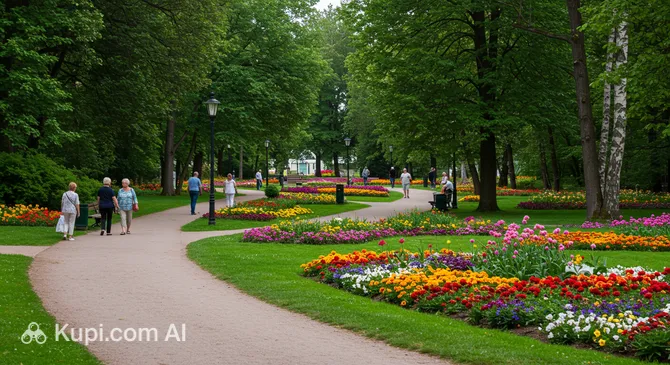
Just a short walk from the shoreline lies Rannapark, a lush green oasis that has been a favorite leisure spot since the resort was founded in the 19th century. This beautifully maintained park offers a shady retreat from the midday sun, featuring charming wooden villas, winding paths, and plenty of benches. It is a peaceful area where visitors can enjoy a picnic or simply admire the traditional resort architecture.

Rannapark. Source: Kupi.Binoculars

Another scenic highlight is Pärnu Vallikäär, a landscaped meadow located between the old city fortifications and the moat. This area has been transformed into a modern recreational space with an illuminated promenade, a floating fountain, and an amphitheater. It connects the city center with the river and port area, providing a romantic setting for evening strolls and offering a glimpse into the city's fortified medieval past.

Local Cuisine

The culinary landscape of Pärnu is a delightful reflection of its status as a coastal resort, blending traditional Estonian flavors with modern European trends. As you might expect from a city by the sea, fresh fish plays a significant role in local menus. Visitors should definitely try dishes featuring Baltic herring or pike-perch, often served smoked or fried. A true Estonian classic to look out for is the kiluvõileib, a sprat sandwich served on dark rye bread with a boiled egg and green onions, which makes for a perfect savory snack.

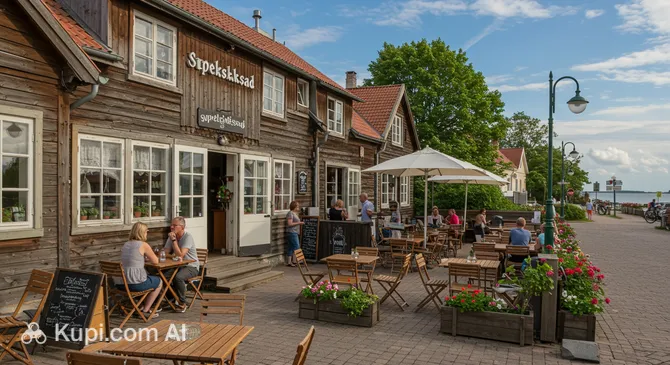
One of the most defining characteristics of the city's food scene is its vibrant café culture, often housed in beautifully restored wooden villas. These spots are perfect for enjoying a leisurely breakfast or a slice of cake. A prime example of this cozy atmosphere is Supelsaksad, a renowned café and restaurant known for its nostalgic interior and delicious baked goods. It captures the essence of the city's relaxed, bohemian summer vibe.

Supelsaksad. Source: Kupi.Binoculars

For those seeking a heartier meal and a lively atmosphere, the city offers numerous pubs and taverns where portions are generous and the mood is festive. Places like Aleksandri Pub are popular among locals and tourists alike, serving substantial meat dishes, sausages, and sauerkraut that provide a comforting taste of traditional cuisine. During the summer months, the dining scene expands outdoors, with terraces filling the streets and the beach promenade, allowing diners to enjoy their meals in the fresh sea air.

When it comes to drinks, Pärnu has plenty to offer. Beer lovers will appreciate the local craft beer scene, which has been growing steadily; you can find a wide selection of local brews in specialized venues like Veerev Õlu. For a non-alcoholic alternative, try kali, a fermented drink made from bread that tastes somewhat like root beer and is incredibly refreshing on a hot day. To cap off a fine meal, a glass of Vana Tallinn, a sweet and strong Estonian liqueur, is a traditional choice.

Travel Tips

Planning a getaway to Pärnu ensures a relaxing break, but knowing a few local practicalities will make your seaside vacation even smoother. Here is some essential advice to help you navigate Estonia’s summer capital with ease and confidence.

  1. Clothing and Gear: The coastal weather can be changeable, so layering is key regardless of the season. In summer, bring swimwear and comfortable sandals, but pack a light jacket for breezy evenings by the sea. If visiting in winter, sturdy non-slip boots and a warm coat are essential. Crucially, if you are walking at night or in low light, you are legally required to wear a reflector (helkur) attached to your outer clothing to remain visible to drivers.
  2. Transportation: Pärnu is a compact, walkable city, and exploring on foot or by bicycle is the best way to soak in the atmosphere. For longer distances, the local bus network is reliable; you can buy tickets from the driver or use a contactless bank card in some vehicles. Ride-hailing apps like Bolt are widely used and convenient, while renting a car is generally unnecessary unless you plan to explore the wider Pärnu County.
  3. Finances: The official currency is the Euro (€). Estonia is a highly digital society, and credit or debit cards are accepted almost everywhere, including small cafés and market stalls. ATMs are plentiful around the city center. Tipping is not strictly mandatory but is appreciated for good service; leaving a 10% tip in restaurants is a common and polite gesture.
  4. Health and Safety: Pärnu is very safe for tourists, but standard precautions against petty theft apply in crowded areas. Pharmacies are marked with the word Apteek; they are well-stocked, though specific prescription meds should be brought from home. If you plan to hike in the coastal meadows or parks, be mindful of ticks—wear long trousers and use insect repellent.
  5. Communication: The official language is Estonian, but English is widely spoken, especially in the service industry and among younger generations. Free public Wi-Fi is available in most hotels, cafés, and public spaces. Learning a few local words goes a long way: say "Tere" for hello and "Aitäh" for thank you.
  6. Local Etiquette: Estonians tend to be somewhat reserved but friendly. A handshake is the standard greeting. If you visit a spa—a must-do in Pärnu—familiarize yourself with sauna etiquette: always shower before entering, and respect the silence or quiet conversation rules to maintain the relaxing atmosphere.
  7. What to Avoid: Do not walk in designated bicycle lanes. Pärnu is very bike-friendly, and locals cycle fast; blocking the path is considered rude and can be dangerous. Also, avoid being overly loud in public spaces or residential areas late at night, as locals value peace and quiet.
  8. Booking Ahead: As the "Summer Capital," the city's population swells significantly from June to August. It is highly recommended to book your accommodation and spa treatments months in advance if you plan to visit during the peak summer season, as the best spots fill up very quickly.

By keeping these tips in mind, you will be well-prepared to enjoy everything Pärnu has to offer, from its golden sands to its historic charm. Have a wonderful and stress-free trip to this Baltic gem!

Entertainment & Nightlife

Entertainment and Nightlife:

As the sun sets over the Baltic Sea, Pärnu transforms from a laid-back beach resort into a vibrant hub of evening entertainment. The city’s nightlife is heavily seasonal, peaking during the warm summer months when the long "white nights" keep the energy high until the early hours. The atmosphere is generally relaxed and welcoming, ranging from bustling outdoor terraces to energetic dance floors, catering to a diverse crowd of vacationers and locals.

The heart of the action is primarily located in the historic city center, particularly along and around Rüütli Street. This pedestrian-friendly area is lined with numerous pubs, lounge bars, and restaurants that turn into lively party spots after dark. Another hub of activity is the beach area, where sunset clubs and beach bars offer a scenic backdrop for evening cocktails. The dress code in most venues is smart-casual; while some nightclubs might prefer a more polished look, the general vibe remains unpretentious and holiday-oriented.

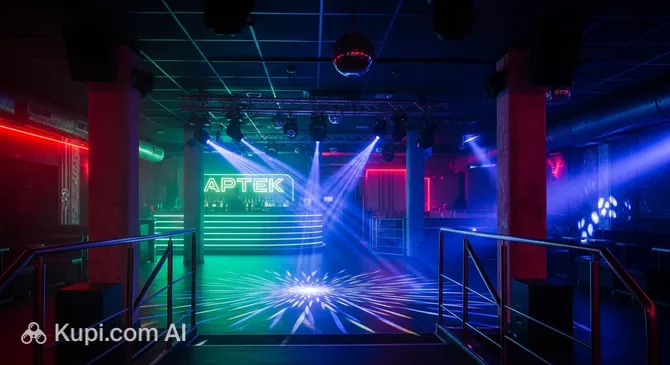
For a unique nightlife experience, visitors should check out APTEK. Located in the city center, this venue is styled with a quirky pharmacy theme, offering a retro atmosphere where "prescriptions" come in the form of creative cocktails and shots. It functions as a lounge bar in the evening and transitions into a spirited nightclub with DJ sets as the night progresses, making it a favorite among those looking to dance.

APTEK. Source: Kupi.Binoculars

If you prefer active entertainment alongside your drinks, the OKOK Leisure Center is an excellent choice. Situated slightly away from the old town, this modern facility offers bowling, darts, and billiard tables, creating a fun and competitive environment for groups of friends. It provides a great alternative to traditional clubbing, allowing for a social evening filled with games and refreshments.

Practicalities for a night out in Pärnu are straightforward. The city is compact and walkable, especially if you are staying near the center or the beach. For longer distances or late-night returns, ride-hailing apps like Bolt are reliable and widely used, and traditional taxis are also available. Prices for drinks and entry fees are generally lower than in the capital, Tallinn, but can vary during peak summer weekends. The city is safe for night walks, though sticking to well-lit main streets is always good advice.

Beyond the late-night scene, Pärnu offers culturally rich daytime and evening entertainment. The renowned Endla Theatre is a cornerstone of the city's cultural life, staging various plays and performances. For families or those seeking lighthearted fun during the day, local amusement options and various summer concerts at the Pärnu Concert Hall provide ample amusement before the sun goes down.

Parks & Museums

While the sandy beaches often steal the spotlight, Pärnu's soul is equally found in its verdant parks and vibrant cultural institutions. Beyond the shoreline, the city unfolds as a tapestry of historical gardens, wild coastal meadows, and artistic venues that showcase the region's creative spirit. These spaces offer a tranquil retreat from the bustling resort areas, inviting visitors to explore the quieter, more contemplative side of the "Summer Capital."

One of the most delightful green spaces in the city center is Valli Park. Situated around the moat of the former 17th-century fortifications, this park serves as a scenic buffer between the old town and the newer districts. It is a favorite among locals for its romantic atmosphere, featuring ancient trees, winding paths, and a fountain that lights up beautifully in the evenings. The park's layout preserves the contours of the old bastions, making it a perfect spot for a history-infused stroll away from the crowds.

Valli Park. Source: Kupi.Binoculars

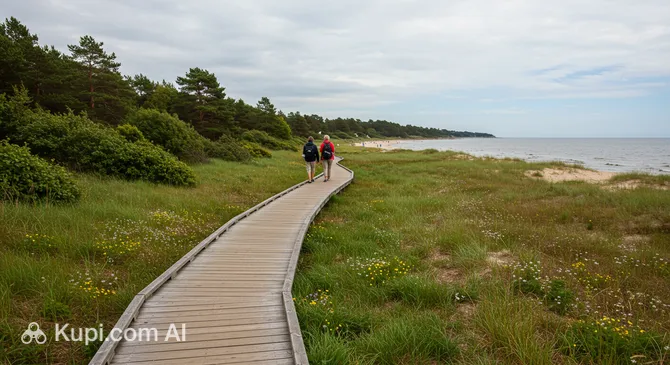
For a more rugged natural experience, the Rannaniidu Nature Trail offers a striking contrast to the manicured city gardens. This protected coastal meadow is a sanctuary for biodiversity, where visitors can walk along elevated boardwalks to observe nesting birds and unique plant life. A highlight of this area is the presence of "urban cows"—Highland cattle introduced to graze the reeds and maintain the open landscape. It is an exceptional location for nature photography and enjoying the raw beauty of the Baltic coast.

Rannaniidu Nature Trail. Source: Kupi.Binoculars

Culturally, the city punches above its weight with several notable institutions beyond the main history museum. Art lovers should visit the Museum of New Art, which is renowned for its daring contemporary collections and the annual "Man and Woman" exhibition. For a journey into literary history, the Lydia Koidula Memorial Museum, set in the childhood home of Estonia's beloved poet, offers a glimpse into the 19th-century national awakening. Together with the Pärnu Museum, these sites form a rich cultural circuit that reveals the depth of character behind the resort town's facade.

Getting Around

Navigating Pärnu is delightfully simple, largely due to the city's compact size and logical layout. For the majority of tourists staying near the historic center or the beach area, walking is often the most pleasant and efficient option. However, for those needing to travel longer distances or visit the suburbs, the city operates a reliable public transport network consisting exclusively of buses. There are no trams, metros, or trolleybuses in the city.

The local bus system is modern and user-friendly, with routes covering all key areas, including the main resort district, the bus station, and shopping centers. Buses generally operate from early morning, around 5:30 AM, until approximately 11:00 PM. The schedules are reliable, and digital displays or printed timetables are available at most bus stops to help you plan your journey.

The payment system is integrated with the wider electronic ticketing network used in other parts of the country. The most convenient way to pay is by using a rechargeable smartcard, commonly known as the Ühiskaart (Public Transport Card). If you have already purchased a green smartcard in Tallinn or Tartu, you can typically use the same card here, provided you have loaded money onto it. Alternatively, you can purchase a specific Pärnu card locally.

For tourists, the easiest place to buy a smartcard or load credit is at any R-Kiosk convenience store, which can be found throughout the city. While it is possible to buy a single paper ticket directly from the bus driver using cash, this option is usually more expensive than the electronic fare. Modern travelers can also use mobile apps like pilet.ee to purchase QR-tickets, which must be scanned upon entry.

Validation is a crucial step in the process. Immediately upon boarding, you must validate your smartcard or scan your ticket at the electronic readers located near the doors. A beep and a green light indicate a successful validation. This usually grants you the right to travel for one hour, allowing for transfers within that timeframe without extra cost.

If you prefer a more direct route, taxis and ride-hailing services are excellent alternatives. The Bolt app is extremely popular in the city, offering quick pickups and transparent pricing, which eliminates the need to carry cash or navigate language barriers. Traditional taxis are also available at designated stands, particularly near the bus station and major hotels.

Finally, given the city's flat terrain and scenic coastal pathways, renting a bicycle is a highly recommended way to get around during the summer season. Pärnu is very bike-friendly, with extensive cycle lanes connecting the parks, the beach promenade, and the city center. Many hotels offer rental bikes to guests, and there are several dedicated rental shops near the beach, making it easy to combine transport with sightseeing.

Accommodation

Finding the perfect place to stay in Pärnu is relatively easy, as the city offers a diverse range of accommodation options to suit various tastes and budgets. The selection spans from luxurious spa resorts and boutique hotels to cozy guesthouses and rental apartments. Because Pärnu is a historic resort town, many accommodations are housed in charming wooden villas or renovated historical buildings, adding a touch of local character to your stay.

For most visitors, the location choice comes down to two main areas: the Beach Area (Rannarajoon) and the City Center (Kesklinn). The Beach Area is the most popular choice during the summer, placing you within walking distance of the sea, the promenade, and the major parks. This district is known for its quiet, leafy streets and relaxed atmosphere. Conversely, staying in the City Center offers convenient access to shopping malls, the bus station, and the best concentration of restaurants and nightlife, making it a practical base for year-round visits.

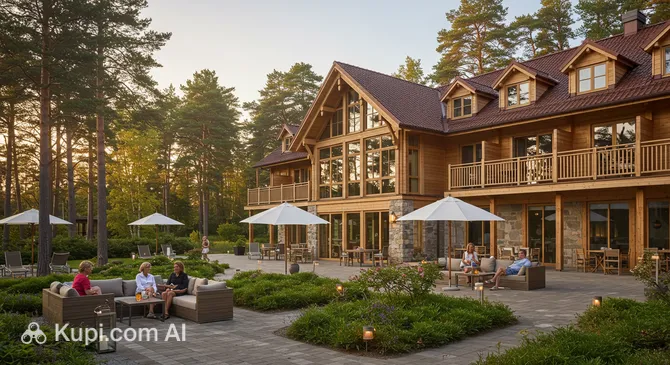
Pärnu is internationally renowned for its spa culture, and staying in a spa hotel is a quintessential part of the local experience. One of the most iconic establishments is the Hedon Spa & Hotel, located right by the beach in the historical mud bath building. It blends neoclassical architecture with modern wellness facilities. Another top-tier option is the ESTONIA Resort Hotel & Spa, which draws inspiration from Estonian nature and traditions, offering extensive sauna centers and treatments.

Hedon Spa & Hotel. Source: Kupi.Binoculars

Regarding costs and planning, prices fluctuate significantly depending on the season. During the peak summer months (June to August), rates are at their highest, and the city is often fully booked. It is highly advisable to book your accommodation several months in advance if you plan to visit during this period. In the off-season, prices drop considerably, making luxury stays much more affordable. Booking is typically done through major online platforms, though contacting smaller guesthouses directly can sometimes yield better deals.

Nearby Cities

For those looking to explore the surroundings, Pärnu serves as an excellent base for day trips to several interesting nearby locations:

City Population Distance (km)
Tallinn 438341 117
Tartu 91407 131
Narva 53424 239
Kohtla-Järve 33498 196
Viljandi 16875 64

Among the most convenient and rewarding options is Viljandi, located just over an hour's drive inland. Often called the capital of Estonian folk music, this charming town is famous for its impressive castle ruins that overlook a scenic lake. It offers a relaxed, bohemian atmosphere filled with wooden architecture and is perfect for travelers seeking a quiet cultural escape amidst nature.

If you crave a bustle of history and city life, the capital city, Tallinn, is easily accessible for a day trip. Its UNESCO-listed Old Town is one of the best-preserved medieval centers in Europe, featuring cobblestone streets, ancient walls, and a vibrant dining scene. A visit here provides a striking contrast to the laid-back beach vibe of Pärnu, offering world-class museums and architectural wonders.

Another excellent destination is Tartu, the intellectual heart of the country. Home to the prestigious University of Tartu, the city buzzes with youthful energy and creative spirit. Visitors can explore the spectacular Estonian National Museum, wander through the historic Toomemägi Park, or enjoy the quirky cafés in the Aparaaditehas creative city.

These nearby destinations offer a glimpse into the diverse culture and landscapes of the region, making them well worth a short journey.

Shopping & Souvenirs

Shopping in Pärnu is a relaxed and convenient affair, perfectly mirroring the city's laid-back resort atmosphere. While it may not rival the massive commercial hubs of larger capitals, the "Summer Capital" offers a surprisingly comprehensive selection of goods. Visitors can find everything from modern international fashion brands to unique local handicrafts and high-quality Estonian design, all within a compact and walkable area.

The heart of the city's boutique shopping scene is Rüütli Street. As the main pedestrian artery of the Old Town, it is lined with charming historic buildings that house small shops, galleries, and souvenir stalls. A stroll down this street offers a chance to discover independent boutiques selling clothing, jewelry, and home decor items that often feature distinct Nordic and Estonian aesthetics. It is the perfect place to find something special that you won't see in a standard chain store.

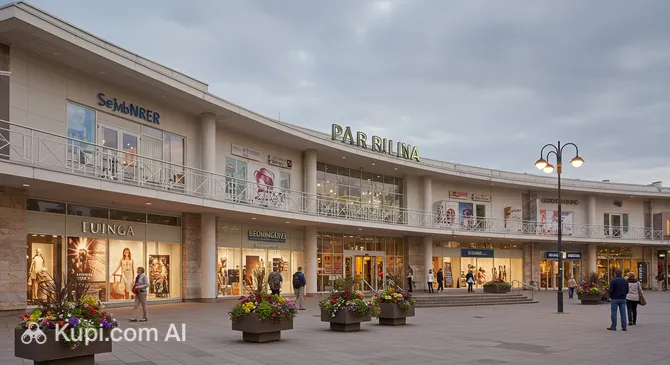
For a more concentrated retail experience, the city center boasts several modern shopping malls located very close to one another. Pärnu Centre is a modern complex situated right in the heart of the city, offering a mix of fashion outlets, a cinema, and cafes. Just a short walk away, near the river, you will find Port Artur 2 (and its neighbor Port Artur 1), which is popular among locals for its wide range of apparel, electronics, and grocery options.

Pärnu Centre. Source: Kupi.Binoculars

If you are interested in local flavors and fresh produce, a visit to the Pärnu Market (Pärnu Turg) is highly recommended. Located near the main shopping centers, this market is a vibrant spot where farmers sell seasonal fruits, vegetables, and fresh fish caught from the bay. During the summer, it is the best place to buy sweet Estonian strawberries, forest blueberries, and chanterelles, which make for delicious snacks during your stay.

When it comes to souvenirs, look for items that reflect Estonian heritage. Woolen goods, such as patterned sweaters, socks, and mittens, are traditional favorites and are known for their quality and warmth. Linen products and items made from aromatic juniper wood (like butter knives or coasters) are also popular and practical gifts. For edible treats, bars of Kalev chocolate or a bottle of local artisanal schnapps are classic choices to bring home.

Most major shops and shopping centers are open seven days a week, typically from 10:00 AM to 8:00 PM or 9:00 PM. Smaller boutiques in the Old Town may have shorter hours, often closing around 6:00 PM and sometimes remaining closed on Sundays. Payment is hassle-free, as credit and debit cards (including contactless payments) are accepted almost everywhere, from large malls to small market stalls.

Tourists from outside the European Union should look for the "Tax Free Shopping" signage in store windows. Many larger retailers in Pärnu participate in the tax refund scheme, allowing eligible visitors to claim back the VAT on purchases exceeding a certain amount, provided they export the goods unused.

Reached the end of the page?

That means the route is fully explored