Support

Tartu

About

Welcome to Tartu, the second-largest city in Estonia and the nation's undisputed intellectual capital. Often referred to as the "City of Good Thoughts," Tartu boasts a unique atmosphere driven by its youthful student population and rich cultural heritage. Unlike the medieval hustle of the capital, this city offers a more relaxed, bohemian vibe that instantly charms visitors seeking authentic experiences.
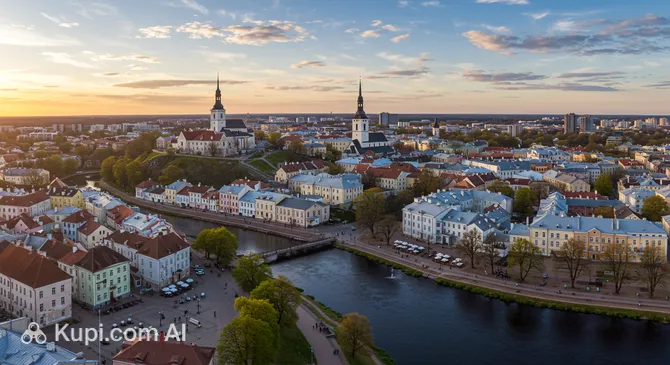
Tartu. Source: Kupi.Binoculars

Located in Tartu County on the banks of the scenic Emajõgi River, the city is home to approximately 91,000 residents. Its inland location provides distinct seasonal beauty, from lush green summers to snowy, picturesque winters. While it serves as a modern regional hub, the deep history of Tartu is evident in its preserved architecture and traditions, dating back to its ancient roots.

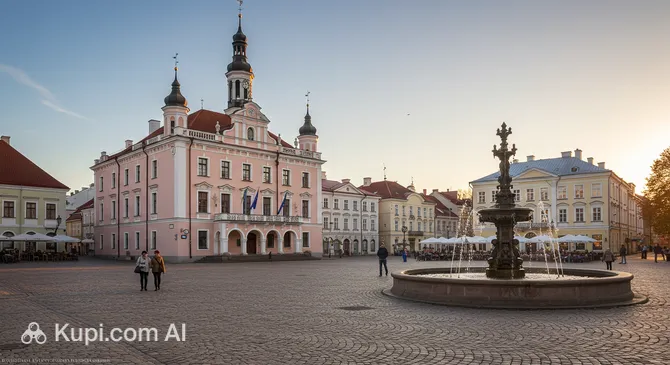
The city is anchored by the prestigious University of Tartu, founded in 1632, which infuses the town with academic energy and innovation. A stroll through the city center will inevitably lead you to the iconic Town Hall Square, famous for the Kissing Students fountain, a symbol of the city's romantic and youthful spirit. Just a short walk away, the historic Toomemägi (Cathedral Hill) offers a peaceful park setting featuring the impressive ruins of the Tartu Cathedral and panoramic views.

Whether you are exploring the cutting-edge exhibitions at the Estonian National Museum or enjoying a coffee in one of the many cozy cafes in the wooden "soup-town" districts, Tartu offers a memorable escape. It is a destination that perfectly blends history, culture, and modernity, inviting travelers to slow down and discover its hidden gems.
Weather Overview

Tartu experiences a diverse climate with four distinct seasons, each offering a different perspective of the city. To plan your activities and packing list effectively, it is helpful to review the detailed forecast for the weather in Tartu before your trip. The city transitions from snowy, atmospheric winters to lush, green summers, ensuring there is always something new to see.

The summer months of June through August are generally the most comfortable time to visit. July is typically the warmest month, with average temperatures around 17.8°C and daytime highs reaching 21.8°C. This season is perfect for outdoor strolls along the river, although visitors should be prepared for mixed conditions; rain is not uncommon, with approximately 11 to 15 wet days occurring monthly during this period.

Winters are characteristically cold and crisp, often blanketing the university town in snow. January and February are the coldest months, where average temperatures drop to -3.5°C and minimums can fall to -5.7°C. While the volume of precipitation is low, the days are frequently damp or snowy, with precipitation recorded on about 12 to 15 days each month.

Spring and autumn serve as cool, transitional periods. May brings a pleasant thaw with highs of 16.1°C, while October sees temperatures dipping back to a brisk 7.2°C average. Overall, you can expect warm summers with occasional rain and cold winters that require warm layers.

Interesting Facts

Beyond the academic prestige and scenic river views, Tartu is a city filled with quirky details and hidden stories that define its unique character. From architectural oddities to neighborhoods with edible names, the city holds many secrets waiting to be discovered by curious travelers.

Tartu Art Museum. Source: Kupi.Binoculars
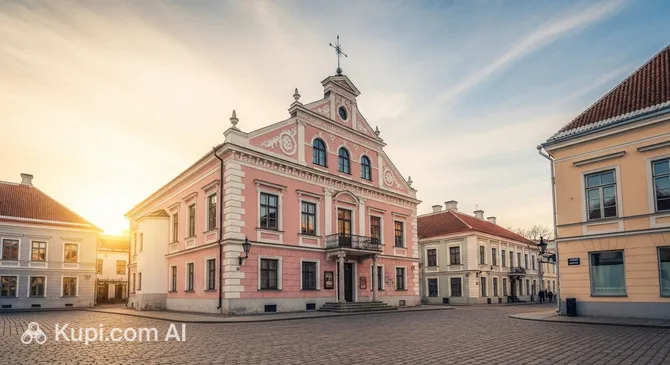
  • The Leaning House of Tartu: The city has its very own version of the Leaning Tower of Pisa. The Tartu Art Museum is housed in a building on Town Hall Square that tilts precariously to one side. Built on the marshy banks of the river, the house leans even more than its famous Italian counterpart, creating a surreal sight in the city center.

  • Soup Town: Just a short walk from the center lies the historic district of Supilinn, which literally translates to "Soup Town." This bohemian neighborhood of wooden houses is famous for its street names, which are named after soup ingredients like Pea (Herne), Bean (Oa), and Potato (Kartuli), preserving the atmosphere of a 19th-century village.

  • A Library in the Ruins: The majestic Ruins of Tartu Cathedral on Toomemägi Hill are not just ancient walls. For nearly two centuries, the choir part of the ruined cathedral housed the university library. Today, it is home to the University of Tartu Museum, blending medieval architecture with academic history.

  • A World Turned Upside Down: For a truly disorienting experience, you can visit the Upside Down House. This attraction is literally built roof-down, and everything inside—from the furniture to the refrigerator—is inverted, creating a fun optical illusion that challenges your sense of balance.

How to Get There

Reaching the intellectual capital of Estonia is quite convenient, with several transport options available depending on your starting point. For a comprehensive overview of routes and schedules, you can check all ways to reach the city in our detailed guide. While Tartu has a small airport, international travelers typically arrive via major hubs in neighboring cities and continue their journey by bus or train.

The most common gateway for visitors is Tallinn Airport (TLL), located in the capital city of Tallinn. Since the city of Tartu does not have its own major international airport, this hub serves as the primary entry point, situated approximately 160 km away. A direct bus from the airport to Tartu takes about 2.5 hours, while a taxi or car rental journey offers a similar travel time. It is a modern, traveler-friendly airport with excellent connections to European cities.

Another viable option is Riga International Airport (RIX) in Riga, Latvia. Located about 231 km from Tartu, it is the largest air hub in the Baltics and offers a wide range of flight connections. The travel time from Riga to Tartu by bus is approximately 4 hours, making it a practical alternative for those touring the wider Baltic region.

For clarity, here is a summary of the main airports:

Airport Name City Passenger Traffic Km from City
Helsinki-Vantaa AirportHelsinkiVery High238.2
Riga International AirportRigaHigh230.9
Tallinn AirportTallinnMedium160.5
KrestyPskovLow118.5
Kuressaare AirportKuressaareLow247.9

Regarding rail transport, while Tartu is well-connected domestically, travelers exploring the eastern part of the country might encounter Narva Railway Station. Located in the city of Narva, this station is approximately 140 km from Tartu. It serves as a significant regional transport node. Connecting travel from Narva to Tartu usually involves a bus ride or a combination of trains, taking roughly 2 hours by road.

Below is a list of regional railway stations for reference:

Station City Passenger Traffic Km to Center
Pskov-Passazhirsky Railway StationPskovHigh115.6
Narva Railway StationNarvaMedium139.8
Pechory-Pskovskiye StationPechoryLow80.3
Porkhov Railway StationPorkhovLow180.3
Kingisepp Railway StationKingisepp154.4

Main Attractions

Tartu is a city where history and innovation coexist seamlessly, offering a wide range of experiences for every type of traveler. From world-class museums and interactive science centers to creative hubs and architectural marvels, the city's main sights reflect its status as the intellectual heart of the country. Here are some of the most captivating places to visit during your stay.

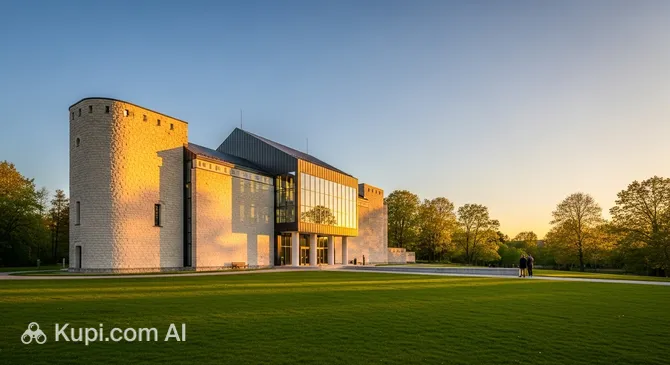
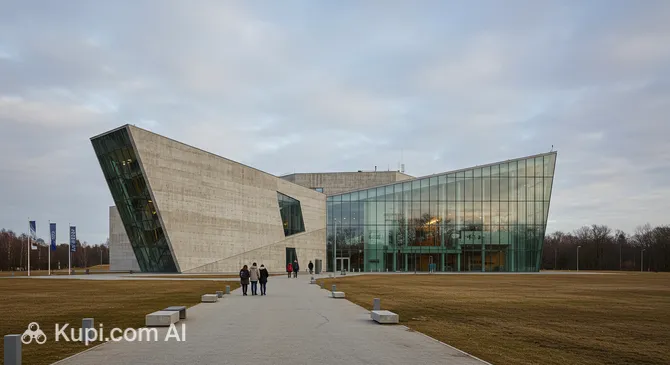
One of the most significant cultural landmarks in the entire country is the Estonian National Museum. Located in the Raadi district on a former Soviet airfield, this award-winning building is an architectural masterpiece in itself. Inside, visitors can explore the deep roots of Estonian culture and the history of Finno-Ugric peoples through high-tech, permanent exhibitions like "Encounters." It is a massive, immersive space that tells the story of the everyday life of the people on this land throughout the ages.

Estonian National Museum. Source: Kupi.Binoculars

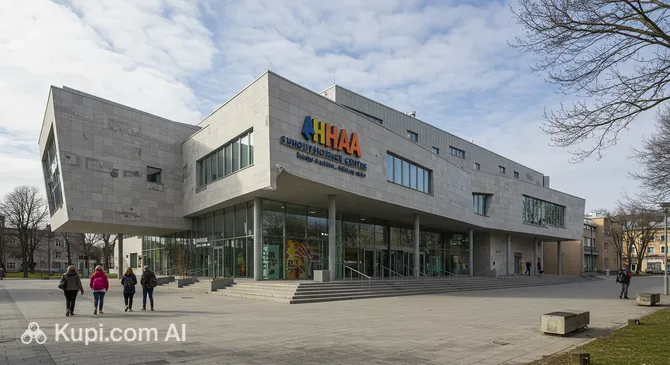
For families and curious minds, the AHHAA Science Centre is an absolute must-see. As the largest science center in the Baltic states, it offers a hands-on approach to learning where touching the exhibits is highly encouraged. You can ride a bicycle across a tightrope, lose yourself in the mirror maze, or observe the stars in the planetarium. It is a place where science becomes entertainment, providing hours of fun and discovery for visitors of all ages.

AHHAA Science Centre. Source: Kupi.Binoculars

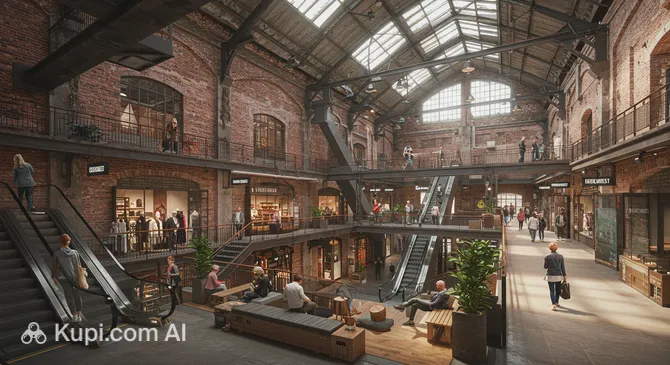
To experience the modern, bohemian vibe of the city, head to Aparaaditehas, or the Widget Factory. Once a Soviet-era manufacturing plant, this industrial complex has been transformed into a vibrant cultural hub filled with artist studios, design shops, and trendy restaurants. It is the perfect spot to enjoy a coffee, browse for unique local handicrafts, or attend one of the many concerts and markets that take place in its courtyard.

Aparaaditehas. Source: Kupi.Binoculars

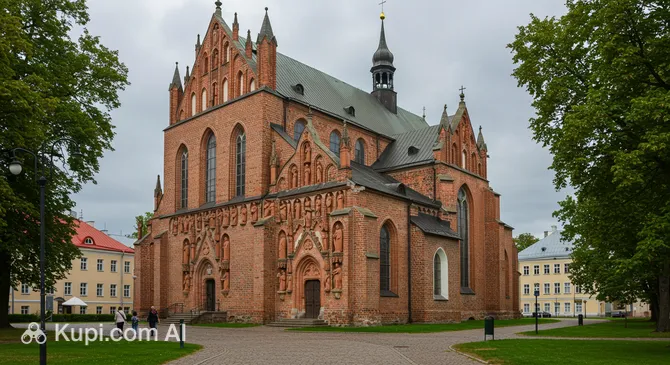
Architecture enthusiasts should not miss St. John's Church, a stunning example of Brick Gothic architecture. What makes this medieval church truly unique is its collection of nearly 1,000 ancient terracotta sculptures, a feature unmatched anywhere else in Europe. After admiring the intricate details of the facade and interior, you can climb the church tower for a beautiful view over the red-tiled roofs of the Old Town.

St. John's Church. Source: Kupi.Binoculars

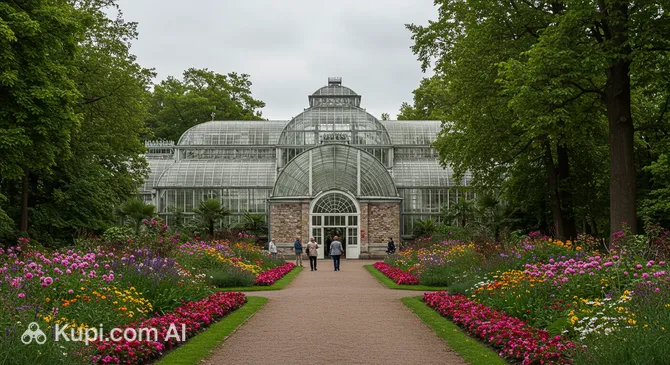
If you are looking for a peaceful retreat into nature, the University of Tartu Botanical Garden offers a lush escape right in the city center. Established in 1803, it is one of the oldest in the region and features a diverse collection of plants from around the world. Whether you wander through the outdoor rock gardens or explore the tropical palm house, it is a scenic and relaxing environment that changes beautifully with every season.

University of Tartu Botanical Garden. Source: Kupi.Binoculars

Local Cuisine

The culinary landscape of Tartu is as diverse as its history, blending traditional Estonian comfort food with modern, experimental gastronomy. As a university town, the city pulses with a vibrant café culture, but recent years have seen a surge in high-quality restaurants that prioritize local, seasonal ingredients. Visitors can expect a dining experience that ranges from hearty medieval-style feasts to delicate, nature-inspired dishes often categorized as New Nordic cuisine.

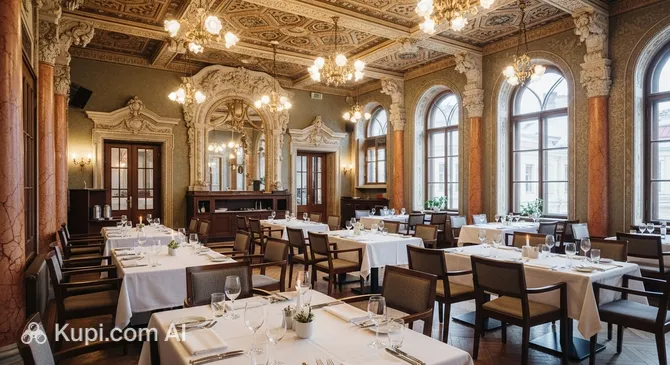
One cannot visit Estonia without trying the dark, fermented rye bread known as leib, which accompanies almost every meal. For a true taste of local tradition, look for dishes featuring pork and sauerkraut, or try kama, a unique flour mixture made from roasted grains and peas, typically mixed with kefir or curd for a filling dessert or breakfast. For a refined take on these seasonal flavors, the Spargel Restaurant is a popular choice, offering a menu that highlights the best produce of the region.

Spargel Restaurant. Source: Kupi.Binoculars

The dining scene in Tartu is not limited to the classic Old Town restaurants. The creative heart of the city's food culture has largely migrated to repurposed industrial spaces. A prime example is Aparaaditehas, a former factory turned cultural hub, where you can find everything from street food to trendy vegan eateries. For those seeking an elegant atmosphere, the restaurant at the Antonius Hotel provides a sophisticated setting to enjoy gourmet interpretations of Estonian classics.

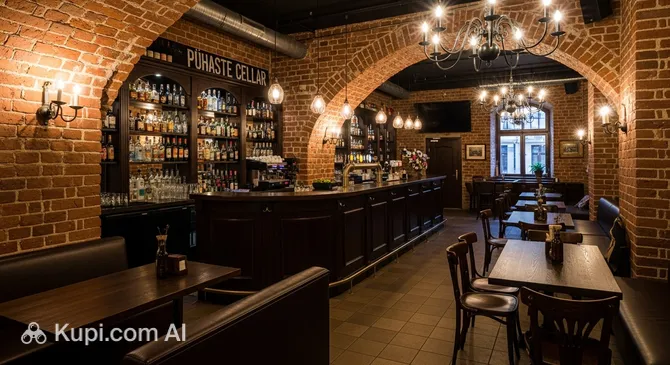
When it comes to drinks, Tartu is arguably the craft beer capital of Estonia. The city has a deep-rooted brewing tradition, and today it is home to some of the country's most celebrated microbreweries. Beer enthusiasts should definitely visit Pühaste Cellar, a taproom offering a wide selection of bold and experimental brews. For a non-alcoholic alternative, try kali, a fermented bread drink that tastes somewhat like root beer, or locally pressed apple and sea buckthorn juices found in many cafes.

Pühaste Cellar. Source: Kupi.Binoculars

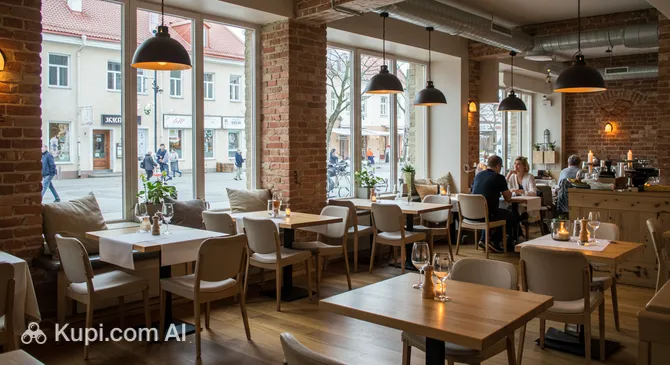
Finally, to truly understand the local vibe, spend an evening in the Karlova district. Here you will find Barlova, a legendary neighborhood bar that captures the bohemian spirit of Tartu. It is the perfect place to mingle with locals, enjoy a drink, and soak in the friendly, unhurried atmosphere that defines this charming city.

Travel Tips

Planning a trip to Tartu is straightforward, but having a few local insights can significantly enhance your experience in this "City of Good Thoughts." Here is a collection of practical tips to help you navigate the student-filled streets and blend in with the locals effortlessly.

  1. Clothing and Gear: The weather in Estonia can be unpredictable, so dressing in layers is the golden rule. Even in summer, bring a light rain jacket or umbrella. If you visit during the darker months (autumn or winter), you must wear a reflector (helkur) attached to your coat or bag; it is not just a safety recommendation but a legal requirement for pedestrians in Estonia to be visible in the dark.

  2. Transportation: The city center is compact and best explored on foot. For longer distances, Tartu has an efficient network of red city buses; you can buy a ticket using a contactless bank card directly at the validator near the driver. Ride-hailing apps like Bolt (which originated in Estonia) are widely used, affordable, and often more convenient than traditional taxis.

  3. Finances: The official currency is the Euro (€). Estonia is a highly digital society, and card payments are accepted almost everywhere, from museums to small market stalls. While you might want to carry a small amount of cash for tips or tiny purchases, you can easily get by with just your card. Tipping is not mandatory but rounding up the bill or leaving 10% for good service is appreciated.

  4. Health and Safety: Tartu is a very safe city for tourists, even at night. Tap water is high quality and perfectly safe to drink, so bring a reusable bottle. Pharmacies (marked as Apteek) are easy to find in shopping centers and the town center; for emergencies, dial 112 for ambulance, police, or fire services.

  5. Communication: English is widely spoken, especially by the younger population and university staff, so you will have no trouble communicating. Free Wi-Fi is available in most public places, cafes, and hotels. If you want to be polite, learn a few local words: Tere (Hello) and Aitäh (Thank you) go a long way.

  6. Local Etiquette: Estonians tend to be reserved and value personal space. A handshake is the standard greeting. Punctuality is taken seriously, so try to be on time for tours or reservations. In public transport and shops, people generally keep a low volume; speaking loudly might draw disapproving looks.

  7. What to Avoid: Do not walk in the bicycle lanes. Tartu has a very active cycling culture, and bike paths are often located on the sidewalk level; locals move fast, and blocking their lane is considered rude and can be dangerous. Also, avoid jaywalking, as it is strictly monitored and can result in a fine.

  8. Local Life Hack: Take advantage of the Tartu Smart Bike system. It is a convenient bike-share network with electric assist bicycles stationed all over the city. It is often the fastest and most enjoyable way to get from the Old Town to the bohemian districts like Karlova or Supilinn.

By keeping these practical tips in mind, you will be well-prepared to enjoy the relaxed rhythm and intellectual charm of Tartu. Pack your curiosity (and a reflector!), and get ready for a memorable visit to Estonia's cultural heart.

Entertainment & Nightlife

As a university town, Tartu pulses with a youthful and creative energy that comes alive when the sun goes down. The nightlife here is legendary in Estonia, known for being relaxed, affordable, and incredibly diverse. Unlike the polished club scene of some capital cities, Tartu offers a mix of bohemian bars, underground music venues, and lively pubs where professors and students often rub shoulders.

The epicenter of the city's nightlife is undoubtedly the Old Town, specifically the area surrounding Rüütli Street. Locals often refer to this zone as the "Bermuda Triangle" because it is notoriously easy to enter for "just one drink" and lose track of time entirely. This pedestrian-friendly strip is lined with pubs and bars, making it the perfect place for bar-hopping. Just steps away lies the iconic Town Hall Square, which serves as a meeting point before heading into the bustling side streets.

For those seeking a more alternative and soulful atmosphere, the wooden district of Karlova is the place to be. Here you will find Barlova, a venue that has become a cultural institution in its own right. With its retro interior, friendly crowd, and wide selection of local craft beers, it perfectly encapsulates the "City of Good Thoughts" vibe. It is common to find impromptu concerts, quiz nights, or simply lively conversations spilling out onto the street.

Barlova. Source: Kupi.Binoculars

Another hotspot for evening entertainment is the creative city of Aparaaditehas. In the evenings, this former factory complex transforms into a vibrant hub for subcultures and music lovers. It hosts some of the city's best underground clubs and event venues, offering everything from techno nights to indie band performances. The crowd here is stylish yet unpretentious, and the dress code is generally "come as you are."

Practical Nightlife Tips:

  • Timing: The party starts late. Most bars fill up around 10:00 PM or 11:00 PM, especially on Fridays and Saturdays. Thursdays are also popular due to "student nights."
  • Prices: Tartu is generally more affordable than Tallinn. A pint of beer or a cocktail usually costs between 5 to 9 Euros.
  • Safety: The city is very safe at night. You can walk between the Old Town and nearby districts like Karlova without worry. For longer distances, use the Bolt app to hail a ride, as flagging down taxis on the street is less common.

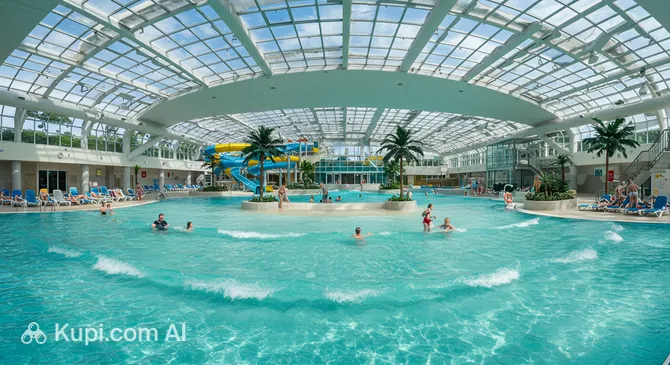
If you prefer entertainment during the daylight hours, the city offers plenty of options for families and thrill-seekers. The Aura Water Park is a favorite destination, featuring exciting slides, a swimming pool, and a relaxing health club with various saunas. It is an excellent way to unwind after a day of sightseeing.

Aura Water Park. Source: Kupi.Binoculars

Culture lovers should check the schedule of the Vanemuine Theatre, the oldest theater in Estonia, which stages operas, ballets, and drama performances. For a trip down memory lane, the Tartu Toy Museum in the Old Town is a delightful stop, housing thousands of toys that offer a nostalgic look at childhood through the ages.

For a more modern entertainment experience, you can visit the Tasku Centre in the downtown area. It houses a modern cinema complex, making it a great option for a relaxed evening watching the latest international films.

Parks & Museums

Tartu is often described as a city in a park, where lush greenery seamlessly blends with centuries of academic and cultural history. The city’s compact size makes it easy to transition from a quiet stroll under ancient trees to an inspiring visit to a world-class gallery. Whether you are seeking the tranquility of nature or a deep dive into Estonia's artistic heritage, Tartu offers a rich landscape of discovery.

The crown jewel of the city's green spaces is undoubtedly Toomemägi (Cathedral Hill). This English-style park is the historical heart of Tartu, rising above the town center. It is a romantic labyrinth of winding paths, statues of famous scholars, and two iconic bridges: the Angel’s Bridge and the Devil’s Bridge. Dominating the hill are the majestic Ruins of Tartu Cathedral. While the walls date back to the 13th century, the surrounding park is a favorite spot for students and locals to read, walk, or simply enjoy the view over the city.

Another significant natural area is the park surrounding Raadi Manor. Located near the Estonian National Museum, this expansive park surrounds the ruins of a once-grand manor house and a picturesque lake. It offers a quieter, more contemplative atmosphere compared to the city center. The manor complex has a rich history, having once belonged to the noble Liphart family, and today serves as a scenic backdrop for concerts and open-air events.

Raadi Manor. Source: Kupi.Binoculars

For culture enthusiasts, the University of Tartu Museum is an essential stop. Housed within the preserved choir part of the cathedral ruins on Toomemägi, the museum showcases the history of science and university education in Estonia. Visitors can explore the intricate White Hall, visit the Crazy Scientist’s Office, or climb the cathedral towers for a panoramic view of the city, blending architectural exploration with historical learning.

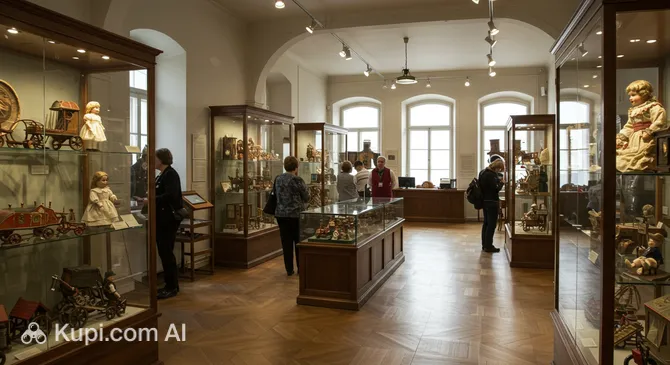
A short walk into the Old Town brings you to the Tartu Toy Museum. Located in one of the city's oldest wooden buildings, this museum is far more than a play area for children. Its extensive collection features thousands of dolls, board games, and souvenirs that trace the history of childhood in the region. The exhibits are curated with great care, offering a nostalgic journey for adults and a wonderland for younger visitors.

Tartu Toy Museum. Source: Kupi.Binoculars

Art lovers should visit the Tartu Art Museum, known locally as Tartmus. While the building itself is famous for its lean, the interior hosts a diverse rotation of exhibitions focusing on modern and contemporary Estonian art. The gallery plays a pivotal role in the local art scene, often displaying thought-provoking works that contrast sharply with the classical exterior of the Town Hall Square.

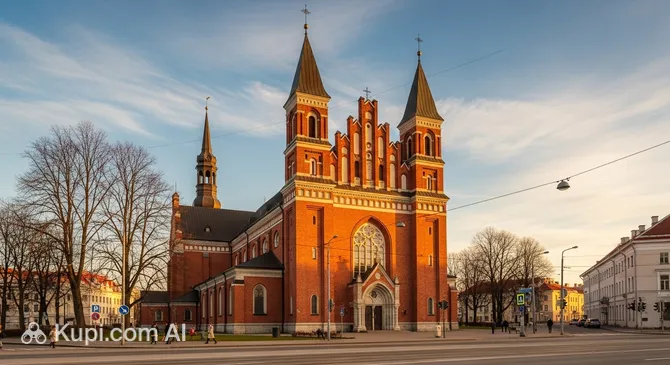
Among the city's architectural landmarks, St Peter's Church stands out for its impressive scale and Neo-Gothic design. Built in the late 19th and early 20th centuries, it is situated on a hill overlooking the Emajõgi River valley. Its striking red-brick facade and soaring spires make it a photogenic landmark, while the interior offers a solemn and spacious environment for reflection.

St Peter's Church. Source: Kupi.Binoculars

For a truly authentic experience, consider visiting the TYPA Printing and Paper Art Centre. Located in a repurposed industrial building, this unique museum is dedicated to the history of printing and paper making. Visitors can see functioning historical printing presses and even try their hand at making paper, offering a tactile connection to the city's industrious past.

Getting Around

Navigating Tartu is remarkably simple and stress-free, thanks to its compact size and well-organized public transport network. While the city center is easily explorable on foot, reaching the outer districts or the train station is convenient via the city's efficient bus system. There are no trams, trolleybuses, or metro lines here; the red city buses serve as the primary mode of public transit, covering all major neighborhoods and points of interest.

The bus fleet is modern and eco-friendly, running on gas to reduce the environmental footprint. Service typically operates from early morning, around 5:00 AM, until midnight. The frequency is generally good, with intervals of 10 to 20 minutes on main routes during the day, though schedules may be slightly reduced on weekends and late evenings. Route maps and real-time departure information are readily available at most bus stops and via local transit apps.

For tourists, the payment system is designed to be as seamless as possible. You do not need to hunt for ticket kiosks or carry exact change. The buses are equipped with contactless validators located near the driver's cabin. You can simply tap your contactless bank card (Visa, Mastercard) against the reader to purchase a 1-hour ticket. If you tap again within that hour, it registers as a transfer without charging you extra. The system automatically caps the daily price, so if you take multiple rides in a single day, you will never pay more than the cost of a day ticket.

If you plan to stay longer, you might consider purchasing a rechargeable plastic "bus card" (Ühiskaart) from an R-Kiosk or a supermarket. These cards can be loaded with money and offer slightly lower fares for residents and frequent travelers. However, for a short visit, the contactless bank card method is the most practical choice. Remember that buying paper tickets from the driver is generally not an option, so electronic payment is essential.

A unique and highly popular feature of the local transport landscape is the Tartu Smart Bike system. This city-wide network includes hundreds of bicycles, many of which are electric, stationed at docking points throughout the town. It is fully integrated with the public transport system; if you have a personalized bus card or a valid period ticket, you can often access the bikes for free or for a nominal fee. It is a fantastic way to move between the university buildings, parks, and museums while enjoying the fresh air.

For those who prefer private transport, ride-hailing apps like Bolt and Forus are the standard way to get around. They are widely used, reliable, and usually offer better rates than hailing a traditional taxi on the street. Traditional taxi stands exist, primarily at the bus station and major shopping centers, but using an app ensures a fixed price and overcomes any potential language barriers.

Accommodation

Finding the perfect place to stay in Tartu is relatively easy, as the city offers a welcoming mix of accommodation options that suit various budgets and travel styles. The selection ranges from affordable, student-friendly hostels and modern guest apartments to elegant boutique hotels housed in beautifully restored historical buildings. Unlike larger capitals dominated by massive chains, the accommodation scene here feels intimate and personal, reflecting the city's cozy atmosphere.

The most convenient area for tourists is undoubtedly the Old Town (Vanalinn). staying here places you right in the heart of the action, just steps away from the university, major museums, and the best cafes. It is the ideal choice for first-time visitors who want to explore the city on foot. For a quieter, more local experience, consider the historic wooden districts of Karlova or Supilinn. These neighborhoods offer a bohemian vibe and plenty of greenery, yet they are only a short walk from the city center.

Antonius Hotel. Source: Kupi.Binoculars

While the city may lack sprawling luxury resorts, it excels in offering high-quality mid-range and upscale options that emphasize character and history. Many of the best hotels are located in renovated centuries-old houses, offering a unique blend of medieval charm and modern comfort. Additionally, the rental market is well-developed, with many visitors opting for short-term apartment rentals, which provide excellent value and flexibility for families or longer stays.

Booking Tip: Although Tartu is not as crowded as Tallinn, it is a vibrant university town that hosts numerous conferences, festivals, and cultural events. During the peak summer months or major academic events, the best rooms can fill up surprisingly fast. It is highly recommended to book your accommodation well in advance to secure your preferred location.

Prices and Booking: Generally, accommodation prices in Tartu are very reasonable compared to Western European standards. You can expect to find great value for money across all categories, from budget hostels to luxury suites. Most properties are listed on major international booking platforms, making the reservation process seamless and secure.

Nearby Cities

For those looking to explore the surroundings, Tartu serves as an excellent base for day trips to several interesting nearby locations:

One of the most charming destinations within easy reach is Viljandi. Located just over an hour away, this small town is famous for its impressive castle ruins that offer scenic views over a nearby lake, as well as its deep-rooted folk music traditions. For a complete change of atmosphere, travelers can head to Pärnu, known as Estonia's "Summer Capital." It is the country's premier seaside resort, boasting long sandy beaches, numerous spas, and a relaxed holiday vibe. Alternatively, the border city of Narva offers a unique historical perspective with its formidable fortress and distinct cultural blend.

City Population Distance (km)
Tallinn438341164
Narva53424139
Pärnu39605131
Kohtla-Järve33498118
Viljandi1687567

These nearby destinations offer a glimpse into the diverse culture and landscapes of the region, ranging from medieval history to coastal relaxation.

Shopping & Souvenirs

Shopping in Tartu offers a pleasant mix of modern convenience and historic charm, reflecting the city's status as a regional hub. While it may not have the overwhelming scale of a major metropolis, the city provides a compact and accessible retail experience. Visitors can find everything from high-end international brands in contemporary shopping centers to unique local handicrafts tucked away in the narrow streets of the Old Town.

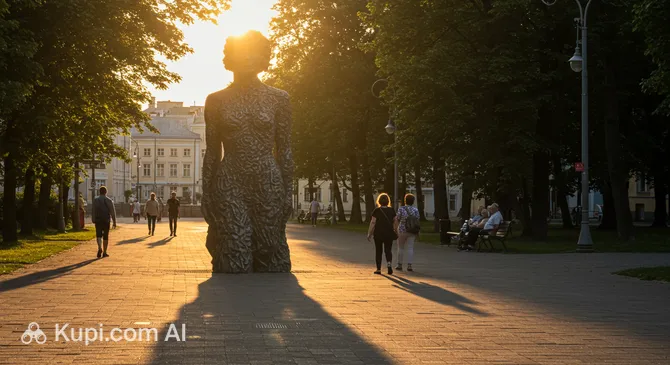
For a traditional shopping experience amidst historical architecture, the best place to start is the area around Town Hall Square and Rüütli Street. This pedestrian-friendly zone is lined with small boutiques, souvenir shops, and art galleries. It is the ideal location to hunt for authentic Estonian design, high-quality linen products, and hand-knit woolen items, which are staples of local craftsmanship.

Town Hall Square. Source: Kupi.Binoculars

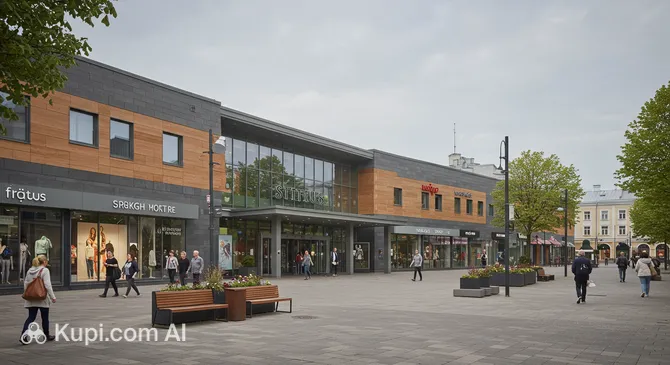
If you prefer a more concentrated shopping experience, the city center features several modern malls situated within walking distance of each other. The Tasku Centre is a prominent destination, housing a variety of fashion retailers, a cinema, and bookstores. Adjacent to it are the Tartu Kaubamaja and Kvartal centers, creating a dense commercial triangle where you can find major European fashion labels, electronics, and cosmetics.

Tasku Centre. Source: Kupi.Binoculars

For those seeking something more alternative and creative, Aparaaditehas (The Widget Factory) is a must-visit. This repurposed industrial complex is home to artist studios and design shops selling unique clothing, accessories, and interior decor items made by local designers. It is the perfect spot to find a one-of-a-kind gift that carries the bohemian spirit of the city.

To taste the local flavors, a visit to the historic Tartu Market Hall (Tartu Turg) is highly recommended. Resembling an ancient temple, this indoor market offers fresh seasonal produce, local honey, smoked meats, and dairy products. It is a lively place to mingle with residents and purchase edible souvenirs like artisan cheeses or jars of cloudberry jam.

When it comes to souvenirs, typical items worth bringing back include traditional Estonian handicrafts, wooden kitchenware, and felted wool products. Food items are also popular, particularly Kalev chocolates, Vana Tallinn liqueur, and kama flour mixtures. Book lovers will appreciate the city's numerous well-stocked bookstores, many of which offer a good selection of literature in English, befitting a university town.

Most major shopping centers are open daily from 10:00 AM to 9:00 PM, while smaller boutiques in the Old Town may close earlier, around 6:00 PM or 7:00 PM, and have reduced hours on Sundays. Card payments are almost universally accepted, even for small purchases. For visitors from outside the European Union, tax-free shopping is available at many stores; simply look for the "Global Blue" signage in the window to claim a VAT refund on your purchases.

Reached the end of the page?

That means the route is fully explored