Support

Kuressaare

About

Welcome to Kuressaare, a picturesque resort town located on the southern coast of Saaremaa, the largest island in Estonia. Often referred to as the "Sun Capital" of the country, this charming city is renowned for its historic architecture, restorative sea air, and relaxed island atmosphere. It serves as the administrative center of Saare County and acts as a cultural hub for the entire region.

Despite being the westernmost town in the country, Kuressaare is easily accessible and vibrant. With a population of approximately 13,000 residents, it maintains a cozy, small-town feel while offering amenities comparable to larger international destinations. The city is situated on the coast of the Gulf of Riga, boasting a mild maritime climate that has attracted visitors seeking health and wellness for nearly two centuries.
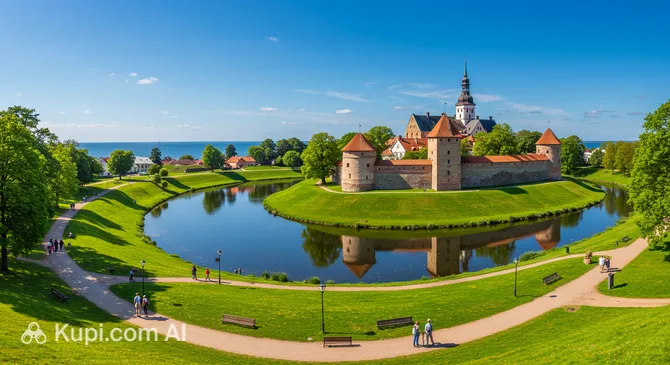
Kuressaare. Source: Kupi.Binoculars

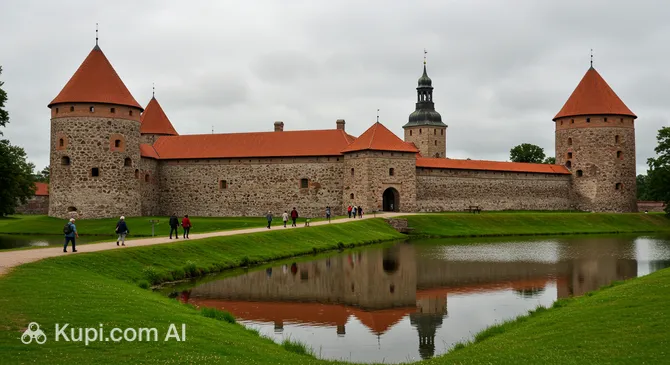
The crown jewel of the city is undoubtedly the majestic Kuressaare Castle (also known as the Episcopal Castle), which is one of the best-preserved medieval fortifications in the Baltic region. Exploring the fortress and its surrounding moat offers a fascinating glimpse into the rich history of Kuressaare, dating back to the 14th century. The castle grounds are situated within a beautiful park, perfect for leisurely strolls.

Beyond its historical heritage, Kuressaare is famous for its exceptional spa culture. It is often cited as having the highest number of spa seats per capita in the world, earning it the title of a designated Healthy City by the WHO. Visitors can indulge in various curative mud treatments and relaxing wellness procedures that have been a local tradition since the mid-19th century.

Whether you are drawn by the allure of medieval legends, the comfort of modern spas, or the quaint 19th-century wooden architecture of the Old Town, Kuressaare promises a memorable experience. It is an ideal destination for travelers looking to unwind, recharge, and enjoy the unique pace of island life.
Weather Overview

Kuressaare experiences a maritime climate that is heavily influenced by the surrounding Baltic Sea, resulting in moderate seasonal changes compared to the mainland. The summer months of July and August are the warmest time of the year, with average temperatures reaching approximately 17.9°C and daily highs peaking around 20.5°C. This period is generally comfortable for exploring the island, though visitors should be prepared for about 12 to 14 wet days per month.

Winters are chilly, with average temperatures in January and February hovering just below freezing at around -0.2°C to -0.5°C. Precipitation frequency varies significantly throughout the year; October and December are among the dampest months, seeing up to 16 wet days. In contrast, late spring offers the driest conditions, with May averaging only 7 wet days.

Overall, you can expect mild, pleasant summers perfect for outdoor activities and cold, damp winters that call for warm layers. For a comprehensive breakdown of conditions to help plan your trip, check the detailed guide to the weather in Kuressaare.

Interesting Facts

Beyond the main attractions, Kuressaare holds many fascinating secrets and legends that reveal the depth of its history. From world-famous architects to mythical giants, the city’s past is woven with stories that go far beyond its spa resorts.

  • The world-renowned architect Louis Kahn spent his early childhood in the city, and many scholars believe the massive dolomite walls of Kuressaare Castle deeply influenced his later work. The fortress's imposing geometry and play of light are thought to have inspired his monumental modernist designs, such as the National Assembly Building in Bangladesh.

  • A chilling urban legend tells of a "Walled-in Knight" discovered in the castle's cellar. According to the story, an 18th-century engineer found a secret chamber containing a skeleton seated at a table, believed to be a knight imprisoned alive for a forbidden romance. This tale has become a staple of the town's folklore, adding a layer of mystery to the medieval fortification.

  • The city is deeply connected to the legend of the gentle giant Suur Tõll, who is said to have protected the island's inhabitants. You can visit a bronze sculpture of Suur Tõll and Piret near the harbor, which depicts the giant and his wife carrying a boat full of fish; folklore claims Tõll was so large he could walk through the sea to the neighboring island of Hiiumaa.

  • For centuries, the town was known internationally by its German name, Arensburg, meaning "Eagle's Fortress," a reference to the eagle symbol of the local bishopric. During the Soviet era, it was renamed Kingissepa after a Bolshevik revolutionary, before finally reclaiming its historical Estonian name in 1990.

  • Kuressaare is home to one of the oldest working cannons in the region. Cast in 1803, this artillery piece located at the castle is still functional and is occasionally fired to mark special festive occasions, connecting modern visitors with the city's military past.

Suur Tõll and Piret. Source: Kupi.Binoculars

How to Get There

Reaching the island of Saaremaa and its capital requires a bit of planning, as the journey typically involves crossing the sea. However, the connections are well-established and scenic. For a comprehensive guide on all transport methods, including ferry schedules and driving routes, you can read more about how to get to Kuressaare.

The most convenient way to arrive is directly by air. The city is served by its own regional hub, Kuressaare Airport (IATA: URE). Located just 3.0 km from the city center, it offers a quick and easy connection. A taxi or bus from here to the heart of the town takes only about 10 to 15 minutes. While it is a small airport with annual traffic of around 42,000 passengers, it provides vital regular connections, primarily from the capital.

For international travelers, the main gateway is usually Tallinn Airport (IATA: TLL) in Tallinn, situated approximately 185.7 km from Kuressaare. After landing in Tallinn, visitors can take a direct bus that drives onto the ferry to Saaremaa, a journey that generally takes about 4 hours in total. Another significant option is Riga International Airport (IATA: RIX) in Riga, Latvia. Although it is about 172.7 km away in a straight line, the travel time by road is similar to coming from Tallinn, making it a viable alternative for those exploring the wider Baltic region.

For clarity, here is a summary of the main airports:

Airport Name City Passenger Traffic Km from City
Riga International Airport Riga Large 172.7
Tallinn Airport Tallinn Large 185.7
Visby Airport Visby Medium 254.1
Turku Airport Turku Medium 252.0
Kuressaare Airport Kuressaare Small 3.0

The city of Kuressaare does not have a railway station, as there is no train service on the island of Saaremaa. Travelers preferring rail transport typically take a train to a mainland hub and then transfer to a bus. According to available data, one of the major regional hubs is Helsinki Central Station (IATA: HEC) in Helsinki, Finland, located about 255.3 km away across the Gulf of Finland. From there, one would need to take a ferry to Tallinn and then a bus to Kuressaare.

Below is the information for the nearest major railway station listed:

Station City Passenger Traffic Km to Center
Helsinki Central Station Helsinki Very Large 255.3

Main Attractions

Kuressaare offers a delightful mix of medieval history, modern leisure, and island charm. While the town is compact enough to explore on foot, it is packed with interesting sites that cater to history buffs, foodies, and shoppers alike. Here are some of the top places to include in your itinerary.

The undisputed highlight of the city is Kuressaare Castle. This episcopal fortress is one of the best-preserved medieval fortifications in the Baltic states, standing as a testament to the island's turbulent past. Inside, you will find the Saaremaa Museum, which offers fascinating exhibits on the region's nature and history. A walk along the ramparts provides stunning views of the surrounding moat and the sea, making it a must-visit for every tourist.

Kuressaare Castle. Source: Kupi.Binoculars

For a taste of local flavors with a view, stop by HAFEN Restaurant. Located in the city's harbor area, this establishment is known for its airy, modern atmosphere and scenic views of the yachts and the bay. It is an excellent spot to enjoy fresh seafood and European cuisine while watching the sunset over the water, offering a relaxing break after a day of sightseeing.

If you are looking for a more casual and authentic local vibe, Monus Villem is a popular choice. This pub is a favorite among locals and visitors alike, known for its friendly service, hearty food, and wide selection of drinks. The interior is decorated in a cozy, rustic style, making it a perfect place to unwind and soak up the genuine island atmosphere.

Travelers interested in shopping or picking up souvenirs should visit the Auriga Shopping Center. As the largest shopping complex on the island, it offers a variety of stores ranging from fashion to electronics, as well as a grocery store for travel essentials. It is a convenient stop for families and those looking to experience the modern side of daily life in Kuressaare.

Local Cuisine

The culinary scene in Kuressaare is deeply rooted in the traditions of Saaremaa island, offering a distinct flavor profile that sets it apart from the mainland. Local cuisine leans heavily on seasonal ingredients, with fresh fish like flounder, garfish, and herring taking center stage. Visitors should not miss the opportunity to taste the island's famous dark bread and locally produced dairy products, which are staples on many tables.

For those seeking a refined yet cozy atmosphere, Prelude Wine Bar & Restaurant is a charming choice. Located in the heart of the town, this venue is celebrated for its carefully curated wine list and a menu that highlights fresh, local produce. It is an excellent spot to unwind with a glass of wine and enjoy slow-cooked dishes inspired by island traditions.

Given the town's reputation as a wellness destination, many dining establishments focus on healthy and balanced meals. The Georg Ots Spa Hotel Restaurant is a prime example, offering a menu that combines nutritional value with gourmet presentation. With scenic views over the bay, it provides a tranquil setting where guests can enjoy modern European cuisine crafted from high-quality local ingredients.

No culinary journey in Kuressaare would be complete without trying the traditional island beer. Saaremaa is renowned for its home-brewed beer, known locally as koduõlu, which has a rich history and a unique, malty taste. Whether you are dining in a sophisticated restaurant or grabbing a quick bite at a local cafe, be sure to ask for local brews and seasonal specialties to truly experience the taste of the island.

Travel Tips

Planning a trip to the "Sun Capital" of Estonia requires a little preparation to fully enjoy its island charm and changing weather. Here are some practical tips to help you navigate local customs, logistics, and the unique pace of life for a stress-free vacation in Kuressaare.

  1. Clothing and Gear: The maritime climate on Saaremaa means weather can change rapidly. Even in summer, it is wise to bring a windproof jacket and warm layers, as the sea breeze can be quite cool. Comfortable walking shoes are essential for navigating the cobblestone streets of the Old Town and the gravel paths around the castle.
  2. Transportation: The city center is compact and best explored on foot or by bicycle, which is a very popular mode of transport among locals. Taxis are available, and the Bolt ride-hailing app operates in the city. If you plan to explore the wider Saaremaa island, renting a car is highly recommended for flexibility.
  3. Finances: Estonia uses the Euro (€). Card payments are ubiquitous, and you can pay with a card (usually contactless) in almost every shop, restaurant, and museum. ATMs are readily available in the town center and at the Auriga Shopping Center. Tipping is not mandatory, but leaving around 10% for good service is common practice.
  4. Health and Safety: Kuressaare is an extremely safe destination for tourists. Pharmacies are marked with the word Apteek; while they are well-stocked, 24-hour service is rare, so buy necessary medications during the day. If you plan to hike in the forests or tall grass during summer, use insect repellent to protect against ticks.
  5. Communication: The official language is Estonian, but English is widely spoken, particularly by younger people and in the tourism sector. You may also hear Finnish and German spoken frequently. Estonia is a digital society, so free Wi-Fi is found almost everywhere. Prepaid SIM cards for data can be easily bought at supermarkets or R-Kiosk stands.
  6. Local Etiquette: Estonians are generally reserved and value personal space. A polite "Tere" (Hello) is the standard greeting. When visiting the city's famous spas, check the specific rules for each facility; while swimwear is worn in pools, some saunas may be gender-segregated and require nudity.
  7. What to Avoid: Avoid being loud or disruptive in public spaces, as locals appreciate peace and quiet. Additionally, never enter a local home with your shoes on; it is a strict social norm to take them off at the door.
  8. Sunday Schedules: Be aware that the pace of life on the island is slower than in the capital. Many smaller boutiques, cafes, and businesses may close early or be completely closed on Sundays, so check opening hours in advance if you need to do any specific shopping.

With these practical insights in mind, you are well-equipped to relax and blend in with the locals. Pack your layers, rent a bike, and get ready to experience the rejuvenating atmosphere of this historic seaside resort.

Entertainment & Nightlife

Entertainment in Kuressaare reflects the island's relaxed and welcoming pace of life. While it may not have the bustling 24-hour party scene of a large metropolis, the nightlife here is charming, intimate, and surprisingly vibrant, especially during the summer months. The evening action is largely concentrated in the Old Town and around the central square (Kesk väljak), making it easy to hop from one venue to another on foot.

For a lively start to your evening, the local pubs are the go-to meeting spots for both residents and tourists. Monus Villem is a standout favorite, known for its rustic interior and extensive selection of beers. It captures the essence of a traditional island pub where you can enjoy hearty snacks and a cheerful, noisy atmosphere well into the night.

If you prefer a more sophisticated setting, the city offers several excellent wine bars and lounges. Prelude Wine Bar & Restaurant is a perfect choice for a quieter night out. Located in a historic building, it specializes in fine wines and creates a cozy, romantic ambiance that contrasts with the louder pubs. It is an ideal spot for conversation and unwinding after a day of exploration.

For those looking to dance, Kuressaare has a couple of nightclubs that typically open late on weekends, such as Club Diva and Club Privilege (located near the center). These venues attract a mix of locals and visitors, playing mainstream hits and hosting themed parties. The dress code is generally casual to smart-casual; while you don't need formal wear, beachwear is not appropriate for the clubs.

Safety is one of Kuressaare's strongest points. The city is very safe for night walks, even in the late hours. The streets are well-lit, and the crime rate is low. However, if you need to travel further from the center or simply prefer a ride, taxis are readily available. You can easily hail a cab or use the Bolt app, which operates reliably in the city.

Beyond the nightlife, the city offers diverse daytime entertainment options. Culture lovers can visit the Kuressaare Castle, which houses the Saaremaa Museum, or catch a performance at the Kuressaare City Theatre. For families and those seeking relaxation, the town's numerous spas, such as the Asa Spa Hotel, provide water parks and wellness centers that are open throughout the day, offering a fun alternative to historical sightseeing.

Parks & Museums

Kuressaare is a city where history breathes in harmony with nature, offering visitors a delightful mix of lush green spaces and rich cultural heritage. Beyond its famous spas, the town is dotted with manicured gardens, wilder natural areas, and museums that tell the captivating stories of Saaremaa island.

The most prominent green space is undoubtedly the Kuressaare Castle Park (Lossipark), which encircles the fortress with a belt of greenery established in the 19th century. It acts as a botanical treasure trove, hosting over 80 species of trees and shrubs, including rare varieties that thrive in the mild maritime climate. A walk along the park's shaded avenues offers beautiful views of the moat and leads you toward the seaside, where you can find the famous sculpture of Suur Tõll and Piret.

For those willing to venture just a few kilometers from the center, the Loode Oak Forest (Loode tammik) is a protected natural area of immense beauty. It is one of the few surviving natural oak forests in Estonia, featuring ancient trees that are centuries old. In the spring, the forest floor is carpeted with rare orchids, making it a paradise for nature photographers and botany enthusiasts.

The cultural heart of the city beats within the walls of Kuressaare Castle, which houses the Saaremaa Museum. As one of the oldest and largest museums in Estonia, it provides a comprehensive overview of the island's geological past, wildlife, and human history from ancient times to the 20th century. Visitors can explore the medieval convent building, climb the defense towers for panoramic views, and delve into temporary exhibitions that often feature local art and historical artifacts.

Another significant cultural venue is the Aavik Family House Museum, dedicated to Johannes Aavik, a linguist who modernized the Estonian language. Located in a charming wooden house in the district of Juhan Smuul, the museum offers an intimate look at the lifestyle of the early 20th-century townspeople and the cultural movements of the time. For art lovers, the Raegalerii in the historic Town Hall presents rotating exhibitions of contemporary art, often highlighting works by local artists.

Architecturally, the city center is dominated by the Kuressaare Town Hall, a magnificent Baroque building commissioned in the 17th century. Just opposite stands the Weighhouse (Vaekoda), the only surviving building of its kind in Estonia, which once played a crucial role in the town's trade. These structures, along with the well-preserved wooden houses of the Old Town, create a nostalgic atmosphere perfect for leisurely exploration.

For a truly authentic experience, take a walk along the Romantics' Path that winds along the coast near the castle. It is a lesser-known route that offers peaceful solitude and some of the best sunset views in the city, away from the busier main promenades.

Getting Around

Navigating Kuressaare is remarkably simple and stress-free, largely because the city is compact and pedestrian-friendly. Unlike larger metropolises, there is no metro, tram, or trolleybus system here. The primary form of public transportation is the bus network, which serves both the town itself and the surrounding Saare County. For most visitors staying in the city center, the main attractions, restaurants, and the castle are easily accessible on foot, making walking the most popular way to get around.

The local bus system is reliable and connects the city center with residential areas, the hospital, and the Roomassaare port. If you plan to use the bus, the payment system is integrated with the wider Estonian public transport network. You can use the green Public Transport Card (Ühiskaart), which is valid across the country. Money can be loaded onto the card at post offices or supermarkets. Alternatively, single tickets can usually be purchased directly from the driver using cash, though having small change is appreciated. Ticket prices are very affordable, and on many county lines radiating from the city, travel is often free of charge, though you must still validate your ride with a transport card.

For practical planning, it is useful to know that bus schedules are not as frequent as in big cities. Services typically run from early morning until the evening, but late-night options are limited. It is highly recommended to check current timetables online or at the bus stops, especially on weekends when frequency decreases. The central bus station is the main hub for all departures, making it the best place to start any longer journey across the island.

Given the flat terrain and scenic surroundings, renting a bicycle is a fantastic alternative to motorized transport. Many hotels and dedicated rental shops offer bikes, allowing you to explore the town and nearby coastal paths at your own pace. If you need to cover a longer distance quickly or have heavy luggage, taxis are readily available. The Bolt ride-hailing app operates in the city, offering a convenient and transparent way to book a car without needing to speak the local language.

While there are no historic cable cars or subway systems, the city does have a unique seasonal feature: a small "tourist train" on wheels that often circulates during the summer months. This slow-moving vehicle offers a fun and nostalgic way to see the main sights without walking, making it a favorite for families with children. Ultimately, the transport experience here is defined by the relaxed island pace, where no destination is ever too far away.

Accommodation

Where to Stay:

Accommodation in Kuressaare caters to a wide variety of preferences, ranging from cozy, family-run guesthouses to world-class wellness resorts. As the city is renowned as a spa destination, the accommodation scene is dominated by large spa hotels that offer all-inclusive packages with treatments and water park access. However, visitors can also find numerous boutique apartments, bed and breakfasts, and budget-friendly hostels, particularly in the residential areas surrounding the center.

When choosing an area to stay, location plays a key role in the experience. The Old Town is the best choice for those who want to be steps away from the best restaurants, cafes, and historic sights like the Town Hall. Staying here puts you in the heart of the action with easy access to the castle. Alternatively, the Harbor and Beach area (near the park and marina) is where the major spa hotels are clustered. This area is perfect for travelers seeking relaxation, sea views, and quick access to the beach promenade.

For those looking to experience the city's famous wellness culture, the Asa Spa Hotel is a prominent option. Situated right by the promenade and the yacht harbor, it offers extensive water and sauna centers, making it a favorite for families and leisure travelers who want to combine comfortable lodging with recreational activities.

Booking Tips: Kuressaare is an extremely popular summer destination for both domestic and international tourists. During the peak months of July and August, as well as during the Saaremaa Opera Days festival, accommodation can sell out weeks in advance. It is highly recommended to book your stay well ahead of time if you plan to visit during the summer season.

Prices and Booking: The price range varies significantly by season. In the off-season (late autumn to early spring), you can find excellent deals even at luxury resorts. In contrast, prices peak during the summer. Booking is most commonly done through major online platforms, but many smaller guesthouses and apartments also accept direct bookings, which can sometimes offer a more personal touch.

Nearby Cities

For those looking to explore the surroundings, Kuressaare serves as an excellent base for day trips to several interesting nearby locations:

Situated on the mainland coast, Pärnu is widely known as Estonia's "Summer Capital." It is famous for its long, white sandy beaches, beautiful parks, and numerous spas, offering a lively resort atmosphere that complements the island vibe of Saaremaa. Although reaching it requires a ferry crossing, it is one of the closest major cities and provides a perfect setting for seaside relaxation and dining.

The country's capital, Tallinn, is also accessible for a longer day trip or a short excursion. Renowned for its UNESCO-listed Old Town, the city features a stunning mix of medieval architecture, such as the Toompea Castle, and modern creative districts like Telliskivi. It offers a distinct contrast to Kuressaare with its bustling urban energy and rich historical heritage.

City Population Distance (km)
Tallinn 438341 185
Tartu 91407 249
Narva 53424 352
Pärnu 39605 118
Kohtla-Järve 33498 304

These nearby destinations offer a glimpse into the diverse culture and landscapes of the region.

Shopping & Souvenirs

Shopping:

Shopping in Kuressaare offers a refreshing change of pace from the hustle of large metropolises. While you will not find endless rows of high-end luxury fashion houses, the city is a treasure trove for authentic local craftsmanship and unique island products. The shopping experience here is intimate and relaxed, focusing heavily on natural materials and goods made right here on Saaremaa.

The main shopping activity is concentrated in the Old Town, particularly along Tallinna Street and around the central square. This area is lined with charming boutiques, handicraft galleries, and small souvenir shops housed in historic buildings. Strolling down these streets allows you to combine sightseeing with window shopping, as many of the stores are located near the city’s architectural landmarks.

For a more comprehensive shopping experience, the city has a few key centers. The Saaremaa Department Store (Saaremaa Kaubamaja) is conveniently located in the town center and offers a wide range of goods, from clothing and cosmetics to home essentials. It is a staple for locals and a convenient stop for tourists needing everyday items or gifts.

If you are looking for international brands and a larger variety of shops under one roof, the Auriga Shopping Center is the largest mall on the island. Located on the outskirts of the city, it features fashion retailers, electronics stores, a large grocery hypermarket, and dining options. It is the go-to destination for families and those looking to stock up on supplies for their trip.

To get a taste of local life, visit the Kuressaare Market (Turg), located right in the city center. This is the best place to find fresh seasonal produce, such as strawberries, forest mushrooms, and garden vegetables. During the summer, the market bustle includes vendors selling pickles, honey, and smoked fish, providing a genuine flavor of the island's culinary traditions.

When it comes to souvenirs, Saaremaa is famous for its distinct local products. Juniper wood items are the most iconic purchase; the aromatic wood is crafted into everything from butter knives and coasters to trivets that release a pleasant scent when heated. Dolomite stone carvings, woolen knitwear, and felted items are also popular. Foodies should look for local artisanal mustard, juniper syrup, and the island's famous dark bread.

Most shops in the city center are open from 10:00 AM to 6:00 PM or 7:00 PM on weekdays, with shorter hours on Saturdays. On Sundays, many smaller boutiques may be closed, though the larger shopping centers usually remain open until 9:00 PM. Credit and debit cards are widely accepted everywhere, including market stalls, making shopping convenient for travelers.

Visitors from outside the European Union should look for the Tax-Free Shopping signage in store windows. Many larger retailers participate in the VAT refund scheme, allowing you to claim back the tax on purchases exceeding a certain amount when leaving the EU.

Reached the end of the page?

That means the route is fully explored