Support

Palanga

About

Welcome to Palanga, the undisputed summer capital of Lithuania. Nestled along the amber-rich shores of the Baltic Sea in Klaipėda County, this charming resort town offers a perfect blend of natural beauty, lively entertainment, and serene relaxation. With a permanent population of around 18,000 people, the city maintains a cozy atmosphere that transforms into a vibrant hub of activity during the warmer months.

The city is renowned for its pristine white sand beaches backed by fragrant pine forests and rolling dunes. While it is a bustling modern resort today, the history of Palanga reveals a fascinating transformation from a quiet fishing village to a prestigious retreat favored by nobility. This rich heritage is still visible in the town's elegant architecture and carefully preserved cultural sites.
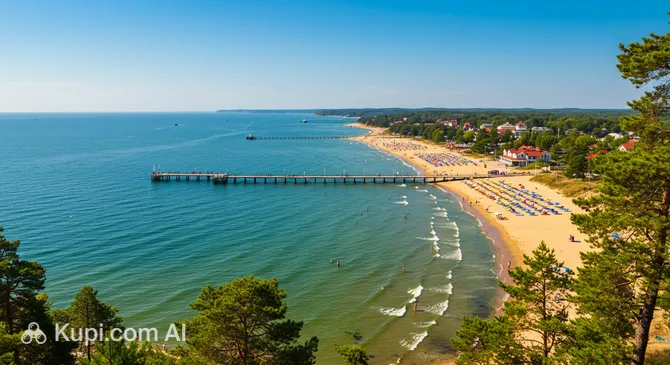
Palanga. Source: Kupi.Binoculars

Among the city's top highlights is the magnificent Palanga Amber Museum, housed in the 19th-century Tiškevičiai Palace and surrounded by one of the most beautiful botanical parks in the region. Visitors also flock to the iconic Palanga Pier, reached by strolling down the lively J. Basanavičius Street, which is lined with cafes, restaurants, and entertainment venues. It is the perfect spot to witness the breathtaking sunsets for which the coast is famous.

Whether you are seeking a relaxing getaway on the beach, looking to explore unique museums, or simply want to enjoy the fresh sea breeze, Palanga promises an unforgettable experience. We invite you to discover the charm of this Baltic gem and create your own lasting memories.
Weather Overview

Palanga experiences a moderate maritime climate typical of the Baltic coast, characterized by fresh sea breezes and distinct seasons. The summer months are the warmest and most popular for visitors, with average temperatures ranging from 17.1°C in June to 18.6°C in August. While the days are generally pleasant with maximum highs reaching around 22°C, travellers should be prepared for mixed conditions, as July and August can see approximately 14 wet days each.

The colder months bring a significant drop in temperature, though extreme freezes are less common due to the warming influence of the sea. Winters are cool and damp, with average temperatures hovering just above freezing at 0.2°C in January, which also records the highest frequency of precipitation with 18 wet days. Spring and autumn serve as transitional periods; May offers a comfortable average of 12°C, while October cools down to around 10°C.

For a more detailed breakdown to help you pack the right gear, you can view the current weather in Palanga. Generally, you can expect warm summers with occasional rain and cold, damp winters throughout the year.

Interesting Facts

Beyond the bustling main street and sandy shores, Palanga holds a treasure trove of historical secrets and local legends. Here are some intriguing details that reveal the deeper character of this Baltic resort.
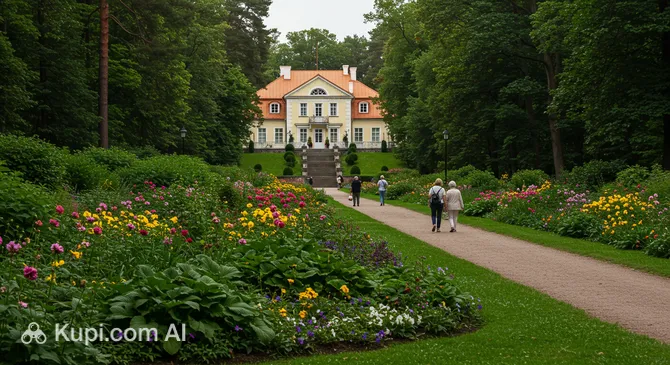
Palanga Amber Museum. Source: Kupi.Binoculars
  • The "Sun Stone" Heist: The Palanga Amber Museum protects one of the largest pieces of amber in Europe, known as the "Sun Stone," weighing over 3.5 kilograms. Interestingly, this massive gem was once stolen in a high-profile heist in 2002 but was successfully recovered and returned to its display.

  • A Failed Port: The famous L-shaped Palanga Pier was originally constructed in the late 19th century with the intention of serving as a functional shipping port for steamers. However, the constant movement of sand and silting made navigation impossible, transforming the structure into the purely recreational promenade visited today.

  • Royal Love Story: Birutė Hill, the highest dune in Palanga, is steeped in romantic legend. It is said to be the site of a pagan shrine kept by a priestess named Birutė, who was kidnapped by the Grand Duke Kęstutis to become his wife, eventually giving birth to Vytautas the Great, one of Lithuania's most famous rulers.

  • French Landscape Design: The sprawling Palanga Botanical Park is not just a natural forest but a carefully designed masterpiece by the famous French landscape architect Édouard André. He spent several summers here in the late 19th century shaping the dunes and planting exotic vegetation to create the park's distinct English-landscape style.

  • Historic Pharmacy: Palanga is home to one of the oldest pharmacies in Lithuania, established in 1827. It played a crucial role in the town's development as a health resort, famously offering treatments like "kephir" (fermented milk) and pine baths long before modern spas became popular.

How to Get There

Reaching the seaside resort of Palanga is relatively straightforward, with several transport options available depending on your starting point. For a complete overview of routes and travel advice, you can read more about how to get to Palanga on our detailed page.

The most convenient entry point is the local Palanga International Airport (PLQ), which handles a variety of regional and seasonal flights. It is situated just 6.1 km from the city center, making the transfer very quick; a taxi or bus ride takes approximately 15-20 minutes. For travelers seeking more extensive international connections, Riga International Airport (RIX) in Riga is a major hub located about 211 km away. While the distance is greater, the airport offers a wider network of flights, and the subsequent journey by road takes roughly 3 to 4 hours. Another viable option within the country is Kaunas Airport (KUN) in Kaunas, which is approximately 218 km from Palanga, with a travel time of around 2.5 to 3 hours by road.

For clarity, here is a summary of the main airports serving the region:

Airport Name City Passenger Traffic Km from City
Riga International Airport Riga Large 211.1
Kaunas Airport Kaunas Medium 218.6
Palanga International Airport Palanga Small 6.1

Regarding rail travel, visitors should be aware that Palanga does not have its own railway station. As there are no convenient direct train connections to the immediate vicinity, arriving by air or utilizing bus transfers from major cities like Riga or Kaunas is generally recommended.

Main Attractions

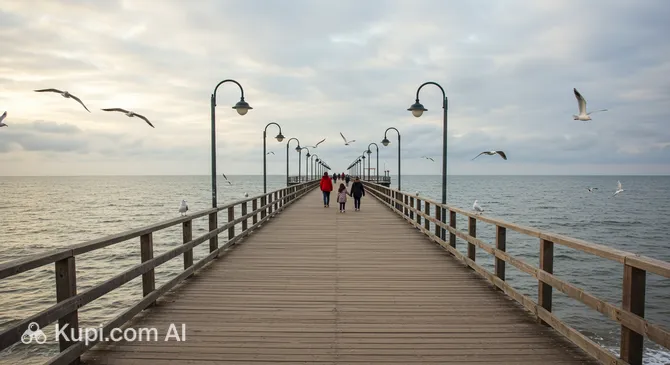
No visit to this seaside resort is complete without a stroll along the iconic Palanga Pier. Stretching 470 meters into the Baltic Sea, this L-shaped wooden promenade is the city's most famous landmark and a favorite gathering place for locals and tourists alike. It offers unobstructed views of the rolling dunes and is widely considered the best spot in town to watch the sun dip below the horizon in the evenings.

Palanga Pier. Source: Kupi.Binoculars

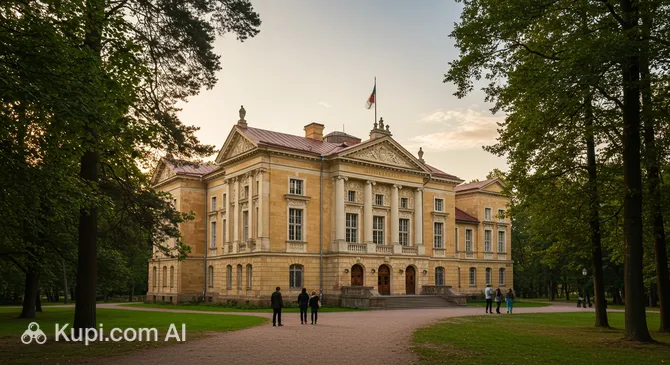
For a dive into the region's cultural heritage, the Palanga Amber Museum is an absolute must-see. Housed in the exquisite 19th-century Tiškevičiai Palace, the museum showcases one of the world's largest collections of "Baltic gold," featuring roughly 30,000 pieces of amber. Visitors are particularly fascinated by the rare inclusions of prehistoric insects and plants, which provide a unique window into natural history.

Palanga Amber Museum. Source: Kupi.Binoculars

Surrounding the palace is the magnificent Palanga Botanical Park, a masterpiece of landscape design created by Édouard André. This sprawling green oasis covers over 100 hectares and is home to diverse exotic plants, fragrant rose gardens, and scenic ponds. It serves as a tranquil escape from the lively beach atmosphere, inviting guests to enjoy peaceful walks or bicycle rides along its well-kept paths.

Palanga Botanical Park. Source: Kupi.Binoculars

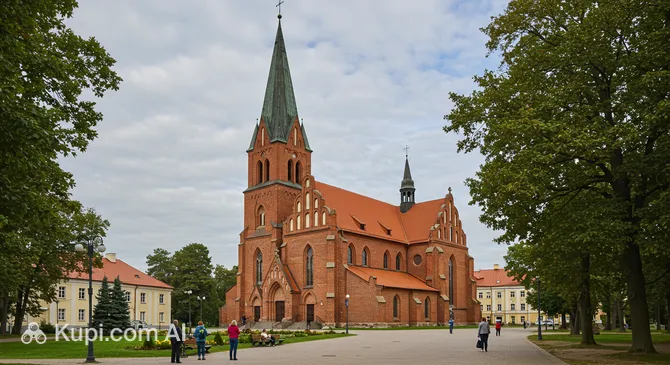
Architecture enthusiasts will appreciate the Church of the Assumption of the Virgin Mary. This striking neo-Gothic red brick building, constructed more than a century ago, dominates the town center with its soaring tower. Its interior is equally impressive, featuring marble bas-reliefs and excellent acoustics that make it a serene place for reflection amidst the bustling resort town.

Church of the Assumption of the Virgin Mary. Source: Kupi.Binoculars

Located near the entrance to the pier, the sculpture of Jūratė and Kastytis brings local folklore to life. The statue depicts the tragic love story between the sea goddess Jūratė and the fisherman Kastytis, a legend deeply rooted in Lithuanian culture. It is a popular photo opportunity and a charming artistic highlight that adds a touch of myth and romance to the main promenade.

Local Cuisine

The culinary scene in Palanga is a delightful reflection of its seaside location and rich Lithuanian heritage. As the country's premier summer resort, the town offers a unique gastronomic experience where fresh Baltic flavors meet hearty traditional comfort food. Visitors simply cannot leave without trying the region's most iconic specialty: freshly smoked fish. Stalls selling golden-hued smoked eel, bream, mackerel, and sea bass are scattered throughout the city and near the markets, filling the air with a mouth-watering aroma that defines the local atmosphere.

For a true taste of Lithuania, you must try the national dishes that are staples on almost every menu. Cepelinai (Zeppelins) are massive potato dumplings stuffed with meat or curd and drenched in a rich sour cream and bacon sauce, perfect for a satisfying meal. During the warm summer months, however, the undisputed king of the table is Šaltibarščiai (cold beet soup). This vibrant pink soup, made with kefir, pickled beets, cucumbers, and dill, served alongside hot boiled potatoes, is incredibly refreshing and beloved by locals and tourists alike.

When it comes to snacks and socializing, the local food culture shines with simple yet addictive treats. A favorite accompaniment to drinks is kepta duona—strips of dark rye bread fried in oil, rubbed with garlic, and often smothered in a warm cheese and mayonnaise sauce. To wash it all down, try Gira (kvass), a traditional fermented bread drink that is non-alcoholic and sweet, or sample the renowned Lithuanian beers which are celebrated for their quality and variety.

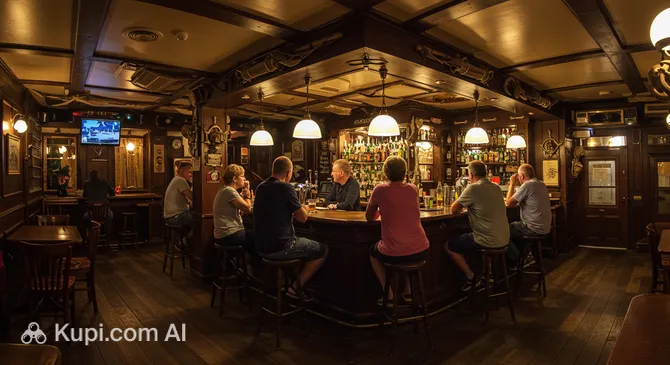
The heart of Palanga's dining and nightlife is undoubtedly J. Basanavičius Street. This bustling promenade is lined with countless eateries, outdoor terraces, and kiosks selling waffles and ice cream. For those looking to enjoy a beverage in a lively setting, places like the Ship Pub Palanga offer a welcoming atmosphere to relax after a day at the beach. Whether you are looking for a quick bite from a street vendor or a sit-down meal featuring the catch of the day, Palanga's diverse food landscape caters to every palate.

Ship Pub Palanga. Source: Kupi.Binoculars

Travel Tips

To ensure your visit to the summer capital of Lithuania is as smooth as the amber washed ashore, we have gathered some essential advice for your journey. These practical tips will help you pack smart, spend wisely, and enjoy the local culture like a pro.

  1. Clothing and Gear: The weather on the Baltic coast can be unpredictable, even in summer. It is essential to bring layers, including a waterproof windbreaker or light jacket, as sea breezes can be cool. Comfortable walking shoes are a must for exploring the parks and the long pier. If you plan to visit the Church of the Assumption, remember to dress modestly (covering shoulders and knees) as a sign of respect.
  2. Transportation: Palanga is a compact city best explored on foot or by bicycle. The resort is famous for its excellent bike paths that stretch all the way to neighbouring towns like Šventoji. For longer distances or airport transfers, ride-hailing apps like Bolt are widely available and affordable. Public buses are reliable for connecting to Klaipėda or Vilnius, so a rental car is not strictly necessary unless you plan to tour the wider countryside.
  3. Finances: The official currency is the Euro (€). Credit and debit cards are widely accepted in hotels, restaurants, and supermarkets. However, you should always carry some cash for small purchases, particularly if you want to buy fresh fruit, souvenirs, or the famous smoked fish from local market stalls. Tipping is customary; leaving about 10% of the bill in restaurants is standard practice if the service was good.
  4. Health and Safety: Palanga is generally a very safe destination for tourists. Pharmacies, marked as Vaistinė, are easy to find throughout the town and stock most standard medications. The emergency number for police, ambulance, or fire services is 112. While crime is low, keep an eye on your belongings in crowded areas like J. Basanavičius Street during peak season.
  5. Communication: The official language is Lithuanian, but English is widely spoken, especially by younger people and service staff in the tourism sector. Older locals may speak Russian or German. Free Wi-Fi is available in most cafes and hotels. If you need mobile data, you can easily buy a prepaid SIM card (e.g., Ežys, Pildyk) at convenience stores or "Lietuvos spauda" kiosks for a few euros.
  6. Local Etiquette: Lithuanians are generally polite and reserved. A handshake is the standard greeting. When entering a small shop or elevator, a simple nod or greeting is polite. Learning a few local words goes a long way; try saying "Labas" (Hello) and "Ačiū" (Thank you) to show appreciation for the local culture.
  7. What to Avoid: Strictly avoid walking on the sand dunes outside of designated wooden paths. The dunes are fragile natural formations protected by law, and trampling on them damages the ecosystem and can result in significant fines. Also, avoid expecting "tropical" water temperatures; the Baltic Sea is refreshing and rarely exceeds 20°C, even in mid-summer.
  8. City Tax: Be aware that Palanga charges a local "pillow tax" (city tax) for all overnight stays. This small fee (usually around €1-2 per person per night) is typically collected by your hotel or accommodation provider upon arrival, so do not be surprised if it is added to your final bill.

By keeping these simple tips in mind, you will be well-prepared to relax and immerse yourself in the unique rhythm of this seaside resort. Palanga is a welcoming city where a little preparation guarantees a truly memorable vacation.

Entertainment & Nightlife

When the sun dips below the horizon, Palanga transforms from a tranquil seaside retreat into the vibrant nightlife capital of the Lithuanian coast. The city comes alive with neon lights, live music, and a festive energy that draws visitors from all over the region. The heart of this nocturnal action is undoubtedly the pedestrian-friendly J. Basanavičius Street, which acts as the main artery for evening entertainment, lined with an endless array of bars, nightclubs, restaurants, and arcades.

For those looking to immerse themselves in the bustling atmosphere, a walk down the main promenade offers plenty of choices. You might stop by the Ship Pub Palanga, a popular spot known for its distinct nautical theme and lively crowd, perfect for enjoying a pint of local beer. If you prefer a place to sit back with a cocktail and enjoy some music, the Compensa Café Bar provides a welcoming environment to relax and socialize as the evening unfolds.

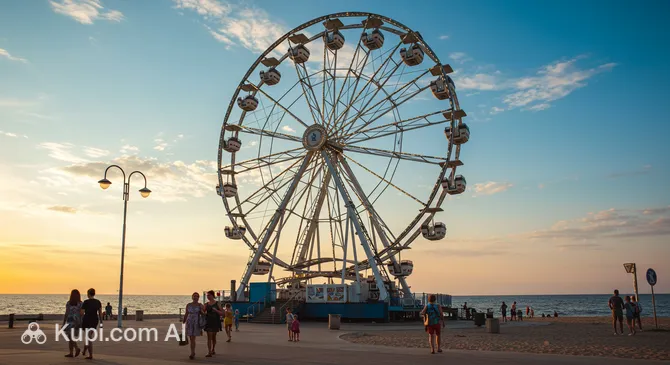
Palanga Ferris Wheel. Source: Kupi.Binoculars

Ideally suited for families and thrill-seekers alike, the city offers entertainment that extends well into the night. A ride on the Palanga Ferris Wheel is a magical experience after dark, offering panoramic views of the illuminated resort and the dark expanse of the sea. Nearby, the Palanga Summer Park remains a hub of activity, where visitors can enjoy trampolines and obstacle courses under the evening lights.

The nightlife culture here is generally casual and "resort chic," meaning there is rarely a strict dress code unless you are visiting a high-end club. The party often starts late, with bars filling up around 9:00 PM and clubs peaking after midnight. Prices on the main strip can be higher than in the rest of Lithuania, so it is worth exploring side streets for better deals. The city is safe for night walks, though it is always wise to keep an eye on your belongings in crowded areas. Getting around is easy; taxis and ride-hailing apps like Bolt are readily available to take you back to your accommodation safely.

While the nights are energetic, Palanga offers plenty of daytime diversions to balance your trip. Before the evening festivities begin, you can explore cultural gems like the Amber Museum, stroll through the serene Botanical Park, or simply relax on the white sandy beaches. Whether you are here for the culture or the parties, the city ensures there is never a dull moment.

Parks & Museums

Beyond its golden beaches and lively promenade, Palanga is a city deeply connected to nature and heritage. The resort is famously known as a "garden city," where fragrant pine forests blend seamlessly with manicured green spaces and historical villas, offering visitors a wealth of cultural and recreational discoveries.

The crown jewel of the city's greenery is undoubtedly the Palanga Botanical Park. While it surrounds the famous Amber Museum, the park itself is a destination worth exploring for hours. Designed in a mixed landscape style, it features over 500 species of trees and shrubs, tranquil ponds, and winding pathways that lead to the ocean. Within the park's grounds, you will find Birutė Hill, the highest seaside dune in the area. This site is not only a superb vantage point for sea views but also a place of historical significance, topped with a modest chapel and steeped in pagan legends.

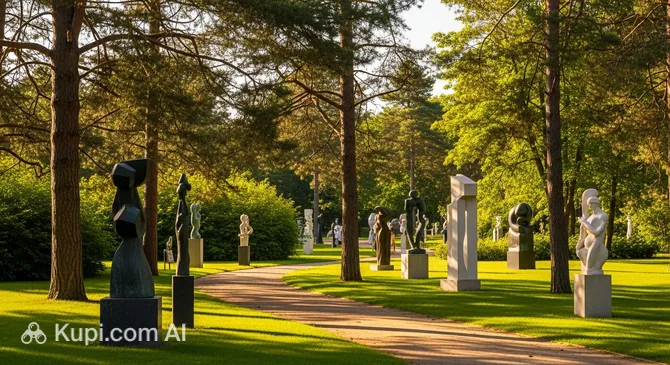
For those who enjoy art in the open air, the Sculpture Park offers a delightful cultural pause in the city center. Located near the intersection of Vytautas and J. Simpsono streets, this quiet square features nearly 30 works by prominent Lithuanian sculptors. It is a perfect spot for a leisurely afternoon stroll, allowing you to admire modern artistic expressions set against a backdrop of local greenery.

Sculpture Park. Source: Kupi.Binoculars

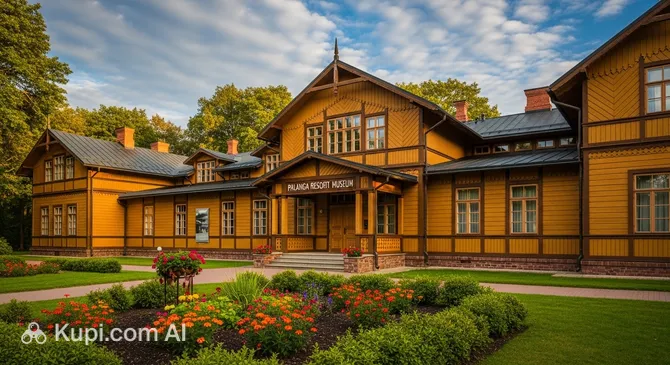
When it comes to museums, the Palanga Amber Museum remains the most visited institution, offering an unparalleled look into the "Baltic Gold." However, to truly understand the town's evolution, a visit to the Palanga Resort Museum is essential. Housed in the stunning wooden villa "Anapilis," which is an architectural landmark in itself, the museum presents interactive exhibits that chronicle Palanga's transformation from a fishing village to an international resort, covering everything from vintage beach fashion to the history of local music festivals.

Palanga Resort Museum. Source: Kupi.Binoculars

For a more rustic experience slightly removed from the city center, families and animal lovers should head to the HBH Zoo Palanga. Located within the popular HBH recreation complex, this park allows visitors to see a variety of domestic and wild animals in a forest setting. It is a fantastic insider tip for those looking to combine a hearty traditional meal with a fun, educational walk in nature.

Getting Around

Navigating Palanga is remarkably stress-free, as the city is compact and pedestrian-friendly. While there are no metros, trams, or trolleybuses, the public transport system relies on a network of buses and minibuses that efficiently connect the city centre with the airport, the northern resort settlement of Šventoji, and the main bus station. For most visitors staying near the main promenade or the beach, walking is often the most pleasant option, but the local buses are reliable for longer distances or when travelling with luggage.

The payment system for local transport is traditional and straightforward. You do not need to purchase complex travel cards or passes in advance; tickets are typically bought directly from the driver upon boarding. It is highly advisable to carry small amounts of cash, preferably coins or small notes, as drivers may not always have change for large denominations and card terminals are not universally available on all local routes. A standard single-trip ticket is very affordable, usually costing just over one euro.

For tourists planning to use the bus, the main hub is the bus station located on Klaipėdos Street. From here, you can catch local buses as well as intercity coaches. Operating hours vary by season; during the peak summer months, services are frequent to accommodate holidaymakers, running from early morning until late evening. However, in the off-season, the frequency decreases, so it is wise to check the timetables posted at bus stops or use local transport apps to plan your journey in advance.

If you prefer more comfort or speed, ride-hailing apps like Bolt are widely used and very popular in the city. They offer a convenient alternative to traditional taxis, allowing you to book a ride instantly, see the price upfront, and pay via the app without needing cash. Traditional taxis are also available at designated stands, particularly near the bus station and major hotels, but using an app is generally recommended for transparency and ease of communication.

A unique and highly popular alternative to motorised transport is cycling. The city is famous for its excellent infrastructure, featuring miles of scenic bicycle paths that wind through pine forests and along the coast. Bike rental stands are abundant throughout the resort, offering standard bicycles, electric scooters, and even four-wheeled family pedal cars. Additionally, during the summer season, visitors can enjoy a ride on the "holiday train"—a colourful, trackless road train that shuttles tourists between major attractions, adding a fun and nostalgic touch to getting around.

Accommodation

Where to Stay:

Accommodation in Palanga caters to a wide spectrum of travellers, ranging from budget-conscious backpackers to those seeking luxury and wellness. As the country's most popular summer resort, the city boasts an impressive variety of options, including high-end spa hotels, mid-range guest houses, and a vast private sector offering apartments and rooms for rent. Whether you prefer the convenience of a full-service resort or the homeliness of a private villa, you will find something to suit your needs.

Choosing the right area is key to enjoying your stay. Visitors looking to be in the heart of the action should look for accommodation near the city center and the bustling J. Basanavičius Street. This area is convenient for accessing restaurants, bars, and the main beach, though it can be quite noisy during the peak summer nights. For a more tranquil atmosphere, the southern part of town near the Botanical Park is highly recommended, offering a peaceful, green environment perfect for families and couples.

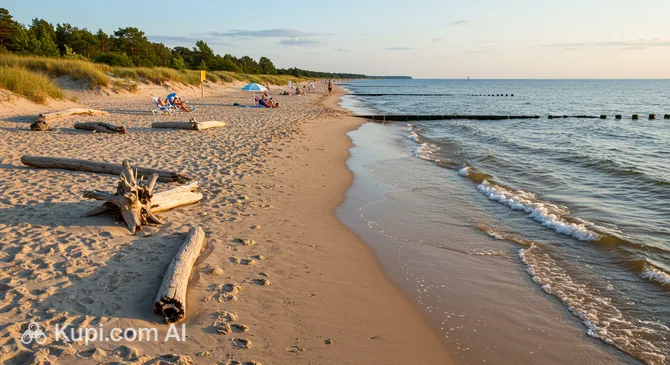
For those seeking relaxation away from the crowds, the northern district of Vanagupė is an excellent choice. This area is known for its modern spa centers and large resort complexes nestled within the pine forests. Staying here provides easy access to the wider and quieter Vanagupe Beach, allowing for a more secluded seaside experience while still being a short taxi ride from the city center.

Vanagupe Beach. Source: Kupi.Binoculars

A unique feature of accommodation in Palanga is the prevalence of the "private sector." Many locals rent out rooms, entire floors, or separate cottages to holidaymakers. This is often a cost-effective way to stay, especially for families or larger groups. While booking platforms are widely used, it is not uncommon to see "Kambarių nuoma" (Rooms for Rent) signs on private homes, although booking in advance online is safer and more reliable.

Booking Tips and Prices: Palanga is an extremely seasonal destination. During July and August, demand skyrockets, and prices for all types of accommodation can double or triple compared to the off-season. It is highly advisable to book at least 2 to 3 months in advance if you plan to visit during the peak summer weeks. Conversely, travelling in late spring or early autumn can offer excellent value for money, with many spa hotels offering attractive packages. Most establishments accept credit cards, but smaller private guest houses may still prefer cash, so it is wise to check payment methods beforehand.

Nearby Cities

For those looking to explore the surroundings, Palanga serves as an excellent base for day trips to several interesting nearby locations. Just a short drive south lies Klaipėda, Lithuania's historic port city, renowned for its charming German-style architecture, the iconic Meridianas ship, and the fascinating Lithuanian Sea Museum located on the Curonian Spit. Further inland, Telšiai awaits as the cultural capital of the Samogitia region, offering scenic views over Lake Mastis and a beautiful old town spread across seven hills. For a deeper dive into history, Šiauliai is best known for the nearby Hill of Crosses, a profound site of pilgrimage and resistance featuring thousands of crosses.

City Population Distance (km)
Klaipėda 164,310 25
Šiauliai 107,086 140
Mažeikiai 33,249 90
Telšiai 22,261 74
Tauragė 21,516 107

These nearby destinations offer a glimpse into the diverse culture and landscapes of the region, making them perfect for enriching your travel experience beyond the beach.

Shopping & Souvenirs

Shopping:

While Palanga is primarily known for its sun-drenched beaches and vibrant nightlife, the town offers a delightful shopping experience centered around local craftsmanship and seasonal treats. Unlike the massive commercial hubs found in larger cities, shopping here is more about leisurely strolling through open-air stalls, discovering unique souvenirs, and hunting for the region's most famous treasure: amber.

Known as "Baltic Gold," amber is the undisputed king of local souvenirs. Visitors will find it everywhere, from high-end jewelry boutiques to small wooden kiosks along the main promenade. Whether you are looking for a polished necklace, a raw unpolished stone, or an artistic figurine, the variety is immense. For those inspired by the exhibits at the Amber Museum, buying a piece of certified amber jewelry serves as the perfect memento of a Lithuanian holiday.

The bustling J. Basanavičius Street is the heart of the tourist trade. In summer, this pedestrian boulevard is lined with vendors selling everything a holidaymaker might need. Here, you can find high-quality Lithuanian linen products, including summer dresses, towels, and tablecloths, which are prized for their durability and natural style. It is also the go-to spot for fun beach gear, handmade wooden toys, and classic fridge magnets.

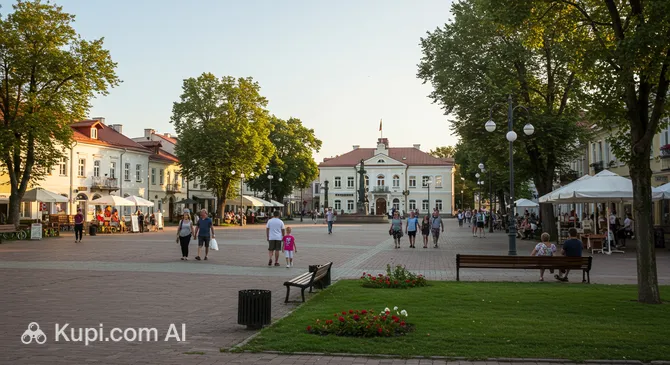
For a taste of local life, a visit to the Palanga Central Square and the nearby marketplace is highly recommended. In the mornings, this area bustles with activity as farmers sell fresh seasonal berries, vegetables, and honey. It is also an excellent place to purchase the town's culinary staple—smoked fish—packed properly to take home as a delicious gift for friends and family.

Palanga Central Square. Source: Kupi.Binoculars

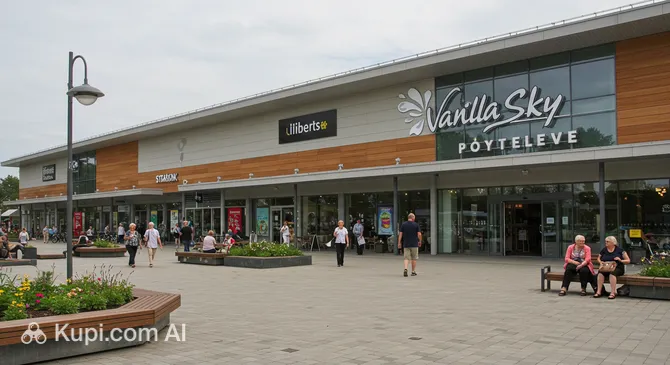
If you require everyday essentials, groceries, or fashion items, the town is well-served by several modern supermarkets and the Shopping Center located conveniently within the city limits. These venues offer a standard range of European goods and are perfect for stocking up on supplies for a beach picnic or a self-catering stay.

Shopping Center. Source: Kupi.Binoculars

Serious shoppers looking for international fashion brands and large-scale entertainment complexes often take a short trip to the nearby city of Klaipėda. However, for most visitors, the charm of Palanga lies in its small boutiques and the joy of finding a unique piece of the Baltic coast to carry home.

Reached the end of the page?

That means the route is fully explored