Support

Visby

About

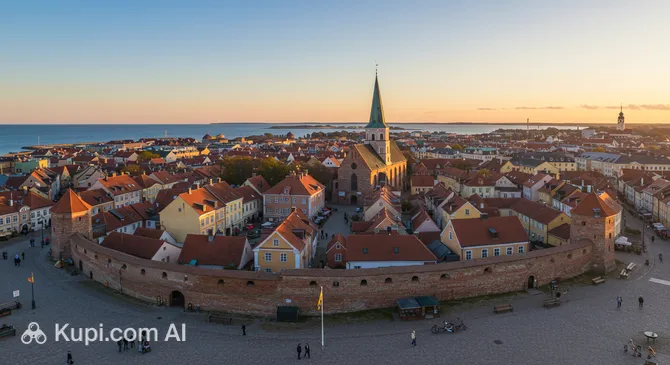
Visby is a captivating destination that feels like stepping into a living storybook. As the best-preserved medieval city in Scandinavia, it offers a unique blend of historical charm and coastal beauty. Located on the western coast of the island of Gotland, this enchanting town is a UNESCO World Heritage site and a jewel of Sweden.

Visby. Source: Kupi.Binoculars

Despite its relatively small population of approximately 25,000 residents, Visby transforms into a vibrant hub during the summer months. Its geographical position in the Baltic Sea gives it a milder climate compared to the mainland, often earning it the nickname "The City of Roses and Ruins" due to the abundance of flowers blooming among ancient stone structures. The history of Visby is deeply rooted in its past as a powerful center of the Hanseatic League, and this heritage is palpable in every cobblestone street.

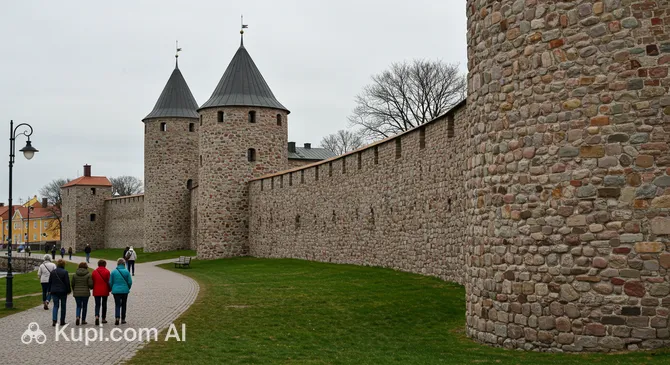
Visitors are immediately drawn to the iconic Visby City Wall (Ringmuren), a 3.4-kilometer defensive fortification that encircles the old town and dates back to the 13th century. Within these walls, you can explore the majestic ruins of medieval churches, such as St. Karin and St. Nicolai, which stand as dramatic reminders of the city's former glory. The town is also famous for its botanical gardens and the annual Medieval Week, which brings the past to life with costumes and festivities.

Whether you are wandering through its winding alleys, enjoying a coffee in a historic square, or admiring the sunset over the Baltic Sea, Visby offers an unforgettable experience. It is a must-visit destination for anyone looking to explore the rich cultural tapestry and scenic landscapes of the region.

Weather Overview

Visby benefits from a maritime climate that is often milder than the Swedish mainland, making it a pleasant destination throughout the year. The Baltic Sea acts as a buffer, preventing extreme temperature fluctuations. To help plan your packing list and daily activities, it is recommended to check the specific weather in Visby before your trip.

The summer months are the most inviting time to visit, with August being the warmest month, featuring an average temperature of 18.1°C and highs reaching approximately 20.7°C. This season is perfect for exploring the medieval streets, although visitors should still be prepared for some precipitation, as July and August typically see about 11 wet days each.

Winters in Visby are cold but generally avoid the deep freezes found further north. February is usually the coldest month, with average temperatures hovering around 1.4°C and lows dipping to -0.2°C. The winter months are characterized by frequent dampness, with December experiencing precipitation on about 15 days. Expect warm summers with occasional rain and cold, damp winters.

Interesting Facts

Beyond the main attractions, Visby holds many fascinating secrets that add depth to its medieval charm. From cinematic history to unique culinary traditions, the city offers plenty of surprises for the curious traveler.
  • Many fans of classic children's stories are surprised to learn that the original "Villa Villekulla" from the Pippi Longstocking movies is located here. The colorful house, used in the filming of the beloved series, stands within the grounds of Kneippbyn, just a short distance south of the city center.

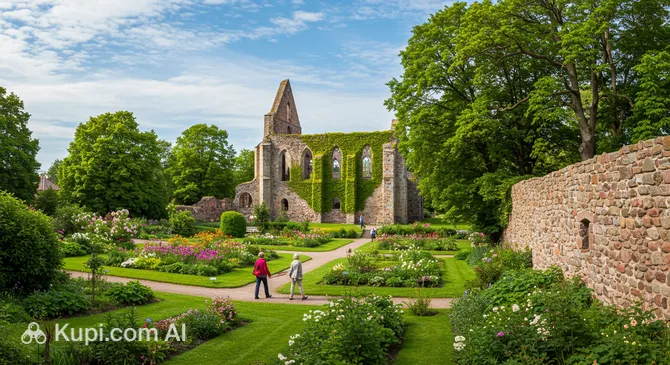
  • Thanks to the protective limestone walls and a favorable maritime microclimate, the Visby Botanical Garden hosts plants that are unexpectedly exotic for this latitude. It is one of the few places in Scandinavia where you can find fig trees, mulberry trees, and walnut trees thriving outdoors alongside the city's famous roses.

  • Visby is home to the only preserved medieval execution site in Northern Europe, known as Galgberget (Gallows Hill). Located just north of the Visby Town Wall, three stone pillars still stand on the nature reserve, offering a chilling historical contrast to the stunning panoramic views of the Baltic Sea.

  • The island's signature dessert, Saffranspannkaka (Saffron Pancake), is a delicious legacy of Visby's days as a powerful Hanseatic trading hub. Saffron was an exotic luxury imported through trade routes, and it remains a key ingredient in this traditional dish, typically served with whipped cream and local dewberry jam.

Visby Botanical Garden. Source: Kupi.Binoculars

How to Get There

Reaching this medieval gem on the island of Gotland is an adventure in itself, typically involving a short flight or a scenic ferry ride. For travelers planning their journey, you can find all ways to reach the city detailed on our dedicated page. Since Visby is located on an island, air travel is often the fastest option for international and domestic visitors.

The most convenient entry point is Visby Airport (IATA: VBY), located just 4.4 km from the city center. It serves as the primary hub for the island, welcoming flights mainly from the mainland. Once you land, the journey to the town is quick and easy; a transfer by taxi or bus typically takes just a short drive.

For international travelers, the journey often begins at Stockholm Arlanda Airport (IATA: ARN) in Stockholm, situated approximately 225.7 km away. As Sweden's largest airport, it offers frequent connections to Gotland. Alternatively, you might fly via Bromma Airport (IATA: BMA), also in Stockholm, which is about 192.7 km from Visby. From these mainland airports, travelers catch a direct domestic flight to reach the island.

For clarity, here is a summary of the main airports:

Airport Name City Passenger Traffic Km from City
Stockholm Arlanda Airport Stockholm Large 225.7
Bromma Airport Stockholm Medium 192.7
Visby Airport Visby Small 4.4
Linkoping City Airport Linköping Small 176.9
Kalmar Öland Airport Kalmar Small 161.4

The city of Visby does not have a railway station, as there is no train network on the island of Gotland. Travelers preferring rail transport typically take a train to a mainland city and then transfer to a ferry. You can arrive at Norrköping Central Station (IATA: XYK) in Norrköping, which is about 164.2 km away across the water. From the mainland, you would need to proceed by bus or taxi to a ferry terminal, with the total travel time covering the distance estimated at several hours. Another option is Uppsala Central Station (IATA: QYX) in Uppsala, located roughly 250.5 km away, from where you can connect to the ferry ports.

Here is an overview of the nearest mainland railway stations:

Station City Passenger Traffic Km to Center
Uppsala Central Station Uppsala Large 250.5
Norrköping Central Station Norrköping Medium 164.2
Eskilstuna Central Station Eskilstuna Medium 219.6
Karlskrona Railway Station Ronneby 232.3
Ronneby Railway Station Ronneby 242.7

Main Attractions

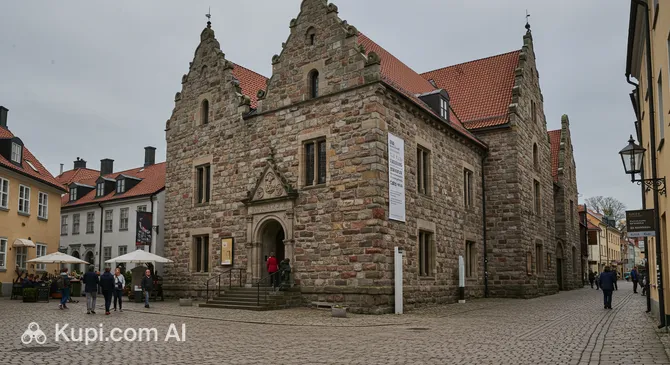
Visby is a treasure trove of sights, but for a deep dive into the island's fascinating past, the Gotland Museum is the perfect starting point. Located in the heart of the city, this museum houses the world-famous Picture Stones and the Spillings Hoard, the world's largest Viking-age silver treasure. It offers visitors a comprehensive look at Gotland's history, from the Stone Age to the medieval Hanseatic era, making it an essential stop for culture enthusiasts.

Gotland Museum. Source: Kupi.Binoculars

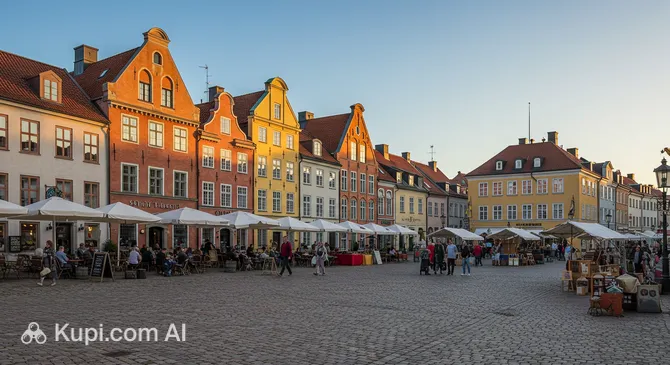
For a taste of local life, head to Stora Torget, the city's main square. This lively plaza is the social heart of Visby, lined with charming restaurants and cafes that offer outdoor seating in the summer. Dominating the square are the impressive ruins of St. Karin Church, providing a dramatic backdrop for a meal or a drink. In the winter, the square transforms into a cozy gathering spot, often hosting markets and festive events.

Stora Torget. Source: Kupi.Binoculars

Just a short walk from the sea lies Almedalen, a historic park that was once the medieval harbor of the Hanseatic League. Today, it is a lush green oasis featuring a duck pond and a playground, making it a favorite spot for families and picnickers. While it is famous in Sweden for hosting an annual political week, for most of the year it serves as a tranquil retreat where tourists can enjoy the view of the city walls and the Baltic Sea.

Nature lovers should not miss the Södra Hällarna Nature Reserve, located just south of the city center. This area offers a dramatic landscape of steep limestone cliffs, wind-swept pine forests, and open plateaus. It is an excellent place for hiking and photography, offering panoramic views of the sea and the Visby coastline. The reserve provides a peaceful contrast to the bustling town center and is easily accessible for a refreshing walk.

Local Cuisine

Visby offers a culinary journey that is as rich and distinct as its history. The island's limestone soil and mild maritime climate create perfect conditions for high-quality local produce, earning Gotland a reputation as a pantry for gourmet ingredients. The food scene here is characterized by a strong "farm-to-table" philosophy, where chefs take pride in using ingredients sourced directly from local farmers and fishermen.

One dish stands out above all others as the signature flavor of the island: Saffranspannkaka (saffron pancake). This dessert is a delicious remnant of the city's Hanseatic trading days when exotic spices like saffron first arrived at the port. It is a baked pudding made with rice, almonds, and saffron, traditionally served with whipped cream and salmbärsylt (dewberry jam), a berry that grows wild on the island. No visit to Visby is complete without enjoying a slice of this golden treat at a local café.

For savory options, Gotland lamb is renowned throughout Sweden for its tenderness and flavor. You will find it featured on many menus, often roasted with local herbs or served as smoked cuts. The island is also celebrated for its "black gold"—the Gotland truffle. In the autumn, many restaurants feature truffle-infused dishes, celebrating this earthy delicacy that thrives in the local oak forests.

Given its location in the middle of the Baltic Sea, seafood plays a central role in the local diet. Smoked flounder and herring are classics that have been enjoyed for centuries. For those seeking an authentic taste of the sea, Bakfickan is a must-visit institution. Famous for its fried herring and creamy fish soup, this cozy restaurant offers a genuine atmosphere where you can dine like a local.

Bakfickan. Source: Kupi.Binoculars

When it comes to drinks, the island has a proud brewing heritage. Be sure to try a beer from a local brewery, such as the popular Wisby Pils, which pairs perfectly with the hearty island cuisine. Coffee culture is also deeply ingrained, and taking a pause for "fika" (coffee and cake) is a daily ritual for residents and visitors alike.

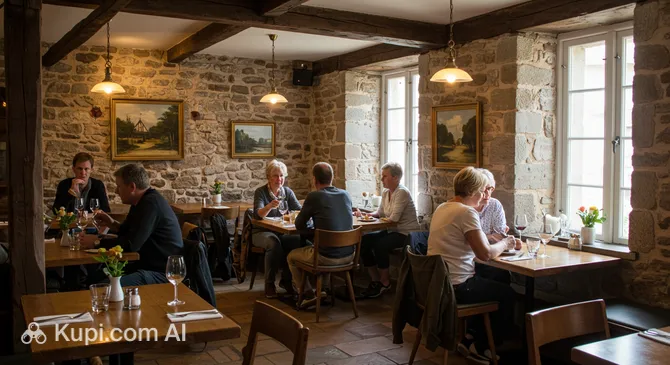
The dining atmosphere in Visby shifts with the seasons. In summer, the cobblestone streets and squares are filled with outdoor terraces, while winter brings a focus on warm, candlelit interiors. For a classic neighborhood vibe, Gamla Masters is a favorite among locals. Known for its unpretentious charm and excellent Swedish home cooking, known as husmanskost, it is the perfect place to unwind after a day of exploring the medieval ruins.

Gamla Masters. Source: Kupi.Binoculars

Travel Tips

Welcome to Visby! While this UNESCO World Heritage city is incredibly welcoming and pedestrian-friendly, a few insider tips can make your journey much smoother. From navigating the medieval streets to understanding local customs, here is some practical advice to help you enjoy your stay on the island of Gotland.

  1. Clothing and Gear: The most important item to pack is a pair of sturdy, comfortable walking shoes. Visby’s charm lies in its cobblestone streets, which can be uneven and difficult to navigate in high heels or thin sandals. Even in summer, the island weather can be changeable, so bring a windproof jacket or layers to handle the cool Baltic sea breeze.
  2. Transportation: The best way to explore the walled city is on foot. During the summer, car traffic is heavily restricted within the city walls. If you want to explore the rest of Gotland, renting a bicycle is a popular and scenic option. There are no trains on the island, but a reliable network of public buses connects Visby to other towns and attractions.
  3. Finances: Sweden is widely known as a cashless society. Most shops, restaurants, and even small market stalls in Visby prefer or exclusively accept credit and debit cards (Visa and Mastercard are standard). While the currency is the Swedish Krona (SEK), you will rarely need physical cash. Tipping is not mandatory; rounding up the bill is a polite gesture if the service was excellent.
  4. Health and Safety: Visby is a very safe destination for travelers. Pharmacies are identified by the sign "Apotek" and are well-stocked. The main hazard for tourists is often the uneven ground in the ruins and streets, so watch your step, especially at night. For any serious emergencies, dial 112 for police, ambulance, or fire services.
  5. Communication: You will find that English is spoken fluently by almost everyone in Visby. Learning a few local words like "Hej" (Hello) and "Tack" (Thank you) is a nice way to show respect. Wi-Fi is widely available in hotels and cafes, and EU citizens can roam on their home data plans without extra fees.
  6. Local Etiquette: The Swedes value order and consideration. If you see a ticket machine in a shop or bakery, be sure to take a number and wait for your turn. Also, remember that the inner city is a residential area where people live year-round; keeping noise levels down late at night is expected and appreciated.
  7. What to Avoid: Do not climb on the city walls (Ringmuren) or the church ruins unless there are specific stairs or signs permitting it. These are fragile historical monuments protected by law, and climbing them causes damage and is considered disrespectful.
  8. Additional Tip: Bring a reusable water bottle. The tap water in Visby is clean, safe, and delicious. You can refill your bottle at your hotel or at various spots around the city, saving money and reducing plastic waste.

By keeping these simple tips in mind, you will be well-prepared to relax and immerse yourself in the magical atmosphere of the Hanseatic city. Enjoy the roses, the ruins, and the stunning sunsets over the Baltic Sea!

Entertainment & Nightlife

The nightlife in Visby is a tale of two seasons. During the winter months, the town is quiet and cozy, with locals gathering in warm pubs for relaxed conversations. However, in the summer—especially during July and the famous "Stockholm Week" (Week 29)—the city transforms into one of Sweden's most vibrant party destinations. The energy is infectious, with the medieval streets filling up with revelers, outdoor terraces buzzing with activity, and music echoing from the historic squares.

The epicenter of evening entertainment is undoubtedly Stora Torget. This main square is surrounded by restaurants and bars that turn into lively nightspots as the sun sets. In the summer, the outdoor seating areas merge into one giant party zone, where the atmosphere is spirited and social. Another key area is Strandgatan, running along the harbor, where you can find popular nightclubs and lounges offering views of the sea and the sunset.

Visby Town Wall. Source: Kupi.Binoculars

For a more classic pub experience that works year-round, Gamla Masters is an excellent choice. While known for its food, its bar area has a welcoming, unpretentious vibe perfect for starting the night with a local beer. If you are visiting during the peak summer weeks, be prepared for a dressier crowd and potential lines at the most popular clubs. The dress code in summer often leans towards "smart casual" or trendy, reflecting the influx of visitors from the mainland.

Visby is generally very safe at night, even for solo travelers. The main challenge is often navigating the cobblestone streets in the dark, so comfortable footwear is still recommended even for a night out. Taxis are available but can be in high demand during closing hours (usually around 2:00 or 3:00 AM in summer). It is advisable to book a taxi in advance or head to the designated taxi ranks near the harbor. Walking is also a viable option since the city center is compact and well-lit.

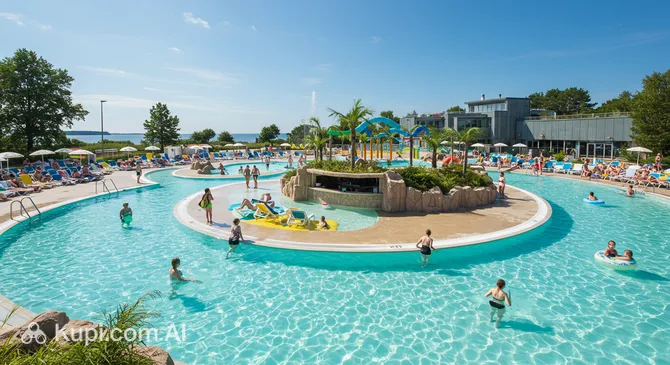
Beyond the nightlife, Visby offers engaging daytime entertainment. Culture enthusiasts should revisit the Gotland Museum to fully appreciate the island's heritage. For families and thrill-seekers, Kneippbyn Resort is the ultimate destination. Located just south of the city, it features a water park, an amusement park, and the original Villa Villekulla from the Pippi Longstocking movies. In the evenings, Kneippbyn often hosts concerts and shows, making it a versatile venue for all ages.

Kneippbyn. Source: Kupi.Binoculars

Parks & Museums

Visby is not only a city of stone and ruins; it is also a place of lush greenery and deep cultural pride. Beyond the medieval fortifications, visitors will find enchanting gardens that thrive in the island's mild climate and museums that safeguard the rich heritage of Gotland. The contrast between the grey limestone walls and the vibrant colors of nature creates a unique atmosphere for exploration.

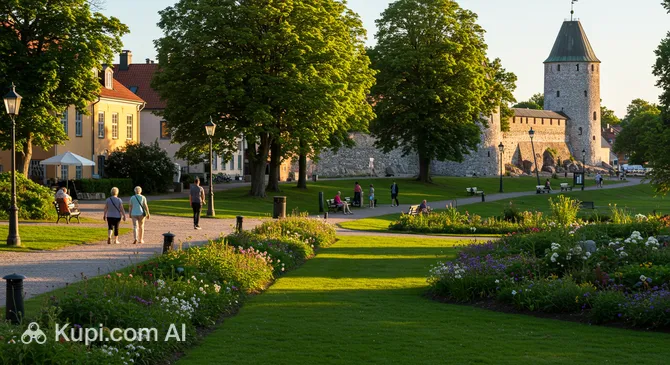
One of the city's most beloved green spaces is the Visby Botanical Garden, often referred to locally as "DBW's Garden." Situated near the sea and protected by the city wall, this park is a botanical marvel where fig trees, magnolias, and walnuts grow alongside beds of fragrant roses. It serves as a peaceful retreat for picnics and leisurely strolls, offering a sensory break from the bustling streets.

Another significant area is Almedalen, a historic park that was once the medieval harbor of the Hanseatic League. Today, it is a sprawling green oasis featuring a duck pond, a large playground, and open lawns perfect for relaxation. While it is famous for hosting Sweden's annual political week, for the rest of the year, it remains a tranquil spot where locals and tourists alike enjoy views of the Baltic Sea and the city skyline.

Almedalen. Source: Kupi.Binoculars

For those seeking a more rugged natural experience, the Södra Hällarna Nature Reserve offers a dramatic landscape just south of the city center. This area is defined by its steep limestone cliffs, wind-swept pine forests, and unique flora. Hiking trails here provide stunning panoramic views over the sea and the coast, making it an ideal location for nature photography and sunset watching.

When it comes to culture, the Gotland Museum (Fornsalen) is the undisputed highlight. Housed in a former royal distillery, this world-class museum takes visitors on a journey through 8,000 years of history. Its collections include the spectacular Spillings Hoard—the world's largest cache of Viking silver—and the mysterious Picture Stones, which are unique to the island. The museum also features art exhibitions and cultural displays that provide context to the ruins seen around the town.

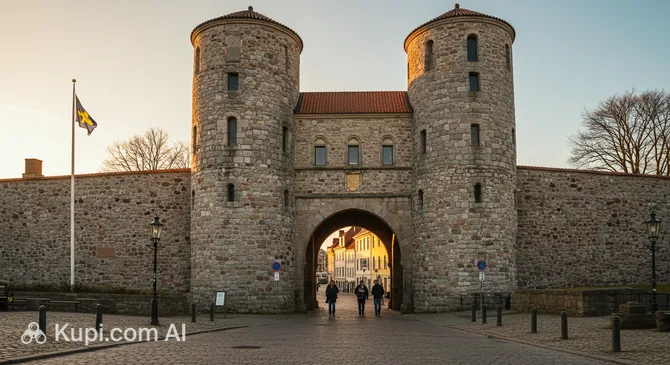
The city's history is also etched into its architecture, particularly the well-preserved gates of the city wall. Österport (East Gate) is one of the most prominent entrances, historically serving as the main passage for farmers bringing goods from the countryside. Walking through this massive stone archway gives you a tangible sense of the defensive might Visby once held.

Österport. Source: Kupi.Binoculars

Similarly, Söderport (South Gate) is a beautifully preserved structure that leads directly towards the harbor area. These gates are not just monuments; they are active parts of the modern city's infrastructure, blending the past seamlessly with the present. Visitors interested in architecture will appreciate the intricate masonry and the defensive slots still visible in the stone.

For a truly authentic experience, take a walk along the "Love Gate" (Kärleksporten) area of the wall at dusk. As the sun sets, the limestone glows in warm hues of orange and pink, and the crowds thin out, leaving you with a quiet, magical moment to appreciate the timeless beauty of this Hanseatic gem.

Getting Around

Navigating Visby is straightforward and pleasant, as the city’s compact size makes it highly walkable, especially within the medieval walls. The public transport system primarily consists of a bus network operated by Region Gotland. There are no metros, trams, or trains in the city or on the island. The bus service is divided into city buses, which connect the harbor and center with residential areas and shopping districts, and regional buses that travel to other parts of the island.

The payment system for public transport is fully cashless, designed for modern convenience. Travelers can purchase tickets easily using the official mobile app, "Gotland Public Transport," which is available in English. This app allows you to buy single tickets as well as 24-hour or 72-hour passes, which are ideal for short stays. If you do not have the app, you can pay directly on the bus using a contactless credit or debit card. Ticket prices are reasonable, and children or seniors may be eligible for discounted fares.

For practical planning, the central hub for all bus traffic is the Visby Bus Station, located just outside the historic city wall near Österport. This is the best place to check routes and catch connections. Buses run regularly from early morning until late evening on weekdays, with reduced frequencies on weekends and holidays. It is important to validate your ticket by scanning your app or tapping your card on the reader immediately upon boarding. During the summer, an airport bus service connects the city center with Visby Airport, though regular lines also stop nearby year-round.

Alternatives to the bus are plentiful and popular. Renting a bicycle is perhaps the most favored way for tourists to get around, offering the freedom to explore the coastal paths and the city’s outskirts at a leisurely pace. Rental shops are abundant near the ferry terminal and the inner harbor. Taxis are available and reliable but can be expensive; it is recommended to book them in advance or use a local taxi app rather than hailing them on the street.

A unique feature of Visby's transport landscape is the restriction on car traffic within the city walls during the peak summer months. To preserve the medieval atmosphere and ensure pedestrian safety, motor vehicles are largely prohibited in the historic center during this time. Visitors driving rental cars should park in the designated lots outside the walls. For a nostalgic tour rather than practical transport, a sightseeing "train" (a wheeled vehicle towing carriages) often loops around the town in summer, offering a guided overview of the landmarks.

Accommodation

Finding the perfect place to stay in Visby is an integral part of the travel experience, with options ranging from charming medieval hotels to modern seaside resorts. The city offers a diverse selection of accommodations that cater to various tastes and budgets, though the character of your stay will largely depend on whether you choose to reside within the historic city walls or in the more spacious areas surrounding them.

For many visitors, the dream is to stay inside the City Wall (Ringmuren). This area is the heart of the UNESCO World Heritage site, where hotels and bed-and-breakfasts are often housed in beautifully restored centuries-old buildings. Staying here places you within walking distance of the main squares, ruins, and restaurants. However, accommodations in the inner city tend to be pricier and rooms can be smaller due to the historic nature of the properties. It is an ideal choice for couples and culture lovers seeking a romantic and atmospheric setting.

Outside the walls, the options expand significantly. Just a short walk from the historic center, you can find larger, more modern hotels that often offer amenities like on-site parking and swimming pools—features that are rare inside the cramped medieval streets. This area is convenient for families and travelers with cars, offering easy access to both the old town and the rest of the island. Additionally, the coastline north and south of the city is dotted with popular camping grounds and holiday villages, offering cabins and cottages that are perfect for a classic Swedish summer vacation.

Booking Tips and Prices:

Visby is a highly seasonal destination, and this significantly impacts availability and pricing. During the peak summer months, particularly in July and August, the city is extremely popular. If you plan to visit during Almedalen Week (early July) or Medieval Week (early August), it is crucial to book your accommodation several months in advance, as the entire city often sells out completely. Prices in summer can be quite high, reflecting the demand.

Conversely, visiting in the shoulder seasons (spring and autumn) or winter offers much lower rates and a wider choice of rooms. Most accommodations can be booked easily via major online platforms or directly through the hotel's website. Whether you prefer a luxury suite with sea views or a budget-friendly hostel bed, planning ahead is the key to securing your ideal spot in this Baltic gem.

Nearby Cities

For those looking to explore the surroundings, Visby serves as an excellent base for day trips to several interesting nearby locations. Since Visby is the only major city on the island of Gotland, the most popular day excursions involve exploring the island's charming towns, coastal villages, and natural landmarks.

Fårö is a must-visit destination located just north of Gotland, accessible via a short, free ferry ride. This smaller island is renowned for its unique, barren landscape and dramatic limestone sea stacks, known as "rauks," particularly at Langhammars. Fårö is also famous for its beautiful sandy beaches, such as Sudersand, and its cultural connection to the filmmaker Ingmar Bergman.

Ljugarn, situated on the east coast approximately 45 kilometers from Visby, is one of Sweden’s oldest seaside resorts. It offers a relaxed atmosphere with a long sandy beach, historic wooden villas, and several restaurants. Nearby, visitors can explore the Folhammar nature reserve to see impressive stone formations or visit the Vita Strand for a peaceful day by the sea.

Roma, located in the center of the island, offers a dive into history. It was once the political heart of Gotland and is home to the Roma Kungsgård and the ruins of a Cistercian abbey founded in the 12th century. The area is a hub for local craftsmanship and often hosts theater performances within the abbey ruins during the summer months.

For travelers willing to travel further, the following cities on the mainland are the closest major urban centers across the Baltic Sea, reachable by air or ferry connections:

City Population Distance (km)
Norrköping 137326 163
Linköping 115682 180
Vimmerby 100934 145
Södertälje 72704 178
Kalmar 41852 160

These nearby destinations offer a glimpse into the diverse culture and landscapes of the region.

Shopping & Souvenirs

Shopping in Visby is a delightful experience that mirrors the city's unique blend of medieval history and modern creativity. Unlike the massive commercial hubs found in larger cities, the shopping scene here focuses on small, independent boutiques, local craftsmanship, and distinct island design. Visitors will find a treasure trove of handmade items, from ceramics and wool products to unique fashion and interior décor, all set against the backdrop of ancient ruins and cobblestone streets.

The heart of the city's retail activity beats along Adelsgatan. This is the main shopping street within the city walls, running all the way from the harbor area up towards the eastern wall. It is lined with colorful shops selling everything from clothing and jewelry to toys and home goods. For those interested in local design and high-quality handicrafts, Sankt Hansgatan and Hästgatan offer a quieter but equally rewarding selection of galleries and boutiques featuring work by Gotland’s talented artisans.

While the inner city preserves a traditional atmosphere, those looking for familiar high-street fashion chains and larger department stores should head just outside the wall to Östercentrum. Located immediately adjacent to the historic Österport (East Gate), this modern commercial district houses the city's main shopping malls and larger retailers. It is the practical go-to spot for electronics, groceries, and standard apparel brands.

Markets play a central role in the local lifestyle, especially during the warmer months. The main square, Stora Torget, often hosts vibrant market stalls selling fresh produce, flowers, and handcrafted items. During the summer, farm shops from across the island bring their goods here, offering a taste of Gotland’s famous culinary heritage. If you are lucky enough to visit during Medieval Week in August, the entire town transforms into a historical market, with hundreds of stalls selling period-appropriate crafts, leather goods, and food.

When it comes to souvenirs, Gotland is famous for its sheep. A genuine Gotland sheepskin, known for its silky grey curls, is a prized item to bring home. Other popular keepsakes include locally produced ceramics, glass art, and jewelry inspired by Viking archaeological finds. For edible gifts, look for jars of salmbärsylt (dewberry jam) or a packet of the city's signature tea blend, often found in the charming tea shops scattered around the old town.

Store opening hours in Visby generally follow standard Swedish schedules. Most shops in the city center are open from 10:00 AM to 6:00 PM on weekdays and 10:00 AM to 4:00 PM on Saturdays. On Sundays, many smaller boutiques may be closed, although larger stores in Östercentrum often remain open. During the peak summer season (July and August), many shops extend their hours to accommodate the influx of tourists.

Payment is seamless and convenient, as Sweden is a nearly cashless society. Credit and debit cards (Visa and Mastercard) are accepted almost everywhere, from high-end galleries to small market stalls. Tourists residing outside the European Union may be eligible for tax-free shopping on purchases over a certain amount. Look for the "Global Blue" signage in store windows and ask for a tax refund form at the checkout to claim a portion of the VAT back upon departure.
Reached the end of the page?

That means the route is fully explored