Support

Sala

About

Welcome to Sala, a captivating destination in Västmanland County that offers a unique glimpse into the industrial heritage of Sweden. With a population of approximately 12,000 residents, this friendly town combines a cozy, small-town atmosphere with significant historical importance, making it a perfect stop for travelers seeking both relaxation and adventure.

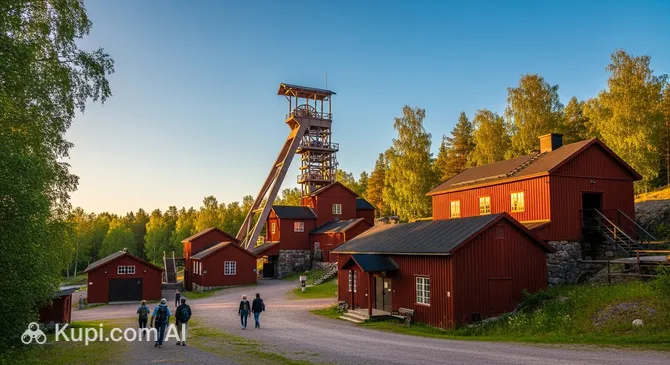
The town is most famous for the legendary Sala Silver Mine, often referred to as Sweden's "Treasure Chamber." For centuries, this mine was a crucial economic asset for the country. Visitors interested in the history of Sala will find the guided tours into the deep, winding tunnels to be an unforgettable experience. You can explore vast underground caverns and even see shimmering subterranean lakes.

Sala. Source: Kupi.Binoculars

Above ground, the town retains a charming character with its well-preserved wooden buildings and scenic parks. Art lovers should not miss the Aguéli Museum, dedicated to the renowned local artist Ivan Aguéli. Whether you are descending into historic depths or enjoying a peaceful walk through the city center, Sala invites you to discover its hidden gems and rich cultural legacy.

Weather Overview

Understanding the local climate is key to packing the right gear for your trip. The weather in Sala is characterized by distinct seasonal changes, featuring warm, pleasant summers and cold winters. Generally, visitors can expect comfortable daytime highs during the middle of the year, while the winter months require warm layers to handle freezing temperatures.

Summer is the warmest time to visit, particularly in July, when average temperatures reach around 17.3°C and daily highs can climb to nearly 22°C. However, travelers should be prepared for occasional showers, as August can see up to 15 wet days. In contrast, January is typically the coldest month, with average temperatures dropping to -2.2°C and minimums often falling to -4.5°C.

Interesting Facts

Beyond the main attractions, Sala holds many fascinating secrets and unique distinctions that often escape the casual visitor's eye. From record-breaking underground depths to impressive engineering feats, this historic town offers far more than meets the eye.

  • The World's Deepest Hotel Room: For those seeking ultimate solitude, the old mine houses a single hotel suite located 155 meters below ground. It is widely recognized as the deepest hotel room in the world, offering a silent and chilly retreat far removed from the hustle of modern life.

  • A City by Royal Decree: The layout of Sala is no accident. In 1624, King Gustav II Adolf granted the town its privileges and ordered the unstructured mining settlement to be established as a proper city at its current location. This move was designed to create a regulated and stable community to support the vital silver industry of Sweden.

  • The Mystic Painter: Sala is the birthplace of Ivan Aguéli, a truly unique figure in art history. He was not only a pioneer of Swedish modernism but also a wandering Sufi mystic who lived in Egypt and studied Islamic philosophy. His extraordinary life and dual legacy are celebrated in the town's Aguéli Museum.

  • The Green Walk: Nature lovers can explore the historic Gröna gången (The Green Walk), a scenic trail that follows the old canals. This path was originally used by workers to maintain the waterways but now serves as a beautiful route for hiking and cycling through the lush landscape.

  • An Extensive Water System: The picturesque lakes surrounding the town are part of an immense engineering marvel. To power the mine's pumps and machinery, a massive hydraulic system was constructed, consisting of over 110 dams and an intricate network of canals that permanently reshaped the region's geography.

How to Get There

Planning a trip to this historic mining town is straightforward, with several convenient transport options available. Whether you are flying in from abroad or taking a scenic train ride through the Swedish countryside, you can easily reach your destination. For a detailed guide on all transport modes, you can read more about how to get to Sala to find the best route for your itinerary.

The city of Sala does not have its own airport, but it is well-served by major aviation hubs in the region. The most significant and convenient entry point for international travelers is Stockholm Arlanda Airport (ARN), located in Stockholm. It is approximately 80 km away, and the travel time by car or taxi is typically around 1 hour. Additionally, the airport offers excellent rail connections, allowing you to reach Sala by train in about 45 to 50 minutes. Another viable option is Bromma Airport (BMA), which primarily handles domestic and regional flights. Situated in Stockholm about 98 km from Sala, it serves as a good alternative for travelers already in the capital area.

For clarity, here is a summary of the main airports:

Airport Name City Passenger Traffic Km from City
Stockholm Arlanda AirportStockholmLarge80.2
Bromma AirportStockholmMedium98.4
Orebro-Bofors AirportOrebroSmall117.8
Linkoping City AirportLinköpingSmall176.9
Mariehamn AirportMariehamnSmall184.9

Traveling by train is an excellent way to arrive, offering direct access to the heart of the town. You can arrive directly at Sala Station, which is located in Sala itself, just 0.5 km from the city center, allowing you to walk or take a quick taxi to your accommodation. If you are coming from a different direction or need a major transfer point, Uppsala Central Station in the city of Uppsala is a significant hub located about 59 km away. From there, you can easily catch a connecting train or bus to complete your journey.

Below is a list of the nearest railway stations:

Station City Passenger Traffic Km to Center
Sala StationSala0.5
Avesta Krylbo StationAvesta35.2
Hedemora StationHedemora52.5
Uppsala Central StationUppsalaLarge58.6
Eskilstuna Central StationEskilstunaLarge61.7

Main Attractions

There is no better place to start your exploration of the city than at the Sala Silver Mine, often considered the jewel of the region’s industrial heritage. This historic site allows visitors to descend 155 meters underground to explore winding tunnels and vast chambers that once served as the backbone of Sweden's economy. Above ground, you can wander through the historic mining village or challenge yourself on the high-ropes adventure course, making it a perfect destination for both history enthusiasts and families seeking excitement.

For art lovers, the Aguéli Museum is an essential stop located right in the city center. Dedicated to the famous local artist Ivan Aguéli, a pioneer of Swedish modernism, the museum houses the world's largest collection of his works. In addition to the permanent collection, the museum frequently hosts temporary exhibitions featuring contemporary art, ensuring there is always something new and inspiring to discover.

A striking landmark in the town is Kristina Church, a magnificent building that dates back to the mid-17th century. Named after Queen Christina, this church is celebrated for its impressive architecture, including a beautiful limestone portal and a richly decorated interior. It stands as a testament to the city's golden age and offers a peaceful atmosphere for visitors to admire its historical and religious significance.

If you enjoy spending time outdoors, a visit to Väsby Kungsgård offers a charming glimpse into the area's agricultural past. This historic royal farm and open-air museum showcases well-preserved wooden buildings and traditional cultural landscapes. It is a wonderful spot to learn about local history, and it often hosts seasonal markets and events that bring the community’s traditions to life.

Local Cuisine

The culinary scene in Sala offers a delightful taste of traditional Swedish cuisine, deeply rooted in fresh, locally sourced ingredients and hearty flavors. As part of Västmanland County, the region is known for its agricultural produce, which translates into comforting dishes that are perfect for fueling your explorations. Visitors can expect to find classic husmanskost—traditional home-style cooking—served in many local establishments, focusing on high-quality meat, root vegetables, and berries.

One of the must-try dishes is the iconic Swedish meatballs (köttbullar), typically served with creamy gravy, mashed potatoes, and tart lingonberries to balance the richness. For something uniquely traditional, look for raggmunk, savory potato pancakes served with fried salted pork and lingonberry jam. Given the surrounding forests, game meat such as elk (moose) or venison also occasionally features on menus, offering a robust and savory experience for adventurous eaters.

No visit to this part of the country is complete without indulging in the cherished tradition of fika. This social coffee break is an institution in itself, where locals gather to enjoy strong coffee accompanied by sweet treats. Be sure to try a warm cinnamon bun (kanelbulle) or a slice of the bright green, marzipan-covered princess cake (prinsesstårta). Sala boasts several cozy cafés and bakeries where you can relax and soak up the small-town atmosphere while enjoying these pastries.

When it comes to beverages, coffee is the undisputed king of daytime drinks, but the evening offers other local favorites. Craft beers have gained popularity throughout the nation, and you may find local brews from the region in pubs and restaurants. For a traditional celebratory drink, aquavit (snaps) is a spiced spirit often consumed during festive meals, particularly with pickled herring. Non-alcoholic options like saft (fruit syrup mixed with water) and locally pressed apple juices are also widely available and refreshing.

Tourists will find that dining in Sala is often a relaxed and casual affair. A great tip for travelers is to look for "Dagens rätt" (Dish of the Day) during lunchtime on weekdays. Many restaurants offer this special menu at a reduced price, usually including a main course, salad, bread, and coffee. It is an excellent way to sample authentic local food at a great value while mingling with residents taking their midday break.

Travel Tips

To ensure your visit to Sala is as smooth and enjoyable as possible, we have compiled a list of essential practicalities. While this charming town is welcoming and easy to navigate, keeping these specific tips in mind will help you relax and focus on exploring its historic treasures.

  1. Dress for the Depths: If you plan to visit the famous silver mine, packing warm clothing is mandatory regardless of the season. The temperature underground remains constant at approximately 2°C to 5°C year-round. Bring a warm jacket, gloves, and sturdy, closed-toe shoes for the damp and uneven terrain. For general exploration, the weather in Sweden can be changeable, so layers and a waterproof shell are always a smart choice. Don't forget a standard European power adapter (Type F) for your electronics.

  2. Getting Around: Sala is a compact city, and the best way to experience the center is on foot. Most major sights, including the Aguéli Museum and the city parks, are within comfortable walking distance of each other. For trips to the outskirts or the silver mine (which is about 2.5 km from the center), you can use the local VL (Västmanlands Lokaltrafik) buses or rent a bicycle, which is a popular local mode of transport. Taxis are available but can be expensive; it is advisable to book them in advance rather than hailing one on the street.

  3. Going Cashless: Like much of the country, Sala is moving towards a completely cashless society. The local currency is the Swedish Krona (SEK), but you will find that credit and debit cards (Visa and Mastercard) are accepted almost everywhere, from museums to small cafés. In fact, some establishments are "card only" and do not accept cash at all. It is safe to rely on your card, but carrying a small amount of cash can be useful for very small purchases at flea markets or older kiosks.

  4. Health and Safety: Sala is a very safe destination with low crime rates, but standard precautions should still be taken with personal belongings. Pharmacies are marked with a green cross and the word Apotek; they are generally open during standard shop hours but may close on Sundays. In case of any emergency, dial 112 for police, ambulance, or fire services. Also, feel free to drink the tap water—it is of high quality and safe to consume.

  5. Communication: The official language is Swedish, but English is widely spoken and understood at a high level, so you will have no trouble communicating. However, locals appreciate it if you know a few basic phrases. A simple Hej (Hello) and Tack (Thank you) go a long way. Free Wi-Fi is often available in hotels, cafés, and public spaces like the library. If you need constant connectivity, prepaid SIM cards can be bought at convenience stores like Pressbyrån.

  6. Local Etiquette: Swedes value personal space and order. Punctuality is important for guided tours or reservations. When entering a private home, it is customary to remove your shoes at the door. Additionally, the concept of "queuing" is taken seriously; whether you are waiting for a bus or ordering coffee, always look for a ticket machine or stand in an orderly line, and never cut in.

  7. What to Avoid: Avoid assuming that shops will be open late or on Sundays. In smaller towns like Sala, many boutiques and local businesses close early on Saturdays (often around 14:00 or 15:00) and may remain closed all day Sunday. Plan your shopping and errands for weekdays or Saturday mornings to avoid disappointment.

  8. Dining Tip: Do not miss the "Lunch of the Day" (Dagens lunch). Most restaurants in Sala offer this special menu on weekdays between 11:00 and 14:00. It is a fantastic way to enjoy a high-quality meal, often including a salad buffet, bread, drink, and coffee, at a fraction of the evening dinner price.

By keeping these practical details in mind, you will be well-prepared to immerse yourself in the local culture and history without any logistical hiccups. Enjoy the unique blend of underground adventure and small-town tranquility that makes Sala such a memorable destination.

Entertainment & Nightlife

Entertainment in Sala extends far beyond its historical depths, offering visitors a variety of ways to stay active and amused. While the town is famous for its underground tours, the surface level is buzzing with outdoor adventures and leisure activities suitable for all ages. One of the highlights for thrill-seekers is the adventure park located near the silver mine area. Here, you can challenge yourself on high-altitude obstacle courses and ziplines that weave through the treetops, providing an adrenaline rush amidst the scenic forest backdrop.

For those who prefer water-based relaxation, the area around Måns Ols and Lake Långforsen is a favorite local getaway. During the warm summer months, this spot transforms into a vibrant recreational hub where you can rent canoes, go for a refreshing swim, or simply enjoy a picnic by the water. In winter, when the lake freezes over, it becomes a popular destination for ice skating and long walks in the crisp, snowy landscape.

Golf enthusiasts will find a welcoming atmosphere at Sala Golf Club (Sala Golfklubb). Known for its well-maintained greens and beautiful natural surroundings, the course offers a relaxing yet challenging game for players of all skill levels. If the weather turns gray, the Lärkan sports complex provides excellent indoor facilities, including a swimming pool and an ice rink, ensuring that active travelers have options regardless of the season.

Cultural events also play a significant role in the town's entertainment scene. The annual Sala Festival (Salafestivalen) in late summer brings the streets to life with live music, food stalls, and a carnival atmosphere that attracts visitors from across the region. Additionally, the Christmas market held at the mine is a magical experience, where the historic setting is illuminated by torches and filled with the scent of roasted almonds and mulled wine, offering a perfect way to embrace the festive spirit in Sweden.

Parks & Museums

While the city is globally renowned for its industrial depths, the surface of Sala offers a delightful array of green spaces and cultural institutions that celebrate its artistic and historical identity. Visitors will find that the town’s parks are not just recreational areas but often woven into the historic fabric of the mining landscape, while its museums provide intimate encounters with local legends and traditions.

For a relaxing break in the heart of the city, Stadsparken (City Park) is the premier green destination. Beautifully landscaped with mature trees, flower beds, and winding paths, it serves as a verdant living room for locals and tourists alike. The park features a classic pavilion and plenty of benches, making it an ideal spot for a midday picnic or a peaceful stroll. In the summer, the open lawns are perfect for families, while the serene atmosphere provides a quiet escape from the bustling town center.

Nature enthusiasts should explore Gröna gången (The Green Walk), a unique linear park and walking trail that connects the city center with the mining area. This historic path runs alongside the old canal system, which was originally constructed to transport water for the mine's machinery. Today, it is a scenic route lined with lush vegetation and wooden bridges, offering a picturesque way to experience the region's ingenuity while enjoying fresh air and bird song.

Culture seekers will find the Aguéli Museum to be a highlight of the city's artistic offerings. Located within the Kulturkvarteret Täljstenen, this art museum is dedicated to Ivan Aguéli, the town’s most famous son and a significant figure in Swedish modernism. The collection includes a comprehensive selection of his atmospheric landscapes and portraits. Beyond Aguéli’s works, the museum functions as a vibrant cultural hub, hosting rotating exhibitions of contemporary art that ensure every visit offers something new.

To understand the daily life of the people who built this region, a visit to Väsby Kungsgård is essential. This open-air museum and historic homestead allows you to step back in time to the 17th and 18th centuries. The site features well-preserved wooden buildings, including a main house and various farm structures, set within a traditional cultural landscape. It is particularly engaging during the summer, when guides and events bring the history of local agriculture and rural traditions to life.

Another significant cultural venue is the Sala Silver Mine Museum, located above ground at the mine site. While the underground tours are the main draw, this museum provides crucial context, displaying an impressive collection of mining tools, minerals, and historical documents. It tells the story of the miners' harsh working conditions and the technological advancements that made the mine one of the most important in Europe.

Architecturally, the town center itself serves as an open-air gallery of history. The Stora Torget (Main Square) is flanked by charming 19th-century wooden buildings and the majestic Kristina Church. A walk through these streets reveals the grid plan ordered by King Gustav II Adolf, designed to bring order to the chaotic mining settlement.

For a truly authentic experience, take a moment to visit the Täljstenen cultural quarter where the Aguéli Museum is located. This area often buzzes with local creativity, housing workshops and a library. It is a great place to mingle with residents and perhaps catch a glimpse of local artisans at work, offering a side of the city that many tourists miss.
Getting Around

Navigating Sala is remarkably stress-free, largely due to the city's compact size and pedestrian-friendly layout. For the majority of visitors staying within the city center, walking is the most efficient and enjoyable way to get around. Most hotels, restaurants, and central attractions are located within a short distance of one another. However, for those wishing to reach the outskirts, the lakes, or the famous silver mine, a reliable public transport network is available.

The local public transport system is primarily bus-based and is operated by VL (Västmanlands Lokaltrafik). The buses are modern, clean, and punctual. Since the city is small, there are no trams or metro lines; the bus network effectively covers all necessary neighborhoods and points of interest. For tourists, the most useful route is often Bus 61, which conveniently connects the Travel Center (Resecentrum) near the train station with the Silver Mine area, making the commute to the main attraction simple and quick.

When it comes to paying for your journey, it is important to know that the system is entirely cashless. You cannot buy a ticket with cash on board the bus. The most convenient option for visitors is to use the official VL app, available for download on smartphones. Through the app, you can plan your route, check real-time departures, and purchase single tickets or 24-hour passes. The ticket is activated on your phone and simply scanned or shown to the driver upon boarding.

If you prefer not to download the app, you can use a contactless credit or debit card (Visa or Mastercard) to pay directly on the bus. You simply tap your card against the green reader when you board to purchase a single adult ticket. Alternatively, physical travel cards and tickets can be purchased at sales agents, such as the Pressbyrån convenience store located at the train station. Tickets generally remain valid for one hour, allowing for transfers within that time frame.

For those seeking a more active way to explore, cycling is a highly popular alternative. The terrain in and around the city is relatively flat, and there is an extensive network of bicycle paths. Renting a bike is a fantastic way to reach the nearby dams and the "Green Walk" nature trail. Taxis are also available, though they are significantly more expensive than public transit. It is advisable to book a taxi in advance via phone or a local dispatch app, as hailing one on the street is not common practice here.

The central hub for all transport is Sala Resecentrum (Travel Center), where the train station and bus terminal are integrated. This is where you will likely arrive if coming by rail, and it serves as the starting point for most local bus lines. The waiting area is equipped with digital displays showing departure times, ensuring you can easily find your connection to the mine or other parts of the region.

Accommodation

Finding the perfect place to stay in Sala is an adventure in itself, as the town offers accommodation options that range from the deeply historic to the truly unconventional. Whether you are looking for a cozy room in the city center, a relaxing spa retreat in the countryside, or a once-in-a-lifetime night underground, this destination caters to a wide variety of preferences and budgets.

For travelers seeking a unique experience, the Sala Silver Mine offers one of the most remarkable lodging opportunities in the world. Here, you can book the famous Mine Suite, located 155 meters below the surface. This secluded room provides a silent, cool, and unforgettable night surrounded by rock walls and mining history. If you prefer to stay above ground, the mine area also features a charming hostel set in renovated historic buildings, allowing you to stay close to the attraction without descending into the depths.

If convenience is your priority, choosing a hotel in the city center is the best option. Staying near the main square places you within walking distance of the Aguéli Museum, local restaurants, and the beautiful city park. The accommodations here are typically small, family-run establishments that reflect the town's friendly atmosphere. Many of these hotels are housed in older, well-preserved buildings, adding a touch of traditional Swedish charm to your visit.

Just a short drive from the town center lies Sätra Brunn, a historic wellness village that has been welcoming guests since the 1700s. Originally established as a health resort due to its natural spring water, it remains a popular destination for relaxation. Visitors can enjoy spa treatments, wander through lush gardens, and stay in classic wooden cottages. It is an excellent choice for those looking to combine their trip to Sala with some rejuvenation and countryside tranquility.

For nature lovers and those traveling on a budget, the area around Måns Ols and Lake Långforsen offers scenic camping facilities and cabins. Located just a few kilometers from the center, this spot is perfect for summer visitors who want to enjoy swimming, fishing, and hiking right on their doorstep. The peaceful lakeside setting provides a stark contrast to the busy mining history, offering a breath of fresh air after a day of exploration.

When planning your stay, it is advisable to book well in advance, especially if you are visiting during the summer months or wish to secure the exclusive underground suite. Most hotels and hostels in Sweden include a generous breakfast buffet in the room rate, featuring fresh bread, cheese, cold cuts, and coffee, ensuring you have a hearty start to your day of sightseeing.

Nearby Cities

For those looking to explore the surroundings, Sala serves as an excellent base for day trips to several interesting nearby locations. The region of Västmanland and the neighboring counties are rich in history, culture, and scenic beauty, making it easy to expand your itinerary beyond the silver mine.

One of the most popular destinations is Västerås, located just a short drive south on the shores of Lake Mälaren. As one of Sweden's oldest cities, it offers a fascinating mix of modern amenities and historic charm. Visitors can wander through the cobblestone alleys of the Kyrkbacken district, admire the towering cathedral, or enjoy a day of fun at the Kokpunkten action water park.

Another must-visit city is Uppsala, the ecclesiastical and academic heart of the nation. It is home to Scandinavia's oldest university and the magnificent Uppsala Cathedral, which dominates the skyline. History enthusiasts and botany lovers will appreciate the legacy of Carl Linnaeus, whose botanical garden remains a beautiful spot for a peaceful walk. The city's lively student atmosphere ensures a vibrant café culture and plenty of museums to explore.

For those interested in industrial heritage, Eskilstuna offers a unique glimpse into Sweden's manufacturing past. Known as the "City of Steel," it features the well-preserved Rademacher Forges, where you can see traditional craftsmen at work. Families often flock to the famous Parken Zoo, which combines an amusement park with exotic animal exhibits, making it a great day out for travelers with children.

City Population Distance (km)
Uppsala16669858
Västerås12866035
Eskilstuna6735961
Upplands Väsby4890787
Marsta2703478

These nearby destinations offer a glimpse into the diverse culture and landscapes of the region, allowing you to experience everything from medieval streets to vibrant university life within an hour's journey.

Shopping & Souvenirs

Shopping in Sala offers a relaxed and intimate experience, far removed from the stress of large metropolises. Instead of massive retail complexes, visitors will find a charming selection of independent boutiques, cozy interior design shops, and local craft stores. The city center is compact and pedestrian-friendly, allowing you to browse at a leisurely pace while admiring the historic small-town architecture.

The heart of the shopping district is located around Stora Torget (The Main Square) and the streets radiating from it. Here, you can wander through a variety of stores offering clothing, books, and home décor. The atmosphere is personal and welcoming, with shop owners often happy to chat and offer recommendations. It is the perfect place to find unique items that are not available in the larger chain stores found elsewhere in Sweden.

For those looking for a more concentrated shopping experience, Gallerian is the city's main shopping mall, conveniently situated right in the center. While it is smaller than the malls found in major cities, it provides a convenient mix of essential services, fashion retailers, and cafés under one roof. It serves as a natural meeting point for locals and a good spot to pick up daily necessities or browse for fashion in a comfortable indoor setting.

Markets play a significant role in the local culture, particularly during the warmer months. The main square frequently hosts open-air markets where local vendors sell fresh produce, flowers, and regional delicacies. Additionally, the Swedish tradition of "Loppis" (flea markets) is strong in this area. During summer, you may stumble upon pop-up flea markets or antique shops on the outskirts of the city, which are treasure troves for vintage lovers and bargain hunters.

When it comes to souvenirs, the city's history provides the best inspiration. Given its heritage as a historic mining town, silver jewelry and silverware are the most iconic gifts to bring home. You can find beautiful, locally designed silver pieces that pay homage to the Sala Silver Mine. Other popular keepsakes include traditional Swedish handicrafts (hemslöjd), such as hand-painted wooden horses, textiles, and locally produced honey or jams from the Västmanland countryside.

Standard shopping hours in Sala generally run from 10:00 to 18:00 on weekdays. On Saturdays, shops typically close earlier, often around 14:00 or 15:00, and most retail stores remain closed on Sundays. Payment is seamless, as the city is almost entirely cashless. Credit and debit cards (Visa and Mastercard) are accepted virtually everywhere, from established boutiques to small market stalls, so there is rarely a need to carry large amounts of physical currency.

Tourists residing outside the European Union may be eligible for tax-free shopping. Many stores in the city participate in the Global Blue tax refund scheme. Look for the "Tax Free Shopping" signage in store windows, and be sure to ask for a refund form at the checkout if your purchase meets the minimum spending requirement. This allows you to claim a refund on the VAT when leaving the EU.

Reached the end of the page?

That means the route is fully explored