Support

Orebro

About

Welcome to Orebro, a charming and vibrant city located in the very heart of Sweden. Known for its strategic location and lively atmosphere, this city serves as the capital of Orebro County and offers a delightful mix of historical grandeur and modern Swedish culture. Situated along the banks of the Svartån River, which flows into Lake Hjälmaren, Orebro provides a picturesque setting that captivates visitors year-round.

With a population of approximately 126,000 residents, it stands as one of the country's larger urban centers, yet it retains a cozy, walkable feel. The city's geographical position between Stockholm and Gothenburg has historically made it an important hub for trade and meetings, a legacy that continues today. The climate here is typical of the region, with warm, pleasant summers perfect for exploring the outdoors and crisp, snowy winters that transform the town into a winter wonderland.
Orebro. Source: Kupi.Binoculars

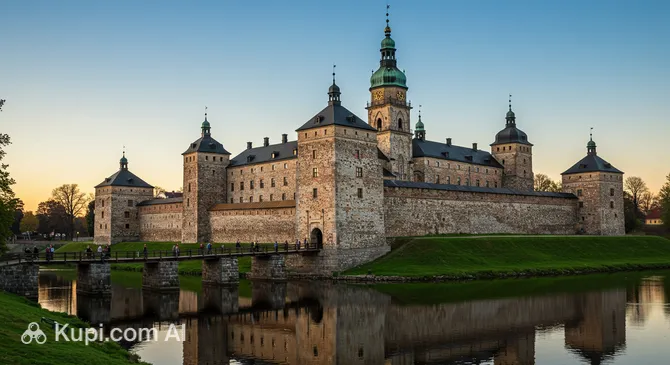
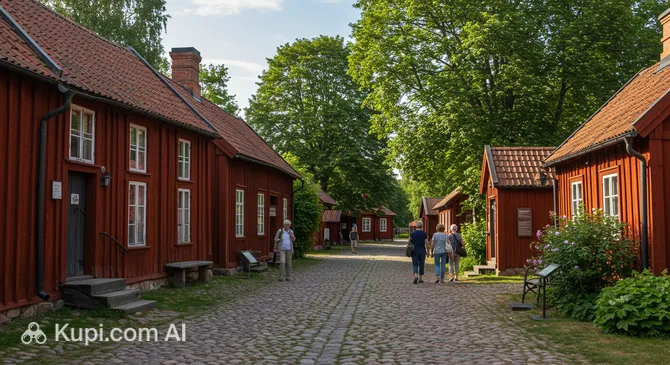
The fascinating history of Orebro is perhaps most visibly represented by the magnificent Örebro Castle. This medieval fortress, situated on an islet in the river right in the city center, is a must-see landmark that looks like it was plucked straight from a fairy tale. Just a short walk away lies Wadköping, an enchanting open-air museum featuring traditional wooden buildings and cobblestone streets that transport you back to the 18th and 19th centuries.

Beyond its historical sites, the city is known for Svampen, a unique mushroom-shaped water tower that offers panoramic views of the surrounding landscape. Whether you are strolling through the beautiful city park, enjoying the local café culture, or exploring the nearby nature reserves, Orebro promises a memorable experience for every traveler. We invite you to discover the hidden gems and friendly spirit of this lovely Swedish destination.
Weather Overview

Travelers planning a visit should be prepared for distinct seasonal changes, as the weather in Orebro shifts from crisp, snowy winters to pleasant, mild summers. The city experiences a temperate climate where the warmest months are typically June through August. During this time, average temperatures hover around 16°C to 17°C, with July highs reaching approximately 21.5°C, creating ideal conditions for exploring the outdoors despite the likelihood of rain, which occurs on about 14 to 15 days per month.

In contrast, the winter season from December to February brings a true Nordic chill. January is generally the coldest month, with average temperatures dropping to -1.8°C and minimums often falling to -3.9°C. Spring and autumn serve as transitional periods; May sees a welcoming average of 11.4°C, while October cools down to around 7.5°C. Overall, visitors can expect comfortable summers with occasional showers and cold winters perfect for enjoying cozy indoor attractions.

Interesting Facts

Beyond the main attractions, Orebro holds many fascinating secrets and historical curiosities that often surprise visitors. From its pivotal role in royal history to unexpected international connections, the city offers more than just scenic views and charming streets.

Örebro Castle. Source: Kupi.Binoculars
  • The city is the birthplace of the current Swedish royal dynasty. It was within the walls of Örebro Castle in 1810 that the French Marshal Jean-Baptiste Bernadotte was elected Crown Prince of Sweden, an event that shaped the country's modern monarchy.

  • Orebro's iconic water tower, known locally as Svampen (The Mushroom), has a nearly identical twin in the Middle East. A Saudi prince was so impressed by the structure's modernist design during a visit that he commissioned an exact replica to be built in Riyadh, Saudi Arabia.

  • Music enthusiasts might recognize the city by its playful nickname, "Pennybridge." This moniker is a literal English translation of the city's name (öre meaning "coin" and bro meaning "bridge"), popularized globally by the famous skate punk band Millencolin, who hail from the area.

  • Every two years, the city center transforms into a massive open-air gallery known as OpenART. During this biennial event, quirky and provocative art installations—such as a giant yellow bunny that once dominated the main square—take over the streets, offering a unique artistic experience.

How to Get There

Reaching this central Swedish destination is straightforward thanks to its excellent transport connections. Whether you prefer flying or taking the train, there are several convenient options to choose from. For a detailed guide on all available routes and transport modes, you can read more about how to get to Orebro.

If you prefer to fly, the city has its own local facility, Orebro-Bofors Airport (ORB). It is conveniently located just 11.5 km from the city center. While it is a smaller regional hub, it offers the most direct access. A trip by taxi or bus from here typically takes around 15 to 25 minutes. For a wider range of international flights, many travelers choose Stockholm Arlanda Airport (ARN). Situated in Stockholm, approximately 160 km from Orebro, it is the country's largest airport and handles a vast amount of passenger traffic. The journey from Arlanda to Orebro is quite efficient, typically taking between 2 and 2.5 hours by train or car.

For clarity, here is a summary of the main airports:

Airport Name City Passenger Traffic Km from City
Stockholm Arlanda Airport Stockholm Very High 159.7
Bromma Airport Stockholm Medium 155.8
Linkoping City Airport Linköping Medium 100.4
Orebro-Bofors Airport Orebro Small 11.5
Karlstad Airport Karlstad Small 108.3

Traveling by train is another popular and efficient way to arrive. The city is served by Orebro Central Station, which is perfectly situated just 0.4 km from the city center, making it incredibly convenient for visitors to start exploring immediately upon arrival. With high passenger traffic, it is a well-serviced hub connecting Orebro to other major Swedish cities.

Below is a list of relevant railway stations in the region:

Station City Passenger Traffic Km to Center
Orebro Central Station Orebro High 0.4
Norrköping Central Station Norrköping High 94.0
Eskilstuna Central Station Eskilstuna High 74.3
Sala Station Sala - 106.9
Avesta Krylbo Station Avesta - 111.0

Main Attractions

Orebro offers a diverse array of sights that cater to history buffs, nature enthusiasts, and families alike. The city's compact center makes it easy to explore many of its highlights on foot, while the surrounding areas provide excellent opportunities for outdoor recreation. From medieval architecture to modern leisure facilities, here are some of the top places to visit.

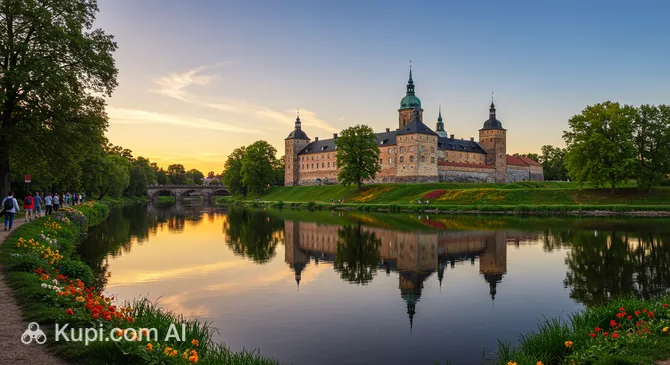
Standing proudly on an islet in the Svartån river, Örebro Castle is the city's most iconic landmark. With a history spanning over 700 years, this fortress has served as a royal residence, a prison, and a defense stronghold. Today, visitors can explore its grand halls, learn about its turbulent past through guided tours, and enjoy exhibitions that bring Swedish history to life. The castle's imposing stone walls and round towers create a striking silhouette against the city skyline.

Örebro Castle. Source: Kupi.Binoculars

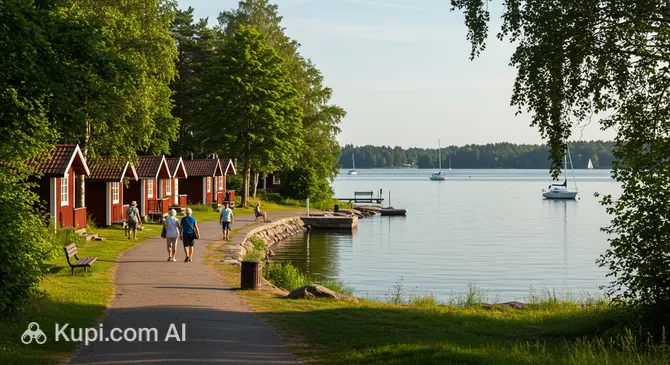
Just a short walk from the city center lies the charming Wadköping Open-Air Museum. This picturesque area functions as a living history museum, featuring traditional red wooden cottages and historic buildings relocated from around Orebro. It is a wonderful place to stroll through cobblestone streets, visit local craft workshops, and stop by the bakery for a classic Swedish cinnamon bun. The atmosphere here changes with the seasons, offering markets and events that celebrate local traditions.

Wadköping Open-Air Museum. Source: Kupi.Binoculars

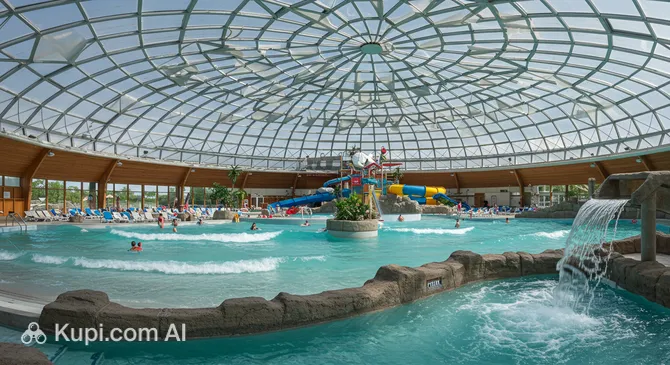
For those seeking adventure and relaxation, Gustavsvik Water Park is a premier destination. Known as one of the largest water parks in Northern Europe, it features "The Lost City," an exciting jungle-themed adventure pool with waterfalls, ruins, and thrilling water slides. It is an ideal spot for families, offering both high-energy activities and relaxation areas with saunas and whirlpools for adults.

Gustavsvik Water Park. Source: Kupi.Binoculars

Nature lovers will appreciate the tranquility of Oset and Rynningeviken. Located near Lake Hjälmaren, this nature reserve was once a landfill area that has been successfully transformed into a lush landscape rich in biodiversity. It is a paradise for birdwatchers and walkers, with well-maintained paths that wind through wetlands and pastures where Highland cattle often graze. The area provides a peaceful escape and beautiful scenery just a stone's throw from the urban environment.

Oset and Rynningeviken. Source: Kupi.Binoculars

Another delightful spot for families is Stora Holmen, a small island located in the Svartån river. Known as the "Children's Island," it features a miniature train, pedal cars, and a petting farm with small animals. It is a popular recreational area during the summer months, offering a safe and fun environment for younger visitors to play while parents enjoy the park-like setting.

Local Cuisine

The culinary scene in Orebro is a delightful reflection of its location in the fertile Närke plain, offering a mix of traditional Swedish comfort food and modern international flavors. The city prides itself on using fresh, locally sourced ingredients, with a particular emphasis on game, mushrooms, and seasonal root vegetables. One cannot visit without indulging in the Swedish tradition of "fika"—a social coffee break often accompanied by a cinnamon bun or a slice of cake—which is deeply ingrained in the local lifestyle.

When it comes to main dishes, visitors should look for classics like Raggmunk, a savory potato pancake typically served with fried pork and lingonberries. Given the city's proximity to Lake Hjälmaren, freshwater fish is also a staple; Gös (pike-perch) is a local favorite, often prepared grilled or pan-fried with a creamy sauce. For a hearty meal, traditional Swedish meatballs with mashed potatoes and pickled cucumber remain a popular choice available in many establishments.

Fratelli Örebro. Source: Kupi.Binoculars

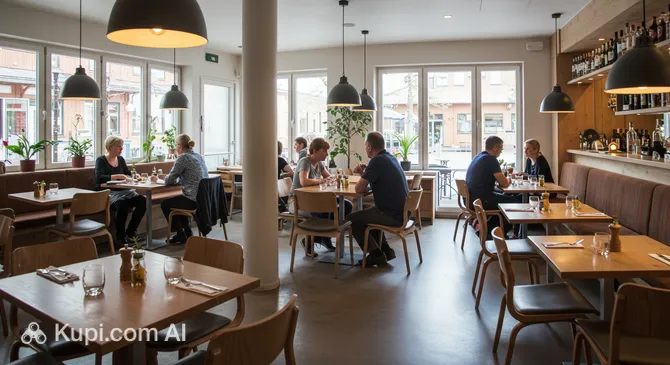
The city's dining landscape ranges from cozy, rustic inns to chic, contemporary eateries. For those seeking a vibrant atmosphere and delicious cuisine, Fratelli Örebro is a fantastic option, offering high-quality dishes in a modern setting that attracts a lively crowd. Another notable spot is Makeriet, located in a historic building, where the menu combines classic techniques with innovative twists, making it perfect for a special dinner.

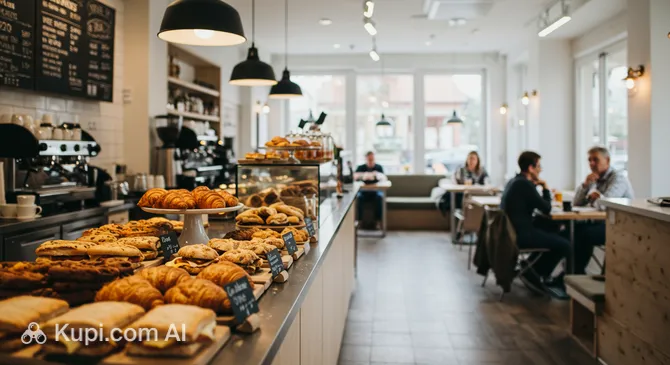
Local beverages are an essential part of the dining experience. Swedes are among the world's biggest coffee drinkers, so you will find excellent coffee shops throughout the city. In the evenings, the focus shifts to craft beers, with several local microbreweries gaining popularity. If you are looking for a place to enjoy a drink, Stallyktan Pub offers a warm, traditional pub environment. Alternatively, Mocca Deli Örebro provides a trendy backdrop for enjoying both coffee and cocktails along with light bites.

Mocca Deli Örebro. Source: Kupi.Binoculars

For a truly atmospheric food experience, a visit to the historic area of Wadköping Open-Air Museum is highly recommended. Here, amidst the red wooden buildings, you can find charming bakeries and cafes serving old-fashioned pastries and sweets that transport you back in time. It is the perfect spot to enjoy a quiet moment and savor the authentic tastes of the region.

Travel Tips

To help you make the most of your visit to this delightful Swedish city, we have compiled a list of essential practical tips. From navigating the local transport to understanding payment methods, these suggestions will ensure your trip to Orebro is smooth and enjoyable.

  1. Clothing and Gear: The weather in Sweden can be changeable, so the key to comfort is dressing in layers. Even in summer, a waterproof jacket and a warm sweater are recommended for cooler evenings. If you visit in winter, thermal underwear, a heavy coat, gloves, and a hat are non-negotiable. Since exploring attractions like Wadköping involves walking on cobblestones, pack sturdy, comfortable walking shoes.
  2. Transportation: Orebro is famous for being a fantastic cycling city. The best way to get around is to rent a bike and use the extensive network of cycle paths. The city center is also very compact and walkable. For longer trips, local buses (operated by Länstrafiken) are reliable; be aware that you typically cannot pay with cash on board, so use a credit card or the local transport app.
  3. Finances: The currency is the Swedish Krona (SEK), but be prepared for a largely cashless society. Many shops, cafes, and restaurants do not accept cash at all. Ensure you have a valid credit or debit card (Visa and Mastercard are widely accepted) with a chip and PIN. Tipping is not mandatory, though rounding up the bill is a common way to show appreciation.
  4. Health and Safety: Orebro is a very safe city for tourists. The tap water is of excellent quality and perfectly safe to drink, so bring a refillable water bottle to save money and plastic. Pharmacies are easily identified by a green cross sign. In case of any serious emergency, the universal number to call is 112.
  5. Communication: You will find that English is spoken fluently by almost everyone, making communication effortless. However, locals always appreciate a friendly Hej (Hello) or Tack (Thank you). Free Wi-Fi is widely available in hotels, cafes, and often in public squares.
  6. Local Etiquette: Swedes value order and fairness. In many shops, bakeries, and banks, you must take a ticket from a dispenser and wait for your number to be called rather than standing in a physical line. Also, punctuality is important here; if you have a reservation or a booked tour, arrive on time.
  7. What to Avoid: Do not walk in the designated bike lanes. Since cycling is a primary mode of transport for locals, these lanes are busy, and blocking them is considered rude and can be dangerous. Also, avoid being loud or disruptive in public spaces, as the local culture tends to be quiet and reserved.
  8. Local Tip: For one of the best views in the city, head to the Svampen water tower. Access to the outdoor viewing platform is usually free, providing a budget-friendly way to see the city from above without booking a tour.

Armed with these practical insights, you are all set to navigate Orebro like a pro. Whether you are cycling through the streets or enjoying a fika in a cozy cafe, we hope you have a wonderful and hassle-free experience in the heart of Sweden.

Entertainment & Nightlife

As the sun sets, Orebro transforms from a historical cultural hub into a lively center of entertainment. Thanks to its status as a university city, the nightlife here is vibrant, youthful, and diverse, catering to both students and sophisticated crowds. The heart of the evening action is undoubtedly centered around Stortorget (The Great Square) and the streets adjacent to the castle. Here, you will find a dense concentration of pubs, lounges, and nightclubs, making it easy to hop from one venue to another without the need for transportation.

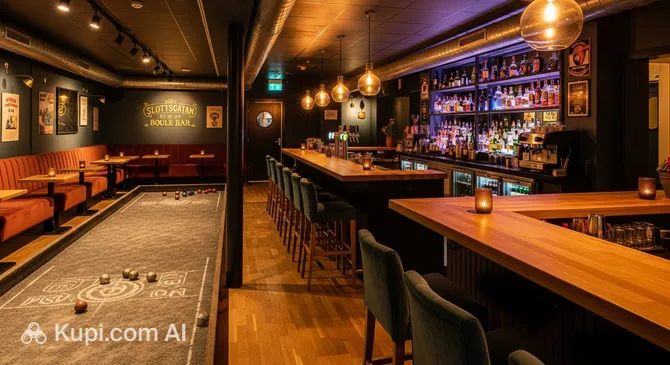
For those who enjoy combining social activities with their drinks, Slottsgatan Boule Bar is a standout destination. Located near the castle, this venue offers a relaxed yet energetic atmosphere where guests can play pétanque (boule) indoors while enjoying a wide selection of beverages and French-inspired snacks. It is an excellent spot to start the evening, breaking the ice with friends before heading out to later-night spots.

Slottsgatan Boule Bar. Source: Kupi.Binoculars

If you are looking for a more upscale experience, Makeriet is a top choice. While known for its dining, it transitions seamlessly into a vibrant nightspot after dark. Housed in a beautifully preserved building, it offers a chic environment where you can enjoy expertly crafted cocktails and a curated wine list. The crowd here tends to be a mix of young professionals and stylish locals, and the dress code is generally smart-casual.

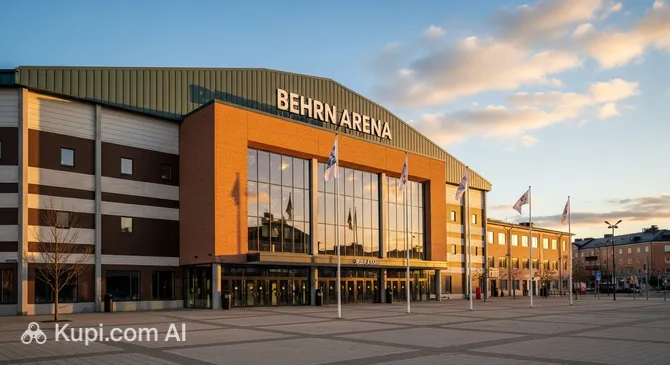
Music and event lovers should check the schedule for Behrn Arena. As the city's primary venue for large-scale events, it hosts everything from major pop and rock concerts to thrilling ice hockey matches. Attending an event here provides a fantastic glimpse into the local spirit and enthusiasm. For sports fans, catching a game is a great way to spend an evening, surrounded by the cheering "Örebroare."

Behrn Arena. Source: Kupi.Binoculars

Practical Nightlife Tips:
Most bars and pubs in Orebro stay open until 1:00 AM or 2:00 AM on weekends, while nightclubs may keep the party going until 3:00 AM. It is worth noting that alcohol prices in Sweden can be higher than in many other European countries, so budget accordingly. The atmosphere is generally safe and welcoming. The city center is well-lit and secure for night walks, but if you need to travel further, reputable taxi companies are readily available. You can easily hail a cab or book one via an app; look for major operators to ensure fair pricing.

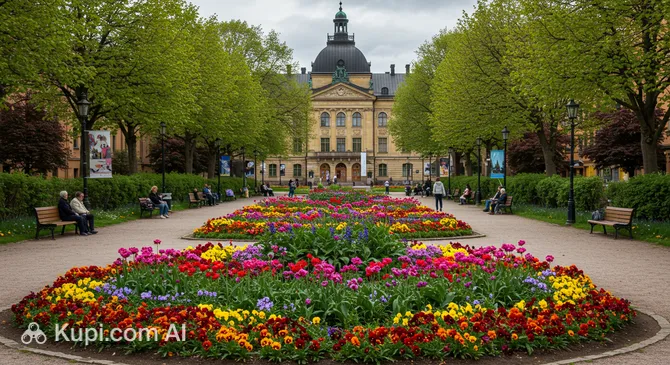
While the nights are exciting, Orebro also offers plenty of daytime entertainment beyond its historical sites. The city boasts a rich cultural scene with several theaters and galleries. For a relaxing afternoon, a stroll through the City Garden (Stadsparken) is highly recommended. Voted one of Sweden's most beautiful parks, it features stunning floral arrangements, a rose garden, and playgrounds, making it a perfect leisure spot for families and nature admirers alike.

City Garden. Source: Kupi.Binoculars

Whether you are cheering at a hockey game, throwing boules with friends, or dancing the night away near the castle, Orebro offers a nightlife experience that is both intimate and exciting.

Parks & Museums

Orebro is a city that prides itself on its high quality of life, seamlessly blending urban convenience with lush, accessible nature. The town is renowned for its award-winning green spaces and a strong commitment to preserving its cultural heritage. Whether you are looking to enjoy a peaceful picnic by the river or delve into the artistic and historical narratives of the region, the city's parks and museums offer a perfect retreat from the bustling streets.

Widely regarded as one of Sweden’s most beautiful parks, the City Garden (Stadsparken) is a botanical masterpiece located along the Svartån River. This verdant oasis is celebrated for its magnificent floral displays, including a spectacular rose garden that blooms with hundreds of varieties during the summer months. Within the park, visitors can also explore the Biological Garden, an educational space designed to showcase different habitat types and plant species. With its sprawling lawns, large playground, and open-air stage, the park serves as the city's living room, attracting locals and tourists alike for relaxation and recreation.

For a more immersive historical experience combined with nature, a visit to the Karlslund Cultural Reserve is highly recommended. Located on the western edge of the city, this area centers around the elegant Karlslund Manor, dating back to the early 19th century. The reserve offers a glimpse into the agrarian past with its well-preserved worker cottages, old mills, and beautiful English-style gardens. Visitors can wander through the craft shops housed in the historic buildings, enjoy a coffee in the garden café, or hike along the scenic trails that follow the rushing waters of the river, making it an idyllic spot for a day trip.

To gain a deeper understanding of the region's artistic and cultural history, the Örebro County Museum (Örebro läns museum) is a key institution to keep on your radar. Dedicated to preserving the heritage of Orebro County, the museum manages extensive collections of art, photography, and historical artifacts. Through various exhibitions, it tells the stories of the people who have lived in the Närke province over the centuries, from the industrial developments to local folklore. It stands as a testament to the region's rich identity and offers an intellectual complement to the city's outdoor attractions.

Getting Around

Navigating Orebro is straightforward and convenient, thanks to a well-organized public transport network designed to serve both locals and visitors efficiently. The city does not have a metro, tram, or trolleybus system; instead, the public transportation backbone consists entirely of a reliable and extensive bus network operated by Länstrafiken. These distinct blue buses connect the city center with residential areas, commercial districts, and the surrounding countryside, making it easy to reach almost any destination within the municipality.

For tourists, the most important rule to remember is that the buses in Orebro are completely cashless. You cannot buy a ticket from the driver using cash. The easiest way to pay for your journey is by downloading the Länstrafiken app, which allows you to purchase single tickets or period passes directly on your smartphone. Alternatively, you can use a contactless debit or credit card (Visa or Mastercard) to tap and pay for a single adult ticket directly on board the bus. If you prefer a physical ticket, you can purchase a travel card or single-use tickets at sales agents like Pressbyrån kiosks or the customer center at the bus station.

When using the bus, always board through the front doors and validate your ticket by scanning your app or tapping your travel card on the reader next to the driver. The service runs frequently from early morning until late at night, with reduced schedules on weekends and holidays. On Friday and Saturday nights, special night buses often operate to cater to the evening crowd. Fares are zone-based, but most tourist attractions within the city fall within a single zone, making travel affordable.

Beyond buses, Orebro is famously known as a premier cycling city. The terrain is flat, and there is an impressive network of separated bicycle paths that crisscross the entire urban area. Renting a bike is highly recommended for visitors who want to explore at their own pace, as it is often the fastest way to get around. Several hotels offer bike loans to their guests, and there are rental shops available in the city center.

For those who prefer private transport, taxis are readily available and safe, though they can be more expensive than public transit. You can find taxi stands at the Central Station and near major hotels, or book one via phone or mobile apps. Walking is also a viable option for staying within the city center, as many main attractions, such as the castle and the open-air museum, are located within a comfortable walking distance of each other.

Accommodation

Accommodation:

Finding a place to stay in Orebro is generally a straightforward experience, with options to suit various travel styles and budgets. The city offers a well-balanced mix of accommodation types, ranging from efficient modern business hotels and charming boutique establishments to budget-friendly hostels and camping sites. While it may not have an abundance of ultra-luxury resorts, the standard of hospitality is consistently high, focusing on comfort, cleanliness, and typical Swedish functionality.

For most tourists, the best area to stay is the City Center (Centrum). Choosing a hotel here places you within easy walking distance of major attractions like Örebro Castle, the Wadköping Open-Air Museum, and the main shopping streets. The area surrounding Stortorget and along the banks of the Svartån River is particularly scenic and convenient, offering immediate access to the city's best dining and nightlife. Travelers arriving by train might prefer the district near the Central Station, which is just a few blocks north of the castle and offers excellent connectivity for early departures or day trips.

Families visiting specifically for the water park often choose accommodation in the southern part of the city, near the Gustavsvik Water Park. This area provides a resort-like feel with camping cabins and ample space, yet remains accessible to the downtown core via a short bus ride or drive. For those seeking a quieter experience, there are several bed and breakfast options and smaller guesthouses located on the outskirts, often close to nature reserves.

Booking Tips:
Orebro is a popular destination for conferences and sports events, which can cause hotel availability to drop sharply on certain weekends. During the peak summer season (June to August) and during major events like the OpenART biennial, it is highly recommended to book your accommodation well in advance. Securing your room at least a couple of months ahead ensures better rates and a wider selection.

In terms of pricing, accommodation in Orebro generally falls into the mid-range category. Budget travelers can find affordable rates at hostels or by renting cabins at camping grounds, while those seeking more comfort can expect to pay moderate prices for standard double rooms in central hotels. Booking is most commonly done through major online travel platforms, though booking directly with smaller guesthouses can sometimes yield a more personal touch or special offers.

Nearby Cities

For those looking to explore the surroundings, Orebro serves as an excellent base for day trips to several interesting nearby locations:

City Population Distance (km)
Norrköping 137326 95
Västerås 128660 84
Karlstad 74141 98
Eskilstuna 67359 75
Motala 29823 83

Västerås is one of Sweden's oldest cities and makes for a fantastic cultural excursion. Situated on the shores of Lake Mälaren, it is home to a stunning cathedral and the charming Kyrkbacken district with its winding lanes and wooden houses. History enthusiasts should not miss Anundshög, the largest Viking burial mound in Sweden, located just outside the city center.

Known as the "City of Smithies," Eskilstuna offers a unique glimpse into Sweden's industrial heritage. The Rademacher Forges are a well-preserved 17th-century industrial community where visitors can watch artisans at work. For families, the city is famously home to Parken Zoo, which combines a zoological garden with an amusement park, making it a hit with children.

Often referred to as "Little Manchester" or "Peking," Norrköping is renowned for its beautifully preserved industrial landscape. The city center is dominated by the Motala Ström river, where old textile factories have been converted into museums, concert halls, and university campuses. The Industrial Landscape (Industrilandskapet) is a visual marvel, complete with waterfalls right in the heart of the town.

These nearby destinations offer a glimpse into the diverse culture and landscapes of the region.

Shopping & Souvenirs

Shopping:

Shopping in Orebro is a pleasant and stress-free experience, characterized by the city's compact layout and a nice blend of modern retail and traditional charm. Unlike the overwhelming rush of larger capitals, the pace here is relaxed, allowing visitors to browse through high-street fashion brands, unique interior design shops, and local boutiques with ease. Most of the commercial action is concentrated within a walkable area in the city center, though there are also substantial options just a short drive away for those seeking a more extensive retail therapy session.

The heart of the city's shopping district lies along the pedestrianized streets of Drottninggatan and Köpmangatan. These bustling thoroughfares are lined with a variety of stores ranging from well-known international chains to smaller, independent shops selling clothing, jewelry, and home décor. Strolling down these streets offers not just shopping opportunities but also plenty of cafes where you can take a pause. The area around Stortorget also features several charming boutiques tucked away in side streets, perfect for finding something a bit more exclusive.

For those who prefer indoor shopping, the city center boasts two main galleries: Vågen and Krämaren. Located conveniently close to each other, they offer a wide selection of fashion, electronics, and beauty products under one roof. However, the premier destination for serious shoppers is Marieberg Galleria. Situated about 9 kilometers south of the city center, this is one of Sweden's largest shopping centers, housing over 100 stores and an IKEA. It is easily accessible by bus or car and serves as a comprehensive hub for everything from furniture to the latest fashion trends.

If you are looking for a more atmospheric and traditional shopping experience, a visit to Wadköping Open-Air Museum is essential. Amidst the historic red wooden buildings and cobblestone alleys, you will find quaint shops offering high-quality handicrafts, antiques, and old-fashioned sweets. It is the ideal place to find unique items that reflect the local heritage, far removed from the mass-produced goods found in standard malls.

When searching for souvenirs, look for items that embody Swedish design and culture. Popular choices include traditional wooden handicrafts, such as the iconic Dala horse (though originally from Dalarna, they are a national symbol), as well as locally produced ceramics and textiles found in Wadköping. Swedish interior design items, known for their minimalism and functionality, also make for excellent gifts. Additionally, edible souvenirs like cloudberry jam or high-quality licorice are always a hit with friends back home.

Standard opening hours for shops in the city center are typically 10:00 AM to 6:00 PM on weekdays and 10:00 AM to 4:00 PM on Saturdays. On Sundays, many smaller boutiques may be closed, although the larger malls like Marieberg Galleria usually remain open with slightly reduced hours. As with the rest of Sweden, Orebro is largely a cashless society. Major credit and debit cards (Visa, Mastercard) are accepted almost everywhere, and many places prefer card payments over cash.

Tourists residing outside the European Union may be eligible for tax-free shopping. Look for the "Global Blue" Tax-Free signage in store windows. If you spend a certain amount in a participating store, you can ask for a refund form, which allows you to claim back the VAT (Value Added Tax) upon your departure from the EU, provided you follow the necessary customs procedures.

Reached the end of the page?

That means the route is fully explored