Support

Gothenburg

About

Gothenburg, locally known as Göteborg, is a vibrant coastal metropolis that serves as the gateway to the stunning west coast of Sweden. As the country's second-largest city, it effortlessly combines the pulse of a modern urban center with the charm of a friendly, walkable town. Known for its Dutch-style canals and leafy boulevards, the city offers a relaxed atmosphere that is often contrasted with the faster pace of the capital.

Located in Västra Götaland County at the mouth of the Göta älv river, Gothenburg is home to a population of approximately 600,000 people. Its strategic position has made it a significant port city for centuries, deeply influencing its culture and development. Visitors interested in the past can explore the fascinating history of Gothenburg, which traces its transformation from a heavily fortified defense outpost to a thriving industrial and cultural hub. The climate here is oceanic, offering pleasant summers and relatively mild winters compared to the northern regions.
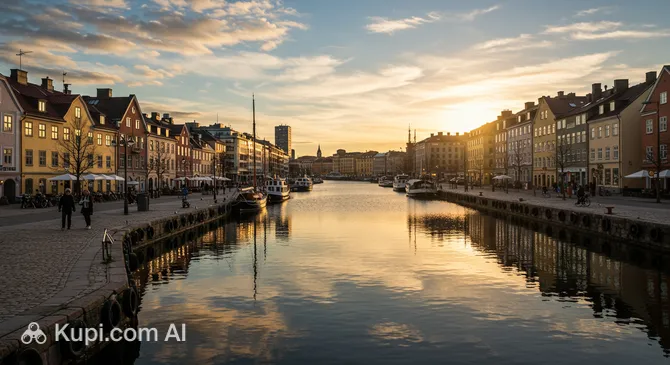
Gothenburg. Source: Kupi.Binoculars

The city is packed with unique attractions that cater to all interests. The historic district of Haga is a must-visit, famous for its picturesque wooden houses and massive cinnamon buns known as hagabullen. For those seeking excitement, Liseberg is one of Scandinavia's most beloved amusement parks, offering thrilling rides and beautiful gardens. Nature lovers will appreciate the proximity to the southern archipelago, where car-free islands offer pristine landscapes just a short ferry ride away.

With its world-class seafood scene, cutting-edge museums, and welcoming spirit, Gothenburg is a destination that truly captures the heart of travelers. Whether you are looking for culinary adventures or scenic coastal views, this charming Swedish city invites you to explore and enjoy its many delights.
Weather Overview

The climate in Gothenburg is generally mild for its latitude, influenced significantly by its proximity to the sea. While the city experiences four distinct seasons, the weather can be quite changeable, so it is often wise to be prepared for varying conditions. For a more detailed breakdown of what to expect during your specific dates of travel, you can consult the guide to the weather in Gothenburg.

Summers are typically comfortable and pleasant, making them the most popular time for exploration. During June, July, and August, average temperatures range from 16°C to 17°C, with daytime highs often reaching around 19.6°C. However, rain is not uncommon even in the warmer months; August, for instance, can see up to 18 wet days.

Winters are cold but usually avoid extreme freezing temperatures, with averages in January and February hovering around 1.5°C and lows just dipping below freezing. Precipitation is fairly consistent throughout the year, though April tends to be the driest month with only about 8 wet days. Overall, visitors should expect mild summers with occasional showers and cool, damp winters.

Interesting Facts

Beyond the main attractions, Gothenburg holds many fascinating secrets that reveal its quirky character and rich heritage. From architectural oddities to global sporting records, here are a few things you might not know about this Swedish coastal gem.
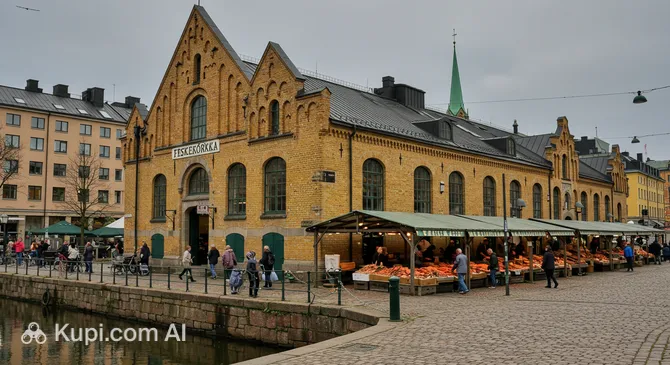
Feskekôrka. Source: Kupi.Binoculars
  • One of the city's most famous landmarks, Feskekôrka, literally translates to "Fish Church." Despite its Gothic revival architecture resembling a place of worship, it was built in 1874 solely as an indoor fish market, confusing unsuspecting visitors for decades.

  • Gothenburg is often nicknamed "Little London" (Lilla London). During the 19th century, a significant influx of Scottish and English merchants settled here to drive the industrial revolution, heavily influencing the city's architecture, lifestyle, and even leaving traces on the local dialect.

  • The city's distinctive layout, particularly its system of canals, was actually designed by Dutch planners in the 17th century. Because the ground was originally marshy and difficult to build on, the Swedes hired experts from the Netherlands to construct the foundations and waterways, giving the old town a look reminiscent of Amsterdam.

  • Every summer, the city hosts the Gothia Cup, which is recognized as the world's largest youth football tournament. The event transforms the city into a global meeting point, attracting around 1,700 teams from approximately 80 different nations annually.

  • The iconic Poseidon Statue at Götaplatsen has a curious artistic detail. Sculptor Carl Milles designed the sea god with intentionally unconventional proportions to ensure he looked impressive when viewed from below, though locals have long debated the statue's unique anatomy.

How to Get There

Reaching this vibrant coastal city is straightforward, thanks to its well-connected transport network. Whether you prefer flying into a major international hub or taking a scenic train ride through the Scandinavian landscape, there are multiple options to suit your travel plans. For a comprehensive guide on all available routes and tips, you can read more about how to get to Gothenburg.

The primary gateway for air travelers is Göteborg Landvetter Airport (IATA: GOT). As an international airport, it serves as the main entry point for visitors from around the world. It is located approximately 20 km from the city center. The journey from the airport to downtown Gothenburg is efficient, typically taking around 20 to 30 minutes by taxi or the dedicated airport bus service. With a high volume of annual passengers, it is a bustling hub offering numerous connections.

Another option for travelers is Halmstad Airport (IATA: HAD), located in the city of Halmstad. It is situated about 124.3 km away from Gothenburg. Traveling from here to Gothenburg generally takes between 1 hour 15 minutes and 1.5 hours by road. While much smaller than Landvetter, it can serve as an alternative arrival point for those exploring the wider region.

For clarity, here is a summary of the main airports in the region:

Airport Name City Passenger Traffic Km from City
Göteborg Landvetter Airport Gothenburg Large 19.4
Aalborg Airport Aalborg Medium 145.0
Aarhus Airport Aarhus Medium 176.8
Angelholm Helsingborg Airport Angelholm Small 166.2
Halmstad Airport Halmstad Small 124.3

If you prefer traveling by rail, the city is excellently served by Gothenburg Central Station (IATA: XWL). Located in the heart of the city, it is one of the busiest railway hubs in Sweden, handling millions of passengers annually. It connects the city with capitals like Stockholm, Oslo, and Copenhagen, making it an ideal choice for eco-conscious travelers or those enjoying a multi-city tour.

For those arriving from further south, you might pass through or transfer at Helsingborg Central Station. This major station is located approximately 190.5 km from Gothenburg. The drive from this distance typically takes roughly 2 hours, though direct train connections are frequent and offer a comfortable journey along the coast.

Below is a list of relevant railway stations in the wider vicinity:

Station City Passenger Traffic Km to Center
Gothenburg Central Station Gothenburg Very High 0
Helsingborg Central Station Helsingborg High 190.5
Hässleholm Station Hassleholm Medium 204.1
Aalborg Railway Station Aalborg Medium 144.2
Ängelholm Railway Station Angelholm Low 171.5

Main Attractions

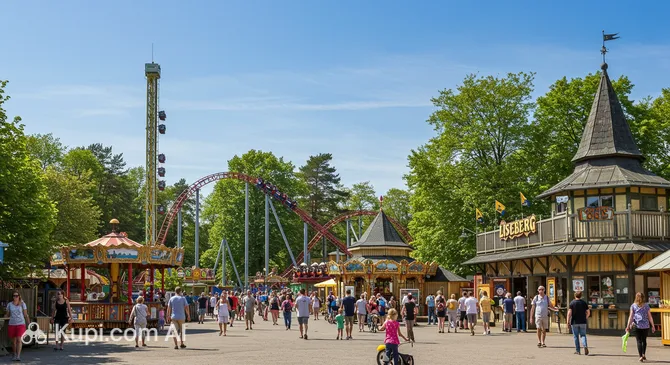
Gothenburg offers a diverse array of sights, ranging from thrilling entertainment to serene natural escapes. One of the undisputed highlights is Liseberg, the largest amusement park in Scandinavia. Opened in 1923, it attracts millions of visitors annually with its adrenaline-pumping roller coasters, lush gardens, and vibrant concert stages. Whether you are visiting in summer for the rides or in winter for its spectacular Christmas market, the park provides an unforgettable experience for all ages.

Liseberg. Source: Kupi.Binoculars

For those who prefer a quieter pace, the Gothenburg Botanical Garden is a horticultural masterpiece. Spanning a vast area, it is considered one of the largest and most impressive botanical gardens in Europe. Visitors can wander through the award-winning rock garden, explore the Japanese glade, or admire the extensive collection of orchids in the greenhouses. It is a perfect spot for a peaceful stroll amidst thousands of plant species from around the globe.

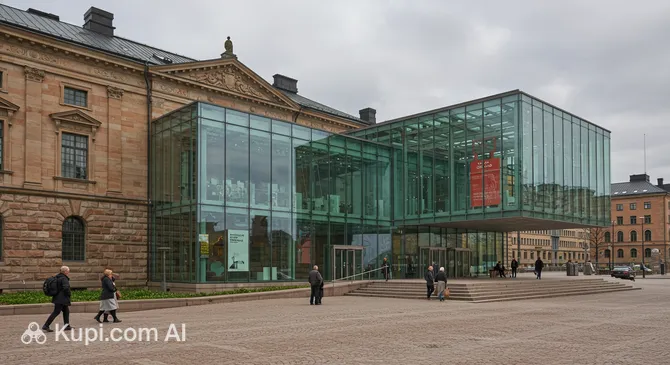
Art enthusiasts should not miss the Gothenburg Museum of Art, located at the top of the iconic Avenyn boulevard. The museum is renowned for holding one of the world's finest collections of late 19th-century Nordic art. Inside, you can admire masterpieces by artists such as Edvard Munch, Anders Zorn, and Carl Larsson. The building itself is an architectural landmark, offering a commanding view of the city center from its entrance.

Gothenburg Museum of Art. Source: Kupi.Binoculars

Nature and leisure come together beautifully at Slottsskogen Park, often referred to as the city's "green lung." This expansive park is a favorite among locals for picnics, jogging, and socializing. A unique feature of the park is its free zoo, which houses Nordic animals like elk, Gotland ponies, and seals. It is an ideal destination for families and anyone looking to experience the Swedish outdoors without leaving the city limits.

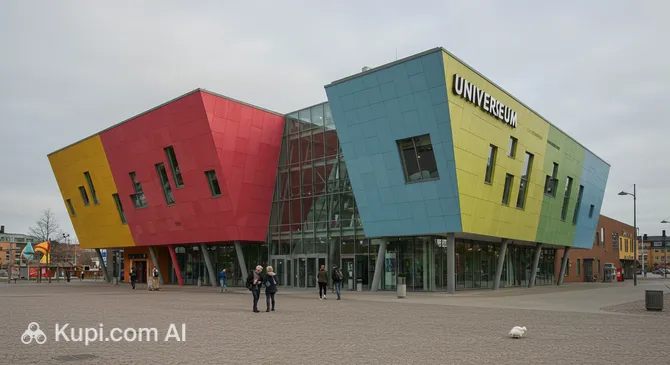
Finally, just next to Liseberg lies Universeum, a massive science center that captivates curious minds. It features a humid rainforest zone, complete with exotic birds and monkeys, as well as a large aquarium displaying Swedish marine life. Interactive exhibits on space, technology, and the human body make it an engaging educational adventure for children and adults alike.

Universeum. Source: Kupi.Binoculars

Local Cuisine

The culinary scene in Gothenburg is heavily influenced by its location on the west coast, making it a true paradise for seafood lovers. The cold, fresh waters of the North Sea provide some of the world's finest shellfish, including lobster, oysters, and langoustines. A visit here would not be complete without trying the iconic Räkmacka (shrimp sandwich). This local favorite features a mountain of hand-peeled shrimp piled high on bread, often topped with mayonnaise, egg, and dill, serving as a delicious symbol of the city's maritime heritage.

For a taste of everyday local culture, look for the unique street food dish known as a Halv Special. sold at hot dog stands across the city, it consists of a sausage in a bun topped with a generous scoop of mashed potatoes. It is a hearty, unpretentious meal that has been a staple of the Gothenburg diet for decades, offering a warm and filling option for travelers on the go.

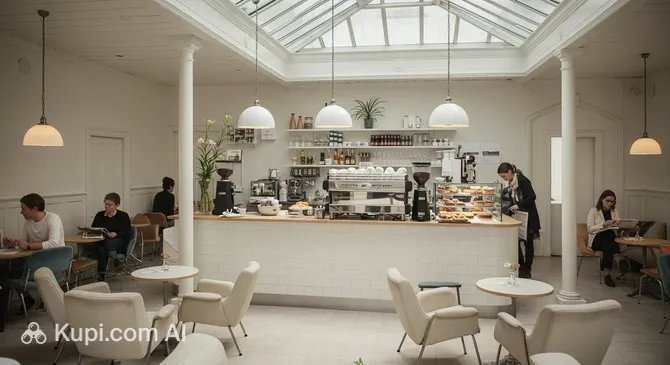
Coffee breaks, or fika, are a serious institution in Sweden, and Gothenburg is no exception. The city is dotted with charming cafes where you can enjoy strong coffee paired with a massive cinnamon bun. For a trendy yet cozy atmosphere, you might visit Kafé Magasinet, a popular spot known for its rustic interior and relaxed vibe. It is an excellent place to unwind and soak in the local cafe culture after a day of sightseeing.

Kafé Magasinet. Source: Kupi.Binoculars

When it comes to drinks, Gothenburg has earned a reputation as the craft beer capital of Sweden. The city is home to numerous microbreweries that produce a wide range of ales, lagers, and stouts. If you prefer spirits, traditional spiced schnapps, or akvavit, is often served alongside pickled herring, particularly during festive meals. The combination of savory fish and the sharp, herbal kick of the spirit is a classic Swedish gastronomic experience.

Dining options range from historic market halls to modern establishments with spectacular views. While the famous Feskekôrka is a legendary spot for buying and eating fresh seafood, those seeking a high-end experience can head to Gothia Towers & Upper House. Located in one of the city's tallest buildings, this venue offers not only exquisite cuisine but also panoramic vistas of the skyline, making for an unforgettable dinner setting.

Travel Tips

Visiting Gothenburg is a delightful experience, but a few insider insights can make your trip even smoother and more enjoyable. Whether you are here for the seafood, the amusement parks, or the coastal scenery, these practical tips will help you navigate the city like a local.

  1. Clothing and Gear: The weather on the Swedish west coast can be unpredictable, often shifting from sunshine to rain within hours. It is essential to dress in layers and bring a high-quality windproof and waterproof jacket, regardless of the season. Since Gothenburg is best explored on foot, especially in cobbled areas like Haga, pack comfortable walking shoes. If you plan to visit churches or upscale restaurants, casual chic is the norm, but there are no strict religious dress codes to worry about.
  2. Transportation: The city’s public transport network is excellent, with the iconic blue trams being the most convenient way to get around. The extensive system also includes buses and ferries to the southern archipelago, all covered by the same ticket. Download the Västtrafik To Go app to buy tickets easily, as you cannot pay with cash on board. Taxis are available but expensive; stick to reputable companies or ride-hailing apps, and the city center is compact enough that you often won't need them.
  3. Finances: Sweden is one of the most cashless societies in the world. The local currency is the Swedish Krona (SEK), but physical cash is rarely used and many shops, cafes, and even museums are card-only. International credit and debit cards (Visa and Mastercard) are accepted everywhere. Tipping is not mandatory as service is included, but rounding up the bill or leaving a small amount for exceptional service is appreciated.
  4. Health and Safety: Gothenburg is generally a very safe city for travelers. Pharmacies, marked as Apotek, are easy to find, though 24-hour service is limited to specific locations like the one near the central station. Tap water is of extremely high quality and safe to drink, so bring a refillable bottle. In case of an emergency, dial 112 for police, ambulance, or fire services.
  5. Communication: The official language is Swedish, but English is spoken fluently by the vast majority of the population. You will have no trouble communicating in shops, restaurants, or asking for directions. Learning a few local words like Hej (Hello) and Tack (Thank you) is a polite gesture. Free Wi-Fi is widely available in public spaces, cafes, and on public transport.
  6. Local Etiquette: Swedes value personal space and order. Queuing is taken very seriously; never cut in line, whether you are waiting for a bus or ordering coffee. When entering someone's home, it is customary to remove your shoes at the door. Greetings are usually a handshake or a friendly nod. Also, respect the local fika culture—coffee breaks are a time to relax, not to rush.
  7. What to Avoid: Do not walk in the bicycle lanes. Gothenburg is a very bike-friendly city, and locals commute quickly on two wheels; stepping into the bike path can be dangerous and is considered rude. Additionally, avoid raising your voice in public or acting overly boastful, as modesty is a valued cultural trait.
  8. Alcohol Regulations: If you wish to buy wine or spirits to consume at your accommodation, be aware that you cannot buy them in regular supermarkets. Alcohol stronger than 3.5% is sold exclusively at the state-run monopoly stores called Systembolaget. These shops close early on Saturdays and are closed on Sundays, so plan your purchases in advance.

Armed with these tips, you are ready to embrace the relaxed and welcoming atmosphere of Sweden's second city. From navigating the canals to enjoying a seamless cashless payment at a cozy cafe, your time in Gothenburg is sure to be stress-free and memorable.

Entertainment & Nightlife

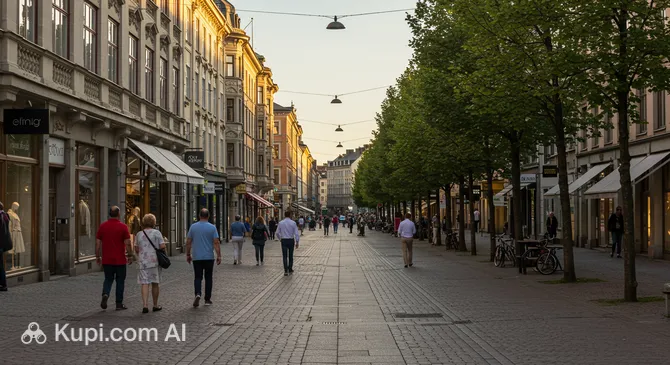
Gothenburg comes alive after dark, offering a nightlife scene that is as diverse as it is welcoming. Driven by a large student population and a thriving cultural sector, the city provides everything from sophisticated cocktail lounges to pulsating dance floors. The heart of the action is undoubtedly Avenyn (Kungsportsavenyen), the city's main boulevard. This bustling strip is lined with major nightclubs, bars, and restaurants that stay open late into the night, making it the go-to destination for those looking to dress up and dance until the early hours.

Avenyn (Kungsportsavenyen). Source: Kupi.Binoculars

For a more relaxed and alternative vibe, locals often head to the streets surrounding Järntorget and Långgatorna. specifically Andra Långgatan. This area is famous for its laid-back beer halls, lower prices, and unpretentious atmosphere. It is the perfect place to enjoy a locally brewed craft beer without a strict dress code. If you are looking for an interactive night out with friends, Star Karaoke offers private rooms where you can sing your heart out in a fun, energetic setting.

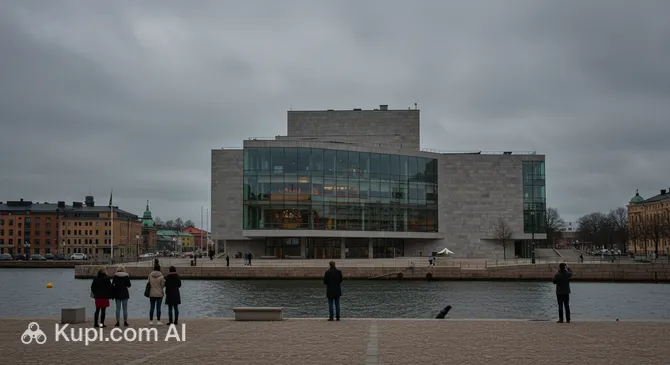
Sports enthusiasts and gamers will find a welcoming community at Pivo - Passion for Game. This venue combines the excitement of live sports broadcasts with a great selection of drinks and food, creating a spirited environment for evening entertainment. For those seeking a more refined cultural experience, the Gothenburg Opera House stands as a beacon of high art on the waterfront. Its stunning architecture and world-class performances of opera, dance, and musicals make for a memorable, sophisticated evening.

Gothenburg Opera House. Source: Kupi.Binoculars

When planning your night out, keep in mind that Swedes tend to head out relatively early. Bars are usually buzzing by 9:00 PM, and clubs peak around midnight. Age restrictions can be strict, with many nightclubs requiring guests to be over 20 or even 23, so always carry a valid ID. Dress codes vary; Avenyn venues generally expect smart casual attire, while the Långgatorna district is much more casual. In terms of safety, Gothenburg is very secure for night walks, especially in the city center. Public transport, including night trams and buses, runs frequently, but if you prefer a taxi, it is best to use reputable apps or designated taxi stands rather than hailing one on the street.

While the nightlife is vibrant, daytime entertainment in Gothenburg is equally engaging. Beyond the famous amusement parks, you can challenge your group at Prison Island Gothenburg, an adventure center featuring cooperative puzzle-solving cells. For a dive into the city's maritime legacy, the Maritime Museum and Aquarium offers fascinating exhibits that explore the relationship between the ocean and human history, making it a perfect daytime excursion before the evening festivities begin.

Parks & Museums

Gothenburg is a city that seamlessly blends urban sophistication with accessible nature and a deep respect for its heritage. Beyond the bustling avenues, visitors will find a treasure trove of verdant parks, historical fortifications, and world-class museums that narrate the story of this maritime metropolis. Whether you are looking to stroll through manicured gardens or explore the decks of historic ships, the city's cultural and natural offerings are sure to impress.

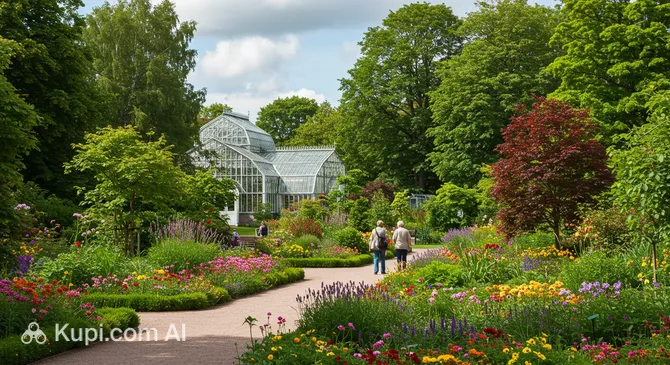
For a peaceful escape right in the city center, The Garden Society of Gothenburg (Trädgårdsföreningen) is an absolute gem. This beautifully preserved 19th-century park invites visitors to wander among thousands of roses and carpet plantings. A highlight here is the magnificent Palm House, a glittering glass and cast-iron structure modeled after London's Crystal Palace, where you can enjoy a tropical climate even on the chilliest Swedish days.

The Garden Society of Gothenburg. Source: Kupi.Binoculars

In contrast to the classic gardens, Jubilee Park represents the modern, innovative spirit of the city. Located in the Frihamnen area, this developing urban park is famous for its spectacular public swimming pool floating in the river and a unique sauna constructed from recycled materials. It is a fantastic example of how Gothenburg is transforming its old industrial port areas into vibrant recreational spaces for the public.

To truly understand the local identity, a visit to the Gothenburg City Museum is essential. Housed in the grand 18th-century East India House, the museum covers over 12,000 years of history, from prehistoric times to the industrial age. The star attraction is undoubtedly the Äskekärr ship, Sweden’s only original Viking ship on display, which offers a fascinating glimpse into the region's seafaring past.

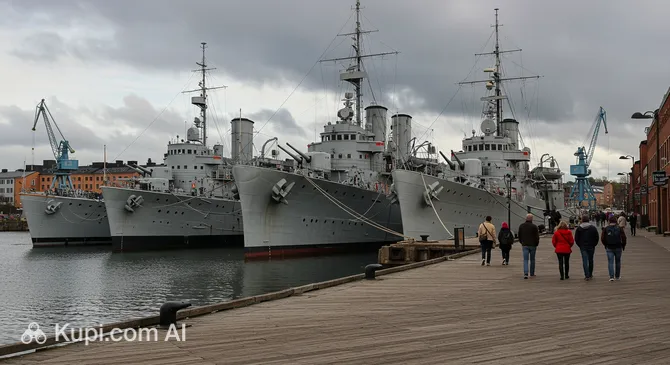
Since the ocean has always been the city's lifeline, maritime history is best experienced firsthand at Maritiman. This floating museum allows you to climb aboard a diverse collection of vessels moored at the quay, including the destroyer Småland and the submarine Nordkaparen. Exploring the narrow corridors and engine rooms gives visitors a tangible sense of life at sea and is particularly engaging for families and history buffs.

Maritiman. Source: Kupi.Binoculars

Art lovers looking for something edgy should head to the waterfront to visit Röda Sten Art Hall. Situated uniquely under the massive Älvsborg Bridge, this former boiler house has been converted into a dynamic venue for contemporary art, theater, and music. The raw, industrial setting complements the often experimental exhibitions, and the surrounding area is perfect for a scenic walk along the harbor entrance.

Watching over the city from the hill of Risåsberget is the imposing fortress of Skansen Kronan. Built in the late 17th century to defend against Danish attacks, it was never actually involved in battle. Today, it serves as a historic monument offering some of the best panoramic views of Gothenburg's red rooftops and the harbor. Another architectural landmark defining the skyline is Masthugget Church, known for its striking National Romantic style and commanding position atop a rocky hill.

For a unique insider experience, try to catch a glimpse of the Götheborg East Indiaman. When it is in port, this magnificent replica of an 18th-century merchant ship is a sight to behold. It is the world's largest ocean-going wooden sailing ship, and learning about its expeditions to China adds a layer of adventure to the city's rich trade history.

Getting Around

Gothenburg boasts a comprehensive and efficient public transport system that makes navigating the city both easy and enjoyable. The network, operated by Västtrafik, consists of an extensive web of trams, buses, and ferries that connect the city center with the suburbs and the surrounding archipelago. The iconic electric trams, easily recognized by their blue and white color scheme, serve as the backbone of local transit and are often the most convenient way to travel between major sights and neighborhoods.

The payment system is entirely cashless, designed to be quick and user-friendly for locals and visitors alike. The most practical option for tourists is to download the Västtrafik To Go app, which allows you to purchase single tickets, 24-hour passes, or 72-hour cards instantly on your smartphone. If you prefer a physical ticket, you can buy travel cards at Västtrafik service centers or convenience stores like 7-Eleven and Pressbyrån. Fares are based on a zone system, but Zone A covers the entire Gothenburg area, including the city center and immediate suburbs, which is typically all a visitor requires.

A standout feature of the city's transport is the integration of ferry services into the standard ticket system. The Älvsnabben ferries zigzag across the river, acting as a floating bus service that offers spectacular views of the harbor and skyline. Furthermore, the same public transport ticket covers the journey to the stunning southern archipelago. Travelers can take a tram to the Saltholmen terminal and seamlessly transfer to a ferry to explore car-free islands without paying an extra fare.

Public transport runs frequently from early morning until around midnight, with night services available on weekends. It is crucial to remember that you cannot buy tickets with cash on board. While you do not always need to scan your ticket upon boarding trams, you must have an active ticket on your app or card, as uniformed inspectors patrol the network regularly and issue fines for fare evasion. On buses and ferries, you generally tap your card or show your app ticket to the onboard reader or staff when entering.

For those who prefer active travel, the city offers an excellent bike-sharing scheme called Styr & Ställ. With numerous stations scattered across the town, you can easily rent a bike via an app for a small fee, taking advantage of the flat terrain and extensive bicycle lanes. Taxis are also available but can be expensive; for a more predictable price, popular ride-hailing apps are widely used and often offer a better rate than hailing a cab on the street.

Transport enthusiasts visiting in the summer or during the Christmas season should keep an eye out for the historic trams operated by the Ringlinien society. These vintage carriages, some dating back to the early 20th century, run on the regular tracks between the Central Station and Liseberg. Riding one of these preserved classics offers a nostalgic journey through time, adding a charming historical dimension to the modern transit experience.

Accommodation

Gothenburg provides a diverse selection of accommodation options suited to every preference and budget. Visitors can choose from economical hostels and functional apartment rentals to charming boutique hotels and luxurious full-service resorts. The standard of hospitality is generally high, with many establishments offering modern Scandinavian design and excellent breakfasts.

The most convenient area for tourists is the city center (Centrum), particularly near the Central Station, which offers easy access to public transport and shopping. The district around the main boulevard, Avenyn, is perfect for those who want to be in the heart of the nightlife and dining scene. For families planning to visit the main attractions, staying near the Korsvägen transport hub provides quick access to the amusement parks and museums.

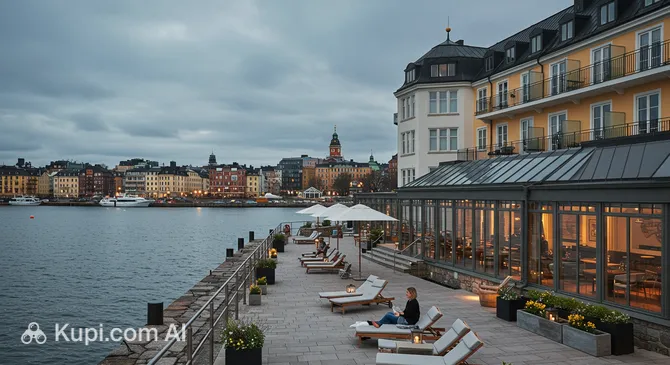
Jacy'z Hotel & Resort. Source: Kupi.Binoculars

For those seeking an upscale stay with extensive amenities, Jacy'z Hotel & Resort is a notable destination, combining accommodation with dining and entertainment in a striking skyscraper. Another excellent choice for relaxation is Sankt Jörgen Park, a resort hotel that focuses on wellness and spa experiences, offering a tranquil retreat just outside the immediate city bustle.

Prices in Gothenburg can be relatively high compared to other European cities, particularly for mid-range and luxury hotels. Budget travelers should look for hostels or book well ahead of time. It is highly advisable to reserve your accommodation several months in advance if you are visiting during the summer peak season or during major events like the Gothia Cup, as the city fills up quickly. Booking is easily managed through major online travel platforms or directly via the property's website.

Nearby Cities

For those looking to explore the surroundings, Gothenburg serves as an excellent base for day trips to several interesting nearby locations. The region offers a mix of coastal charm, industrial heritage, and small-town coziness, all easily accessible by train or car.

One of the most popular destinations is Varberg, a coastal town famous for its imposing medieval fortress and historic spa culture. Visitors can walk along the scenic promenade, visit the iconic Kallbadhuset (Cold Bath House), or explore the museum housing the spectacular 14th-century Bocksten Man. It is a perfect spot for combining history with relaxation by the sea.

For a different experience, Trollhättan offers dramatic landscapes and industrial history. Known for its impressive waterfalls and the Trollhätte Canal locks, the city provides spectacular views, especially when the floodgates are opened during summer months. Car enthusiasts will also appreciate the SAAB Car Museum, which celebrates the city's automotive legacy.

If you are a fan of Swedish coffee culture, a trip to Alingsås is essential. Often referred to as the "Capital of Fika," this charming town is filled with well-preserved wooden houses and numerous traditional cafes. It offers a quaint and peaceful atmosphere where you can enjoy high-quality pastries and learn about the history of the Swedish coffee break on a guided tour.

City Population Distance (km)
Boras 66273 58
Trollhättan 59210 67
Alingsås 38509 41
Mölndal 37233 7
Varberg 35782 69

These nearby destinations offer a glimpse into the diverse culture and landscapes of the region, making them well worth a visit for travelers wanting to see more of West Sweden.

Shopping & Souvenirs

Shopping:

Gothenburg is a fantastic destination for shoppers, offering a delightful mix of international high-street fashion, independent boutiques, and world-renowned Swedish design. The city’s compact center makes it easy to explore on foot, allowing visitors to seamlessly transition from browsing luxury brands to hunting for vintage treasures. Whether you are looking for cutting-edge interior decor or traditional handicrafts, the local retail scene caters to every taste and budget.

The heart of the city's shopping district lies around the bustling Kungsportsavenyen, commonly known as Avenyn, and the neighboring streets. Here, you will find major flagship stores and upscale retailers. However, for a more unique experience, head to the trendy Magasinsgatan neighborhood. This area is the epicenter of Swedish fashion and interior design, hosting popular local brands like Acne Studios and Artilleriet. Just a short walk away is the historic district of Haga, where cobblestone streets are lined with small, independent shops selling everything from wooden toys and antiques to handmade soap and traditional clogs.

If you prefer having everything under one roof, Gothenburg boasts several impressive shopping centers. Nordstan, located right next to the central station, is the largest indoor shopping mall in Scandinavia, housing an enormous variety of shops. For a premier shopping experience slightly outside the city center, Frölunda Torg is a favorite among locals. With over 200 stores, cafes, and restaurants, it offers a comprehensive retail mix in a modern setting. Another option for those looking for large-scale retail parks is Shopping Center 421, situated in the southern part of the city.

Frölunda Torg. Source: Kupi.Binoculars

Markets are an integral part of the Gothenburg lifestyle, particularly when it comes to food. The iconic Feskekôrka is the place to go for fresh seafood, while the Stora Saluhallen (The Market Hall) at Kungstorget offers a wider range of delicacies, including cheeses, meats, and spices from around the world. These markets are not just places to buy ingredients; they are vibrant meeting spots where you can enjoy a high-quality lunch amidst the hustle and bustle of local vendors.

When searching for the perfect souvenir, look for items that reflect Sweden's heritage and design prowess. Classic choices include Dala horses, hand-blown glass from the Kingdom of Crystal (Glasriket), and warm wool sweaters. For edible gifts, Swedish salty licorice or a jar of cloudberry jam are popular choices. Design enthusiasts will also appreciate the wide selection of minimalist home accessories that define the "Scandi style."

Store opening hours in Gothenburg are generally visitor-friendly. Most shops in the city center are open from 10:00 AM to 6:00 PM or 7:00 PM on weekdays, and from 10:00 AM to 4:00 PM or 5:00 PM on Saturdays. On Sundays, many larger stores and malls remain open, typically between 12:00 PM and 4:00 PM. Payment is almost exclusively cashless; credit and debit cards are accepted everywhere, and some smaller vendors may not even accept cash at all.

For visitors residing outside the European Union, tax-free shopping is available in many stores. Look for the "Global Blue" Tax Free signage in shop windows. If you spend a certain amount in a single store, you can request a refund form, which allows you to claim back the VAT (Value Added Tax) upon your departure from the EU, making your Swedish shopping spree even more rewarding.

Reached the end of the page?

That means the route is fully explored