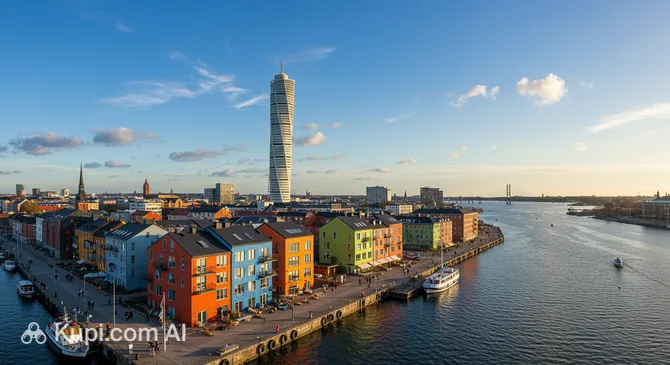
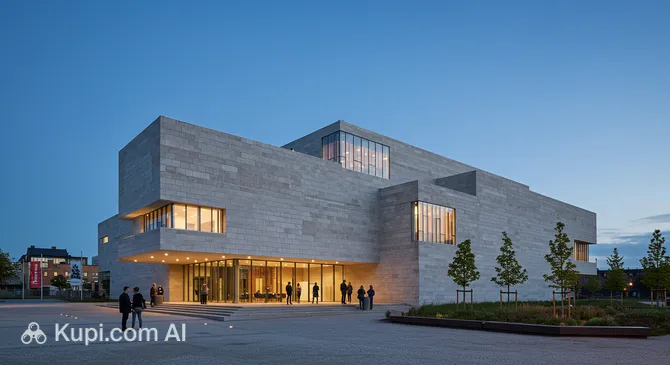
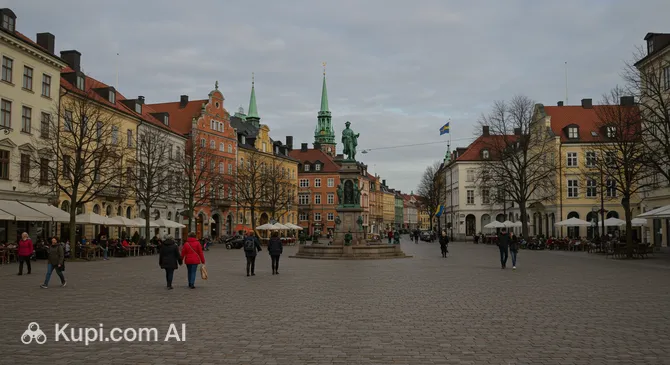
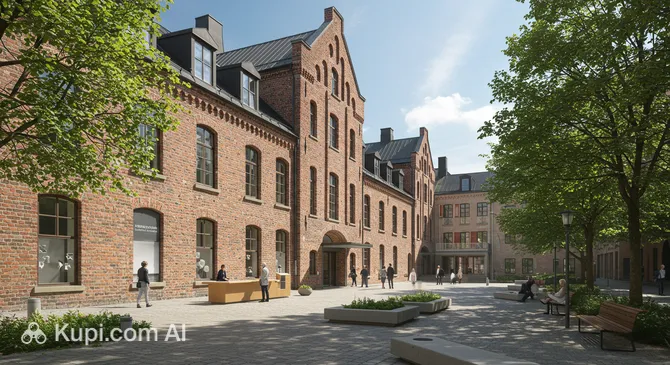
Malmö is a dynamic and multicultural hub located in the southernmost province of Skåne. As the third-largest city in Sweden, it offers a fascinating blend of historical charm and cutting-edge innovation. With a population of over 350,000 residents, the city feels bustling yet accessible, serving as a vital gateway to the continent via the famous Öresund Bridge, which connects it directly to Copenhagen.
Malmö. Illustration.
Source: Kupi.com AI
The city's unique character is deeply rooted in its past, having transitioned from a fortified industrial center to a modern, sustainable metropolis. You can explore the rich history of Malmö by wandering through the cobblestone streets of the Old Town, where medieval heritage meets contemporary lifestyle. The local climate is generally milder than in northern parts of the country, making it pleasant for strolling through the city's numerous green spaces, such as the beautiful Kungsparken.
Visitors are often captivated by the city's architectural contrasts. The skyline is dominated by the iconic Turning Torso, a twisting skyscraper that symbolizes the city's modern ambition, while the lively Lilla Torg square offers a cozy atmosphere with its half-timbered houses and vibrant outdoor cafes. Whether you are interested in design, diverse cuisine, or coastal relaxation, Malmö invites you to experience its friendly and open atmosphere firsthand.
Weather Overview
The climate in this southern Swedish city is oceanic, generally milder than in the northern parts of the country. Summers are the most popular time to visit, offering pleasant conditions with average high temperatures reaching around 21°C in July and August. While the weather is often comfortable for exploring, you should expect moderate warmth mixed with occasional rain, as wet days occur fairly regularly even during the peak season.
Winters are cool but usually not severe, with average temperatures hovering between 0°C and 4°C from December to February. Rainfall is spread relatively evenly throughout the year, though April tends to be slightly drier than other months. To help you pack the right gear for your trip, be sure to review the detailed weather in Malmö before you travel.
Average monthly temperature
Average monthly precipitation
Interesting Facts
Beyond the scenic parks and historic squares, Malmö holds intriguing secrets that make it truly unique. This coastal city blends architectural innovation with quirky cultural landmarks in ways that often surprise visitors.
Turning Torso. Illustration.
Source: Kupi.com AI
Traveler photos:
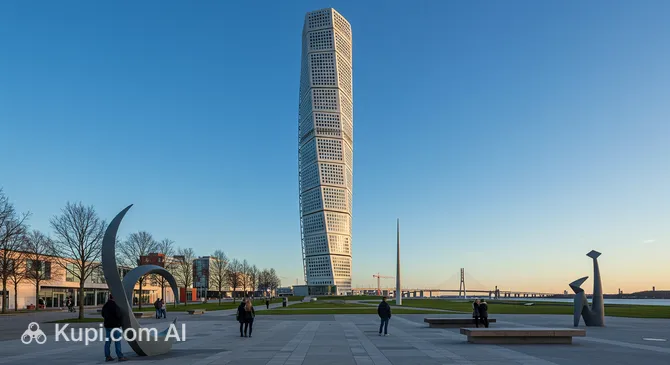
The skyline is defined by the Turning Torso, which holds the distinction of being the world's first twisting skyscraper. Designed by Santiago Calatrava, this neo-futurist residential tower twists a full 90 degrees from its base to its peak, inspired by the movement of a human spine.
For those with a strong stomach, the city hosts the globally unique Disgusting Food Museum. This institution challenges notions of taste by displaying 80 of the world’s most polarizing foods, from fermented herring to maggot-infested cheese, inviting brave visitors to smell and taste them.
Malmö is consistently ranked as one of the top cycling cities in the world. With more than 500 kilometers of bike lanes, the infrastructure is so extensive that bicycles often outnumber cars in the city center, making it a paradise for two-wheeled travelers.
History buffs might be surprised to learn that Malmö Castle is the oldest preserved Renaissance castle in Scandinavia. Built in the 16th century when the region was part of Denmark, it has served as a fortress, a prison, and now a major cultural museum complex.
How to Get There
Reaching this southern Swedish gem is quite convenient, thanks to its strategic position and excellent infrastructure. For a comprehensive guide on travel options, you can read more about how to get to Malmö on our detailed page.
The most popular entry point for international travelers is actually located in neighboring Denmark. Copenhagen Airport (CPH), situated in Copenhagen, is a major international hub approximately 22 km from Malmö. It offers extensive global connections and is linked to Sweden via the famous Öresund Bridge. Reaching the city from here is straightforward, with frequent trains and road transport available. Alternatively, the city is served by its own local hub, Malmö Airport (MMX), located about 24 km from the city center. This airport handles mostly domestic and some international flights, and is easily accessible by airport bus or taxi.
For clarity, here is a summary of the main airports:
Traveling by train is another efficient way to arrive, with the city boasting excellent rail connectivity. The primary hub is Malmö Central Station, located right in the heart of the city, just 0.5 km from the center. It serves millions of passengers annually and connects the city to destinations across Sweden and Denmark. For those arriving from the Danish side, Copenhagen Central Station in Copenhagen is a key transit point, located about 29 km away. From there, frequent trains cross the bridge to Sweden, and a car journey is also a viable option for those preferring to drive.
Malmö offers a delightful mix of historical sights and modern recreational spaces, making it an engaging destination for travelers of all interests. From medieval fortifications to vibrant public parks, the city's compact center allows visitors to easily explore its most treasured landmarks on foot or by bicycle.
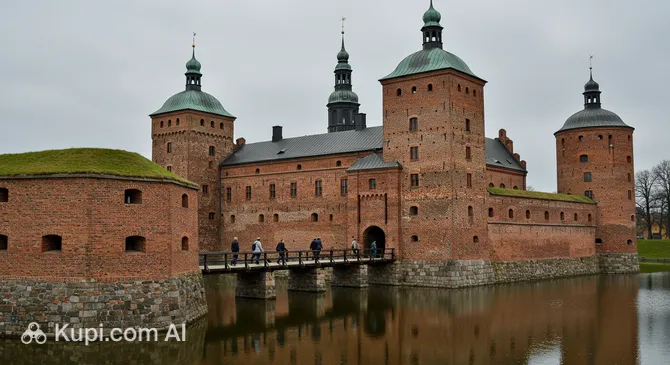
One of the most significant cultural sites is Malmö Castle (Malmöhus), a Renaissance fortress surrounded by a moat and lush parkland. Originally built in the 16th century, it now serves as the entrance to the Malmö Museums. Inside, you can discover a diverse range of exhibitions, including the Art Museum, the City Museum, and an Aquarium. It is a fascinating place to spend a few hours learning about regional history and nature, offering something for both adults and children.
Malmö Castle. Illustration.
Source: Kupi.com AI
Traveler photos:
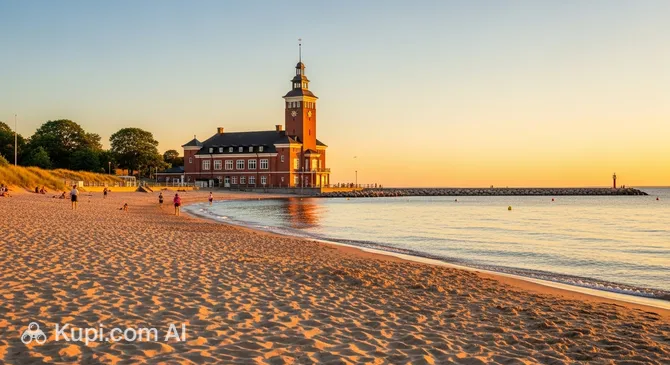
For a refreshing escape near the city center, Ribersborg Beach is the local favorite for relaxation. Known affectionately as the "Copacabana of Malmö," this 2.5-kilometer stretch of white sand offers panoramic views of the Öresund Bridge and the Turning Torso. It is a popular spot for swimming, sunbathing, and walking along the promenade. At the end of the pier lies the historic Ribersborgs Kallbadhus, an open-air bathhouse where you can enjoy a traditional wood-fired sauna and a dip in the sea year-round.
Ribersborg Beach. Illustration.
Source: Kupi.com AI
Traveler photos:
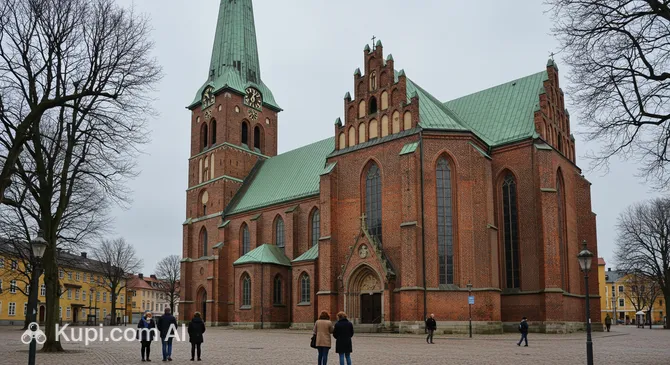
History enthusiasts should take the time to visit St. Peter's Church (Sankt Petri Kyrka), the oldest building in the city. Dating back to the 14th century, this impressive example of Brick Gothic architecture stands as a testament to Malmö's Hanseatic past. Visitors are often captivated by the church's grand, airy interior and the medieval frescoes found in the Traders' Chapel, which provide a quiet and spiritual contrast to the bustling shopping streets nearby.
St. Peter's Church. Illustration.
Source: Kupi.com AI
Traveler photos:
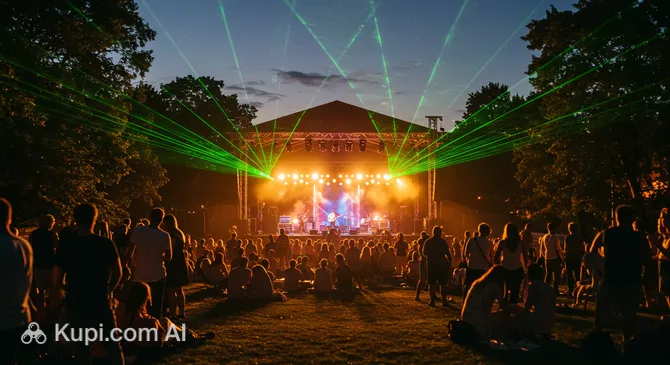
To experience the city's lively social atmosphere, head to Folkets Park Malmö. As Sweden's oldest "people's park," it has been a recreational hub for over a century. The park is beautifully landscaped and features playgrounds, mini-golf, and terraced cafes. During the summer months, it becomes a center for entertainment with outdoor concerts and events, making it an excellent place to observe local life and enjoy a fun afternoon.
Folkets Park Malmö. Illustration.
Source: Kupi.com AI
Traveler photos:
Local Cuisine
The culinary scene in Malmö is as diverse as its population, offering a delicious mix of traditional Swedish flavors and international influences. Located in the fertile province of Skåne, often called the "granary of Sweden," the city has access to high-quality fresh produce, which chefs utilize in everything from fine dining to casual street food. Whether you are looking for a classic Nordic meal or exotic global tastes, the city's restaurants and markets have something to satisfy every palate.
One dish that has become synonymous with the city is falafel. Thanks to its vibrant multicultural community, Malmö is widely considered the falafel capital of Sweden. You will find numerous stands and small eateries, particularly around the Möllevången district, serving crispy, freshly fried chickpea balls wrapped in flatbread with colorful vegetables and sauces. It is not just a cheap snack; it is a local institution and a "must-try" for any visitor.
For a taste of authentic regional heritage, you should try äggakaka (egg cake). This traditional Scanian dish resembles a thick pancake and is typically served directly in the pan, topped with crispy pork belly and sugary lingonberries. It is a hearty, comforting meal that connects you to the agricultural history of the region. Being a coastal city, pickled herring is another staple, often enjoyed on dark rye bread with potatoes and sour cream, especially during holidays.
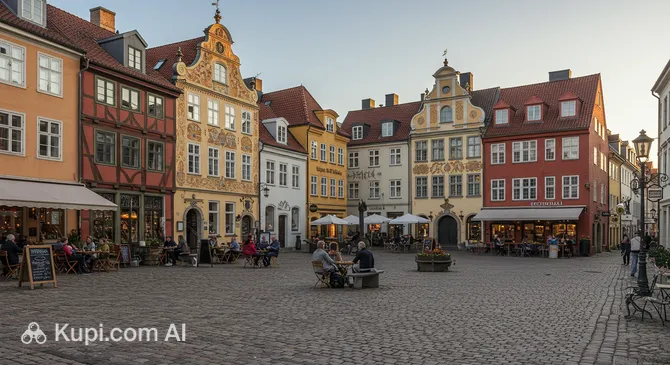
Lilla Torg. Illustration.
Source: Kupi.com AI
Traveler photos:
When it comes to dining out, the atmosphere is just as important as the food. The historic square of Lilla Torg is the heart of the city's social dining scene. Surrounded by charming half-timbered houses, the square is packed with restaurants and outdoor terraces that are bustling with locals and tourists year-round. It is the perfect spot to enjoy a meal or a drink while soaking in the lively ambiance.
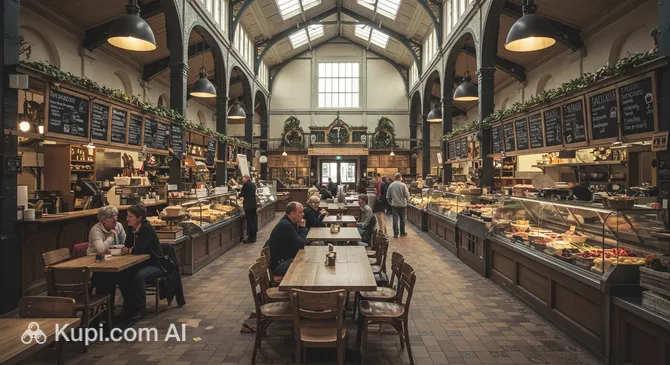
Foodies seeking high-quality ingredients and artisanal products should head to Malmö Saluhall. This modern indoor market hall is a gastronomic haven where you can browse stalls selling fresh cheese, meat, and bread, or sit down for a expertly prepared meal at one of the varied counters. From wood-fired pizzas to fresh seafood, it offers a contemporary twist on the traditional market experience.
Malmö Saluhall. Illustration.
Source: Kupi.com AI
Traveler photos:
No culinary guide to Sweden would be complete without mentioning fika, the cherished tradition of a coffee break accompanied by a sweet treat. You can enjoy a strong cup of coffee with a cinnamon bun (kanelbulle) at countless cozy cafes throughout the city. For evening drinks, the local craft beer scene is thriving, or you might visit the Hotel Tunneln Bar for a glass of wine in a unique historical setting.
Travel Tips
To help you make the most of your visit to this vibrant coastal city, we have put together a set of essential guidelines. These practical tips will ensure your journey through Malmö is smooth, comfortable, and full of great memories.
Dress in Layers: The weather in Skåne can be unpredictable, with sunshine and rain often occurring on the same day. Bring a windproof and waterproof jacket, regardless of the season. Since you will likely do a lot of walking on cobblestone streets, especially in the Old Town, comfortable, flat walking shoes are a must. If you plan to visit churches, modest attire is appreciated, though strict dress codes are rare.
Mastering Local Transport: Malmö is incredibly bike-friendly, and renting a bicycle is often the best way to see the city. For longer distances, the public transport system, run by Skånetrafiken, is excellent. Note that city buses are completely cashless; you must buy tickets in advance via the Skånetrafiken app or use a contactless payment card on board (green machines). Taxis are available but can be expensive, so stick to reputable companies or apps like Uber and Bolt.
Go Cashless: Sweden is one of the most cashless societies in the world. Most hotels, restaurants, and shops in Malmö prefer or strictly require card payments. While the currency is the Swedish Krona (SEK), you likely won't need to exchange much cash. International credit and debit cards (Visa, Mastercard) are accepted almost everywhere. Tipping is not mandatory, but rounding up the bill is a polite gesture for good service.
Health and Safety: Malmö is generally a safe city for tourists. In case of an emergency, dial 112 for police, ambulance, or fire services. Pharmacies are marked with a green cross or the sign Apotek; they are well-stocked, though not all are open 24/7. Tap water is of very high quality and perfectly safe to drink, so bring a refillable bottle to save money and plastic.
Communication Essentials: English is spoken fluently by the vast majority of locals, so you will have no trouble communicating. However, learning a few Swedish words like Hej (Hello) and Tack (Thank you) is always appreciated. Free Wi-Fi is widely available in cafes, hotels, and on trains. If you need mobile data, prepaid SIM cards can be bought at convenience stores like Pressbyrån.
Respect the Queue: Swedes value order and fairness, especially when it comes to waiting in line. Whether you are at a bus stop, a bakery, or a ticket counter, never cut in line. Look for a ticket machine (with numbered paper slips) at counters in pharmacies or shops, as this system is very common. Also, when entering a private home, it is customary to remove your shoes at the door.
Watch the Bike Lanes: One specific behavior to avoid is walking in the designated bicycle lanes. Cyclists in Malmö move fast and use these lanes for their daily commute. Stepping into a bike lane without looking is not only dangerous but also considered very rude. Stick to the sidewalk to avoid accidents and angry bells.
Buying Alcohol: If you want to buy wine or spirits to enjoy in your hotel room, be aware that you cannot buy them in regular supermarkets. Strong alcohol is sold exclusively at the state-run monopoly called Systembolaget. These stores have limited opening hours, closing early on Saturdays and remaining closed on Sundays, so plan your purchases in advance.
Armed with these practical insights, you are well-prepared to navigate the city like a local. Whether you are cycling through the parks or enjoying a fika in a historic square, Malmö is ready to welcome you with open arms.
Entertainment & Nightlife
Malmö boasts a vibrant and diverse nightlife scene that caters to a wide range of tastes, from sophisticated cocktail lounges to underground music clubs. As a young and multicultural city, the energy here is palpable once the sun goes down. The nightlife is primarily concentrated in two distinct districts, each offering a completely different atmosphere. For a polished and lively experience, the historic Lilla Torg is the place to be. Here, the cobblestone square is lined with heated outdoor terraces where locals and visitors mingle year-round, enjoying drinks in a picturesque setting.
In contrast, the Möllevången district, affectionately known as "Möllan," is the city's bohemian heart. This area attracts a younger, hipster crowd and is famous for its relaxed dive bars, affordable beer, and vibrant street life. The atmosphere here is unpretentious and inclusive, making it the perfect spot to start a night out with friends. While Lilla Torg often calls for "smart casual" attire, anything goes in Möllan, where personal style is celebrated.
For those seeking a dynamic mix of dining and dancing, Grand Malmö is a popular destination. Located near the cultural buzz of Möllevången, it serves as a restaurant, bar, and nightclub all in one. The venue frequently hosts DJs and live bands, creating an energetic environment that lasts well into the early hours. It is an excellent choice if you want to experience the local party scene in a stylish yet welcoming setting.
Grand Malmö. Illustration.
Source: Kupi.com AI
Traveler photos:
Music enthusiasts looking for something more alternative should head to Plan B. This venue has established itself as a premier spot for live concerts and club nights, featuring genres ranging from rock and indie to electronic and techno. It captures the gritty, creative spirit of the city's industrial past and is a favorite among locals who appreciate a high-quality sound system and an intense dance floor vibe.
Plan B. Illustration.
Source: Kupi.com AI
Traveler photos:
If you prefer a more laid-back evening with unique drinks, you might enjoy visiting Kontrast Ghee by the Sea. Finding a spot like this allows you to unwind and enjoy the city's coastal charm. When planning your night, keep in mind that many clubs stay open until 3:00 AM or even 5:00 AM on weekends. However, age restrictions can be strict, with many venues requiring guests to be 20 or even 23 years old. Always carry a valid ID to avoid disappointment at the door.
Regarding safety, the city is generally safe for night walks, especially in the city center and main entertainment districts. However, as in any major city, it is wise to stay in well-lit areas and avoid walking alone through deserted parks late at night. Getting around is easy; the public transport system runs night buses on weekends, and apps like Uber or Bolt are reliable for booking a taxi. Prices for alcohol in bars are typical for Sweden—expect to pay a premium compared to many other European countries.
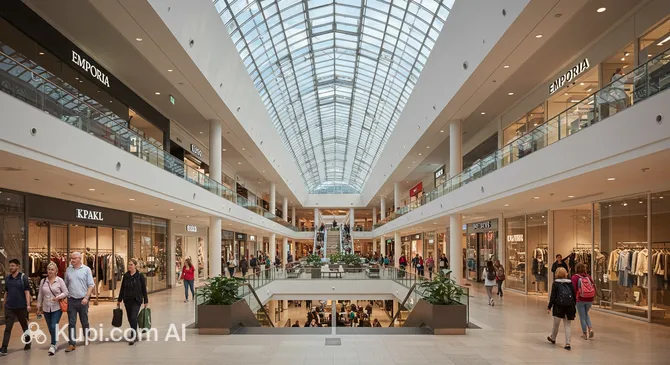
Before the nightlife kicks in, there are plenty of daytime entertainment options to fill your schedule. Shopaholics can lose themselves in Emporia, one of the largest and most architecturally striking shopping malls in Scandinavia. For those who enjoy interactive challenges, Sherlocked offers immersive escape room experiences that are perfect for groups. Whether you are solving mysteries or dancing the night away, the city ensures there is never a dull moment.
Parks & Museums
Malmö is famously known as the "City of Parks," offering a refreshing abundance of lush green spaces right in the city center, complemented by a thriving cultural scene that ranges from maritime history to avant-garde art. Visitors can easily transition from a peaceful walk under ancient trees to an inspiring tour of world-class galleries within minutes.
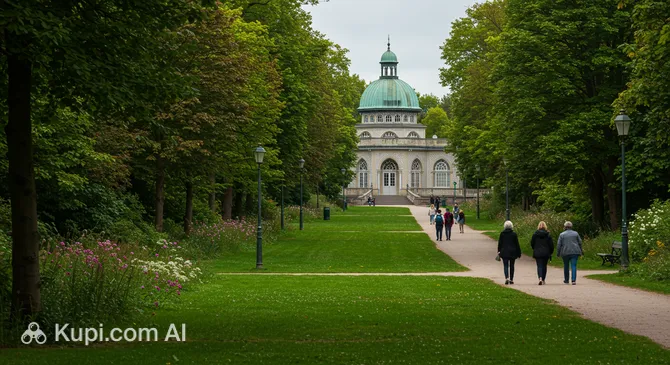
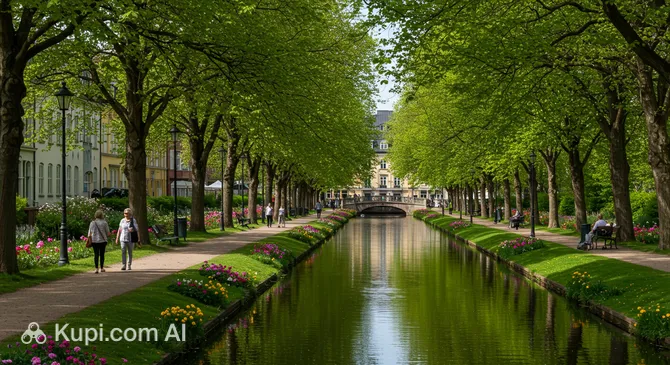
One of the most beloved green areas is Kungsparken (The King's Park), which holds the title of the city's oldest public park. Opened in 1872, it was designed in a classic English landscape style, featuring winding paths, exotic trees, and beautiful lawns. It is situated right next to the canal, making it a picturesque spot for a picnic or a leisurely stroll. The park's central location and romantic cast-iron bridges attract both locals and tourists seeking a tranquil escape from the urban buzz.
Kungsparken. Illustration.
Source: Kupi.com AI
Traveler photos:
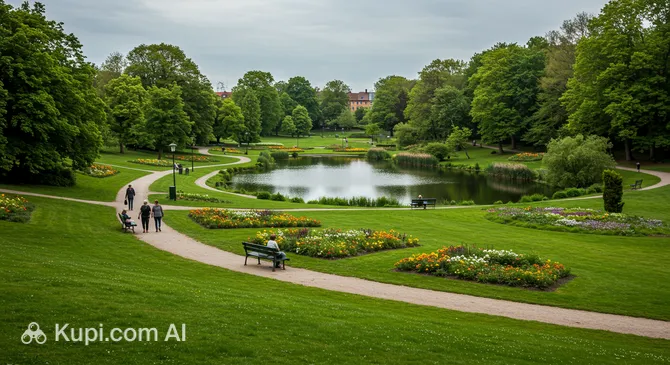
For a grander scale of nature, Pildammsparken is the largest park in the city and a masterpiece of neoclassical landscape design. Originally created for the Baltic Exhibition of 1914, it is famous for its vast ponds and the "Crown Princess Margareta's Flower Street." The park is also home to the iconic Tallriken (The Plate), a circular open space surrounded by tall trimmed trees, which is a popular venue for outdoor concerts and picnics during the summer months.
Pildammsparken. Illustration.
Source: Kupi.com AI
Traveler photos:
When it comes to culture, the city is a hotspot for contemporary art lovers. Moderna Museet Malmö is a must-visit institution, housed in a striking building that combines a historic 1901 electricity plant with a bright orange modern annex. As a branch of the state-owned Modern Museum in Stockholm, it hosts high-profile exhibitions of international and Swedish modern art. The architecture alone makes it worth a visit, symbolizing the city's transformation from industrial to cultural.
Moderna Museet Malmö. Illustration.
Source: Kupi.com AI
Traveler photos:
Another key venue is the Malmö Art Gallery (Malmö Konsthall), renowned for being one of the largest exhibition halls for contemporary art in Europe. The building itself is an architectural gem, celebrated for its incredible use of natural light and flexible space. Entrance is typically free, making it an accessible way to experience cutting-edge installations and artistic experiments.
For those interested in science and history, the Technology and Maritime Museum (Malmö Museum) offers a fascinating hands-on experience. Located near the castle, this museum allows you to explore the evolution of transport and industry. The highlight for many is the opportunity to walk inside the U3 submarine, a real vessel from World War II, providing a glimpse into life beneath the surface.
A delightful insider tip for garden enthusiasts is to visit Slottsträdgården. Tucked away behind the castle, this organic community garden features themed plots, including a kitchen garden and a rose garden. It is a charming, lesser-known spot where you can buy fresh flowers or vegetables and enjoy a fika at the rustic greenhouse cafe.
Getting Around
Public transport in Malmö is efficient, clean, and highly integrated, making it easy for visitors to navigate the city without a car. The system is managed by Skånetrafiken, which coordinates both local and regional travel. While the city does not have a subway or tram network, it relies on a comprehensive grid of buses and an underground rail link that functions similarly to a rapid transit system for cross-town journeys.
The backbone of the local network is the bus system. You will easily distinguish them by color: green buses (Stadsbuss) operate within the city limits and serve all major neighborhoods and attractions, while yellow buses (Regionbuss) connect the city to surrounding towns and the wider region. The green buses run frequently, often every 5 to 10 minutes during peak hours. For faster travel across the city, the City Tunnel (Citytunneln) is a vital rail connection. It links Malmö Central Station with the underground stations at Triangeln and Hyllie, allowing you to cross the city in just a few minutes.
The payment system is designed to be completely cashless and user-friendly. The most convenient way to pay is by downloading the Skånetrafiken app, where you can buy single tickets, 24-hour passes, or 30-day tickets directly on your phone. The ticket must be activated in the app before you board. Alternatively, you can use a contactless credit or debit card (Visa, Mastercard, etc.) to "tap and ride" directly on the green city buses. Simply tap your card against the reader when boarding; this charges you for a single adult ticket. Note that you cannot pay with cash on board any bus or train.
Ticket prices are based on zones. The entire city of Malmö falls within a single zone (Zone A), making the fare structure simple for tourists staying locally. A single ticket is valid for one hour and allows for unlimited transfers between buses and trains within that zone. If you plan to travel extensively over a few days, consider purchasing a 24-hour or 72-hour ticket via the app, which offers great value and unlimited travel throughout the selected zones.
Operating hours are generous, with main bus lines running from early morning until around midnight. On weekends (Friday and Saturday nights), night buses are available, ensuring you can get home safely after enjoying the nightlife. Trains through the City Tunnel run practically around the clock, though with reduced frequency at night. Always check the digital displays at stops or the travel planner in the app for real-time schedules.
Given the city's flat terrain and compact size, cycling is a highly popular alternative to public transport. The city offers a rental scheme called Malmö by Bike, with stations located all over town. You can purchase a subscription for 24 hours or 72 hours, allowing you to pick up and drop off bikes at any station. It is often the fastest way to get around for short distances.
Taxis and ride-sharing apps like Uber and Bolt are also available and reliable. However, be cautious when hailing a taxi on the street, as prices in Sweden are not regulated, and rates can vary significantly between companies. To avoid overpaying, stick to well-known firms like Taxi Skåne or Taxi Kurir, or use an app to lock in a fixed price before you ride.
Accommodation
Where to Stay:
Finding the perfect place to stay in Malmö is relatively easy, as the city offers a wide range of accommodation options to suit various preferences and budgets. Whether you are looking for a luxury suite with sea views, a charming boutique hotel in a historic building, or a budget-friendly hostel, the city has it all. The accommodation standards are generally high, with clean, modern, and well-equipped facilities being the norm across the board.
For most tourists, the best area to stay is Gamla Staden (The Old Town). This district places you right in the heart of the action, within walking distance of the Central Station, major shopping streets, and historic sights. Staying here means you are never far from the city's best restaurants and cultural landmarks. The area around Gustav Adolfs Square is particularly convenient, serving as a central hub surrounded by several well-established hotels and easy access to public transport.
Gustav Adolfs Square. Illustration.
Source: Kupi.com AI
Traveler photos:
If you prefer modern architecture and proximity to the water, consider the Västra Hamnen (Western Harbour) district. This area is known for its contemporary design and the iconic Turning Torso. It offers a quieter, more scenic atmosphere compared to the city center, perfect for evening walks along the seaside promenade. Alternatively, the Triangeln and Möllevången areas attract a younger crowd and those interested in nightlife, offering a more bohemian vibe and easy access to the city's trendiest bars and diverse food scene.
Travelers on a business trip or those planning to visit Copenhagen frequently might find the Hyllie district convenient. Located just a few minutes by train from the city center and the airport, it is a rapidly developing area with modern hotels and the large Emporia shopping center nearby.
Booking Tips and Prices: Accommodation prices in Sweden can be higher than the European average. A standard double room in a mid-range hotel typically costs between 1,000 and 1,800 SEK per night, while budget options and hostels are available for less. It is highly recommended to book your stay in advance, especially if you are visiting during the summer months (July and August) or during major events, as the best options tend to fill up quickly. Most bookings are easily made via major online platforms, and credit cards are widely accepted everywhere.
Nearby Cities
For those looking to explore the surroundings, Malmö serves as an excellent base for day trips to several interesting nearby locations. The region of Skåne is compact and well-connected, making it easy to hop on a train or bus and discover historic towns, coastal gems, and cultural landmarks within less than an hour's travel.
One of the most popular destinations is Lund, located just a few minutes away by train. As one of Sweden's oldest cities, it is renowned for its prestigious university and the magnificent 12th-century Lund Cathedral, which features a famous astronomical clock. The town's medieval center, with its cobblestone streets and charming low-rise brick houses, offers a cozy and academic atmosphere that contrasts beautifully with Malmö's modern vibe.
Further north along the coast lies Helsingborg, a scenic city facing the narrowest point of the Öresund strait. Visitors are drawn to the medieval keep Kärnan, which watches over the city and offers spectacular views across the water to Denmark. The city also boasts a lovely waterfront promenade and the nearby Sofiero Palace, known for its extensive rhododendron gardens.
Another fascinating stop is Landskrona, situated between Malmö and Helsingborg. This town is home to the Landskrona Citadel, one of the best-preserved 16th-century fortresses in Scandinavia, surrounded by a unique moat system. It is a perfect spot for history buffs and those seeking a peaceful walk by the sea.
City
Population
Distance
Arlov
10 284
7 km
Bunkeflostrand
15 212
8 km
Lomma
13 772
9 km
Bjarred
9 542
13 km
Staffanstorp
14 808
14 km
These nearby destinations offer a glimpse into the diverse culture and landscapes of the region, allowing travelers to experience the rich heritage of southern Sweden beyond the city limits.
Shopping & Souvenirs
Malmö offers a shopping experience that perfectly balances modern convenience with charming local character. Whether you are looking for high-end international fashion, unique Swedish design, or vintage treasures, the city has something to satisfy every style. The compact city center makes it easy to explore the main shopping districts on foot, while the larger malls are just a short train or bus ride away.
The heart of the city's retail scene is the long pedestrian street that stretches from Stortorget to Triangeln. The northern section, Södergatan, is lined with upscale department stores, flagship fashion chains, and classic Swedish brands. As you move south towards Södra Förstadsgatan, the vibe becomes more eclectic, featuring smaller boutiques, streetwear shops, and independent retailers. This continuous walking street is not just for buying; it is a lively promenade where locals go to see and be seen.
For those who prefer having everything under one roof, Emporia is a destination in itself. Located in the Hyllie district, this architectural masterpiece is one of the largest shopping centers in Scandinavia. With its striking amber and blue glass entrances and a rooftop park offering views of the Öresund Bridge, it provides a unique setting for retail therapy. Inside, you will find over 200 shops, ranging from luxury brands to daily necessities, along with a wide selection of cafes.
Emporia. Illustration.
Source: Kupi.com AI
Traveler photos:
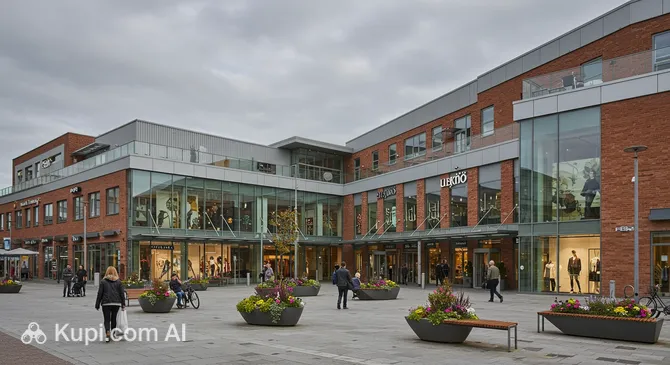
Another excellent option is Mobilia, a shopping center with deep historical roots. Housed in converted textile factory buildings, it combines industrial heritage with modern retail. It is a favorite among families for its relaxed atmosphere, comprehensive range of stores, and convenient location just south of the city center.
Mobilia. Illustration.
Source: Kupi.com AI
Traveler photos:
Sweden is globally renowned for its sense of style, and Malmö is a great place to discover Scandinavian design. A must-visit for design enthusiasts is the Form/Design Center, located in a historic grain warehouse near Lilla Torg. Part museum, part shop, it showcases the best of Nordic architecture, design, and crafts. The boutique here is perfect for finding high-quality gifts, books, and home accessories that you won't find on the high street.
Form/Design Center. Illustration.
Source: Kupi.com AI
Traveler photos:
If you enjoy hunting for unique items, head to the Möllevången district. This bohemian area is known for its vibrant street market (mostly fruit and vegetables) and a plethora of second-hand stores and vintage boutiques. It is the ideal spot to find retro clothing, vinyl records, and quirky antiques.
Practical Shopping Tips:
Opening Hours: Most shops in the city center are open from 10:00 to 18:00 or 19:00 on weekdays. On Saturdays, closing times are often earlier (around 16:00 or 17:00), and on Sundays, many smaller boutiques may be closed, though major malls and department stores usually remain open from 11:00 to 17:00.
Souvenirs: Popular items to bring home include Swedish crystal, woolen textiles, wooden butter knives, and the classic Dala horse. For edible treats, look for cloudberry jam or, if you are brave, salty licorice (saltlakrits).
Tax-Free: Visitors from outside the EU can often claim a VAT refund on purchases over a certain amount. Look for the "Global Blue" Tax-Free Shopping signage in store windows.