Support

Copenhagen Airport

About the Airport

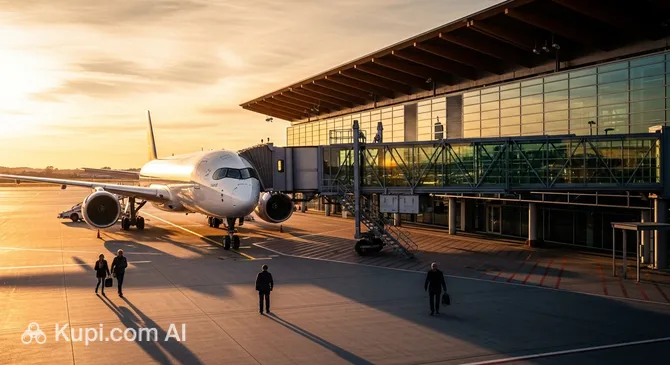
Copenhagen Airport. Source: Kupi.com Binoculars

Copenhagen Airport (Kastrup) is not merely a transit hub, but a true showcase of Scandinavian style and comfort that welcomes travelers from their very first steps on Danish soil. Instead of the usual cold gleam of metal and glass, here you are greeted by warm wooden floors and soft lighting, creating the famous hygge atmosphere right inside the terminal. It is the main gateway to Scandinavia, where efficiency meets relaxation: navigation is intuitively clear, and the journey from the aircraft steps to the city center takes a record-breaking short time.

IATA Code CPH
ICAO Code EKCH
City Copenhagen
Distance to center 8 km (about 15 minutes by metro or train)
Status International
Annual Passengers ~26.8 million (2023 data)
Schedule Online flight board available on the official website

Airport Features and Advantages:

Copenhagen Airport is regularly recognized as one of the most convenient and efficient in Europe. Its main advantage is phenomenal transport accessibility. The metro station and railway platform are located directly in Terminal 3: you can reach the central square, Kongens Nytorv, in just 13–15 minutes, making Kastrup one of the closest airports to a city center in the world.

The interior space is designed with a focus on design and comfort. The famous wooden floors not only look stylish but also reduce noise levels, making your stay here peaceful. In the waiting areas, you can often find furniture from iconic Danish designers, while the shopping area resembles a cozy shopping street with boutiques of local brands (from LEGO to Georg Jensen) and high-quality restaurants serving New Nordic cuisine.

For transit passengers, convenient walkways are provided between terminals, which are all under one roof, so there is no need to go outside. The airport is also known for its "silent airport" policy: voice announcements are minimized here to avoid creating unnecessary stress, so it is important to monitor information on the flight boards yourself.

Contact Information

  • Official Website: www.cph.dk — here you will find the most up-to-date information on flights, services, and airport regulations.
  • Helpdesk Phone: +45 32 31 32 31.
  • Address: Lufthavnsboulevarden 6, 2770 Kastrup, Denmark.
  • Email: For most inquiries, the airport suggests using the contact forms available on the official website in the "Customer Service" section.
  • Social Media: You can follow news and ask questions on the airport's official pages on Facebook, Instagram, and X (formerly Twitter).
  • Lost Luggage Information: If your items were lost on the plane or if it concerns checked baggage, you must contact your airline directly. For items left in the terminal, you should contact the airport's Lost & Found service via their website.
  • Passenger Support Contacts: For assistance, you can call the main phone number or use the information desks located within the airport terminals.

How to Get to the Airport

Getting to the main airport of Copenhagen, Kastrup (CPH), is surprisingly simple thanks to the well-thought-out transport system of the Denmark capital. Perhaps the fastest and most popular method is the metro. The M2 line (yellow line) runs around the clock with intervals of 4-6 minutes during the day and 15-20 minutes at night. The trip from the central station Nørreport to the airport will take only about 15 minutes. The metro station is located right inside Terminal 3, making this option exceptionally convenient.

Another excellent option is the train. Trains to the airport depart every 10 minutes from Copenhagen Central Station (København H). The travel time is just 12-15 minutes. This is particularly convenient if you are arriving in the capital from other cities in Denmark or from Malmö, Sweden. The railway platform is also located under Terminal 3. For those looking for a more budget-friendly option, buses are suitable. For example, bus route 5C goes directly to the airport from the central station and other key points in the city. The trip will take longer, about 30-35 minutes, but will allow you to save money.

If you value comfort, are traveling with bulky luggage or small children, a taxi or pre-booked transfer will be the ideal solution. A trip from the city center will take approximately 20-30 minutes depending on traffic conditions. This is the most expensive method, but it ensures "door-to-door" convenience. For travelers planning to explore the surroundings of Copenhagen by car, offices of all major rental companies operate at the airport. You can pick up a car upon arrival or return a rented one before departure.

For those traveling to the airport in their own or a rented car, extensive parking zones are provided. There are options for both short-term and long-term parking, including budget options located slightly further from the terminals (free shuttles run from them). To get the best rate, it is recommended to book a parking space online in advance, especially during the peak tourist season.

Terminals and Map

Copenhagen Airport (CPH), also known as Kastrup, is distinguished by a structure that is well-thought-out and convenient for passengers. In fact, for departing passengers, it functions as a single complex consisting of two main terminals — Terminal 2 and Terminal 3. They flow seamlessly into one another and are connected by a common space both before and after the security zone. This means you do not have to go outside or use transport to transfer between them.

The departure process is organized as logically as possible. Check-in and baggage drop-off take place in Terminal 2 or Terminal 3, depending on your airline. After this, all passengers head to a single central security checkpoint located between the two terminals. Once past security, you enter a spacious transit zone with numerous shops, cafes, and restaurants, offering access to all boarding gates, which are grouped into Piers A, B, C, D, E, and F.

Although the terminals are closely integrated, they have their own specific features. Terminal 2 serves a large number of international airlines. Terminal 3 is the most modern; it is the hub for SAS and its Star Alliance partners. It is in Terminal 3 that the arrival zone for all international flights is located, as well as direct access to the railway station and metro. Pier F (formerly known as CPH Go), designed for budget airlines, deserves special attention.

The arrival zone for all passengers, regardless of the airline or departure terminal, is centralized in Terminal 3. Here you will pass through passport control (if arriving from a country outside the Schengen area), collect your luggage from the conveyor belts, and pass through customs inspection. This layout significantly simplifies the arrival process and navigation to the exit, taxis, buses, or trains.

It is recommended to allow sufficient time for check-in and security control, especially during morning and evening peak hours. The standard recommendation is to arrive at the airport 2-3 hours before an international flight. Navigation in the airport is intuitive thanks to clear signs. After passing security, be sure to check the flight board for your pier and gate number. Note that the walk to some gates, especially in the distant piers (for example, C and F), can take up to 15-20 minutes on foot, so do not leave going to the boarding gate until the last moment.

Airport History

The history of Copenhagen Airport (CPH), also known as Kastrup, began on April 20, 1925, making it one of the oldest civil airports in Europe. Initially, it was a modest facility with a wooden terminal, a few hangars, and grass runways. Despite its humble beginnings, the airport became a vital hub connecting Denmark with the rest of the world from its very first days.

After World War II, with the advent of the era of mass air travel, Kastrup Airport began to develop rapidly. In 1960, a new terminal designed by the famous Danish architect Vilhelm Lauritzen was opened. Today, this building is known as Terminal 2. This stage marked the transformation of the airport into a major international hub capable of handling growing passenger traffic and receiving the first jet aircraft.

Significant modernization took place at the end of the 20th century. In 1998, Terminal 3 was opened, uniting domestic and international flights, as well as a railway station, under one roof. This decision radically improved transport accessibility and convenience for passengers. In 2007, the airport was connected to the city by a metro line, making the journey from the center to the terminals even faster and easier.

Throughout its history, Copenhagen Airport has repeatedly received prestigious awards as the best airport in Europe and the world for efficiency, design, and service quality. Interesting fact: the original 1939 terminal, also designed by Lauritzen, was dismantled and moved to a new location, where it is now used for VIP flights and is known as the Vilhelm Lauritzen Terminal. The airport continues to expand today, constantly opening new piers and upgrading existing infrastructure to remain one of the leading aviation hubs in Northern Europe.

Services and Amenities

Copenhagen Airport (CPH) offers passengers a wide range of services and amenities, making their stay as comfortable and productive as possible. Everyone will find something for themselves here, whether a gourmet, a shopaholic, or a business traveler.

For those wishing to grab a bite or do some shopping, the airport offers a huge selection. Here you will find numerous restaurants and cafes to suit every taste and budget — from fast food establishments to fine dining restaurants. The shopping area includes extensive duty-free shops, boutiques of famous global brands, as well as stores with Danish souvenirs and delicacies.

Passengers seeking privacy and enhanced comfort can use the services of lounges. In addition to lounges owned by airlines, there are also those for which access can be paid on the spot. They offer comfortable seating, complimentary drinks and snacks, newspapers, and work zones. Free and unlimited Wi-Fi is available throughout the airport, and numerous charging stations for gadgets will help you stay connected.

Financial matters can be easily resolved at bank branches and currency exchange points. In case of necessity, the airport has pharmacies and medical points ready to provide first aid. Special play areas and mother-and-child rooms are equipped for passengers with children, where you can take care of little ones in a quiet environment.

The airport is fully adapted for passengers with reduced mobility. An assistance service is provided, which is recommended to be booked in advance through the airline. For those who need to rest between flights, comfortable hotels are located right on the airport grounds and in the immediate vicinity. Business travelers can make use of modern conference rooms and business centers for meetings and negotiations.

Where to Eat

Copenhagen Kastrup Airport (CPH) offers passengers an impressive selection of establishments for every taste and budget. From quick snacks and aromatic coffee to exquisite restaurants serving Scandinavian cuisine — everyone will find something for themselves here. Most cafes and restaurants are located after passing security control (airside), but there are also several excellent options in the public area before security (landside).

For those short on time, the numerous coffee shops and bakeries are ideal. You can grab coffee and fresh pastries at Lagkagehuset, a famous Danish chain, or order a fresh juice and sandwich at the popular Joe & The Juice. These establishments, located mainly in the departure zone after security, are a great choice for a quick breakfast or a light lunch. Global fast-food chains are also represented at the airport.

If time permits, it is worth enjoying a full lunch or dinner at one of the restaurants. Copenhagen Airport prides itself on places where you can experience the cuisine of Denmark. Be sure to try the traditional smørrebrød — the famous open-faced sandwich with various toppings. Establishments like Aamanns specialize in these, offering both classic and modern versions of this dish. For a more substantial meal, you can choose Scandinavian cuisine restaurants serving fresh fish and seafood.

Travelers with special dietary needs will not have to worry. Many establishments offer vegetarian, vegan, and gluten-free dishes, which are clearly marked on the menu. Staff are usually well-informed and ready to help with choices. Finding certified halal dishes can be more challenging, but some cafes offer suitable options, so it is best to check information on-site.

The main part of the gastronomic outlets is concentrated in the departure zone, between Terminals 2 and 3, after passport control. In the arrivals zone and the public area before security, the selection is more modest but sufficient for those meeting passengers or arriving early. The opening hours of most establishments are tied to the flight schedule: many open early in the morning and work until late in the evening.

Prices at the airport vary. A quick snack, such as a sandwich and a drink, will cost an average of 15-25 euros. A full lunch in a mid-range restaurant will cost from 30 to 50 euros per person, excluding alcoholic beverages. Although prices at the airport are traditionally higher than in the city, you can find options here for both the budget traveler and those willing to spend on a quality dinner before a flight.

Tips for Travelers

Traveling through Copenhagen Airport (Kastrup), one of the largest hubs in Northern Europe, usually goes smoothly and without unnecessary hassle. However, to ensure your trip around Denmark or transit through it is as comfortable as possible, use our proven tips.

Time of arrival at the airport. Kastrup is an efficient and well-organized airport, but it can get crowded during peak hours. For international flights outside the Schengen area, it is recommended to arrive 2.5-3 hours before departure. If your flight is within Schengen or domestic, 1.5-2 hours will be sufficient. This time is enough to calmly check in, drop off luggage, and reach the boarding gate.

Check-in and security control. To save time, use online check-in on the airline's website. The airport itself has many self-service kiosks where you can print your boarding pass and luggage tags. Security control here is fast, but the rules are standard: liquids up to 100 ml must be in a transparent bag, and laptops and other large electronics need to be placed in a separate tray.

Choosing a seat on the plane. If it is possible to choose a seat in advance, consider your preferences. Window seats will give you a chance to see the impressive Øresund Bridge during takeoff or landing. Aisle seats are convenient if you want the ability to stand up and stretch without disturbing your neighbors.

Customs control and hand luggage. Standard European rules apply when departing from Copenhagen. You cannot take sharp objects, weapons, or liquids in containers larger than 100 ml in hand luggage. Upon arrival from non-EU countries, you will need to pass through customs by choosing the "green channel" (if you have nothing to declare) or the "red channel". If you are flying from another EU country, there is effectively no customs control.

Tips for transfer passengers. Kastrup is a very convenient airport for transit passengers. Signs are clear, and transfers between terminals take little time. If your transfer takes place between flights within the Schengen area, you generally do not need to go through security control again. The airport offers free Wi-Fi, numerous shops, cafes, and comfortable rest areas.

How to save money. Prices at the airport are expectedly higher than in the city. To save money, bring an empty water bottle with you — after passing security, you can fill it at numerous drinking fountains. If time permits, it is better to have a snack in the city beforehand.

In case of flight delay. If your flight is delayed, do not panic. Check the information on the departure boards or the official airport website. There are things to do in Kastrup: from shopping to visiting the spa area. Remember that in case of long delays or cancellation of a flight by a European carrier, you are protected by passenger rights (EU Regulation 261/2004), which may provide for compensation, meals, and hotel accommodation.

Reached the end of the page?

That means the route is fully explored