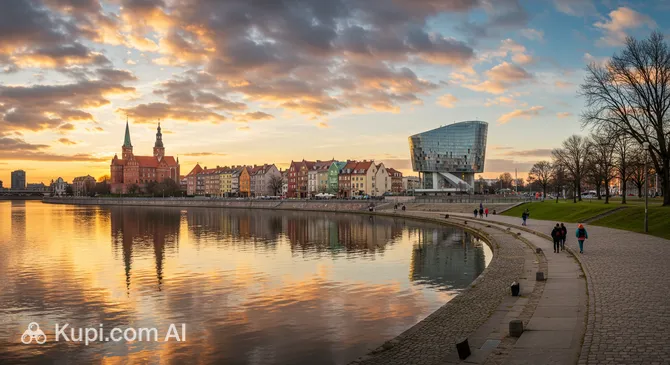
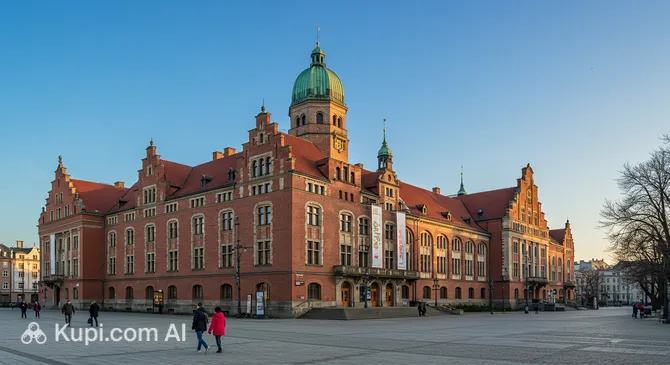
Welcome to Szczecin, a vibrant port city located in the northwest of Poland. As the capital of the West Pomeranian Voivodeship, it serves as a major cultural and economic hub with a population of over 400,000 residents. Often referred to as the "Paris of the North" due to its distinct star-shaped squares and wide avenues, Szczecin offers a fascinating blend of architectural styles and a unique maritime atmosphere that captivates visitors from the moment they arrive.
Szczecin. Illustration.
Source: Kupi.com AI
Situated on the Oder River and the large Dąbie Lake, the city is a "floating garden" characterized by an abundance of lush parks, green islands, and waterways. Although it lies inland, its proximity to the Baltic Sea and the German border deeply influences its climate and character. The history of Szczecin is rich and complex, having been a meeting point for various cultures over the centuries, which is reflected in its diverse monuments and urban layout.
Travelers exploring the city should not miss the magnificent Pomeranian Dukes' Castle, a Renaissance gem that dominates the skyline. Another iconic landmark is Wały Chrobrego (Chrobry Embankment), an impressive observation deck along the river that offers stunning views and is perfect for scenic walks. For admirers of modern architecture, the award-winning Philharmonic Hall stands as a striking contrast to the historic surroundings, resembling a glowing iceberg.
Whether you are interested in exploring historical heritage, enjoying nature in the heart of the city, or experiencing the local port culture, Szczecin is a destination that promises memorable discoveries. It is an excellent choice for those seeking an authentic and uncrowded European city experience.
Weather Overview
Travelers visiting the region will find a temperate climate that is significantly influenced by its proximity to the Baltic Sea. The weather in Szczecin offers distinct seasons without extreme temperature fluctuations, making it a year-round destination for those prepared for variable conditions.
Summers are generally pleasant and constitute the most popular time for sightseeing. August is typically the warmest month, with an average temperature of 19.4°C and daily highs often reaching 23.9°C. Winters are chilly but rarely severe, with January averaging around 2.2°C, though temperatures can drop close to freezing. Expect warm summers with occasional rain and cold, dry winters. Rainfall is a consistent factor throughout the year, with 9 to 14 wet days per month, so packing a waterproof jacket or umbrella is always recommended regardless of when you visit.
Average monthly temperature
Average monthly precipitation
Interesting Facts
Beyond the main attractions, Szczecin holds many fascinating secrets and quirks that surprise even seasoned travelers. From celestial urban legends to culinary monuments, the city offers unique stories waiting to be discovered.
A Galactic Design: Local legends and urban enthusiasts often point out that the arrangement of Szczecin's major roundabouts mirrors the stars in the constellation of Orion. Some even compare the city's geometric layout to the Pyramids of Giza, adding a layer of mystery to its famous Parisian-style architecture.
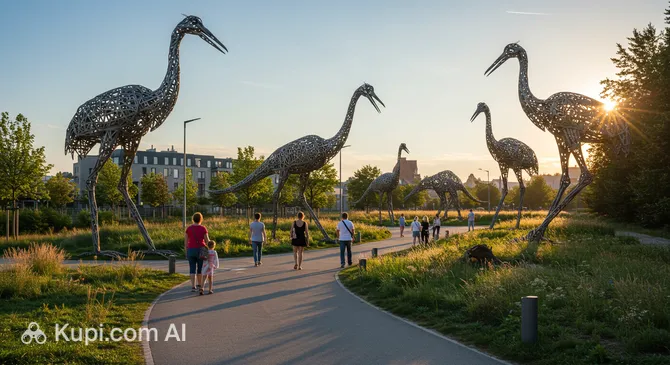
Prehistoric Illumination: On Łasztownia island, history meets imagination at the Craneosaurs Park. Here, three historic port cranes from 1929 are illuminated at night to resemble giant dinosaurs towering over the riverbank, creating a whimsical spectacle for evening strollers.
A Tasty Tribute: The city is the proud birthplace of a cult Polish food item—a spicy mix of fish, rice, and tomato sauce known as "Paprykarz Szczeciński." The locals cherish this delicacy so much that they unveiled the Paprykarz Szczeciński Monument to honor the iconic tin can.
Europe's Garden Necropolis: The Central Cemetery in Szczecin is one of the largest cemeteries in the world by area, surpassed in Europe only by one in Hamburg. Far from being a gloomy place, it functions as a magnificent park with hundreds of rare tree species, fountains, and monuments.
The Oldest Cinema: Szczecin is home to Kino Pionier 1907, which held the Guinness World Record for the oldest continuously operating cinema in the world. It features a unique retro room where visitors can watch movies while sitting at café tables with a glass of wine, accompanied by piano music.
Craneosaurs Park. Illustration.
Source: Kupi.com AI
Traveler photos:
How to Get There
Reaching this northwestern Polish city is relatively straightforward thanks to its strategic location near the German border and good transport connections. Whether you prefer flying or taking the train, there are several convenient options available. For a complete overview of all travel methods and routes, you can read more about how to get to Szczecin.
The most convenient entry point by air is Goleniow Airport(IATA: SZZ). It is the primary airport serving the region, located approximately 29 km from the city center. Travelers landing here can expect a transfer time of roughly 45 to 60 minutes by taxi or bus to reach downtown Szczecin. Although it is a smaller regional hub, it offers essential connections for those wishing to arrive as close to their destination as possible.
Alternatively, many visitors choose to fly into Berlin Brandenburg(IATA: BER). Since Szczecin does not have a massive international hub of its own, this airport in Berlin, situated about 138 km away, serves as a popular gateway for international travelers. Thanks to excellent highway and rail links, the journey from Berlin to Szczecin typically takes around 2 hours. As a large international airport, it provides a much wider range of flight options compared to local alternatives.
For clarity, here is a summary of the main airports:
If you prefer traveling by rail, the region is well-connected to major European railway networks. While Szczecin has its own stations, travelers coming from the west often pass through or arrive at Berlin Hauptbahnhof in Berlin, which is about 128 km away. From this major hub, you can take a direct train or a connection that usually gets you to Szczecin in around 2 hours. It is one of the busiest stations in Europe, offering extensive services.
Another significant railway hub in the vicinity is Poznań Główny Railway Station in Poznan, located approximately 195 km away. It serves as a key transit point for those traveling from central or southern Poland. The journey from Poznan to Szczecin is quite efficient, generally taking about 2.5 to 3 hours by train. This makes it a viable option for those exploring other parts of the country before heading to the coast.
Below is a list of significant railway stations in the wider region:
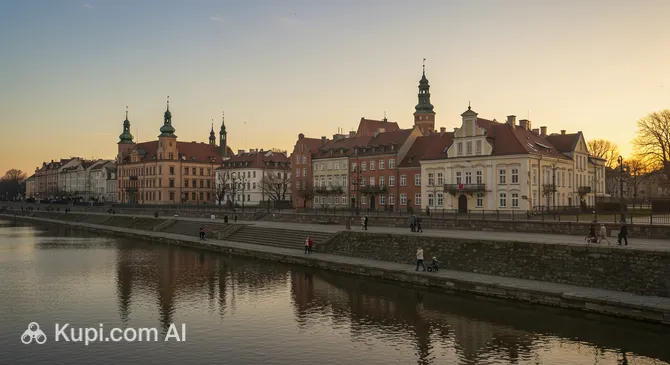
One of the most recognizable symbols of the city is the Chrobry Embankment (Wały Chrobrego). This impressive observation terrace stretches for 500 meters along the Oder River and serves as the central point for many local events and maritime festivals. Constructed in the early 20th century, it features a monumental architectural layout with wide stairs, fountains, and pavilions. Visitors flock here to enjoy panoramic views of the port and the river, making it an ideal spot for a relaxing walk or a sunset photo session.
Chrobry Embankment. Illustration.
Source: Kupi.com AI
Traveler photos:
For those interested in history and panoramic vistas, the St. James the Apostle Archcathedral Basilica is a must-visit. As the second tallest church in Poland, this majestic Gothic brick structure dominates the Old Town skyline. Apart from admiring its intricate stained glass windows and historic interior, tourists can take an elevator to the viewing platform located atop the tower. From there, you can see the entire city layout, the harbor, and the surrounding landscapes stretching far into the distance.
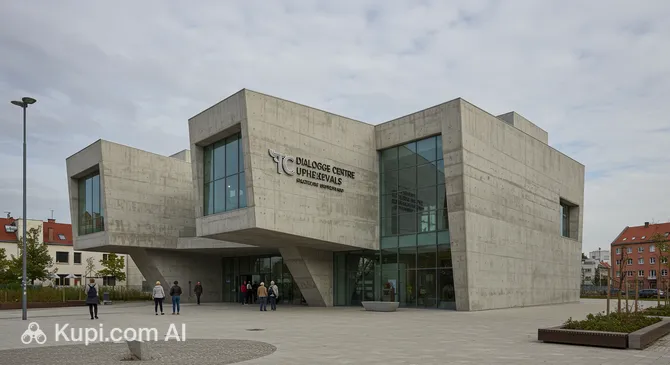
A unique blend of modern architecture and recent history can be found at the National Museum in Szczecin – Dialogue Centre Upheavals. Located primarily underground beneath Solidarności Square, this award-winning museum explores the city's turbulent post-war history and its path to freedom. The building itself is an architectural marvel, featuring a sloping roof that doubles as a public square, seamlessly integrating the structure into the urban fabric while offering a thought-provoking educational experience.
National Museum in Szczecin – Dialogue Centre Upheavals. Illustration.
Source: Kupi.com AI
Traveler photos:
Automotive enthusiasts and families will be delighted by the Museum of Technology and Transport – Art Depot. Housed in a historic tram depot, this facility showcases a fascinating collection of vintage vehicles, including legendary Polish motorcycles like the Junak and classic cars manufactured in Szczecin such as the Stoewer. The museum is highly interactive, allowing visitors to learn about the evolution of public transport and engineering through engaging exhibits and simulators.
If you are looking for a place to unwind surrounded by nature, head to John Paul II Jasne Błonia Square. This vast green area is located near the City Hall and is famous for its rows of majestic plane trees, which are designated as natural monuments. It is a favorite recreation spot for locals, perfect for picnics, cycling, or leisurely strolls. In the spring, the lawns here are covered with a carpet of blooming purple crocuses, creating a spectacular natural display that attracts nature lovers from all over the region.
Local Cuisine
The culinary landscape of Szczecin is a delightful reflection of its maritime heritage and multicultural history. Unlike many other Polish cities, the local food scene here is defined not just by traditional dumplings, but by unique regional specialties that have achieved cult status. A gastronomic tour of the city usually begins on the street, tasting flavors you will not find anywhere else in the country.
The undisputed king of local street food is the pasztecik szczeciński. This deep-fried yeast dough pastry is typically filled with meat, cabbage and mushrooms, or cheese and mushrooms. It is crispy on the outside and soft on the inside, traditionally served piping hot accompanied by a cup of clear, spicy red beetroot soup known as barszcz. This delicacy is so revered that it is protected by EU law as a traditional regional product, and visiting one of the historic "pasztecik" bars is a rite of passage for every tourist.
Given the city's port location, fish plays a significant role in the local diet. The most famous export is undoubtedly paprykarz szczeciński, a spicy spread made from fish (originally exotic fish from distant catches, now often salmon or cod), rice, onions, and tomato concentrate. While it is widely available in cans across Poland, tasting the fresh, artisanal versions in Szczecin's restaurants offers a completely different experience. Herring is also a staple, often served in bread rolls or marinated in oil and onions as a classic appetizer.
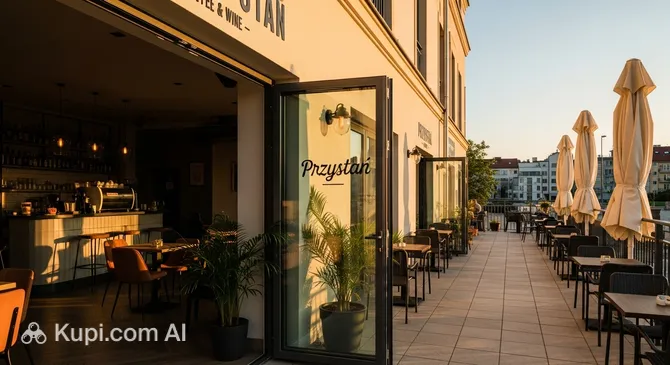
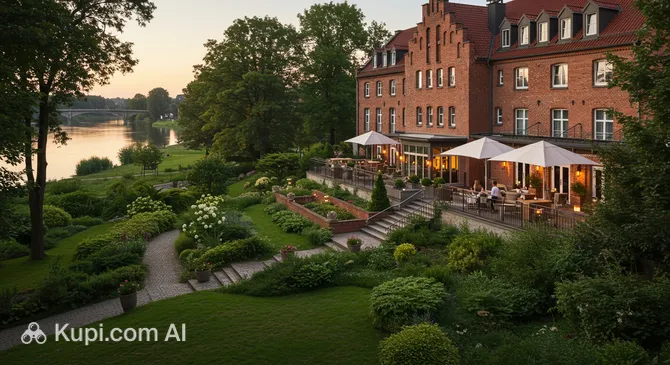
The dining culture in Szczecin is increasingly centered around the Oder River. The revitalized boulevards are lined with pavilions and eateries where locals gather to eat and socialize with a view of the water. For a relaxing break, you might visit Przystań – Coffee and Wine, a venue that perfectly captures the city's laid-back, riverside atmosphere. It is an excellent spot to enjoy a light meal or a dessert while watching the boats drift by.
Przystań – Coffee and Wine. Illustration.
Source: Kupi.com AI
Traveler photos:
Beyond traditional flavors, the city embraces modern culinary trends with enthusiasm. The burger scene, for instance, is thriving, with places like Bro Burgers serving gourmet creations that attract younger crowds. Whether you are looking for quick bites or a sit-down dinner, the diversity of options ranges from authentic Polish milk bars to international fusion cuisine.
When it comes to drinks, the region has a long brewing tradition. The local Bosman beer is a common sight in pubs and is closely associated with the city's maritime identity. For those preferring something stronger or more sophisticated, the cocktail culture is blossoming. Venues such as 17 Steps Cocktail Bar offer expertly crafted drinks in stylish interiors, providing a perfect way to end a day of sightseeing.
Travel Tips
To ensure your visit to the "Paris of the North" is as smooth and enjoyable as possible, we have compiled a set of practical guidelines. Szczecin is a city that rewards those who come prepared, allowing you to focus on its green boulevards and maritime charm rather than logistical hiccups.
Clothing and Gear: Due to the city's proximity to the Baltic Sea, the weather can be quite changeable. It is wise to dress in layers and always carry a waterproof jacket or a sturdy umbrella, even in summer. Comfortable walking shoes are essential, as you will likely spend a lot of time exploring the extensive Chrobry Embankment and the cobblestoned areas of the Old Town. If you plan to visit the St. James Cathedral, modest attire covering shoulders and knees is respectful.
Transportation: Szczecin does not have a metro system, but it boasts an excellent network of trams and buses. The most convenient way to plan your journey and buy tickets is via mobile apps like Jakdojade or SkyCash. If you buy a paper ticket from a kiosk or a machine on board, remember to validate it immediately upon entering the vehicle to avoid hefty fines. Ride-hailing apps like Uber and Bolt are also active and offer a reasonably priced alternative to traditional taxis.
Finances: The official currency is the Polish Złoty (PLN). While Poland is in the EU, it does not use the Euro, and trying to pay with Euros is generally not accepted or comes with a poor exchange rate. Contactless card payments are ubiquitous, working in restaurants, museums, and even small shops. However, keeping a small amount of cash is recommended for visiting older "pasztecik" bars or public restrooms. A tip of around 10% is standard in restaurants if you are happy with the service.
Health and Safety: Szczecin is generally a safe city for tourists. Pharmacies are marked with a green cross and the word Apteka; you can easily find 24-hour pharmacies in the city center for minor ailments. In case of emergency, dial 112, which works for police, ambulance, and fire services. Tap water is safe to drink, but many locals still prefer filtered or bottled water.
Communication: Polish is the official language, but English is widely spoken, especially by younger people and in the hospitality sector. Learning a few basic phrases like Dzień dobry (Good day) and Dziękuję (Thank you) goes a long way in breaking the ice. For mobile data, you can buy a SIM card at convenience stores like Żabka, but be aware that Polish law requires you to register the SIM card with a passport or ID upon purchase.
Local Etiquette: Polish people value politeness and personal space. When entering a small shop or an elevator, it is polite to greet others with a nod or a verbal greeting. On public transport, give up your seat to elderly passengers or pregnant women—this is a strictly observed social norm. Additionally, be punctual if you have booked a tour or a table, as lateness is often frowned upon.
What to Avoid: Strictly avoid jaywalking (crossing the street at red lights or non-designated places). It is considered a serious offense in Poland, and police frequently issue fines to pedestrians who break this rule. Also, avoid drinking alcohol in public parks or on the streets, as it is prohibited unless you are in a specifically designated beer garden or restaurant terrace.
Follow the Red Line: A unique feature of Szczecin is the "Red Tourist Route" painted directly on the sidewalk. This dashed red line loops for about 7 kilometers past 42 of the city's most important landmarks. It is a brilliant, free life hack for sightseeing without a map—simply find the red line on the pavement and follow it to see the best the city has to offer.
Armed with these tips, you are ready to navigate Szczecin like a local. Whether you are following the red line through history or enjoying a sunset by the Oder River, a little preparation will ensure your Polish adventure is memorable for all the right reasons.
Entertainment & Nightlife
Entertainment:
The entertainment landscape in Szczecin is a vibrant mix of modern leisure hubs, riverside relaxation, and lively cultural venues. Whether you are looking for a place to shop, dance, or simply unwind, the city offers a variety of options that cater to different moods and preferences, all within easy reach of the city center.
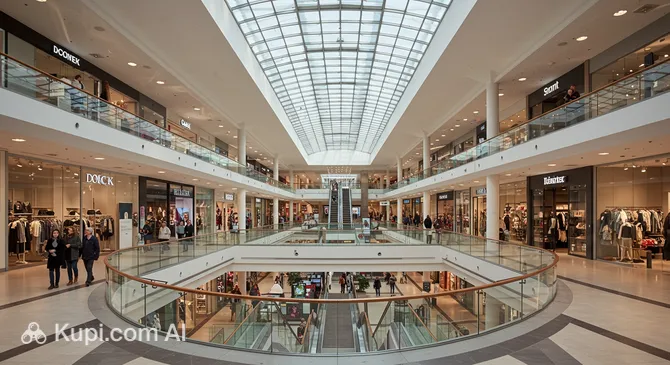
For shopping enthusiasts, the heart of the city features two major commercial centers located in close proximity. Kaskada Gallery is an elegant shopping destination that blends modern design with historical elements, housing a wide range of international brands and fashion boutiques. Just a short walk away, the Galaxy Centre serves as a comprehensive entertainment complex. Beyond its extensive retail offerings, it features a large cinema and a bowling alley, making it a popular spot for families and groups looking for fun indoor activities.
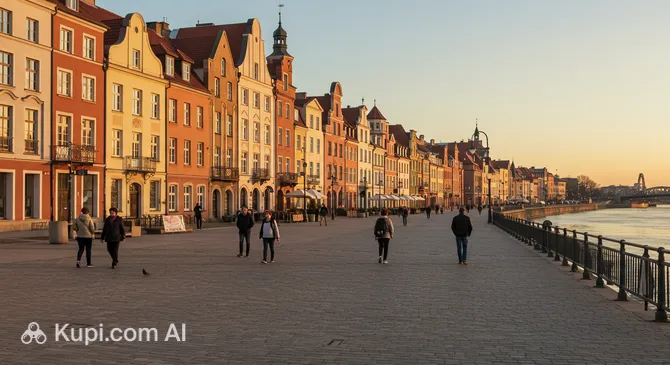
When the weather is pleasant, the social life of Szczecin gravitates towards the water. The revitalized Szczecin Boulevards along the Oder River have become the city's favorite meeting place. This scenic promenade is lined with trendy bars, food trucks, and relaxation zones, creating a lively atmosphere that lasts well into the night. It is the perfect setting for an evening walk, offering beautiful views of the river and the illuminated port cranes.
Szczecin Boulevards. Illustration.
Source: Kupi.com AI
Traveler photos:
For those seeking a more alternative vibe, Hala Odra is a must-visit destination. Located in a converted industrial building near the river, this dynamic venue combines a night club, a cultural center, and a food court. It regularly hosts concerts, DJ sets, and thematic markets, attracting a crowd that appreciates an energetic and artistic environment.
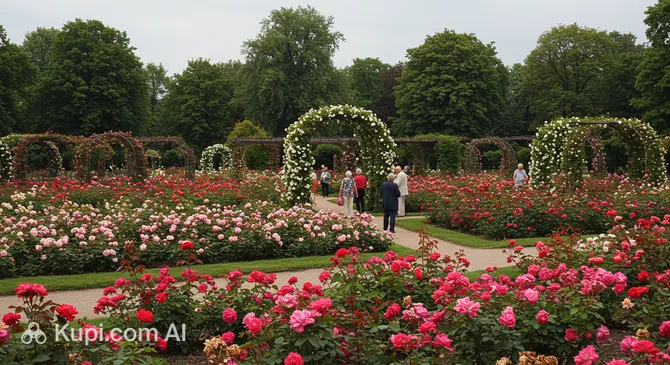
If you prefer a quieter form of leisure, the city provides excellent opportunities for relaxation. Baltica Wellness & Spa, situated in the city center, offers a luxurious escape with its extensive "Wellness Zone," featuring saunas, jacuzzis, and a variety of therapeutic treatments. Alternatively, nature lovers can find tranquility at the Różanka Rose Garden. Nestled within Kasprowicz Park, this historic garden boasts thousands of blooming roses and exotic trees, serving as a serene backdrop for summer concerts and leisurely afternoon strolls.
Różanka Rose Garden. Illustration.
Source: Kupi.com AI
Traveler photos:
Parks & Museums
Szczecin is often celebrated as a "floating garden," offering an impressive array of lush green spaces and cultural institutions that seamlessly blend nature with the city's complex history. Visitors will find that the metropolis is designed for leisure, with vast parks connecting directly to the city center and museums that tell the story of the region's Pomeranian heritage.
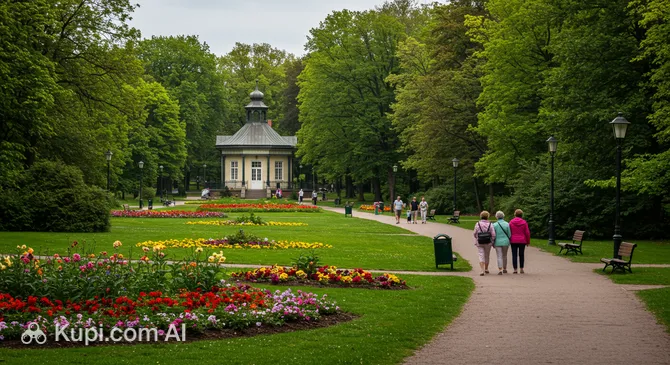
The city's green lung is undoubtedly Kasprowicz Park, a sprawling recreational area that serves as a natural extension of the popular Jasne Błonia square. Situated on a picturesque slope, the park is centered around the serene Rusałka Lake and features majestic old trees, winding paths, and a famous outdoor sculpture known as the "Fire Birds." It is also home to the Summer Theater (Teatr Letni), one of the largest amphitheaters in Poland, making it a vibrant hub for concerts and cultural events during the warmer months.
Kasprowicz Park. Illustration.
Source: Kupi.com AI
Traveler photos:
Another significant green oasis is Żeromski Park, located closer to the port and the bustling city center. Established in the 19th century on the site of former fortifications, it retains the charm of an English landscape garden. It is an ideal spot for a quiet escape, offering shaded alleys and historic monuments, including a fountain that dates back to the early 1900s. Its proximity to the major hotels and shopping districts makes it a convenient resting point for tourists exploring the downtown area.
For those interested in diving deeper into the region's past, the National Museum in Szczecin is an essential stop. Its main building, prominently located on the Chrobry Embankment, is an architectural landmark in itself. Inside, visitors can explore extensive collections dedicated to archaeology, ethnography, and the city's rich maritime history. The exhibits provide a comprehensive overview of how Pomerania has evolved over centuries, influenced by various cultures and its strategic position on the map.
National Museum in Szczecin. Illustration.
Source: Kupi.com AI
Traveler photos:
A striking example of the city's bourgeois "Golden Age" is the Lentz Villa. This beautifully restored residence, built for a wealthy merchant in the late 19th century, showcases opulent interiors that reflect the luxury of the era. Today, it functions as a dynamic cultural center, hosting exhibitions and concerts, but the building itself—with its intricate woodwork and stunning facade—is the primary attraction for architecture enthusiasts.
For a completely different perspective on history, adventurous travelers should descend into the Underground Szczecin Routes. Hidden beneath the main railway station, this network of tunnels and shelters offers a chilling yet fascinating glimpse into the WWII era and the Cold War period. Guided tours take you through reinforced concrete corridors, providing an immersive experience of life during air raids and the city's subterranean secrets.
If you are looking for a break from serious history, check out the Be Happy Museum Szczecin. This "museum of happiness" and illusion is designed purely for fun and photography, featuring colorful backdrops and interactive rooms that offer a cheerful contrast to the traditional sightseeing itinerary.
Getting Around
Navigating Szczecin is convenient and straightforward thanks to its well-integrated public transport network managed by the local transport authority (ZDiTM). The system relies primarily on an extensive web of tram lines and bus routes that connect the city center with the suburbs and the Right Bank area. While the city does not have a subway system, the "Szczecin Fast Tram" (SST) functions similarly to a light rail, providing a high-speed connection between the two banks of the Oder River and significantly reducing travel time for commuters and tourists alike.
The ticketing system is time-based, which allows passengers to switch between trams and buses freely within the validity period of the ticket. Travelers can choose from options such as 15-minute, 30-minute, or 60-minute tickets, which are usually sufficient for getting around the main attractions. For those planning a full day of sightseeing, 24-hour passes are available and offer excellent value. It is important to remember that standard paper tickets purchased at kiosks must be validated immediately upon boarding the vehicle to avoid fines.
Purchasing tickets is designed to be user-friendly for visitors. You can buy them at stationary machines located at major stops, which accept both cash and cards. Most modern trams and buses are also equipped with onboard ticket machines that allow for contactless card payments; tickets bought inside the vehicle are typically validated automatically at the moment of purchase. Alternatively, mobile apps like Jakdojade or SkyCash are widely used and highly recommended, as they allow you to plan your route and pay for your ride directly from your smartphone.
Public transport operates from the early morning hours until late in the evening, usually around 11:00 PM. After regular service ends, the city switches to a network of night buses, easily identified by line numbers starting with 500. These night lines are synchronized to meet at key transfer hubs in the city center, ensuring that you can reach your accommodation safely even after a night out.
For those who prefer more flexibility, the city offers excellent alternatives to mass transit. The "BikeS" city bike-sharing system is very popular, featuring numerous docking stations and a dedicated app that makes renting a bicycle quick and easy—perfect for a ride along the scenic river boulevards. Ride-hailing apps like Uber and Bolt are also fully operational and provide a reasonably priced alternative to traditional taxis.
A unique feature of the local transport scene is the historic tourist tram line, which typically runs on Sundays and holidays during the summer season. These vintage trams, often manned by conductors in period uniforms, travel along a special route that passes by the most significant landmarks. Riding one of these restored vehicles offers a nostalgic and charming way to see the city from a different perspective.
Accommodation
Where to Stay:
Accommodation in Szczecin caters to a wide spectrum of preferences and budgets, ranging from economical hostels and guest houses to modern business hotels and luxurious apartments. Compared to many Western European cities, the standard of lodging here is high while remaining relatively affordable, making it an attractive destination for travelers seeking value without compromising on comfort. Whether you prefer the anonymity of a large chain hotel or the charm of a boutique rental, you will find ample choices.
For most tourists, the best area to stay is the City Center (Śródmieście). Staying here places you within walking distance of the main railway station, the major shopping centers, and the historic layout of the star-shaped squares. Another popular location is the vicinity of the Chrobry Embankment and the Old Town. This area is perfect for those who want to be close to the river, the most picturesque monuments, and the vibrant restaurant scene along the boulevards.
If you are looking for a well-located base to explore the city, Hotel Szczecin is a notable option often considered by visitors. Establishments in this category typically provide reliable service and convenient access to key transport links, ensuring that both the business district and tourist attractions are easily reachable.
Hotel Szczecin. Illustration.
Source: Kupi.com AI
Traveler photos:
For travelers seeking a more indulgent experience focused on relaxation, Baltica Wellness & Spa represents the resort-style side of the city's hospitality. Located in the heart of the city, often connected to major hotel complexes, it allows guests to combine their stay with extensive spa treatments, saunas, and wellness rituals, making it an ideal choice for a rejuvenating city break.
When planning your trip, it is advisable to book in advance, especially during the summer months or when major maritime events like the Tall Ships Races are taking place, as the city can fill up quickly. Prices are generally moderate, with mid-range options offering excellent amenities. Booking is most commonly done via major online platforms, which offer the flexibility to compare rates and check real-time availability.
Nearby Cities
For those looking to explore the surroundings, Szczecin serves as an excellent base for day trips to several interesting nearby locations. The region offers a mix of seaside relaxation, medieval history, and charming small towns, all easily accessible by train or car.
One of the most popular destinations is Świnoujście, located on the shores of the Baltic Sea. Spread across 44 islands, this spa city is famous for having the widest beach in Poland and the tallest brick lighthouse in the world. It is a perfect spot for a relaxing day of sunbathing, walking along the promenade, or exploring the historic Prussian fortifications that guard the river mouth.
For history enthusiasts, Stargard offers a journey back in time. Just a short trip from Szczecin, it is one of the oldest cities in Pomerania and boasts some of the most impressive medieval fortifications in the region. Visitors can admire the massive St. Mary's Collegiate Church, a masterpiece of Brick Gothic architecture, and walk along the well-preserved defensive walls and towers that encircle the historic center.
Another worthwhile stop is Goleniów, a quieter town that retains significant traces of its past. Key attractions include the 14th-century Wolin Gate and the remains of the city walls. It provides a peaceful atmosphere for a leisurely stroll and offers a glimpse into the typical architecture of the West Pomeranian region without the crowds found in larger tourist hubs.
City
Population
Distance
Police
33 152
14 km
Gryfino
21 221
20 km
Goleniów
22 553
24 km
Stargard
67 579
35 km
Pasewalk
10 213
38 km
These nearby destinations offer a glimpse into the diverse culture and landscapes of the region, making them excellent additions to your travel itinerary.
Shopping & Souvenirs
Shopping in Szczecin offers a convenient and relaxed experience, characterized by the close proximity of major retail hubs to the city center. Unlike sprawling metropolises where shopping districts are far apart, Szczecin allows visitors to browse international brands, local boutiques, and artisan markets without the need for extensive travel. The city combines modern commercial facilities with traditional marketplaces, ensuring that both fashion enthusiasts and souvenir hunters can find something to suit their tastes.
The heart of the city's retail activity beats along Aleja Wyzwolenia and Aleja Niepodległości. These central avenues connect the main transport hubs with the commercial district, making them a natural starting point for a shopping spree. For a more atmospheric experience, travelers should head to the Deptak Bogusława (Bogusław Promenade) and the surrounding streets of the revitalized downtown area. Here, amidst restored tenement houses, you can find smaller boutiques, art galleries, and concept stores that offer unique items and local design, often interspersed with cozy cafes for a mid-shopping break.
For those who prefer having everything under one roof, Szczecin boasts two premier shopping malls located within walking distance of each other. Kaskada Gallery is widely regarded as the more elegant of the two, featuring a sleek architectural design that incorporates fragments of the historic city walls. It houses a wide array of mid-range to premium fashion brands, electronics, and cosmetics. Just a few hundred meters away, the Galaxy Centre is a massive complex that rivals its neighbor in size and variety. It is a favorite among families and younger crowds, offering not only extensive retail chains but also a large food court and entertainment facilities.
Kaskada Gallery. Illustration.
Source: Kupi.com AI
Traveler photos:
To experience the local flavor, visiting a market is essential. The most famous traditional marketplace is Targowisko Manhattan, a large covered area where locals buy fresh produce, clothing, and household goods. For a more trendy and gastronomic experience, the Szczeciński Bazar Smakoszy (Szczecin Gourmets' Bazaar) is a must-visit. Typically held on Sundays in the historic Off Marina complex, this eco-market features regional producers selling organic food, craft preserves, and artisanal snacks, making it a perfect spot to taste the region's bounty.
When it comes to souvenirs, the city has a few iconic products. The most distinctively local gift is a tin of Paprykarz Szczeciński, a spicy fish and rice spread that has achieved cult status in Poland. You can find artisanal versions in specialty shops or standard ones in supermarkets. Other popular items include amber jewelry, which is abundant throughout the Baltic region, and local craft beers from regional microbreweries. Ceramics and gingerbread featuring maritime motifs also make for charming keepsakes.
Standard opening hours for shopping malls are typically from 9:00 AM to 9:00 PM, Monday through Saturday. Smaller boutiques may have shorter hours and might close earlier on Saturdays. A crucial piece of information for tourists is the Sunday trading ban in Poland. Most large shops and malls are closed on Sundays, with few exceptions throughout the year (usually before major holidays). Gas stations, pharmacies, and small convenience stores (like Żabka) generally remain open.
Payment is seamless across the city. Poland is a leader in cashless transactions, and you can pay by card (Visa and Mastercard are ubiquitous) almost everywhere, including small kiosks and market stalls. Contactless payment is the standard. If you are a visitor from outside the European Union, you may be eligible for a VAT refund on purchases exceeding a certain amount. Look for the "Tax Free" logo in shop windows and ask for the necessary forms at the checkout to reclaim the tax upon leaving the EU.