Support

Berlin

About

Berlin is a city that effortlessly blends the old with the new, creating a dynamic atmosphere that captivates visitors from around the globe. As the capital of Germany, it stands as a major center for culture, politics, media, and science. Known for its creative spirit and open-minded vibe, the city offers a unique mix of historical grandeur and modern urban living, making it one of Europe's most exciting destinations.

Berlin. Source: Kupi.Binoculars

Geographically situated in the northeastern part of the country, the city lies along the banks of the Spree and Havel rivers. With a population of over 4.4 million inhabitants, it is a bustling metropolis that remains surprisingly green, featuring numerous parks, forests, and lakes that offer a refreshing escape from urban life. The rich history of Berlin is woven into every street corner, visible in its diverse architecture and preserved monuments which tell the story of its remarkable transformation over the centuries.

Travelers are drawn to iconic landmarks such as the majestic Brandenburg Gate, a symbol of unity and peace, and the soaring Fernsehturm (TV Tower), which offers panoramic views of the skyline. Art and history enthusiasts will find endless inspiration on Museum Island, a UNESCO World Heritage site housing some of the world's most important cultural collections. Whether you are exploring its vibrant neighborhoods, enjoying its legendary nightlife, or simply soaking in the local culture, Berlin promises an unforgettable experience for every traveler.

Weather Overview

The weather in Berlin is characterized by a temperate continental climate, offering four distinct seasons that each bring a unique atmosphere to the city. Summers are generally warm and pleasant, with average temperatures in June, July, and August hovering around 19°C to 20°C and maximums reaching nearly 25°C. This is the most popular time for outdoor activities, although travelers should note that rain is not uncommon, with about 10 to 12 wet days per month during this period.

In contrast, winters are cold and often cloudy. January and December are the chilliest months, with average temperatures dropping to approximately 2.5°C to 3.2°C and lows near freezing. Visitors during this time should come prepared with warm clothing, as these months also see frequent precipitation, averaging around 14 wet days. Spring and autumn serve as mild transitional seasons; May and September are particularly delightful, offering comfortable averages between 13.9°C and 16.0°C. Overall, you can expect warm summers with occasional rain and cold, damp winters.

Interesting Facts

Beyond the main attractions, Berlin holds many fascinating secrets and surprising statistics that reveal the city's unique character. From record-breaking architecture to unexpected geographical features, there is much more to this metropolis than meets the eye.

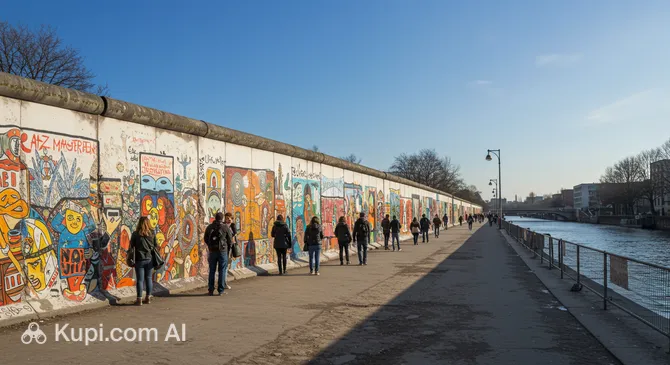
East Side Gallery. Source: Kupi.Binoculars
  • Berlin is a city of water, boasting significantly more bridges than Venice. With around 1,700 bridges spanning its rivers and canals, the German capital offers an extensive network of waterways that are perfect for exploration by boat.

  • The East Side Gallery is recognized as the longest open-air gallery in the world. Extending for 1.3 kilometers, this preserved section of the Berlin Wall features over 100 murals painted by artists from 21 different countries, turning a former symbol of division into a monument of freedom.

  • Shoppers can explore the largest department store in continental Europe, the KaDeWe (Kaufhaus des Westens). Spanning over 60,000 square meters, it is famous for its massive gourmet food hall on the sixth floor, which is a paradise for food lovers.

  • Animal lovers will be interested to know that the Berlin Zoological Garden holds the record for the most diverse collection of species in the world. As Germany's oldest zoo, it houses thousands of animals and plays a crucial role in international breeding programs.

How to Get There

Berlin is a major European transport hub, making it easily accessible for travelers from all over the world. Whether you are arriving by air or rail, the city offers excellent connections and modern infrastructure. For a detailed guide on all transport options and routes, you can read more about how to get to Berlin to plan your journey efficiently.

The primary gateway for air travelers is Berlin Brandenburg (IATA: BER). Located approximately 18.8 km from the city center, it is a large international airport serving millions of passengers annually. A taxi or bus ride to the heart of the city typically takes around 50 minutes, depending on traffic conditions. As the main airport for the capital, it offers a wide range of services and connections.

Travelers can also consider Leipzig/Halle Airport (IATA: LEJ), although it is not located in Berlin itself. It is situated in the city of Leipzig, about 146.8 km away. Reaching Berlin from here by taxi or shuttle generally takes about 2 hours. Another option is Dresden International Airport (IATA: DRS) in Dresden, located roughly 156.4 km from the capital. The transfer time by road from Dresden is also approximately 2 hours.

For clarity, here is a summary of the main airports:

Airport Name City Passenger Traffic Km from City
Berlin Brandenburg Berlin Large 18.8
Leipzig/Halle Airport Leipzig Medium 146.8
Dresden International Airport Dresden Small 156.4
Goleniow Airport Szczecin Small 155.3
Laage Airport Rostock Small 173.0

Traveling by train is another convenient way to reach the city, thanks to its extensive rail network. The most significant hub is Berlin Hauptbahnhof (IATA: QPP), located centrally in Berlin, just 2.5 km from the downtown area. As a major station with massive passenger traffic, it connects the capital to numerous domestic and international destinations. A taxi ride to nearby hotels or attractions usually takes just a few minutes.

Another key station is Berlin Ostbahnhof Station (IATA: QWB), which is also situated within the city, approximately 2.3 km from the center. It serves as an important stop for many long-distance and regional trains. Both stations are well-integrated into the local public transport system, making onward travel seamless.

Below is a list of the closest and most significant railway stations:

Station City Passenger Traffic Km to Center
Berlin Hauptbahnhof Berlin Very Large 2.5
Leipzig Hauptbahnhof Leipzig Large 146.6
Berlin Ostbahnhof Station Berlin Large 2.3
Berlin Zoologischer Garten Station Berlin Large 5.2
Dresden Hauptbahnhof Dresden Large 156.7

Main Attractions

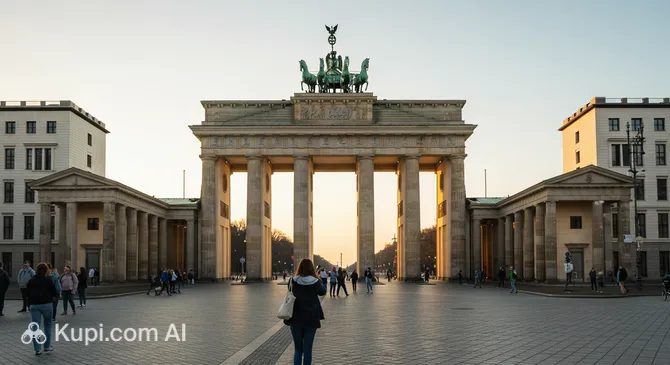
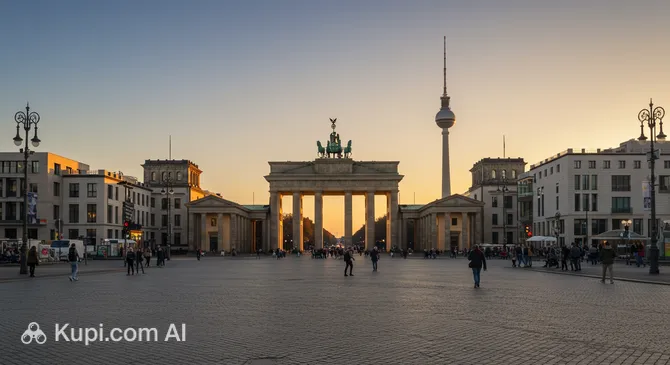
Berlin is home to an incredible array of landmarks that reflect its journey through history and its status as a modern European capital. One of the most recognizable monuments is the Brandenburg Gate. This 18th-century neoclassical monument, modeled after the Propylaea in Athens, once symbolized the division of the city but now stands as a powerful beacon of German unity and peace. Located at the end of the Unter den Linden boulevard, it is a must-visit site for photo opportunities and historical reflection.

Brandenburg Gate. Source: Kupi.Binoculars

Just a short walk away lies the historic Reichstag Building, the seat of the German parliament. While the building itself dates back to the late 19th century, it is famous today for its modern glass dome designed by architect Norman Foster. Visitors can ascend to the top for a spectacular 360-degree view of the city and look down directly into the debating chamber, symbolizing the transparency of the government.

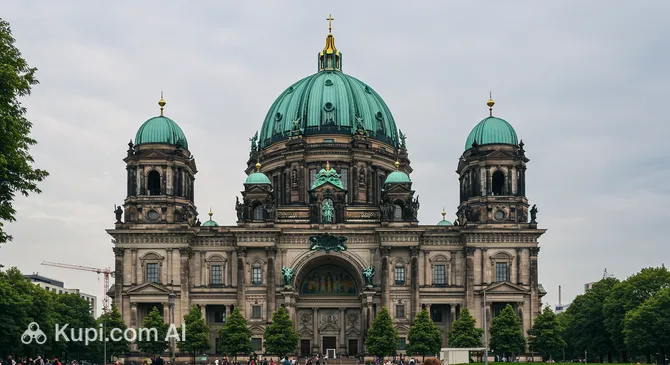
For admirers of religious architecture and baroque beauty, the Berlin Cathedral is an architectural masterpiece located on Museum Island. Its massive dome dominates the skyline, and the interior is equally impressive with its intricate mosaics and the historic Hohenzollern Crypt. Climbing the 270 steps to the outer walkway of the dome rewards tourists with stunning vistas over the Spree River and the city center.

Berlin Cathedral. Source: Kupi.Binoculars

Travelers seeking a glimpse of royal grandeur should explore Charlottenburg Palace. As the largest and most significant palace complex in Berlin, it offers a journey back to the era of the Prussian kings. The opulent interiors feature rococo festivals halls and porcelain collections, while the sprawling palace gardens behind the building provide a serene escape with their baroque-style landscaping and scenic waterways.

In stark contrast to the historical sites, Potsdamer Platz showcases the new, futuristic face of Berlin. Once a desolate wasteland during the division of the city, it has been transformed into a bustling hub of modern architecture, entertainment, and commerce. It is a vibrant place to enjoy shopping, dining, and cinema, surrounded by striking skyscrapers that define the contemporary urban landscape.

Local Cuisine

Berlin's culinary landscape is as eclectic and vibrant as its population, offering a mix of hearty Prussian traditions and modern multicultural influences. The food scene here is famously unpretentious and affordable, with a strong emphasis on quick, delicious bites that fuel the city's energetic lifestyle. From historic inns serving heavy meat dishes to trendy vegan cafes, the capital provides a gastronomic adventure that caters to every taste.

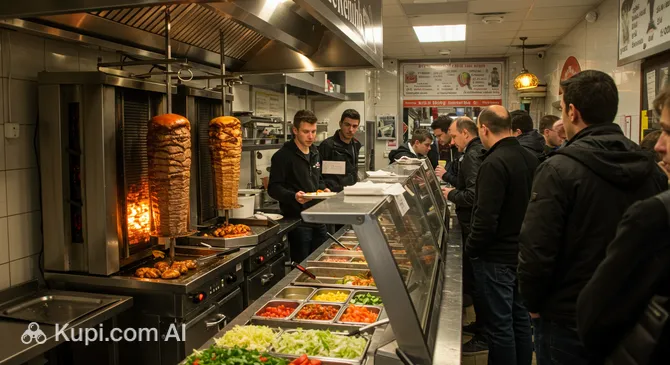
No visit to the city is complete without trying its two most iconic street foods: Currywurst and the Döner Kebab. Currywurst features a steamed and fried pork sausage cut into slices, seasoned with curry ketchup and powder, and typically served with fries. Meanwhile, the Döner Kebab has achieved cult status here, with the local version—packed with toasted meat, salad, and sauces in crispy flatbread—being a staple diet for many. For a top-tier experience of this favorite, you can visit Rüyam Gemüse Kebab, which is renowned for its savory chicken and vegetable combinations.

Rüyam Gemüse Kebab. Source: Kupi.Binoculars

For those seeking traditional local cuisine, the dishes are robust and satisfying. A classic specialty is Eisbein, a cured pork knuckle that is boiled until tender and usually accompanied by sauerkraut, pea puree, and potatoes. Another popular comfort food is the Boulette, a Berlin-style meatball often eaten with mustard. While the famous Wiener Schnitzel originates from Austria, it is also a beloved standard in Berlin's restaurants, featuring a breaded, pan-fried cutlet that is crispy and golden.

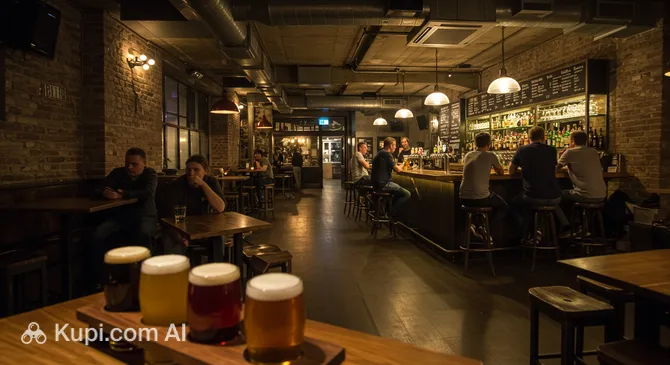
When it comes to drinks, beer is an integral part of the culture. A unique regional specialty is the Berliner Weisse, a cloudy, sour wheat beer that is traditionally mixed with red raspberry or green woodruff syrup to balance the tartness. For a non-alcoholic option, locals often reach for Apfelschorle, a refreshing mix of apple juice and sparkling water, or Club Mate, a caffeinated mate-tea soda favored by the clubbing scene. The city also boasts a booming craft beer movement; places like the BRLO Brwhouse offer a modern twist on brewing in a stylish, industrial setting.

BRLO Brwhouse. Source: Kupi.Binoculars

The dining culture in Berlin is defined by its relaxed and social atmosphere. Locals love to gather at "Imbiss" stands for a quick snack or spend hours at communal tables in beer gardens during the warmer months. Food markets are also a significant part of city life, offering everything from fresh regional produce to international street food delicacies. Whether you are enjoying a late-night kebab or a leisurely Sunday brunch, eating in Berlin is a communal experience that welcomes everyone.

Travel Tips

Welcome to Berlin, a city that is as laid-back as it is bustling, where knowing a few local quirks can turn a good trip into a seamless experience. To help you navigate the capital like a pro, here are some essential practical tips to keep in mind before you pack your bags.

  1. Clothing and Gear: The weather in Berlin can be unpredictable, so the best strategy is the "onion principle"—dressing in layers that you can easily add or remove. Winters require a heavy coat, scarf, and gloves, while summers are generally mild but can have sudden showers, so a compact umbrella is wise. Most importantly, bring very comfortable walking shoes; the city is vast, and you will likely cover many kilometers on foot or over cobblestones. Don't forget a Type F power adapter for your electronics.
  2. Transportation: Public transport here is world-class, and renting a car is almost never necessary (and often a hassle due to parking). The network consists of the U-Bahn (subway), S-Bahn (suburban train), trams (mostly in East Berlin), and buses. Download the BVG Fahrinfo app to plan routes and buy tickets. A critical rule: always validate your physical ticket in the yellow or red machines on the platform before boarding, or you risk a hefty fine.
  3. Finances: Germany uses the Euro (€). While card acceptance has improved significantly, Berlin remains surprisingly cash-reliant compared to other European capitals. Many small cafés, bars ("Kneipen"), and kiosks ("Spätis") still prefer or only accept cash ("Nur Bares"), so always carry some notes and coins. ATMs are widespread. Tipping is modest; it is common to round up the bill or leave about 5-10% for good service.
  4. Health and Safety: Berlin is generally very safe, but standard big-city precautions apply. Be wary of pickpockets in crowded tourist hubs like Alexanderplatz or on the U-Bahn. If you need a pharmacy, look for a red "A" sign (Apotheke); they are plentiful, and there is always one in every neighborhood on emergency night duty. In case of a serious emergency, dial 112 for ambulance or fire services.
  5. Communication: German is the official language, but English is widely spoken, especially by younger people and in the service industry. However, learning a simple "Hallo" (Hello) or "Danke" (Thank you) goes a long way in showing respect. Free Wi-Fi is available in many public spots and cafés, but for reliable connectivity, buying a prepaid SIM card from a supermarket or electronics store is recommended.
  6. Local Etiquette: Germans value punctuality, so try to be on time for tours or reservations. When entering a shop or elevator, a brief greeting is polite. One specific local rule is to respect traffic lights religiously; do not cross the street on red, even if no cars are coming, as locals (and especially parents with children) frown upon this behavior. Look out for the iconic Ampelmann figures on the pedestrian lights!
  7. What to Avoid: Never walk in the designated bike lanes. Berliners cycle fast and aggressively, and stepping into the bike path is not only dangerous but will likely earn you a loud reprimand. Also, avoid leaving your plastic bottles in the trash; Germany has a deposit system (Pfand), so leave them next to the bin for collectors if you don't want to return them yourself.
  8. Sunday Closures: Keep in mind that almost all shops, supermarkets, and pharmacies close on Sundays. Museums and restaurants remain open, but you should do your grocery shopping or souvenir hunting on Saturday. If you are desperate for essentials on a Sunday, head to the supermarkets located within major train stations like Hauptbahnhof or Ostbahnhof, which are permitted to stay open.

Armed with these tips, you are ready to dive into the unique energy of Berlin without the usual tourist stress. Embrace the local rhythm, enjoy the freedom of the city, and have a fantastic journey!

Entertainment & Nightlife

Entertainment and Nightlife:

Berlin's nightlife is legendary, often cited as one of the most exciting and diverse in the world. The city has no mandatory closing time, meaning parties often stretch well into the next day, particularly on weekends. The scene is incredibly varied, ranging from gritty, industrial techno temples to sophisticated cocktail lounges and vibrant live music venues. Whether you are a dedicated clubber, a jazz enthusiast, or someone who simply enjoys a quiet drink by the river, the German capital has something to offer.

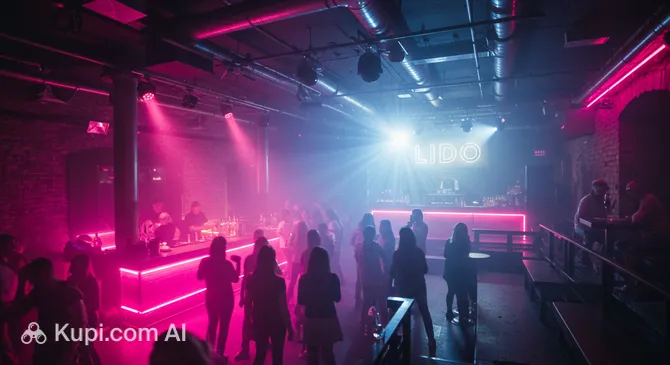
The epicenter of the alternative clubbing scene lies in the districts of Friedrichshain and Kreuzberg. The area around the RAW-Gelände in Friedrichshain is a sprawling complex of graffiti-covered industrial buildings turned into clubs, bars, and cultural spaces. In Kreuzberg, the neighborhood around Schlesisches Tor and Oranienstraße pulses with energy. Here you will find Lido, a former cinema converted into a popular venue that hosts indie rock concerts, electro parties, and alternative events. It is a perfect example of the city's knack for repurposing old spaces into cultural hotspots.

Lido. Source: Kupi.Binoculars

For those seeking a more glamorous or upscale experience, the City West area (Charlottenburg and Wilmersdorf) and parts of Mitte offer a different vibe. The nightlife here tends to be chicer, with stricter dress codes and elegant interiors. A prime example is Maxxim, located near the famous Kurfürstendamm avenue. This club attracts a stylish crowd and is known for its high-energy dance floors and exclusive atmosphere. If you prefer large-scale entertainment, the Mercedes-Benz Arena in Friedrichshain hosts major international concerts and sporting events, drawing thousands of fans.

When planning a night out, keep in mind that the atmosphere can vary drastically. The techno scene is famous for its "come as you are" attitude, often favoring black, casual clothing, while venues in the West might require smart casual attire. Prices are generally reasonable compared to other major capitals; beer usually costs around 4-5 Euros, and cocktails range from 10 to 15 Euros. Cover charges for clubs can vary from 15 to 25 Euros depending on the DJ lineup. Public transport is extremely night-owl friendly: on Fridays and Saturdays, the U-Bahn and S-Bahn run 24 hours a day, making it easy to get home safely.

Safety in Berlin is generally good, and walking at night in popular districts is considered safe. However, as in any metropolis, it is wise to stay aware of your surroundings and avoid unlit parks late at night. Taxis are cream-colored and can be hailed on the street, but using apps like Uber, Bolt, or Freenow is also a convenient and reliable way to get around. If you prefer a quieter evening, the Grand Bar provides a sophisticated setting for enjoying expertly crafted drinks away from the thumping bass of the clubs.

While the nights are electric, daytime entertainment in the city is equally engaging. Beyond the world-class museums and theaters, thrill-seekers can experience the sensation of flight at Indoor Skydiving Berlin, located near the airport. It offers a unique adrenaline rush suitable for beginners and pros alike. Families and groups might also enjoy the Pirate Island Adventure Minigolf, a fun and creatively designed course that provides a relaxing break from sightseeing.

Parks & Museums

Berlin is renowned not only for its urban energy but also for being one of the greenest capitals in Europe, offering a perfect balance between vibrant city life and serene nature. The city boasts an impressive array of parks, gardens, and woodlands, alongside a world-class museum landscape that preserves its complex and fascinating history.

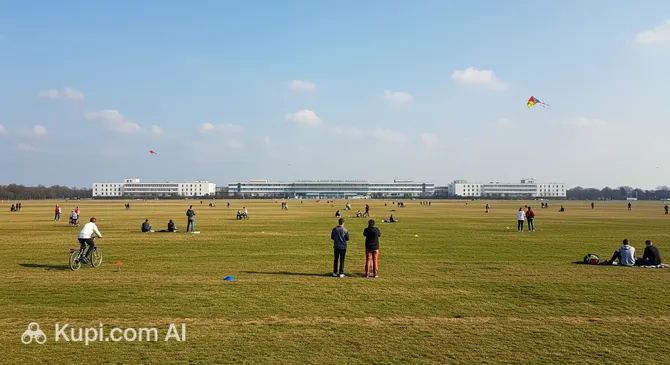
One of the most extraordinary public spaces is Tempelhofer Feld. This vast area was once an operational airport and has been transformed into a massive public park where visitors can cycle, skate, or fly kites on the former runways. It is a unique example of urban reclamation and a favorite spot for locals to enjoy sunsets and picnics. For those seeking a more traditional park setting, Treptower Park located along the River Spree offers beautiful riverside paths and manicured gardens. It is also home to a monumental Soviet War Memorial, which is architecturally striking and historically significant.

Tempelhofer Feld. Source: Kupi.Binoculars

Travelers looking to escape the city noise completely should head to the Grunewald Forest. Located in the west of the city, this expansive woodland is perfect for long hikes and connects to several lakes, providing a refreshing retreat into nature within the city limits. Another popular spot for relaxation is Flughafensee Beach, a hidden gem where visitors can swim and unwind during the warmer months.

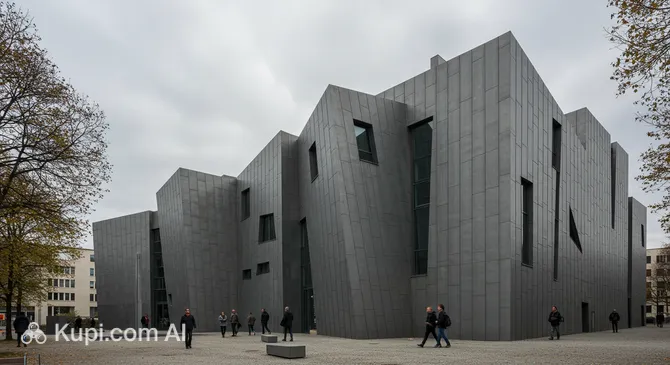
Culturally, the city offers profound experiences through its institutions. The Jewish Museum Berlin is a landmark not just for its exhibitions but also for its architecture. Designed by Daniel Libeskind, the zig-zag building creates a disorienting spatial experience that physically represents the turbulent history of Jewish life in Germany. It is a moving and essential stop for any visitor.

Jewish Museum Berlin. Source: Kupi.Binoculars

For a deep dive into 20th-century history, the Topography of Terror is an indispensable documentation center. Located on the site of the former Gestapo and SS headquarters, it provides a detailed and sober look at the institutions of the Nazi regime. On a different note, families and engineering enthusiasts will love the German Museum of Technology. This extensive museum showcases a vast collection of aircraft, trains, and maritime exhibits, celebrating Germany's contributions to technical innovation.

For an authentic local vibe, consider visiting Boxhagener Platz in the Friedrichshain district. On Sundays, it hosts a lively flea market where you can hunt for vintage treasures, while Saturdays feature a charming food market. It is a great place to observe local life and enjoy a coffee in one of the surrounding cafes.

Getting Around

Navigating Berlin is remarkably easy thanks to its world-class public transport network, which is efficient, extensive, and relatively affordable. The system is divided between the U-Bahn (underground subway), distinguishable by its bright yellow trains, and the S-Bahn (suburban railway), which operates on elevated tracks and connects the city center with the outer suburbs. The S-Bahn also features the famous "Ringbahn," a circular line that loops around the inner city and serves as a helpful orientation marker for visitors. Together, these trains form the backbone of local travel, allowing you to cross the metropolis quickly.

Complementing the rail network are trams, buses, and ferries. The tram system (Straßenbahn) is primarily found in the eastern districts, a historical quirk from the city's divided past, and offers a scenic way to explore neighborhoods like Prenzlauer Berg and Friedrichshain. The bus network covers every corner of the city that trains don't reach. A favorite among tourists is the Bus 100, a double-decker line that passes many major landmarks, including the Reichstag and Brandenburg Gate, effectively serving as a budget-friendly sightseeing tour. Additionally, public ferries traverse the city's lakes and rivers, and they are fully integrated into the standard ticketing system.

The city is divided into three tariff zones: Zone A covers the city center inside the Ringbahn, Zone B extends to the city limits, and Zone C includes the surrounding area, such as Potsdam and Berlin Brandenburg Airport. Tourists typically need an AB ticket for general sightseeing or an ABC ticket if they plan to travel to the airport or visit palaces outside the city. You can purchase a "Kurzstrecke" (short trip) ticket for journeys of up to three train stops or six bus/tram stops, which is a cheaper option for quick hops. For those planning a full day of exploration, a 24-hour ticket is often the most economical choice.

Tickets can be purchased at multilingual yellow vending machines located on station platforms, or via mobile apps like BVG Fahrinfo and Jelbi, which are highly recommended for convenience. If you buy a physical paper ticket, you must remember the most important rule of Berlin transport: validate your ticket before your journey. Look for the small yellow or red stamping boxes on train platforms or inside buses and trams. Failure to stamp your ticket can result in a fine of 60 Euros, even if you have purchased one. For visitors, the Berlin WelcomeCard is a popular option, offering unlimited travel alongside discounts for museums and attractions.

Public transport operates generously, with most lines running from roughly 4:00 AM until 1:00 AM on weekdays. In the intervening night hours, an extensive network of Night Buses (marked with an "N") replaces the train routes. On weekends (Friday and Saturday nights), the U-Bahn and S-Bahn run 24 hours a day, ensuring that the city's vibrant nightlife is always accessible. This round-the-clock service makes getting home safe and easy, no matter how late you stay out.

If you prefer alternatives to mass transit, the city is extremely bike-friendly. You will find dedicated cycling lanes on most major streets, and bike-sharing services like Nextbike, Lime, or various e-scooter providers are ubiquitous; you can simply unlock them with a smartphone app. Taxis are cream-colored and can be hailed on the street or found at designated stands, though they are more expensive than in many other European cities. Ride-hailing apps like Uber, Bolt, and Freenow are also widely available and often offer a slightly cheaper alternative to traditional taxis.

For a unique experience, take a ride on the U1 line, the oldest part of the subway network. Much of this line runs on an elevated viaduct through the heart of Kreuzberg, crossing the stunning Oberbaum Bridge and offering picturesque views of the Spree River and the urban skyline. Whether you are rushing to a museum or leisurely crossing the city, the transport system is not just a utility but an integral part of the Berlin experience.
Accommodation

Where to Stay:

Berlin offers a diverse range of accommodation options that cater to every type of traveler, from budget-conscious backpackers to those seeking five-star luxury. The city is known for its relatively affordable hospitality sector compared to other major European capitals, though prices have been rising in recent years. Visitors can choose from trendy hostels in converted industrial buildings, charming boutique hotels in renovated 19th-century apartment blocks, or sleek, modern chains in the city center. Additionally, vacation rentals and serviced apartments are widely available and popular for those planning longer stays.

Choosing the right neighborhood is key to your experience. If you want to be within walking distance of the main historic landmarks like the Brandenburg Gate and Museum Island, the district of Mitte is the most convenient choice. For travelers interested in nightlife, street art, and a bohemian atmosphere, the areas of Kreuzberg and Friedrichshain are ideal bases. Meanwhile, Charlottenburg in the west offers a more upscale, quiet, and elegant environment, perfect for families or those who enjoy luxury shopping near the Kurfürstendamm.

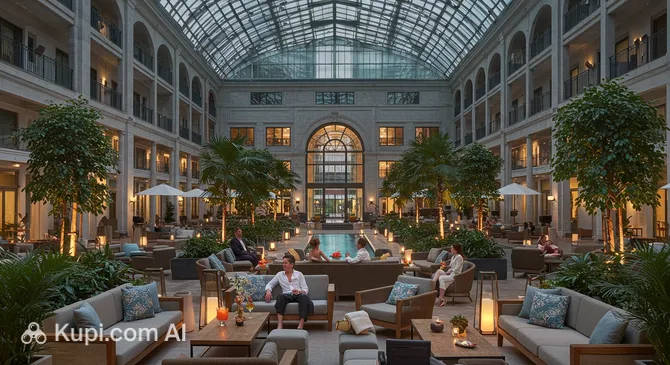
For those seeking a high-end experience in the heart of the modern city, the Grand Hyatt is a prime example of luxury. Located at Potsdamer Platz, it places guests right in the middle of the entertainment district, featuring sophisticated design and a rooftop spa with views over the skyline. It is an excellent option for travelers who value comfort and central access to both East and West Berlin.

Grand Hyatt. Source: Kupi.Binoculars

If you prefer a stay that focuses on wellness and activity slightly away from the urban rush, the Havellandhalle Resort offers a different kind of hospitality. While situated on the outskirts, it provides extensive sports facilities and a resort-style atmosphere, making it a suitable choice for visitors who want to combine their city trip with relaxation or athletic pursuits.

When planning your trip, it is highly advisable to book your accommodation well in advance, particularly if you are visiting during the peak summer months (May to September) or during major events like the Berlin Marathon or the Berlinale film festival. Prices can fluctuate significantly based on demand. Most travelers book via major online platforms for convenience and competitive rates, but booking directly with hotels can sometimes yield special offers or perks.

Nearby Cities

For those looking to explore the surroundings, Berlin serves as an excellent base for day trips to several interesting nearby locations:

One of the most essential visits is to Potsdam, the capital of Brandenburg, located just a short train ride away. Renowned as a UNESCO World Heritage site, it is famous for the magnificent Sanssouci Palace and its sprawling gardens, often compared to Versailles. Beyond the royal residences, visitors can explore the charming Dutch Quarter with its red-brick architecture and the historic Cecilienhof Palace, offering a perfect blend of history and scenic beauty.

For nature lovers, the Spreewald (Spree Forest) offers a unique escape about an hour south of the city. This UNESCO Biosphere Reserve is a labyrinth of over 200 small canals and lush meadows. The best way to explore this region is by taking a traditional punt boat tour or renting a kayak to paddle through the quiet waterways. It is also famous for its local culinary specialty, the Spreewald gherkins, which are a must-try for any visitor.

Below is a list of other towns and cities in the immediate vicinity that are easily accessible:

City Population Distance (km)
Falkensee 44280 23
Blankenfelde 28761 19
Ludwigsfelde 27658 26
Teltow 27371 16
Hohen Neuendorf 26658 19

These nearby destinations offer a glimpse into the diverse culture and landscapes of the region.

Shopping & Souvenirs

Shopping in Berlin is a diverse experience that ranges from high-end luxury boulevards to quirky vintage stores and sprawling flea markets. The city is a magnet for creatives, which is reflected in its retail scene; you can find unique local fashion labels, innovative design shops, and concept stores that you won't see anywhere else. Whether you are looking for international designer brands or a one-of-a-kind handmade souvenir, the German capital caters to every style and budget.

For a classic shopping spree, the Kurfürstendamm (often called Ku'damm) in the west is the city's most famous avenue, lined with luxury boutiques and flagship stores. In the eastern center, Alexanderplatz serves as a major hub for mainstream retail, hosting large department stores and electronics shops that attract thousands of visitors daily. It is a convenient starting point for anyone looking to find well-known international brands in one central location.

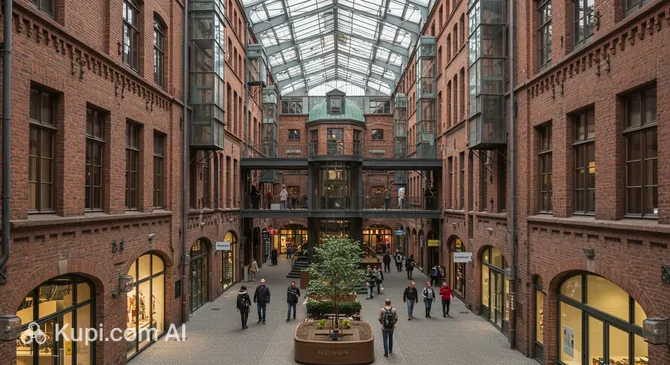
Those in search of a more atmospheric experience should head to the Hackesche Höfe near Alexanderplatz. This series of eight interconnected courtyards is a stunning example of Art Nouveau architecture and is filled with small boutiques, design shops, and galleries. It is the perfect place to find high-quality gifts, jewelry, and fashion while enjoying the historic charm of the surroundings.

Hackesche Höfe. Source: Kupi.Binoculars

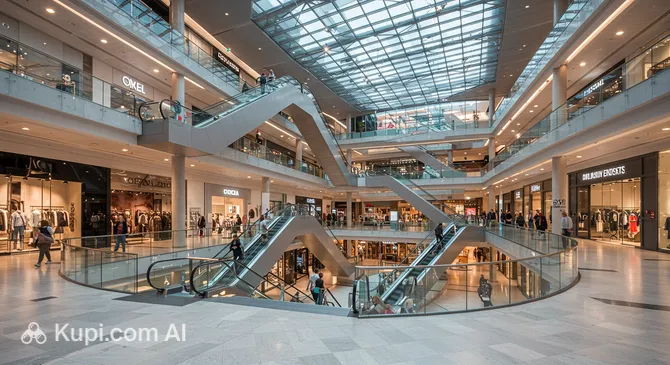
If you prefer the convenience of a modern shopping center, the Mall of Berlin near Potsdamer Platz is one of the newest and largest complexes in the city. It houses hundreds of stores, a massive food court, and offers a sleek, comfortable environment for a full day of retail therapy. Of course, no mention of shopping here would be complete without the legendary KaDeWe, the continent's largest department store, which remains a must-visit for its luxury goods and famous gourmet floor.

Mall of Berlin. Source: Kupi.Binoculars

Markets are a quintessential part of the local lifestyle. On weekends, the city comes alive with flea markets where you can hunt for vintage clothes, antiques, and vinyl records. The market at Boxhagener Platz in Friedrichshain is particularly beloved by locals for its bohemian vibe and eclectic selection of treasures. For foodies, the historic market halls, such as Markthalle Neun, offer fresh regional produce and street food events that are perfect for a midday break.

When it comes to souvenirs, skip the generic trinkets and look for something with local character. Items featuring the "Ampelmann" (the iconic hat-wearing figure from the East German traffic lights) are very popular. Certified pieces of the Berlin Wall are also a classic keepsake for history buffs. Alternatively, a bottle of local craft beer or a handcrafted Buddy Bear figurine makes for a colorful reminder of your trip.

Before you head out, keep in mind that most shops in Germany are closed on Sundays, including supermarkets and pharmacies. The only exceptions are stores located within major train stations like Hauptbahnhof. Standard opening hours are typically from 10:00 AM to 8:00 PM from Monday to Saturday. While card payments are becoming more common, many smaller boutiques and market stalls still prefer or only accept cash, so it is wise to carry some Euros with you. Visitors from outside the EU may also be eligible for VAT refunds on purchases over a certain amount, so remember to ask for a "Tax Free" form at the checkout.

Reached the end of the page?

That means the route is fully explored