Support

Strausberg

About

Welcome to Strausberg, a charming destination often referred to as "The Green City by the Lake." Nestled in the picturesque landscape of the Brandenburg region, this town offers a delightful blend of natural beauty and urban convenience. It serves as a popular retreat for those looking to escape the hustle and bustle of big cities while remaining well-connected to the surrounding areas.

Geographically, Strausberg is situated just east of Berlin, making it an accessible and attractive location for travelers exploring Germany. With a population of approximately 27,000 residents, the town maintains a cozy, community-focused atmosphere while providing ample amenities for visitors. Its setting amidst forests and lakes creates a serene climate perfect for outdoor activities throughout the year.

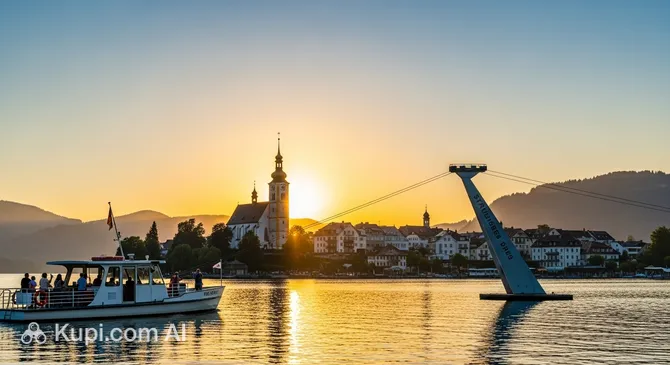
Strausberg. Source: Kupi.Binoculars

The town boasts a rich heritage that dates back to the 13th century. Visitors can stroll along the well-preserved medieval town wall, which still encircles parts of the old town, offering a tangible connection to the past. Exploring the history of Strausberg reveals fascinating stories of its development from a medieval settlement to a modern garrison town and recreational hub.

One of the city's most unique highlights is the Straussee Ferry, a historic electrically operated cable ferry that connects the town center with the forest on the opposite side of Lake Straussee. The lake itself is a centerpiece for local tourism, featuring a beautiful lakeside promenade, boat rentals, and a historic lido for swimming. Whether you are interested in hiking through the lush woodlands or enjoying a relaxing boat ride, Strausberg invites you to experience its tranquil charm and welcoming spirit.

Weather Overview

Understanding the local climate will help you pack the right gear for your trip. The weather in Strausberg is generally temperate, characterized by warm, pleasant summers and cold winters. Throughout the year, you can expect distinct seasonal changes that transform the landscape of this Brandenburg town.

During the summer months of June through August, the city experiences its warmest conditions, with average temperatures hovering around 20°C and daytime highs often reaching nearly 25°C. This is the most popular time for outdoor activities near the lake. In contrast, winters are chilly, particularly in January and February, when average temperatures drop to between 2°C and 3°C, and lows can dip near the freezing point.

Precipitation is fairly consistent year-round, so it is wise to be prepared for showers regardless of when you visit. The number of wet days typically ranges from 8 in September to 14 in December and January. Overall, visitors can expect warm summers with occasional rain and cold winters that require warm layers.

Interesting Facts

Beyond the main attractions, Strausberg holds many fascinating secrets that reveal the unique character of this historic town. From rare technical marvels to connections with space exploration, there is much more to discover here than meets the eye.

  • The Straussee Ferry is a technical rarity; it is the only cable ferry in Europe powered by an overhead trolley wire. While many ferries use cables, this "floating tram" draws its electricity directly from a suspended line, a mechanism that has been in place since 1915.

  • Strausberg has a significant connection to space exploration history as the long-time home of Sigmund Jähn, the first German cosmonaut. He lived in the city for many years, and his legacy is commemorated locally, adding a touch of cosmic history to the town.

  • Hidden within the walls of St. Mary's Church (Marienkirche) is a historical church library (Kirchenbibliothek) with roots dating back to the 16th century. This remarkable collection houses valuable ancient volumes and theological texts, preserving centuries of knowledge within the church's medieval structure.

How to Get There

Reaching this scenic town in Brandenburg is quite straightforward, thanks to its excellent integration into the regional transport network of the German capital. The most convenient and popular way to arrive is via the S-Bahn (Line S5), which provides a direct and frequent connection from Berlin. For a comprehensive guide on all available transport options, you can read more about how to get to Strausberg.

The city of Strausberg does not have its own airport, but travelers can easily fly into Berlin Brandenburg (BER), which is located in Berlin, approximately 34.2 km away. Upon arrival at this large international hub, the most efficient way to continue your journey is to take a train to a transfer station such as Berlin Ostkreuz, where you can switch to the S-Bahn Line S5 for a direct ride to Strausberg. Alternatively, a car or taxi ride from the airport generally takes around 70 minutes.

Another option for air travel is Dresden International Airport (DRS), situated in Dresden. However, this airport is significantly further, about 159.6 km from Strausberg. The journey by road from Dresden takes approximately 4 hours and 20 minutes, making it a less common choice unless you are planning a wider tour of the region.

For clarity, here is a summary of the main airports:

Airport Name City Passenger Traffic Km from City
Berlin BrandenburgBerlinHigh34.2
Leipzig/Halle AirportLeipzigMedium170.7
Dresden International AirportDresdenMedium159.6
Goleniow AirportSzczecinSmall132.5
Laage AirportRostockSmall184.8

If you prefer traveling by train, you will likely connect through the extensive rail network of the capital. While Strausberg does not have a long-distance intercity hub, you can arrive at major stations like Berlin Ostbahnhof Station (30.6 km away) or Berlin Hauptbahnhof (34.8 km away). From either of these central hubs, there is no need to take a taxi or bus; simply transfer to the S-Bahn Line S5. This commuter train offers a comfortable and direct connection, bringing you straight to the heart of Strausberg in about an hour.

Below are the nearest major railway stations:

Station City Passenger Traffic Km to Center
Berlin HauptbahnhofBerlinVery High34.8
Leipzig HauptbahnhofLeipzigHigh170.5
Berlin Ostbahnhof StationBerlinHigh30.6
Berlin Zoologischer Garten StationBerlinHigh37.6
Dresden HauptbahnhofDresdenHigh159.9

Main Attractions

Strausberg is a destination where history and nature seamlessly intertwine, offering visitors a variety of engaging sights. Whether you are a history buff, an aviation enthusiast, or simply looking for a relaxing day by the water, the city has something special to share. Here are some of the top places to explore during your visit.

Lake Straussee is undoubtedly the heart of the city's recreational life. This crystal-clear glacial lake invites tourists to enjoy swimming at the historic bathing beach, renting a boat, or simply walking along the scenic promenade. A highlight of the lake is the famous Straussee Ferry. As a rare electrically operated cable ferry, it offers a unique way to cross the water. The short journey connects the town center with the wooded area known as "Jenseits des Sees," providing a fantastic vantage point for photography enthusiasts and a convenient shortcut to nature trails.

For those interested in medieval architecture, St. Mary's Church (Marienkirche) is a must-visit landmark. Dating back to the 13th century, this early Gothic fieldstone basilica is the oldest preserved building in the city. Its massive tower dominates the skyline, and the interior houses valuable artifacts, including a historic winged altar. The church is not only a place of worship but also a cultural venue, known for its excellent acoustics which make it a favored spot for concerts.

Encircling the historic center, the City Wall (Stadtmauer) offers a tangible glimpse into Strausberg's defensive past. Significant sections of this medieval fortification have been lovingly preserved and restored. Visitors can take a pleasant walk along the perimeter path, which is lined with old trees and offers a quiet, atmospheric route. Walking here allows you to trace the boundaries of the old town while enjoying a peaceful respite from the modern streets.

Aviation fans should not miss the Flugplatz Strausberg and its associated museum. The airfield has a rich history spanning over a century, evolving from a site for glider enthusiasts to a significant military and civil aviation hub. The museum showcases a collection of aircraft, technical equipment, and exhibits that detail the development of aviation in the region. It is an educational stop that offers a deeper understanding of the technological heritage of eastern Brandenburg.

Local Cuisine

The local cuisine in Strausberg reflects the rustic and hearty character of the surrounding Brandenburg region. Given its location as the "Green City by the Lake," it is no surprise that freshwater fish plays a starring role on many menus. Visitors should definitely try dishes featuring Zander (pike-perch) or carp, often caught fresh from the local waters and served pan-fried or steamed with a side of parsley potatoes and creamy dill sauce.

Beyond seafood, the dense forests around Strausberg provide an abundance of game meat. During the cooler months, restaurants frequently offer savory dishes made with wild boar or venison, typically accompanied by red cabbage and dumplings. Another regional staple is the humble potato; a classic simple meal to look out for is potatoes with quark and linseed oil, a traditional favorite that perfectly embodies the area's down-to-earth culinary philosophy.

The dining culture here is relaxed and often centers around the picturesque Lake Straussee. Many locals and tourists flock to the lakeside restaurants and terraces to enjoy their meals with a scenic view of the water and the historic ferry. For a more casual experience, the town center offers charming bakeries where you can grab a fresh Pfannkuchen (the local term for a jelly-filled doughnut) or a slice of fruit cake to enjoy with coffee.

To accompany your meal, a locally brewed beer is the standard choice, with many establishments serving pilsners and wheat beers from regional Brandenburg breweries. If you prefer something non-alcoholic, the region is also known for its fruit juices and spritzers (Schorle), often made from apples or rhubarb grown in the nearby orchards.

Travel Tips

Planning a trip to Strausberg is generally straightforward, but having a few local insights can make your visit significantly smoother and more enjoyable. These practical tips are designed to help you navigate the "Green City" with ease, ensuring you are well-prepared for everything from forest hikes to city strolls.

  1. Clothing and Gear: Since Strausberg is known for its lakes and woodlands, pack comfortable walking shoes or hiking boots, as you will likely spend time exploring unpaved trails and cobblestone streets. The weather in Brandenburg can be changeable; bring layers, including a waterproof jacket, even in summer. If you are visiting from outside Europe, remember to bring a Type F power adapter (standard European two-pin plug) for your electronics.

  2. Transportation: The city is well-connected and easy to navigate without a car. The S-Bahn (Line S5) is your main link to Berlin, while the local Tram line 89 connects the train station to the town center and is a convenient way to get around. For crossing Lake Straussee, use the historic ferry. Ride-hailing apps are less common here than in Berlin, so rely on the reliable public transport or local taxi services if needed.

  3. Finances: The local currency is the Euro (€). While supermarkets and hotels usually accept credit cards, Germany is still very much a cash-based society, especially in smaller towns. You will need cash for the ferry, small bakeries, ice cream stands, and some local restaurants. ATMs are readily available in the town center, so it is wise to withdraw some cash upon arrival.

  4. Health and Safety: Strausberg is a very safe destination for tourists. Pharmacies, marked by a red "A" (Apotheke), are well-stocked, though they may close on Saturday afternoons and Sundays (look for the "Notdienst" sign for emergency services). If you plan to hike in the surrounding forests, be mindful of ticks, especially in spring and summer; wearing long pants and using repellent is recommended.

  5. Communication: The primary language is German. While younger people and staff at major tourist sites often speak English, it is not as universally spoken as in central Berlin. Learning a few basic phrases like "Guten Tag" (Good day) and "Danke" (Thank you) is highly appreciated by locals. Free Wi-Fi is available in some public spots, but buying a prepaid SIM card at a local supermarket is a good idea for reliable connectivity.

  6. Local Etiquette: Germans value order and punctuality. When entering a small shop or waiting room, it is polite to greet everyone with a general "Hallo." Sundays are traditionally "quiet days" (Ruhetag), meaning loud noises should be avoided, and most shops will be closed. In restaurants, service is not included in the bill; a tip of around 5-10% is customary if you were satisfied with the service.

  7. What to Avoid: Do not walk in the designated bicycle lanes. Cyclists in Germany can be fast and expect pedestrians to stay on the sidewalk; stepping into the bike lane is considered rude and can be dangerous. Additionally, avoid jaywalking; wait for the green signal at crosswalks, as locals set a strict example, especially when children are present.

  8. Shopping Hours: Be aware that shop opening hours in Strausberg are more limited than in large metropolises. Most retail stores close by 6:00 PM or 8:00 PM on weekdays and may close as early as 1:00 PM or 4:00 PM on Saturdays. Almost all shops, except for bakeries and gas stations, are closed on Sundays, so plan your grocery shopping accordingly.

By keeping these practical points in mind, you can focus on relaxing and soaking up the unique atmosphere of this lakeside town. Whether you are here for the history or the nature, a little preparation goes a long way toward a perfect holiday in Strausberg.

Entertainment & Nightlife

Strausberg offers a nightlife experience that is distinctly more relaxed and community-focused than the high-energy scene of the nearby capital. Instead of a dense district of nightclubs, the town's evening entertainment centers around specific venues, cultural events, and cozy gatherings. The atmosphere here is friendly and casual, making it easy to strike up a conversation with locals while enjoying a laid-back night out.

The primary destination for events and parties is the Volkshaus Strausberg, located in the Strausberg Nord district. This cultural venue serves as the town's entertainment hub, regularly hosting live concerts, dance nights, and popular themed parties such as "Ü30" gatherings or rock music nights. It is the best spot in town to catch a show or dance in a lively environment. For a more interactive evening, the Bowling Tower Strausberg is a local favorite. This facility combines sport with leisure, offering bowling lanes, billiards, and a bar area where you can enjoy drinks and snacks well into the night.

For a quieter ambiance, the historic Old Town (Altstadt) and the area surrounding Lake Straussee are ideal. While you will not find rowdy bar strips, there are several inviting restaurants and traditional pubs (Kneipen) where you can enjoy a freshly tapped German beer or a glass of wine. During the summer, the lakeside terraces come alive, offering a picturesque setting to watch the sunset and enjoy the warm evening air in peace.

Travelers seeking a world-class clubbing experience often use Strausberg as a tranquil base while taking advantage of its excellent transport links. The S-Bahn Line S5 connects the town directly to Berlin, running late at night and 24 hours on weekends. This allows you to easily access the famous techno clubs and bars of the capital and return to the safety and quiet of Strausberg to recharge.

When planning your night out, keep in mind that public transport within the town, such as the tram, runs less frequently in the late evening. It is advisable to check the schedule in advance. Strausberg is generally very safe for night walks, but if you need a ride home after hours, pre-booking a taxi is recommended as they are not always waiting at stands. Most venues have a casual dress code, so comfortable attire is perfectly acceptable.

During the day, the town offers a different variety of entertainment. Active visitors can test their agility at the Climbing Forest (Kletterwald), a high ropes course nestled in the local woodlands that provides fun for all ages. Alternatively, you can explore the town's aviation history at the airfield museum or simply enjoy a relaxing afternoon renting a boat to drift across the serene waters of Lake Straussee.

Parks & Museums

Strausberg offers a delightful balance between immersive natural experiences and cultural discovery. As a city nestled in the heart of the Brandenburg countryside, it provides visitors with extensive green spaces that seamlessly blend into the urban environment, alongside museums that preserve its unique heritage as a garrison and aviation town.

For nature lovers, the area surrounding Lake Straussee acts as the city's primary recreational park. The lakeside promenade is beautifully landscaped, offering a manicured green space perfect for leisurely strolls, picnics, and enjoying views of the water. Just across the lake, accessible by the famous ferry, lies the expansive Strausberg Forest. This area, known locally as "Jenseits des Sees," transforms into a dense woodland paradise with miles of hiking and cycling trails. It is a favorite escape for locals seeking tranquility and fresh air, feeling worlds away from the town center.

Another significant green belt is the parkland accompanying the historic City Wall. The promenade that follows the medieval fortifications has been turned into a scenic circular route lined with old trees and grassy banks. Walking here offers a unique mix of history and nature, allowing you to admire the ancient fieldstone architecture while enjoying the peaceful atmosphere of a city park. It is particularly beautiful in autumn when the foliage turns vibrant shades of orange and gold.

On the cultural front, the Flugplatzmuseum Strausberg (Airfield Museum) is a standout attraction for technology enthusiasts. Located at the historic airfield, this museum documents over 100 years of aviation history in the region. The outdoor and indoor exhibits feature a collection of gliders, powered aircraft, and technical equipment. It provides fascinating insight into the evolution of flight and the specific role Strausberg played in the development of soaring and military aviation.

To delve deeper into the local heritage, a visit to the Strausberg Museum is highly recommended. Housed in a historic building, this local history museum showcases the town's development from the 13th century to the present day. The exhibits cover a wide range of topics, including the town's medieval origins, its time as a garrison city, and the daily life of its citizens through the centuries. It is an excellent place to understand the cultural identity of the region.

For a more rustic and interactive cultural experience, the Kinderbauernhof Roter Hof is a hidden gem worth exploring. This educational farm and petting zoo focuses on traditional rural life and nature conservation. It is not just for children; visitors of all ages can learn about old domestic animal breeds and regional agriculture. The facility often hosts small festivals and markets, offering an authentic taste of the Brandenburg countryside lifestyle away from the main tourist paths.

Getting Around

Navigating Strausberg is convenient and efficient, thanks to its seamless integration into the comprehensive VBB (Verkehrsverbund Berlin-Brandenburg) transport network. The backbone of the city's public transit is the S-Bahn (suburban train), specifically Line S5. This line runs frequently and connects the four local stations—Strausberg Vorstadt, Hegermühle, Strausberg Stadt, and Strausberg Nord—providing a direct link to the heart of Berlin. For most tourists arriving by train, Strausberg Vorstadt serves as the main gateway, where you can easily transfer to other local modes of transport.

Complementing the train service is the historic Strausberg Tram (Line 89). This tramline is a vital artery for the town, shuttling passengers between the main railway station at Strausberg Vorstadt and the historic city center (Lustgarten). It is a reliable and scenic way to travel, passing through residential areas and offering glimpses of the surrounding greenery. In addition to the tram, a network of regional buses covers the neighborhoods and outlying areas that are not directly served by the rail lines, ensuring that even the quieter corners of the city are accessible.

One of the city's most distinctive transport features is the Straussee Ferry (Line F39). Far more than just a tourist attraction, this is a functioning part of the public transit system. It is unique in Europe as an electrically operated cable ferry powered by an overhead trolley wire. The ferry carries passengers across Lake Straussee, connecting the town center with the forest promenade on the opposite bank. It operates year-round, though schedules vary by season, and offers a charming, leisurely alternative to walking around the lake.

The ticketing system is unified under the VBB tariff, meaning a single ticket can be used across trains, trams, buses, and the ferry. Strausberg is located in Tariff Zone C relative to Berlin. If you are traveling from the capital, a "Berlin ABC" ticket covers your entire journey and local travel within Strausberg. For travel solely within the town and its immediate surroundings, cheaper local tickets are available. You can purchase tickets at multilingual vending machines located at S-Bahn stations, from ticket machines inside the trams, or via mobile apps like the VBB Bus & Bahn or DB Navigator app.

A crucial piece of advice for visitors is to remember to validate your ticket before your journey begins. If you buy a paper ticket from a machine that does not pre-stamp it, you must insert it into the red or yellow validation boxes found on platforms or inside trams and buses. Failure to do so can result in a fine. Public transport generally runs from early morning until late at night, but the frequency of the tram and bus services decreases in the evenings and on weekends, so it is wise to check the timetable if you plan a late night out.

For those who prefer alternatives to public transit, cycling is a highly popular and practical option. The town is bike-friendly, with dedicated paths and scenic routes through the forests and along the lake. While Strausberg does not have the extensive car-sharing availability found in larger metropolises, local taxi services are reliable. However, unlike in big cities, you cannot usually hail a cab on the street; it is best to locate a designated taxi stand at the train station or call a local company in advance to book a ride.

Accommodation

Finding the perfect place to stay in Strausberg is relatively easy, as the town offers a range of accommodation options that cater to different preferences and budgets. Unlike the sprawling hospitality landscape of a major metropolis, the selection here is more intimate, characterized primarily by mid-range hotels, family-run guesthouses (known locally as Pensionen), and comfortable vacation apartments. While you will not find large international luxury hotel chains, the local establishments pride themselves on personal service and a cozy, authentic atmosphere.

The most popular area for tourists is undoubtedly the vicinity of Lake Straussee and the historic Old Town (Altstadt). Staying in this part of the city places you within walking distance of the scenic lakeside promenade, the ferry, and the main dining spots. Accommodation here often offers beautiful views of the water or the medieval city wall, making it an ideal choice for leisure travelers who want to be in the center of the action. For those planning to commute frequently to Berlin or explore the wider region, looking for lodging near the Strausberg Vorstadt railway station can be a practical alternative, offering quick access to the S-Bahn network.

Travelers seeking a more independent experience will find a good selection of holiday rentals and apartments. These are particularly suitable for families or those planning an extended stay, offering the convenience of a kitchen and more living space. Many of these rentals are tucked away in the quieter residential neighborhoods or near the forest edge ("Jenseits des Sees"), providing a peaceful retreat surrounded by nature.

In terms of pricing, accommodation in Strausberg is generally more affordable than in nearby Berlin. Most options fall into the budget to mid-range category. However, because the town is a popular summer destination for swimming and hiking, availability can tighten during the warm months. It is highly recommended to book your room well in advance if you plan to visit between June and August. While major hotels can be booked via standard online platforms, some smaller guesthouses may still prefer direct inquiries via email or phone.

Nearby Cities

For those looking to explore the surroundings, Strausberg serves as an excellent base for day trips to several interesting nearby locations:

City Population Distance (km)
Berlin447310132
Eberswalde4110331
Königs Wusterhausen3828335
Fuerstenwalde3212025
Blankenfelde2876140

Located just a short journey away, Berlin is the most prominent destination for visitors. As the capital city, it offers an unparalleled mix of history, culture, and modern life. From the iconic Brandenburg Gate to world-class museums on Museum Island, there is enough to fill many days of exploration. Since Strausberg is directly connected to the metropolis via the S-Bahn, travelers can easily enjoy the vibrant city atmosphere and return to the tranquility of the lakeside by evening.

To the north lies Eberswalde, often referred to as the "Forest City." It is a fantastic option for nature lovers and families, primarily due to the famous Eberswalde Zoo, which is widely considered one of the most beautiful small zoos in the country. The town also features rich industrial heritage sites and the historic Finow Canal, offering a different but equally engaging experience compared to the capital.

Another fascinating spot is Königs Wusterhausen, situated to the south. This town is steeped in history, best known for its Renaissance hunting palace, which provides insight into the royal past of the region. It also holds a unique place in technological history as the site of Germany's first radio transmission, a legacy celebrated at the local transmission and radio technology museum on the Funkerberg.

These nearby destinations offer a glimpse into the diverse culture and landscapes of the region.

Shopping & Souvenirs

Shopping in Strausberg offers a relaxed and convenient experience that stands in contrast to the frantic pace of large metropolises. While the town is not primarily known as a high-end fashion destination, it provides a solid selection of retail options that cater to both daily needs and leisure shopping. Visitors can expect a mix of modern retail centers and smaller, owner-operated boutiques that reflect the friendly, community-oriented atmosphere of the Brandenburg region.

For those who enjoy strolling through historic settings, the Old Town (Altstadt) is the most charming place to start. The main thoroughfare here is the Große Straße, a pedestrian-friendly street lined with renovated historic buildings. In this area, you will find a variety of small shops, including bookstores, florists, opticians, and fashion boutiques. It is also the perfect spot to take a break at a local bakery or café while window shopping in a picturesque environment.

When it comes to more extensive retail needs, the Handelscentrum Strausberg is the undisputed hub of the city's commercial activity. Located in the northern part of the town, this is the largest shopping center in the region. It houses a wide range of stores, from major supermarkets and electronics retailers to well-known clothing chains and drugstores. With ample parking and a variety of services under one roof, it serves as the primary go-to spot for locals and visitors alike looking for a comprehensive shopping trip.

For a taste of local flavor, the town's markets are worth a visit. The Weekly Market (Wochenmarkt) is a staple of local life, typically held in the Old Town or near the Handelscentrum on specific weekdays. Here, regional vendors sell fresh fruits, vegetables, meats, and cheeses produced in the surrounding countryside. It is an excellent opportunity to buy fresh snacks or simply observe the daily rhythm of the local community.

If you are looking for souvenirs to take home, focus on regional products that highlight the culinary heritage of the area. Brandenburg is famous for its sea buckthorn (Sanddorn) products, such as oils, jams, and liqueurs, which are often available in local specialty shops. Another popular choice is locally produced honey or the famous pickled gherkins from the nearby Spreewald region, which are widely sold in delis and supermarkets throughout the town. Items featuring the iconic Straussee Ferry also make for unique and specific keepsakes.

Store opening hours in Strausberg generally follow the standard German pattern. Most shops in the Handelscentrum and the Old Town open around 9:00 AM or 10:00 AM and close between 6:00 PM and 8:00 PM on weekdays. On Saturdays, smaller shops often close earlier, around 1:00 PM or 4:00 PM, while larger supermarkets may stay open longer. It is important to remember that nearly all shops are closed on Sundays, with the exception of some bakeries at the train stations.

Regarding payment, while major supermarkets and stores in the shopping mall readily accept credit and debit cards (Visa, Mastercard), cash is still widely used and sometimes preferred in smaller boutiques, cafés, and market stalls. It is advisable to carry some Euros with you when exploring the Old Town. For travelers residing outside the European Union, tax-free shopping is available in participating stores that display the "Global Blue" or "Tax Free" signage, allowing you to reclaim VAT on larger purchases upon leaving Germany.
Reached the end of the page?

That means the route is fully explored