Support

Leipzig

About

Leipzig is a dynamic and culturally rich metropolis that has long been a center for trade, music, and learning. Often referred to as a "City of Music" or a "City of Heroes," it boasts a unique atmosphere where historical grandeur meets a youthful, creative energy. As the largest city in the federal state of Saxony, it serves as a significant economic and cultural hub in eastern Germany.
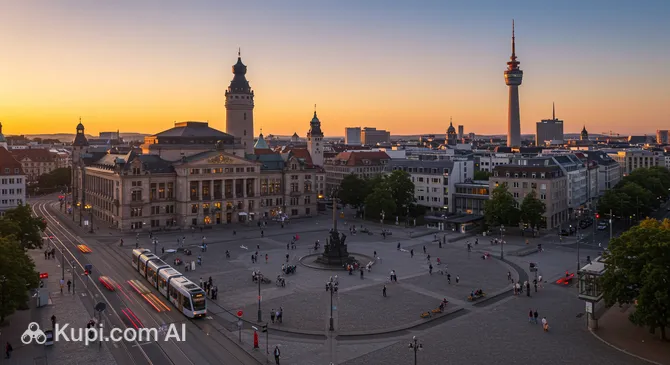
Leipzig. Source: Kupi.Binoculars

Geographically, the city is situated in the Leipzig Bay, at the confluence of the White Elster, Pleisse, and Parthe rivers. With a population of over 615,000 inhabitants, it is a bustling urban center that still maintains plenty of green spaces and parks. The climate is generally temperate, offering distinct seasons that transform the cityscape throughout the year, from blooming springs to cozy, festive winters.

The history of Leipzig is deeply intertwined with European commerce and the arts. For centuries, it has hosted one of the world's oldest trade fairs and has been the home of celebrated figures such as Johann Sebastian Bach and Felix Mendelssohn. Walking through the city streets, visitors can sense the legacy of the peaceful revolution of 1989, which played a pivotal role in the reunification of the country.

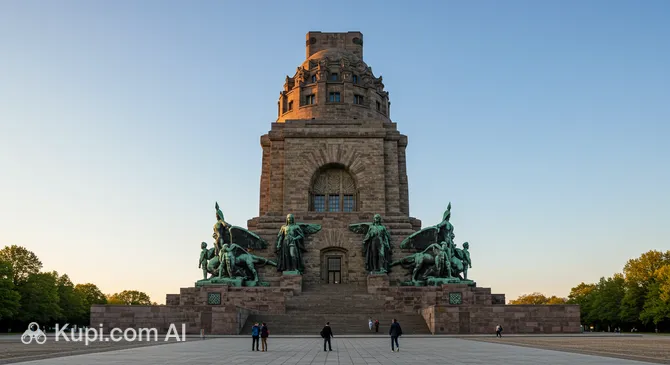
Travelers are drawn to iconic landmarks such as the St. Thomas Church, where Bach served as cantor, and the imposing Monument to the Battle of the Nations, which commemorates a historic 19th-century battle. The city center is dominated by the Renaissance-style Old Town Hall and a network of beautiful historic arcades that invite exploration. Whether you are an admirer of classical music, architecture, or simply enjoy vibrant city life, Leipzig offers a memorable experience for every visitor.
Weather Overview

Leipzig experiences a temperate climate characterized by distinct seasons, ranging from warm, pleasant summers to cold, crisp winters. Understanding the weather in Leipzig can help you pack appropriately, as conditions vary significantly throughout the year.

The summer months of June, July, and August are generally the most popular time for visitors. During this period, average temperatures sit comfortably between 19.2°C and 20.4°C, with daily highs reaching up to 25.2°C in August. While this season offers the best conditions for outdoor activities, it is wise to be prepared for showers, as there are typically around 10 to 11 wet days per month.

Winters are much cooler, particularly in December and January, when average temperatures drop to around 2.8°C to 3.6°C. Nights can be chilly with minimums hovering near 0.6°C. This season is also quite damp, with January and December seeing up to 15 wet days each. Overall, you can expect warm summers with occasional rain and cold, damp winters, making layers essential for travel during the colder months.

Interesting Facts

Beyond the main attractions, Leipzig holds many fascinating secrets and historical quirks that often escape the casual observer. From literary legends to record-breaking structures, the city is full of surprises waiting to be discovered.

  • The famous German writer Johann Wolfgang von Goethe studied in the city and affectionately nicknamed it "Little Paris" due to its elegance and culture. He even immortalized a local wine cellar in his renowned play Faust, a site you can still visit today within the historic Mädler Passage.

  • Leipzig is home to one of the most massive war memorials in Europe. The Monument to the Battle of the Nations stands an impressive 91 meters tall and commemorates the decisive defeat of Napoleon in 1813, offering a viewing platform with panoramic views of the region.

  • Although Johann Sebastian Bach is now synonymous with the city, he was famously the town council's third choice for the prestigious position of cantor at St. Thomas Church. He was hired only after two other preferred candidates declined, yet he went on to define the musical history of the world from this very spot.

  • You can experience a tropical climate in the middle of Saxony at Gondwanaland. Located within the local zoo, this is one of the world's largest indoor rainforest halls, featuring a boat river ride and exotic wildlife living in a temperature-controlled giant dome.

Monument to the Battle of the Nations. Source: Kupi.Binoculars

How to Get There

Leipzig is well-connected to the rest of Germany and Europe, making it an accessible destination for travelers. Whether you prefer flying or taking the train, there are convenient options to suit your itinerary. You can read more about how to get to Leipzig and plan your journey in detail.

The most direct way to arrive by air is via Leipzig/Halle Airport (IATA: LEJ). This international airport serves the region and is conveniently located just 14 km from the city center. A taxi or train ride from here is quick, typically taking about 15 to 30 minutes. For a wider range of international connections, many travelers choose Berlin Brandenburg (IATA: BER). Although located in the capital approximately 138 km away, the journey to Leipzig is efficient, taking roughly 1.5 to 2 hours by train or car. Another viable option is Dresden International Airport (IATA: DRS), situated about 100 km away, which is generally a 1-hour drive or train ride from the city.

For clarity, here is a summary of the main airports:

Airport Name City Passenger Traffic Km from City
Berlin Brandenburg Berlin Large 137.8
Vaclav Havel Airport Prague Prague Large 191.7
Leipzig/Halle Airport Leipzig Medium 13.9
Dresden International Airport Dresden Medium 100.0
Erfurt Airport Erfurt Small 106.8

Traveling by train is an excellent way to reach the city, as Leipzig Hauptbahnhof is one of the largest and most impressive railway stations in Europe. Located directly in the heart of Leipzig, it serves as a major hub with extensive connections, handling millions of passengers annually. If you are arriving from the direction of the capital, you might pass through Berlin Zoologischer Garten Station, which is about 146 km away. However, for a direct arrival, Leipzig's main station is the primary and most convenient terminus.

Below is an overview of the nearest major railway stations:

Station City Passenger Traffic Km to Center
Leipzig Hauptbahnhof Leipzig Very High 14.0
Berlin Zoologischer Garten Station Berlin High 145.7
Dresden Hauptbahnhof Dresden High 100.3
Erfurt Hauptbahnhof Erfurt High 102.0
Eisenach Hauptbahnhof Eisenach Medium 148.4

Main Attractions

Leipzig is a city brimming with cultural heritage and architectural beauty, offering visitors a wide range of fascinating places to explore. From historic churches that shaped world history to immersive modern art installations, the city's attractions cater to diverse interests.

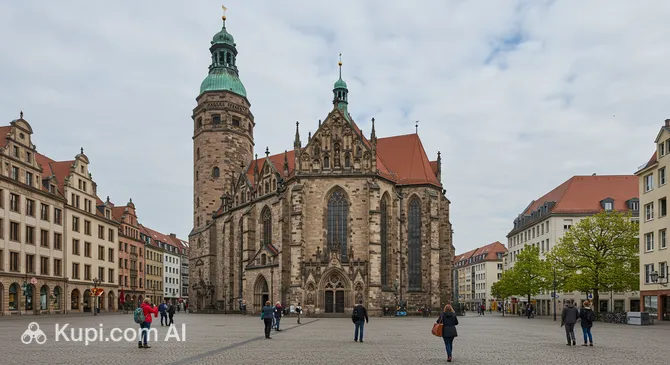
One of the most significant spiritual and historical sites is the St. Nicholas Church. Founded in the 12th century, it features a mix of Romanesque and Gothic architecture on the outside, while the interior boasts a stunning neoclassical design with palm-tree-like columns. This church became world-famous in 1989 as the starting point for the peaceful Monday Demonstrations, which played a crucial role in the reunification of Germany.

St. Nicholas Church. Source: Kupi.Binoculars

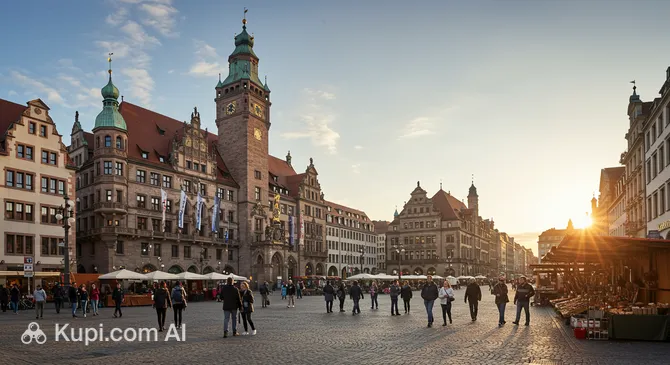
The beating heart of the city is the Leipzig Market Square. This expansive cobblestone square is a lively center for local life, hosting weekly farmers' markets and the celebrated Christmas market. Dominating the eastern side of the square is the magnificent Renaissance-style Leipzig Museum of City History, Old Town Hall. With its impressive length and beautiful tower, it is considered one of the most beautiful Renaissance buildings in the country and offers a deep dive into Leipzig's civic past.

Leipzig Market Square. Source: Kupi.Binoculars

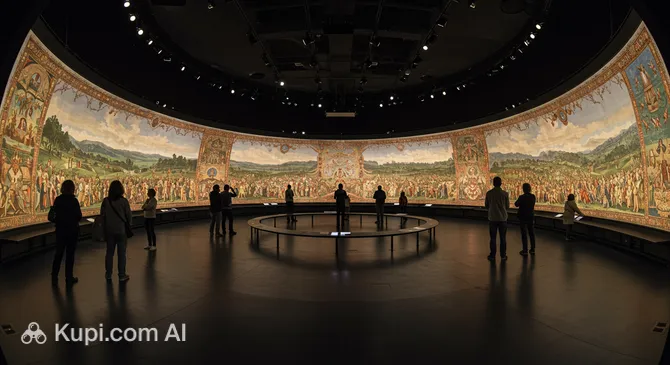
For a truly unique visual experience, travelers should visit the Leipzig Panometer. Housed in a former gasometer, this attraction features colossal 360-degree panoramic artworks by Yadegar Asisi. The themes change periodically, ranging from the Amazon rainforest to historic cityscapes, allowing visitors to immerse themselves completely in different worlds through the sheer scale and detail of the imagery.

Leipzig Panometer. Source: Kupi.Binoculars

Music enthusiasts will find the Bach Museum Leipzig to be an essential stop. Located in the historic Bose House, just opposite the St. Thomas Church, the museum is dedicated to the life and work of Johann Sebastian Bach. Through interactive exhibits and original manuscripts, visitors can gain a deeper understanding of the great composer's time in the city and his lasting musical legacy.

Local Cuisine

Leipzig’s culinary scene is a delightful reflection of its Saxon heritage, offering a mix of hearty traditional meals and a historic coffee house culture that rivals Vienna. The local food is characterized by rich flavors and substantial portions, perfect for refueling after a day of sightseeing. Visitors will find a variety of dining options, from centuries-old taverns to vibrant modern eateries.

A true signature dish of the city is the Leipziger Allerlei. While it is sometimes served as a simple vegetable side elsewhere, the authentic local version is a delicacy. It typically consists of a blend of young peas, carrots, asparagus, and morels, often enriched with crayfish tails and semolina dumplings. Another culinary icon is the Leipziger Lerche, a sweet treat that dates back to the 18th century. This shortcrust pastry, filled with a mixture of crushed almonds and strawberry jam, was originally created to replace the actual lark pies that were once a popular delicacy before the hunting of songbirds was banned.

When it comes to local drinks, adventurous travelers should try Gose, a top-fermented beer that originated in the nearby town of Goslar but found its home in Leipzig. It is known for its refreshing, slightly sour, and salty taste, often seasoned with coriander. For a relaxed evening enjoying such local brews, you might visit the Substanz Beer Garden & Pub, which offers a great atmosphere to mingle with locals.

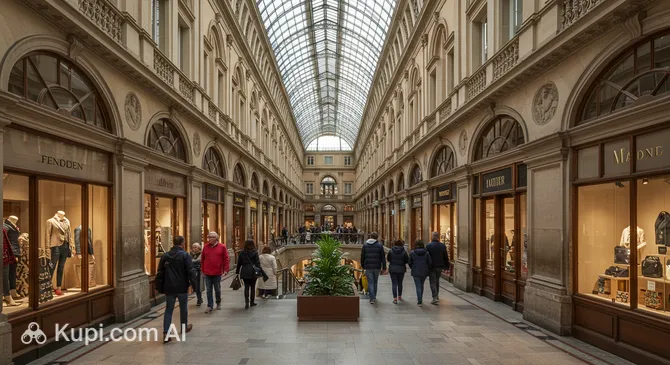
The dining experience in Leipzig is often enhanced by the stunning architecture of its venues. Many of the city's most famous restaurants are located within historic arcades, such as the magnificent Mädler Passage. This arcade is home to the legendary Auerbachs Keller, a restaurant immortalized by Goethe in his play Faust, where you can enjoy classic Saxon cuisine in a historic cellar setting.

Mädler Passage. Source: Kupi.Binoculars

Travel Tips

Welcome to Leipzig! To ensure your visit to this dynamic Saxon metropolis is as enjoyable and stress-free as possible, we have compiled a list of essential practical advice. From navigating the efficient tram network to understanding local customs, these tips will help you travel like a knowledgeable local.

  1. Clothing and Gear: The weather here can be changeable, so dressing in layers is the best strategy regardless of the season. Summers are generally warm but can have cool evenings, while winters require a warm coat, scarf, and gloves. Since the city center features many historic cobblestone streets, pack comfortable, sturdy walking shoes. Don't forget a standard European Type F power adapter (2-pin) for your electronics.

  2. Transportation: You will likely not need a car, as the city boasts an excellent public transport system operated by the LVB. The extensive tram network is the most convenient way to get around, complemented by buses and the S-Bahn for faster connections to the outskirts. Tickets can be purchased at machines or via apps like LeipzigMOVE; remember to validate paper tickets immediately upon boarding. Taxis are available but are significantly more expensive than public transit.

  3. Finances: The local currency is the Euro (€). While credit cards and mobile payments are widely accepted in hotels and larger stores, Germany remains somewhat cash-reliant compared to other countries. Always carry some cash (Bargeld) for small cafes, bakeries, or ticket machines. For tipping, it is customary to round up the bill or add about 5-10% directly when paying, rather than leaving money on the table.

  4. Health and Safety: Leipzig is generally a very safe city for travelers. Pharmacies are marked with a large red "A" (Apotheke); if you need urgent medication outside regular hours, look for a sign on the door indicating the nearest emergency service (Notdienst). For medical emergencies, dial 112. While the city is safe, it is always wise to keep an eye on your belongings in crowded areas like the main train station.

  5. Communication: The official language is German. While English is widely spoken by younger people and in tourism sectors, learning a few basic phrases like "Guten Tag" (Good day) and "Danke" (Thank you) is considered polite and is well-received. Free Wi-Fi is available in the city center and many cafes. Prepaid SIM cards can be bought at supermarkets, though registration requires a passport.

  6. Local Etiquette: Politeness and order are valued here. A friendly greeting is common when entering small shops. On escalators, always stand on the right to let others pass on the left. Be aware that Sundays are quiet days; noise should be kept to a minimum in residential areas, and loud behavior is generally frowned upon.

  7. What to Avoid: Do not walk in the designated bicycle lanes, which are often paved in red or marked on the sidewalks. Cyclists in Leipzig ride quickly and rely on these lanes being clear; blocking them is a major annoyance and can be dangerous. Also, avoid crossing the street on a red light, as locals strictly adhere to traffic signals, especially when children are nearby.

  8. Additional Tip: Keep in mind that Sunday is a rest day, meaning almost all shops, supermarkets, and pharmacies are closed. If you need to buy groceries or essentials on a Sunday, head to the Promenaden Hauptbahnhof (Central Railway Station), where many stores remain open to serve travelers.

Armed with these practical tips, you are ready to explore the charming streets and rich culture of Leipzig with confidence. Enjoy the local hospitality, savor the unique atmosphere, and have a wonderful journey in this vibrant city!

Entertainment & Nightlife

Leipzig boasts a vibrant and diverse nightlife scene that has earned it a reputation as one of the coolest cities in Germany. Often driven by its large student population and creative community, the city comes alive after dark with a mix of gritty industrial clubs, cozy pubs, and stylish cocktail bars. The atmosphere is generally relaxed and unpretentious, welcoming everyone from techno enthusiasts to lovers of live jazz.

The most famous nightlife mile is undoubtedly the Karl-Liebknecht-Straße, affectionately known as "KarLi," located in the Südvorstadt district. This street is lined with countless bars, street food spots, and late-night cafés, making it the perfect starting point for a night out. For a more alternative and artistic vibe, head to the Plagwitz district in the west, particularly around Karl-Heine-Straße, where former factories have been transformed into cultural venues and clubs. Conversely, Gottschedstraße in the city center offers a slightly more upscale setting, ideal for theatergoers and those seeking a chic evening drink.

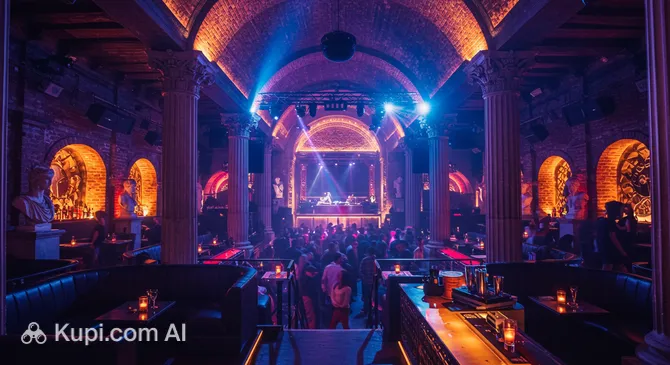
If you are looking for a sophisticated night out, Imperii is a top recommendation. Located near the central station, this venue blends the style of a classic bar with modern club culture, serving high-quality cocktails in an elegant setting. It is a great spot to start the evening before moving on to louder venues.

Imperii. Source: Kupi.Binoculars

For those who prefer a mix of culture and partying, Horns Erben offers a unique experience. This venue hosts everything from theater performances and concerts to lively club nights, all within a building that has a rich history. The dress code in Leipzig is predominantly casual; you will fit in wearing jeans and sneakers almost anywhere, although some upscale bars might appreciate a "smart casual" look.

Practicalities for a night out are straightforward. The party often starts late, with clubs filling up around 1:00 AM, but bars are busy from the early evening. Prices are generally moderate compared to other major German cities. Getting around is easy thanks to the "Nightliner" service—a network of night buses and trams that run regularly on weekends. Taxis are also readily available and can be hailed on the street or via mobile apps. Leipzig is considered very safe for night walks, though standard precautions with personal belongings should be observed in crowded areas.

While the nights are exciting, the city also offers plenty of entertainment during the day. Beyond the classical museums, thrill-seekers and families can visit JUMP House Leipzig, a massive trampoline park that provides active fun for all ages. Whether you are exploring the industrial charm of Plagwitz by day or dancing on the KarLi by night, the city offers a dynamic range of activities to keep you entertained.

Parks & Museums

Leipzig is a city that breathes through its extensive green spaces and expresses its soul through a diverse array of museums and galleries. Visitors will find a perfect balance between relaxing in nature and exploring the rich cultural tapestry that defines this Saxon metropolis.

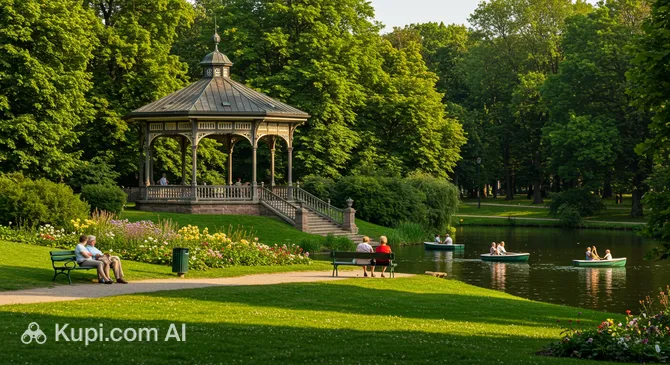
One of the most beloved green areas is Clara Zetkin Park, which serves as the city's green heart connecting the northern and southern districts. It is a favorite spot for locals to jog, picnic, or simply unwind. Within the park, the Saxony Bridge acts as a vibrant social hub where musicians and artists often gather, creating a lively atmosphere over the Elster flood bed.

Clara Zetkin Park. Source: Kupi.Binoculars

For those seeking a more immersive nature experience, the Leipzig Riverside Forest is a remarkable natural treasure. As one of the largest continuous floodplain forests in Central Europe, it stretches right through the city, offering miles of cycling and hiking paths under a canopy of ancient trees. Nearby, the historic Rosental Park provides a grand, open landscape that leads directly to the famous "Zoo Window," where you can catch a glimpse of the animals from the outside.

Art lovers should not miss the Museum of Fine Arts Leipzig (MdbK). Housed in a striking modern glass cube, this museum holds a comprehensive collection ranging from the Middle Ages to contemporary works, with a special focus on the "New Leipzig School" of painting. It is an architectural highlight as much as a cultural one, reflecting the city's modern ambitions.

Museum of Fine Arts Leipzig. Source: Kupi.Binoculars

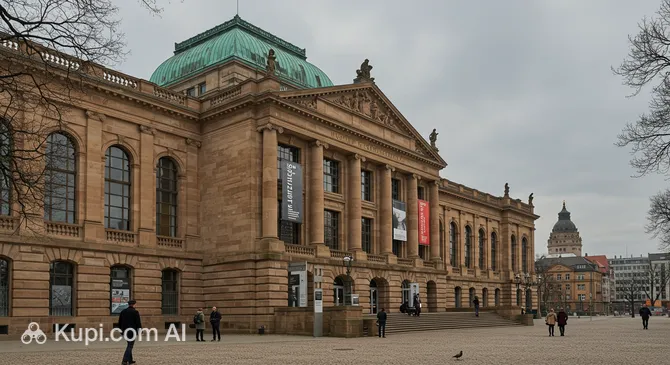
Another key institution is the Grassi Museum of Applied Arts, located within the magnificent Art Deco Grassi building complex. It houses one of the most significant collections of design and craftsmanship in Europe, spanning antiquity to the present day. For history buffs, the Forum of Contemporary History Leipzig offers a poignant and well-curated look at the history of political division and reunification in Germany, providing crucial context to the city's role in the Peaceful Revolution.

Beyond the central museums, the city's architectural heritage is on full display at the Gohlis Palace. This beautifully preserved Rococo summer residence invites visitors to explore its ornate rooms and enjoy classical concerts in a regal setting. In contrast to this baroque elegance, the Leipzig Cotton Spinning Mill (Spinnerei) represents the city's industrial transformation. Once the largest cotton mill in continental Europe, it is now a thriving creative city within a city, hosting numerous galleries and studios.

For a quiet escape, the Leipzig Botanical Garden is the oldest of its kind in Germany and offers a serene environment filled with diverse plant species. If you are traveling with family or enjoy local wildlife, a trip to the Leipzig Wildlife Park in the southern floodplain forest allows you to observe native animals like bison and wild boars in their natural habitat.

Getting Around

Navigating Leipzig is remarkably easy and efficient, thanks to a comprehensive public transport system operated by the Leipziger Verkehrsbetriebe (LVB). The backbone of the network is the extensive tram system, identifiable by its yellow and blue vehicles, which covers almost every corner of the city. These trams are complemented by a dense network of buses that serve the suburbs and areas not reached by rail. For faster connections across the city and to the surrounding region, the S-Bahn Mitteldeutschland utilizes the modern City Tunnel, acting effectively as an underground metro system beneath the city center.

For most tourists, the entire city falls within a single fare zone, known as Zone 110. The ticketing system is integrated, meaning one ticket is valid for trams, buses, and the S-Bahn within this zone. Travelers can choose from various options, including single-trip tickets, short-trip tickets (for up to four stops), and the highly recommended 24-hour passes, which offer unlimited travel for one person or a small group. Tickets can be purchased at the orange or silver vending machines located at most stops, directly from the driver on buses (cash only), or conveniently via mobile apps like LeipzigMOVE or MOOVME.

A crucial detail for visitors to remember is the validation process. If you purchase a physical paper ticket from a machine or a shop, you must stamp it immediately upon boarding the tram or bus using the orange boxes located inside the vehicle or on the platform for trains. Failure to validate your ticket can result in a hefty fine during inspections. If you use a mobile app, your ticket is usually valid immediately upon purchase, so be sure to buy it before you board.

The transport network operates reliably from the early morning, around 4:00 AM, until shortly after midnight. For those enjoying the city's nightlife, the "Nightliner" service takes over in the late hours. These night buses and trams, distinguishable by the "N" in their line number, typically depart from the central station (Hauptbahnhof) at regular intervals, ensuring you can get back to your accommodation safely even after the regular schedule ends.

While public transport is excellent, Leipzig is also famous for being an incredibly bike-friendly city due to its flat terrain and extensive parklands. Renting a bicycle is a popular alternative for tourists who want to explore at their own pace; systems like Nextbike allow you to rent and return bikes at numerous stations throughout the city via an app. Taxis are available and can be found at designated stands or hailed via phone, though they are a more expensive option compared to the affordable and frequent trams.

Accommodation

Leipzig offers a diverse array of accommodation options suited to every type of traveler and budget. Whether you are looking for a luxurious stay in a historic building, a reliable mid-range hotel, or a budget-friendly hostel, the city is well-equipped to host its guests. In recent years, the selection of private apartments and vacation rentals has also grown significantly, providing a "home away from home" experience for families and longer stays.

For most visitors, the City Center (Zentrum) is the most convenient area to stay. Choosing a hotel here places you within walking distance of major landmarks like the St. Thomas Church and the Opera, as well as the main shopping streets. If you prefer a more vibrant, bohemian atmosphere, the Südvorstadt district, particularly around Karl-Liebknecht-Straße, is an excellent choice. This area is famous for its nightlife and café culture, making it popular with younger travelers. Alternatively, staying near the Hauptbahnhof (Central Station) offers unbeatable connectivity for those planning day trips to the surrounding region.

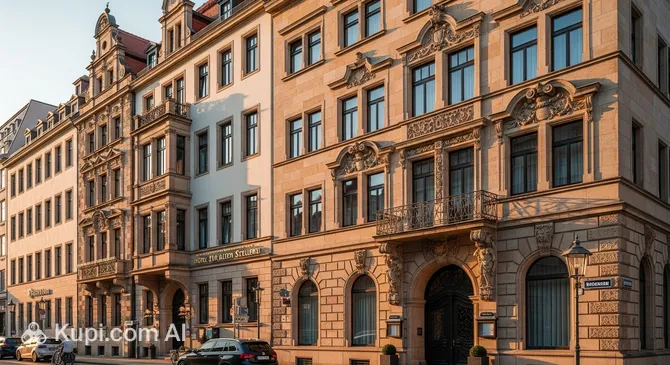
Travelers seeking a unique experience might consider the Hotel Zur alten Stadtkellerei Leipzig. This establishment is a fine example of the city's ability to blend historical charm with modern comfort, offering a distinct alternative to standard chain hotels.

Hotel Zur alten Stadtkellerei Leipzig. Source: Kupi.Binoculars

When planning your trip, it is highly recommended to book your accommodation well in advance. Leipzig is a major trade fair city (Messestadt), and during large international exhibitions or events like the Wave-Gotik-Treffen and the Christmas Market, hotel availability can drop sharply while prices rise. Checking the city's event calendar before finalizing your dates can save you both money and stress.

Price ranges in Leipzig are generally reasonable compared to other major German cities. Budget travelers can find hostel beds or simple rooms for approximately €30 to €60 per night. Mid-range hotels typically charge between €70 and €120, while luxury options and boutique hotels can range from €150 upwards. Reservations can easily be made through major online booking platforms, though booking directly with the hotel sometimes offers better cancellation terms or small perks.

Nearby Cities

For those looking to explore the surroundings, Leipzig serves as an excellent base for day trips to several interesting nearby locations:

Just a short journey away lies Halle (Saale), a city often mentioned in the same breath as Leipzig. It is the birthplace of the famous composer George Frideric Handel and boasts a historic center that was largely untouched by war, featuring a unique market square with five towers. Another fascinating destination is Merseburg, known for its stunning cathedral and Renaissance palace complex overlooking the river. History enthusiasts will appreciate its connection to the "Merseburg Charms," ancient medieval incantations found in the cathedral library. For a more scenic and relaxed atmosphere, Grimma offers a picturesque old town nestled along the Mulde River, perfect for a leisurely stroll.

City Population Distance (km)
Halle 238061 33
Weissenfels 40409 32
Merseburg 34080 27
Grimma 28181 27
Delitzsch 25276 21

These nearby destinations offer a glimpse into the diverse culture and landscapes of the region.

Shopping & Souvenirs

Shopping

Leipzig has a long and proud tradition as a trade fair city, a heritage that is reflected in its diverse and vibrant shopping landscape today. The city center is compact and pedestrian-friendly, characterized by a unique system of historic arcades and courtyards that make window shopping a truly architectural experience. From high-end luxury boutiques to quirky independent shops, the city offers something for every taste and budget.

The two main arteries for shopping enthusiasts are Petersstraße and Grimmaische Straße. These bustling pedestrian zones are lined with major international department stores, fashion chains, and electronics retailers. However, the real charm of the city lies in its famous "Passagen" (arcades). While the Mädler Passage is the most well-known, others like Specks Hof and Barthels Hof offer a mix of specialty shops, bookstores, and fine dining in beautifully restored historic settings.

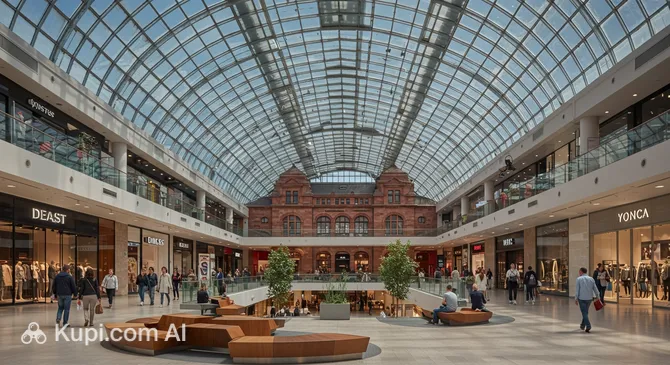
For a modern shopping experience, the city boasts several impressive centers. A highlight is the Promenaden Leipzig Central Station. Located within the historic railway terminal, it is one of Germany's most beautiful shopping centers, spanning three levels with over 140 shops. Another popular destination is the Höfe am Brühl, a contemporary mall with a distinct aluminum facade that houses a wide variety of fashion and lifestyle brands.

Promenaden Leipzig Central Station. Source: Kupi.Binoculars

Markets play a vital role in local life. The historic Leipzig Market Square is the venue for a weekly market where locals buy fresh produce, flowers, and regional specialties. Throughout the year, this square hosts various themed events, including the Easter Market and the world-renowned Leipzig Christmas Market, which dates back to the 15th century and transforms the city center into a festive wonderland.

When looking for gifts to take home, the Leipziger Lerche is a top choice; this marzipan-filled pastry is a delicious piece of local history. Music lovers might appreciate items related to Johann Sebastian Bach from the museum shop near St. Thomas Church. Additionally, bottles of Gose beer or traditional wooden crafts from the nearby Ore Mountains make for authentic and memorable keepsakes.

Most shops in the city center are open Monday through Saturday, typically from 10:00 AM to 8:00 PM. Smaller boutiques outside the main zones may close earlier, around 6:00 PM or 7:00 PM. Payment methods are modern, with most large stores accepting major credit and debit cards, though smaller vendors and market stalls often prefer cash. Sunday is a rest day in Germany, meaning almost all retail stores are closed, with the exception of bakeries and the shops within the central train station, which often remain open.

Travelers from outside the European Union may be eligible for a VAT refund on purchases over a certain amount. Look for the "Tax Free" signage in store windows and ask for a refund form at the checkout. These forms can later be processed at the airport or other customs exit points before leaving the EU.

Reached the end of the page?

That means the route is fully explored