Support

Hanover

About

Welcome to Hanover, a vibrant metropolis that seamlessly blends rich tradition with modern innovation. As the capital of Lower Saxony, it is globally renowned as a major trade fair hub, yet it retains a charming and relaxed atmosphere that captivates leisure travelers. The city is celebrated for its extensive green spaces, impressive architecture, and a cultural scene that rivals many larger European capitals.

Located in the northern part of Germany, Hanover sits on the banks of the River Leine and is home to over 540,000 residents. Its central location makes it a significant transport hub, while its temperate climate and abundance of parks earn it the reputation of being one of the greenest cities in the country. This "Garden City" offers a refreshing urban experience where nature is never far away.
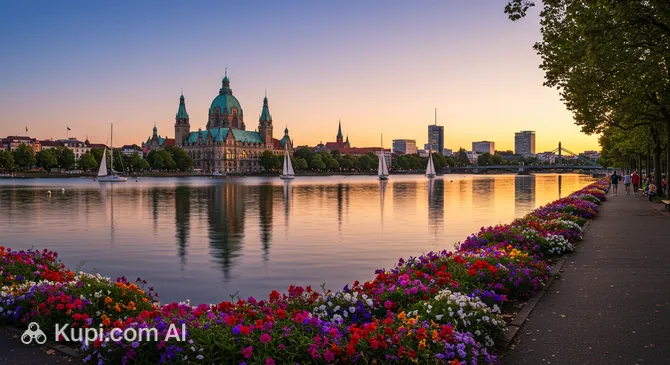
Hanover. Source: Kupi.Binoculars

To truly understand the local character, one should explore the history of Hanover. The city has transformed from a medieval settlement and a royal residence of the House of Hanover into a modern center of industry and culture. A unique way to discover this heritage is by following the "Red Thread", a painted line on the pavement that guides visitors past 36 of the city's most significant historical and architectural sites.

Among the top attractions, the Royal Gardens of Herrenhausen stand out as one of the finest ensembles of Baroque gardens in Europe. The magnificent New Town Hall is another must-see, offering breathtaking panoramic views of the city from its dome. For those seeking relaxation, the Maschsee, a large man-made lake in the heart of the city, is a popular destination for walking, boating, and seasonal festivals.

Whether you are visiting for a world-class exhibition or a weekend city break, Hanover promises a memorable stay. Its unique combination of royal flair, urban greenery, and friendly hospitality makes it an excellent destination for your next travel adventure.
Weather Overview

Hanover typically experiences a temperate oceanic climate, meaning you will encounter mild weather without extreme highs or lows. To help you pack appropriately for your specific travel dates, it is helpful to consult the detailed weather in Hanover forecast. Generally, the city offers a comfortable environment for sightseeing, though it is known for having a fair amount of cloudy and damp days throughout the year.

During the peak of summer, particularly in July and August, average temperatures hover around 19°C, with pleasant highs reaching up to 24°C. Winter, spanning from December to February, is much cooler, with average temperatures dropping to between 3.5°C and 4.5°C and nightly lows occasionally nearing 1°C. Rainfall is a consistent companion in this region, with approximately 10 to 16 wet days per month year-round, so carrying an umbrella or a raincoat is always a smart choice.

Interesting Facts

Beyond the main attractions and well-trodden paths, Hanover holds many fascinating secrets that surprise even seasoned travelers. From royal connections to record-breaking natural features, the city offers a wealth of stories waiting to be discovered.
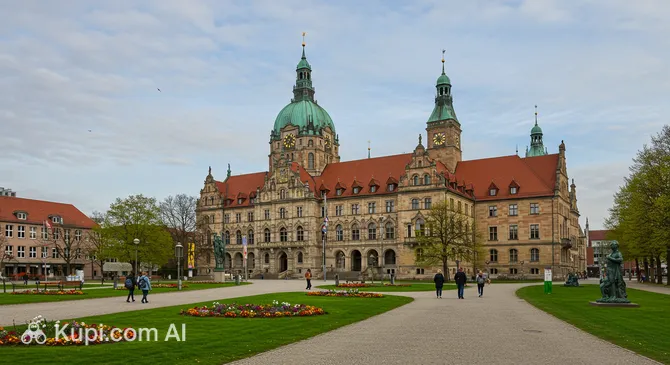
New Town Hall. Source: Kupi.Binoculars
  • The New Town Hall features a truly unique engineering marvel: the world's only parabolic elevator. Unlike standard vertical lifts, this elevator climbs at a 17-degree angle along the contour of the dome to the observation deck, often giving passengers the sensation of floating as the floor becomes transparent at the touch of a button.

  • Hanover is home to one of the largest urban forests in Europe, the Eilenriede City Forest. Spanning approximately 640 hectares, this "green lung" is nearly twice the size of New York City's Central Park, offering an immense natural retreat right in the middle of the city.

  • The city shares a deep historical bond with the United Kingdom through the "Personal Union." From 1714 to 1837, the monarchs of the House of Hanover also served as the Kings of Great Britain, meaning that for over a century, the rulers of the British Empire hailed from this German city.

  • The famous "Leibniz-Keks" butter biscuit was invented here by Hermann Bahlsen in 1891 and named after the city's famous resident philosopher, Gottfried Wilhelm Leibniz. The company's headquarters made global headlines in 2013 when its iconic golden biscuit sign was stolen by a perpetrator calling themselves the "Cookie Monster."

How to Get There

Hanover is a major transportation hub in Northern Germany, making it easily accessible for travelers from all over the world. Whether you prefer flying, taking the train, or driving, the city offers excellent connections to international and domestic routes. For a complete overview of all travel options, you can read more about how to get to Hanover in our detailed guide.

The most convenient entry point for air travelers is Hannover Airport (HAJ), located just north of the city limits. It serves as a significant regional hub with a solid volume of passenger traffic, offering flights to numerous European destinations. The airport is situated approximately 9.7 km from the city center, and a taxi ride typically takes around 35 minutes. Alternatively, travelers can look into Hamburg Airport (HAM), a large international airport located in Hamburg. Although it is about 141 km away, it offers a wider range of intercontinental connections. The journey by car or taxi from Hamburg Airport to Hanover takes approximately 1.5 to 2 hours. Another option is Bremen Airport (BRE) in Bremen, roughly 98 km away, with a transfer time of about 1 to 1.5 hours.

For clarity, here is a summary of the main airports:

Airport Name City Passenger Traffic Km from City
Hamburg Airport Hamburg Large 140.7
Hannover Airport Hanover Medium 9.7
Bremen Airport Bremen Medium 98.3
Munster Osnabruck International Airport Munster Small 142.3
Paderborn Lippstadt Airport Paderborn Small 115.0

Traveling by train is often the most efficient way to reach the city, thanks to the central location of Hanover Main Station (Hannover Hauptbahnhof). It is one of the busiest railway hubs in Germany, handling immense passenger traffic and offering high-speed ICE connections to major cities like Berlin, Hamburg, and Frankfurt. Located directly in the city center (just 0.6 km from the heart of downtown), it allows visitors to step off the train and immediately start exploring. For those attending trade fairs, the Messe Bahnhof (Messe-Bf) Station is a dedicated stop located about 8.5 km from the center, providing direct access to the exhibition grounds.

Below is an overview of the nearest major railway stations:

Station City Passenger Traffic Km to Center
Hanover Main Station Hanover Very High 0.6
Bremen Hauptbahnhof Bremen High 100.2
Osnabrück Hauptbahnhof Munster Medium 114.5
Kassel-Wilhelmshöhe Station Kassel Medium 120.1
Messe Bahnhof (Messe-Bf) Station Hanover 8.5

Main Attractions

Hanover is a city where history and modernity coexist beautifully, offering visitors a wide array of fascinating sights. From royal heritage sites to immersive nature experiences, the city's landmarks cater to all interests. Here are some of the key places you should not miss during your visit.

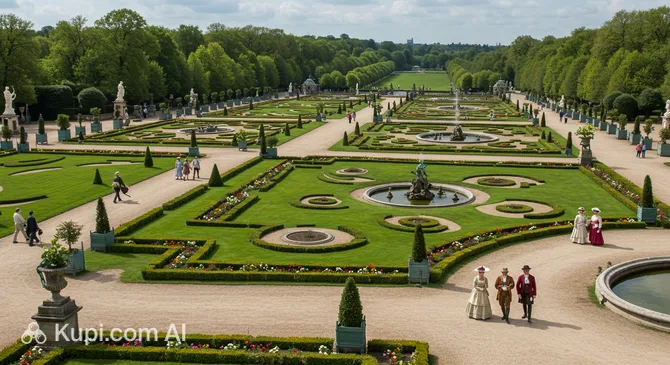
One of the city's most prestigious landmarks is the Herrenhausen Gardens. This magnificent ensemble of garden art is considered one of the most important Baroque gardens in Europe. Visitors are drawn here to admire the meticulously manicured Great Garden, the historic fountain, and the vibrant botanical displays. It is a perfect spot for a leisurely stroll, offering a glimpse into the royal splendor of the past while providing a serene escape from the urban bustle.

Herrenhausen Gardens. Source: Kupi.Binoculars

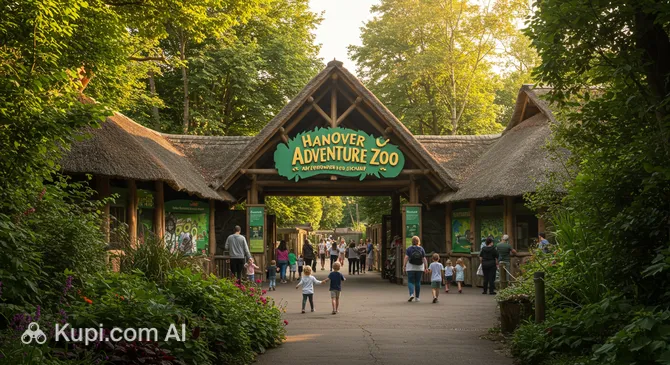
For families and animal lovers, the Hanover Adventure Zoo is an absolute highlight. Unlike traditional zoos, this attraction is divided into immersive theme worlds such as Sambesi, Yukon Bay, and Jungle Palace. Tourists love the boat rides that take them close to the animals and the lovingly detailed enclosures that mimic natural habitats. It provides a full day of entertainment and education, making it one of the most popular leisure destinations in the region.

Hanover Adventure Zoo. Source: Kupi.Binoculars

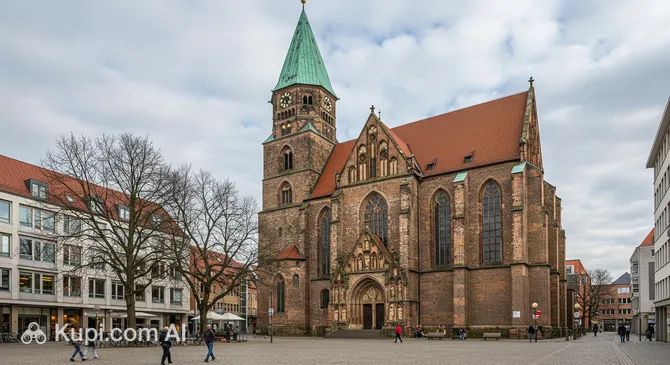
In the heart of the historic center stands the Marktkirche, the main church of Hanover. Built in the 14th century, this striking red-brick Gothic structure is a symbol of the city's resilience and history. Its tall tower serves as a recognizable landmark, and the interior houses significant art treasures. It is a fascinating stop for those interested in architecture and local history, offering a quiet moment of reflection amidst the lively Old Town.

Marktkirche. Source: Kupi.Binoculars

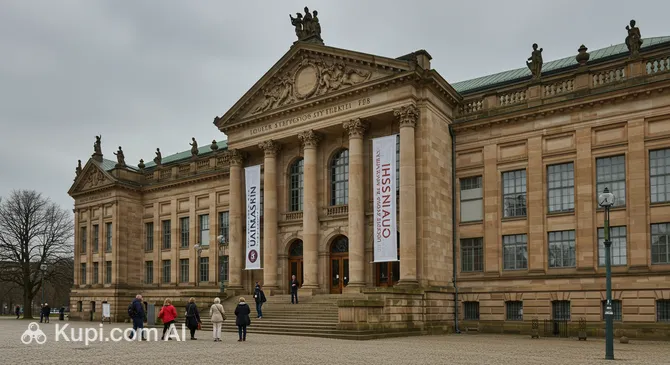
Culture enthusiasts will find a wealth of knowledge at the Lower Saxony State Museum. Located opposite the New Town Hall, this extensive museum covers a broad spectrum of topics, including archaeology, natural history, and ethnology, alongside a grand art gallery. It is particularly interesting for its diverse collections that span millions of years, offering a deep dive into both regional heritage and global history.

Lower Saxony State Museum. Source: Kupi.Binoculars

Local Cuisine

The culinary landscape of Hanover is a delightful reflection of its Lower Saxon roots, offering hearty, traditional fare alongside a growing international food scene. Visitors can expect generous portions of comfort food, often centering on high-quality meats, potatoes, and seasonal vegetables. One of the absolute must-try regional specialties is the Calenberger Pfannenschlag, a savory dish made from minced meat (similar to a coarse sausage) fried and served with potatoes and pickles. During the colder months, the local cuisine is dominated by Grünkohl mit Bregenwurst, a rich kale stew served with a specific type of smoked sausage that is a staple of Northern German winters.

For those with a sweet tooth, the city boasts a royal dessert known as Welfenspeise. This two-layered pudding, featuring a white milk-vanilla base topped with a yellow wine sauce, was created by a chef of the Royal House of Hanover and remains a beloved classic. Asparagus season (Spargelzeit) in spring is also celebrated passionately here, with local restaurants serving fresh white asparagus in various delicious combinations, typically with hollandaise sauce, ham, or schnitzel.

No culinary guide to the city would be complete without mentioning its unique drinking tradition: the Lüttje Lage. This is not just a drink but a ritual involving a small glass of distinct top-fermented draft beer and a separate shot glass of corn schnapps. The trick is to hold both glasses in one hand and drink them simultaneously so they mix in your mouth. It requires a bit of practice, but it is a quintessential Hanoverian experience often enjoyed at festivals and traditional taverns.

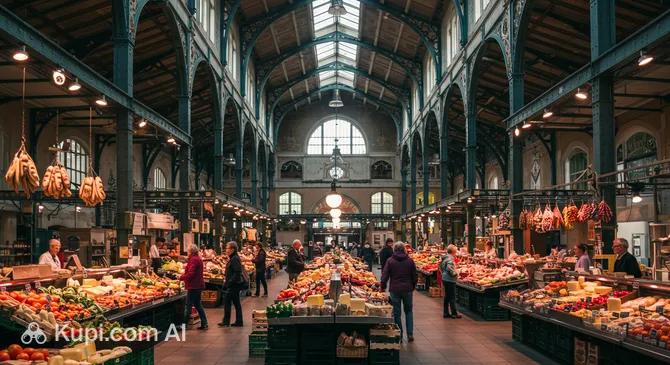
Markthalle Hanover. Source: Kupi.Binoculars

To dive into the local food culture, the Markthalle Hanover is the ultimate destination. Often referred to as the "Belly of Hanover," this historic market hall is a bustling meeting point where locals and tourists gather to enjoy everything from fresh produce to prepared international dishes. It is the perfect place to grab a quick lunch or enjoy an after-work drink in a lively atmosphere.

If you prefer a more relaxed vibe, particularly in the warmer months, the city offers excellent spots to unwind by the water. You might visit Strandleben, a popular beach bar located at the confluence of the Leine and Ihme rivers, where you can enjoy cool drinks with your feet in the sand. Alternatively, for a classic café experience that has been a part of the city's culture for decades, Cafe Mezzo provides a cozy setting near the main station, perfect for breakfast or a late-night snack.

Travel Tips

To help you make the most of your visit to Hanover, we have compiled a list of essential practical advice. These tips will ensure your trip is smooth, comfortable, and free of surprises, allowing you to focus on enjoying the city's unique charm.

  1. Clothing and Gear: Given the city's temperate but changeable climate, the "onion principle" (dressing in layers) is your best strategy. Even in summer, evenings can be cool, so bring a light jacket. Since rain is possible year-round, a compact umbrella or a waterproof coat is a must. Pack comfortable walking shoes, as the city center and the extensive Eilenriede forest are best explored on foot. For electronics, Germany uses the standard Type F (Schuko) plugs with a voltage of 230V, so bring a universal adapter if needed.

  2. Transportation: Hanover boasts an excellent public transport system managed by GVH, consisting of trams (Stadtbahn), buses, and suburban trains (S-Bahn). A car is generally unnecessary within the city limits. Consider purchasing the Hannover Card, which offers unlimited travel on public transport and discounts at major attractions. Tickets must be purchased and validated before boarding. Taxis are reliable but can be pricey; ride-hailing apps are available but less dominant than standard taxi ranks.

  3. Finances: The official currency is the Euro (€). While credit and debit cards (Visa, Mastercard) are widely accepted in hotels, large shops, and restaurants, Germany is still very much a cash-oriented society. Smaller bakeries, kiosks, and some traditional cafes may only accept cash or the local "EC-Karte." It is wise to carry some banknotes and coins for small purchases. When tipping, it is customary to round up the bill or leave about 5-10% for good service.

  4. Health and Safety: Hanover is generally a very safe city for tourists. Standard precautions, such as watching your belongings in crowded areas like the central station (Hauptbahnhof), are sufficient. Pharmacies (Apotheke) are easily recognized by a large red "A" sign; they are well-stocked, and there is always one on emergency duty (Notdienst) at night. In case of a serious medical or police emergency, dial 112 (European emergency number) or 110 (police).

  5. Communication: The official language is German, but English is widely spoken, especially in the tourism sector and by younger locals. A friendly "Hallo" or the regional greeting "Moin" (used at any time of day) is a great way to start a conversation. Free Wi-Fi is available in the city center (look for "Hannover.de" or "Madsack" networks) and at the main station. For constant connectivity, prepaid SIM cards can be bought at supermarkets or electronics stores with a passport for registration.

  6. Local Etiquette: Germans value order and punctuality. If you have a reservation or a meeting, try to be on time. When entering a small shop or waiting room, it is polite to greet everyone generally. At tables in busy restaurants, it is common to ask if a seat is free and share the table with strangers, though you usually keep to your own conversation.

  7. What to Avoid: Never walk on the designated bicycle lanes (usually marked in red or separated by a line on the sidewalk). Cyclists in Hanover are fast and expect the path to be clear; blocking it is considered rude and can be dangerous. Additionally, avoid crossing the street when the pedestrian light is red, even if no cars are coming. It is frowned upon socially, especially if children are nearby.

  8. Sunday Closures: Be aware that Sunday is a rest day (Ruhetag) in Germany. Almost all shops, supermarkets, and pharmacies are closed, except for those within the main train station and the airport. Plan your shopping for Saturday, and dedicate your Sunday to visiting museums, parks, or enjoying a leisurely brunch, which are popular local activities.

With these practical insights in mind, you are well-prepared to navigate Hanover like a local. Whether you are following the Red Thread through the city center or relaxing by the Maschsee, knowing these details will help you enjoy a stress-free and memorable vacation.

Entertainment & Nightlife

Hanover offers a diverse range of leisure activities that goes far beyond its reputation as a trade fair city. From high-end shopping experiences and adrenaline-pumping activities to a vibrant nightlife and world-class sporting events, the city provides entertainment options for every type of traveler.

Shopping enthusiasts will find plenty to explore in the city center, particularly around the pedestrian zones of Georgstraße and Bahnhofstraße. A key highlight is the Ernst-August-Galerie, a modern shopping mall located directly next to the main train station. With its impressive architecture and around 150 stores, it is the perfect place to browse international fashion brands. For a more local shopping experience away from the downtown bustle, the Klein-Buchholz Shopping Park in the Bothfeld district offers a variety of retail outlets and everyday conveniences.

For those seeking active fun, the city has several exciting venues. Superfly Hannover is a massive trampoline park that promises high-flying action for both children and adults, featuring obstacle courses and tumbling lanes. If you prefer solving mysteries, Escape Room Hanover challenges teams to work together and decipher clues within a set time limit, making it an engaging activity for groups and families.

As evening falls, the city's nightlife scene comes alive with a mix of stylish bars and rustic pubs. While the "Steintor" area is known for its party vibe, specific venues offer unique experiences. Face Sushi Restaurant & Bar is a popular destination that blends high-quality dining with a club atmosphere, often hosting DJ sets that turn dinner into a party. For a more traditional pub feel, The Harp is celebrated for its authentic Irish ambiance, craft beers, and hearty burgers, making it a favorite meeting point for locals and visitors alike.

Sports fans and concert-goers should check the schedule at the HDI Arena. This impressive stadium is the home ground of the local football club, Hannover 96, and the atmosphere during matches is electric. Beyond football, the arena serves as a major venue for large-scale open-air concerts and cultural events throughout the year.

Hanover is also famous for its grand festivals. The Schützenfest Hannover is the largest marksmen's festival in the world, featuring traditional parades and a vast funfair. In the summer, the Maschseefest transforms the shores of the city's lake into a Mediterranean-style promenade filled with culinary stalls, live music stages, and artistic performances, drawing millions of visitors to celebrate under the open sky.

Parks & Museums

Hanover is often celebrated as a "Garden City," offering a remarkable balance between urban living and nature, alongside a deep appreciation for art and history. The city's landscape is dotted with expansive parks, while its museums and historical sites provide a fascinating window into its royal past and cultural evolution.

For those seeking tranquility, the Eilenriede City Forest is an absolute treasure. Often referred to as the "green lung" of Hanover, this vast urban forest covers roughly 640 hectares, making it significantly larger than London's Hyde Park. It is a favorite among locals for jogging, cycling, and leisurely walks under the canopy of ancient trees. Unlike a manicured garden, Eilenriede maintains a natural woodland character, offering a true escape from the city noise.

Another scenic gem is the Maschpark, located directly behind the New Town Hall. This park was designed in the late 19th century and is a perfect example of classic landscape gardening. Visitors can stroll along the winding paths, relax by the pond, and enjoy some of the most photogenic views of the Town Hall reflecting in the water. It is an ideal spot for a picnic or a quiet break during a day of sightseeing.

Hanover's cultural scene is equally impressive. The German Museum of Caricature and Drawings, also known as the Wilhelm Busch Museum, is a unique institution located within the Georgengarten. Housed in a historic palace, it holds a significant collection of satirical art and humorous drawings, honoring the legacy of the famous poet and illustrator Wilhelm Busch. It is a delightful destination for those who appreciate wit and artistic skill.

For a broader dive into history and art, the Lower Saxony State Museum is the city's premier institution. Its collections are incredibly diverse, ranging from medieval paintings and sculptures to archaeology and natural history. The museum provides a comprehensive overview of the region's development and often hosts high-profile international exhibitions.

Exploring the Hanover Old Town offers a glimpse into the city's architectural heritage. Although much of the city was rebuilt, this area features charming half-timbered houses and narrow alleyways that evoke the atmosphere of bygone eras. A poignant landmark within the city is the Aegidien Church. Left as a ruin after World War II, it now serves as a powerful memorial for peace. The roofless nave and the peace bell, a gift from the partner city of Hiroshima, create a solemn and contemplative atmosphere.

For a truly authentic local experience, head to the Ricklingen Gravel Ponds in the southern part of the city. This area is a popular recreational spot where residents go to swim and sunbathe during the summer months. Surrounded by greenery, it offers a refreshing natural setting that feels miles away from the urban center.

Getting Around

Getting around Hanover is remarkably easy and efficient, thanks to a well-integrated public transport network managed by the Greater Hanover Transport Association (GVH). The backbone of the system is the Stadtbahn, a light rail system that functions as a subway within the city center and transitions into a tram on surface lines in the outer districts. Recognizable by the blue "U" signs, the Stadtbahn covers most major tourist destinations. Supplementing the rail lines is an extensive fleet of buses that serve areas not reached by the trains, as well as the S-Bahn (suburban train) network, which connects the city center with the wider region and the airport.

The fare system is based on zones: Zone A (City), Zone B (Outer Districts), and Zone C (Region). For most tourists exploring the main attractions, a ticket for Zone A is sufficient. Visitors can choose from various ticket options, including single tickets for short trips and the highly recommended Day Ticket (TagesTicket), which allows unlimited travel until 5:00 AM the following day. If you are traveling in a small group or as a family, the Group Day Ticket is an extremely economical choice, covering up to five people for a price often lower than two individual day passes. For convenience, the comprehensive Hannover Card includes free use of public transport alongside discounts for museums and tours.

Tickets can be purchased at vending machines located at every Stadtbahn stop and major bus stations. These machines generally accept cash, debit cards, and credit cards, and offer a menu in English. A crucial step for paper tickets is validation: you must stamp your ticket in the blue boxes (Entwerter) located on station platforms or inside buses before starting your journey to avoid fines. Alternatively, tech-savvy travelers can download the official GVH App to buy digital tickets directly on their smartphones, eliminating the need for stamping.

The transport system operates reliably from early morning, around 4:30 AM, until shortly after midnight. On Friday and Saturday nights, as well as before public holidays, the city offers a "Night Liner" service (Nachtsternverkehr). During these times, trains and buses run hourly through the night at a central junction point, ensuring that late-night revelers can return to their accommodations safely.

For those seeking alternatives to traditional transit, Hanover is a very bike-friendly city with flat terrain and dedicated paths. Rental bikes and e-scooters are widely available through various apps and can be found parked throughout the city center. Another popular option is MOIA, an electric ride-pooling service distinctive by its gold-and-black vans; you can book a seat via an app, and the shuttle will pick you up and drop you off at virtual stops, offering a comfortable middle ground between a bus and a taxi. Cream-colored taxis are also readily available at designated stands or can be hailed by phone.

While the city does not have a "historic" metro line in the traditional sense, the Stadtbahn stations in the city center are worth noting for their design. Many underground stations feature unique artistic themes and architecture, making the commute visually interesting. The system is celebrated by urban planners as a pioneering model of the "pre-metro" concept, seamlessly blending underground speed with surface accessibility.

Accommodation

Accommodation:

Finding the perfect place to stay in Hanover depends largely on the timing of your visit. As one of the world's leading trade fair cities (Messestadt), the accommodation landscape fluctuates significantly. During major exhibitions like the Hannover Messe, the city transforms into a bustling international hub, and securing a room requires planning well in advance. Outside of these peak periods, however, visitors can choose from a wide variety of options ranging from budget-friendly hostels to luxurious business hotels at very reasonable rates.

For most leisure travelers, the Mitte (City Center) district is the most convenient area to base yourself. Staying here puts you within walking distance of the main shopping streets, the historic Old Town, and the central railway station. This area is home to numerous mid-range and upscale hotels that cater to those who want to be in the heart of the action. A particularly elegant part of the center is around Opernplatz, where you will find some of the city's most sophisticated establishments surrounded by grand architecture.

If you prefer a quieter atmosphere while remaining close to nature, the districts of List and Oststadt are excellent choices. These neighborhoods are characterized by beautiful Art Nouveau facades, cozy cafes, and proximity to the vast Eilenriede forest. They offer a more local, residential feel and are well-connected to the center by a short tram ride. For business travelers attending events, the southern district of Laatzen, located near the Fairgrounds (Messegelände), provides numerous large hotels designed specifically for efficiency and comfort during exhibitions.

Travelers on a budget or those seeking a unique experience should look out for private rentals. During large trade fairs, many locals rent out their spare rooms or entire apartments to visitors. This tradition is so ingrained in the city's culture that you will often see "Zimmer frei" (Room available) signs or listings on local platforms. It is a great way to meet residents and stay in comfortable, home-like environments, often at a better value than fully booked hotels.

Booking Tip: The most critical advice for visiting Hanover is to check the trade fair calendar before you book. During major events, hotel prices can double or even triple, and availability becomes scarce months in advance. If your travel dates coincide with a fair and you are not attending it, consider staying in nearby towns like Celle or Hildesheim, which are easily accessible by regional train. For standard tourist visits, booking 2 to 3 months ahead generally secures the best rates.

Overall, prices in Hanover are moderate compared to other major German cities like Munich or Hamburg, provided you avoid the peak trade fair dates. You can expect to pay between €80 and €120 per night for a solid mid-range double room, while budget hostels and luxury suites are available at the lower and higher ends of the spectrum, respectively. Reservations can easily be made through major online booking platforms or directly via hotel websites.

Nearby Cities

For those looking to explore the surroundings, Hanover serves as an excellent base for day trips to several interesting nearby locations:

One of the most charming destinations is the historic town of Celle, located about 40 kilometers away. It is renowned for its picturesque Old Town, which features over 400 beautifully preserved half-timbered houses, and the magnificent Celle Castle, which combines Renaissance and Baroque architecture. A visit here feels like stepping into a fairytale, making it perfect for photography and history enthusiasts.

Another captivating option is Hamelin (Hameln), famous worldwide for the legend of the Pied Piper. Situated in the Weser Uplands, the town offers a delightful mix of Weser Renaissance architecture and folklore. During the summer months, visitors can enjoy open-air plays and themed tours that bring the famous story to life, alongside a vibrant riverside atmosphere.

For nature lovers, the Steinhuder Meer is a fantastic retreat. As the largest lake in northwest Germany, it offers ample opportunities for sailing, swimming, and cycling around its perimeter. Visitors can take a traditional boat to the man-made island fortress of Wilhelmstein or enjoy local culinary specialties, such as smoked eel, in the surrounding villages.

City Population Distance (km)
Garbsen 60754 11
Langenhagen 56288 9
Neustadt am Ruebenberge 44796 24
Lehrte 44369 17
Laatzen 41965 9

These nearby destinations offer a glimpse into the diverse culture and landscapes of the region.

Shopping & Souvenirs

Hanover is a true shopping paradise in Northern Germany, offering a compact and pedestrian-friendly city center that rivals many larger metropolises. The shopping landscape is diverse, ranging from expansive pedestrian zones lined with international department stores to exclusive arcades and quirky boutiques tucked away in the historic quarters. Whether you are looking for high-end fashion, regional specialties, or everyday items, the city's structured layout makes it easy to navigate between different shopping districts on foot.

The heart of the shopping action beats around Kröpcke, a central square that serves as the main hub for locals and tourists alike. From here, several major shopping streets radiate outwards. Bahnhofstraße and Georgstraße are among the most popular promenades in Germany, featuring flagship stores of major global brands. A famous meeting point in this area is the historic Kröpcke Clock. Dating back to the late 19th century, this replica is not only a beloved landmark but also the traditional spot to meet friends before heading out for a shopping spree.

For those who prefer indoor shopping, the Ernst-August-Galerie is the premier destination. Located right next to the main train station, this modern mall houses around 150 shops, cafes, and restaurants under a spectacular glass roof. Another unique feature of Hanover's retail scene is the Niki-de-Saint-Phalle-Promenade. This underground shopping mile connects the station to Kröpcke, allowing you to browse stores comfortably regardless of the weather above ground.

Markets play a vital role in the city's local culture. Foodies should not miss the Markthalle Hanover, often called the "Belly of Hanover," where fresh produce and international delicacies are sold in a historic setting. For vintage lovers, the Altstadt Flohmarkt (Old Town Flea Market) is a highlight. Held every Saturday along the High Bank of the River Leine (Hohes Ufer), it is one of Germany's oldest and most traditional flea markets, perfect for hunting for antiques, books, and curiosities.

When it comes to souvenirs, Hanover has some distinct local treasures. The city is the home of the famous Leibniz-Keks (butter biscuit), and you can find decorative tins or varied assortments at the Bahlsen outlet or local supermarkets. Another authentic gift is a Lüttje Lage set, consisting of the special small beer and schnapps glasses required to drink the city's signature beverage. Items featuring the "Niedersachsenross" (Lower Saxon Horse) are also popular keepsakes.

Standard opening hours for most shops in the city center are Monday to Saturday, from 10:00 AM to 8:00 PM. Smaller boutiques or stores in outlying districts may close earlier, around 6:00 PM or 7:00 PM. It is important to remember that, like the rest of Germany, almost all shops are closed on Sundays, except for those within the main train station and the airport.

Regarding payment, while major department stores and malls like the Ernst-August-Galerie readily accept credit cards (Visa, Mastercard), Germany remains somewhat cash-oriented. Smaller cafes, market stalls, and some independent shops may only accept cash or the local "Girocard." Visitors from outside the European Union should also look for the "Tax Free" signage in shop windows, as they may be eligible for a VAT refund on purchases exceeding a certain amount.

Reached the end of the page?

That means the route is fully explored