Support

Sonderborg

About

Sonderborg is a captivating destination where historical depth meets modern charm, offering visitors a unique blend of cultural heritage and scenic beauty. Situated on both the island of Als and the mainland of Jutland, the city is divided by the picturesque Als Sound (Als Sund), creating a stunning waterfront atmosphere that defines its character. As a prominent city in the Region of Southern Denmark, it serves as a vibrant hub for commerce, education, and tourism, while maintaining a cozy and welcoming vibe for its approximately 27,000 inhabitants.

The city plays a significant role in the national narrative, and exploring the history of Sonderborg is essential for understanding its legacy. From its strategic military importance in the past to its transformation into a peaceful cultural center, the area is dotted with landmarks that tell the stories of bygone eras. The cityscape is a delightful mix of charming old houses and contemporary architecture, reflecting its evolution through the centuries.
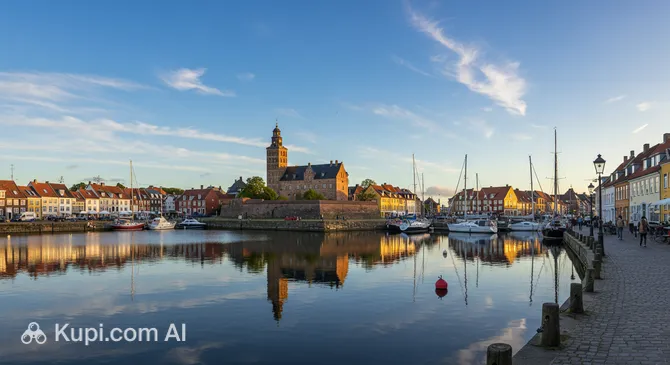
Sonderborg. Source: Kupi.Binoculars

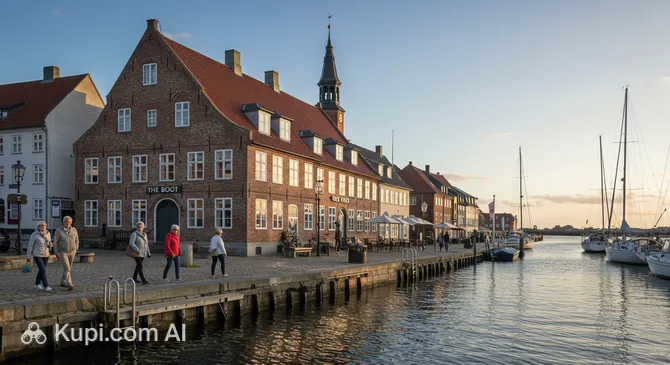
Travelers are often drawn to the iconic Sønderborg Castle, which houses a museum showcasing the region's art and history within its fortified walls. Another "must-see" is the Dybbøl Mill, a national symbol located just west of the city, offering panoramic views and insight into pivotal historical events. For those who enjoy a more relaxed pace, a stroll along the lively harbour front provides excellent opportunities to enjoy local cafes and the maritime scenery.

Whether you are interested in diving deep into the past, enjoying nature walks along the fjord, or simply experiencing the warmth of Danish culture, Sonderborg is a destination that promises a memorable experience. It is the perfect place to start an adventure in the border region, inviting guests to relax and explore at their own pace.
Weather Overview

The climate in this part of the Region of Southern Denmark is temperate and maritime, meaning visitors should generally be prepared for changeable conditions. To help pack the right gear for your trip, it is recommended to check the current weather in Sonderborg before departure. The city enjoys distinct seasons, each offering a different atmosphere for exploring the historic streets and the scenic waterfront.

Summer is widely regarded as the most comfortable time to visit, particularly in July and August, when average temperatures hover around 17-18°C and daily highs can reach approximately 21.3°C. These months are ideal for outdoor activities. Conversely, winters are cool but rarely severely freezing; January is typically the coldest month with an average temperature of 3.3°C and lows dipping to around 1.6°C. The shoulder seasons of spring and autumn see temperatures gradually rising or falling, with May offering pleasant averages of 12.2°C.

Precipitation is a fairly constant companion throughout the year, rather than being limited to a specific rainy season. You can expect mild to warm summers with occasional showers and cool, damp winters. The number of wet days remains relatively stable, ranging from 11 days in drier months like March and May to 16 days in January, so carrying an umbrella or a raincoat is a wise choice regardless of when you choose to travel.

Interesting Facts

Beyond its scenic waterfront and historical significance, Sonderborg hides a collection of intriguing stories and unique local customs. Digging a little deeper reveals a city that balances medieval legends with forward-thinking innovation, offering surprises for even the most well-read traveler.

  • The King's Restless Thumb: Legend has it that King Christian II, who was imprisoned in the Blue Tower of Sønderborg Castle for nearly two decades, spent his time pacing around a round stone table. It is said that he walked in circles so consistently while dragging his thumb along the table's edge that he eventually wore a deep groove into the stone, a story that adds a mythical layer to the castle's history.

  • Knights of the Modern Age: Every summer, the city transforms into a medieval arena for the annual "Ringridning" (Ring Riding) festival, the largest of its kind in Scandinavia. Keeping a centuries-old tradition alive, thousands of riders on horseback compete to spear a tiny metal ring with a lance while galloping at full speed, celebrating the region's deep equestrian roots.

  • A Symbol of Resilience: The iconic Dybbøl Mill is much more than a picturesque landmark; it is a national symbol of Danish endurance. Having been destroyed and rebuilt multiple times during the wars of the 19th century, it stands today as a testament to the perseverance of the local people in the border region.

  • Pioneering a Green Future: While steeped in the past, the city is also racing towards the future with its ambitious "ProjectZero" initiative. Sonderborg has set a world-class goal to become a CO2-neutral municipality by 2029, making it a living laboratory for sustainable energy solutions and green urban living.

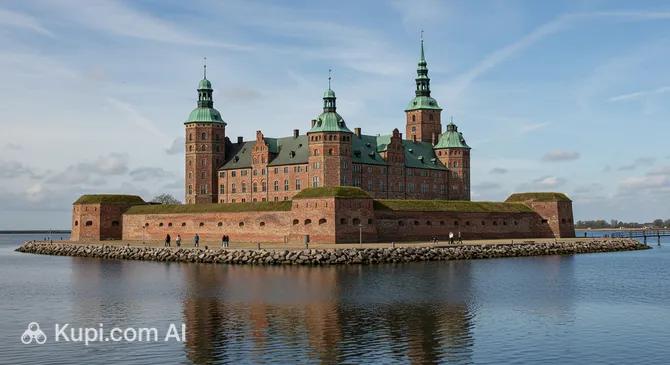
Sønderborg Castle. Source: Kupi.Binoculars

How to Get There

Reaching this charming destination in the Region of Southern Denmark is quite convenient, with several transport options available depending on your starting point. Whether you prefer flying directly close to the city or taking a scenic drive from a major international hub, you can find more about how to get to Sonderborg and plan the best route for your journey.

For those looking for the quickest access, the city is served by its own local airport, Sonderborg Airport (IATA: SGD). Located just 5.6 km from the city center, it offers a fast and direct entry point. A taxi or car ride from here into town is very short, taking approximately 10 to 15 minutes. Although it is a smaller regional facility, it provides a hassle-free arrival experience right on the city's doorstep.

Travelers seeking more international connections often choose Billund Airport (IATA: BLL), situated in the city of Billund, about 100.6 km away. It is one of Denmark's busiest air hubs and offers a wider range of flights. From Billund, the journey to Sonderborg by road takes approximately 1 hour and 30 minutes. Another major alternative is Hamburg Airport (IATA: HAM) in Hamburg, Germany. Located roughly 143.4 km away, this large international airport is a common gateway for visitors to the region, with a transfer time of around 2 hours by car or taxi.

For clarity, here is a summary of the main airports:

Airport Name City Passenger Traffic Km from City
Hamburg AirportHamburgLarge143.4
Billund AirportBillundMedium100.6
Westerland - Sylt AirportWesterlandSmall93.1
Sonderborg AirportSonderborgSmall5.6
Esbjerg AirportEsbjergSmall103.7

If you prefer traveling by train, the region is accessible via major railway hubs that connect to the wider European network. While you can travel to Sonderborg by train, many international visitors first arrive at larger stations in nearby major cities. For instance, Hamburg Hauptbahnhof in Hamburg is a significant transit point located about 152.1 km from Sonderborg. From there, you can continue your journey by connecting trains or road transport.

Another key hub is Copenhagen Central Station in Copenhagen, situated about 195.3 km away. As the main station in the Danish capital, it connects the eastern part of the country with the south. Travelers arriving here can expect a travel time of around 4 to 5 hours to reach Sonderborg by connecting transport services.

Below is an overview of the major railway stations in the wider region:

Station City Passenger Traffic Km to Center
Hamburg HauptbahnhofHamburgVery Large152.1
Bremen HauptbahnhofBremenLarge213.6
Copenhagen Central StationCopenhagenLarge195.3
Rostock HauptbahnhofRostockMedium177.8
Aarhus H StationAarhusMedium140.1

Main Attractions

Attractions in Sonderborg offer a journey through time, blending significant historical landmarks with vibrant modern culture. The city's strategic location has left it with a rich legacy, making it a fascinating place for exploration. Whether you are a history enthusiast or simply looking to enjoy the local atmosphere, these sites provide the perfect introduction to the region.

Dominating the harbor entrance, Sønderborg Castle is an unmissable highlight for any visitor. Originally a medieval fortress, it has been transformed into a Renaissance palace that now houses the Museum of Southern Jutland. Tourists are drawn here to explore the rich history of the border region, view the impressive collections of local art, and visit the beautiful castle chapel, which dates back to the 16th century. A walk through the Great Hall and the dungeons offers a tangible connection to the past.

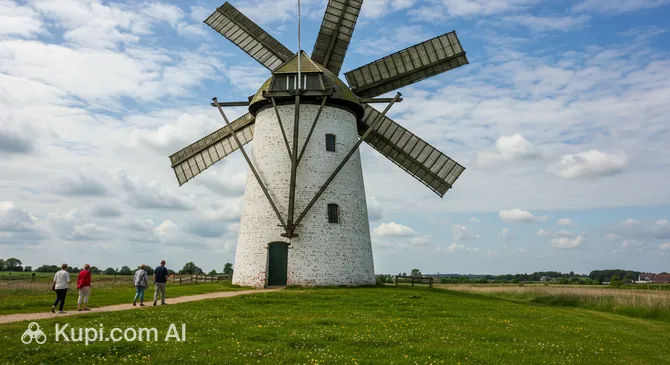
Dybbøl Mill. Source: Kupi.Binoculars

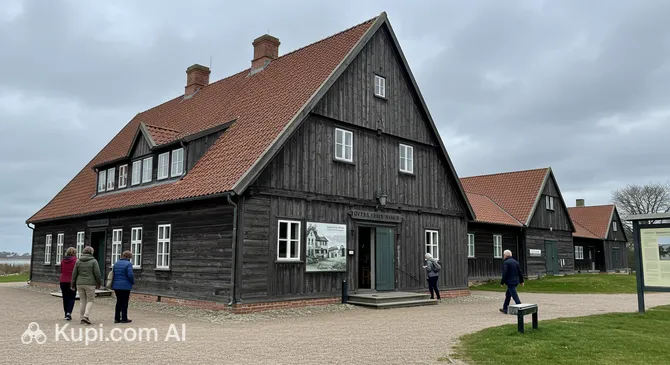
Just a short distance west of the city center stands the iconic Dybbøl Mill. This whitewashed windmill is not just a scenic photo opportunity but a powerful national symbol of Danish resilience and endurance. Visitors can explore the interior exhibitions that detail the mill's history and the devastating wars of the 19th century. Climbing to the gallery offers breathtaking panoramic views over the landscapes of Als and the Vemmingbund, making it a perfect spot for both history buffs and nature lovers.

Dybbøl Banke History Centre. Source: Kupi.Binoculars

For a deeper dive into the events that shaped modern Denmark, the Dybbøl Banke History Centre provides an immersive educational experience. Located on the site of the famous 1864 battlefield, this center uses storytelling, reenactments, and interactive displays to bring history to life. It is particularly interesting for families, as you can step into the soldiers' barracks, see the cannons, and understand the dramatic conflict between Denmark and Prussia in a very engaging way.

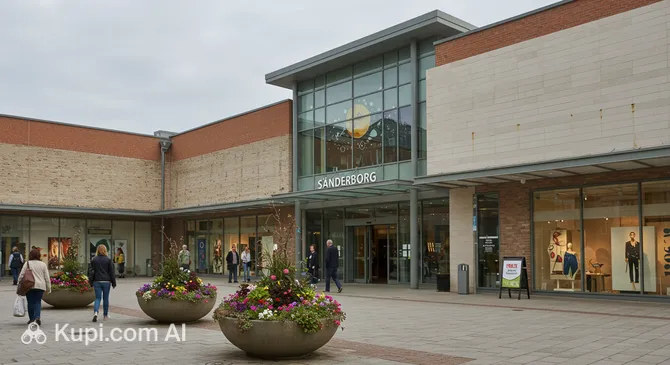
If you are looking to experience the modern pulse of the city, a visit to Borgen Shopping Centre is highly recommended. Situated at the end of the pedestrian street, this contemporary mall serves as a vibrant meeting place for locals and tourists alike. With a wide variety of fashion stores, specialty shops, and dining options, it offers a relaxing break from sightseeing. It is an excellent place to pick up souvenirs or simply enjoy a coffee while watching the daily life of Sonderborg unfold.

Local Cuisine

The culinary scene in Sonderborg is deeply rooted in the distinct traditions of Southern Jutland, offering a gastronomic experience that sets it apart from the rest of Denmark. The region is known for its hearty, flavorful dishes and a strong focus on using fresh, local ingredients. Due to its coastal location, you can expect excellent seafood, particularly fried plaice and herring, which are often served with new potatoes and parsley sauce in restaurants along the waterfront.

One of the most famous cultural institutions here is the Sønderjysk Kaffebord (South Jutlandic Coffee Table). This is not merely a coffee break but a lavish feast featuring a specific progression of cakes and breads. Tradition dictates that there must be at least "seven soft and seven hard" types of cakes, ranging from cream-filled layer cakes to crisp cookies. It is a sweet-tooth indulgence that reflects the region's legendary hospitality and history of gathering for social events.

For a truly unique savory snack, adventurous eaters should try Solæg (Sun Eggs). These are eggs hard-boiled with onion skins, which give the shell and white a beautiful marbled pattern, and then preserved in a salt brine. They are typically found in local pubs and are eaten in a specific ritual: you peel the egg, remove the yolk, fill the hollow with oil, vinegar, mustard, and spices, place the yolk back on top, and eat it in one or two bites. It is a classic accompaniment to a cold beer or a shot of aquavit.

Kislings. Source: Kupi.Binoculars

Another local favorite is the Ringriderpølse, a special type of grilled sausage associated with the region's equestrian festivals. These are a staple at outdoor events and street food stalls. In the summer months, you might also encounter Snysk, a traditional stew made with fresh garden vegetables like green beans, peas, and carrots, cooked in milk and served with bacon and pickled beetroot.

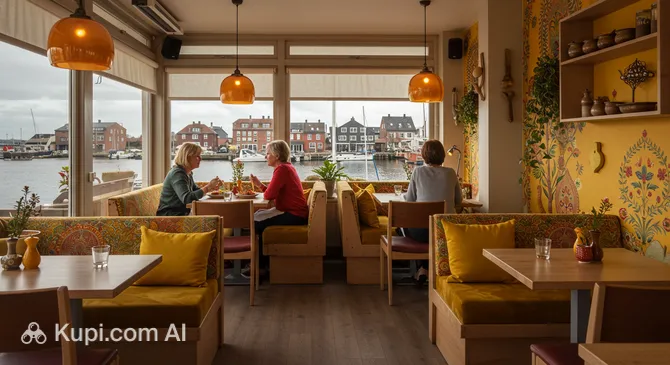
The city's dining atmosphere is relaxed and welcoming, with many establishments located near the harbor to take advantage of the views. Locals and tourists alike gather at spots like Kislings, a popular venue known for its cozy ambiance and varied menu. Whether you are looking for a quick bite or a full three-course dinner, the food culture in Sonderborg invites you to slow down and savor the flavors of the border region.

Travel Tips

Welcome to Sonderborg, a city where historical charm meets modern Danish living. To ensure your visit to this scenic border region is as smooth and enjoyable as possible, we have compiled a set of practical tips. These insights will help you navigate local customs, prepare for the weather, and explore the area with the confidence of a seasoned traveler.

  1. Clothing and Gear: The weather in Sonderborg can be quite changeable, so the key to comfort is dressing in layers. Even in summer, a cool breeze from the Als Sound can pick up, so bring a light sweater or windbreaker. Waterproof footwear and a sturdy umbrella or raincoat are essential year-round, as showers can occur unexpectedly. If you plan to explore the cobblestone streets of the old town or walk up to Dybbøl Mill, pack comfortable, flat walking shoes.
  2. Transportation: The city center is compact and best explored on foot, allowing you to easily admire the harbor and architecture. To travel like a local, consider renting a bicycle; the area has excellent cycling infrastructure. For longer distances, the local bus network, operated by Sydtrafik, is reliable and efficient. Taxis are available but can be expensive, so they are best reserved for when you have heavy luggage or are traveling late at night.
  3. Finances: The official currency is the Danish Krone (DKK). While some tourist shops may accept Euros, the exchange rate is usually poor, and change will be given in Kroner. Denmark is a highly digitized society, so credit and debit cards (Visa and Mastercard) are accepted almost everywhere, from museums to small cafes. You rarely need large amounts of cash, but having a few coins for public toilets or small purchases is helpful. Tipping is not mandatory, as service charges are included in the bill, but rounding up for good service is appreciated.
  4. Health and Safety: Sonderborg is a very safe city for tourists, with low crime rates. Standard precautions, such as watching your belongings in crowded areas, are sufficient. Pharmacies, known as "Apotek," are easily found in the city center for minor health needs. In case of a medical emergency or police assistance, dial 112, which is the universal emergency number.
  5. Communication: The official language is Danish, but you will find that the vast majority of locals speak excellent English. You will have no trouble communicating in hotels, restaurants, and shops. However, learning a few basic Danish words like "Hej" (Hi) and "Tak" (Thank you) is a polite gesture that locals appreciate. Free Wi-Fi is widely available in hotels, cafes, and public libraries, and buying a local SIM card is easy at convenience stores if you need constant data.
  6. Local Etiquette: Danes value punctuality and modesty. If you have a scheduled tour or reservation, arrive on time. When entering a home, it is customary to remove your shoes. Greetings are typically a firm handshake. In public spaces, keep your voice down and respect the orderly queueing system; cutting in line is considered very rude.
  7. What to Avoid: Never walk in the designated bicycle lanes. Cyclists in Denmark move fast and expect pedestrians to stay on the sidewalk; stepping into the bike lane without looking can be dangerous and will likely earn you a reprimand from a rider. Additionally, avoid jaywalking; wait for the green signal at crosswalks, as locals strictly adhere to traffic rules.
  8. Shopping Hours: Be aware that opening hours might be shorter than what you are used to. Most shops close around 5:30 PM or 6:00 PM on weekdays and early on Saturdays (often by 2:00 PM). Many stores are closed entirely on Sundays, except for some supermarkets and bakeries, so plan your shopping needs accordingly.

By keeping these practical tips in mind, you will be well-prepared to embrace the relaxed and friendly atmosphere of Sonderborg. Whether you are cycling along the waterfront or enjoying a pastry in a local cafe, you can now focus on making lasting memories in this beautiful corner of Denmark.

Entertainment & Nightlife

Nightlife in Sonderborg is characterized by a cozy and relaxed atmosphere rather than booming nightclubs. The city’s evening scene revolves largely around the picturesque waterfront and the charming streets of the city center. Here, locals and visitors gather to enjoy good food, conversation, and cultural events. The vibe is friendly and safe, making it an excellent destination for a laid-back night out, whether you are looking for a quiet drink or a live concert.

The heart of the evening entertainment is the Harbour Front (Havnefronten). This area comes alive as the sun sets, with people strolling along the promenade and settling into the various cafes and restaurants that line the water. It is the perfect place to start your night with a view of the Als Sound. For a flavorful dining experience that transitions well into the evening, Curry Leaves is a popular choice. This restaurant is renowned for its authentic Indian cuisine and warm ambiance, offering a spicy alternative to traditional Danish fare.

Curry Leaves. Source: Kupi.Binoculars

For those seeking cultural entertainment, Sonderborg punches above its weight. The Alsion concert hall is a architectural masterpiece and a hub for classical music and major events, often hosting the South Jutland Symphony Orchestra. Alternatively, Sønderborghus is the regional music venue that offers a more rhythmic lineup, featuring everything from rock and pop concerts to stand-up comedy and jazz nights. It serves as a key meeting point for the city's music lovers and often has a vibrant crowd on weekends.

If you are looking for a truly unique way to spend an evening, especially during the warmer months, consider a visit to The Boot. Located a bit outside the center at Kær Vestermark, this massive sculpture—shaped like a giant hiking boot—doubles as an observation tower and a picnic shelter. It is a quirky and memorable spot to gather with friends for a sunset barbecue, offering a do-it-yourself entertainment option surrounded by nature.

The Boot. Source: Kupi.Binoculars

For a more conventional night out involving a movie, the Borgen Shopping Centre is the place to go. While primarily a shopping destination by day, it houses the city's modern cinema, Kinorama, on the upper levels. Catching the latest international blockbuster here is a favorite pastime for locals. The center also offers convenient parking and easy access to other late-night snack options.

Practical advice for enjoying Sonderborg at night is straightforward. The city is very walkable, and moving between the harbor and the pedestrian street (Perlegade) is easy on foot. The dress code is generally casual to smart-casual; you will fit in wearing jeans and a nice top almost anywhere. The area is very safe for night walks, but if you need to travel further or prefer not to walk, taxis are readily available. You can usually find them waiting near the bus station or book one by phone (DanTaxi is a common operator). Prices for drinks and entry fees are standard for Denmark, so expect to pay around 50-70 DKK for a beer in a bar.

Parks & Museums

While the city's major historical landmarks often steal the spotlight, Sonderborg offers a wealth of other green spaces and cultural institutions that are well worth exploring. The city is seamlessly integrated with nature, boasting lush forests and well-kept parks that provide a peaceful counterpoint to its dramatic history. For those looking to dig deeper into the region's heritage or simply enjoy a quiet afternoon outdoors, there are several excellent options beyond the famous battlefield sites.

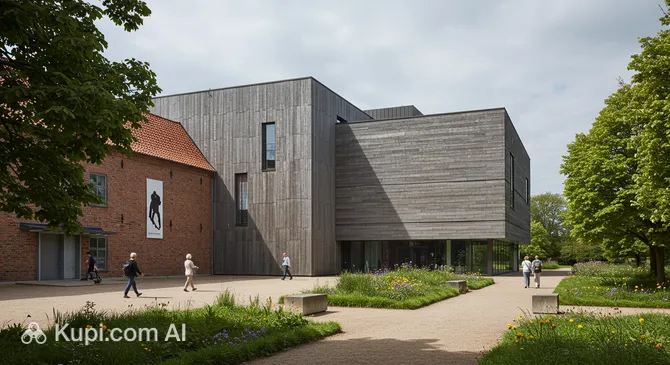
For a unique perspective on the local culture, a visit to the Deutsches Museum Nordschleswig is highly recommended. Located in the heart of the city, this museum tells the fascinating story of the German minority in Southern Denmark. Through engaging exhibits, it chronicles the daily lives, challenges, and peaceful coexistence of the German community in the border region, offering a nuanced layer to the area's complex history that complements the narratives found at Sønderborg Castle.

Nature lovers will find a sanctuary in Sønderskoven (The Southern Forest), a sprawling woodland located on the island of Als, just on the edge of the city. This ancient forest is a favorite among locals for running, cycling, and leisurely walks. It stretches all the way to the coastline, allowing visitors to combine a forest hike with views of the sea. The forest is home to majestic old oak trees and a rich variety of birdlife, making it a perfect spot for a refreshing escape from the urban center.

Families and science enthusiasts should not miss the opportunity to visit Universe Science Park, located a short drive away in Nordborg. Although situated just outside the city limits, it is a key part of the local tourism landscape. This hands-on adventure park focuses on science and technology, featuring interactive exhibits, a geyser park, and the iconic Blue Cube. It is an educational and entertaining experience where visitors of all ages can learn about the forces of nature and engineering through play.

If you enjoy combining hiking with history, the renowned Gendarmstien (Gendarme Path) passes right through the area. This certified European quality trail follows the route once patrolled by border guards. Walking a segment of this path near the Dybbøl Mill or along the Vemmingbund offers not only exercise but also breathtaking vistas of the fjord and a tangible connection to the border guards of the past.

Another significant site nearby is the Cathrinesminde Brickworks (Cathrinesminde Teglværk), located on the Broager peninsula. As a designated national industrial monument, this museum illustrates the history of the brickmaking industry that once dominated the region. Set in a scenic location by the water, it provides insight into the working conditions of the past and the industrial heritage that helped build modern Denmark.

Getting Around

Navigating Sonderborg is a straightforward and stress-free experience, primarily because of the city's compact size. For many visitors, the most pleasant way to explore the center and the harbor area is simply on foot. However, for reaching attractions further afield or traveling between the island of Als and the mainland side of the city, the public transport system is reliable and efficient. The city does not have a metro, tram, or trolleybus network; instead, it relies entirely on a well-organized bus system operated by the regional transport authority, Sydtrafik.

The local bus network consists of city buses (bybusser) and regional buses that connect the city center with surrounding neighborhoods and nearby towns like Nordborg and Gråsten. The buses are easily recognizable, typically yellow or blue, and run frequently during the day. Most routes converge at the main bus station (Rutebilstation), which serves as the central hub for transit. While the train station is a key entry point for long-distance travel, the train itself is not used for moving around within the city limits.

When it comes to paying for your journey, the system is integrated with the national Danish public transport structure. The most convenient option for tourists is often to use the Rejsebillet app or the "Sydtrafik" app, where you can purchase single tickets or day passes directly on your phone. If you prefer physical tickets, you can buy a single trip ticket from the bus driver upon boarding. It is important to note that if you buy a ticket on the bus, you usually need to pay in cash (Danish Kroner) and having exact change is highly recommended, as drivers may not carry large amounts of change. The price depends on the number of zones you travel through.

For those planning to stay longer or traveling extensively across the region, the Rejsekort (Travel Card) is the standard electronic ticketing system used by locals. An anonymous version of this card can be purchased at select sales points and 7-Eleven kiosks. You check in by tapping the card on the blue readers when entering the bus and must remember to check out when exiting. However, for a short visit of just a few days, using the mobile apps or cash tickets is generally simpler and requires less setup.

A highly popular alternative to motorized transport in Sonderborg is cycling. The city is incredibly bike-friendly, with dedicated lanes and flat terrain that make riding easy and enjoyable. Renting a bicycle is a fantastic way to blend in with the locals and see the sights at your own pace, especially if you plan to visit the Dybbøl Mill or ride along the coast. If you prefer a car, taxis are available and can be booked by phone or found at designated stands, though they are significantly more expensive than buses. Car-sharing and rental services are also available but are rarely necessary for staying strictly within the city limits.

To plan your trips effectively, it is advisable to use the Rejseplanen (Journey Planner) website or app. This national tool provides real-time schedules, route suggestions, and price estimates for all forms of public transport in the area. Keep in mind that bus services run less frequently in the evenings and on weekends, so checking the timetable in advance is a good practical tip to avoid long waits.

Accommodation

Finding the perfect place to stay in Sonderborg is a delightful part of the travel experience, as the city offers a diverse range of accommodation to suit every preference and budget. Whether you are looking for a luxurious room with a view of the water, a charming bed and breakfast in the historic center, or a family-friendly campsite close to nature, this destination in the Region of Southern Denmark has it all. The accommodation scene reflects the city's character, blending modern Scandinavian design with traditional hospitality.

For many visitors, the most desirable location is along the picturesque harbour front. Staying here places you right in the heart of the action, with easy access to the pedestrian streets and scenic promenades. Several modern hotels in this area capitalize on the stunning location, offering rooms with panoramic views of the Als Sound and the iconic Sønderborg Castle. This area is particularly convenient for those who want to be within walking distance of the city's best restaurants and cultural attractions.

If you prefer a quieter atmosphere or are traveling on a budget, there are excellent options slightly removed from the bustling waterfront. The city is home to a high-quality hostel that attracts backpackers, groups, and families alike, providing a social and cost-effective base for exploration. Additionally, the surrounding area is dotted with cozy holiday homes and seaside campsites. These are perfect for visitors who wish to wake up to the sound of birdsong or the waves, offering a peaceful retreat after a day of sightseeing.

When planning your trip, it is important to consider the timing of your visit. Sonderborg is a popular summer destination, and hotels can fill up quickly during the peak months of July and August. This is especially true during major local events like the annual Ring Riding Festival. To secure your preferred accommodation, particularly if you are eyeing a room with a waterfront view, it is highly recommended to book well in advance.

Nearby Cities

For those looking to explore the surroundings, Sonderborg serves as an excellent base for day trips to several interesting nearby locations:

Just a short drive north lies Kolding, a city where history and modern design intersect. It is dominated by the majestic Koldinghus Castle, a former royal residence that overlooks the town and hosts fascinating historical exhibitions. Additionally, the city is home to the Trapholt Museum, a renowned destination for modern art and furniture design situated beautifully by the fjord.

Located on the neighboring island of Funen, Odense is another captivating destination within easy reach. As the birthplace of the world-famous fairy tale author Hans Christian Andersen, the city offers a magical atmosphere with its preserved historic quarter, cobblestone streets, and a dedicated museum. It is a vibrant cultural hub perfect for enjoying Danish history and a lively city center.

City Population Distance (km)
Odense 180863 67
Esbjerg 72261 105
Kolding 61638 68
Horsens 61074 105
Vejle 60231 90

These nearby destinations offer a glimpse into the diverse culture and landscapes of the region.

Shopping & Souvenirs

Shopping in Sonderborg offers a relaxed and pleasant experience that perfectly mirrors the city's overall charm. Instead of overwhelming megamalls, you will find a curated mix of popular high-street brands, cozy specialty shops, and Danish design boutiques. The city center is compact and walkable, allowing you to browse for fashion, home decor, and local delicacies while enjoying the fresh air from the nearby sound. Whether you are looking for a new wardrobe addition or a unique memento, the atmosphere here is stress-free and welcoming.

The heart of the city's retail life beats along Perlegade, the main pedestrian street. This lively avenue stretches through the center and is lined with a variety of stores ranging from well-known international clothing chains to independent jewelers and shoe shops. A stroll down Perlegade is not just about shopping; it is a social activity where locals meet, and the street is often decorated to match the season. Adjacent streets like Jernbanegade also offer interesting smaller boutiques and cafes where you can take a break.

For a more concentrated shopping experience under one roof, the Borgen Shopping Centre is the premier destination. Located conveniently at the end of the pedestrian zone, this modern mall serves as a central hub for the region. It houses approximately 40 different stores, offering everything from electronics and books to groceries and fashion. It is an ideal stop if the weather turns grey, providing a comfortable environment to shop, dine, or simply window-shop in a contemporary setting.

Borgen Shopping Centre. Source: Kupi.Binoculars

While the city does not have permanent large-scale market halls, the local market culture is alive and well. On specific days, usually Wednesdays and Saturdays, you can find market stalls set up at Rådhustorvet (Town Hall Square) or other central spots. Here, local producers sell fresh fruits, vegetables, cheese, and flowers. During the summer months and the Christmas season, pop-up flea markets and festive stalls appear, offering handmade crafts and antiques that add a vibrant touch to the shopping scene.

When searching for the perfect souvenir, look for items that reflect the region's unique heritage. South Jutland delicacies are highly recommended; keep an eye out for local honey, specialty sausages, or the ingredients to make "Solæg" (sun eggs) at home. Danish design products, known for their minimalism and functionality, also make excellent gifts. You can find beautiful ceramics, glassware, and home accessories in the city's design shops that embody the famous Scandinavian aesthetic.

Visitors should be aware of the typical opening hours in Denmark. Most shops in Sonderborg open around 10:00 AM and close by 5:30 PM or 6:00 PM on weekdays. On Saturdays, shops often close earlier, typically around 2:00 PM or 3:00 PM, and the majority are closed on Sundays, although the shopping center and supermarkets may have extended hours. Payment is incredibly easy, as credit and debit cards (especially Visa and Mastercard) are accepted almost everywhere, even for small amounts. Cash is rarely necessary, but having a small amount of Danish Kroner (DKK) can be useful for market stalls.

For tourists residing outside the European Union, tax-free shopping is an added benefit. If you spend more than 300 DKK in a single store on the same day, you may be eligible for a VAT refund. Look for the "Tax Free" signage in shop windows and ask the staff for a refund form at the checkout, which you can then validate at the airport or border upon leaving the EU.

Reached the end of the page?

That means the route is fully explored