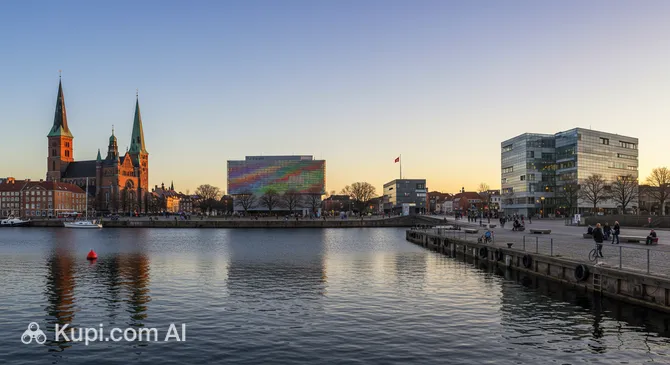
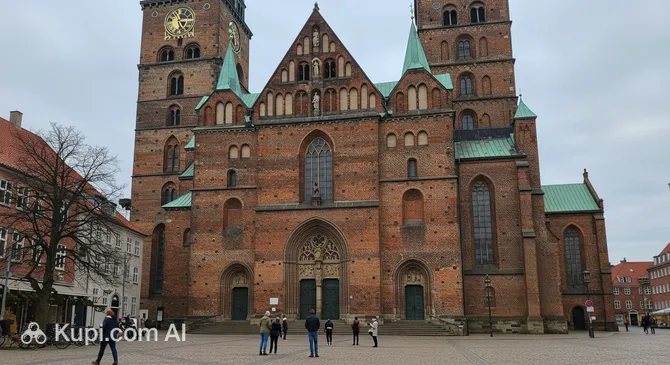
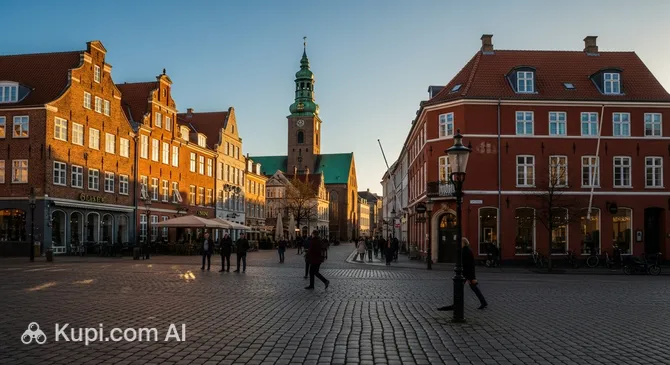
Aarhus, often affectionately known as the "City of Smiles," is a vibrant metropolis that perfectly balances the charm of a cozy town with the pulse of a modern cultural hub. As the second-largest city in Denmark, it serves as a dynamic center for art, education, and innovation, offering a unique atmosphere that is both relaxed and energetic.
Aarhus. Illustration.
Source: Kupi.com AI
Located on the eastern coast of the Jutland peninsula within the Central Denmark Region, the city enjoys a scenic position next to the sea, surrounded by lush forests and beaches. With a population of approximately 285,000 residents, it is large enough to offer diverse experiences yet small enough to explore comfortably on foot or by bike.
The history of Aarhus is deeply rooted in the Viking Age, making it one of the oldest cities in Scandinavia. Despite its ancient origins, the city feels incredibly youthful and forward-thinking, largely due to its significant student population and contemporary architecture.
Travelers are consistently captivated by the city's top attractions. The iconic ARoS Aarhus Art Museum offers spectacular views from its rainbow-colored panoramic walkway, while Den Gamle By (The Old Town) provides an immersive open-air museum experience that brings the past to life. Whether you are exploring the Latin Quarter's cobbled streets or enjoying the revitalized waterfront, Aarhus promises an unforgettable visit full of Nordic charm.
Weather Overview
Aarhus experiences a temperate oceanic climate, characterized by moderate temperatures and regular precipitation throughout the year. Because the weather can be quite changeable, it is always a good idea to check the current weather in Aarhus before packing for your trip. The city generally avoids extreme temperature fluctuations, resulting in a relatively gentle atmosphere regardless of the season.
The summer months are typically the warmest and most popular for visitors. August sees average temperatures of around 16.9°C, with highs reaching approximately 20.4°C, offering pleasant conditions for sightseeing. Spring is also a lovely time to explore, as the city warms up from an average of 3.7°C in March to 11.6°C in May. However, rain is a common companion even in the warmer months, with July and August experiencing between 14 and 15 wet days.
Winters in Aarhus are cold but not usually freezing, with average temperatures hovering between 2.6°C and 3.4°C from December to February. December is often the gloomiest month, featuring about 16 wet days. Expect mild, comfortable summers with frequent showers and cool, damp winters.
Average monthly temperature
Average monthly precipitation
Interesting Facts
Beyond the main attractions and historical sites, Aarhus holds many fascinating secrets that contribute to its unique character. From quirky urban features to architectural marvels, the city is full of surprises waiting to be discovered by curious travelers.
The Infinite Bridge. Illustration.
Source: Kupi.com AI
Traveler photos:
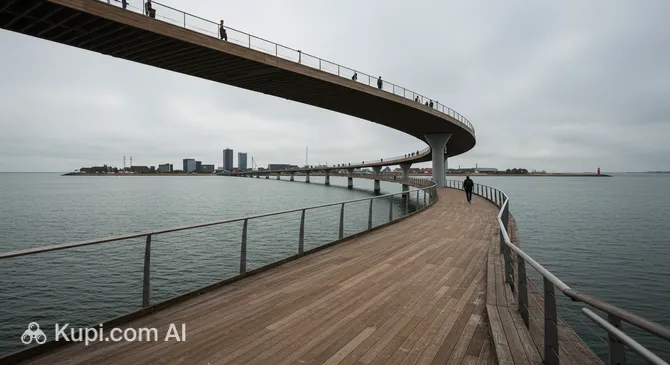
One of the city's most whimsical features is The Infinite Bridge, a circular wooden pier located on the beachfront. It has no beginning and no end, allowing visitors to walk in a continuous loop while enjoying panoramic views of the bay and the forest.
The historic buildings in The Old Town were not originally constructed in their current location. They were painstakingly dismantled from 75 different towns across Denmark and transported brick by brick to Aarhus to create this immersive open-air museum.
Aarhus pays homage to its ancient roots in a very modern way: several pedestrian crossings in the city center feature traffic lights shaped like Vikings instead of the standard walking figures, celebrating the city's founding in the 8th century.
Despite being one of the oldest cities in Scandinavia, Aarhus has the youngest demographic in Denmark. With a massive student population attending the university and various higher education institutions, the average age of its residents is significantly lower than the national average.
How to Get There
Reaching this vibrant Danish city is straightforward, thanks to its well-connected transport network. Whether you prefer flying or taking the train, there are several convenient options to suit your travel plans. For a comprehensive guide on all available routes and transport modes, you can read more about how to get to Aarhus.
The most direct way to arrive by air is via Aarhus Airport (IATA: AAR). Located approximately 30.4 km from the city center, it serves as the primary local hub for travelers. The journey from the airport to the heart of the city typically takes about 65 minutes by road, depending on traffic conditions. While it is a smaller regional facility, it offers efficient connections for visitors.
Another popular option is flying into Billund Airport (IATA: BLL), which is located in the city of Billund, about 80.8 km from Aarhus. As a larger international hub, it handles significantly more passenger traffic and offers a wider range of flight connections. Travelers arriving here should expect a transfer time of approximately 140 minutes to reach Aarhus by taxi or bus services.
For clarity, here is a summary of the main airports:
Traveling by train is another excellent way to reach the city. The main railway hub is Aarhus H Station (IATA: ZJH), which is conveniently situated just 1.4 km from the city center, making it incredibly easy to start exploring immediately upon arrival. It is a major station handling millions of passengers annually.
International travelers often connect through Copenhagen Central Station (IATA: ZGH). Please note that this station is located in Copenhagen, approximately 157.4 km from Aarhus. From there, you can catch a direct train to Aarhus, enjoying a scenic journey across Denmark. The transfer from Copenhagen to Aarhus by road would take significantly longer, estimated at around 255 minutes based on general travel calculations, so the train is usually the preferred choice.
Aarhus offers a delightful mix of historical sites, cultural institutions, and recreational areas. Whether you are an art lover, a history buff, or simply looking for entertainment, the city has something to captivate every traveler. The attractions here are conveniently located, often blending seamless urban design with the surrounding nature.
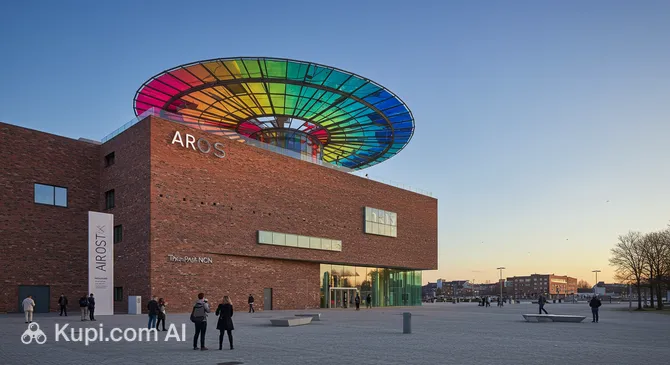
One of the most prominent cultural landmarks is the ARoS Aarhus Art Museum. As one of the largest art museums in Northern Europe, it is instantly recognizable by the "Your rainbow panorama" walkway on its roof. Visitors can stroll through this circular glass corridor to view the city in every color of the spectrum. Inside, the museum houses expansive collections covering the Danish Golden Age, modernism, and contemporary art, providing a world-class cultural experience.
ARoS Aarhus Art Museum. Illustration.
Source: Kupi.com AI
Traveler photos:
For a journey back in time, The Old Town is an absolute must-see. This unique open-air museum recreates Danish market towns from different eras, complete with authentic buildings, workshops, and actors dressed in period clothing. It offers a fascinating glimpse into life as it was in the 1800s, 1920s, and 1970s, making it an educational and immersive experience for visitors of all ages.
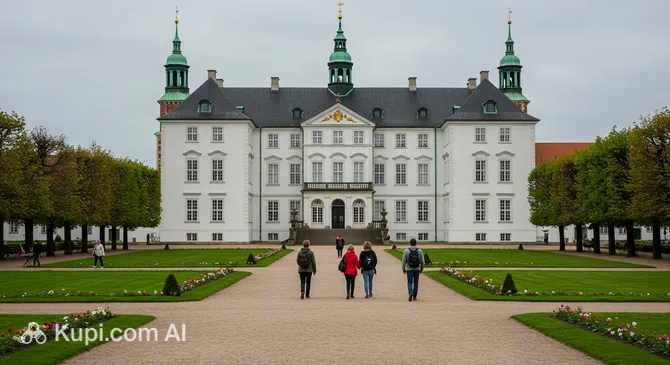
South of the city center lies Marselisborg Palace, the summer residence of the Danish Royal Family. While the palace interior is private, the surrounding park is open to the public when the royal family is not in residence. The grounds are beautifully maintained, featuring sculptures, rose gardens, and towering trees, perfect for a peaceful afternoon walk.
Marselisborg Palace. Illustration.
Source: Kupi.com AI
Traveler photos:
In the heart of the city stands Aarhus Cathedral, dedicated to the patron saint of sailors, St. Clemens. It holds the title of the longest and tallest church in Denmark, with a rich history dating back to the 12th century. Tourists are drawn to its impressive frescoes, the magnificent altar, and the opportunity to climb the tower for a sweeping view of the bay and the city's rooftops.
For those seeking excitement, Tivoli Friheden is a classic amusement park located within the Marselisborg Forest. It features a wide array of rides, from adrenaline-pumping roller coasters to gentle carousels, as well as open-air concerts and beautifully landscaped gardens. It is a fantastic spot for families and anyone looking to enjoy an energetic and fun-filled atmosphere.
Local Cuisine
Aarhus has rapidly evolved into a premier gastronomic destination in Scandinavia, offering a culinary landscape that ranges from Michelin-starred innovation to hearty traditional Danish fare. The city's food scene is characterized by a strong focus on fresh, local ingredients, often sourced from the surrounding forests and coastline, reflecting the principles of the New Nordic Kitchen while maintaining a cozy, unpretentious atmosphere.
When visiting, you simply must try the classic Danish open-faced sandwich known as smørrebrød. This staple consists of dark, dense rye bread piled high with various toppings such as pickled herring, roast beef with remoulade and crispy onions, or liver paté with bacon. Another local favorite, especially given the city's seaside location, is the Stjerneskud (Shooting Star). This indulgent dish features a slice of French bread topped with two pieces of plaice—one steamed and one fried—garnished with shrimp, asparagus, and caviar.
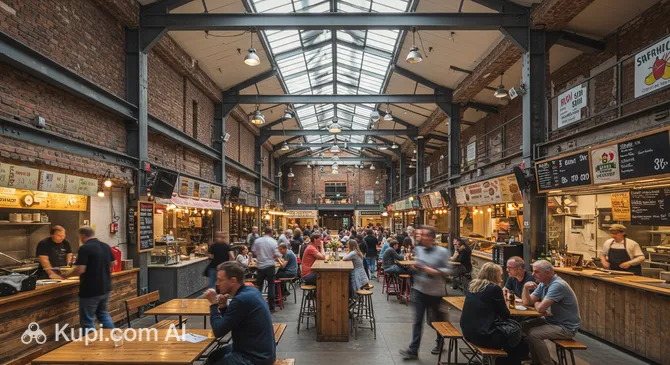
For a casual and vibrant dining experience, Aarhus Street Food is the place to be. Located in a converted bus garage near the bus station, this bustling market brings together more than 30 different kitchens serving dishes from all over the world. It is a fantastic spot to mingle with locals, enjoy affordable meals, and soak up a lively, communal atmosphere.
Aarhus Street Food. Illustration.
Source: Kupi.com AI
Traveler photos:
The city's dining culture is centered around several key areas. The Latin Quarter (Latinerkvarteret) is famous for its charming cobblestone streets lined with intimate cafes and bakeries, perfect for enjoying a "Wienerbrød" (Danish pastry) with a cup of coffee. Meanwhile, the cafes along the river (Åboulevarden) offer excellent outdoor seating where you can enjoy a meal while watching the world go by.
When it comes to drinks, beer plays a significant role in the local culture. While major Danish brands are ubiquitous, there is a thriving craft beer scene. Places like Vesterlauget in the Vesterbro district offer a relaxed "brown bar" vibe where you can enjoy quality beers and simple, homemade food. For those who prefer cocktails, the city hides some speakeasy-style gems like Gedulgt, known for its creative mixology and secretive entrance.
Travel Tips
Visiting Aarhus is a delightful experience, but like any destination, a little local know-how goes a long way in ensuring a smooth trip. To help you navigate the "City of Smiles" with ease, here are some practical tips covering everything from packing essentials to navigating the local cycling culture.
Clothing and Gear: The weather in Denmark is notoriously changeable, so the best strategy is to dress in layers. Even in summer, a light sweater and a windproof, waterproof jacket are essential items to pack. Since you will likely do a lot of walking on cobblestoned streets, particularly in the Latin Quarter, bring comfortable flat shoes and leave the high heels at home. If you plan to visit churches, casual attire is generally acceptable, but modest clothing is appreciated.
Transportation: Aarhus is compact and best explored on foot or by bike. The city has an excellent public transport system consisting of yellow city buses and the modern light rail, known as Letbanen. You can easily purchase tickets via the official apps or use a credit card at ticket machines. Renting a bicycle is highly recommended to feel like a true local, but ensure you are comfortable riding in city traffic.
Finances: The local currency is the Danish Krone (DKK). Denmark is rapidly becoming a cashless society, and international credit and debit cards are accepted almost everywhere, from supermarkets to hot dog stands. You rarely need to carry large amounts of cash, though keeping a few coins for public toilets is handy. Tipping is not mandatory as service is included in the bill, but rounding up for good service is a polite gesture.
Health and Safety: Aarhus is considered one of the safest cities in the world. Pharmacies, marked by a green "Apotek" sign, are well-stocked, and the staff usually speak excellent English. For non-life-threatening medical issues outside regular hours, there is a doctor-on-call service, while 112 is the number for emergencies. The city is safe to walk in at night, but standard precautions regarding personal belongings apply.
Communication: The official language is Danish, but the level of English proficiency is exceptionally high. You will have no trouble communicating with locals in English. However, learning a few Danish words like "Tak" (Thank you) or "Hej" (Hello) is always received warmly. Free Wi-Fi is widely available in cafes, libraries, and on some public transport, so staying connected is easy.
Local Etiquette: Danes value punctuality, so try to be on time for any appointments or tours. When greeting people, a firm handshake is the norm. In public, the concept of "hygge" (coziness) often translates to a relaxed and polite atmosphere; loud or boisterous behavior in quiet public spaces is generally frowned upon.
What to Avoid: The most important rule in Aarhus is: never walk in the bike lanes. Cyclists move fast and expect the path to be clear; stepping into their lane is dangerous and will likely result in angry shouts. Also, avoid jaywalking; locals typically wait for the green light even if the road is empty, and doing otherwise is seen as bad manners.
Shopping Hours: Be aware that shop opening hours might be shorter than what you are used to. Most smaller shops close around 17:30 or 18:00 on weekdays and often close as early as 14:00 or 16:00 on Saturdays. Many shops are closed entirely on Sundays, except for larger department stores and supermarkets, so plan your shopping accordingly.
By keeping these practicalities in mind, you can focus on soaking up the vibrant atmosphere and unique culture of this charming harbor city. Whether you are cycling along the coast or enjoying a pastry in a quiet cafe, you will find Aarhus to be a welcoming and accessible destination for every traveler.
Entertainment & Nightlife
As the sun sets, Aarhus transforms into a lively hub of entertainment, offering everything from cozy pubs to energetic dance floors. The city's nightlife is compact and accessible, making it easy to hop between venues. The most bustling area is undoubtedly Åboulevarden, a promenade along the river filled with bars and cafes. On weekends, this strip is packed with a young, energetic crowd enjoying the vibrant atmosphere and outdoor seating that stretches late into the night.
For those seeking a more relaxed or sophisticated evening, the Latin Quarter and the trendy Frederiksbjerg district are excellent alternatives. In particular, Jægergårdsgade in Frederiksbjerg is known for its high-quality cocktail bars, wine bodegas, and craft beer spots. The vibe here is generally more mature and "hygge," with a focus on conversation and quality drinks rather than loud music. Dress codes are typically smart-casual; Danes dress well but comfortably, so a neat appearance is appreciated without being overly formal.
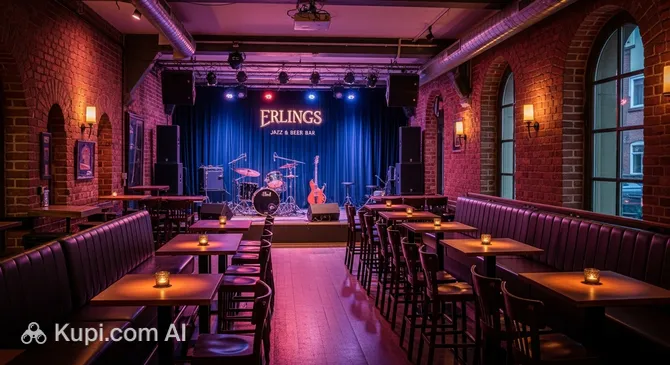
Music plays a central role in the city's evening culture. A fantastic spot for jazz enthusiasts and beer lovers alike is Erlings Jazz & Beer Bar. Located near the harbor, this venue is celebrated for its intimate atmosphere, regular live jazz sessions, and an impressive selection of local brews. It captures the essence of Aarhus's cultural scene—unpretentious, artistic, and welcoming.
Erlings Jazz & Beer Bar. Illustration.
Source: Kupi.com AI
Traveler photos:
During the warmer months, the entertainment scene moves outdoors. The historic amusement park Tivoli Friheden hosts the popular "Fed Fredag" (Fat Friday) concerts, drawing thousands of locals to sing along to top Danish bands. It is a quintessential Aarhus experience that combines the thrill of rides with the joy of live music under the open sky.
While nightlife is a major draw, the city also offers plenty of daytime entertainment. Art lovers can explore contemporary exhibitions at Kunsthal Aarhus, which showcases experimental works in a bright, modern space. Families traveling with children might enjoy a trip to Leo's Playland, a large indoor activity center perfect for burning off energy on rainy days.
When planning a night out, keep in mind that the party starts relatively late, with many clubs not filling up until after midnight. Prices can be on the higher side, with cocktails typically costing between 85 and 120 DKK. Getting around is safe and easy; the city center is walkable, but for longer distances, the "Aarhus Taxa" service is reliable. On weekends, night buses (Natbus) provide a convenient and affordable way to get home safely.
Parks & Museums
Aarhus seamlessly blends urban life with the tranquility of nature, offering visitors easy access to lush green spaces and a diverse array of museums that delve into specific chapters of history and science. The city is renowned for its proximity to both forest and sea, allowing travelers to transition from cultural exploration to outdoor relaxation within minutes.
One of the city's most beloved green escapes is the Botanical Garden Greenhouses. Situated on hilly terrain near the city center, this facility features four different climate zones, allowing you to walk among tropical plants, fluttering butterflies, and desert cacti. It is an architectural gem as well, with its iconic snail-shaped hothouse offering a warm refuge on chilly Danish days. The surrounding park is perfect for a leisurely stroll among themed gardens and rolling lawns.
Botanical Garden Greenhouses. Illustration.
Source: Kupi.com AI
Traveler photos:
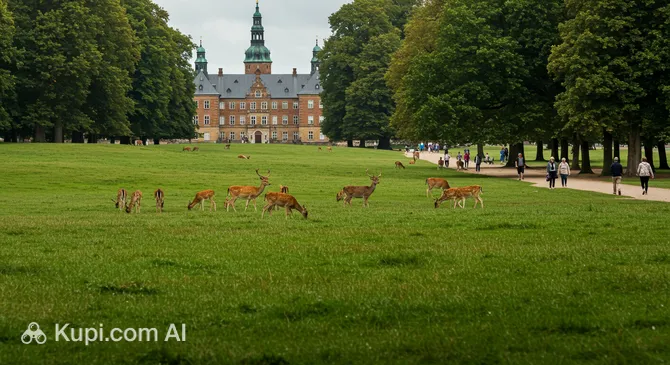
For a more interactive nature experience, head to the Marselisborg Deer Park. Located in the Marselisborg Forests south of the city, this enclosed area is home to sika deer and fallow deer that roam freely and are accustomed to visitors. It is a magical spot for families, as you can often get quite close to the animals. Nearby, you will find Mindeparken, a sprawling memorial park dedicated to Danish soldiers from World War I, offering wide lawns that are popular for picnics with a view of the Bay of Aarhus.
Marselisborg Deer Park. Illustration.
Source: Kupi.com AI
Traveler photos:
Beyond the major art galleries, the city's museums offer fascinating insights into local history and science. The Occupation Museum provides a gripping narrative of life in Aarhus during the German occupation of World War II. Housed in the actual former police headquarters that served as the Gestapo's base, the museum uses personal stories, artifacts, and original cells to recount the dramatic events of the resistance movement and daily life during the war years.
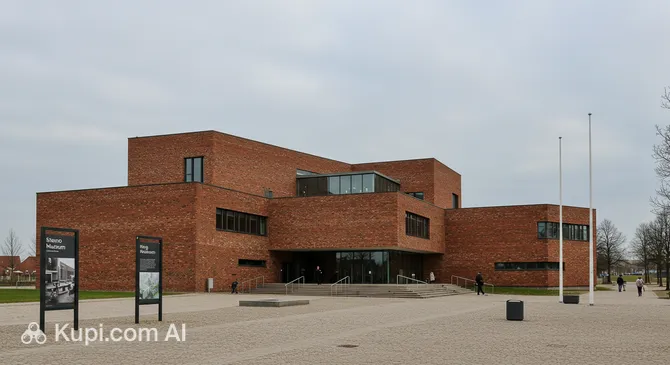
Science enthusiasts should not miss the Steno Museum, located in the University Park. This museum is dedicated to the history of science and medicine, featuring interactive exhibits that range from astronomical instruments to the evolution of medical practices. It also houses a planetarium and a beautiful medicinal herb garden, making it an educational destination for curious minds of all ages.
Steno Museum. Illustration.
Source: Kupi.com AI
Traveler photos:
While exploring the city center, you will likely find yourself at Store Torv. This historic square, located right in front of the cathedral, has been a central gathering point for centuries. It connects the vibrant shopping streets with the historic Latin Quarter and often hosts markets and public events. For those looking to enjoy the sea during the summer months, Bellevue Beach Park offers a classic Danish beach experience with sandy shores and clean water, located just a few kilometers north of the center.
For a truly local experience, visit the Greenhouses in the Botanical Garden on a weekday morning to enjoy the tranquility before the crowds arrive. It is one of the few top-tier attractions in the city that is free to enter, making it a perfect spot for a budget-friendly break surrounded by nature.
Getting Around
Navigating Aarhus is remarkably straightforward, thanks to an efficient and integrated public transport system operated by Midttrafik. The city is served primarily by a network of yellow city buses and a modern light rail system known as Letbanen. The yellow buses cover the entire municipality and run frequently, making them a convenient choice for short trips within the city center and to nearby neighborhoods. For journeys further afield, the blue regional buses connect Aarhus with the surrounding towns in the Central Denmark Region.
The Letbanen is a popular mode of transport for both locals and visitors. It functions as a tram within the city center, gliding through the streets, and transforms into a faster regional train as it travels to the suburbs and the Djursland peninsula. It is particularly useful for reaching destinations like the university, the hospital, or the northern beaches. The system is clean, punctual, and offers a scenic way to view the city's outskirts.
The payment system is based on geographical zones. For most tourists staying in the city center and visiting major attractions, a two-zone ticket is usually sufficient. The most convenient way to pay is by using the Midttrafik app or the national RejseBillet app, where you can purchase single tickets or day passes directly on your phone. Alternatively, you can buy tickets at the ticket machines located at Letbanen stations and major bus stops, which accept credit cards. While drivers on yellow buses may accept cash, it is increasingly rare and requires exact change, so digital payment or machines are strongly recommended.
For visitors planning to explore extensively, the Aarhus Card is an excellent investment. This all-inclusive tourist pass offers unlimited free public transport within the entire Midttrafik region (including buses and the light rail) and grants free admission to more than 20 museums and attractions. It simplifies the travel experience significantly, as you do not need to worry about zones or ticket validity times.
Public transport generally operates from early morning until around midnight. On Friday and Saturday nights, special night buses (Natbus) run to ensure safe travel after hours, though they may require a special ticket or surcharge if you do not have a valid travel pass. Always remember to have a valid ticket before boarding the light rail, as ticket inspectors patrol frequently and fines for traveling without a ticket are substantial.
Cycling is a massive part of the local culture and is often the fastest way to get around. Aarhus boasts an extensive network of safe, separated bike lanes. Tourists can easily rent bicycles from various shops or use the city's bike-sharing schemes. If you prefer a more private mode of transport, taxis are available and reliable, operated by companies like Aarhus Taxa. However, be aware that taxi fares in Denmark are quite high compared to other countries, and ride-sharing services like Uber generally do not operate here. Given the compact nature of the city center, walking is often the most pleasant alternative.
Accommodation
Where to Stay:
Finding the perfect place to stay in Aarhus is relatively easy, as the city offers a wide spectrum of accommodation options to suit various preferences and budgets. The selection ranges from modern, design-focused hotels and charming bed and breakfasts to budget-friendly hostels and private apartment rentals. Whether you are looking for luxury with a view of the harbor or a cozy spot in a historic neighborhood, the city has something to offer.
For most travelers, the best area to base yourself is the City Center (Indre By). Staying here puts you within walking distance of the main shopping streets, the central train station, and major sights. This area wraps around the historic Latin Quarter, where you can find accommodation tucked away on cobblestone streets, just steps from the impressive Aarhus Cathedral. This location is ideal for first-time visitors who want to be in the heart of the action, close to cafes, museums, and the vibrant nightlife.
Aarhus Cathedral. Illustration.
Source: Kupi.com AI
Traveler photos:
If you prefer a more local and trendy vibe, consider the Frederiksbjerg district. Located just south of the main railway station, this neighborhood is known for its excellent food scene, specialty shops, and relaxed atmosphere. It is a convenient choice for foodies who want to be near the popular street food markets and high-quality restaurants while still being only a short walk from the city center. Alternatively, for a quieter stay close to nature, look for options near the Marselisborg forests or the waterfront, where you can enjoy peaceful surroundings and sea views.
When planning your trip, it is highly recommended to book your accommodation well in advance, especially if you are visiting during the peak summer months (June to August) or during major festivals. Aarhus is a popular destination for both business and leisure, and the best-value rooms tend to fill up quickly.
In terms of pricing, accommodation in Denmark is generally on the higher end compared to the European average. While you can find budget-friendly hostels, most mid-range hotels and private rentals command a premium price. Booking is typically done via major online travel platforms or directly through hotel websites, which is often the best way to secure special offers or breakfast inclusions.
Nearby Cities
For those looking to explore the surroundings, Aarhus serves as an excellent base for day trips to several interesting nearby locations:
One of the most scenic destinations is Silkeborg, located in the heart of the Danish Lake District. Known for its stunning natural beauty, it is a paradise for outdoor enthusiasts who can enjoy canoeing on the Gudenå River or hiking up Himmelbjerget, one of the highest points in Denmark, for panoramic views. The city also hosts the historic paddle steamer Hjejlen, offering a nostalgic way to experience the lakes.
For a unique tropical experience in Scandinavia, Randers is well worth a visit. It is famous for the Randers Regnskov, a massive indoor rainforest zoo where visitors can walk among free-roaming monkeys, sloths, and exotic birds under three large domes. The city also features a charming medieval center with narrow streets and half-timbered houses.
History buffs will appreciate a trip to Viborg, one of the oldest cities in the country. It was once the capital of Jutland and remains a significant historical hub, dominated by the magnificent Viborg Cathedral. The cathedral is renowned for its impressive granite architecture and the unique biblical frescoes painted by Joakim Skovgaard, making it a cultural highlight of the region.
City
Population
Distance
Lystrup
10 436
8 km
Løgten
8 659
14 km
Galten
9 004
18 km
Odder
12 454
21 km
Skanderborg
19 963
22 km
These nearby destinations offer a glimpse into the diverse culture and landscapes of the region.
Shopping & Souvenirs
Aarhus is frequently hailed as the premier shopping destination in Scandinavia, offering a retail experience that perfectly blends cosmopolitan variety with charming, walkable intimacy. The city is renowned for its diverse shopping scene, ranging from high-end international fashion brands and sprawling department stores to quirky independent boutiques and Danish design shops. Whether you are looking for the latest trends or unique vintage finds, the city center provides a vibrant and accessible atmosphere for every type of shopper.
The heart of the shopping district is the pedestrian high street known as "Strøget," which connects the central train station to the cathedral. This bustling artery is lined with major chain stores and flagship outlets. For a more atmospheric experience, wander into the historic Latin Quarter (Latinerkvarteret). Here, amidst narrow cobblestone streets, you will discover a treasure trove of designer boutiques, art galleries, and lifestyle shops. Store Torv acts as a central gathering point near these areas, often hosting markets and serving as a gateway to the city's most exclusive shopping streets.
Store Torv. Illustration.
Source: Kupi.com AI
Traveler photos:
If you prefer an all-in-one indoor shopping experience, the city boasts excellent modern centers. Bruuns Galleri is the largest and most popular, located directly adjacent to the railway station. It features approximately 100 stores, a cinema, and numerous dining options, making it a convenient stop for travelers. Another notable destination is Storcenter Nord, situated in the northern part of the city, which offers a relaxed, family-friendly environment with a wide selection of shops and easy parking.
Bruuns Galleri. Illustration.
Source: Kupi.com AI
Traveler photos:
For a taste of local life, the city's markets are a must-visit. The market at Ingerslevs Boulevard is particularly famous among locals; held on Wednesdays and Saturdays, it transforms the street into a vibrant pantry filled with fresh produce, flowers, and local delicacies. While Aarhus Street Food is primarily a dining venue, its bustling atmosphere captures the spirit of a modern market hall and is a great place to soak up the local vibe.
When it comes to souvenirs, Aarhus offers plenty of distinctively Danish options. The city is a hub for Scandinavian design, so look for minimalist home decor, ceramics, or the iconic wooden figures by Kay Bojesen. Edible treats are also popular, with gourmet licorice and high-quality chocolates being top choices. The museum shops at major attractions often carry curated selections of design products and books that make for meaningful keepsakes.
Shopping hours in Aarhus are generally from 10:00 to 17:30 or 18:00 on weekdays. On Saturdays, most shops close earlier, typically around 16:00. Sunday opening hours can be limited, although larger department stores and shopping centers usually remain open. Payment is seamless, as Denmark is largely a cashless society; international credit and debit cards are accepted in virtually every store, from large malls to small market stalls.
Tourists residing outside the European Union can take advantage of the tax-free shopping scheme. If you spend above a certain amount in a participating store, you are eligible for a VAT refund. Look for the "Tax Free" signage in shop windows and remember to ask for a refund form at the checkout, which you can then validate at the airport upon departure.