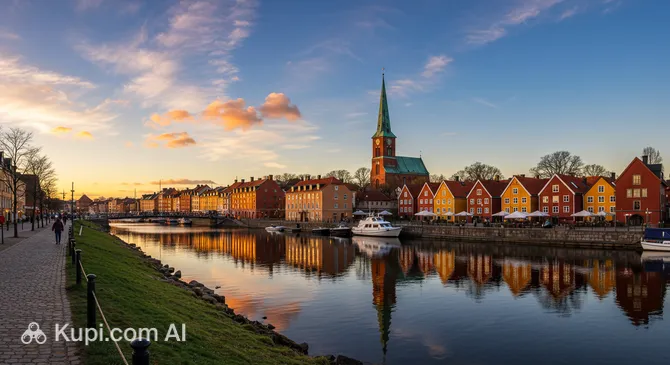
Nestled on the picturesque west coast of Sweden, Halmstad is a vibrant city that perfectly blends historical charm with a lively modern atmosphere. Situated in the province of Halland where the Nissan River meets the sea, this coastal gem is renowned for its scenic beauty and relaxed lifestyle. With a population of over 70,000 residents, it serves as a bustling regional hub while maintaining the welcoming and cozy feel of a smaller town.
Halmstad. Illustration.
Source: Kupi.com AI
The city is perhaps best known as a premier summer destination, drawing visitors to its spectacular coastline. The famous Tylösand beach, with its miles of golden sands and rolling dunes, is a highlight for sunseekers and nature lovers alike. Beyond the beaches, the city is often celebrated as the "golf capital" of the country, boasting numerous high-quality courses that attract enthusiasts from near and far.
Culturally, the city offers plenty to explore, from the iconic Head of a Woman sculpture by Pablo Picasso to the beautiful 17th-century castle near the river. To truly understand the region's heritage, exploring the history of Halmstad reveals a fascinating past shaped by both Danish and Swedish influences. Whether you are looking for outdoor adventures, cultural sights, or simply a peaceful seaside retreat, Halmstad invites you to experience its unique coastal magic.
Weather Overview
The climate in this coastal region is generally mild and temperate, characterized by pleasant summers and cool winters. Since conditions can be somewhat changeable, checking the current weather in Halmstad is always a good idea before your trip. The summer months of June, July, and August are the warmest, with average daily highs reaching approximately 21°C, making it the most popular time for enjoying the city's beaches and outdoor attractions.
Winters are cold but typically not extreme, with average temperatures in January and February hovering around 1°C to 2°C and lows occasionally dropping just below freezing. The transition seasons of spring and autumn offer crisp and refreshing air; by May, daytime highs often climb to nearly 17°C, while October sees averages cooling to around 10°C. Overall, you can expect warm summers with occasional rain and cold, relatively damp winters, as precipitation occurs frequently throughout the year.
Average monthly temperature
Average monthly precipitation
Interesting Facts
Beyond its reputation as a summer paradise, Halmstad holds many fascinating secrets that range from pop culture milestones to artistic oddities. Discover some of the unique details that define the character of this Halland gem.
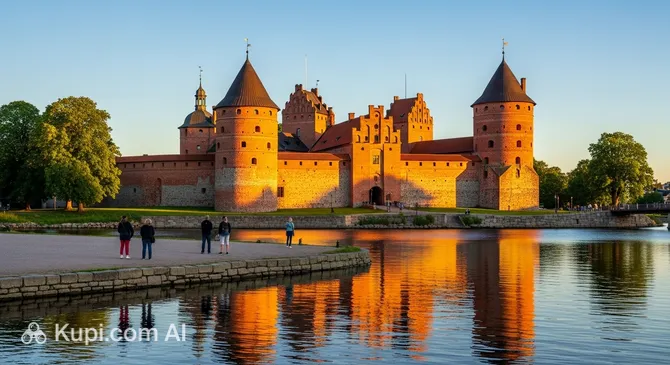
Halmstad Castle. Illustration.
Source: Kupi.com AI
Traveler photos:
Although the city boasts a monumental sculpture by Pablo Picasso, the artist never actually set foot in Halmstad. The 15-meter tall Head of a Woman, which stands in Picasso Park, was created using a technique developed by a Norwegian artist, and Picasso donated the design specifically for this location without visiting.
Halmstad is often celebrated as Sweden's "Liverpool" because of its immense contribution to the country's pop music scene. It is the hometown of Per Gessle, the legendary songwriter and half of the world-famous duo Roxette, making the city a significant landmark for music history enthusiasts.
The beautiful Halmstad Castle tells a tale of the city's Danish past. Built in the early 17th century by King Christian IV of Denmark, it was designed primarily as a pleasure palace and country residence for the monarch rather than a purely defensive military fortress.
The city pays tribute to a fictional private with a bronze statue on Storgatan. The character, known as "91:an Karlsson," hails from a classic Swedish comic strip created by a local artist, and the statue has become a beloved symbol of the city's regimental history.
How to Get There
Reaching this coastal destination is straightforward, with several convenient options available for travelers. Whether you prefer flying or taking the train, you can easily find a route that suits your schedule. For a complete overview of all travel methods, you can read more about how to get to Halmstad.
If you prefer to fly, the most direct option is the local Halmstad Airport (HAD), located just 3 km from the city center. A taxi or bus from here takes only about 10 minutes. For a wider range of international connections, many visitors choose Copenhagen Airport (CPH) in Copenhagen, situated approximately 118 km away. Another excellent alternative is Göteborg Landvetter Airport (GOT) in Gothenburg, which is about 116 km to the north. Both of these major hubs are roughly a 1.5 to 2-hour journey from the city.
For clarity, here is a summary of the main airports:
Traveling by train is another popular and scenic way to arrive. International visitors often transit through Copenhagen Central Station in Copenhagen, a major rail hub located approximately 113 km away. From there, frequent trains run along the coast towards Sweden. You might also connect via Lund Central Station in Lund, which is about 110 km south of the city and serves as a key junction for the region.
Halmstad offers a delightful mix of history, nature, and culture, making it a joy to explore on foot. From its riverside landmarks to its scenic hilltops, the city presents a variety of sights that tell the story of its Danish-Swedish heritage and its love for the outdoors. Here are some of the top places to visit during your stay.
Situated beautifully along the Nissan River, Halmstad Castle is arguably the city's most iconic landmark. Dating back to the early 17th century, this striking structure reflects the era when the region was under Danish rule. While the interior serves as the residence for the county governor and is generally closed to the public, the castle's charming courtyard and exterior architecture make it a perfect backdrop for photography and a pleasant stop during a riverside walk.
Halmstad Castle. Illustration.
Source: Kupi.com AI
Traveler photos:
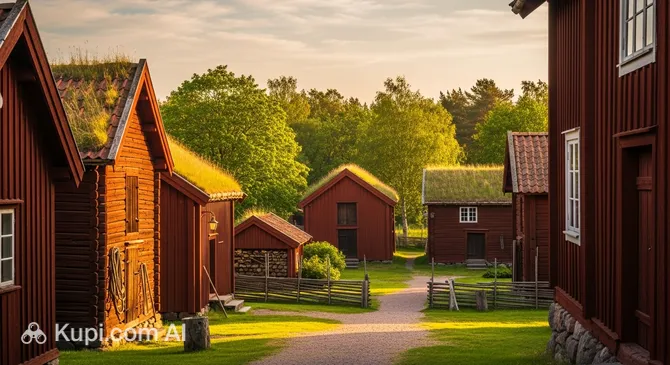
For a journey back in time, visitors should head to Galgberget Hill to explore the Hallandsgården Open-Air Museum. This delightful attraction features a collection of historical buildings moved from various parts of the province, offering a glimpse into rural life in old Halland. Guests can wander among traditional cottages, a windmill, and a schoolhouse, or simply enjoy a traditional Swedish "fika" at the garden café, which offers sweeping views over the city.
Hallandsgården Open-Air Museum. Illustration.
Source: Kupi.com AI
Traveler photos:
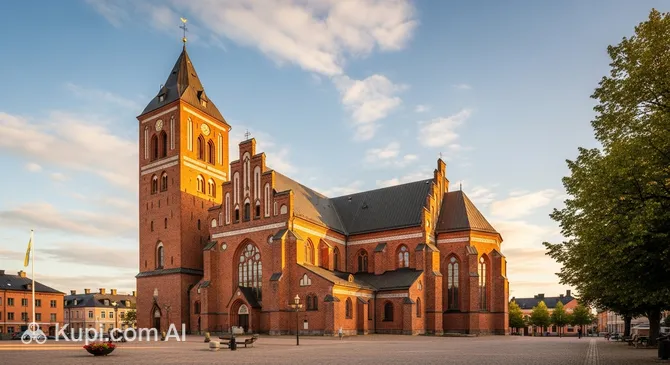
Standing tall in the heart of the city, Saint Nicholas Church is one of the few remaining medieval buildings in Halmstad. Dedicated to the patron saint of sailors, this brick church has watched over the town since the 15th century. Its robust architecture and serene interior provide a peaceful retreat from the bustling city center, inviting travelers to admire its historical significance and religious art.
Saint Nicholas Church. Illustration.
Source: Kupi.com AI
Traveler photos:
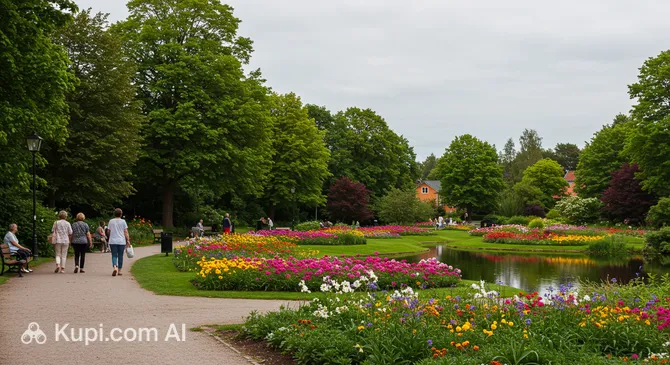
Nature lovers will appreciate a stroll through Norre Katts Park, a lush green oasis located near the historic Norre Port city gate. Known for its rich variety of exotic trees and vibrant rhododendrons, the park is a favorite spot for both locals and tourists seeking relaxation. It is an ideal place for a picnic or a leisurely walk, offering a colorful display of flora that changes with the seasons.
Norre Katts Park. Illustration.
Source: Kupi.com AI
Traveler photos:
Local Cuisine
The culinary scene in Halmstad is deeply rooted in its location on the Swedish west coast and the fertile farmlands of the surrounding Halland province, often referred to as "Sweden's pantry." Unsurprisingly, fresh seafood plays a starring role in the local diet. Salmon (lax) is a particular favorite here, historically fished from the Nissan River and now served in countless ways, from cold-smoked varieties to grilled fillets accompanied by fresh summer potatoes and dill sauce.
For a truly authentic taste of the region, visitors should look for långkål (creamed kale). While often associated with traditional Christmas buffets across the country, this dish is a beloved staple in Halland cuisine that locals take great pride in. It is typically prepared by simmering kale in ham broth and cream, resulting in a rich, savory side dish that pairs perfectly with ham or sausages. Another regional highlight is the widespread use of fresh horseradish, which adds a sharp, spicy kick to many meat and fish dishes.
When it comes to beverages, the Swedish tradition of fika—a coffee break accompanied by a sweet treat—is an essential part of daily life. You will find cozy cafés throughout the city serving strong coffee and cinnamon buns. For something stronger, the region has a growing craft beer scene, with local microbreweries producing excellent lagers and ales. During festive meals, it is also common to enjoy a small glass of snaps (spiced aquavit) alongside pickled herring.
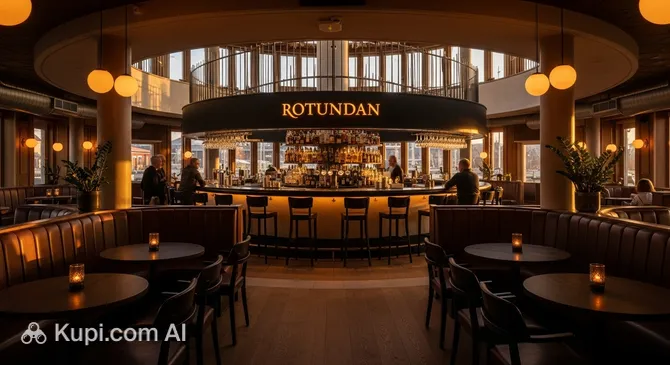
The dining atmosphere in the city is relaxed and inviting, especially during the summer months when restaurants open their outdoor terraces. The area around Lilla Torg is a hub for food lovers, offering everything from fine dining to casual street food. For a unique experience in a historic setting, you can visit Rotundan. Located in the beautiful Norre Katts Park, this classic pavilion hosts events and offers a charming spot to enjoy food and drinks on warm evenings.
Rotundan. Illustration.
Source: Kupi.com AI
Traveler photos:
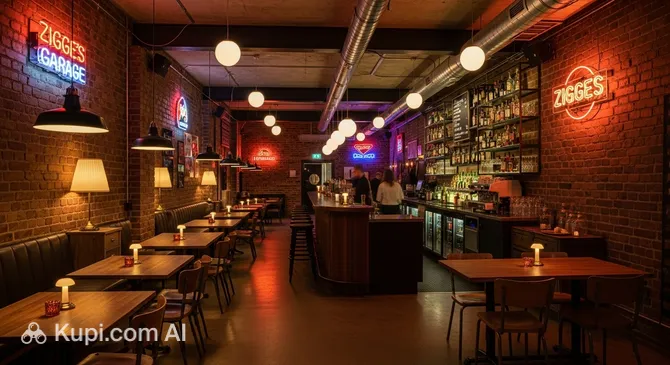
If you prefer a more modern and lively environment, Zigge's Garage is a popular choice among locals. This bar and restaurant combines a cool, industrial vibe with a menu of tasty tapas and refreshing cocktails, making it a great place to unwind after a day of sightseeing.
Travel Tips
To ensure your visit to this charming coastal city is as breezy and enjoyable as a day at Tylösand, a little preparation goes a long way. Whether you are here for the golf, the beaches, or the history, these practical tips will help you navigate local life with ease.
Clothing and Gear: Since Halmstad is a coastal city, the weather can change rapidly. Even in summer, a windproof jacket or a light raincoat is essential to protect against the sea breeze. Winters are damp and chilly, so thermal layers, a warm coat, and waterproof boots are recommended. Comfortable walking shoes are a must for exploring the cobblestone streets of the city center.
Transportation: The city center is compact and very walkable, but for longer distances, the local public transport network run by Hallandstrafiken is excellent. You can easily buy bus tickets via their mobile app or with a credit card on board. However, Halmstad is famously known as a bike-friendly city; renting a bicycle is often the best and most authentic way to get around, especially for trips to the beach.
Finances: The local currency is the Swedish Krona (SEK). Sweden is one of the most cashless societies in the world, and many shops, cafes, and even public toilets in Halmstad do not accept cash at all. Ensure you have a valid credit or debit card (Visa and Mastercard are widely accepted). Tipping is not mandatory, but rounding up the bill to the nearest ten or hundred kronor is a polite gesture for good service.
Health and Safety: Halmstad is a very safe city for travelers. In case of an emergency, dial 112 for police, ambulance, or fire services. For minor health issues, look for a pharmacy, known as Apotek, which can be identified by a green cross sign. Tap water is of extremely high quality and is safe to drink everywhere, so bring a reusable bottle.
Communication: The official language is Swedish, but English is spoken fluently by the vast majority of the population. You will have no trouble communicating in hotels, restaurants, or shops. Learning a few basic words like Hej (Hello) and Tack (Thank you) is appreciated. Free Wi-Fi is available in many public spaces, cafes, and on buses.
Local Etiquette: Swedes value personal space and order. When entering a shop or waiting for a bus, always respect the queue (kö)—cutting in line is considered very rude. If you are invited to a local's home, it is customary to remove your shoes at the door. Greetings are usually casual, with a firm handshake or a friendly nod being the norm.
What to Avoid: Do not try to buy strong alcohol in regular supermarkets. In Sweden, beverages with an alcohol content above 3.5% are sold exclusively at the state-run liquor store called Systembolaget. Also, avoid walking in designated bike lanes; locals cycle fast and expect pedestrians to stay on the sidewalk.
Additional Tip: If you are visiting during the summer, experience the local phenomenon known as "After Beach." On sunny afternoons, thousands of people gather at the restaurants and bars in Tylösand after a day by the sea to enjoy live music and socializing. It is a unique part of Halmstad's summer culture that offers a fun and lively atmosphere.
By keeping these simple guidelines in mind, you will be well-equipped to relax and enjoy everything this beautiful part of Halland has to offer. Halmstad is a welcoming city that prides itself on its hospitality, so don't hesitate to ask a friendly local if you need a hand!
Entertainment & Nightlife
As the sun sets over the Kattegat strait, Halmstad transforms from a relaxed coastal town into a lively hub of entertainment, particularly during the vibrant summer months. The nightlife scene here is distinctively seasonal, with a pulse that quickens significantly from June to August. While the winter months offer a more intimate atmosphere centered around cozy pubs and warm gatherings, the summer brings an electric energy that spills out onto the streets and beaches, drawing party-goers from all over Sweden.
The heart of the action is undoubtedly divided between the city center and the famous beach resort of Tylösand. In the city center, the area around Storgatan and Lilla Torg is bustling with activity. Here, you will find a cluster of bars, British-style pubs, and nightclubs within easy walking distance of each other. The atmosphere is generally friendly and casual, though some nightclubs may enforce a smart-casual dress code, especially on weekends. For a sophisticated evening with delicious cocktails and a unique industrial-chic vibe, Zigge's Garage is a standout venue where locals gather to socialize and unwind.
Zigge's Garage. Illustration.
Source: Kupi.com AI
Traveler photos:
If you are visiting in the summer, experiencing the legendary "After Beach" at Tylösand is practically mandatory. Located just a short bus or taxi ride from the center, this district becomes the party capital of the Swedish west coast in the afternoons and evenings. Thousands of people gather at venues like Solgården to enjoy live music and cold drinks in the sun. For larger concerts, sporting events, and major shows that continue into the evening, the Halmstad Arena acts as the city's premier event complex, hosting everything from ice hockey matches to international artists.
When it comes to practicalities, nightlife in Halmstad typically peaks between 11:00 PM and 2:00 AM on Fridays and Saturdays. Alcohol prices in Sweden can be high compared to other European countries, so it is common for locals to enjoy pre-drinks at home before heading out. The city is very safe for night walks, even in the late hours, but it is always wise to stick to well-lit main streets. Getting home is easy with a reliable network of night buses, or you can hail a taxi; just look for reputable companies like Halmstad Taxi or Sverigetaxi to ensure a fair rate.
Before the sun goes down, the city offers plenty of daytime entertainment to keep you occupied. Shopaholics can spend hours browsing the stores at Hallarna, a large shopping mall located just outside the city center. For families and thrill-seekers looking to burn off some energy, Yoump Trampoline Park Halmstad provides a fun, action-packed indoor experience with wall-to-wall trampolines. Whether you prefer a day of active fun or a night of dancing, this coastal city has something to offer every traveler.
Parks & Museums
Halmstad offers a refreshing mix of artistic heritage and lush green spaces, making it ideal for travelers who enjoy cultural exploration and nature walks. Beyond the sandy beaches, the city invites visitors to wander through its scenic parks and discover museums that celebrate the region’s unique artistic legacy.
One of the city's most prominent cultural institutions is the Halland Art Museum (Hallands Konstmuseum), beautifully situated right by the Nissan River. This museum serves as a cultural hub for the province, showcasing an impressive collection of regional art, folk textiles, and historical artifacts. It is also a fantastic place to learn about the famous "Halmstad Group," a collective of surrealist artists who put the city on the art map in the 20th century.
For those interested in delving deeper into this surrealist movement, a visit to the Mjellby Art Museum is highly recommended. Located just outside the city center, this internationally acclaimed museum is dedicated to the Halmstad Group but also hosts temporary exhibitions featuring world-class modern and contemporary art. It is a must-visit for art enthusiasts seeking to understand the creative spirit that defines this part of Sweden.
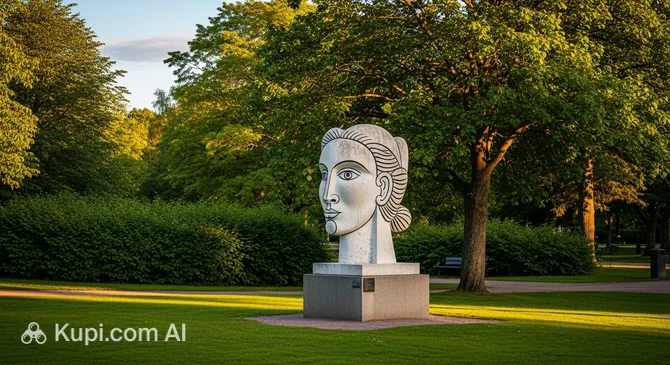
Back in the city center, Picasso Park offers a delightful spot for a riverside stroll. While it is famous for hosting the monumental Head of a Woman sculpture, the park itself is a serene green strip along the Nissan River, perfect for a quiet break from sightseeing. Locals often gather here to enjoy the views of the water and the city's skyline.
Picasso Park. Illustration.
Source: Kupi.com AI
Traveler photos:
It connects seamlessly with the city's walking paths, making it an accessible slice of nature in the heart of town.
For a more immersive nature experience, head to Galgberget, a large nature reserve and recreation area that rises above the city. Known as "Gallows Hill" due to its historical use, today it is a peaceful beech forest filled with walking trails, exercise tracks, and picnic spots. At the summit, you can climb the observation tower for panoramic views of Halmstad and the Kattegat sea, or simply enjoy the tranquility of the tall trees just a stone's throw from the urban bustle.
Getting Around
Public transport in Halmstad is efficient, reliable, and straightforward, consisting primarily of a comprehensive bus network operated by Hallandstrafiken. Since the city is relatively compact, there are no metro, tram, or trolleybus systems; instead, the bright yellow city buses serve as the main mode of transit, connecting the central station, the city center, and the surrounding suburbs. During the summer, the network is particularly useful for tourists, with frequent services linking the downtown area to the popular beaches along the coast.
The payment system is modern and completely cashless. The most convenient way to purchase tickets is by downloading the official Hallandstrafiken app, which allows you to plan your journey and buy single tickets or 24-hour visitor passes instantly. Alternatively, you can pay directly on board using a contactless credit or debit card (Visa or Mastercard). Simply tap your card on the green reader when you enter the bus; this acts as your valid ticket for a specific time window, typically 60 minutes, allowing for transfers within the zone.
For those who prefer not to use digital methods or cards on the bus, tickets can be purchased in advance at sales agents such as Pressbyrån convenience stores or the customer service center located at the main train station (Resecentrum). It is important to remember that cash is never accepted on board. Buses generally run from early morning until late at night, though frequencies may decrease on weekends and public holidays. Night buses are often available on Friday and Saturday nights to cater to the weekend crowd.
A specific route worth noting for travelers is the connection to Tylösand (usually Line 10), which becomes very busy during the summer months as it ferries visitors to the famous beach. While the bus system covers most needs, cycling is a highly popular and practical alternative. The city is renowned for being bike-friendly, featuring an extensive network of safe cycle paths. Renting a bike is often considered the best way to explore the scenic coastline at your own pace. Taxis are also available and can be hailed or booked via apps, but they are significantly more expensive than public transit.
Accommodation
Halmstad offers a wide variety of accommodation options to suit every type of traveler, ranging from comfortable city hotels and charming bed and breakfasts to scenic campsites and luxury seaside resorts. Whether you are looking for a budget-friendly hostel, a fully equipped apartment for a longer stay, or a lavish spa experience, the city's hospitality sector is well-equipped to cater to your needs.
The choice of location largely depends on the purpose of your visit. For those who prioritize convenience and culture, staying in the city center is ideal. Here, you are within walking distance of the central train station, the Nissan River, and the main shopping streets. This area places you right in the heart of the action, close to restaurants and historical sights. Conversely, summer visitors often prefer the coast, particularly the area around Tylösand. This district is famous for its stunning beaches and offers premium resort-style accommodations as well as popular campsites, providing a relaxed holiday atmosphere right by the sea.
Since Halmstad is one of Sweden's most popular summer destinations, finding a room during the peak season of June to August can be challenging if left to the last minute. It is highly recommended to book your accommodation well in advance, especially if you plan to visit during July when the city is at its busiest. Prices naturally peak during the summer months but are generally more moderate during the spring and autumn. Most properties can be easily reserved via major online booking platforms, though booking directly is also a common and reliable option.
Nearby Cities
For those looking to explore the surroundings, Halmstad serves as an excellent base for day trips to several interesting nearby locations:
City
Population
Distance
Falkenberg
27 813
34 km
Angelholm
40 894
48 km
Örkelljunga
10 300
51 km
Höganäs
16 001
56 km
Astorp
9 488
60 km
Located just north of the city, Varberg is a popular destination that combines history with relaxation. It is best known for its imposing fortress, which dominates the coastline and houses a museum featuring the famous medieval "Bocksten Man." The town is also a renowned spa resort, celebrated for its beautiful open-air cold bathhouse, the Kallbadhuset, which sits on stilts above the sea.
Traveling south brings you to Helsingborg, often referred to as the "Pearl of the Sound." Situated at the narrowest point of the Öresund strait, it offers stunning views across the water to Denmark, which is just a short ferry ride away. Visitors can climb the medieval Kärnan tower for a panoramic vista of the harbor or explore the magnificent Sofiero Palace and its award-winning gardens located just outside the city center.
For a closer excursion, Angelholm offers a charming mix of forest, river, and sea. Known for its 6-kilometer long sandy beach at Skälderviken, it is a perfect spot for summer swimming. The town is also home to the Swedish Railway Museum, a favorite attraction for families, and offers scenic opportunities for canoeing along the winding Rönne River.
These nearby destinations offer a glimpse into the diverse culture and landscapes of the region.
Shopping & Souvenirs
Shopping in Halmstad offers a delightful balance between charming city center boutiques and modern retail convenience. The atmosphere is relaxed and pedestrian-friendly, allowing visitors to stroll between stores while enjoying the historic architecture of the town. Whether you are looking for high-end Swedish fashion, unique interior design items, or practical outdoor gear for the coast, you will find a varied selection that caters to most tastes and budgets.
The heart of the shopping scene is located in the pedestrianized city center. The main thoroughfares, Storgatan and Köpmansgatan, are lined with a mix of well-known international chains and independent local shops. This area is perfect for leisurely window shopping, with plenty of cafés nearby for a traditional fika break. The streets around Lilla Torg also host smaller specialty stores where you can find clothing, jewelry, and books in a cozy, intimate setting.
For those who prefer a comprehensive all-under-one-roof experience, the city boasts a major shopping destination located just outside the center near the E6 highway. Hallarna is the region's largest shopping mall, featuring over 80 stores, restaurants, and cafes. It is the go-to spot for fashion, electronics, and groceries, offering ample free parking and extended opening hours compared to the downtown boutiques.
Hallarna. Illustration.
Source: Kupi.com AI
Traveler photos:
If you enjoy the vibrant atmosphere of open-air commerce, head to Stora Torg (The Main Square) in the city center. This historic square has served as a marketplace for centuries and continues to host vendors selling fresh fruit, vegetables, flowers, and seasonal local produce. While it is primarily a food and flower market, it is a great place to experience the local pulse, especially on Wednesdays and Saturdays when the trade is most active.
When searching for souvenirs to bring back home, look for items that reflect the region's heritage. Swedish glass and crystal are classic choices, often available in department stores or design shops. Handcrafted textiles and ceramics are also popular. Since Halland is known as a culinary province, edible souvenirs such as locally produced jams, honey, or sea-buckthorn products make excellent gifts that capture the flavor of the Swedish west coast.
Store opening hours generally follow standard Swedish schedules. In the city center, shops are typically open from 10:00 AM to 6:00 PM on weekdays and 10:00 AM to 4:00 PM on Saturdays. Many smaller boutiques are closed on Sundays, although the larger malls like Hallarna usually remain open from 11:00 AM to 5:00 PM. Sweden is a leader in cashless payments, so be prepared to pay with a credit or debit card (Visa and Mastercard) practically everywhere; some small vendors and cafes may not even accept cash.
For visitors residing outside the European Union, tax-free shopping is often available. Look for the Global Blue Tax Free signage in store windows. If you spend a certain amount in a participating store, you can request a refund form to claim back the VAT upon your departure from the EU, making your shopping spree in Halmstad even more rewarding.